




.webp)
What is Decentralized Sewage Treatment and How Does it Work
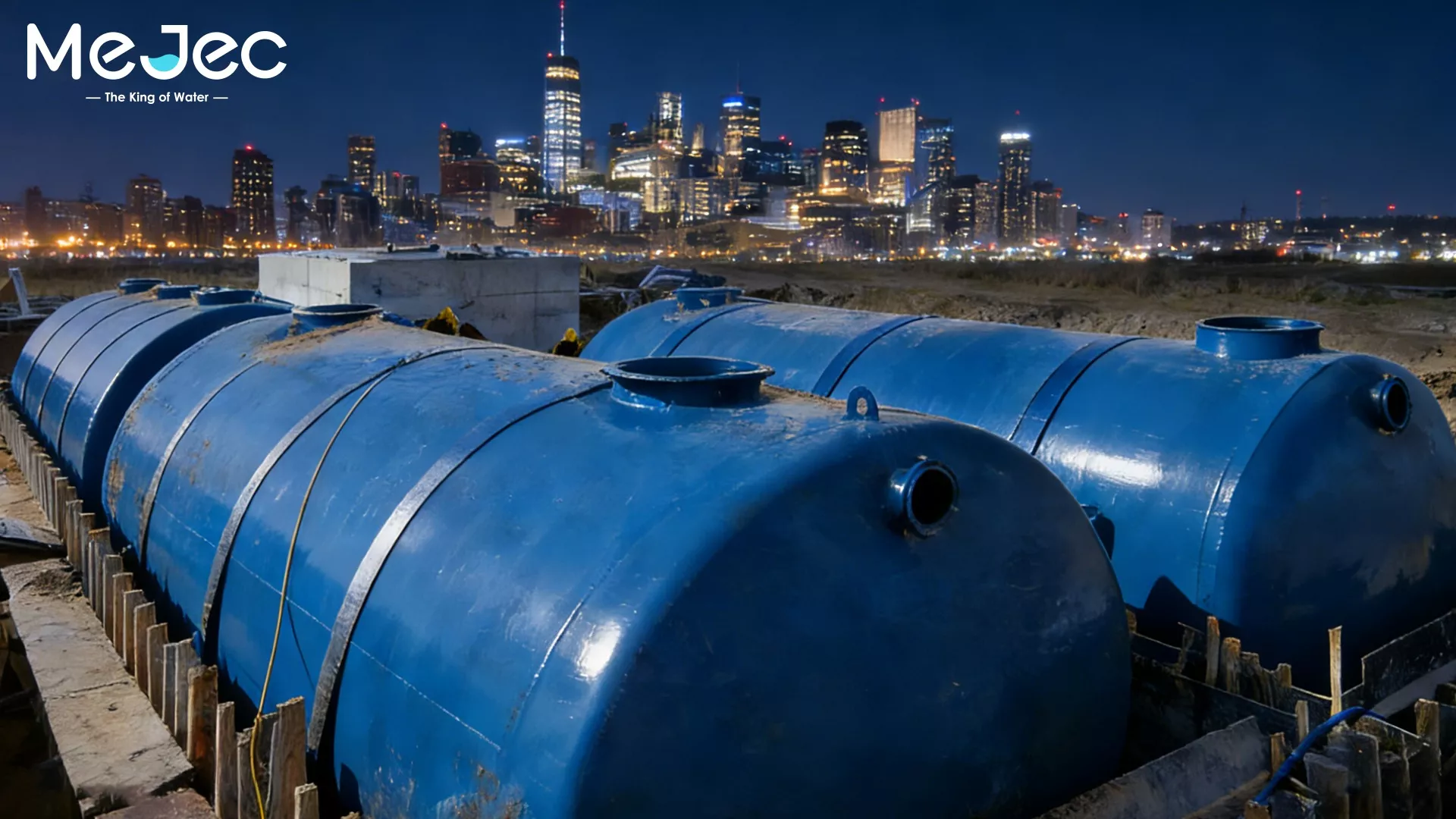
Decentralized sewage treatment refers to the process of treating wastewater close to where it is generated, rather than relying on large, centralized plants. This approach helps communities and industries manage their water resources more effectively. Over the past decade, the demand for decentralized systems has risen sharply, partly due to population shifts from cities to rural areas and aging city infrastructure. The global market for these solutions is expanding at a 12% annual growth rate, driven by urbanization and industrial needs. In the next five years, experts expect to see more smart systems, renewable energy use, and advanced treatment methods.
Key Takeaways
Decentralized sewage treatment processes wastewater close to its source, making it efficient and adaptable for various locations.
These systems save money by reducing the need for extensive piping and are more resilient during natural disasters.
Decentralized treatment can meet strict environmental standards, making it suitable for both urban and rural areas.
Regular maintenance and community education are crucial for the success of decentralized systems, ensuring they operate effectively.
Decentralized solutions support sustainability by conserving resources and protecting local water quality.
Decentralized Sewage Treatment Explained
What Is Decentralized Sewage Treatment?
Decentralized sewage treatment is a method that processes wastewater close to where it is produced. This approach does not rely on a single, large facility. Instead, it uses smaller treatment units that serve individual buildings, clusters of homes, or industrial sites. These systems help manage water resources more efficiently and can adapt to different locations and needs.
Many types of decentralized sewage treatment systems exist. Each uses different technologies and processes to clean wastewater. Some of the most common include:
Biofilters: These use natural or engineered materials to filter wastewater. Microbes living in the filter break down harmful substances.
Constructed Wetlands: Plants and natural processes remove contaminants from wastewater. Physical, chemical, and biological actions all play a role.
Membrane Bioreactors (MBRs): These combine biological treatment with special membranes. The result is high-quality treated water.
Package Plants: These are prefabricated units that can be quickly installed. They handle different amounts of wastewater and are easy to move.
Aerated Lagoons: Shallow ponds use air to help microbes clean the water. These work well for larger communities.
Distributed Systems: Networks of smaller treatment units can be placed in many locations. This makes them flexible for different population sizes and landscapes.
Solar-Powered Treatment Units: These use renewable energy to treat wastewater. They are ideal for places without access to the power grid.
Note: Decentralized sewage treatment is not just for rural areas. Urban neighborhoods, schools, and industries also benefit from these systems. With proper design and maintenance, decentralized wastewater treatment can match the performance of larger, centralized plants.
Centralized vs. Decentralized Systems
Centralized and decentralized sewage treatment systems differ in many ways. The main difference is where the wastewater is treated. Centralized systems collect wastewater from many sources and transport it to a large treatment plant, often far from where the water was used. Decentralized systems treat wastewater near its source, using smaller, local units.
The table below compares key features of both systems:
Aspect | Centralized Systems | Decentralized Systems |
|---|---|---|
Capital Expenditure (CAPEX) | High due to extensive pipe networks | Lower, as it reduces the need for extensive piping |
Operational Expenditure (OPEX) | Higher due to centralized operations | Lower, as systems are closer to the source |
Scalability | Limited by infrastructure capacity | More scalable, can be expanded as needed |
Resilience | Vulnerable to single points of failure | More resilient to natural disasters and system shutdowns |
Regulatory Processes | Often more complex and lengthy | Generally simpler and more localized |
Decentralized sewage treatment systems offer several advantages:
They save money by reducing the need for long pipes and pumps.
Collection and distribution networks can make up 75% of the cost in centralized systems.
Decentralized systems are more resilient during natural disasters. If one unit fails, others keep working.
These systems are easier to expand. New units can be added without major changes to the existing setup.
They use less energy because the water does not travel far.
Some people believe decentralized systems only work in rural areas or are less effective than centralized plants. In reality, decentralized wastewater treatment can serve both cities and industries. With the right design, these systems meet strict environmental standards and provide reliable service.
Tip: Education and awareness are important. Many communities do not know about the benefits of decentralized systems. Workshops and information campaigns can help people understand how these systems work and why they matter.
How Decentralized Treatment Works
Key Processes and Technologies
Decentralized treatment uses a combination of physical, chemical, and biological methods to clean wastewater close to where it is produced. Each process plays a unique role in making sure the effluent meets safety and environmental standards.
Physical and chemical treatment often starts the process. Electrocoagulation is a common method. It uses an electric current to help remove contaminants from the water. This step improves water quality and can lower costs.
Biological treatment follows. Systems like Membrane Biofilm Reactors (MBR) and Moving Bed Biofilm Reactors (MBBR) use special surfaces where helpful bacteria grow. These bacteria break down organic matter and other pollutants in the wastewater.
After these main steps, the treated water, or effluent, may go through filtration or disinfection. This final stage ensures that the water is safe for discharge or reuse.
Decentralized water treatment systems often combine these technologies in compact units. This design allows for flexible installation in many locations, from small communities to industrial sites. The modular nature of these systems makes them easy to expand or move as needs change.
Note: The effectiveness of decentralized treatment depends on the balance between these processes. Each step must work well with the others to produce clean effluent and protect public health.
Step-by-Step Operation
A decentralized treatment system follows a clear sequence of steps to turn wastewater into safe effluent. The process is designed to be efficient and adaptable to different types of waste and flow rates.
Collection
Wastewater enters the treatment unit directly from homes, businesses, or factories. Because the system is close to the source, there is less need for long pipes or pumps.Preliminary Treatment
Large solids and debris are removed using screens or settling tanks. This step protects the equipment and prepares the water for further treatment.Physical and Chemical Treatment
Electrocoagulation or similar methods are used to remove suspended particles and some dissolved contaminants. This step helps improve the quality of the water before it moves to biological treatment.Biological Treatment
The water flows through reactors like MBBR or MBR. Here, bacteria living on special surfaces break down organic matter and nutrients. This process is key for reducing pollution in the effluent.Solid-Liquid Separation
After biological treatment, the mixture is separated. Solids are removed, and the liquid portion continues to the next stage.Final Filtration and Disinfection
The treated water passes through filters and may be disinfected with chemicals or ultraviolet light. This ensures the effluent is safe for release or reuse.Effluent Discharge or Reuse
The clean water is either released into the environment or reused for irrigation, industrial processes, or other purposes.
Maintenance is a critical part of decentralized treatment. Proper care prevents environmental hazards. If systems are not maintained, untreated waste can escape and harm public health. Fats, oils, and grease can clog pipes and disrupt the bacteria needed for treatment. Seasonal changes, such as population increases during holidays, can overwhelm the system. Household chemicals and pharmaceuticals may upset the microbial balance, making treatment less effective. Bioaugmentation, which adds helpful bacteria, can restore balance after disruptions.
Public education helps users understand how to care for their wastewater treatment system. In rural areas, extra support and oversight are important to keep systems running smoothly. Addressing these challenges ensures that decentralized water treatment remains reliable and safe.
Tip: Regular checks and simple maintenance routines can prevent most problems in decentralized treatment systems. Community involvement and education are key to long-term success.
Types of Decentralized Wastewater Treatment
Onsite and Cluster Systems
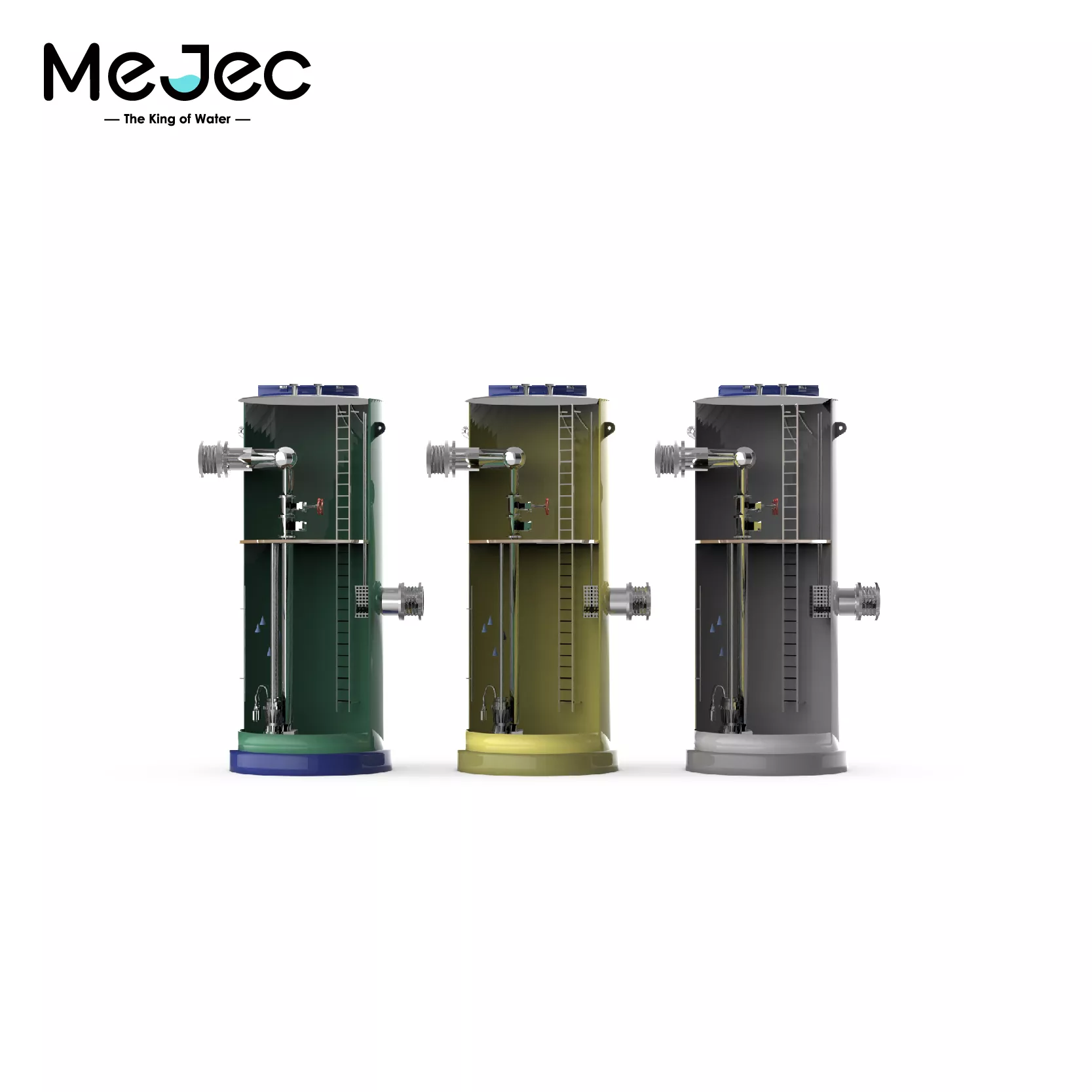
Onsite and cluster systems are common forms of decentralized treatment. These systems treat wastewater close to where it is produced. Onsite wastewater management systems are often used in rural and suburban areas. They serve single homes or small groups of buildings. Cluster systems can handle larger groups, such as neighborhoods or schools.
The table below compares three popular system types. It shows their best uses, costs, space needs, and energy use.
System Type | Best For | Typical Cost (per gpd) | Space Required (acres per 100,000 gpd) | Energy Use (kWh per 1000 gallons) |
|---|---|---|---|---|
Membrane Bioreactors (MBRs) | High-quality effluent needs | $350-500 | 0.3 | 1.2-2.0 |
Sequencing Batch Reactors (SBRs) | Variable flow rates | $200-300 | 0.5 | 0.8-1.5 |
Constructed Wetlands | Rural areas with available land | $150-200 | 2-4 | 0.1-0.3 |
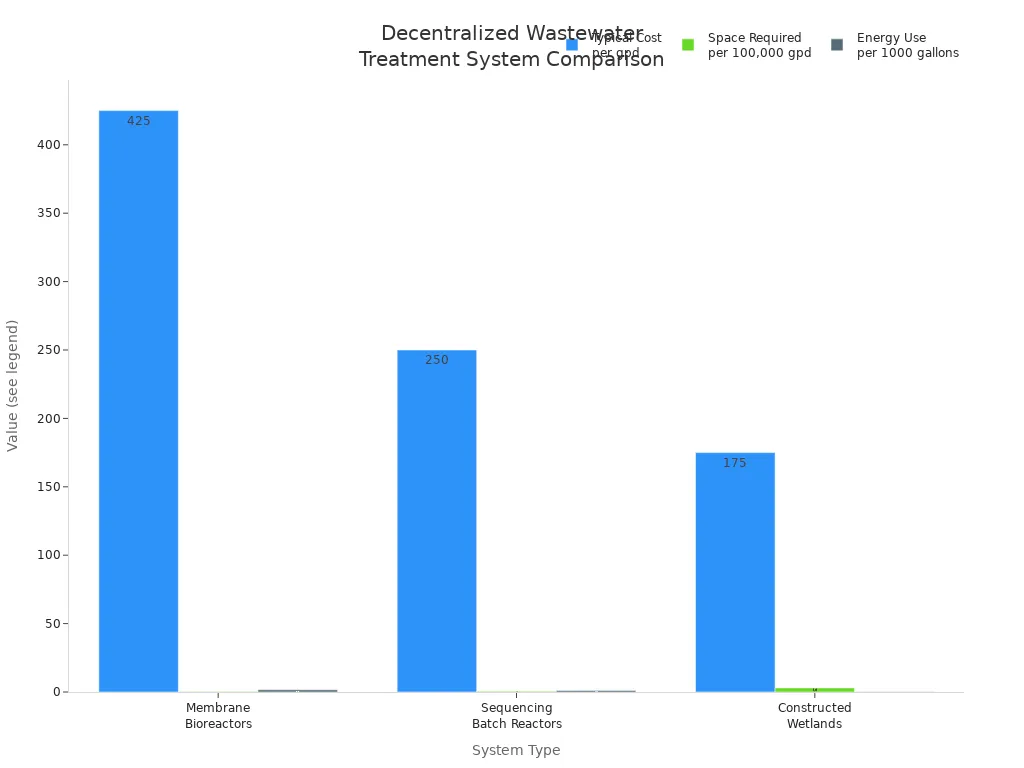
Proper design and maintenance help these systems remove harmful substances from wastewater. Soil conditions, water table levels, and system size all affect performance. If not maintained, these systems can cause pollution or system failure.
Industrial Decentralized Solutions
Industries need specialized decentralized solutions to treat their wastewater. These systems are used at mining sites, factories, and temporary camps. They process water near its source, which saves money and energy.
Key features of industrial systems include:
Localized treatment for flexibility and quick response to changing needs
Lower energy use and easier water reuse for irrigation or other purposes
Economic savings by avoiding long pipelines and reducing operating costs
Resilience, as distributed systems limit the impact of disruptions
Adaptability for different industries and project sizes
Industrial systems use advanced technologies. Electrochemical oxidation treats wastewater from electroplating. Membrane filtration helps recover metals like copper, zinc, and nickel. These methods reduce chemical use and make metal recovery more efficient.
Many industries rely on decentralized treatment to meet strict environmental rules and protect local water resources.
Benefits of Decentralized Wastewater Treatment
Efficiency and Flexibility
Decentralized wastewater treatment systems offer unique advantages in both efficiency and adaptability. These systems reduce the distance that wastewater must travel, which lowers energy use and speeds up the water treatment process. Localized resource recovery becomes possible, allowing communities and industries to reclaim valuable resources such as water and energy right at the source. This approach also helps reduce greenhouse gas emissions.
Decentralized systems can handle large daily flows, sometimes treating over a million gallons of wastewater per day.
They provide a cost-effective alternative to traditional centralized plants, especially for growing communities.
Combining decentralized and centralized water treatment strategies can help communities with limited budgets find the best solution.
Flexibility is another key benefit. Decentralized wastewater treatment systems can adapt to changing needs in both communities and industries. Performance-based regulations, rather than strict design rules, allow engineers to create site-specific water treatment solutions that meet environmental standards. This adaptability supports innovation and ensures that each system fits its location and purpose.
Tip: Decentralized water treatment systems can be scaled up or down as needed, making them ideal for areas with changing populations or industrial demands.
Environmental and Economic Advantages
Decentralized wastewater treatment brings significant environmental benefits. These systems encourage community ownership and responsibility, leading to better environmental stewardship. Cleaner waterways and reduced disease rates are common outcomes. Localized water treatment also protects groundwater and surface water by removing pollutants before they reach the environment.
Decentralized systems enhance the quality of local watersheds.
They prevent contamination of surface water and help recharge the water table.
Improved water treatment leads to healthier ecosystems and communities.
Economic savings are another strong advantage. The table below highlights key financial benefits:
Evidence Type | Description |
|---|---|
Capital Cost Savings | Decentralized systems require about half the capital of centralized systems, reducing costs to around $8,300 per home. |
Operational Cost Reduction | Lower energy use and maintenance needs lead to reduced operational and labor costs. |
Infrastructure Cost Avoidance | Eliminating long pipelines saves significant money and reduces disruption. |
Faster Payback Period | Decentralized models achieve payback more quickly, providing early returns. |
These combined benefits make decentralized wastewater treatment a smart choice for sustainable water management.
Decentralized Water Treatment Applications
Community and Rural Use Cases
Decentralized water treatment systems play a vital role in rural and underserved communities. Many areas in the United States face challenges with wastewater infrastructure. Over 60 million people live in rural regions where access to reliable treatment is limited. More than 2 million households do not have safely managed wastewater systems. These communities benefit from a local, bottom-up approach that tailors solutions to their specific needs.
Evidence Description | Details |
|---|---|
Community Context | Over 60 million residents live in rural, low-resourced communities in the US, struggling with wastewater infrastructure. |
Infrastructure Issues | More than 2 million households lack access to safely managed wastewater systems, particularly in underserved areas. |
Management Approach | The study emphasizes a local bottom-up approach for managing decentralized wastewater systems tailored to community needs. |
Decentralized systems improve public health by providing affordable access to clean water. Many communities use Water-as-a-Service contracts, which reduce upfront costs and make safe water available even in remote locations. These systems also offer resilience. If one unit fails, others continue to operate, reducing risks for the entire community. Community water treatment systems help protect local water sources and support healthier living conditions.
Industrial Case Study: Mejec JM-IWTP
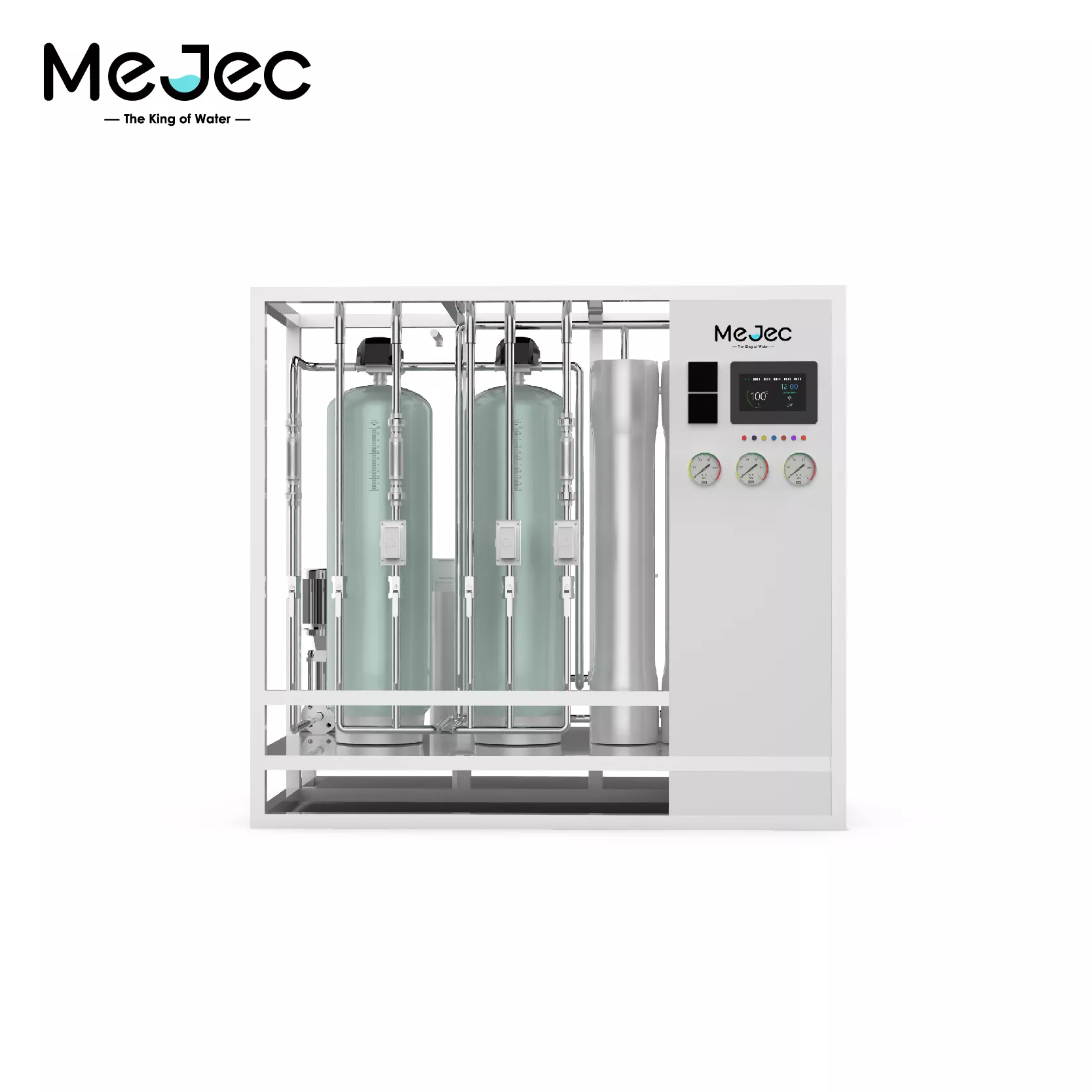
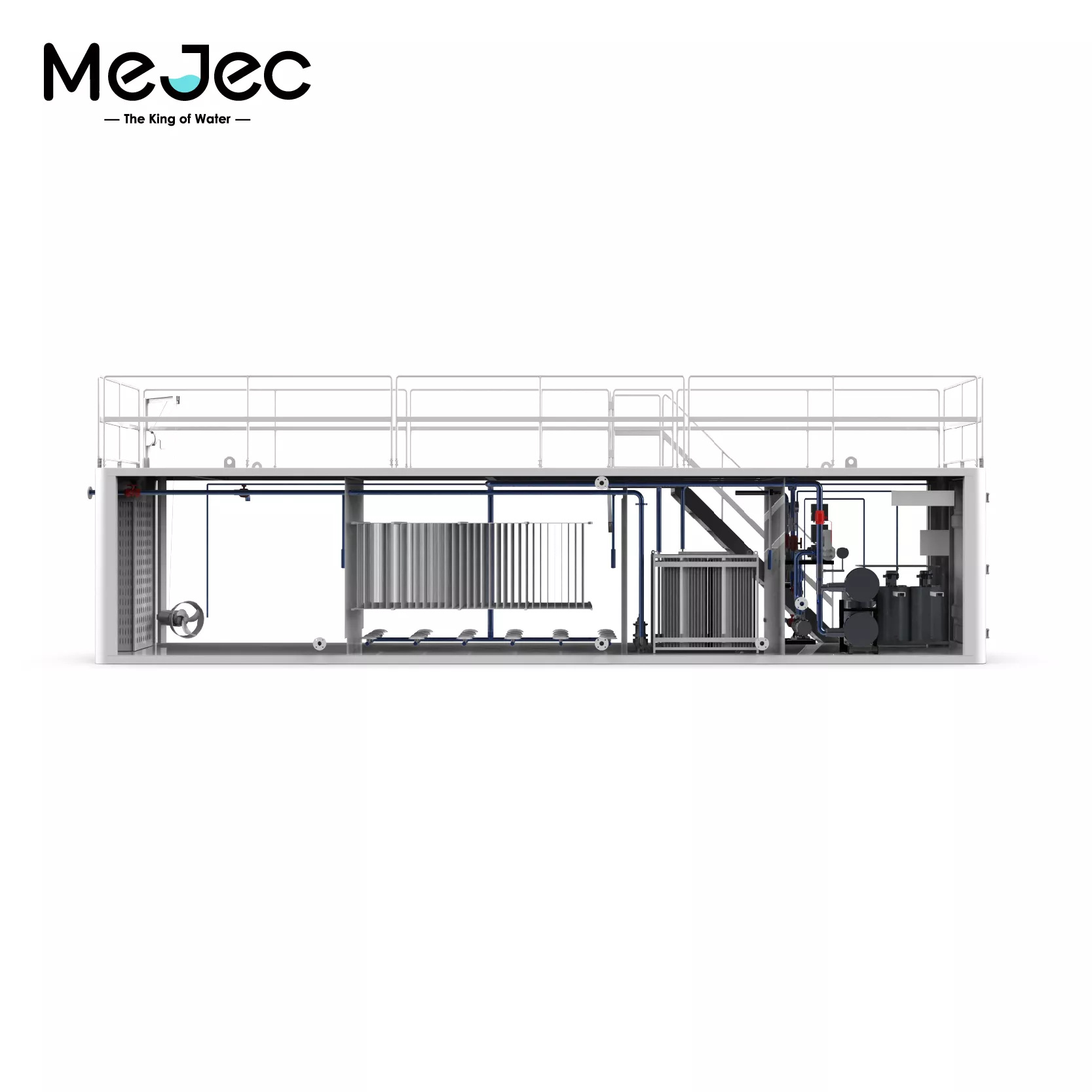
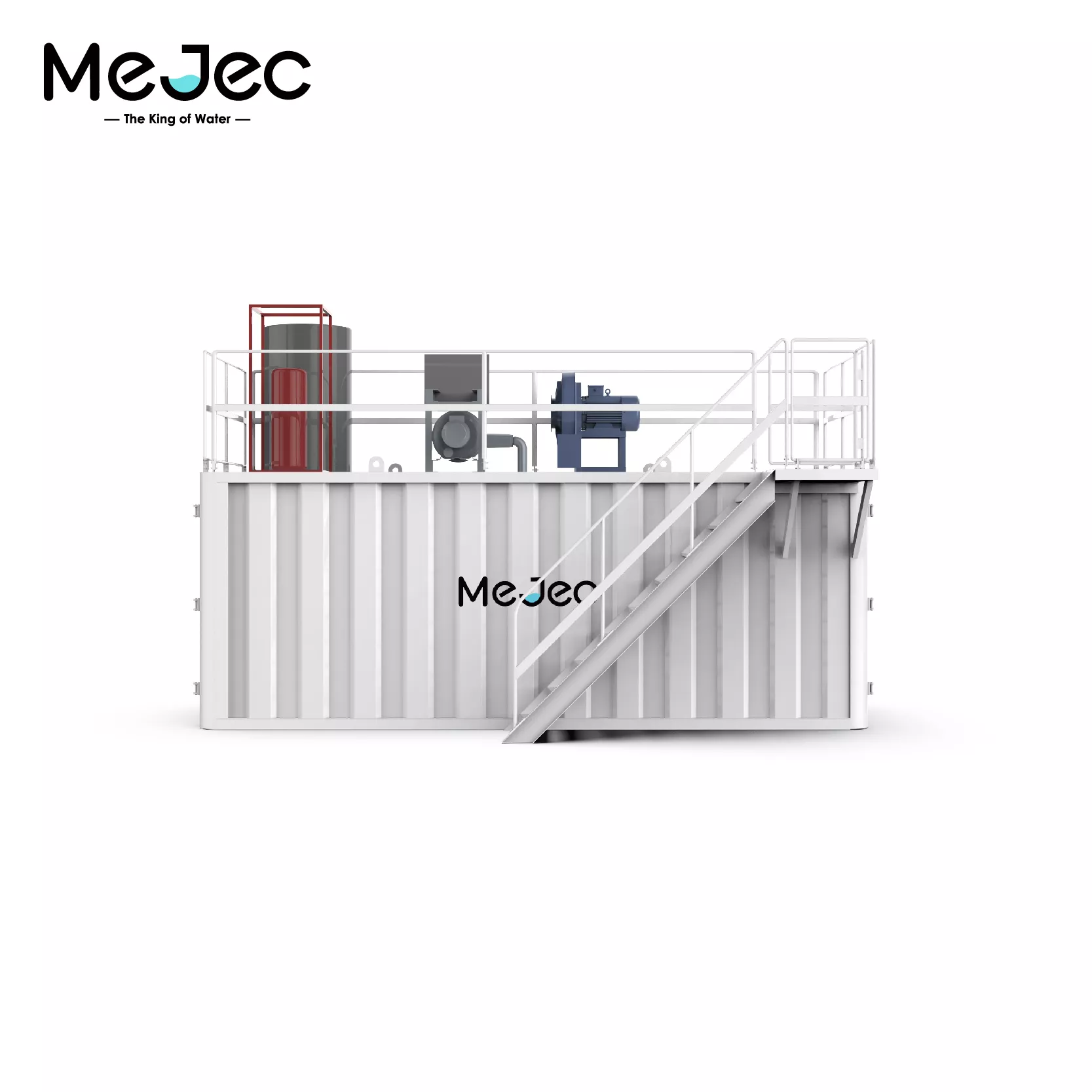
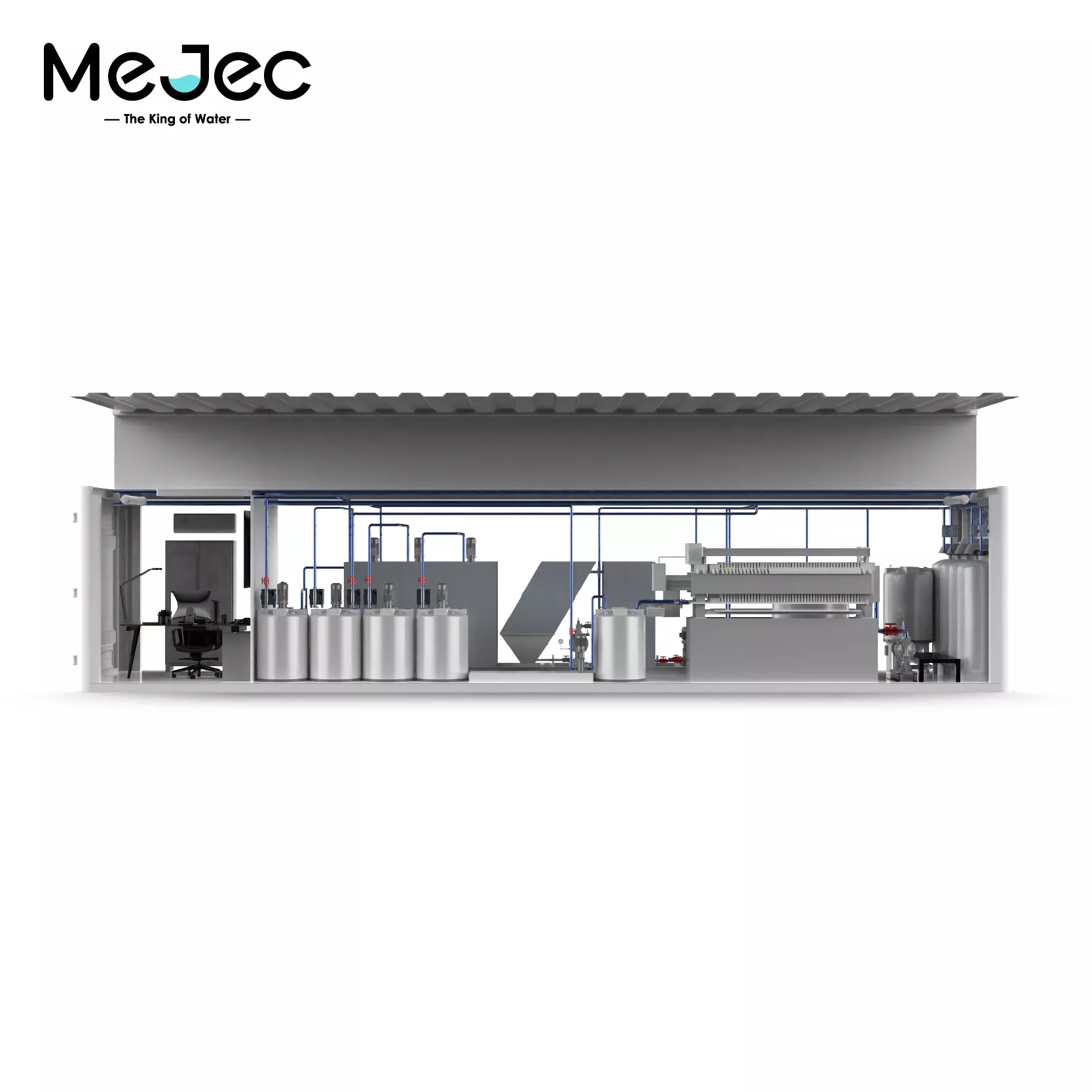
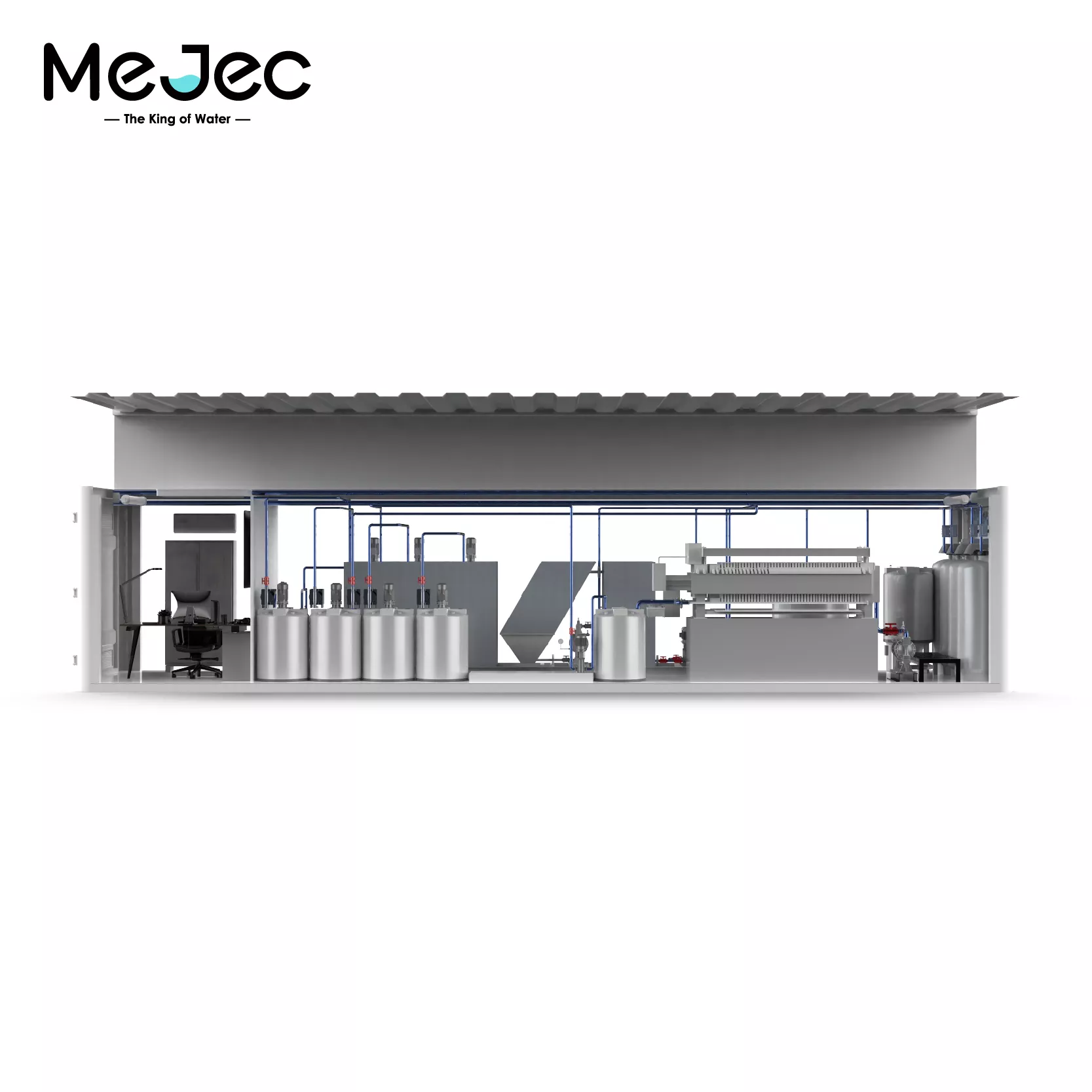
Industries such as electroplating and mining require advanced solutions for treating complex wastewater. The Mejec JM-IWTP is a modular, containerized system designed for these demanding environments. It uses a multi-stage process that includes chemical-physical pretreatment, advanced biological treatment with MBBR or MABR, clarification, and final filtration or disinfection. This approach ensures that treated effluent meets strict environmental standards.
Feature | Description |
|---|---|
Design | Fully integrated, mobile solution housed in robust shipping containers. |
Treatment Processes | Multi-stage process including chemical-physical pretreatment, advanced biological treatment (MBBR or MABR), clarification, and tertiary filtration or disinfection. |
Adaptability | Designed for rapid deployment and operational resilience, suitable for remote sites and temporary projects. |
Advanced MABR technology for efficient nutrient removal.
Compact design allows for easy transport and setup.
High-quality treated effluent with minimal energy use.
Self-contained unit ensures consistent performance.
Containerized solutions like the Mejec JM-IWTP offer flexibility for both temporary and permanent deployment. Their portability and easy setup make them ideal for remote locations or projects with changing needs. These systems save space, reduce costs, and deliver reliable results, making them a smart choice for modern industrial wastewater management.
Decentralized sewage treatment offers an effective solution to protecting water quality. These systems provide local control, lower energy use, and support sustainability for both communities and industries.
Automation and remote monitoring make maintenance easier.
Flexible design allows quick setup and expansion.
Reusing treated wastewater helps conserve resources.
Next Steps | Description |
|---|---|
Community Involvement | Engage users in planning and operation. |
Maintenance | Monitor and maintain systems regularly. |
Further Reading | Best Practices For Decentralized Wastewater Treatment System Upgrades |
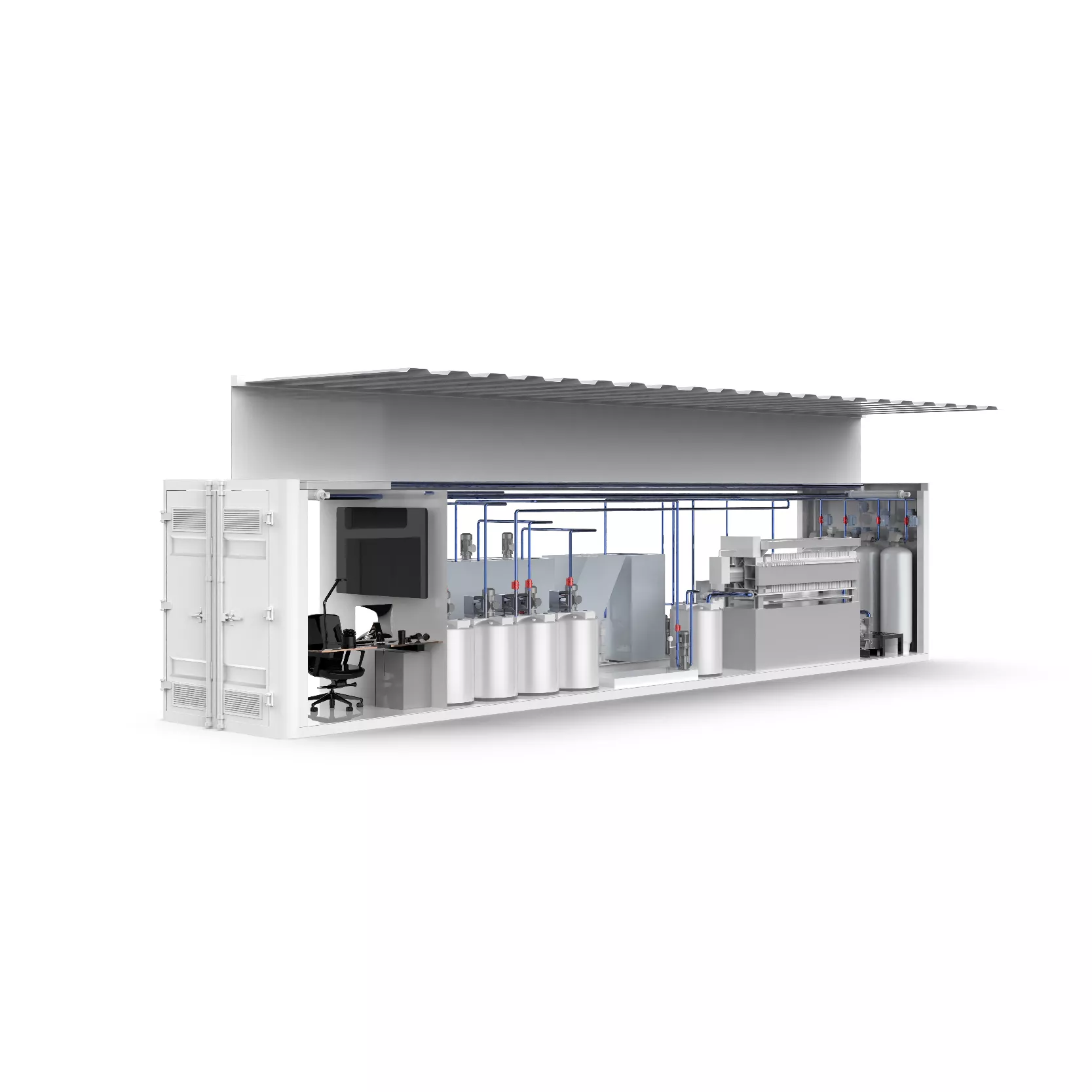
Decentralized options like the Mejec JM-IWTP can help industries and communities manage water responsibly.
FAQ
What is decentralized sewage treatment?
Decentralized sewage treatment means treating wastewater close to where it is produced. Small systems handle water from homes, businesses, or factories. These systems work independently and do not rely on a large, central plant.
How does a containerized system like the Mejec JM-IWTP work?
A containerized system arrives pre-assembled in a shipping container. It uses advanced processes to clean industrial wastewater. The unit can be set up quickly and moved as needed. It treats water to meet strict environmental standards.
What are the main benefits of decentralized wastewater treatment?
Lower installation and operating costs
Quick setup and easy expansion
Local control over water quality
Resilience during emergencies
Decentralized systems help protect local water sources and support sustainable growth.
Who can use decentralized sewage treatment systems?
Communities, rural areas, schools, and industries can use these systems. They fit places with limited infrastructure or changing needs. Industries like mining and electroplating benefit from specialized containerized solutions.
How often do decentralized systems need maintenance?
Most systems need regular checks every few months. Simple tasks include cleaning filters and checking pumps. Proper maintenance keeps the system running safely and efficiently.