





.webp)



How to choose the best commercial water dispensers for restaurants
Find the best commercial water dispenser for your ...
More


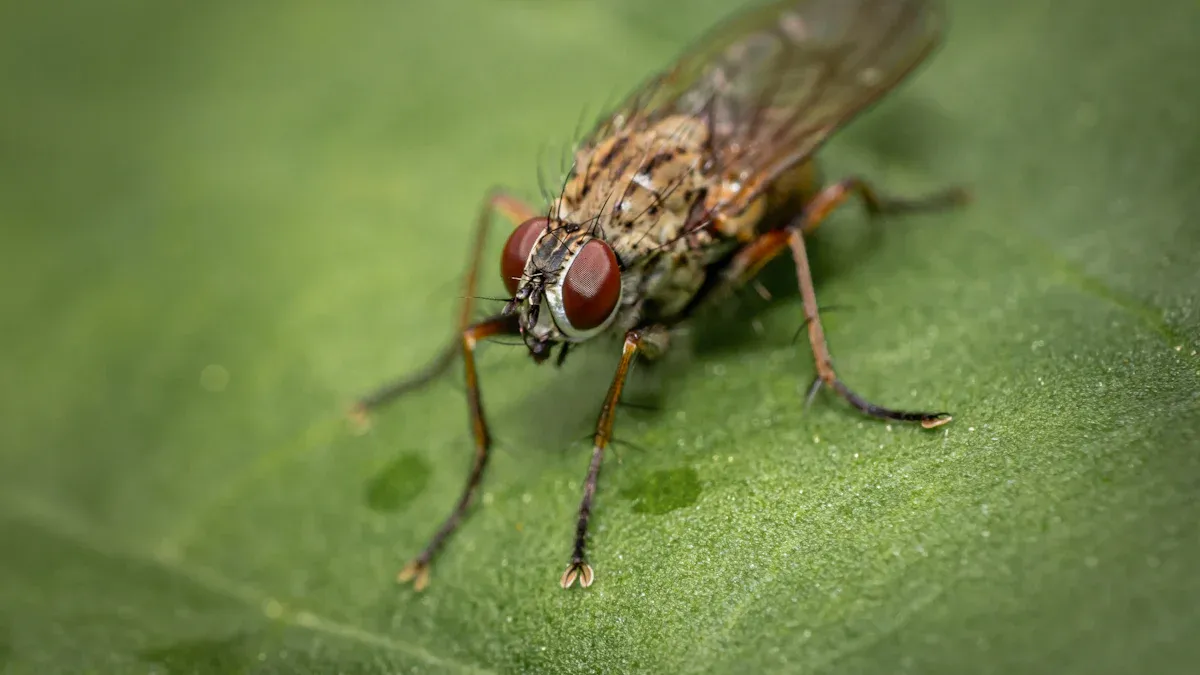
You may notice tiny flies buzzing around your kitchen. These pests often belong to one of three common groups. Fruit flies have tan bodies and prefer overripe produce. You might even find fruit flies in water dispenser trays. Drain flies look like tiny, fuzzy moths near sinks. Fungus gnats resemble small mosquitos and live near houseplants.
| Common Name | Scientific Family Name |
|---|---|
| Fruit Flies | Drosophilidae |
| Drain Flies | Psychodidae |
| Fungus Gnats | Sciaridae |
You can identify kitchen flies by their look, where they hang out, and how they move. Fruit flies like ripe fruit, drain flies like dirty pipes, and fungus gnats like wet plant soil.
Flies come into your home looking for food and places to lay eggs. Fruit flies like fermenting food, drain flies like slimy drains, and fungus gnats like damp soil.
You can get rid of flies by cleaning up their food sources and breeding spots. Keep your kitchen clean, manage your trash, and care for your plants to stop flies from coming back.
Identifying the tiny invader in your kitchen is the first step to getting rid of it. Each type of fly has a unique look, favorite location, and specific behavior. You can use this chart to quickly tell them apart.
You can often identify a fly just by looking at it closely. Notice its body shape, color, and size. These details provide important clues.
| Feature | Fruit Fly | Drain Fly | Fungus Gnat |
|---|---|---|---|
| Body Shape | Small, rounded, and stout | Fuzzy, moth-like body | Slender, delicate, mosquito-like |
| Color | Tan or light brown body, often with bright red eyes | Dark gray or black body and wings | Dark brown or black body |
| Size | About 1/8 inch long | Around 1/8 inch long | Very small, 1.5 to 3 mm (less than 1/16 inch) |
| Wings | Clear wings with specific vein patterns | Hairy wings held over the body like a roof | Dark wings with a distinct 'tuning fork' shaped vein |
You can find these pests in very different areas of your kitchen. Their location tells you what they are eating and where they are laying eggs. Flies need decaying organic matter to lay their eggs. The larvae then feed on this material to grow.
What's Biofilm?You may hear the term biofilm. This is a slimy, gelatinous muck that grows inside your drains. It is made of bacteria and fungus. This film provides the perfect food and breeding ground for both drain flies and fruit flies.
| Fly Type | Common Locations | What Attracts Them |
|---|---|---|
| Fruit Flies | 🍎 Near fruit bowls, trash cans, recycling bins, and drains | Fermenting sugars in overripe fruits and vegetables. They also consume yeast from these materials. |
| Drain Flies | 💧 Around sink drains, shower drains, and floor drains | Gelatinous muck and biofilm lining the inside of pipes. They thrive in areas with standing water. |
| Fungus Gnats | 🌱 Near houseplants, in potting soil, and around windows | Damp soil and decaying plant roots. Overwatering your plants creates an ideal home for them. |
The way a fly moves can be your biggest clue. Pay attention to how it flies and how it rests on surfaces. Each one has a distinct pattern of movement.
Fruit Flies are agile flyers. You will see them hovering slowly over a food source, like a banana. They often seem to float or drift in the air. When you disturb them, they fly away quickly.
Fungus Gnats are weak and clumsy flyers. They have an erratic, darting flight pattern. You might see them hopping from spot to spot near the base of a plant. Their long legs often dangle as they fly.
Drain Flies rarely travel far from their home. You will see them making short hops from the drain to a nearby wall. They are not strong flyers and prefer to crawl or rest.
When these flies land, their resting posture is also unique. You can look for these final clues. Drain flies hold their fuzzy wings in a triangular, roof-like shape over their bodies. Fungus gnats fold their wings flat over their backs. Fruit flies tend to hold their wings out at a slight angle.
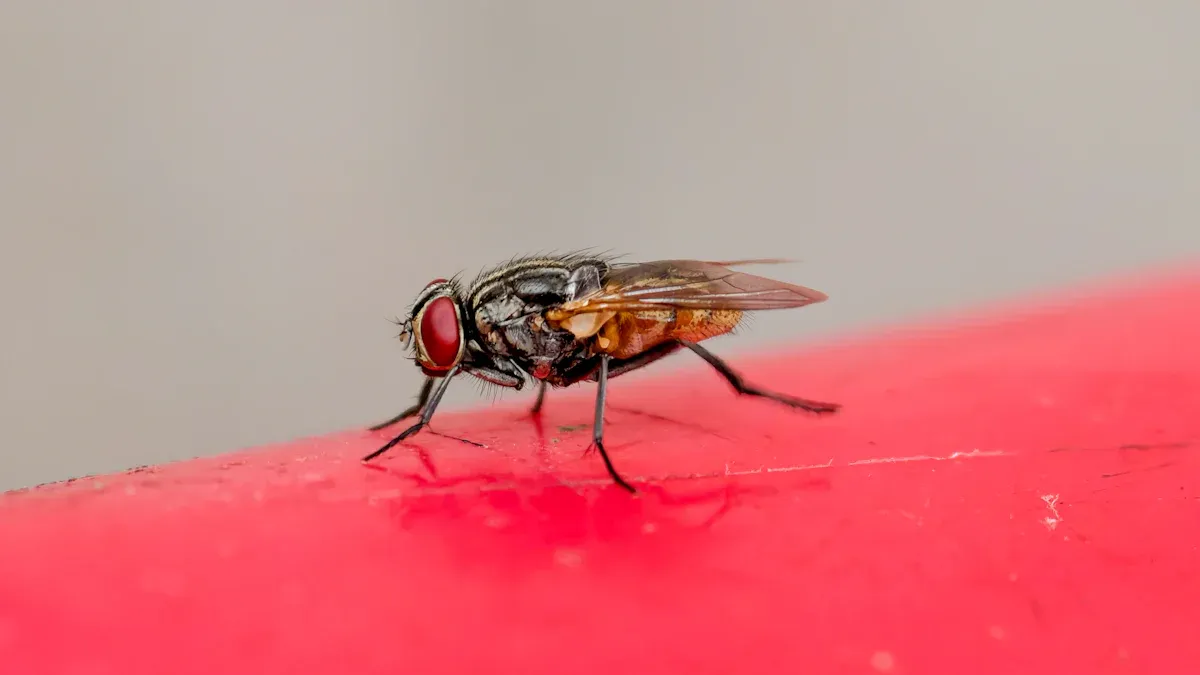
Fruit flies are one of the most common uninvited guests in the kitchen. Understanding their habits is the key to sending them packing. You can learn to spot them, know where they originate, and see what draws them in.
You can easily identify fruit flies by their distinct features. They have small, stout bodies that are typically tan or light brown. Their most noticeable trait is often their bright red eyes, though you may need to look closely to see them. They are slow, hovering flyers, often seen drifting around fruit bowls or trash cans.
You might feel like fruit flies appear out of nowhere. They usually enter your home as eggs or larvae on fruits and vegetables from the grocery store. Once inside, their life cycle is incredibly fast. A fruit fly can develop from an egg to an adult in just 8 to 10 days under warm summer conditions. This rapid development is why a small problem can quickly become a large infestation. They lay eggs in any moist area with fermenting organic material. You might even find fruit flies in water dispenser trays if there is standing water and buildup.
Fruit flies are drawn to the smells of fermentation and decay. The yeast and microbes breaking down sugars in overripe produce release specific chemical compounds. These scents act like a dinner bell for fruit flies.
The Science of SmellFruit flies have a powerful sense of smell. They are especially attracted to volatile chemicals produced during fermentation, including:
Ethanol
Acetic acid (the main component of vinegar)
Ethyl acetate
Methanol
This is why you find them swarming around your fruit bowl, in recycling bins with old soda or wine bottles, and near garbage disposals.
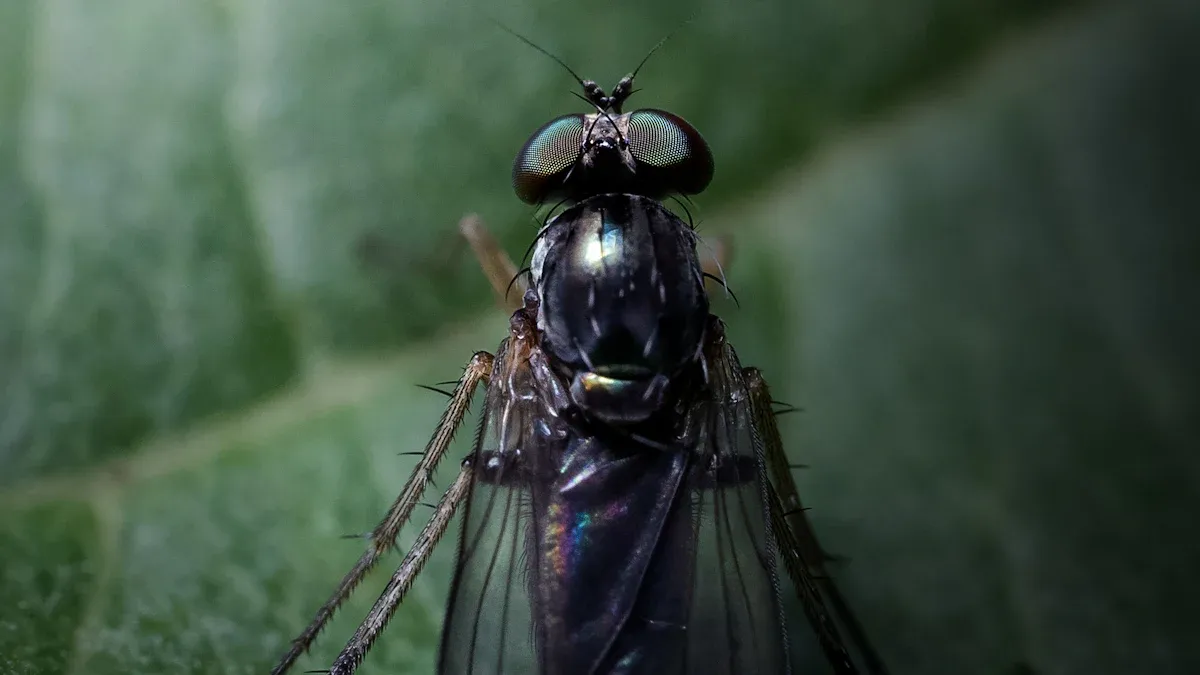
If you see a tiny, fuzzy insect resting on the wall near your sink, you are likely looking at a drain fly. These pests, also called moth flies, thrive in the damp, dark environment of your plumbing. You can learn to identify them by their unique appearance and habits.
You can spot drain flies by their distinct, moth-like appearance. Their bodies and wings are covered in fine hairs, giving them a fuzzy look. They are not strong flyers and usually make short, hopping flights from the drain to a nearby surface.
Key Features of a Drain Fly
Appearance: They have a light gray or tan body with lighter-colored, hairy wings.
Size: Adults typically measure between 1.5 and 5 mm long.
Resting Posture: When they land, they hold their wings over their body in a unique, roof-like shape.
Drain flies breed inside your pipes. An adult fly lays its eggs in the gelatinous film, or biofilm, that lines your drains. The larvae hatch and live within this muck. They feed and grow there for about 9 to 15 days before turning into pupae and then emerging as adult flies. This entire life cycle happens right inside your plumbing.
The main attraction for drain flies is the organic sludge building up in your pipes. This slimy layer provides the perfect food source for their larvae. You are essentially offering them a buffet of their favorite foods. This material includes:
Soap scum
Algae and fungi
Bacteria
Other decaying organic matter
Cleaning this sludge from your drains removes their food and breeding ground, which is the key to getting rid of them.
You may mistake a fungus gnat for a tiny mosquito. These slender, dark-colored flies are common around houseplants. They are weak, clumsy flyers and often stay close to the soil of your potted plants.
You can identify adult fungus gnats by their delicate, mosquito-like bodies and long legs. They have an erratic flight pattern and tend to crawl around on soil and windows. While the adults are annoying, the real problem lies with their larvae in the soil. You can identify fungus gnat larvae by looking for a few key features.
They are small and worm-like, growing to about 1/4 inch long.
Their bodies are clear to white and have no legs.
A shiny black head is their most distinct feature.
You will find these larvae moving through the top inch of potting soil, where they feed and grow.
Fungus gnats often enter your home as unwelcome passengers. You might bring them inside on houseplants that spent the summer outdoors. Once inside, the warmer indoor temperatures can cause their population to grow quickly. They are highly attracted to the damp conditions found in houseplant soil. As potting mix gets older, it holds more moisture, making it an even more inviting home for these pests.
Moisture is the main attraction for fungus gnats. Any soil that is damp and high in organic matter will draw them in. The adult gnats lay their eggs in this moist soil. The hatched larvae then feast on the materials within it.
What's on the Larvae's Menu? 🪴 Fungus gnat larvae primarily feed on fungi and decaying plant matter in the soil. In a heavy infestation, they may also begin to eat the delicate roots of your plants, causing damage.
Overwatering your plants creates the perfect breeding ground and food source for a fungus gnat infestation.
You can win the battle against fruit flies by removing their resources and setting simple traps. A consistent approach will clear your kitchen of these pests for good.
You must first remove what attracts fruit flies. A clean kitchen gives them nowhere to eat or lay eggs. You should focus on these key areas:
Store ripe fruit in the refrigerator instead of on the counter.
Take out your trash and recycling daily.
Wipe up spills and crumbs from counters and floors immediately.
Clean your garbage disposal and sink drains to remove food buildup.
You can easily make a highly effective trap with a few household items. Pour about an inch of apple cider vinegar into a small jar or bowl. Then, add a few drops of dish soap and stir gently.
Why This Trap WorksThe scent of apple cider vinegar mimics rotting fruit. Its fermented smell contains acetic acid, which fruit flies find irresistible. The dish soap breaks the liquid's surface tension. When the flies land for a drink, they sink and cannot escape.
Place these traps where you see the most activity, like near the fruit bowl or sink.
You may overlook a common breeding ground. The drip tray of your refrigerator's water dispenser can collect standing water and organic gunk. This creates a perfect home for fruit flies. You should check for fruit flies in water dispenser trays regularly. If you find fruit flies in water dispenser areas, remove the tray and clean it thoroughly with soap and hot water. Eliminating fruit flies in water dispenser trays is a critical step for a fly-free kitchen.
You can get rid of drain flies by targeting their breeding ground. This process involves cleaning your pipes, using a treatment to kill any remaining larvae, and confirming the infestation is gone.
You must first remove the slimy biofilm inside your pipes. This organic muck is where drain flies lay their eggs and where their larvae live. You can use several effective methods to scrub your drains clean.
Baking Soda and Vinegar: Pour one cup of baking soda down the drain, followed by one cup of white vinegar. Let it fizz for 30 minutes, then flush with boiling water.
Salt, Borax, and Vinegar: You can also mix 1/4 cup of salt, 1/4 cup of Borax, and 1/2 cup of vinegar. Pour this mixture into the drain and follow with boiling water.
Enzyme Cleaners: Use a biodegradable enzyme cleaner. These products use natural bacteria to eat away the organic buildup without harming your pipes.
After cleaning, you should take an extra step to kill any remaining eggs or larvae. Slowly pouring a kettle of boiling water down the drain can be very effective. If you choose to use a chemical drain cleaner, you must prioritize safety.
Safety First! ⚠️Chemical drain cleaners can cause skin irritation and release harmful fumes. Always read the product label. You should wear protective gloves and safety goggles. Make sure your kitchen has good ventilation by opening a window or using an exhaust fan.
You need to confirm that the flies are gone. Take a piece of clear packing tape and place it over the drain opening, sticky-side down. Leave it overnight. In the morning, check the tape for any trapped flies. If you do not see any flies, you should repeat the test for a few more nights. This ensures you account for their full breeding cycle and confirm the infestation is truly eliminated.
You can successfully remove fungus gnats by disrupting their life cycle. This involves managing soil moisture to stop them from breeding and using traps to catch the adults.
You must first manage your plant's soil moisture. Fungus gnats thrive when soil moisture is consistently around 50%. You can prevent their development by letting your plants dry out between waterings. Before you water again, check the soil. You should allow the top one to two inches of soil to become completely dry. This simple change makes the soil unattractive to adult gnats looking for a place to lay eggs. It also helps prevent root rot, keeping your plants healthier.
You can catch adult fungus gnats with yellow sticky traps. The gnats are naturally drawn to the yellow color, mistaking it for a flower. When they land on the trap, the strong adhesive holds them fast. For the best results, you should place the traps strategically.
Position the traps horizontally, just above the soil surface.
Attach the traps to small stakes and insert them into the pots.
Ensure the sticky surface does not touch the plant's leaves.
This method helps you monitor and reduce the adult gnat population.
If changing your watering schedule is not enough, you can treat the soil directly. This step targets the larvae living in the potting mix. You have several effective options to choose from.
Effective Soil Drenches 🪴
Bacillus thuringiensis israelensis (Bti): This is a naturally occurring soil bacterium that kills gnat larvae but is safe for plants, people, and pets.
Neem Oil: A diluted neem oil solution can be used as a soil drench to disrupt the larvae's growth and deter adults.
These treatments attack the infestation at its source, helping you eliminate the problem for good.
An ounce of prevention is worth a pound of cure. You can stop fly infestations before they start by making your kitchen less inviting. A few consistent habits will help you maintain a fly-free home.
You can prevent drain flies by keeping your pipes clean. Regular maintenance removes the biofilm that these pests need to survive. You should adopt a simple cleaning schedule.
Weekly: Flush your kitchen drain with hot water. This helps break down any fresh grease or food buildup.
Monthly: Use a natural cleaner. You can pour a mixture of baking soda and vinegar down the drain to clear out developing sludge.
This routine keeps your drains clear and stops flies from making a home in your plumbing.
You can deny fruit flies a meal by managing your food and garbage. Wash all fruits and vegetables when you bring them home. You should store ripe produce in the refrigerator.
Seal Your Trash Tightly 🗑️ You need a trash can with a secure lid. A can with a tight-fitting or zip-style closure keeps flies from getting in to feed and lay eggs. Take the trash out regularly to remove their food source completely.
You can discourage fungus gnats by choosing the right soil for your plants. While no mix is completely immune, some are less attractive to these pests.
When you repot your plants, look for potting mixes made mostly of sphagnum peat moss and perlite. These soils hold less moisture at the surface. They are less appealing to gnats than mixes containing a lot of compost or bark. This simple choice helps you prevent a gnat problem from taking root.
You can win the war against tiny kitchen flies. Proper identification is your first step to victory. You reclaim your kitchen by matching the pest to the correct removal method. This is vital, as flies can contaminate food with bacteria like E. coli.
Consistent cleaning and prevention are your best long-term defenses for a fly-free home.
You might bring flies home on groceries. They can also breed in hidden spots. Check your sink drains, garbage disposal, and the soil of your houseplants for activity.
Yes, they can pose a health risk. Flies travel from dirty areas like trash to your food. This movement can transfer harmful bacteria and contaminate your food surfaces. ☣️
You can see a big difference in a few days. However, you must continue treatment for one to two weeks. This ensures you eliminate their entire life cycle.

We provide you with comprehensive foreign trade solutions to help enterprises achieve global development

The Mejec Commercial Drinking Water Dispenser is d...
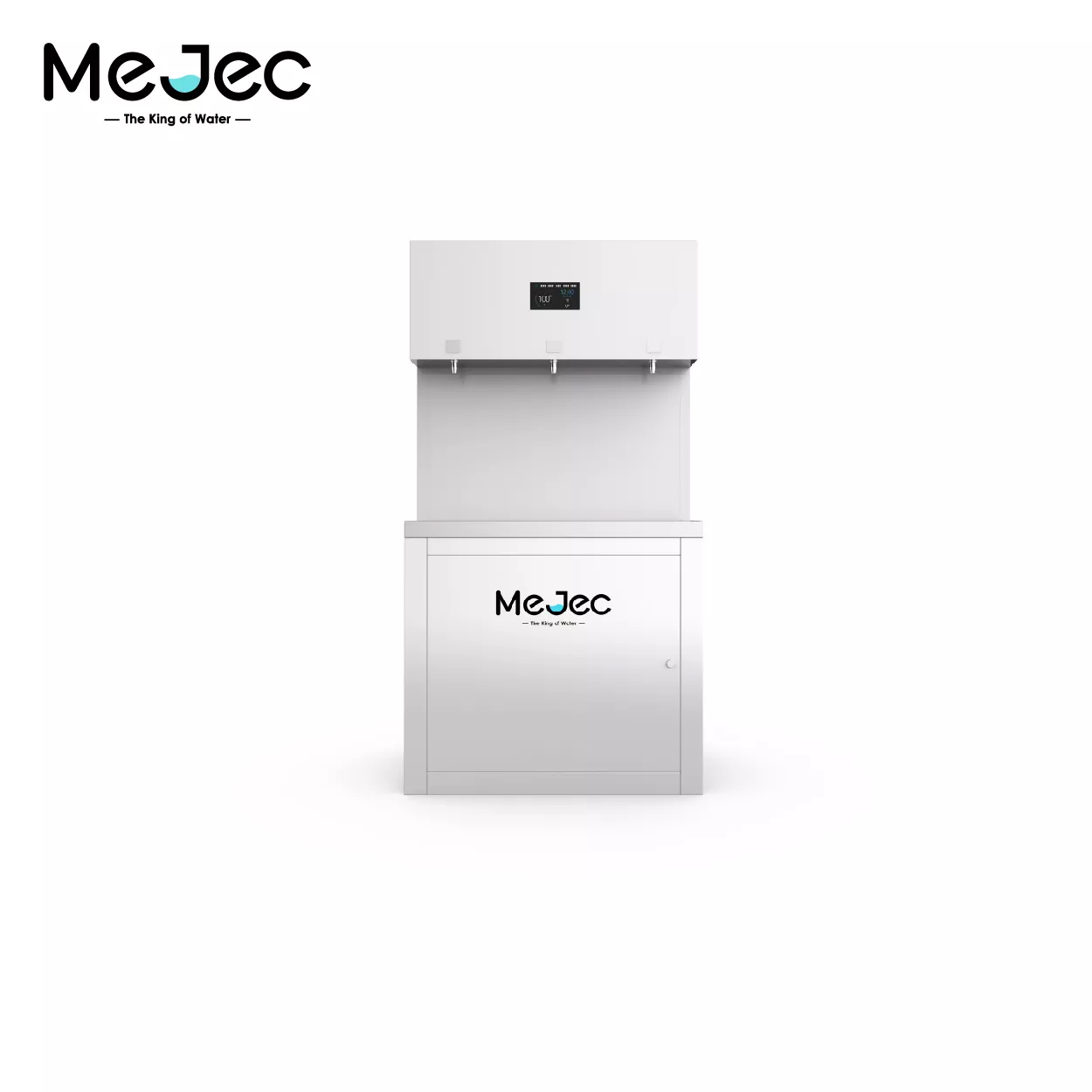
Upgrade your commercial hydration station with our...
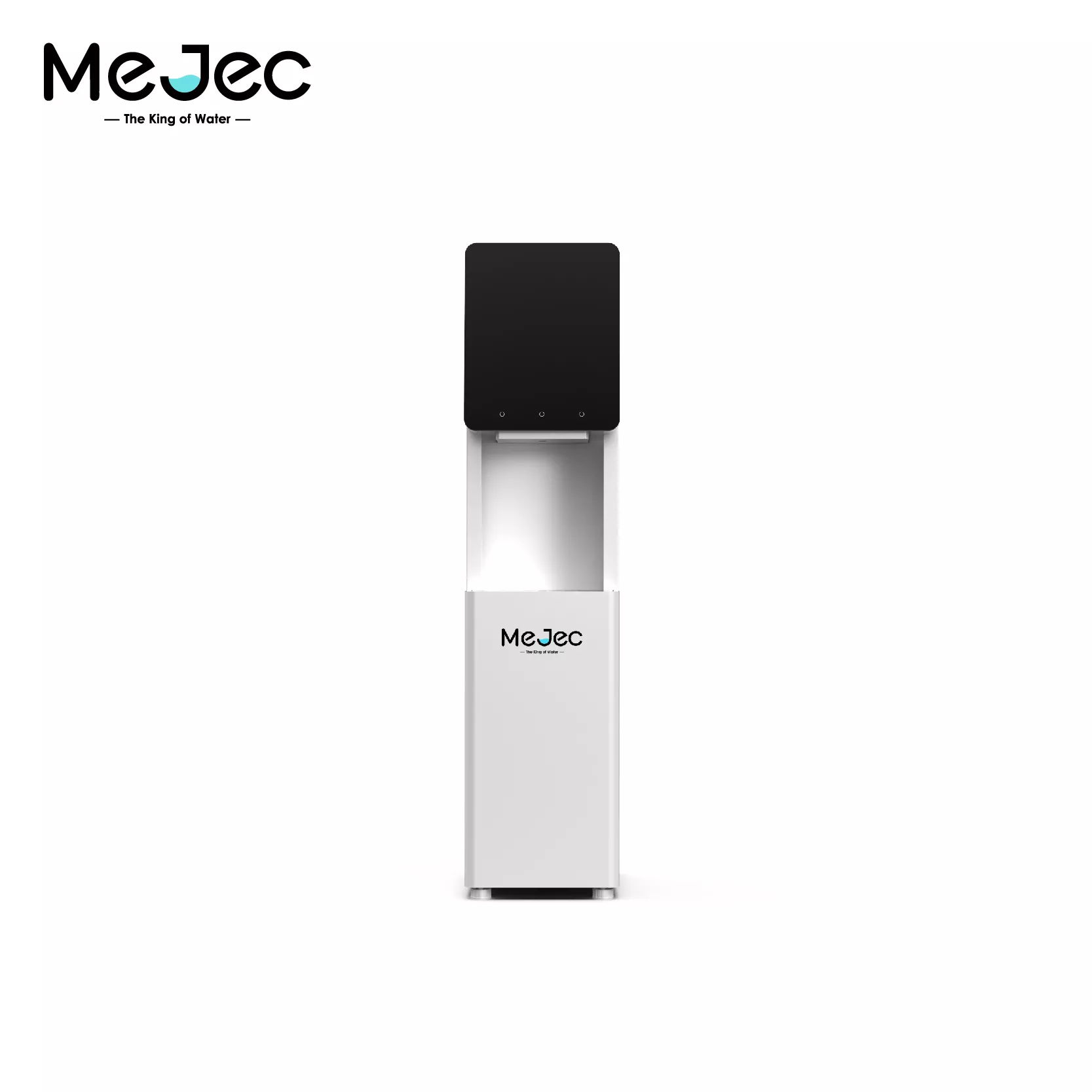
The Mejec commercial drinking machine features a l...
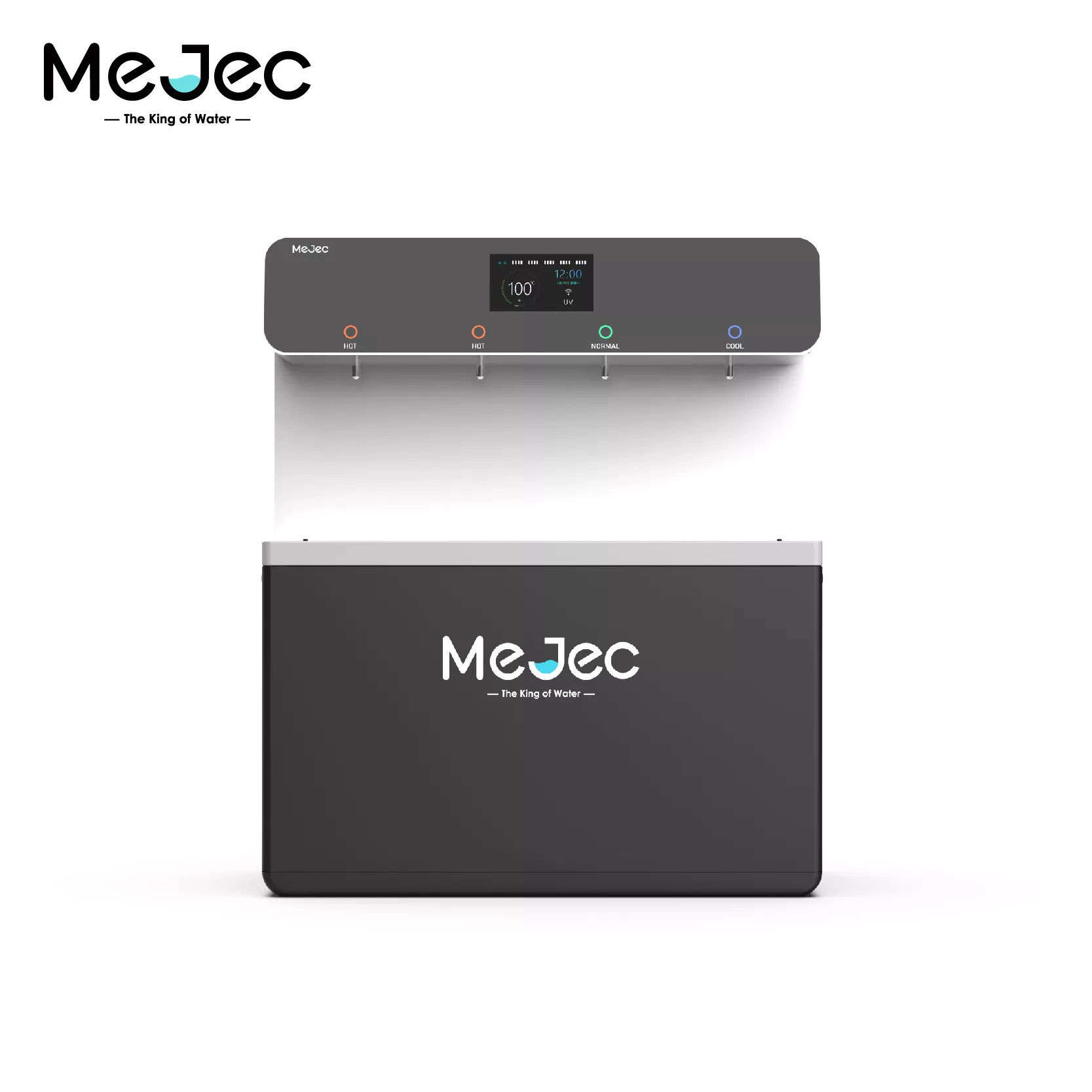
Designed for high-traffic public areas, the Mejec ...
Select the most popular foreign trade service products to meet your diverse needs
Select the most popular foreign trade service products to meet your diverse needs








User Comments
Service Experience Sharing from Real Customers
Emily Chen
Laboratory TechnicianI had a persistent issue with fruit flies breeding in the standing water of our office dispenser's drip tray. This product's enzymatic cleaner completely eliminated the problem and left no chemical residue. Safe and effective!
David Rodriguez
Facility ManagerOur break room water cooler was a constant fruit fly magnet. Since using these specially designed dispenser cleaning tablets, the issue has vanished. Easy to use and highly recommended for any commercial setting.
Sarah Johnson
School NutritionistPreventing fruit flies in our school's water dispensers was a huge hygiene concern. This UV sanitizing attachment for the reservoir has been a game-changer. It's safe, chemical-free, and the kids love the 'science' behind it.
Michael Park
Office AdministratorThe fruit fly trap designed specifically for water dispenser bases is brilliant. It's discreet, non-toxic, and caught dozens of flies within days. Finally, a targeted solution that actually works for this annoying problem.