




.webp)
How to choose the best commercial water dispensers for restaurants
Find the best commercial water dispenser for your ...
More


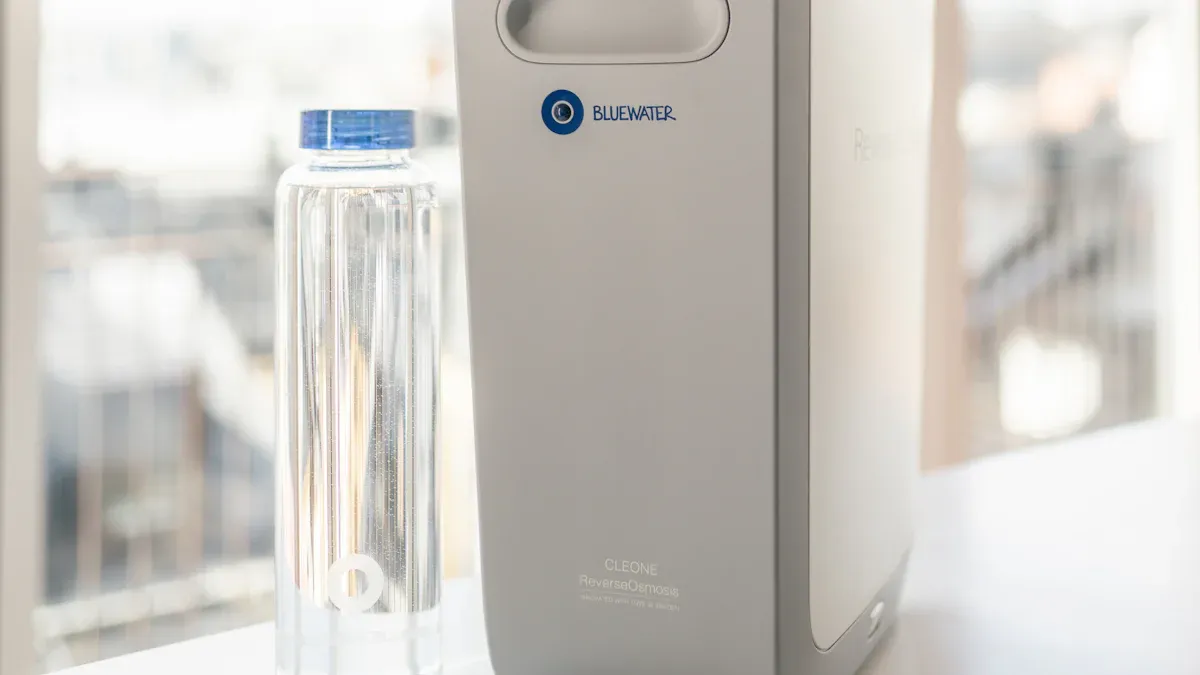
A smart water dispenser uses a network of sensors to detect your presence and container. Its AI processor then activates internal pumps and valves for a perfect, touchless pour. This hands-free approach meets modern hygiene demands, as 84% of people now prefer touchless fixtures. This popularity is reflected in the dispenser market's rapid expansion.
| Metric | Value |
|---|---|
| Global Market Size (2023) | USD 2.5 billion |
| Projected CAGR (2023-2030) | 8% |
| Growth Drivers | Tech advancements, health consciousness |
| High Growth Regions | Asia-Pacific |
Smart water dispensers use sensors to detect your presence and container. This allows for a touchless and hygienic water pour.
AI in these dispensers helps with maintenance. It tells you when to change filters and saves energy by learning your habits.
These dispensers purify water using filters and UV light. They also prevent spills with precise control and overflow sensors.
A smart water dispenser transforms a simple task into a seamless, high-tech experience. It follows a precise sequence of events, from sensing your approach to pouring the perfect amount of purified water. Let's break down this process into five key steps.
Your interaction begins the moment you approach the dispenser. The device conserves power by staying in a low-energy standby mode. A proximity sensor, often an infrared (IR) sensor, acts as a vigilant guard. It constantly scans the area for movement.
The smart water dispenser remains in a low-power mode. Most of its components are off.
You place your hand or a cup near the faucet. The proximity sensor detects this motion.
The sensor immediately generates a short electrical signal, or a high pulse, that lasts about 200 milliseconds. This signal tells the system to wake up and prepare for action.
This instant activation brings the dispenser's main processor and other systems online, ready for your command.
Once active, the dispenser needs to "see" your container. It uses sensors to confirm a cup or bottle is correctly positioned under the spout. This prevents accidental spills and ensures water goes exactly where you want it. Different sensors handle this job.
Ultrasonic sensors can detect objects from a few centimeters up to several meters away, identifying that a container is present.
Capacitive liquid level sensors have a shorter range and can detect the container's rim to help prevent overflow.
These sensors work quickly, with some responding in as little as 500 milliseconds. The table below shows typical sensor specifications.
| Sensor Type | Detection Range | Response Time |
|---|---|---|
| Capacitive Liquid Level Sensor | ≤ 20 mm | 500 ms |
| Ultrasonic Sensor | 10 cm to 2.9 m | Not specified |
With your container in place, the sensor data travels to the dispenser's "brain"—a central microcontroller. This small computer acts as the control system for the entire device. It processes all incoming information and decides what to do next.
Common microcontrollers used in these systems include:
Arduino Uno: A cost-effective and scalable option often used for simple tasks like monitoring water levels.
Arduino Mega: A more powerful processor that serves as the main brain for complex dispensers. It handles numerous inputs from various sensors and controls multiple pumps and valves simultaneously.
This processor interprets the signals to execute your command, whether it's dispensing a set volume or providing hot or cold water.
After the processor gives the green light, two things happen: water purification and dispensing. Before the water ever reaches your cup, it passes through an advanced multi-stage filtration system.
Carbon Filters: These remove chlorine and other compounds that cause bad tastes and odors.
Reverse Osmosis (RO): An RO membrane filters out extremely small particles, including contaminants like heavy metals and bacteria.
UV-C Light: A UV sterilizer is often the final step. It neutralizes any remaining microorganisms and prevents recontamination as the water leaves the spout.
To control the pour, a flow meter and a solenoid valve work together. The flow meter measures the exact volume of water passing through it by generating electrical pulses. The microcontroller counts these pulses. The solenoid valve acts as a gate, opening to start the flow and snapping shut the instant the correct volume is reached. This teamwork ensures you get a precise, splash-free fill every time.
The final step is ensuring a clean finish with no spills. The dispenser uses multiple sensors to stop the flow at the right moment. The primary method is the flow meter, which tells the solenoid valve to close once your selected volume is dispensed.
For added safety, many dispensers include dedicated overflow prevention sensors.
Water Leak Sensors: These sensors often use an extendable probe placed near the top of the drip tray or dispensing area. If the water level rises unexpectedly, the probe detects the moisture and signals the system to shut off the main valve immediately.
Water Detect+ Sensors: These advanced sensors can detect both the presence and absence of water, helping to prevent false alarms from simple condensation while reliably stopping a potential overflow.
This final check guarantees a mess-free experience and protects your floors and countertops from water damage.
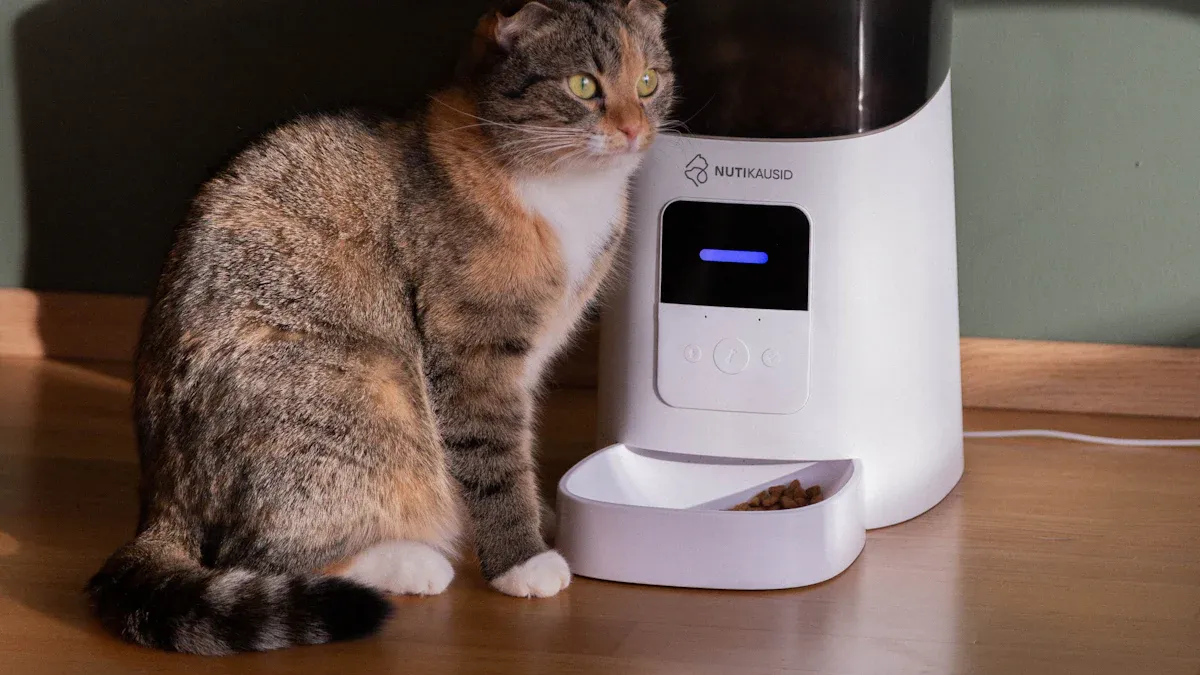
A smart water dispenser does more than just pour water. Its AI brain works behind the scenes to improve maintenance, hygiene, and efficiency. These advanced functions make your experience safer and more convenient.
The AI predicts when your dispenser needs attention. It moves beyond simple time-based reminders by analyzing real-time data from water quality sensors. This ensures you always have the best-tasting water.
The system tracks metrics like Total Dissolved Solids (TDS) and pH levels.
You receive an alert if TDS levels go above 80 ppm, telling you it's time to change the filter.
It also warns you if the water's pH falls below 6.5 (too acidic) or rises above 8.5 (too alkaline).
This data-driven approach helps you replace filters based on actual use, preventing waste.
AI enhances cleanliness and safety. Many dispensers use UV-C LED technology to keep the water pure. This system emits ultraviolet light that destroys the DNA of over 99.9% of pathogens, including E. coli, without using any chemicals.
For your safety, these devices must meet strict industry standards. Manufacturers follow regulations like UL for electrical safety and FCC for electromagnetic compatibility. This ensures every touchless interaction is both reliable and secure.
AI helps conserve resources by learning your usage patterns. The system can optimize its heating and cooling cycles, entering a low-power mode when you are not around. This intelligent management makes a significant difference. An ENERGY STAR certified unit is about 22% more energy-efficient than a standard model. This efficiency can save you money over the device's lifespan while reducing its environmental impact.
A smart water dispenser integrates sensors and AI to create a responsive, hygienic system. Sensors act as the device's eyes, gathering real-time data. The AI brain processes this information to precisely control every action. This teamwork delivers a seamless, personalized experience, from your first approach to the final drop.
The AI learns your usage patterns. It enters a low-power mode when you are away. This smart scheduling reduces electricity consumption and saves you money.
The dispenser's AI monitors water quality. It sends you an alert when the filter no longer works effectively. This ensures your water is always pure.
Yes, it is very reliable. The dispenser uses precise sensors to detect your cup. This prevents spills and ensures a clean, hands-free pour every time.

We provide you with comprehensive foreign trade solutions to help enterprises achieve global development
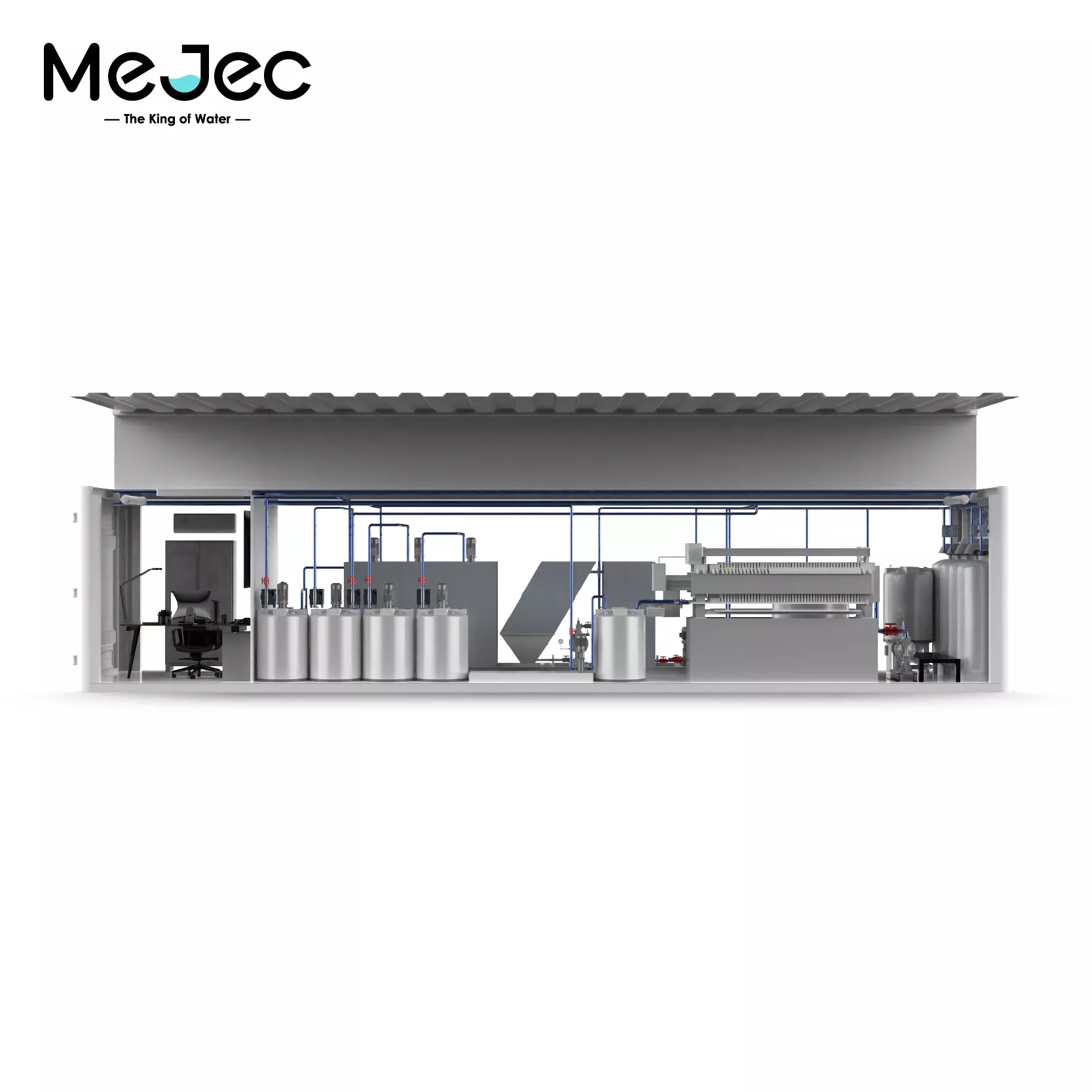
Mejec containerized wastewater treatment system ad...
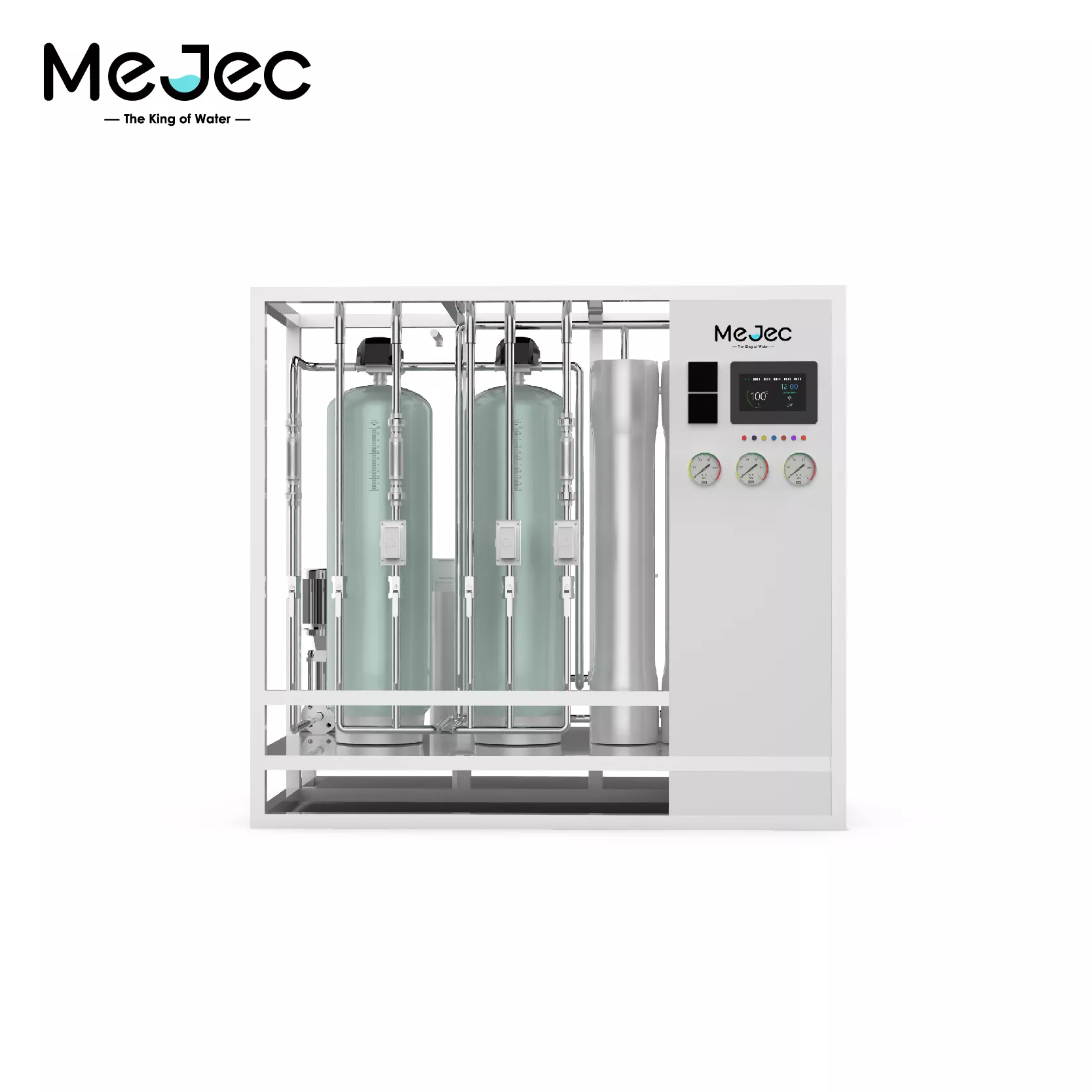
The Mejec industrial water purifier and dedicated ...
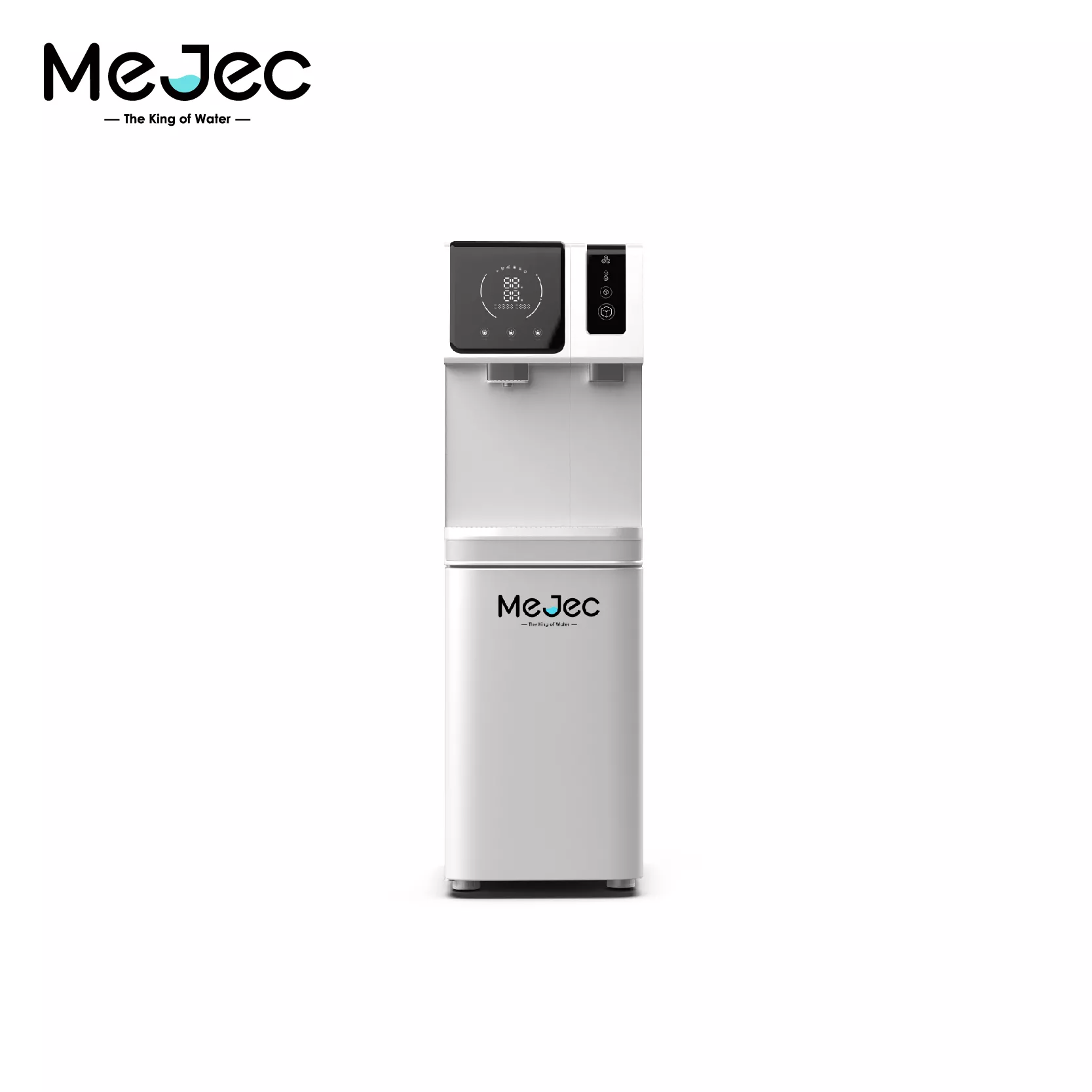
Imagine an office where the simple act of getting ...
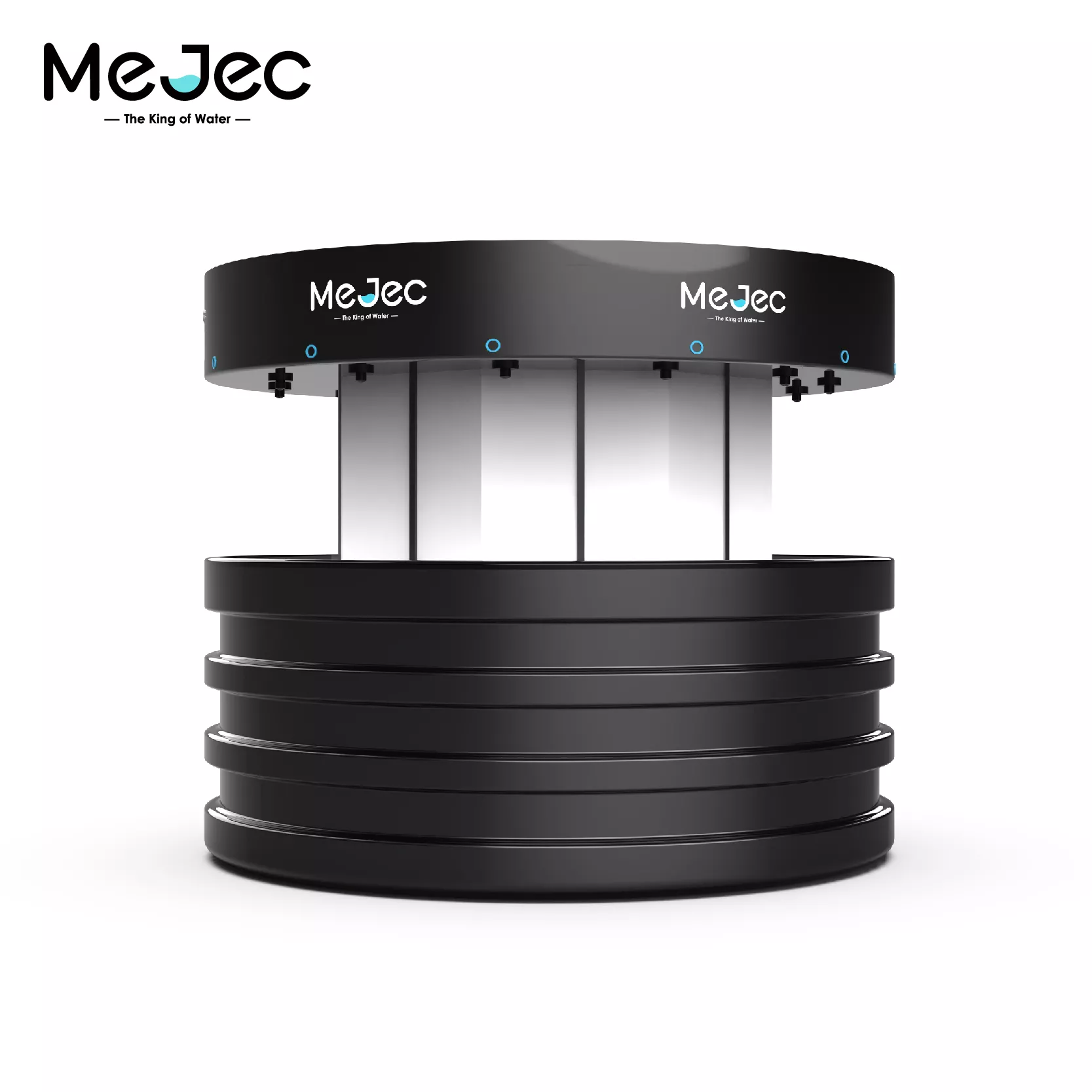
Mejec Redefines the Outdoor Hydration Experience. ...
Select the most popular foreign trade service products to meet your diverse needs
Select the most popular foreign trade service products to meet your diverse needs





User Comments
Service Experience Sharing from Real Customers
Michael Chen
Software EngineerThis smart water dispenser is a game-changer for my home office. The precise temperature control and scheduled boiling features perfectly fit my workflow. The app integration is seamless.
Sarah Johnson
Pediatric NurseAs a nurse, I appreciate the hygiene and safety features. The UV sterilization and child lock give me peace of mind. It's been incredibly convenient for preparing formula and staying hydrated during long shifts.
David Miller
TeacherPerfect for my classroom! The large capacity means I don't have to refill it constantly, and the quick access to both hot and cold water helps me and my students stay refreshed and focused throughout the day.
Jessica Williams
Fitness InstructorAn essential tool for my home gym. Having instant access to cold water post-workout and hot water for tea is fantastic. The smart features help me track my hydration, which is crucial for my profession.