




.webp)
How to choose the best commercial water dispensers for restaurants
Find the best commercial water dispenser for your ...
More


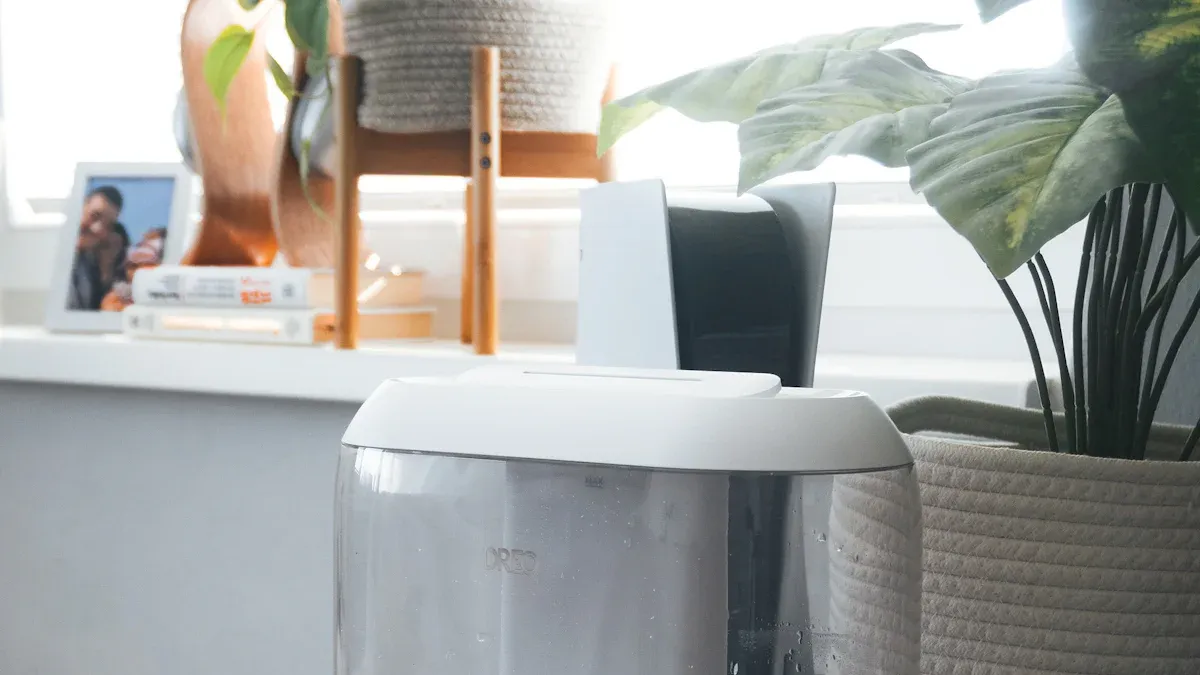
A countertop water dispenser provides instant access to filtered water at your desired temperature. This compact device is a convenient solution for improving hydration in homes and offices.
Selecting the right water dispenser counter involves looking at its water source, key features, and maintenance needs.
Countertop water dispensers offer instant access to filtered water. They help you stay hydrated and improve your health.
Choose between bottle-fed or plumbed-in dispensers. Bottle-fed models are portable, but plumbed-in models offer endless water and save money over time.
Look for key features like hot and cold water options, good filtration, and child safety locks. Measure your counter space before buying.
A countertop dispenser makes drinking more water easy and appealing. When you have instant access to fresh, filtered water, you are more likely to stay hydrated. Consistent hydration offers powerful benefits for your overall health.
Staying properly hydrated helps your body and mind function at their best. You can experience several positive changes.
Improved Brain Performance: Even mild dehydration can affect your mood, memory, and concentration. Drinking enough water helps you think clearly.
Maximized Physical Performance: Your muscles are mostly water. Good hydration prevents fatigue and helps you feel stronger during exercise.
Fewer Headaches: Dehydration is a common trigger for headaches. Increasing your water intake can help prevent them from starting.
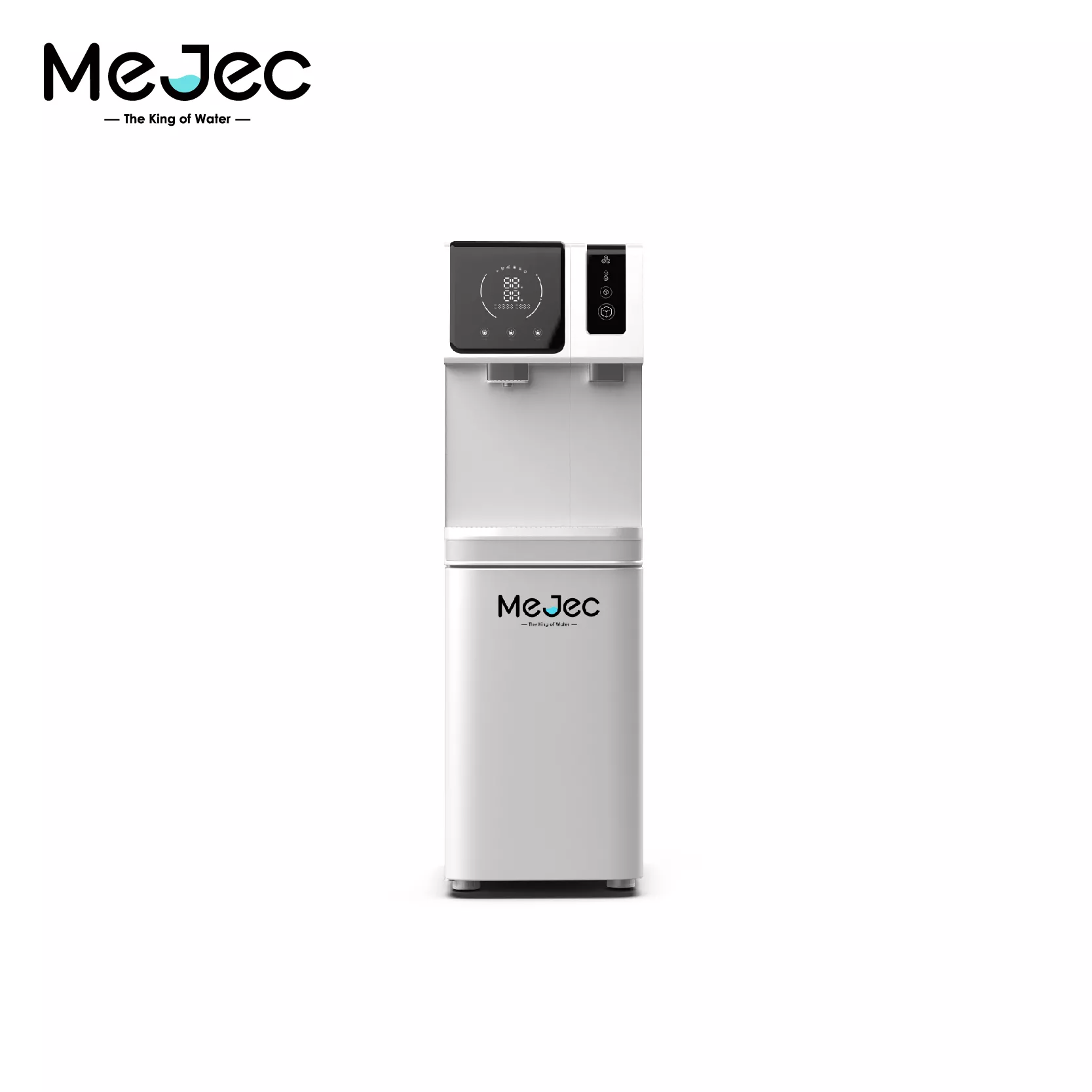
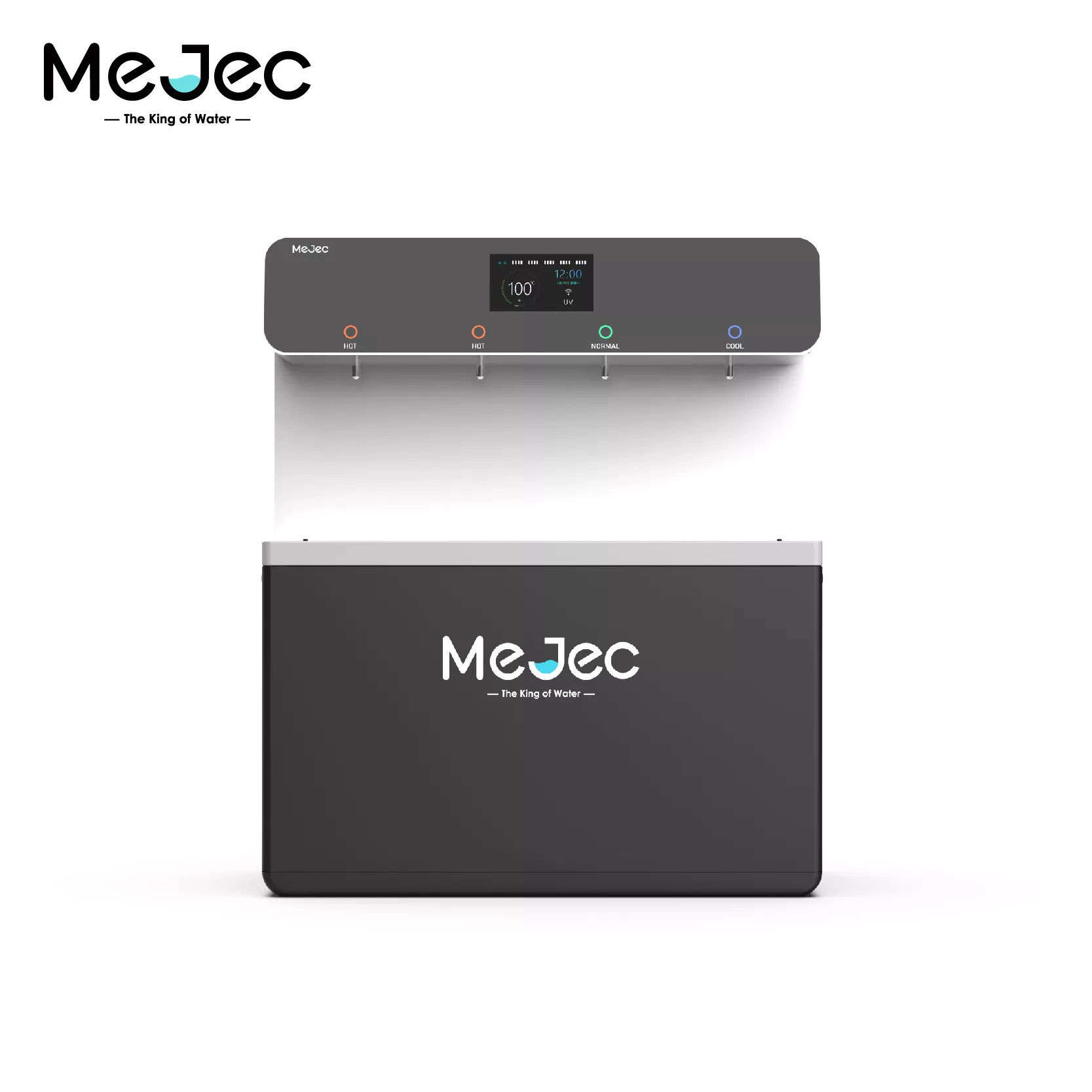
You will need to decide between a countertop and a freestanding model. The main difference is size. Countertop units are compact and fit easily in kitchens or breakrooms without taking up floor space. Freestanding dispensers are larger units that stand on their own. They are also generally more expensive than their countertop counterparts.
Tip: A water dispenser counter is an excellent choice if you have limited room but still want the benefits of instant hot and cold water.
Many people start with a simple water filter pitcher. While pitchers are useful, countertop dispensers offer more advanced filtration. They often use multi-stage systems to remove a wider range of contaminants. This table shows a clear comparison.
| Feature | Countertop Water Dispensers | Pitcher Water Filters |
|---|---|---|
| Filtration Efficacy | High efficacy with multi-stage systems | Limited efficacy with a single filter |
| Contaminant Removal | Removes a wide range, including microplastics | Cannot remove all contaminants |
| Overall Assessment | A better option for thorough filtration | Good for entry-level needs |
Ultimately, a countertop dispenser provides cleaner water and greater convenience than a standard pitcher.
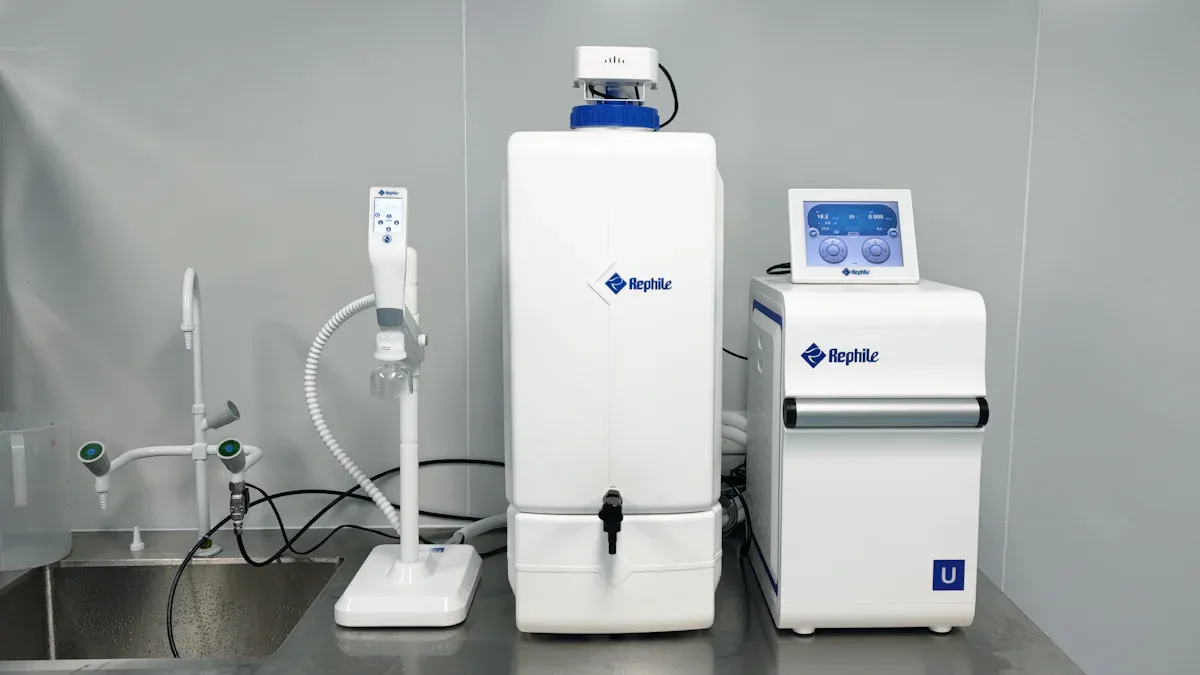
You need to choose a dispenser type that fits your lifestyle. Countertop water dispensers come in two main categories: bottle-fed and point-of-use. Each type offers unique advantages and works differently. Your choice will depend on your access to a water line and your preference for convenience.
Bottle-fed dispensers are a popular and straightforward option. You place a large water jug on top of or inside the unit. The dispenser then cools or heats the water from this jug. This type is very easy to set up. You just need to place it on your counter and plug it into an electrical outlet.
These dispensers are portable. You can move them to any room with an outlet. This makes them great for renters or people who rearrange their space often. Most models, like those from Brio, work with standard 3-gallon and 5-gallon water bottles. You should always check your user manual to confirm the correct bottle size. Using the wrong size can cause leaks or prevent a proper seal.
The main challenge with bottle-fed units is managing the water jugs. You must lift heavy bottles, find a place to store them, and arrange for refills or replacements.
Point-of-use (POU) dispensers connect directly to your home's water line. These are also called bottleless dispensers. They filter your tap water internally before dispensing it. This setup provides an endless supply of filtered water. You never have to worry about running out.
The initial installation is more involved than with a bottle-fed model. You may need a professional to connect the dispenser to your plumbing. However, the long-term benefits are significant.
You get a continuous supply of clean water, which prevents interruptions.
You eliminate the need for emergency water deliveries or storing empty jugs.
You save money over time by avoiding delivery fees and the high cost of bottled water.
POU dispensers have very low running costs after the initial setup. Many users find that the dispenser pays for itself within the first year. Your investment leads to major savings because you use your own affordable tap water.
When you select a water dispenser, its features determine how useful it will be in your daily life. You should look beyond the basic function of dispensing water. Consider the temperature options, filtration power, and safety features to find the perfect model for your needs.
Most people want a water dispenser for instant hot or cold water. Think about how you will use it. Do you enjoy a hot cup of tea or instant oatmeal? ☕ A hot water function is essential. Do you prefer a crisp, cold glass of water after a workout? Then you need a reliable cooling function. Some models also offer room-temperature water, which is great for cooking or for those who prefer water that is not too cold.
These temperature features do use energy. Understanding the power consumption can help you manage costs.
A typical hot and cold dispenser may use between 360 and 720 kWh annually.
Some high-use models can consume around 1022 kWh per year.
An Energy Star rated dispenser uses much less, often under 438 kWh annually, by efficiently maintaining water temperature in standby mode.
The filtration system is the heart of your water dispenser counter. It is what turns your tap water into clean, great-tasting drinking water. Different systems remove different contaminants.
You will commonly find three main types of filtration: Activated Carbon, Reverse Osmosis (RO), and Ultraviolet (UV) purification. Each one targets specific impurities.
| Filtration System | Key Contaminants Removed |
|---|---|
| Activated Carbon | Chlorine (improves taste/odor), some VOCs, pesticides |
| Reverse Osmosis (RO) | Heavy metals, fluoride, salts, chemicals, microplastics |
| UV Purifiers | 99.99% of bacteria, viruses, and other microorganisms |
Activated carbon filters are excellent for improving the taste and smell of your water by removing chlorine. For more thorough purification, you should look for a Reverse Osmosis (RO) system. RO filters force water through a special membrane, removing a huge range of contaminants. This includes heavy metals like lead, chemicals like fluoride and PFAS, and even microplastics.
UV purifiers use light to neutralize living microorganisms like bacteria and viruses. A UV system makes your water biologically safe to drink. It does not remove chemicals or metals, so manufacturers often pair it with a carbon or RO filter.
You can verify a filter's claims by checking for official certifications from the National Sanitation Foundation (NSF). These certifications confirm that a filter does what it promises.
Look for these common NSF/ANSI standards:
NSF/ANSI 42: Reduces aesthetic issues like chlorine taste and odor.
NSF/ANSI 53: Removes specific health-related contaminants, including lead, mercury, and certain parasites.
NSF/ANSI 58: Certifies the effectiveness of Reverse Osmosis systems in removing a wide list of contaminants like heavy metals and fluoride.
NSF/ANSI 55: Applies to UV systems and confirms they can neutralize harmful microorganisms.
Capacity refers to how much water the dispenser can hold and prepare at one time. For bottle-fed models, this is the size of the jug you use (usually 3 or 5 gallons). For point-of-use models, the important number is the size of the internal hot and cold water tanks.
A larger tank means you can dispense more hot or cold water before the unit needs to reheat or re-chill a new supply. If you have a large family or plan to use the dispenser in an office, look for larger tank capacities.
Dispensing speed, or flow rate, is also important. 💧 A slow dispenser can be frustrating when you are trying to fill a large sports bottle or a cooking pot. Check product reviews or specifications for information on the flow rate to ensure it meets your expectations.
Safety is a top priority, especially in a home with young children. The hot water from a dispenser is hot enough to cause serious burns. A child safety lock is a crucial feature that prevents accidental dispensing of hot water. 🛡️
Most safety locks require a two-step action to release hot water. For example, you might have to slide a button and press a lever at the same time. This simple mechanism is easy for adults to use but difficult for small children to figure out. When choosing a water dispenser counter for a family home, you should always select a model with a reliable child safety lock.
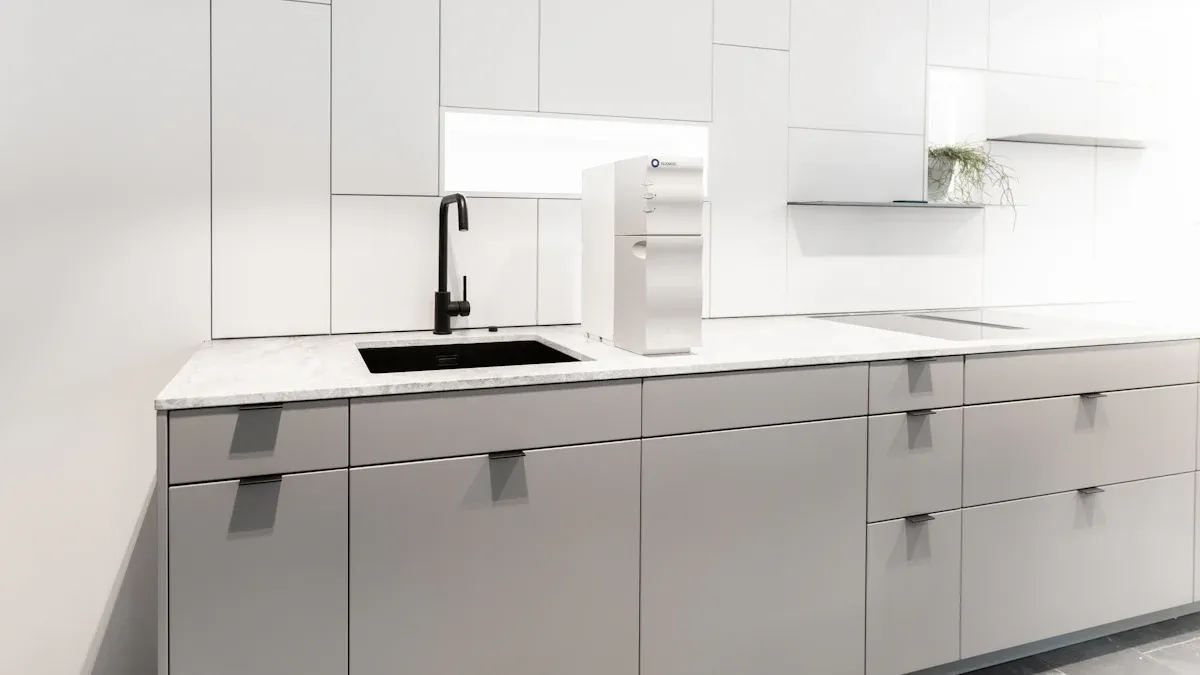
Before you buy a water dispenser, you should think about some practical details. These factors ensure your new appliance fits perfectly into your home and daily routine. Considering space, setup, and upkeep will help you make a smart choice.
You must measure your counter before you buy. Check the height, width, and depth of the area where you plan to place the dispenser. Pay close attention to the height available under your kitchen cabinets. Some models are specifically designed to be shorter. For example, the Vertex Countertop PWC-400 is only 16.5 inches tall, so it fits under most standard cabinets.
Here are the dimensions of two common models to give you an idea:
| Model | Height (inches) | Width (inches) | Depth (inches) |
|---|---|---|---|
| Oasis Countertop | 16.9 | 14.4 | 13.2 |
| Vertex PWC-400 | 16.5 | 13 | 14 |
The setup process depends on the type of dispenser you choose. A bottle-fed model is very easy to install. You just place it on the counter and plug it in. A point-of-use (POU) dispenser requires more work because it connects to your water line. You might need a professional for this task. Professional installation costs can range from $100 to over $500, depending on the job's complexity.
Proper maintenance keeps your water dispenser counter clean and functional. You should clean your dispenser regularly to prevent germs.
Wipe the exterior weekly.
Sanitize the internal parts every month.
Descale the hot tank every three months if you have a hot/cold model.
Filter replacement is another key part of maintenance. Most filters, like those from Brita or Aquasana, last about six months. However, some systems have filters that last longer or shorter depending on your water usage. Always check the manufacturer's instructions for specific cleaning and filter replacement schedules.
You may wonder if a countertop water dispenser is a good financial choice. You should consider both the initial purchase price and the long-term expenses. A dispenser is an investment that can provide significant value over time.
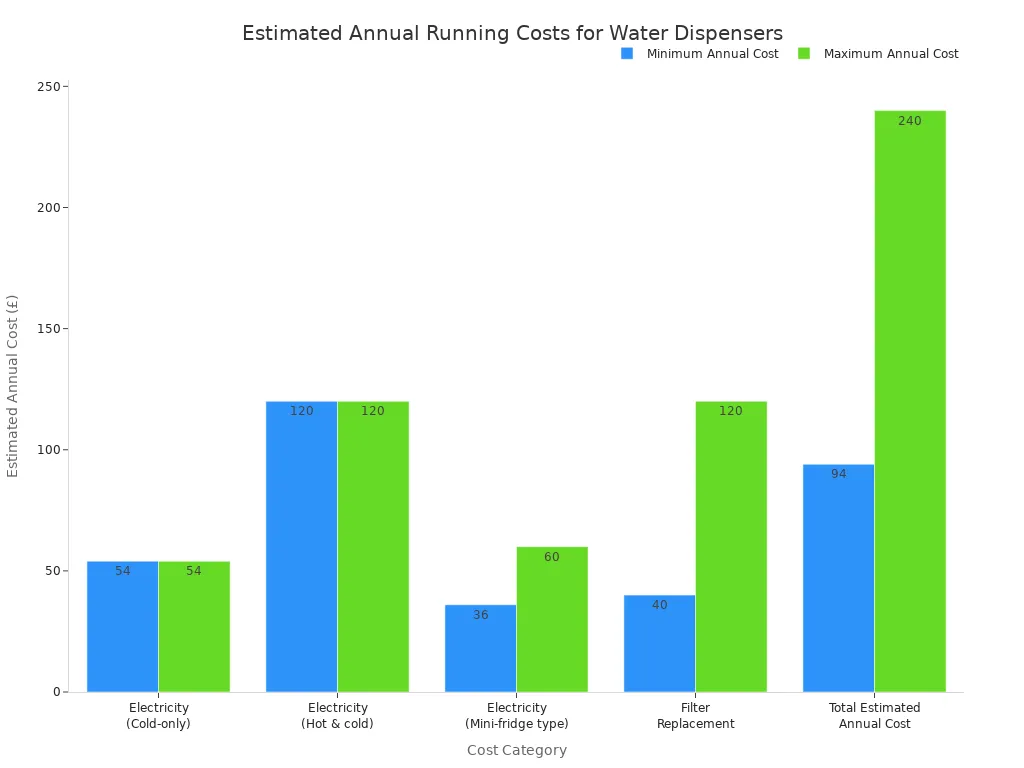
The initial cost of a dispenser is only part of the story. You also need to think about the running costs, which include electricity and filter replacements. These costs can vary based on the model you choose.
| Item | Annual Cost Range | Notes |
|---|---|---|
| Electricity | $60–$120 | Hot & cold models use more energy. |
| Filter Replacement | $40–$120 | Based on replacing filters every 3–6 months. |
| Total Estimated Annual Cost | $100–$240 | Varies with usage and model type. |
A point-of-use dispenser offers major savings compared to bottled water. You eliminate several expenses:
The high cost of single-use bottles or 5-gallon jugs.
Regular delivery service fees.
The need for storage space for bulky water bottles.
Using your own tap water is much cheaper. Filtered tap water costs just a few cents per gallon, while bottled water can cost over $10 per gallon.
A dispenser's value goes beyond money. It offers incredible convenience. You get instant access to hot, cold, or room-temperature water whenever you want it. 💧
The biggest improvement is often the taste. A quality filtration system makes your water taste great. Filters with activated carbon or reverse osmosis remove compounds that cause unpleasant smells or tastes, like chlorine or metal. The best filters can make your tap water taste as pure as spring water. This improved taste encourages you and your family to drink more water and stay hydrated.
You can find the right countertop water dispenser for your home. You should balance your space, budget, and hydration goals. Prioritize key features like temperature options, filter quality, and easy maintenance. Investing in a good dispenser is a smart step toward convenient, healthy hydration for you and your family.
A quality dispenser can last 5 to 10 years. You can extend its lifespan with proper care. Regular cleaning and timely filter changes are the most important maintenance tasks.
Yes, you can use tap water.
Point-of-use models filter your tap water directly.
You can also refill jugs for a bottle-fed model with filtered tap water.

We provide you with comprehensive foreign trade solutions to help enterprises achieve global development
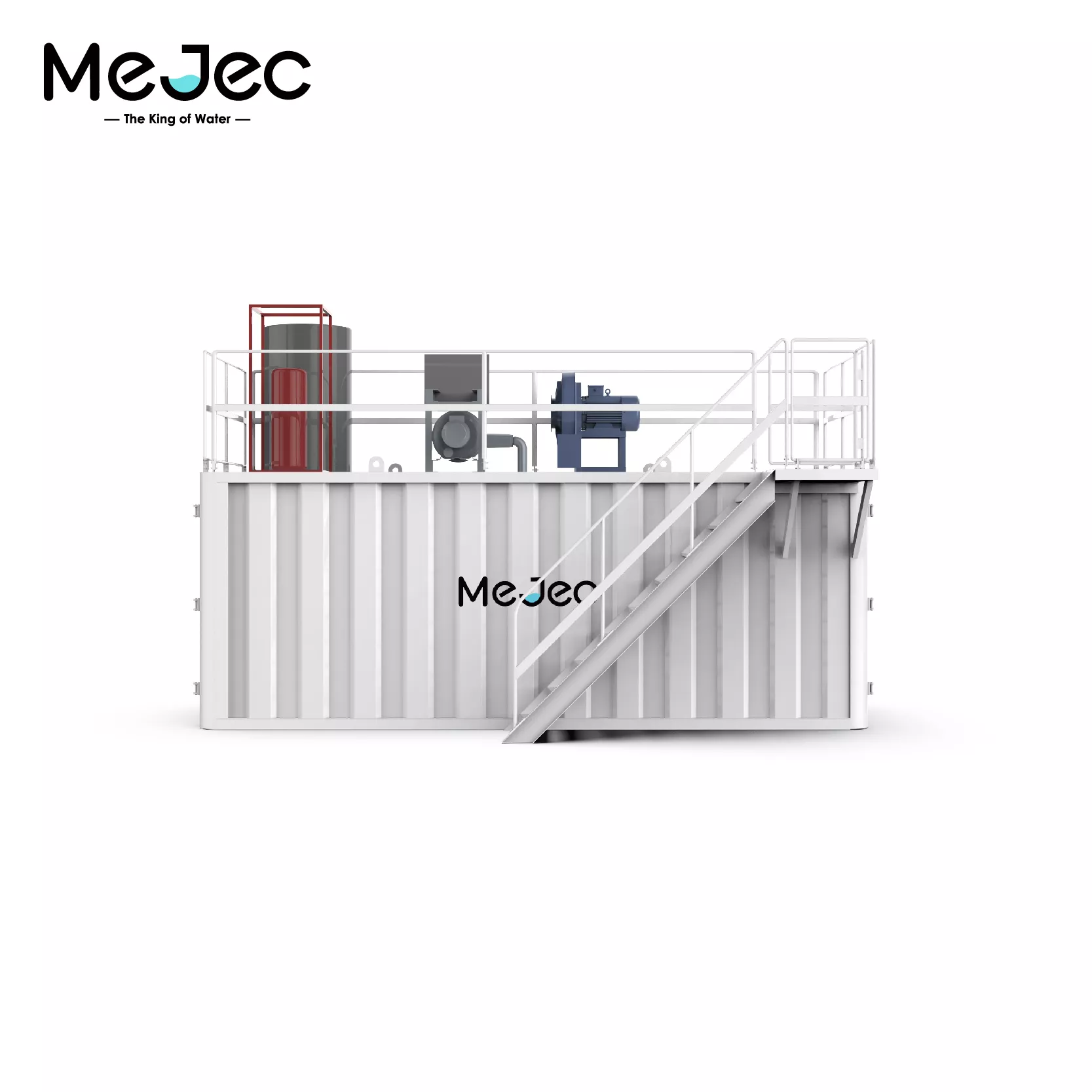
Mejec Containerized MABR Equipment is an innovativ...
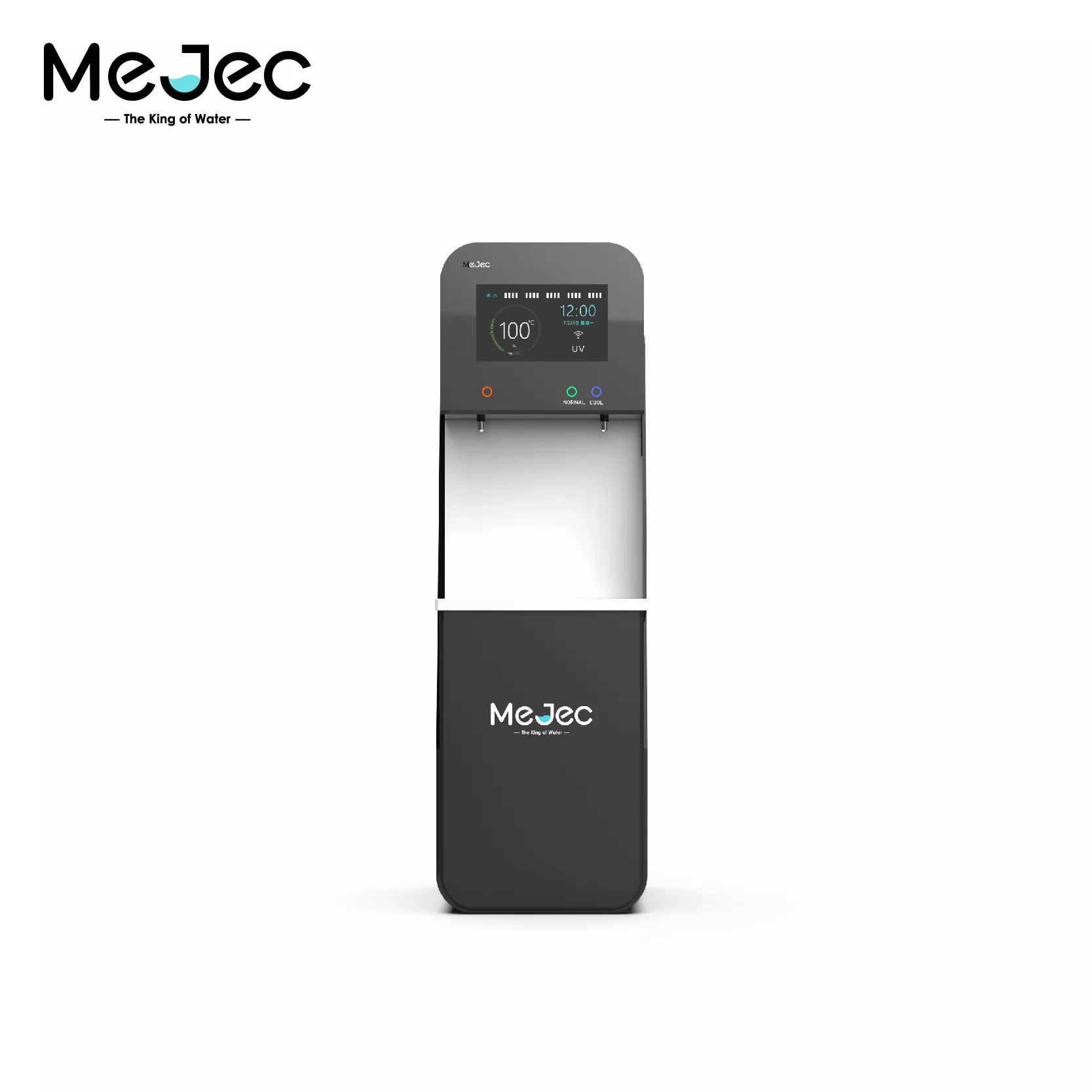
The Mejec Commercial Drinking Water Dispenser is d...
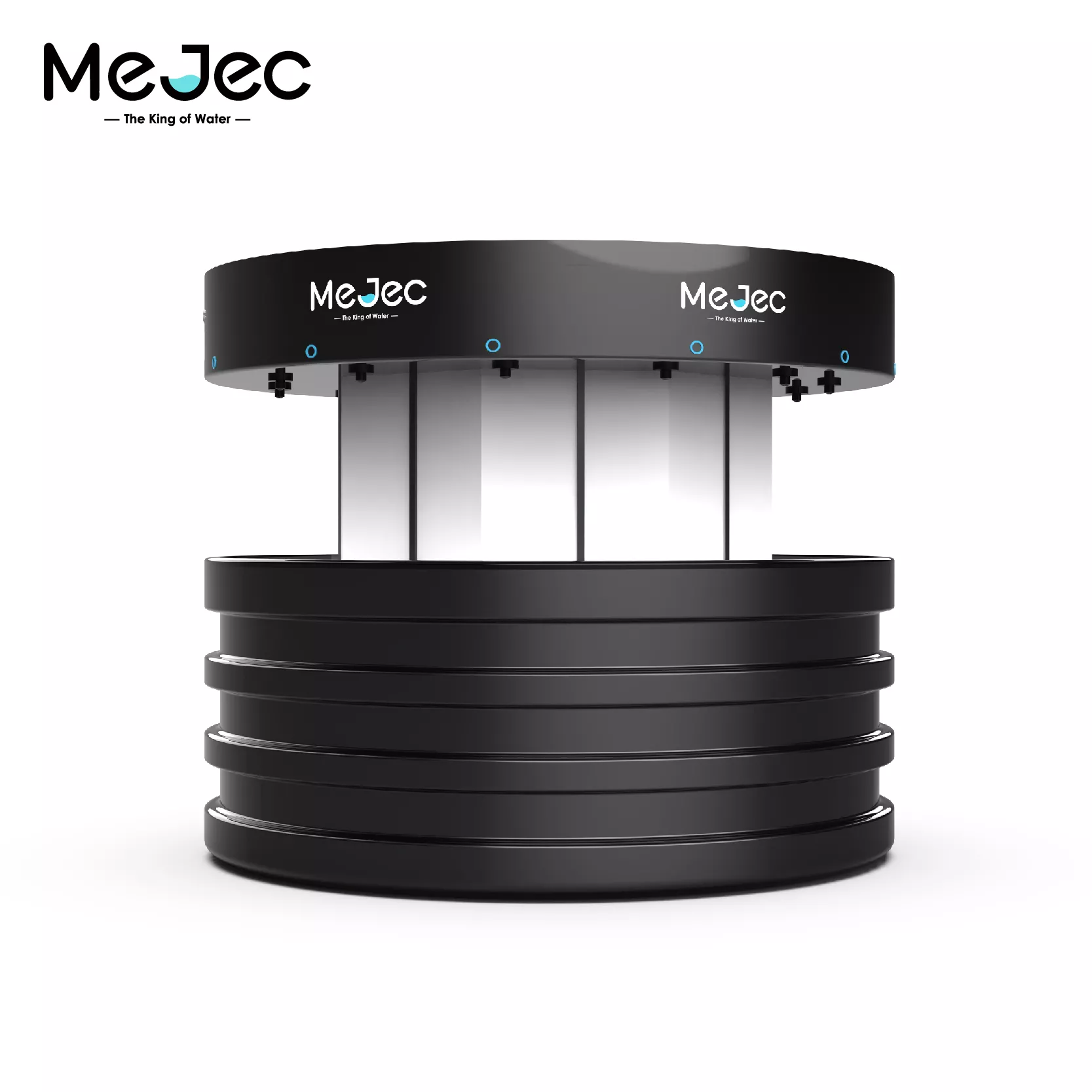
Mejec Redefines the Outdoor Hydration Experience. ...
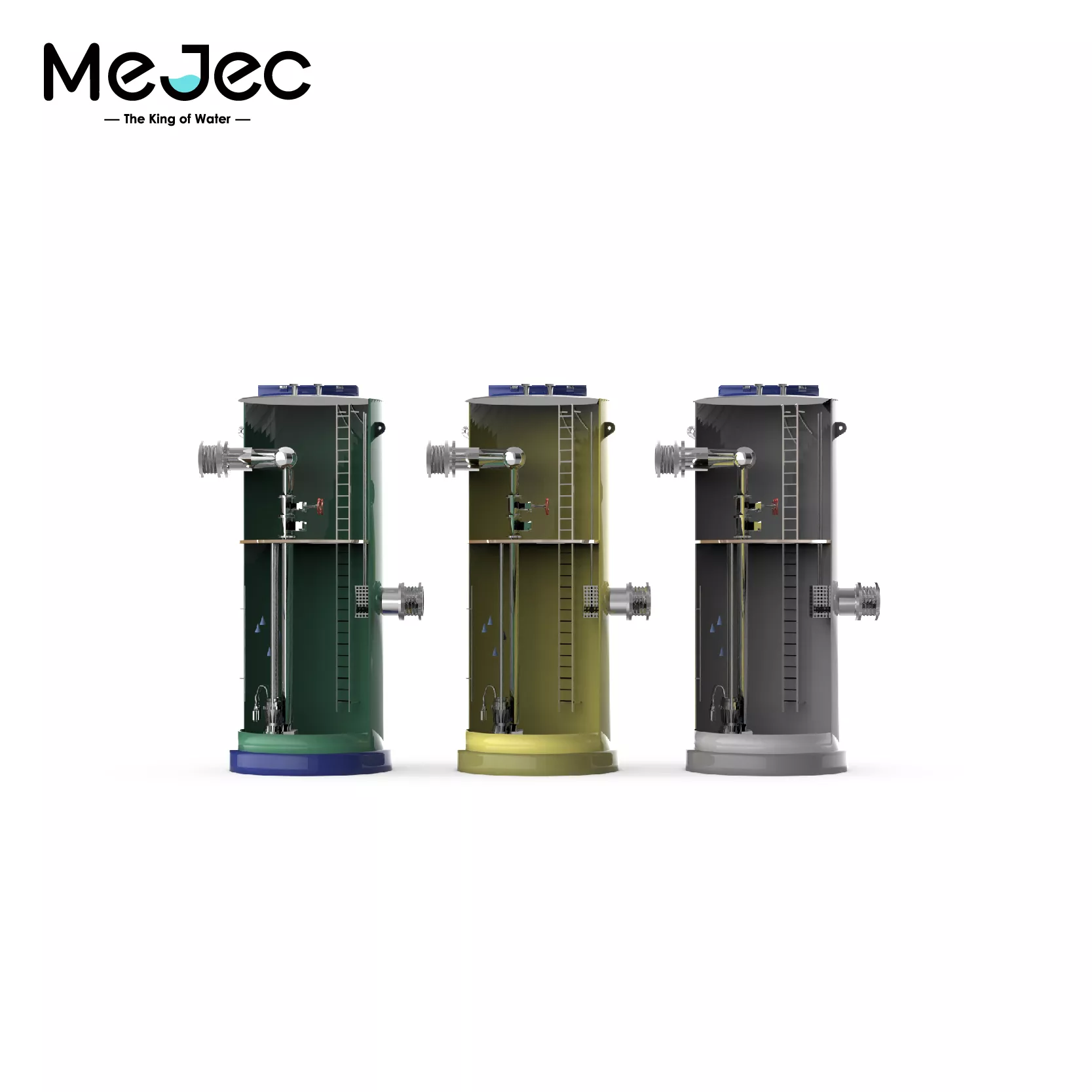
LD-BZ, The series of integrated prefabricated pump...
Select the most popular foreign trade service products to meet your diverse needs
Select the most popular foreign trade service products to meet your diverse needs





User Comments
Service Experience Sharing from Real Customers
Michael Chen
Office ManagerThis water dispenser is a game-changer for our busy office. The sleek countertop design saves space, and the instant hot/cold water feature keeps everyone hydrated and productive. Highly recommended for any workplace.
Sarah Johnson
Cafe OwnerPerfect addition to our customer service counter! It's compact, easy to use, and provides great-tasting filtered water. Our clients appreciate the convenience. One star off because the initial setup instructions could be clearer.
David Rodriguez
Dental HygienistWe installed this in our clinic's reception area. It's hygienic, quiet, and the child lock on the hot water gives us peace of mind. It has significantly reduced our plastic cup waste. Excellent product for the healthcare environment.
Emily Watson
TeacherBought this for our school's staff room. The compact size fits perfectly on our limited counter space. The water filtration is excellent, and my colleagues love having easy access to both cold and hot water throughout the day. Very reliable.