










.webp)

How to choose the best commercial water dispensers for restaurants
Find the best commercial water dispenser for your ...
More


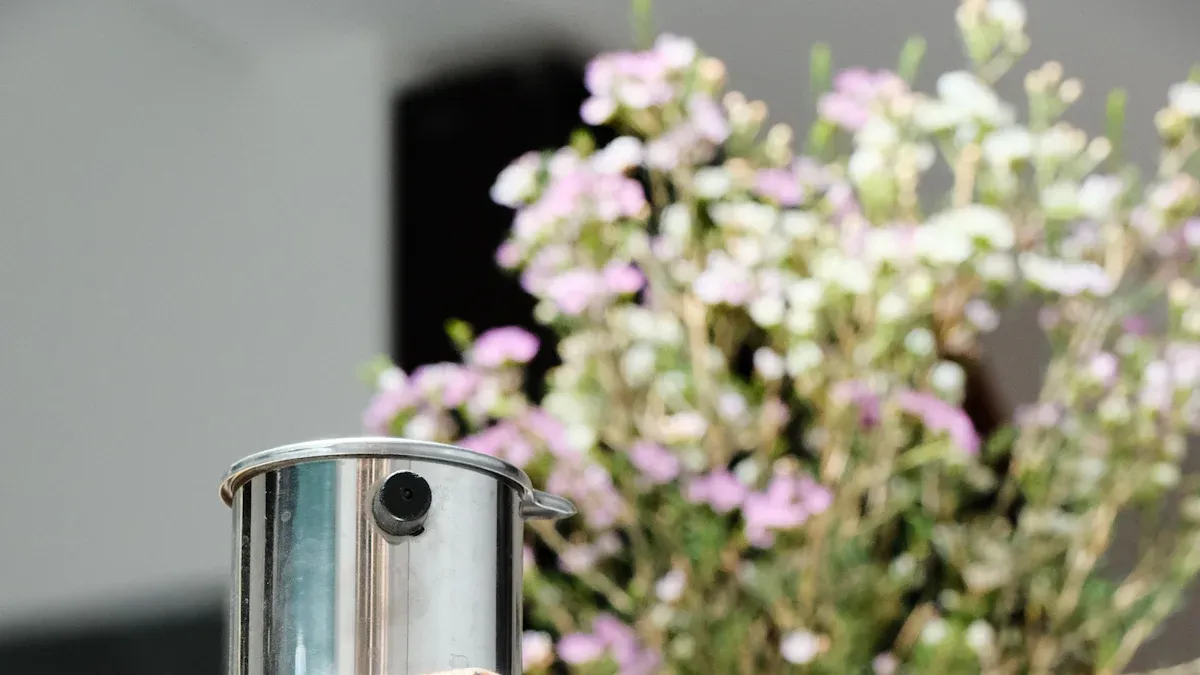
Let's build a stylish water dispenser table to conceal that bulky jug. You will gather your 3/4" plywood and 1x2 trim boards. You cut the wood pieces from our provided list. Next, you assemble the box frame and attach the top. A coat of paint gives it a durable finish.
Build a custom water dispenser table. It hides your water jug and makes your space look neat.
Gather tools and materials first. Measure your dispenser and jug carefully for a perfect fit.
Follow steps to cut wood, assemble the box, and add a door. Finish with sanding, priming, and a water-resistant coat.

Getting everything ready before you start makes the building process smooth and fun. Let's gather your tools and materials. Proper preparation is the key to a great result.
You don't need a massive workshop for this project. A few key power tools will make the job much easier.
Circular Saw: For making straight cuts in your plywood.
Power Drill: You will use this for drilling pocket holes and driving screws.
Jigsaw: This is perfect for cutting the opening in the top panel.
Random Orbital Sander: Helps you get a super smooth surface before finishing.
Pocket Hole Jig
Tape Measure & Pencil
Clamps
Safety First! 🥽 Always wear your safety glasses and hearing protection when using power tools. You should also avoid wearing loose clothing or jewelry that could get caught in machinery.
You can find these items at your local home improvement store. For the main cabinet, you will want a quality material. We recommend using ¾″ hardwood plywood, like birch or maple. It provides excellent strength and a smooth surface for painting or staining.
| Quantity | Item |
|---|---|
| 1 | 4' x 8' Sheet of ¾″ Plywood |
| 2 | 8' long 1x2 Trim Boards |
| 1 | 1-¼″ Pocket Hole Screws (Coarse) |
| 1 | Wood Glue (Titebond III is great for water resistance) |
| Wood Filler, Primer, and Paint/Stain | |
| Water-Resistant Top Coat |
Your measurements will customize the water dispenser table to your specific unit. First, measure the width and depth of your water dispenser's base. Then, measure the height and diameter of your 5-gallon jug.
Add at least 2-3 inches to each measurement. This extra space ensures proper ventilation for the dispenser and makes it easy to slide the jug in and out.
This cut list is an example. You must adjust these dimensions based on your own measurements.
| Part | Quantity | Dimensions (Example) |
|---|---|---|
| Side Panels | 2 | 15″ x 35″ |
| Bottom | 1 | 15″ x 15″ |
| Top | 1 | 16.5″ x 16.5″ |
| Front Panel | 1 | 15″ x 35″ |
Pro Tip: Use an online cut list optimizer to plan your cuts on the 4x8 plywood sheet. This will help you minimize waste and save material!
Trim hides the exposed plywood edges for a clean, professional look. Remember that a 1x2 board's actual size is closer to ¾″ x 1-½″.
| Part | Quantity | Length (Example) |
|---|---|---|
| Top Trim | 4 | 16.5″ (mitered) |
| Side Trim | 4 | 35″ |
| Front Trim | 4 | 15″ |

Alright, you have all your pieces measured and your tools ready. Now comes the fun part: bringing your project to life! We'll assemble the main cabinet and get it ready for its beautiful finish. Let's get building.
Accuracy is your best friend in this step. Take your time to get clean, straight cuts, and your assembly will be a breeze.
For cutting large plywood sheets, it's often easier to bring the saw to the wood. You can create a simple and effective circular saw guide for perfectly straight cuts.
Start with a piece of scrap plywood that has a straight factory edge.
Cut a narrow strip (about 3 inches wide) to act as your fence.
Attach this fence to a wider base piece (about 9 inches wide) using wood glue and screws.
Run your circular saw along the fence to trim the base. The edge of the base now perfectly matches your saw's blade position.
To use it, just clamp the guide to your workpiece, aligning the edge with your cut line, and slide your saw along the fence.
With your pieces cut, it's time to drill pocket holes. These hidden fasteners will give your cabinet strong joints without any visible screws on the outside. You will use your pocket hole jig for this.
Pocket Hole Pro Tip 💡 When setting up your jig for ¾″ plywood, adjust the drill bit collar so it's just slightly above the ¾″ mark. This small change prevents the screw from accidentally poking through the edge of your plywood, ensuring a stronger joint.
Drill pocket holes along the two long edges of your Bottom panel. You will also drill pocket holes along the top inside edge of your two Side Panels and your Front Panel. You will use these later to attach the top. For joining the ¾″ plywood, you will need 1-¼″ coarse-thread pocket hole screws.
Now you get to see your water dispenser table take shape. You will connect the side panels to the bottom panel to form the main box structure.
Start by applying a thin layer of wood glue to the edges of the bottom panel. Stand up a side panel and clamp it in place, making sure the edges are perfectly flush. Drive your 1-¼″ pocket hole screws to secure the joint. Repeat this process for the other side panel.
Ensuring your box is perfectly square is critical for a professional result. A "racked" or crooked box will cause problems later, especially if you add a door.
Do a Dry Run: Before you add glue, clamp the pieces together to check the fit.
Check with a Square: After clamping, place a framing square in the corners. It should sit perfectly flat against both inside faces.
Measure the Diagonals: The ultimate test for squareness is to measure diagonally from one corner to the opposite corner. Then, measure the other diagonal. If the two measurements are identical, your box is perfectly square! If not, gently push or clamp the longer diagonal to adjust the box until they match.
The top panel needs an opening for the dispenser's reservoir or tubing to pass through to the jug below.
First, find the center of your top panel and mark it. Place your water dispenser upside down on the panel, center it, and trace the outline of the base or the specific area that needs to pass through. This will be your cut line.
To get a perfectly clean circle, you can use a combination of tools.
For a Pro-Level Finish: 🪚
Start with a router and a circle-cutting jig to create a shallow groove along your cut line.
Use your jigsaw to cut out the inside of the circle, staying just inside the groove you made. Don't worry about making this cut perfect.
Finally, use a flush-trim bit in your router. The bearing on the bit will follow the clean edge of your original groove, trimming away the rough jigsaw cut and leaving you with a flawless circle.
Once the opening is cut, you can attach the top. Apply wood glue to the top edges of the side and front panels. Place the top panel, ensuring the overhang is even on all sides. Secure it by driving pocket hole screws up through the pocket holes you drilled earlier in the side and front panels.
You have two choices for the front of your water dispenser table. You can attach the front panel permanently for a simple, clean look, or you can turn it into a door for easy access. We recommend making a door.
To install the front panel as a door, you will need a set of inset cabinet hinges. These are designed specifically for doors that sit flush inside the cabinet frame.
Properly installing the door ensures it opens smoothly and has even gaps all around.
Attach Hinges to Door: First, install the hinge cups into the door panel according to the manufacturer's instructions.
Position the Door: Place the door into the opening. Use shims or playing cards to create a consistent gap (about the thickness of a nickel) around the entire door.
Mark and Attach: With the door held in place, mark the screw locations for the hinge plates on the inside of the cabinet. Drill small pilot holes and attach the hinge plates.
Fine-Tune Adjustments: Most modern inset hinges allow for three-way adjustment to get the alignment perfect.
Vertical (Up/Down): Loosen the plate screws to shift the door up or down.
Depth (In/Out): A screw on the hinge arm adjusts how flush the door sits with the frame.
Horizontal (Left/Right): Another screw adjusts the side-to-side gaps.
Take your time with these adjustments until you are happy with the fit. A perfectly aligned door is a hallmark of quality craftsmanship.
Your cabinet is built, and now it's time for the magic touch. The finishing steps will transform your project from a simple wooden box into a piece of custom furniture.
First, you will want to fill any visible pocket holes or screw heads for a seamless look. You have a few options for this, each with different benefits.
| Filler Type | Pros | Cons |
|---|---|---|
| Traditional Wood Filler | Smooth finish, sands quickly | Long drying time, uses a lot of filler |
| Bondo | Super smooth finish, dries faster | Bad smell, needs mixing, wasted material |
After the filler cures, you can sand the entire cabinet. A smooth surface is key to a great paint job. For raw plywood, follow this sanding progression:
220-grit: Use this as your main sandpaper to even out the surface.
320-grit: Lightly sand between coats of primer or top coat to knock down any roughness.
Never skip the primer on plywood! It makes a huge difference in the final quality. Priming gives you:
A more durable and longer-lasting paint job.
Better color vibrancy and consistency.
A smoother surface by filling small imperfections.
Stain-blocking power to hide any marks in the wood.
Pro Painting Tip 🖌️ For a flawless finish, always roll as close as you can to the edges you cut in with a brush. Keep a "wet edge" by painting into the wet paint next to it, not letting it dry. This prevents ugly lap marks. Using a quality roller cover will also help you get a smooth, even coat.
Since this table will be around water, a protective top coat is essential. It guards against spills, drips, and condensation. Look for a high-quality, water-based polyurethane. Products like these offer excellent durability and resistance to water and household chemicals, making them perfect for a high-use surface like this. For maximum protection, plan on applying at least three coats of a product like Minwax Polycrylic Protective Finish, sanding lightly with 320-grit paper between each coat.
You did it! Your finish needs time to fully harden.
Patience is Key! ⏳ Wait 7–14 days for a water-based top coat to cure before placing heavy objects on it.
Once cured, slide your water jug inside. Set the dispenser on top, feeding any tubes through the opening. Now, you can enjoy your new water dispenser table and a tidier space.
Yes, you can use solid wood boards. You will need to join them to create the panels. This method gives your project a different, classic look.
No problem! You can use wood screws and glue. Just countersink the screws and cover them with wood filler before you start painting for a smooth finish.
You should add at least 2-3 inches to your measurements. You can also drill a few large holes in the back panel for extra airflow to the dispenser's motor.

We provide you with comprehensive foreign trade solutions to help enterprises achieve global development

Choose Mejec and say goodbye to manual maintenance...
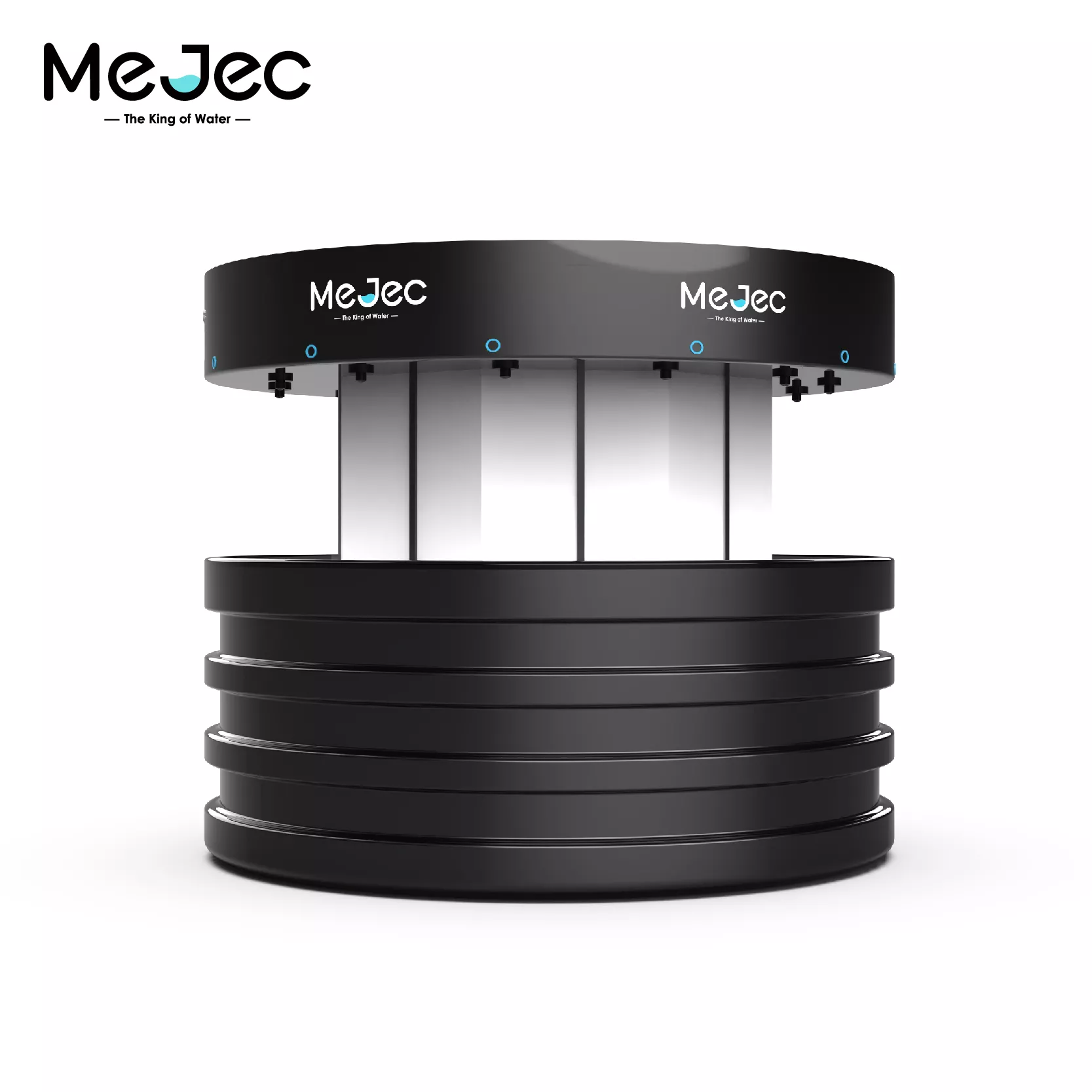
Mejec Redefines the Outdoor Hydration Experience. ...
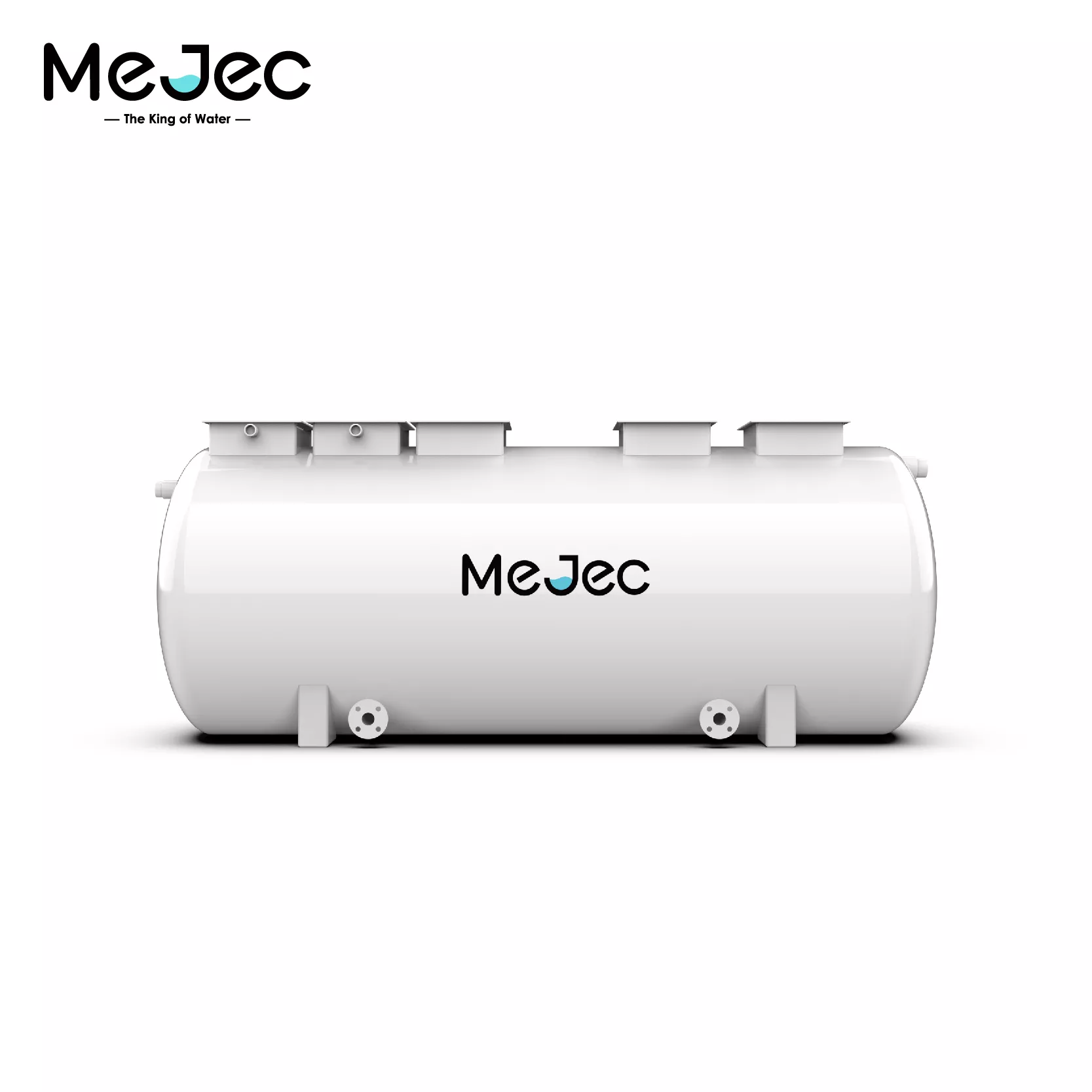
Mejec-Johkasou-SB adopts an AAO + MBBR combined bi...

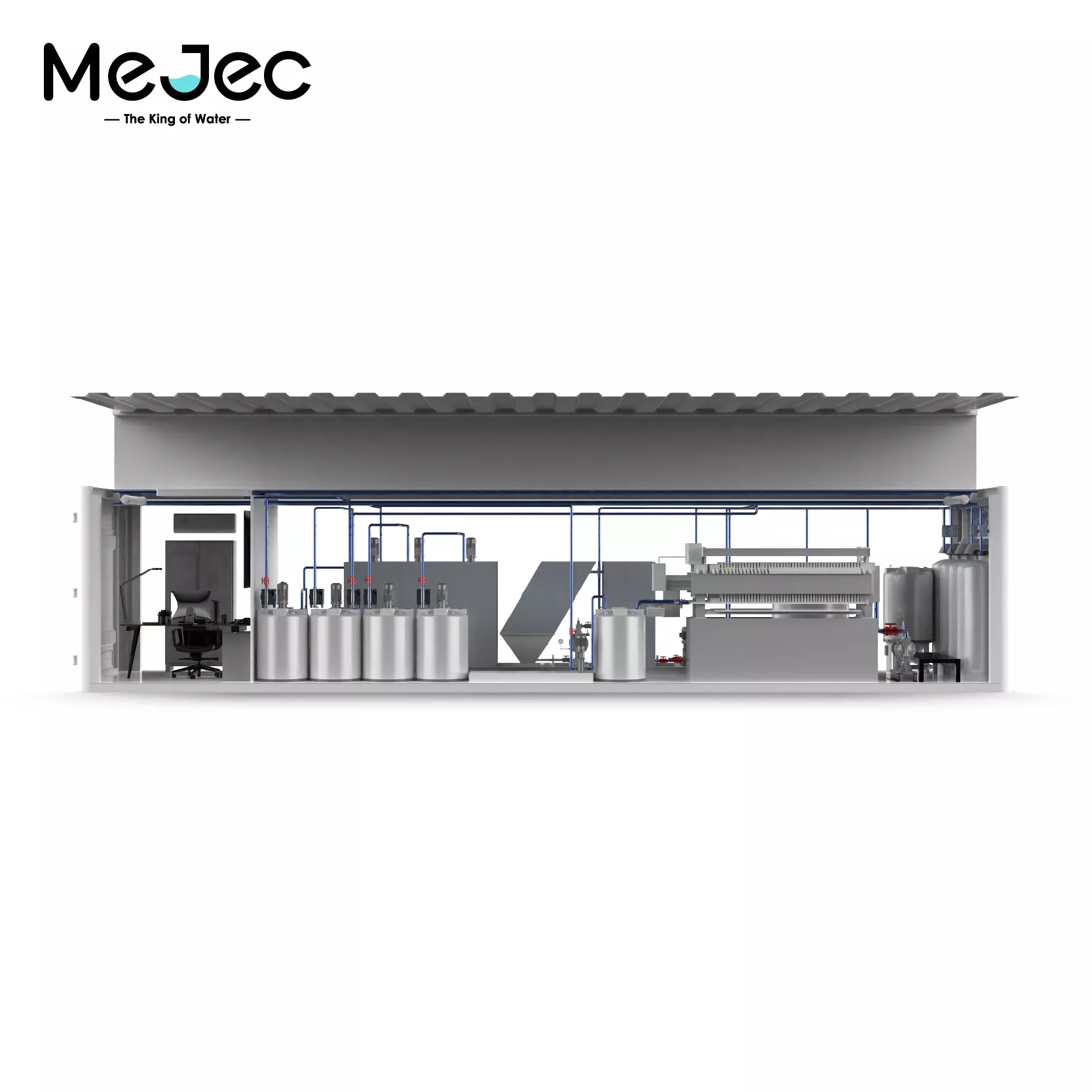
Mejec containerized sewage treatment system incorp...
Select the most popular foreign trade service products to meet your diverse needs
Select the most popular foreign trade service products to meet your diverse needs






User Comments
Service Experience Sharing from Real Customers
Emily Chen
Office ManagerThis water dispenser table is a game-changer for our office kitchenette. It's sturdy, has a sleek design that fits our modern decor, and the built-in storage for cups and supplies keeps everything tidy. Highly recommended for any workplace.
David Rodriguez
Clinic AdministratorVery practical addition to our waiting area. The table is the perfect height for our water cooler, and the lower shelf holds extra paper cups neatly. It's stable and easy to clean. One point off because assembly instructions could be clearer.
Sarah Johnson
TeacherBought this for our school's staff room. It's incredibly sturdy and can handle the daily hustle. The neutral color doesn't show stains, and it has really helped organize our drink station. Great value for the price.
Michael Brown
Fitness CoachPerfect for our gym! The table holds our large water dispenser securely, and the metal frame handles the humid environment well. The minimalist design looks professional, and clients appreciate having a dedicated, clean spot for hydration.