



.webp)
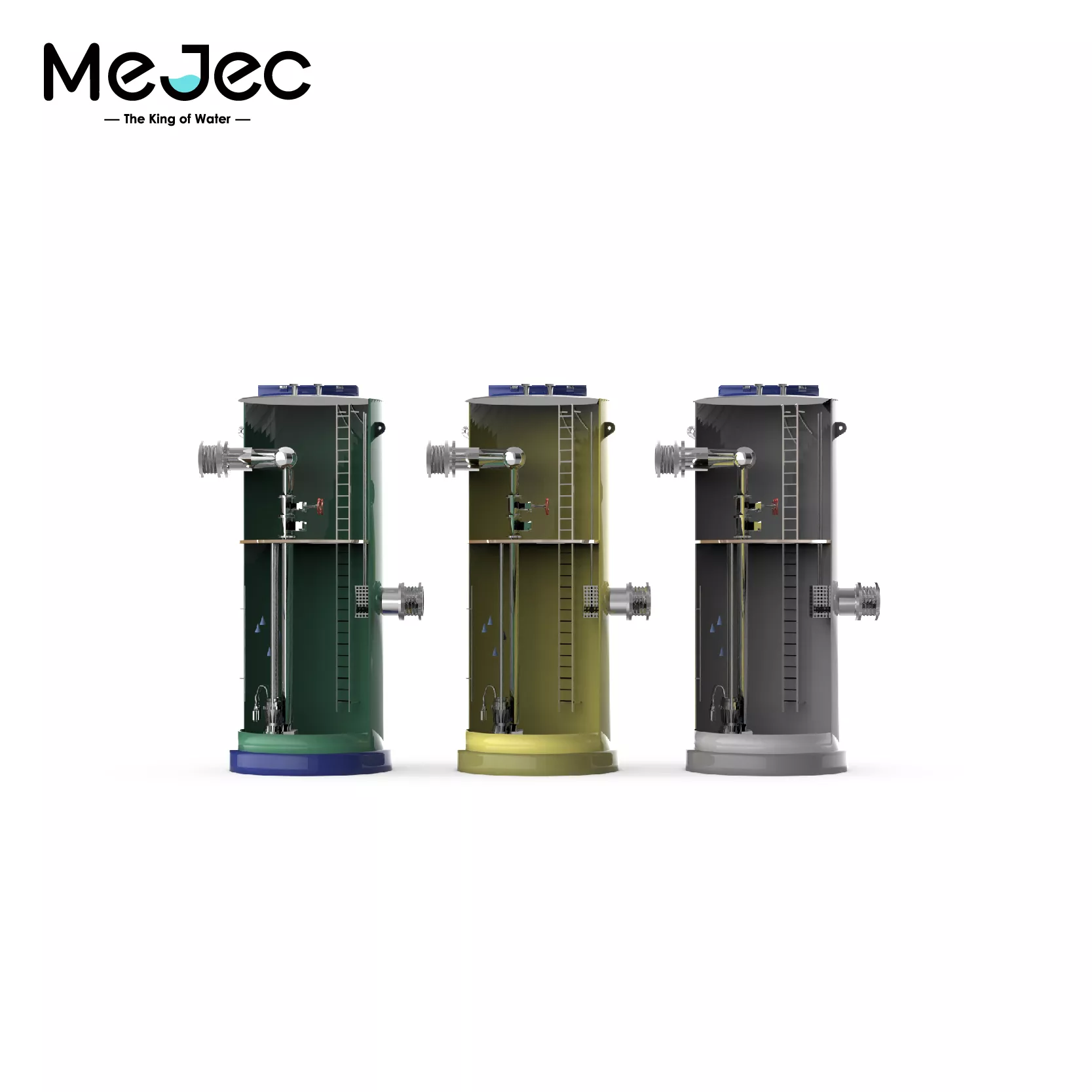
What is MBBR for sewage treatment plant?
MBBR sewage treatment plant uses biofilm carriers ...
More


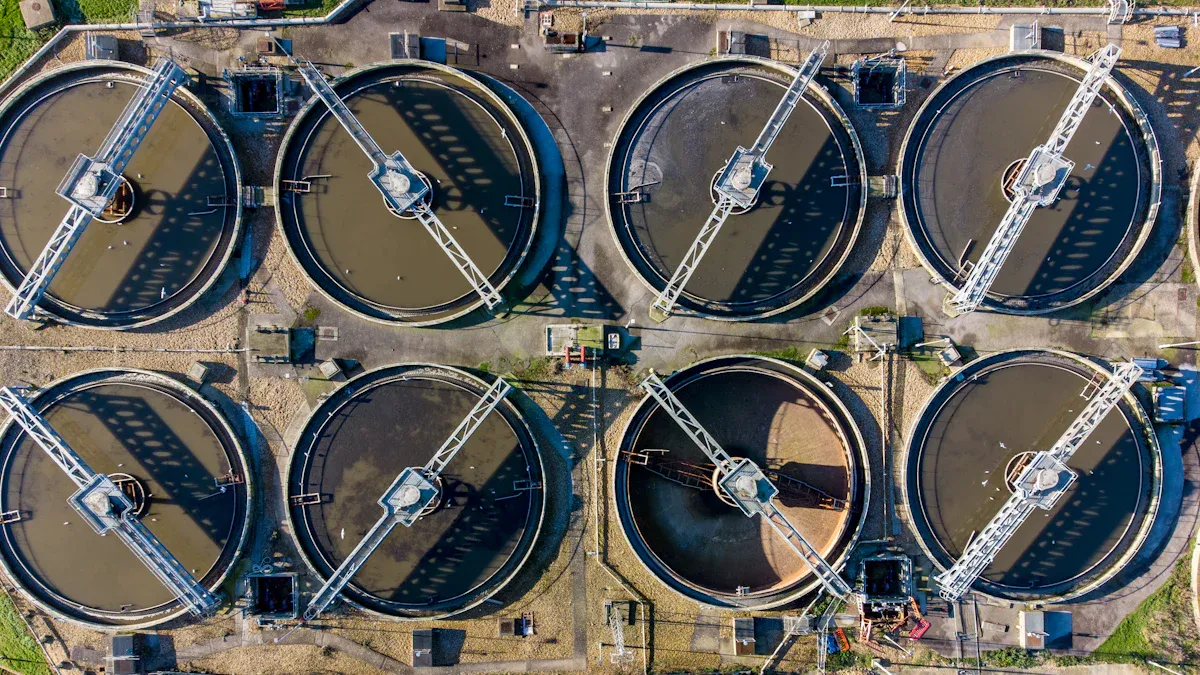
You generate sewage every day on a ship. Without a sewage water treatment system, most sewage would enter the ocean untreated.
Sewage makes up the largest part of coastal pollution worldwide.
About 80% of sewage enters the environment without treatment.
You help protect the sea by treating wastewater onboard.
Sewage water treatment systems are essential for protecting the ocean from pollution caused by untreated sewage.
Understanding the types of wastewater, grey water and black water, helps in managing them effectively on ships.
Regular maintenance of sewage treatment systems ensures reliable operation, reduces costs, and prevents environmental harm.
You rely on a sewage water treatment system to keep your ship clean and safe. This system helps you protect the ocean from pollution. Untreated sewage can cause serious problems for the environment and your ship.
If you do not treat sewage, you risk:
Polluting water resources like rivers and seas
Causing eutrophication, which harms aquatic life
Spreading diseases through viruses and bacteria
Facing operational challenges from hazardous sludge
A sewage water treatment system helps you avoid these risks and keeps your ship running smoothly.
Ships generate two main types of wastewater. You need to know the difference to manage them properly.
| Type of Water | Definition | Sources | Pollutants |
|---|---|---|---|
| Grey Water | Wastewater from sinks, showers, and washing machines | Sinks, showers, washing machines | Soap, detergents, food particles |
| Black Water | Sewage from toilets containing human waste | Toilets | Human waste |
Each passenger produces about 250 liters of grey water and 30 liters of black water every day. On a large cruise ship, this adds up to hundreds of thousands of liters daily.
You must follow international rules to operate your ship. Regulation 11 states that you cannot discharge untreated sewage unless you meet strict conditions. Ships over 400 GT or carrying 15 or more people must have an approved sewage water treatment system. In some areas, like the Baltic Sea, you face even stricter rules.
Without proper treatment, you risk fines and damage to your reputation. You also help protect the health of passengers and crew by using a sewage water treatment system.
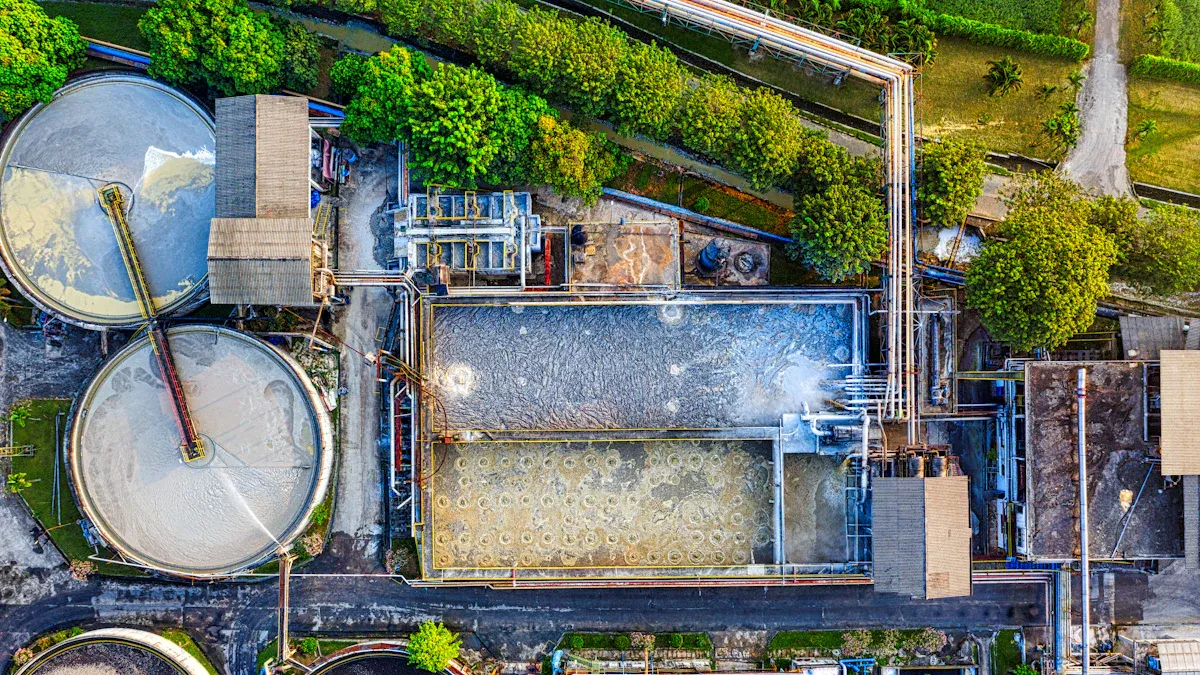
You need to know the main parts of a sewage water treatment system to understand how it works on your ship. Each part has a special job to help clean the wastewater before it goes back into the ocean. Here is a table that shows the main components and what they do:
| Component | Description |
|---|---|
| Marine Sanitation Device (MSD) | Treats sewage to meet U.S. Coast Guard standards for large vessels. |
| Biological Process | Uses bacteria and oxygen to break down solids and disinfect wastewater. |
| Chemical Injection Pump | Adds disinfectant to kill harmful germs. |
| Blower | Supplies air to help bacteria clean the water. |
| Chlorine Solution Storage Tank | Holds chlorine solution made from seawater for disinfection. |
| Effluent Discharge Pump | Moves treated water out of the system and overboard. |
| Treatment Chambers | Keep sewage moving through the system without parts touching the waste. |
| Custom Designs | Fit the system into different spaces on ships. |
| Corrosion Resistant Materials | Make sure the system lasts in salty marine environments. |
You also find other important parts, such as screening chambers, aeration chambers, sedimentation tanks, and disinfection units. Each one helps the sewage water treatment system work smoothly and safely.
In the first stage, you remove solid materials from the wastewater. This step uses gravity to separate heavy and light materials. Here is how the process works:
Wastewater enters a sedimentation tank.
Heavy solids settle at the bottom and form primary sludge.
Lighter materials, like oil and grease, float to the top and are skimmed off.
The system collects the settled solids for safe disposal.
Tip: About half of the solid material is removed during this stage. You prevent clogs and make the next steps easier by removing these solids early.
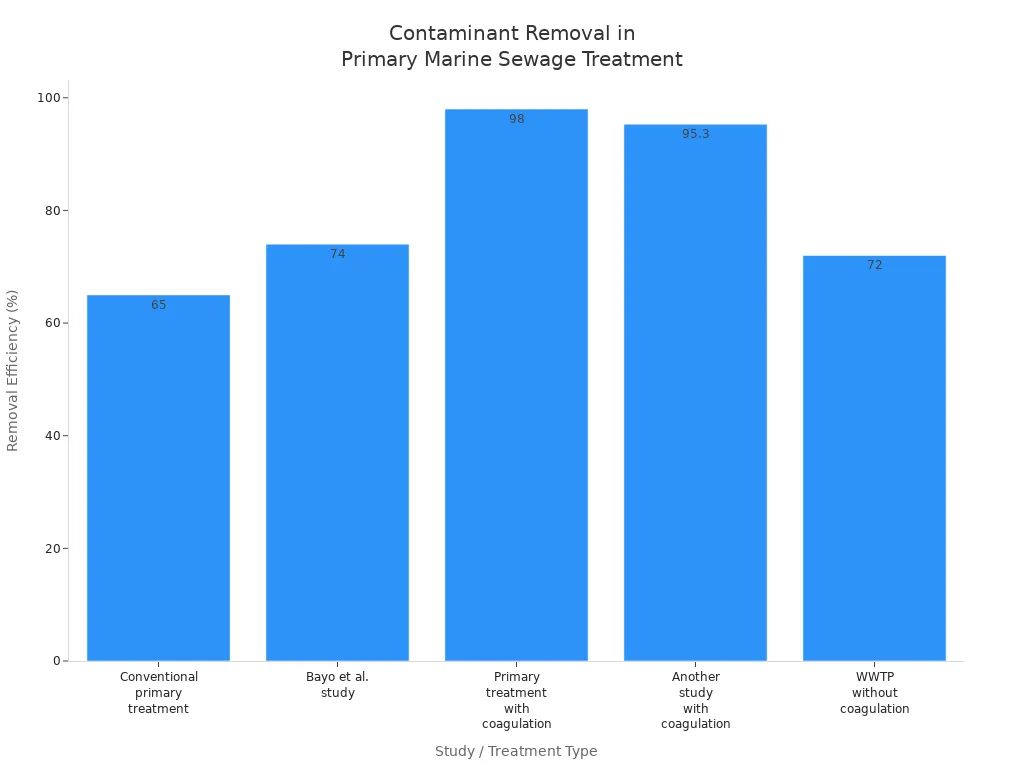
Studies show that the primary treatment stage can remove a large percentage of contaminants. The table below shows how effective this stage can be:
| Study Description | Removal Efficiency (%) |
|---|---|
| Conventional primary treatment | 65% |
| Bayo et al. study | 74% |
| Primary treatment with coagulation | 98% |
| Another study with coagulation | 95.3% |
| WWTP without coagulation | 72% |
Next, you use biological methods to break down the remaining waste. This stage relies on bacteria and other tiny organisms to clean the water. You often find these methods in a sewage water treatment system:
| Biological Method | Description |
|---|---|
| Aerobic Process | Bacteria use oxygen to turn waste into carbon dioxide, water, and more bacteria. |
| Trickling Filter | Wastewater passes over rocks or plastic, where bacteria live and eat the waste. |
| Biofilm Reactors | Bacteria grow on small plastic pieces and break down waste as water flows past. |
| Activated Sludge | Air is pumped into tanks to help bacteria form clumps that settle out. |
| Anaerobic Process | Bacteria work without oxygen and turn waste into gases like methane. |
| Anoxic Treatment | Special bacteria remove nitrogen from the water without using oxygen. |
Note: Biological decomposition can remove a lot of harmful substances. For example, some systems remove up to 99% of phosphate and large amounts of organic carbon and ammonium.
In the last stage, you make sure the treated water is safe before it leaves the ship. This step uses special technologies to remove any remaining germs, nutrients, or chemicals. Here is a table that shows the main technologies and their purposes:
| Technology | Purpose |
|---|---|
| Disinfection | Kills bacteria and viruses using chlorine, UV light, or ozone. |
| Nutrient removal | Takes out extra nitrogen and phosphorus to stop algal blooms. |
| Advanced filtration | Removes tiny contaminants and makes sure the water meets standards. |
You often use disinfection units, such as chlorine or UV light, to finish the process. These steps help your sewage water treatment system meet strict environmental rules and protect the ocean.
You must follow strict rules when you operate a sewage water treatment system on your ship. These rules help protect the ocean and keep your ship in good standing.
The primary international regulation for marine sewage water treatment systems is MARPOL Annex IV, which establishes standards for sewage discharges from ships. Although the U.S. is not a signatory to this annex, foreign vessels in U.S. waters must comply with its standards. The U.S. Coast Guard also provides guidance for adherence to these international regulations.
You need to know how the International Maritime Organization (IMO) and MARPOL Annex IV set these rules:
The IMO and MARPOL Annex IV prohibit sewage discharge from passenger ships in special areas unless certain conditions are met.
New passenger ships must comply by a date no earlier than June 1, 2019. Existing ships must comply by a date no earlier than June 1, 2021.
Ships must have an approved sewage treatment plant that prevents visible solids or water discoloration.
When you install an advanced sewage water treatment system, you gain many benefits. The table below shows how these systems help you run your ship better:
| Benefit | Description |
|---|---|
| Cost Savings | Reduced operational costs due to adaptable water treatment and minimized energy consumption. |
| Enhanced Sustainability | Lower CO2 footprint and reduced environmental impact. |
| Operational Efficiency | Adaptable system that adjusts to water generation, preventing overloads. |
You also improve monitoring of effluent turbidity and flow rates. Better guidelines help you control pollution and show your commitment to the environment.
| Impact Type | Description |
|---|---|
| Operational Costs | Compliance requires significant investments in technology and training, increasing costs. |
| Avoiding Penalties | Strict adherence helps avoid severe fines and penalties, which can be financially burdensome. |
| Reputation Enhancement | A strong compliance culture can improve reputation, as customers value environmental responsibility. |
You keep your sewage water treatment system working well by following good maintenance practices:
Monitor the systems. Check pH, temperature, and microbial counts often.
Clean and disinfect. Use the right chemicals to stop contamination.
Upgrade and optimize. Use new technologies for better results.
Train and educate. Make sure your crew knows how to maintain and operate the system.
You may face challenges such as technician training problems, bacteria control, poor monitoring, equipment design, and maintenance issues. Regular checks and training help you solve these problems and keep your system running smoothly.
You help protect the ocean when you use a sewage water treatment system on your ship.
These systems reduce pollution and keep marine life safe.
You gain long-term benefits by understanding system parts and keeping them maintained.
| Benefit | Description |
|---|---|
| Reliable Operation | Fewer breakdowns and safer voyages |
| Cost Savings | Lower expenses with regular maintenance |
You risk system failure, pollution, and fines. Regular checks help you avoid breakdowns and keep your ship safe for everyone onboard.
You must follow MARPOL Annex IV rules. Discharge is allowed only in certain areas and under strict conditions. Always check local regulations before releasing treated water.
You should inspect the system daily.
You need to monitor pH, temperature, and flow rates.
Quick checks help you catch issues early.
Benefits of Using Self-Priming Pumps in Water Systems
Best Precoating Options for Filtration Systems This Year
How Sterile Filter Devices Function and Their Importance
Innovative Materials Transforming Heat Exchanger Industry Today
Comprehensive Guide on the Functioning of Plate Heat Exchangers

We provide you with comprehensive foreign trade solutions to help enterprises achieve global development
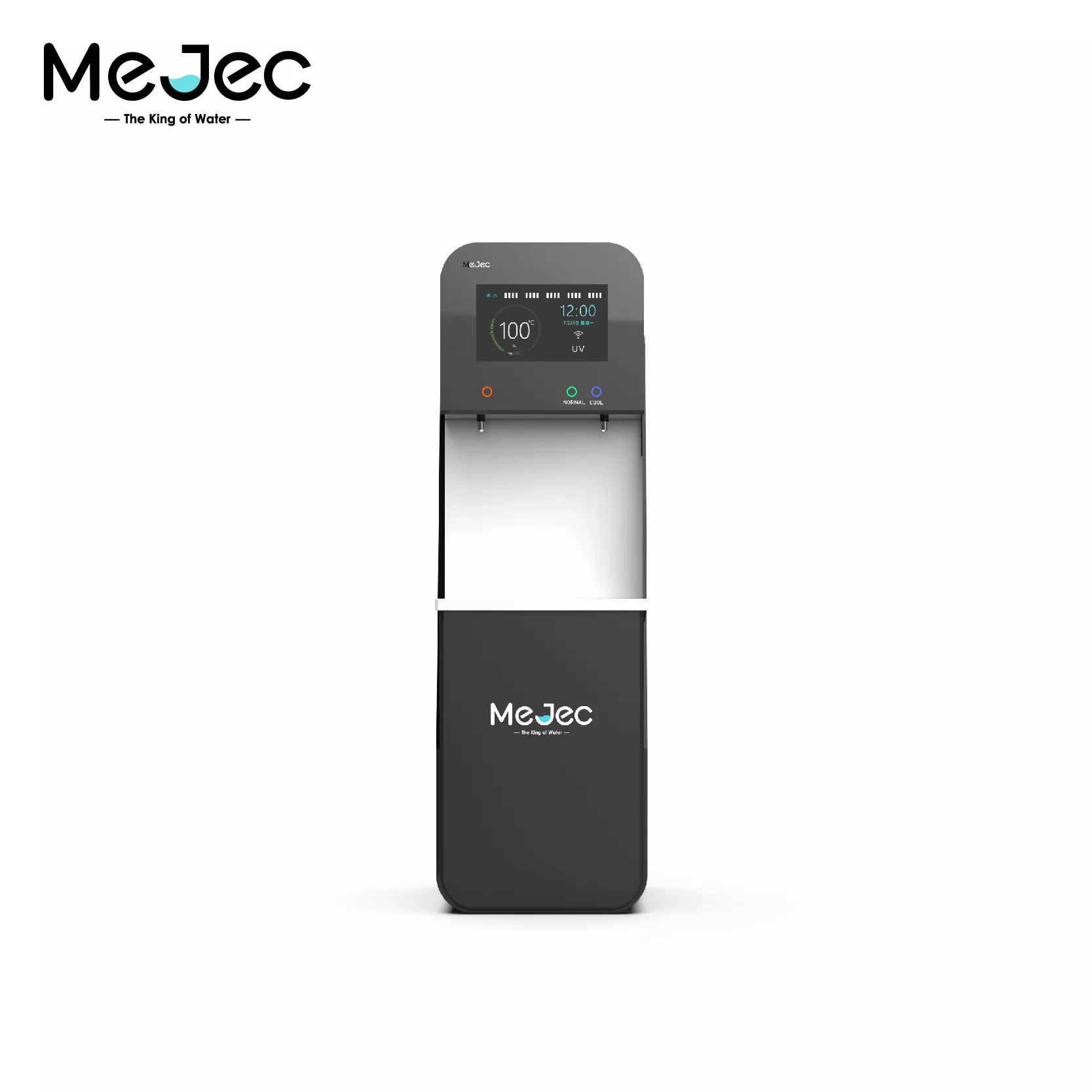
The Mejec Commercial Drinking Water Dispenser is d...

Choose Mejec and say goodbye to manual maintenance...
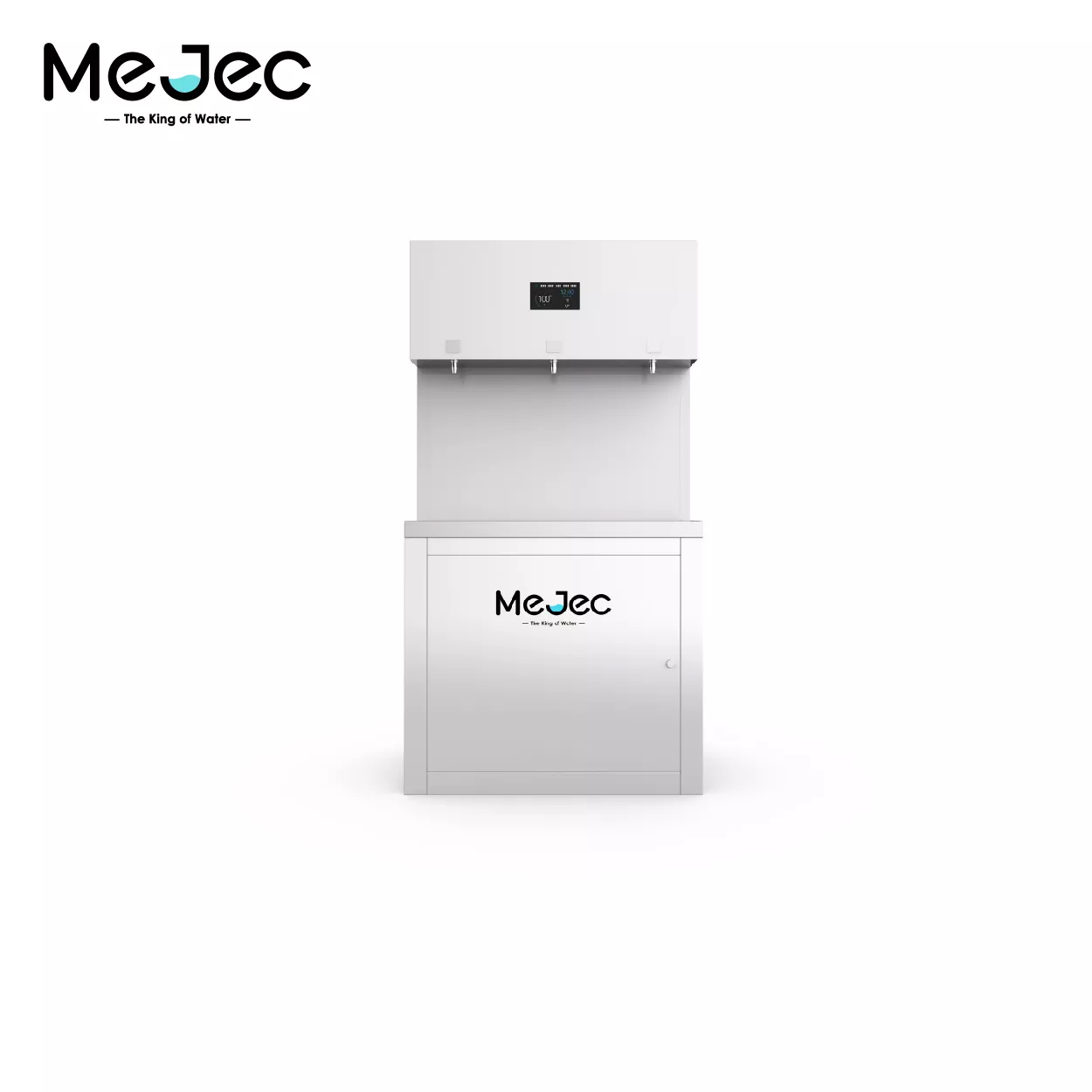
Upgrade your commercial hydration station with our...
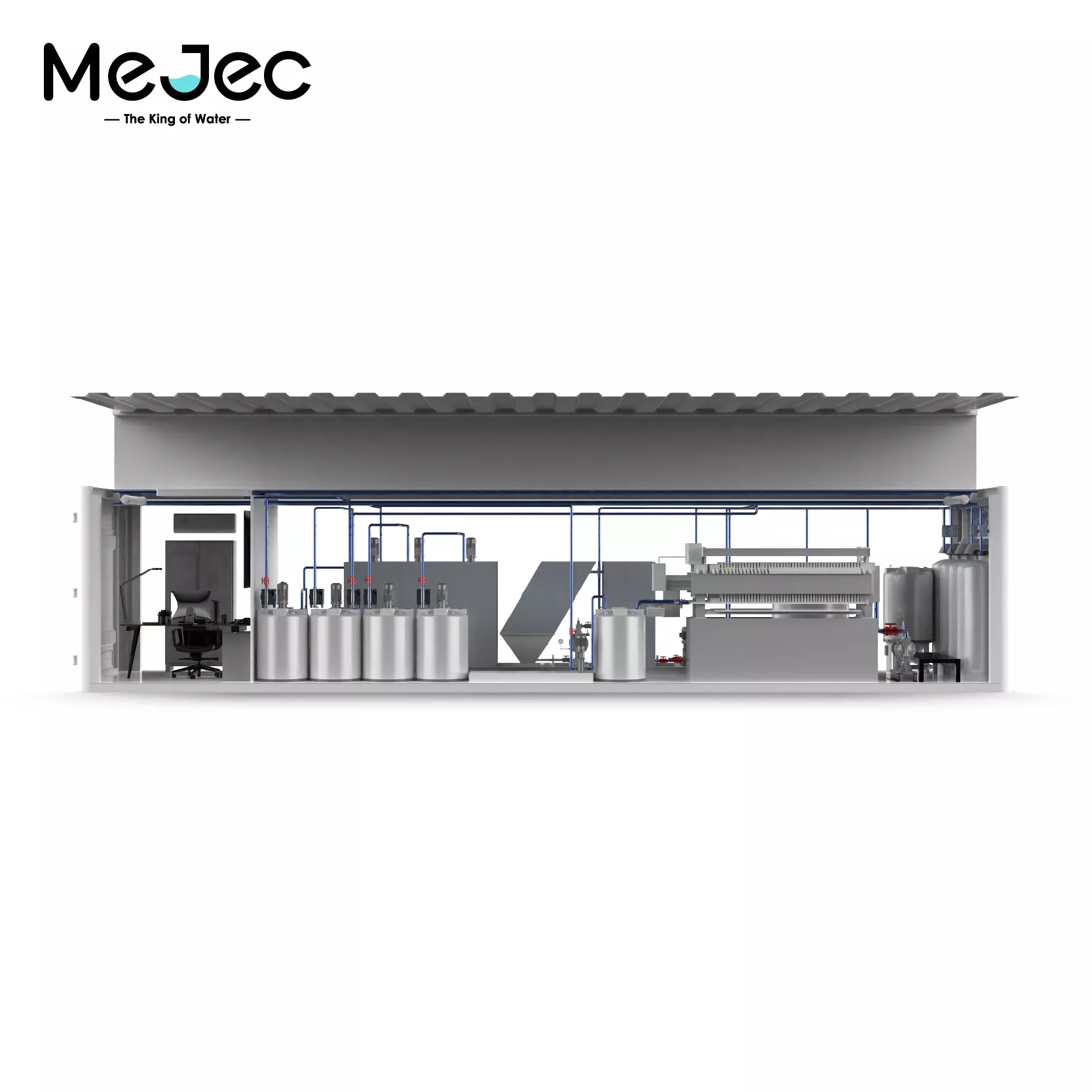
Mejec containerized wastewater treatment system ad...
Select the most popular foreign trade service products to meet your diverse needs
Select the most popular foreign trade service products to meet your diverse needs





User Comments
Service Experience Sharing from Real Customers
Michael Chen
Facilities ManagerThis integrated sewage treatment system has been a game-changer for our residential complex. It's efficient, remarkably low-odor, and the automated controls require minimal intervention. The reduction in our environmental footprint is significant.
Sarah Johnson
Plant EngineerAs a plant engineer, I appreciate the robust design and modular components of this system. It handles our factory's variable effluent load reliably. The clarity of the final discharge consistently meets regulatory standards. A solid, dependable solution.
David Rodriguez
Hotel General ManagerInstalling this compact sewage treatment system was crucial for our remote eco-resort. It's quiet, energy-efficient, and allows us to recycle treated water for landscape irrigation. The technical support team was excellent during setup. Highly recommended for the hospitality sector.
Jennifer Park
Municipal Environmental SpecialistWe deployed this system for a small community extension. Its scalability and effective nutrient removal (nitrogen, phosphorus) are impressive for its size. It has performed reliably under seasonal fluctuations. A great option for decentralized wastewater management.