




.webp)
What Is a Containerized Wastewater Treatment Plant?
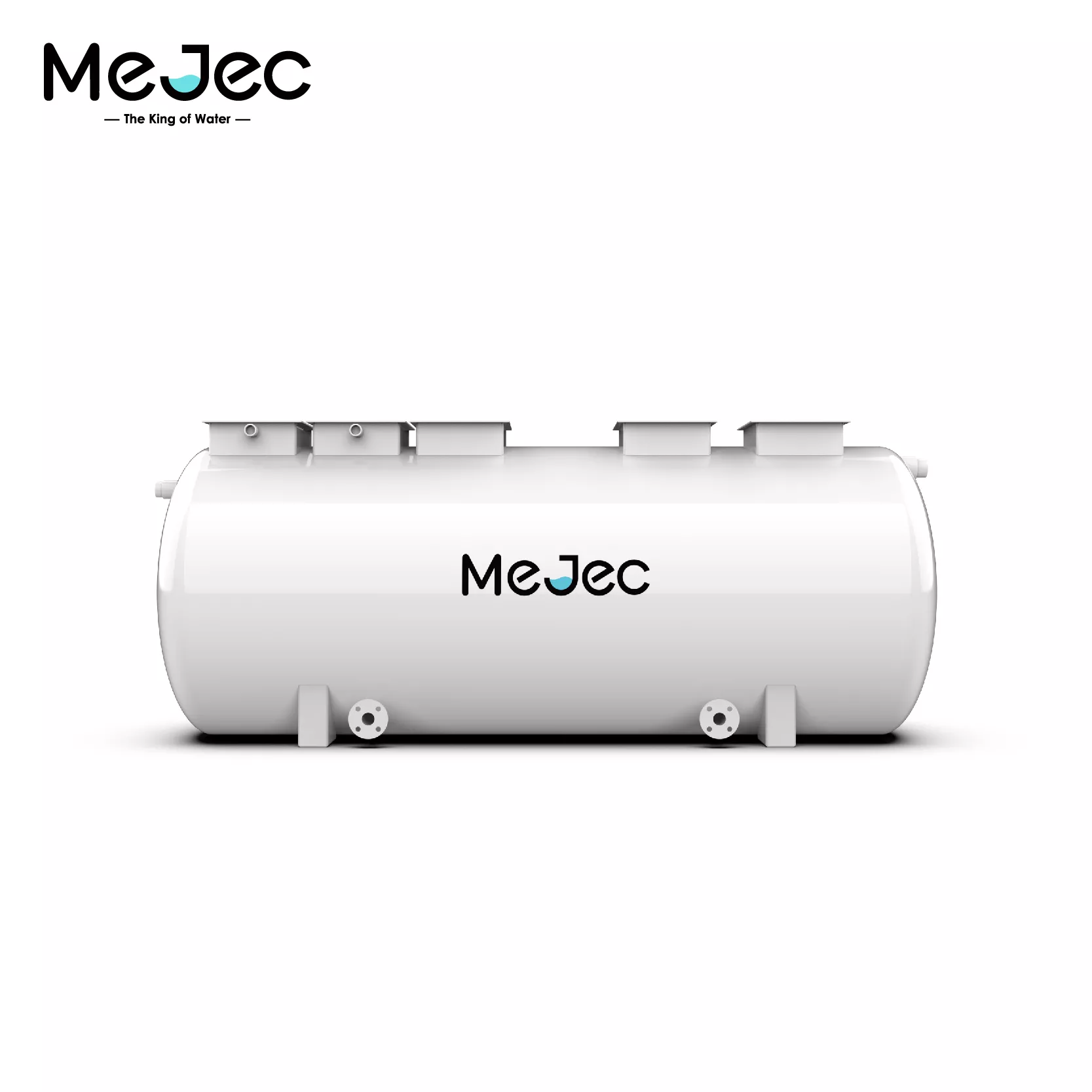
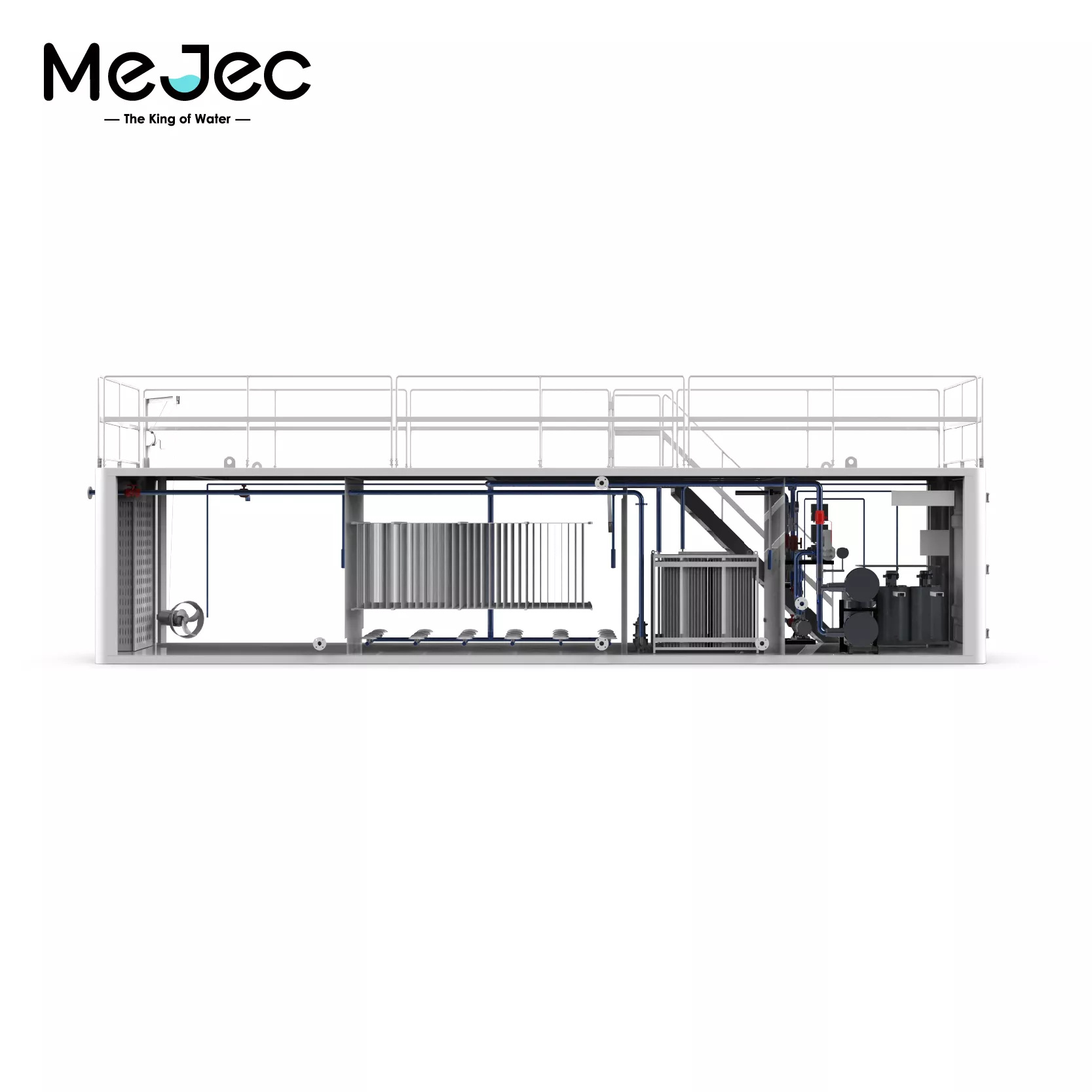
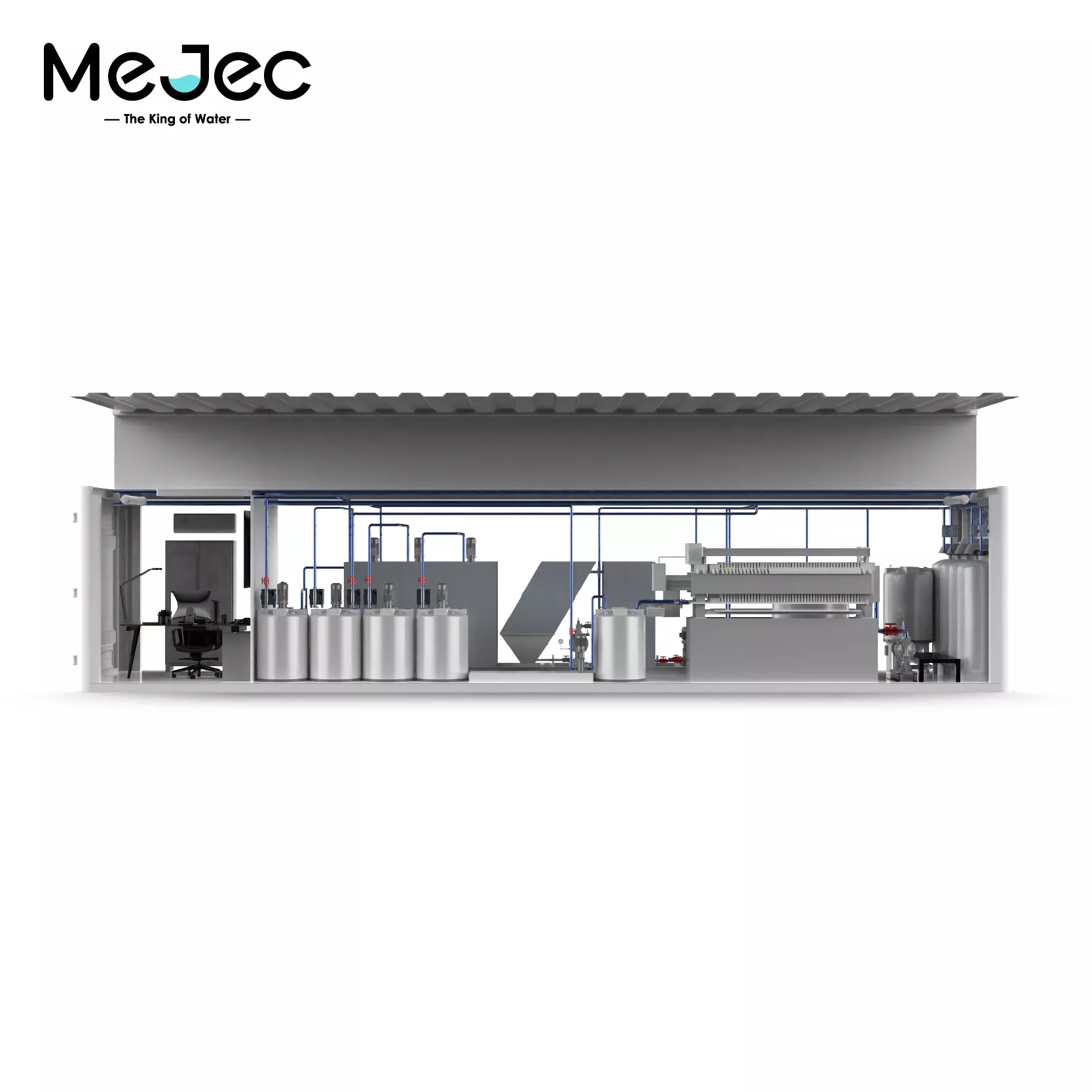
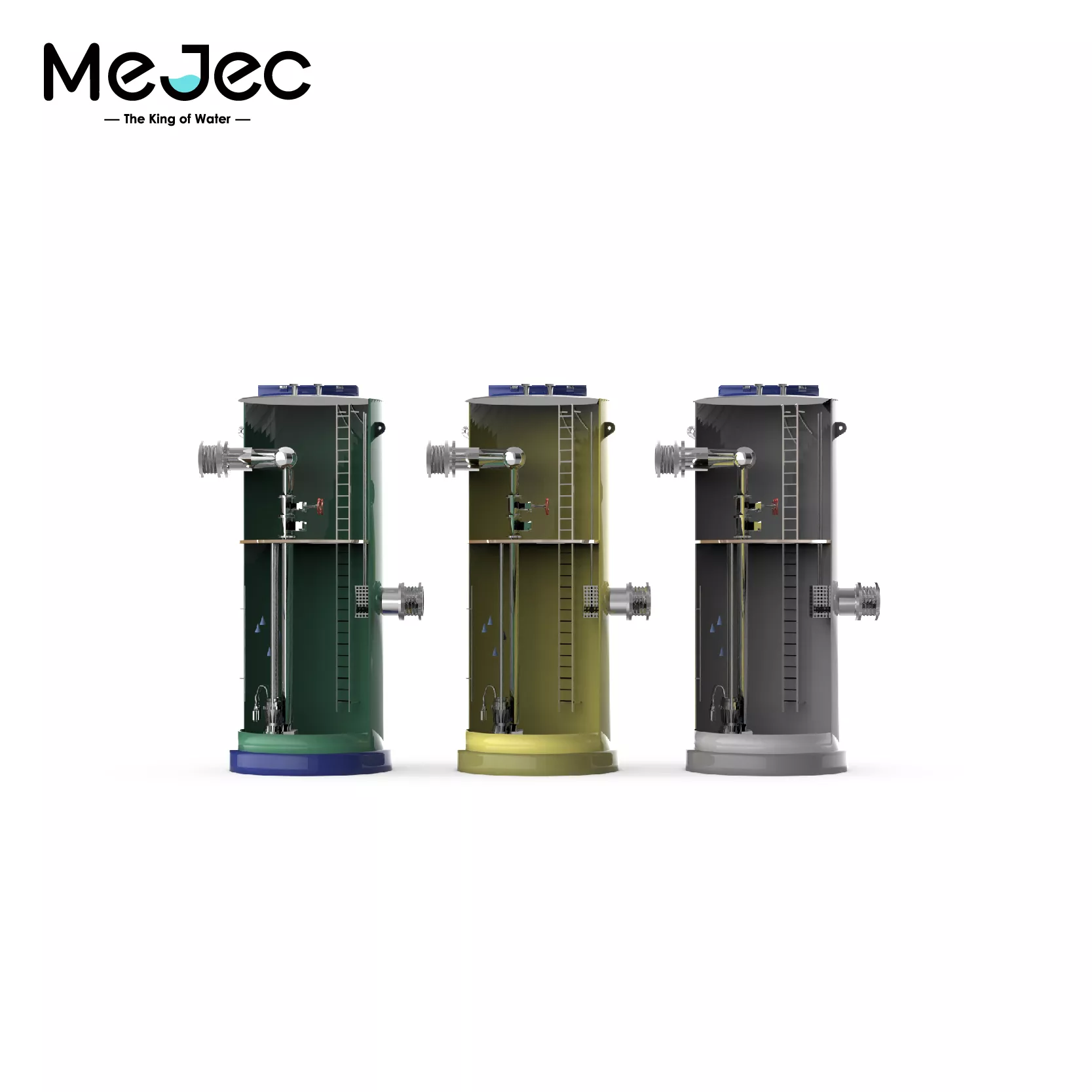
A containerized sewage treatment plant is a compac...
More

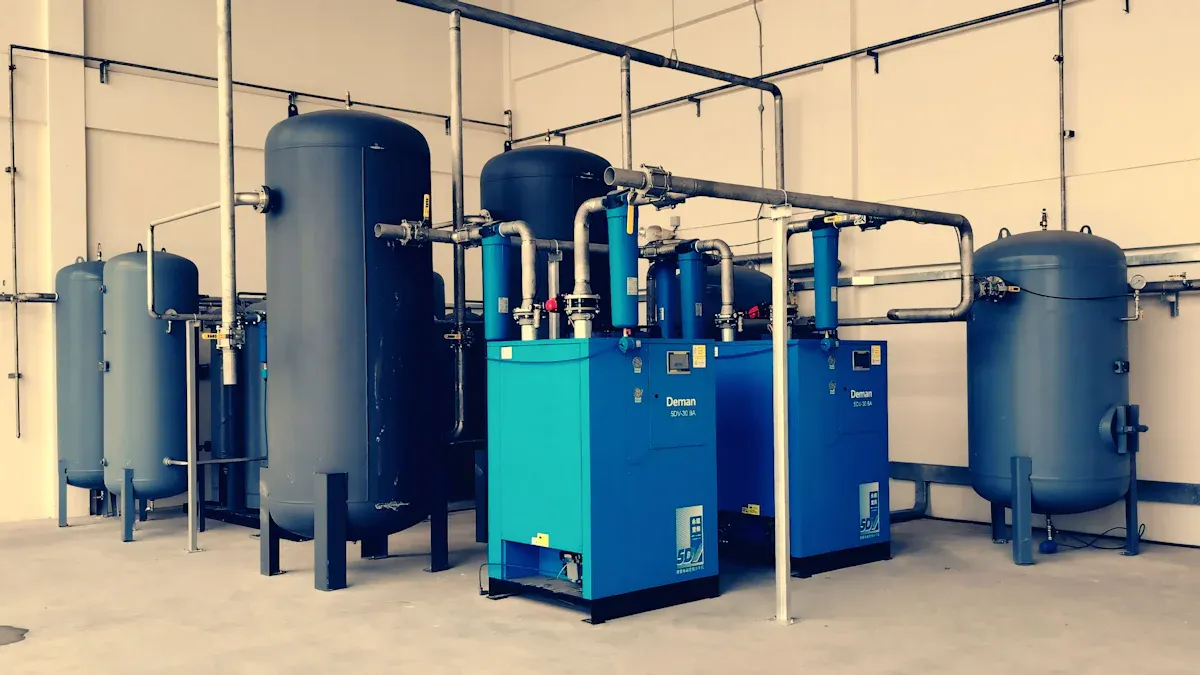
You see rapid changes in the containerised sewage treatment plant sector today. Cleaner technologies and energy-efficient systems help you cut waste and save resources. New solutions, like AI and IoT, support better water management. These advances help you meet strict regulations and support a more sustainable future.
Decentralized sewage treatment systems offer flexibility and meet strict environmental regulations, making them ideal for growing urban areas.
Advanced technologies like IoT and AI enhance monitoring and efficiency, allowing for real-time data access and predictive maintenance.
Investing in sustainable practices and resource recovery not only reduces waste but also supports economic growth and environmental protection.
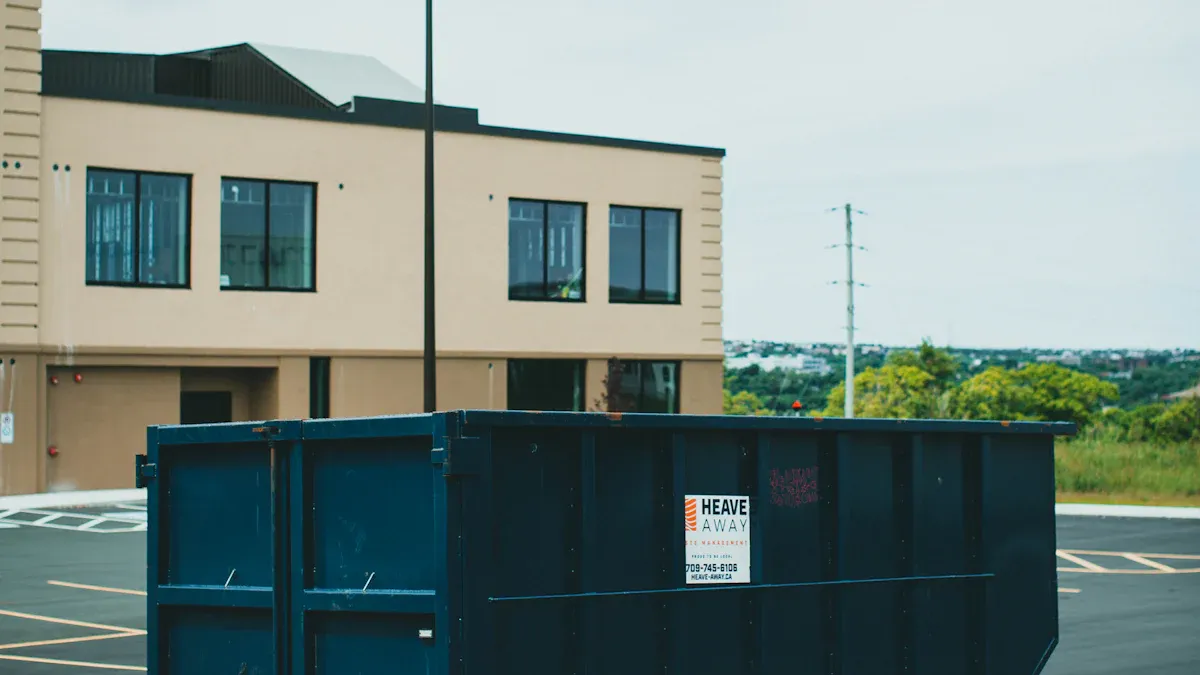
You see more communities choosing decentralized wastewater solutions. This shift happens because cities grow fast and need flexible systems. You can meet strict environmental rules with these new options. Many rural areas in the U.S. now use onsite wastewater treatment. The EPA has invested millions in these projects. You benefit from modular systems that fit small spaces and adapt to changing needs. Here are some reasons for this trend:
Urban growth increases the need for wastewater treatment.
Stricter regulations push for better technology.
Modular and mobile units allow quick setup.
Compact systems work well in crowded places.
IoT and automation help you monitor systems in real time.
You can now use advanced designs in containerised sewage treatment plant systems. These designs make your work easier and more efficient. See the table below for key features:
| Feature | Description |
|---|---|
| MBBR Technology | Advanced biological treatment with custom design. |
| Higher Biological Solids | Holds more bacteria for better treatment. |
| Reduced Footprint | Needs much less space than old systems. |
| Enhanced Capacity | Add media to increase capacity without extra cost. |
| Quick Startup | Plug & Play, mobile, and modular. |
| Automation | Fully automated, no need for staff. |
| Remote Access | Monitor and control from anywhere. |
You can access and control your system from your phone or computer. This flexibility saves you time and money.
You want a system that grows with your needs. Modular designs let you add or remove units easily. You can transport these systems in standard shipping containers. They set up fast and start working right away. You can combine containers for more treatment power or use them for different treatment stages.
Pre-engineered and factory-tested, the units are delivered in standard 20- or 40-foot containers for rapid deployment.
This approach helps you respond quickly to emergencies or changes in demand. You stay ready for any situation with a containerised sewage treatment plant.
You can now use advanced water recycling methods to make wastewater safe for reuse. Membrane filtration removes many contaminants, so you get water that works for irrigation or factories. Reverse osmosis takes out tough pollutants like PFAS, which keeps reclaimed water safe for people and the environment. These technologies help you meet strict health standards and support water conservation.
Membrane filtration removes contaminants for safe reuse.
Reverse osmosis eliminates persistent pollutants.
Treated water becomes suitable for irrigation and industry.
You can recover valuable resources from wastewater using new systems in a containerised sewage treatment plant. Mobile resource containers use physico-chemical processes to separate solids and liquids. Flocculation helps you collect solids, while hydrothermal carbonization turns waste into useful products. You can also recover phosphate by adding lime milk and capture ammonium nitrogen with membrane contactors. This process creates ammonium sulfate, which you can use as fertilizer. These systems give you high-quality water and show strong economic potential.
Tip: Recovering nutrients and energy from wastewater not only saves money but also supports sustainable agriculture.
Many real-world projects show how resource recovery works. In Haiti, SOIL uses container-based sanitation to provide safe toilets and make fertilizer for farmers. Workers collect waste weekly, treat it at a composting site, and sell the finished product to boost crop yields. Other examples include a containerised sewage treatment plant in a lakeside city that handles more visitors in summer and a custom plant in Nevada built for uneven land. These cases prove that you can adapt resource recovery to different needs and locations.
You can lower energy use in your containerised sewage treatment plant by choosing new treatment methods. Membrane Aerated Biofilm Reactors (MABR) help you save power. This technology uses passive aeration, which cuts energy needs by up to 90% compared to older systems. MABR also removes nutrients well because it supports both nitrification and denitrification at the same time. You can also use microwave treatment for drying sewage sludge. Studies show that microwave systems can dry sludge with low energy input and reach up to 70% efficiency. These methods help you reduce costs and support a greener operation.
You can make your plant more efficient by adding renewable energy. Many operators now use solar PV panels with lithium-ion batteries. This setup gives you steady power, even in cold weather. Solar energy can heat leachate and run aeration systems. Some plants also use ground-source heat pumps. These upgrades give you a good payback period and make your plant more reliable. At the Dobrzelin sugar factory, the team reused biogas from wastewater. This change made the plant self-sufficient in water and electricity and improved biogas production by over 3%.
You need a plant that can handle climate change. The table below shows features that help your system stay strong during extreme weather:
| Feature | Description |
|---|---|
| Withstanding exposure to hazards | Lets your plant keep working during floods or storms. |
| Armouring and strengthening | Uses strong materials, like concrete rings, to protect key parts. |
| Oversizing | Gives extra capacity for heavy rain or more users. |
| Adaptability | Makes it easy to upgrade or change your system as the environment shifts. |
These features help your containerised sewage treatment plant keep running, even when the weather changes fast.
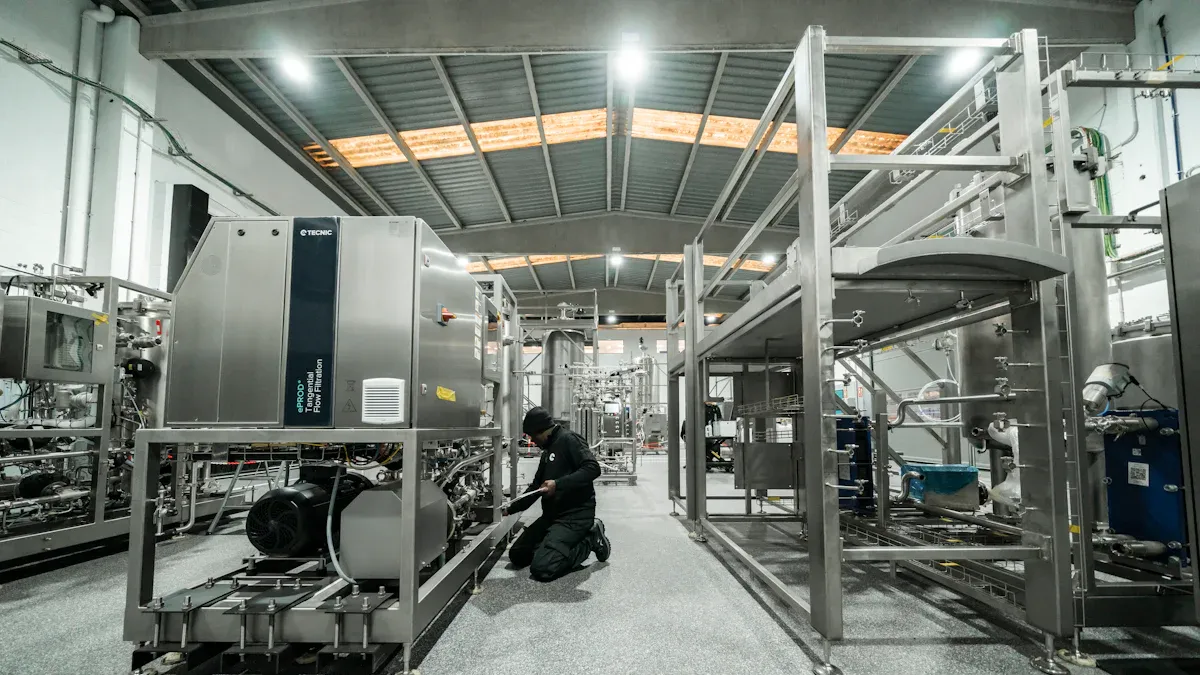
You can use IoT technology to make your plant smarter and more reliable. Digital sensors track water quality, pump pressure, and energy use every second. These sensors send data to a central cloud, so you can check your plant from anywhere. Smart systems replace old manual checks, which means you spot problems faster and fix them before they grow. You also get alerts if something goes wrong, so you can act quickly. IoT platforms connect all your equipment and show you clear data on your screen. This helps you make better decisions and keep your plant running smoothly.
Sensors monitor water and equipment in real time.
Remote access lets you control your plant from any location.
Quick alerts help you respond to issues right away.
Automated systems improve compliance and save time.
Artificial intelligence helps you run your containerised sewage treatment plant more efficiently. AI systems adjust settings based on water flow, weather, or load changes. You do not need to guess or check everything by hand. The table below shows how AI improves your plant:
| Benefit | Description |
|---|---|
| Cost Reduction | AI cuts costs by using resources wisely and predicting maintenance needs. |
| Improved Water Quality | Continuous checks keep water clean and safe. |
| Energy Efficiency | Real-time changes lower energy use and protect the environment. |
| Sustainability | Less waste and more water reuse support conservation. |
| Data-Driven Decisions | AI gives you insights for better planning and action. |
You can use predictive maintenance to stop problems before they start. Smart sensors and AI watch for signs of wear or failure. When the system finds something unusual, it warns you early. This means you fix small issues before they cause downtime. You save money on repairs and avoid long shutdowns. Predictive maintenance also helps you plan your work and keep your plant safe and reliable.
Tip: Early detection of equipment problems keeps your plant running and reduces repair costs.
You face new discharge standards that require cleaner water and safer practices. Regulators now set lower limits for nutrients like nitrogen and phosphorus. You must use advanced filtration and disinfection to meet these rules. Many states ask for chemical dosing controls to keep water safe. These changes push you to upgrade your system and use better technology. You see more inspections and stricter reporting requirements. Staying informed helps you avoid penalties and keep your plant running smoothly.
You can benefit from several incentives when you choose sustainable operations. Many governments and organizations offer support to help you improve your plant.
Significant investment opportunities exist for infrastructure in underserved areas.
You see strong demand for decentralized treatment solutions.
Upgrading existing facilities with containerized systems brings new benefits.
Public-private partnerships and government incentives encourage sustainable water management.
Opportunities grow in emerging sectors like mining and agriculture.
Tip: You can use these incentives to expand your services and improve your plant’s efficiency.
You need smart strategies to meet new regulations in 2026.
You must understand both federal and state rules for your plant.
Diligent operational practices help you stay compliant.
A proactive approach to facility management keeps you ahead of changes.
You should look for containerised sewage treatment plant systems with advanced features. Tertiary filtration, strong disinfection, and chemical dosing controls help you meet stricter nutrient limits. These upgrades make it easier to follow local rules and protect the environment.
You can use closed-loop water management to make your plant more sustainable. This approach lets you treat and reuse water many times. At vehicle-washing sites in Pakistan, nature-based systems like floating wetlands and sand filters clean wastewater. These systems help you meet national standards and lower costs. You see payback periods under a year, which shows strong economic benefits. You can use wetlands and sand filtration to remove pollutants and reuse water for washing or irrigation.
Floating treatment wetlands clean water naturally.
Subsurface flow constructed wetlands remove harmful substances.
Sand filtration makes water safe for reuse.
You save money and protect the environment.
You can achieve zero-liquid discharge by recovering all water and resources from wastewater. This method stops any liquid waste from leaving your plant. You recover clean water for reuse, nutrients for fertilizer, and energy from biosolids. Your plant becomes a resource hub instead of just a treatment site. You help reduce pollution and support local ecosystems.
| Resource | Recovery Method | Benefit |
|---|---|---|
| Water | Advanced filtration | Reuse for irrigation |
| Nutrients | Chemical and biological steps | Fertilizer production |
| Energy | Biogas generation | Renewable energy supply |
You see many plants using circular economy principles. Some facilities reuse cleaned water for industrial processes. Others recover nitrogen and phosphorus to make fertilizer. Plants generate biogas from biosolids and use it for energy. These steps lower waste and help you rely less on non-renewable resources. Your containerised sewage treatment plant can lead the way in sustainability.
Tip: Turning waste into resources helps you save money and protect the planet.
You can lead in the containerised sewage treatment plant sector by investing in advanced technologies, expanding modular solutions, and building strong partnerships. These actions give you rapid deployment, cost savings, and compliance. Use IoT, AI, and sustainable practices to boost efficiency and stay ahead in a changing industry.
| Key Action | Benefit |
|---|---|
| Invest in innovation | Faster compliance |
| Build partnerships | Market growth |
| Use smart systems | Higher efficiency |
You use a containerised sewage treatment plant to clean wastewater. The system comes in a shipping container. You can move it and set it up quickly.
You add or remove units as your needs change. This design lets you expand or reduce capacity without building a new plant.
Yes. You can reuse treated water for irrigation, toilets, or industry. Advanced filters make the water safe for many uses.
Innovative Materials Transforming Heat Exchanger Supply Chains
Comprehensive 2025 Overview of Semi-welded Plate Heat Exchangers
Enhancing Pharmaceutical Efficiency with Advanced Capsule Decapsulation Machines
Best Precoating Materials for Filtration Systems This Year
Essential Industrial Checkweighers for Every Food Processing Facility

We provide you with comprehensive foreign trade solutions to help enterprises achieve global development
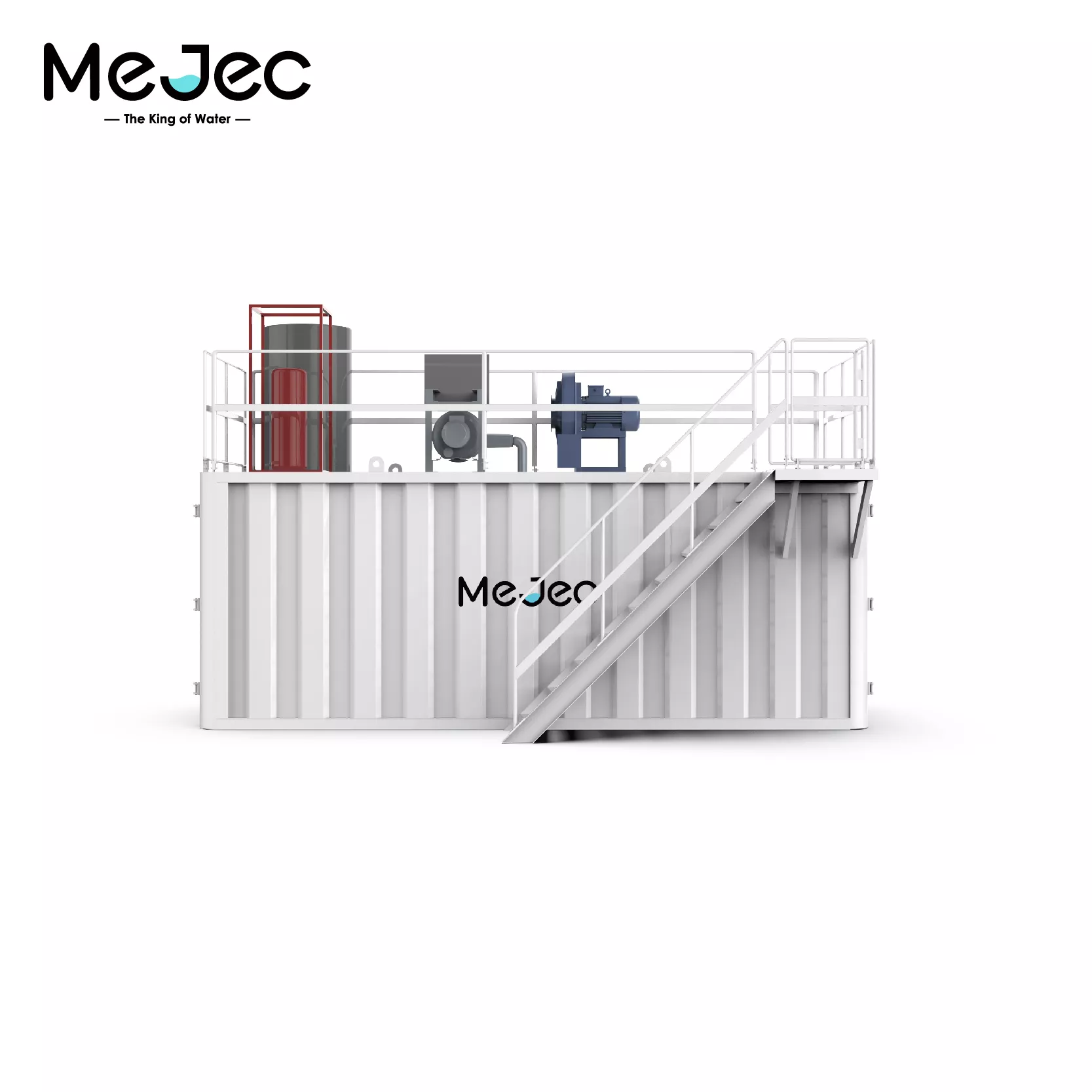
Mejec Containerized MABR Equipment is an innovativ...
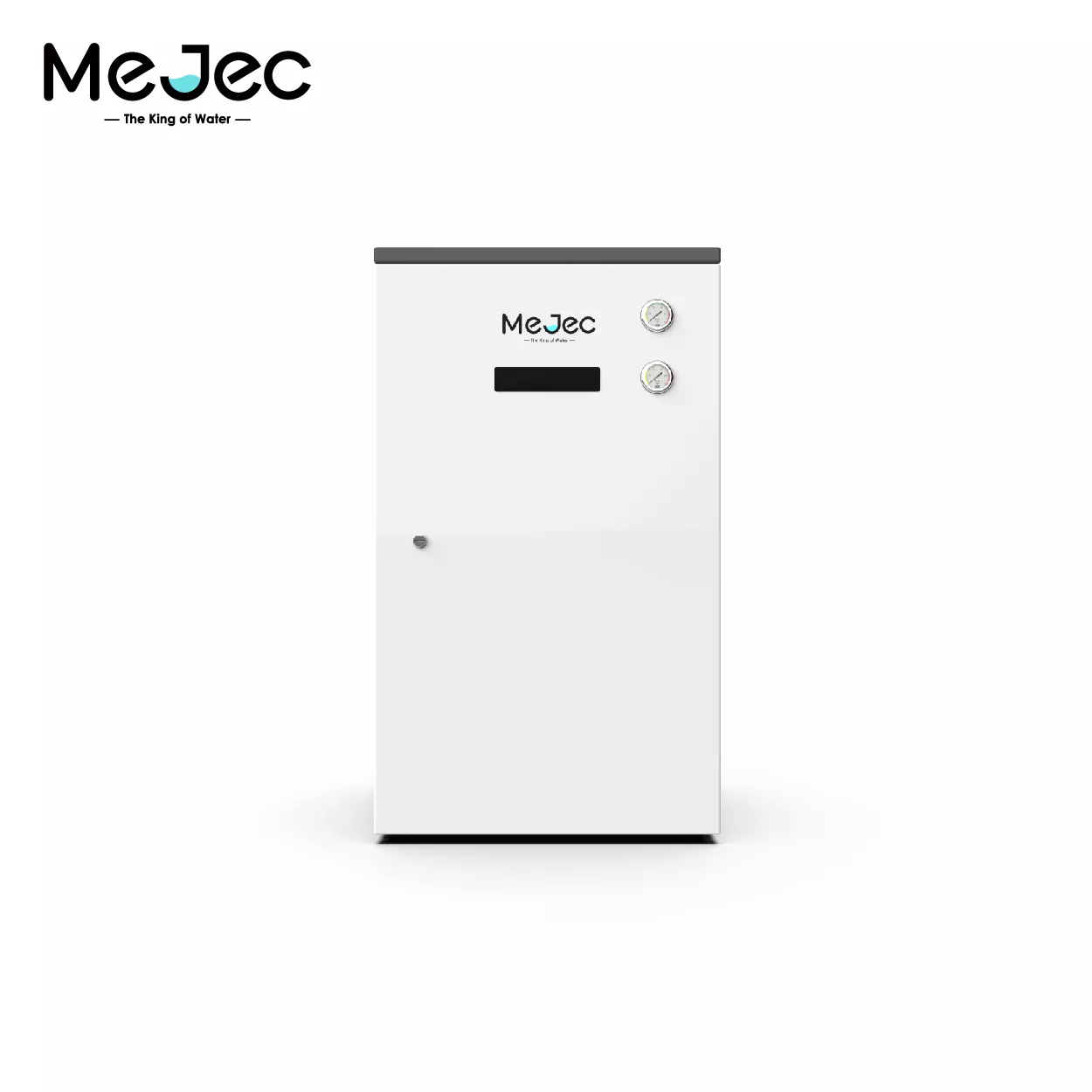
The Mejec commercial central pure water system is ...
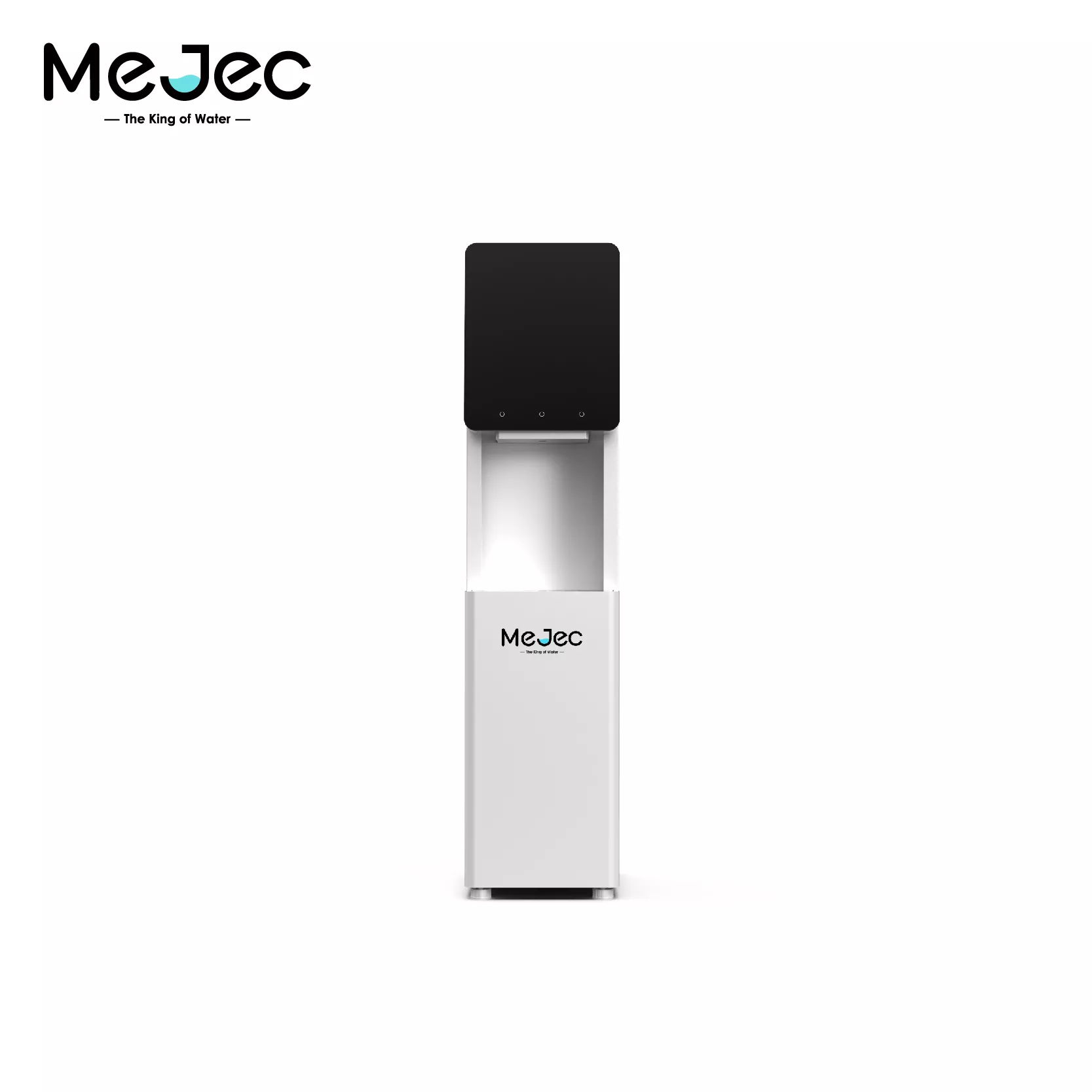
The Mejec commercial drinking machine features a l...
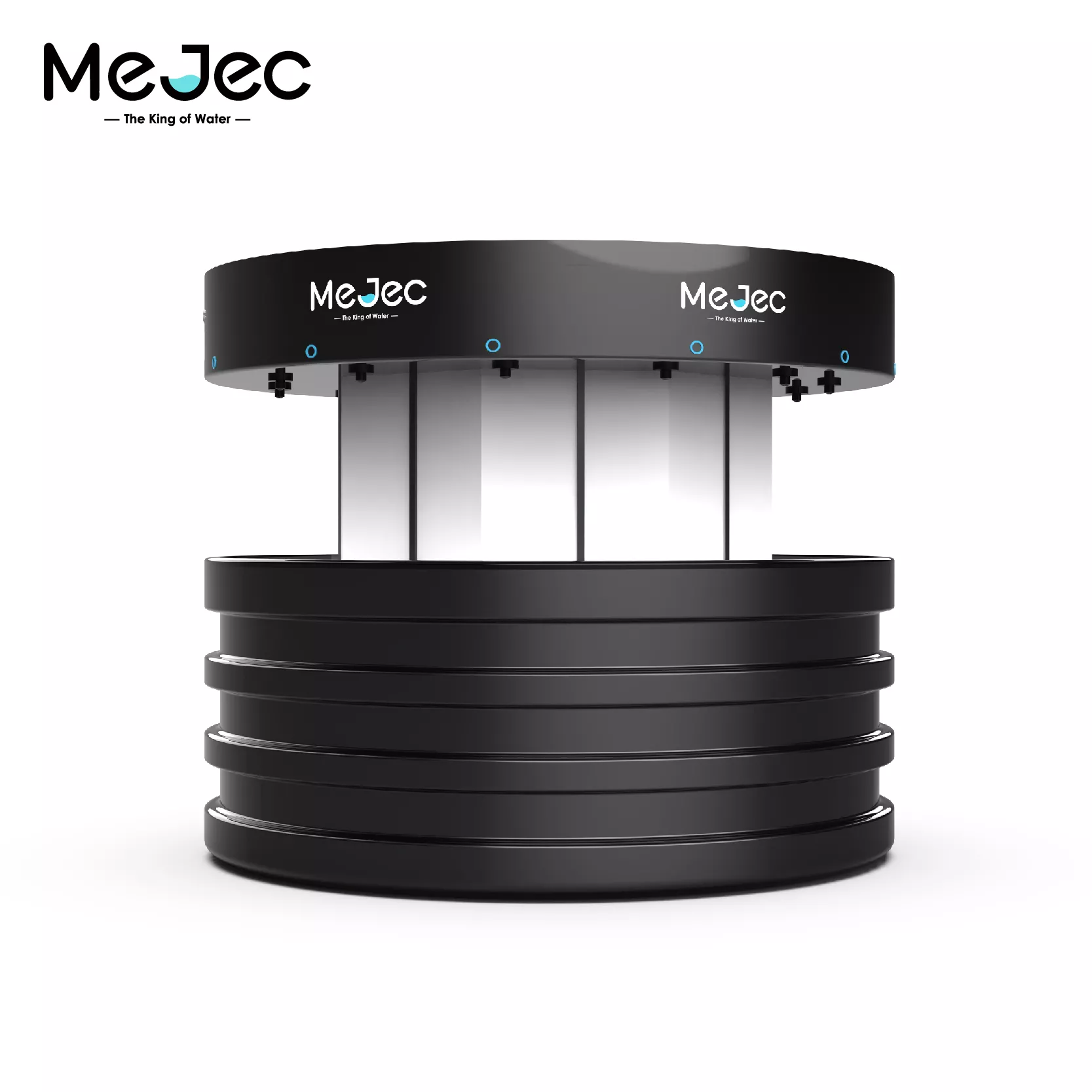
Mejec Redefines the Outdoor Hydration Experience. ...
Select the most popular foreign trade service products to meet your diverse needs
Select the most popular foreign trade service products to meet your diverse needs





User Comments
Service Experience Sharing from Real Customers
Michael Chen
Project ManagerThis containerised sewage treatment plant was a game-changer for our remote mining camp. Installation was incredibly fast, and the system has performed flawlessly for 6 months with minimal maintenance. Highly recommend for off-grid industrial applications.
Sarah Johnson
Facilities DirectorWe installed this unit at a coastal resort. It's compact, odor-free, and the treated water quality consistently meets regulatory standards for landscape irrigation. A reliable and space-saving solution for the hospitality sector.
David Rodriguez
Construction Site SupervisorPerfect for temporary construction sites. The plug-and-play design meant we were operational in a day. Robust build quality handled the tough site conditions, and demobilization was equally quick. Excellent service and product.
Lisa Wang
Environmental EngineerAs an environmental consultant, I specify these containerised plants for small communities. The modular design allows for easy capacity upgrades, and the automated controls ensure efficient operation. A top-tier, sustainable wastewater solution.