


.webp)
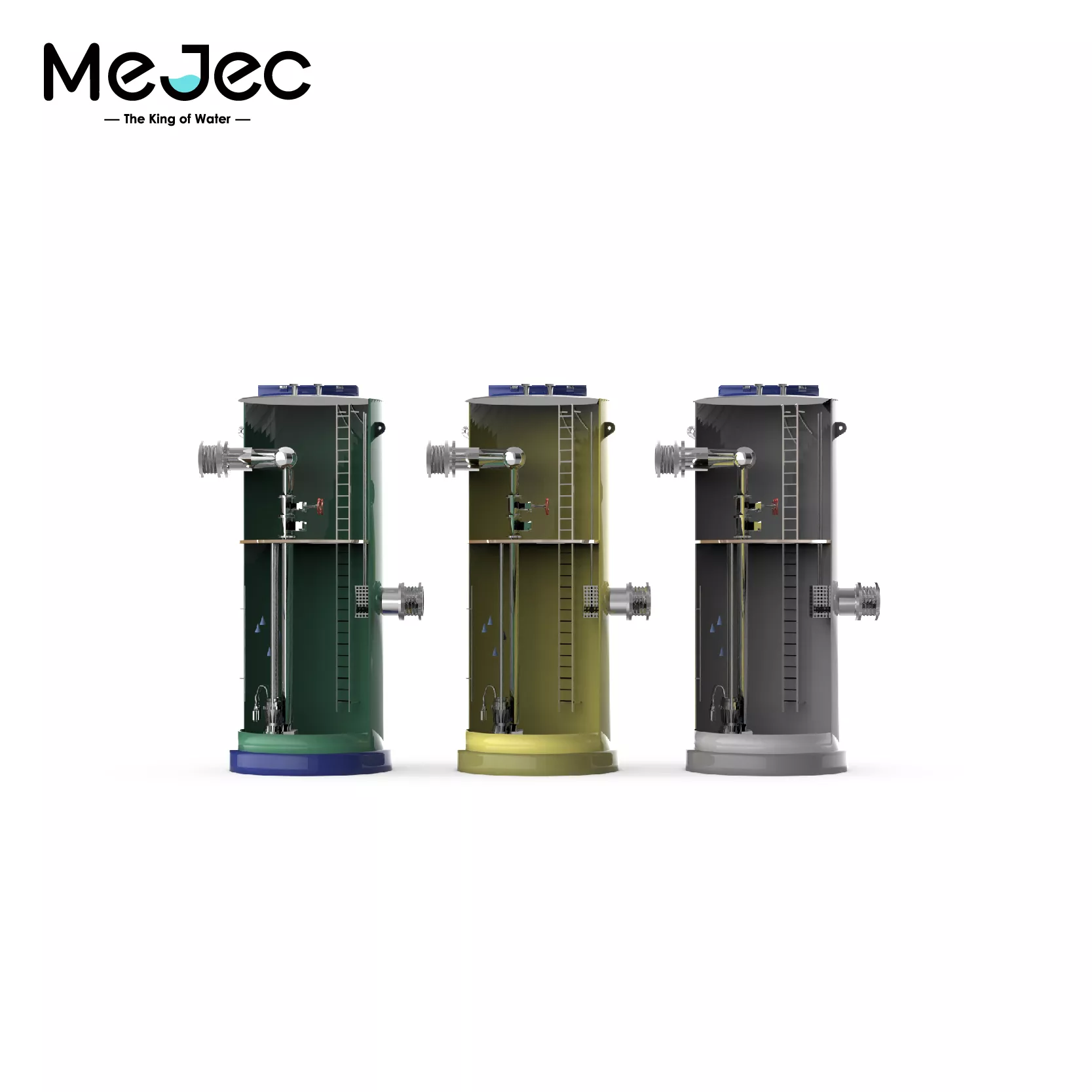


What is MBBR for sewage treatment plant?
MBBR sewage treatment plant uses biofilm carriers ...
More

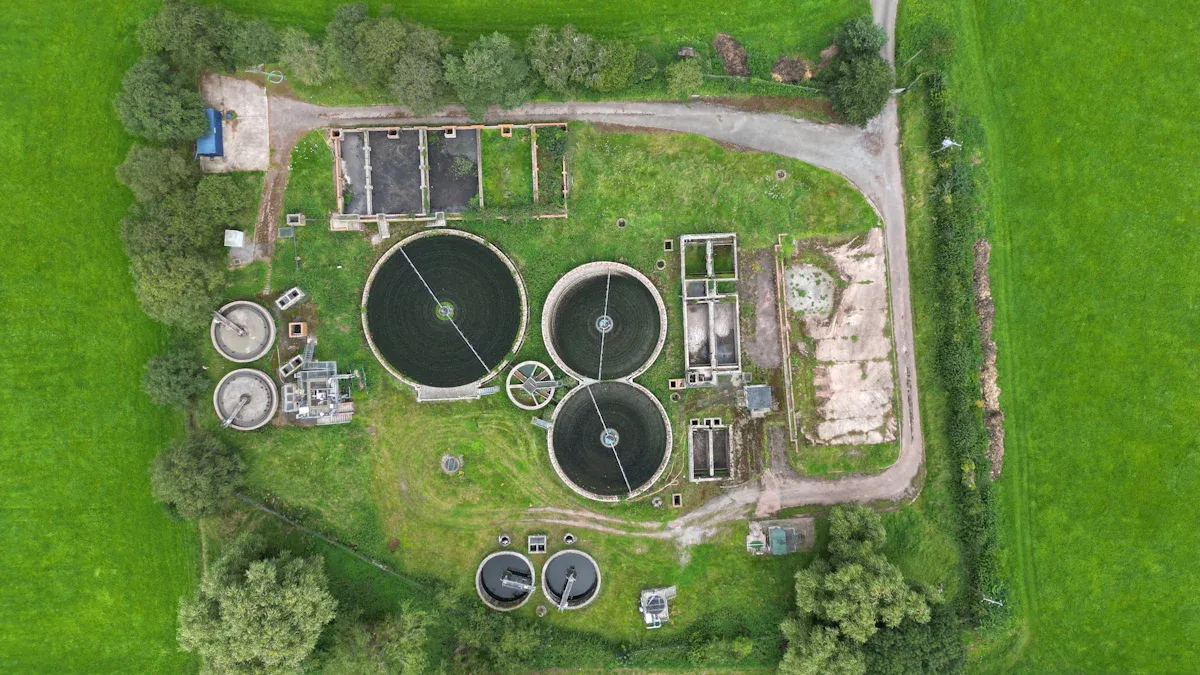
Are you thinking about installing a small sewage treatment plant at home? You join 23% of US homeowners who choose this option over centralized systems. You might face issues like system blockage, excessive odor, or overload. Here’s a quick look at how homes manage wastewater:
| System Type | Percentage of Residential Properties |
|---|---|
| Small Sewage Treatment Plants | 23% |
| Centralized Systems | 75% |
Common challenges include:
System blockage
Excessive odor
System overload
Bacteria imbalance
Poor treatment
Assess your household size and water usage patterns to choose a sewage treatment plant that meets your current and future needs.
Consider local regulations and environmental standards before installation to ensure compliance and protect your property.
Regular maintenance, including inspections and cleaning, is essential to keep your sewage treatment plant running smoothly and efficiently.
Choosing the right small sewage treatment plant starts with understanding your household’s needs. You want a system that matches your daily life and plans for the future. Let’s break down the main things you should think about.
The number of people living in your home affects how much wastewater your system must handle. More people means more water use and more waste. If you pick a system that’s too small, you might see problems like backups or bad smells.
Here’s a table that shows how water use goes up as your household grows:
| Household Size | Average Water Use (gallons per person per day) |
|---|---|
| 1 | 40-50 |
| 2 | 80-100 |
| 3 | 120-150 |
| 4 | 160-200 |
| 5 | 200-250 |
| 6 | 240-300 |
| 7 | 280-350 |
| 8 | 320-400 |
You can also see this trend in the chart below. As your family gets bigger, water use climbs fast.
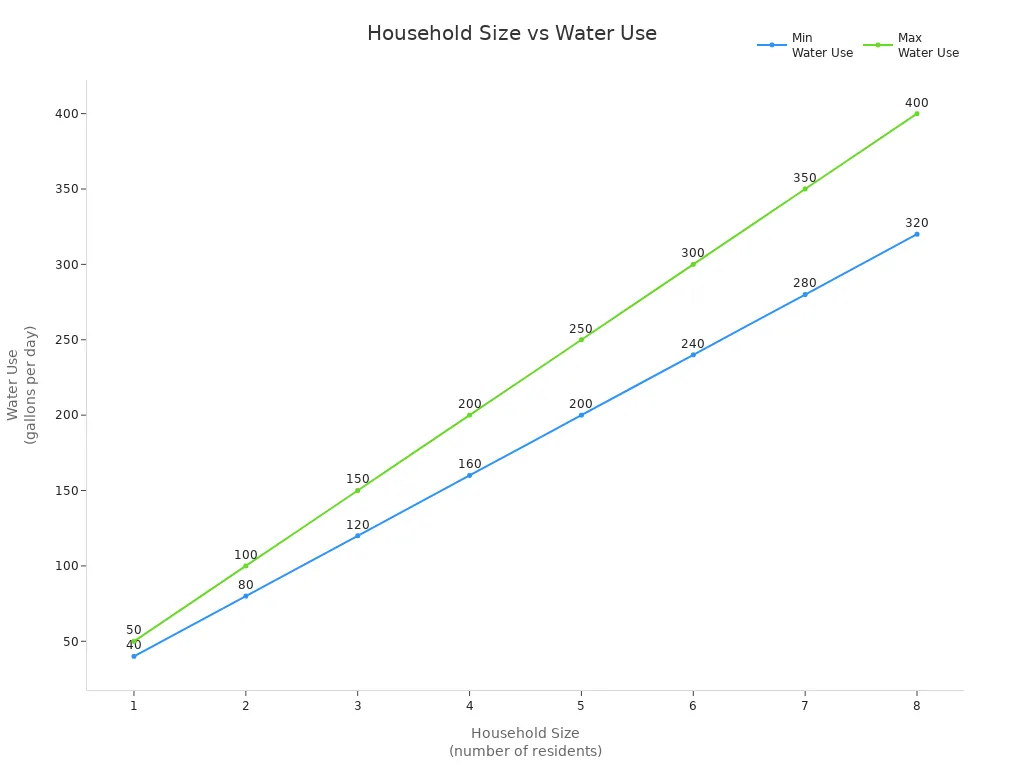
If you have guests often or your family might grow, you should plan for extra capacity. A small sewage treatment plant that fits your current needs and leaves room for more people will save you trouble later.
How you use water matters as much as how many people live in your house. Do you run the dishwasher and washing machine at the same time? Do you take long showers? These habits can put stress on your system.
The average American uses about 82 gallons of water each day at home.
If your family uses more than this, you need a bigger system.
If you use less, you might get by with a smaller one.
Think about your daily routine. If you have kids who love baths or you water your garden often, your water use will be higher. Write down your habits for a week to get a clear picture.
Tip: Try to spread out laundry and dishwashing loads. This helps your small sewage treatment plant work better and last longer.
Are you planning to add a new bathroom or finish your basement? Maybe you want to build a guest house or add a pool. Any changes like these will increase your water use.
You should choose a system that can handle your plans. It’s easier to install a bigger small sewage treatment plant now than to upgrade later. Talk with your family about what you want in the next five or ten years.
Make a list of possible changes.
Ask yourself if you might need more bedrooms or bathrooms.
Think about outdoor water use, like sprinklers or a hot tub.
Planning ahead saves money and keeps your home running smoothly.
By looking at your household size, water habits, and future plans, you can pick a small sewage treatment plant that fits your life. This step helps you avoid problems and keeps your home safe and comfortable.
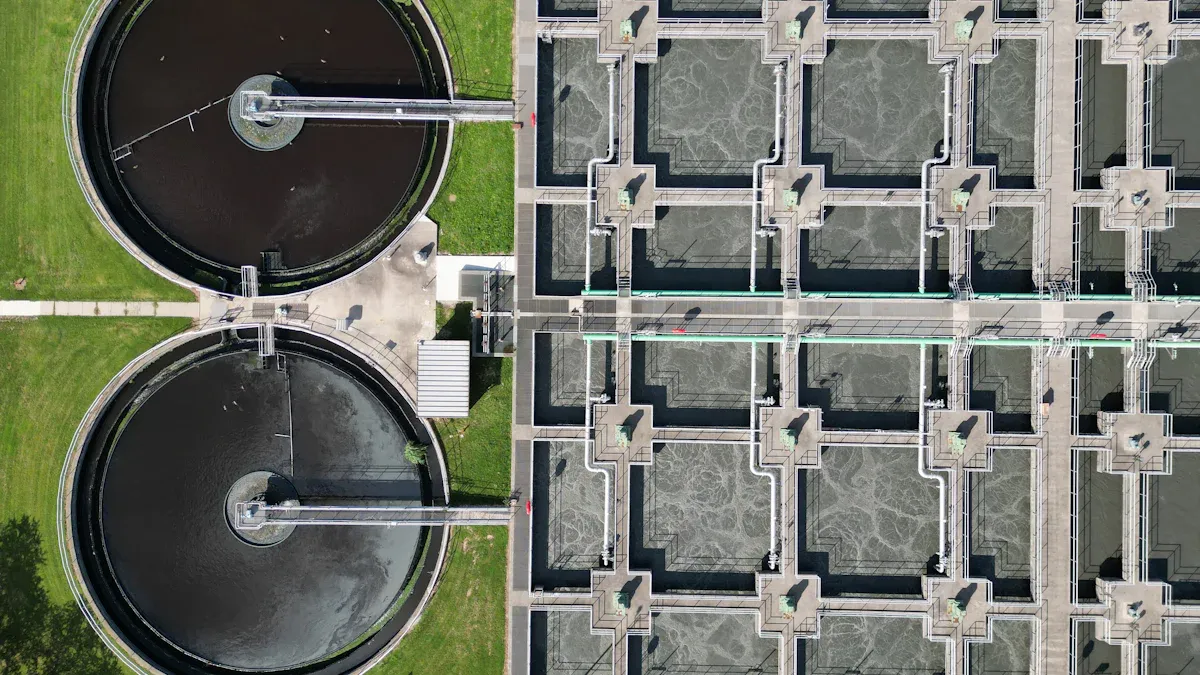
When you start looking for a small sewage treatment plant, you’ll see several system types. Each one works a bit differently and fits different needs. Let’s break down the main options so you can figure out which one matches your home best.
You’ll find conventional septic systems in many homes. These systems use a septic tank to treat wastewater right on your property. Wastewater flows into the tank, where solids settle at the bottom. The liquid then moves to a drain field for further treatment.
Here’s a quick look at the main types:
| Type | Description |
|---|---|
| Type 1 | On-site septic system using a septic tank as the primary means of sewage treatment. |
| Type 2 | Septic system using a Type 2 treatment plant, producing effluent quality that meets specific standards. |
| Type 3 | Advanced systems that may include various technologies for enhanced treatment and efficiency. |
Most families choose basic conventional systems because they’re simple and cost less. You can expect installation costs between $3,000 and $7,000. If you need a mound or sand filter system, the price jumps to $10,000–$15,000.
Note: You’ll need to pump your septic tank every 3 to 5 years. Pumping usually costs $250–$600.
Conventional systems work well if your soil drains easily and your local rules allow them. They don’t handle tough soil or strict environmental standards as well as other options.
Aerobic treatment units (ATUs) use oxygen to break down waste. These systems work harder than conventional septic tanks, so they produce cleaner water. You might need an ATU if your soil is poor or your area has strict rules about water quality.
Here’s what makes aerobic units stand out:
They use air pumps to add oxygen, which helps bacteria clean the water faster.
The treated water is much cleaner, so it’s safer for the environment.
You can use them in places where regular septic tanks won’t work.
Aerobic systems cost more to install, usually between $10,000 and $20,000. They also use more energy because of the air pumps. Still, you get better protection for your groundwater and local streams.
Tip: Aerobic units are great for homes near lakes, rivers, or sensitive land. They help you meet tough environmental rules.
Sequencing Batch Reactor (SBR) systems and package treatment plants offer advanced solutions for small sewage treatment plant needs. SBRs treat wastewater in batches, using cycles of aeration and settling. Package plants often combine several treatment steps in one compact unit.
Let’s compare the pros and cons of SBR systems:
| Advantages of SBR Systems | Disadvantages of SBR Systems |
|---|---|
| Space Efficiency – Eliminates the need for separate tanks for aeration, settling, and decanting. | Requires Skilled Operation – Effective management depends on proper sequencing and automation. |
| Flexibility – Easily adjustable to handle varying influent flow rates and loads. | Higher Energy Consumption – Aeration and mixing require continuous energy input. |
| Superior Nitrogen & Phosphorus Removal – Optimized for nutrient removal due to controlled aeration and anoxic cycles. | Sludge Bulking Issues – Poor settling characteristics can reduce efficiency. |
| Cost-Effective – Lower infrastructure costs as fewer tanks are required. | Time-Dependent Process – Treatment occurs in cycles, making it less suitable for high, continuous-flow systems. |
| Automated Operation – Modern SBRs are highly automated, reducing manual intervention. | High peak flow can disrupt operation unless accounted for in design. |
You might like SBR or package plants if you want a system that saves space and handles changing water flows. These systems work well for homes with limited land or where you expect your water use to change over time.
Callout: SBR and package plants need regular checks and skilled operation. If you want a “set it and forget it” system, ask your installer about automation options.
You have lots of choices for a small sewage treatment plant. Conventional septic systems cost less and work well for many homes. Aerobic units give you cleaner water and help protect the environment. SBR and package plants offer advanced treatment and save space, but they need more attention.
Take a look at your property, your budget, and your local rules. You’ll find the system that fits your needs and keeps your home safe.
You need to check local permits and codes before you install a small sewage treatment plant. Rules can change from one town to another. Some places use OBC Part 8, which looks at bedroom count and expected water flows. You must hire a qualified designer and get a soil evaluation. Local authorities review your plans and give approvals. Here are some benefits you get when you follow these rules:
| Benefit | Description |
|---|---|
| Safety Standards | Your system meets safety codes and keeps your home protected. |
| Inspection Services | Certified officers check your system for problems. |
| Application Tracking | You can track your permit status online and see updates. |
You want your system to protect the environment. The NSF/ANSI 40-2023 standard sets rules for materials, design, and how well your system treats wastewater. These standards make sure your system works safely and meets minimum treatment levels. You also need to follow guidelines for setbacks from lakes, wetlands, and floodplains. Soil type and water flow help decide how far your system must be from these areas. This keeps water sources clean and safe.
Tip: Always ask your installer about local environmental rules. They help you avoid fines and protect your property.
Getting approval for your system takes several steps. Here’s what you can expect:
A professional checks your site for soil type, groundwater, and nearby water bodies.
A licensed designer creates plans that follow local rules.
You submit your plans to the health department. They may inspect your site before giving a permit.
An installer builds your system using the approved plans.
The health department does a final inspection to make sure everything works right.
If you follow these steps, you can install your system with confidence and avoid delays.
You want your system to handle all the wastewater your home creates. To figure out the right tank size, start by adding up how much water everyone in your house uses each day. Most of this water turns into wastewater. Experts suggest you set the plant’s capacity at 90% of your total water use. For example, if your family uses 1,500 gallons per day, your system should treat about 1,350 gallons. Divide this number by the tank’s depth to find out how much space you need. This step helps you avoid overloads and keeps your system running smoothly.
Count the number of people in your home.
Multiply by average daily water use.
Take 90% of that number for wastewater.
Divide by tank depth to get the right size.
Tip: Always round up your estimate. It’s better to have a little extra space than not enough!
The ground under your yard matters a lot. Soil color, texture, and structure all play a role. Darker soil often means deeper topsoil, which helps treat waste. The mix of sand, silt, and clay affects how water moves through the ground. Soil that clumps together well lets water flow at the right speed. You also need to look at the slope of your land. Steep slopes can make it hard to build and may cause water to run off too fast. Good drainage keeps rainwater from flooding your system.
Check soil color for topsoil depth.
Feel the soil to see if it’s sandy, silty, or clay-like.
Look at how the soil clumps together.
Notice if your yard is flat or sloped.
Make sure water drains away from the system.
Some yards stay wet after rain, while others dry out fast. Wet sites can cause problems for your small sewage treatment plant. Too much water in the ground can stop the system from working right. Dry sites usually work better because they let water move away from the tank. If your yard is often soggy, you might need special drains or a raised system.
Note: Always choose the driest, highest spot on your property for your system. This helps prevent backups and keeps your home safe.
When you install a small sewage treatment plant, you need to think about how trucks and machines will reach your yard. Large equipment must get close to the site to dig and place the tank. If you have fences, trees, or narrow driveways, you might need to move things or clear a path. Sometimes, you need skilled workers to handle the equipment and make sure everything goes smoothly. This can make the job more labor-intensive and may increase costs.
Heavy machinery needs enough space to move safely.
Workers must follow safety rules to protect your property.
You may need to plan for extra time if access is tight.
You do not need a huge yard for most modern systems. A small sewage treatment plant for a family of six usually fits in less than 10 square meters. This is much smaller than a traditional septic system, which can take up 50 to 150 square meters. If you live in a crowded neighborhood, this smaller footprint helps a lot. Still, you must check that you have enough flat, open space for the tank and pipes.
Less space means more options for where to put your system.
You can save yard space for gardens or play areas.
You want to keep your yard looking nice during and after installation. Start with a good site assessment. Check the soil and look at where trees and plants grow. Careful planning helps you avoid damaging roots or causing drainage problems. When you dig, try to disturb as little ground as possible. Make sure each part goes in the right spot to keep the system working well.
Assess soil and plants before digging.
Plan the site to avoid roots and water problems.
Install each part carefully to protect your yard and the environment.
Tip: Talk with your installer about ways to keep your property neat during the project. Good planning makes a big difference!
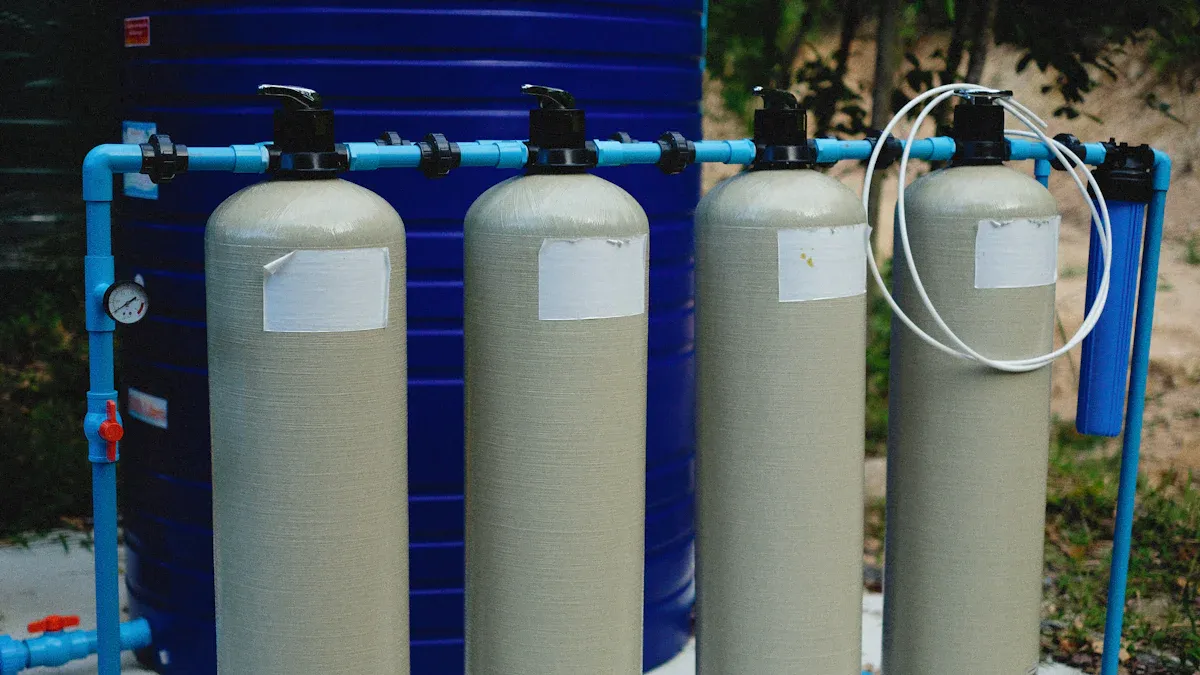
You want your small sewage treatment plant to run smoothly every day. Regular inspections help you catch problems before they get worse. Here’s a table that shows what you should check:
| Task | Description |
|---|---|
| Regular Inspections | Check pumps, filters, and valves often to spot small issues early. |
| Monitoring Water Quality | Test water to make sure it meets safety standards. |
| Cleaning Storage Tanks | Clean tanks to stop buildup and keep things working well. |
| Training Employees | Make sure everyone knows how to use and care for the system. |
| Checking Chemical Levels | Look at chemical levels to keep treatment working right. |
You should follow a schedule for these checks. If your plant works harder than usual, check things more often. Listen for strange noises from pumps. These sounds can warn you about trouble.
Cleaning and servicing keep your system healthy. You need to clean screens, filters, and grinders every day. This stops clogs and keeps water moving. Each week, clean clarifiers and settling tanks. These steps help your plant treat water better. Once a month, clean aeration systems and blowers. This keeps the treatment process strong.
| Frequency | Maintenance Tasks |
|---|---|
| Daily | Clean screens, filters, and grinders. |
| Weekly | Clean clarifiers and settling tanks. |
| Monthly | Clean aeration systems and blowers. |
Sometimes things go wrong. You might see slow water flow or blockages. Clean filters often and use safe cleaners to stop clogs. If you notice rust or wear, inspect parts and replace them if needed. Watch for changes in water quality. If bacteria levels get too high, improve your filtration and follow emergency steps. Make sure everyone who helps with the system knows what to do. Set up a regular schedule for checks and cleaning. This keeps your small sewage treatment plant working well.
Tip: If you spot a problem, fix it right away. Quick action saves you time and money.
You should talk to local experts before you make any decisions. These professionals know your area’s soil, weather, and rules. They can help you pick the right system for your home. Ask them about the best spot for your plant and how much space you need. Local installers often know which systems work well in your neighborhood. You can also get tips on how to keep your plant running smoothly.
Tip: Bring a list of questions when you meet with a professional. Ask about permits, costs, and long-term care.
You want to compare different companies before you buy. Look at what each provider offers. Some companies include installation and maintenance in their price. Others may charge extra for these services. Check if they offer training for you or your family. Good providers will help you understand how to use and care for your small sewage treatment plant. Ask about warranties and support. A strong warranty can save you money if something goes wrong.
Compare prices and services.
Ask about training and support.
Look for clear warranties.
Reading reviews helps you learn from other homeowners. You can spot problems or find out which systems last longer. Pay attention to these factors:
| Factor | Description |
|---|---|
| Technical Performance Indicators | These show how well the plant treats wastewater. |
| Operational Costs | These tell you how much it costs to run the plant over time. |
| Maintenance Costs | Regular upkeep affects how long your plant lasts and how well it works. |
| Management Practices | Good management keeps your plant running and reduces breakdowns. |
You should also look for comments about equipment purchases and construction costs. Some reviews mention high operational or maintenance costs, which can lower the overall value. Homeowners often share tips about inspections and training. These steps help reduce failures and keep your system working for years.
Note: Always read several reviews before you decide. Look for patterns in what people say about each provider.
Before you buy a small sewage treatment plant, you should walk through a checklist to make sure your property is ready. Here are some things to look for:
Check if you have enough space for your home, the system, and your well.
Look for low spots or areas near streams that might flood.
Notice any wet or swampy ground that could mean high water levels.
Find out if there is shallow bedrock that could limit where you can install the system.
Test your soil to see how well it drains.
Think about which system types work best for your soil and layout.
Get a cost estimate for the system you need.
Ask about how often you’ll need to pump or maintain the system.
Make sure your well is far enough from the septic system.
Save some land for future repairs or upgrades.
Tip: A good checklist helps you avoid surprises and keeps your project on track.
When you talk to installers, you want clear answers. Here are some questions you should ask:
What do I need to do to prepare my site?
What equipment will you use for installation?
Do you offer ongoing maintenance services?
Can you show me your certifications and licenses?
How much experience do you have with projects like mine?
Do you know the local rules and codes?
Can I talk to past customers or see other projects you’ve done?
Will you help with support and repairs after installation?
Asking the right questions helps you find a reliable installer and avoid problems later.
You want your small sewage treatment plant to last for years. Here’s how you can plan for long-term care:
Schedule professional inspections every three years for standard systems, and every year for advanced ones.
Pump your tank every three to five years to stop overflow.
Use water-saving appliances and fix leaks to reduce stress on the system.
Don’t flush wipes, chemicals, or other non-biodegradable items.
Keep cars and heavy equipment off the drainfield, and plant only grass there.
Write down all inspections and repairs in a logbook.
In winter, protect the system with mulch and avoid packing down snow.
Keeping up with maintenance saves money and keeps your system working well.
Here’s what you need to do when picking a small sewage treatment plant:
Choose the best spot to avoid flooding and keep water safe.
Plan the design for smooth flow and easy maintenance.
Talk with local experts and neighbors.
You protect your home and community by matching your system to your needs and local rules.
You should pump your system every three to five years. If you have a big family or use lots of water, you may need to pump more often.
You can use most cleaners, but avoid pouring bleach or harsh chemicals down the drain. These can hurt the helpful bacteria in your treatment plant.
Check for blockages or full tanks.
Call a professional if the smell does not go away.
Bad smells usually mean your system needs attention.
The Benefits of Selecting a Self-Priming Water Pump
Top Five Applications for Single Stage Rotary Vane Pumps
Choosing Between Silent and Open Frame 6kW Diesel Generators

We provide you with comprehensive foreign trade solutions to help enterprises achieve global development
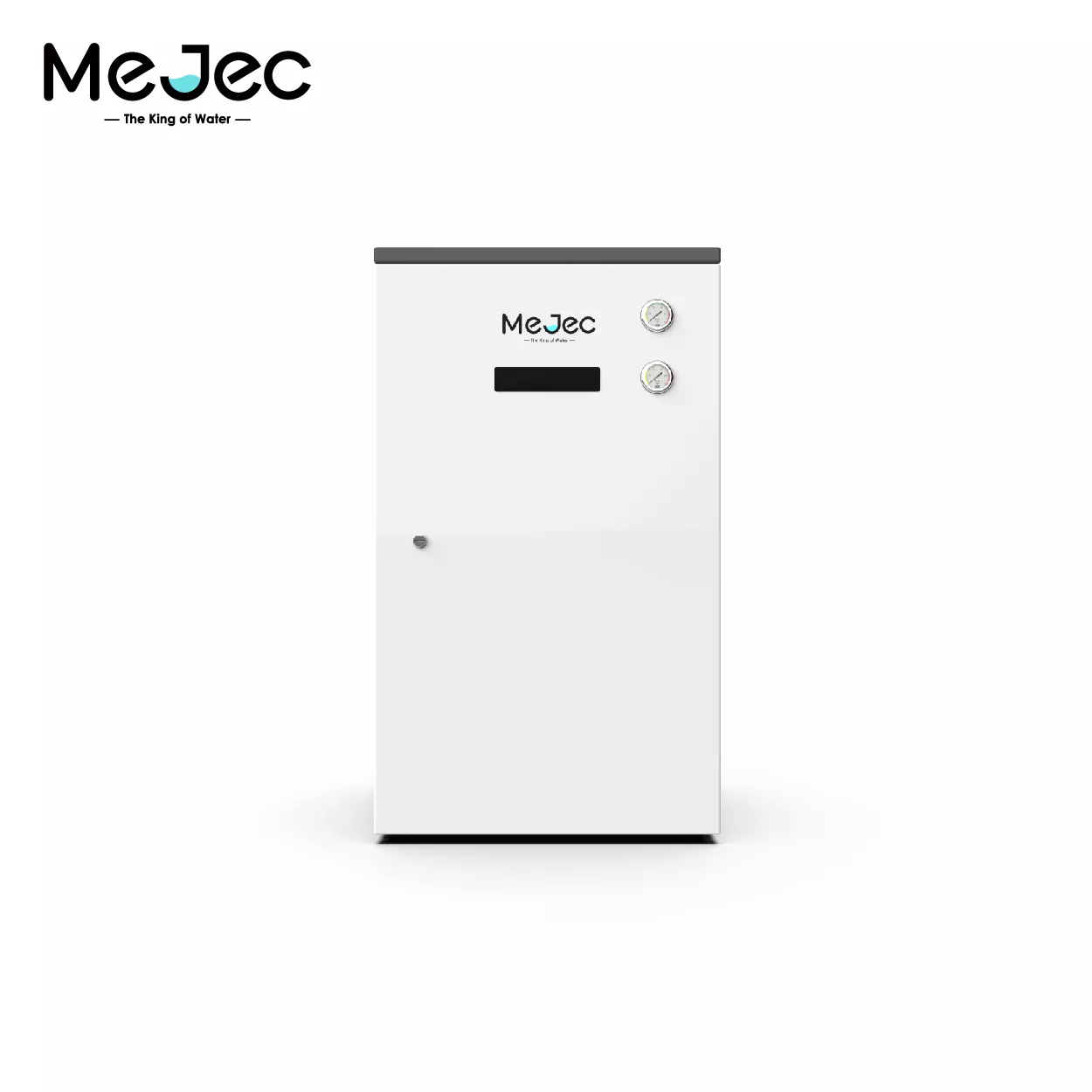
The Mejec commercial central pure water system is ...
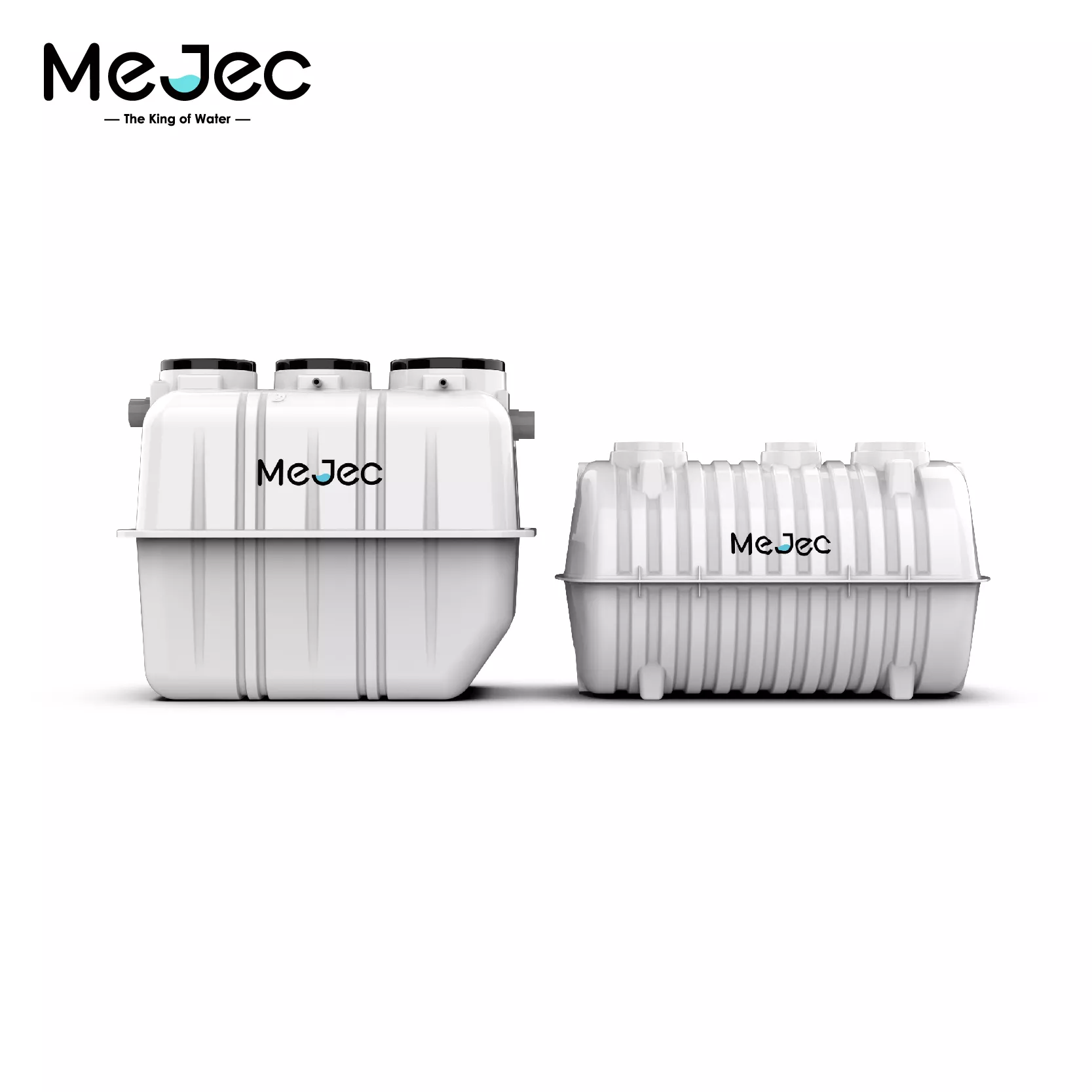
Mejec-Johkasou-SA is a small buried sewage treatme...
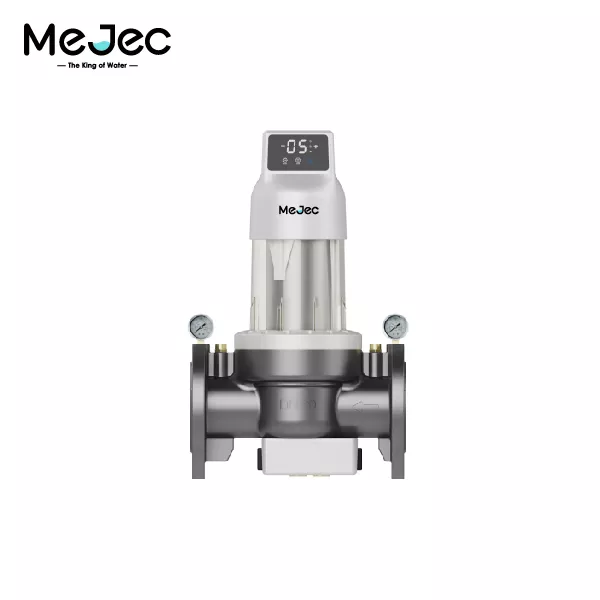
Engineered as the essential first barrier for wate...
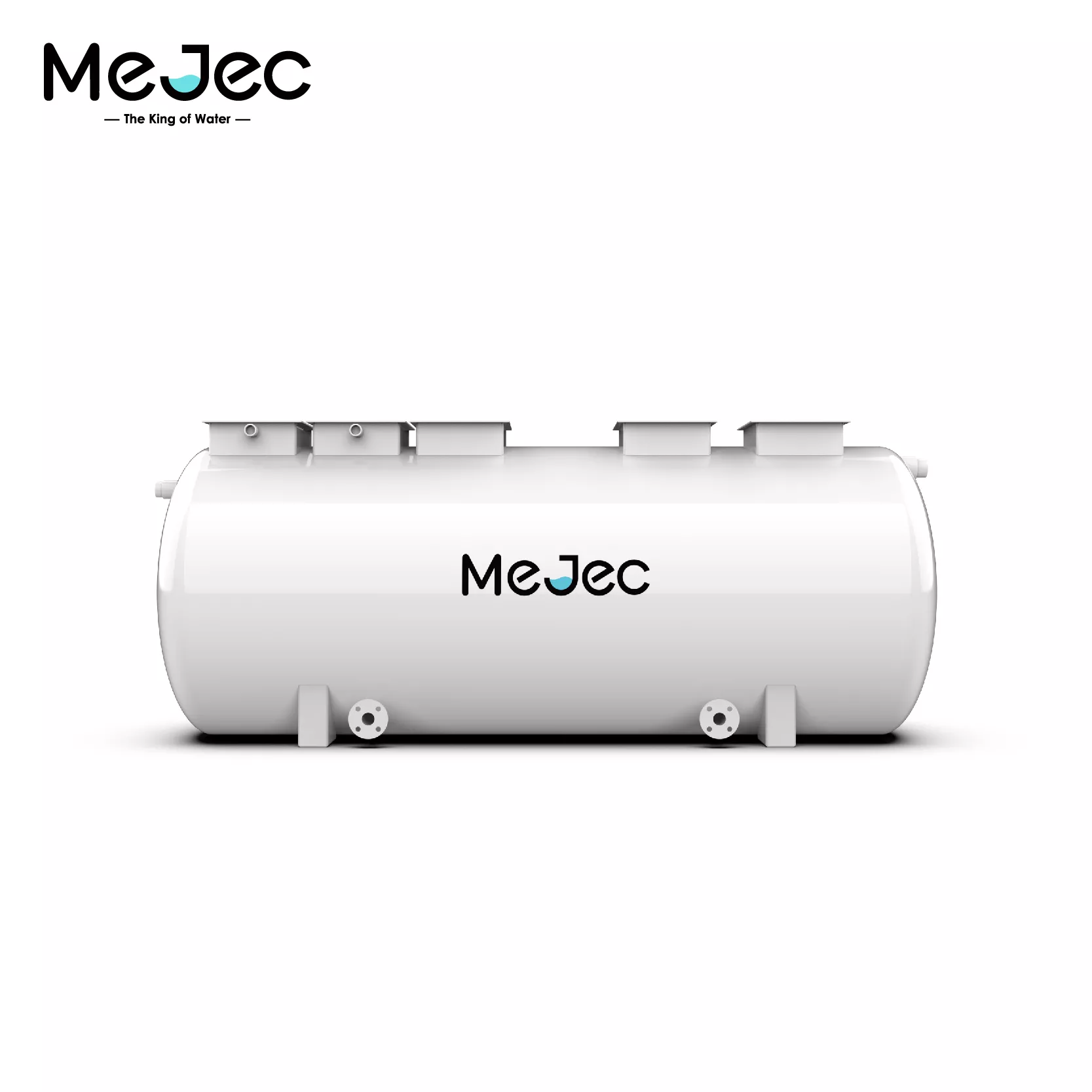
Mejec-Johkasou-SB adopts an AAO + MBBR combined bi...
Select the most popular foreign trade service products to meet your diverse needs
Select the most popular foreign trade service products to meet your diverse needs






User Comments
Service Experience Sharing from Real Customers
Michael Chen
Facilities ManagerThis compact sewage treatment plant has been a game-changer for our remote eco-lodge. It's efficient, surprisingly quiet, and the water quality output consistently exceeds local standards. Installation support was excellent.
Sarah Johnson
Project EngineerWe installed this small-scale plant for a new housing development of 50 units. It's robust, low-maintenance, and handles variable loads well. The automated controls make operation simple. One point off for the initial setup manual being a bit technical.
David Rodriguez
Farm OwnerPerfect solution for our agricultural research station. It processes wastewater from our staff quarters and lab facilities reliably. The treated water is safe for irrigation, helping us conserve resources. Highly recommended for rural or off-grid applications.
Lisa Wang
School AdministratorOur small boarding school needed an upgrade, and this plant was ideal. It's space-saving, odor-free, and has significantly reduced our environmental footprint. The service team was responsive during the commissioning phase. Very satisfied.