


.webp)


What is MBBR for sewage treatment plant?
MBBR sewage treatment plant uses biofilm carriers ...
More


You might wonder why traditional septic tanks no longer fit your needs. Recent studies show they can leak harmful substances into groundwater, trigger algal blooms, and even damage your soil. Take a look:
| Environmental Concern | Description |
|---|---|
| Groundwater Contamination | Tanks can leak pathogens and chemicals into groundwater. |
| Nutrient Pollution | Extra nutrients cause algal blooms and hurt aquatic life. |
| Soil Degradation | Poor management leads to unsanitary conditions and landscape disruption. |
Regulations keep changing, too. By 2026, you may need a household sewage treatment plant because new rules ban septic fields in sensitive areas and require municipal hookups in some neighborhoods.
Consider Aerobic Treatment Units (ATUs) for better water quality. They clean wastewater more effectively than traditional septic tanks, making them ideal for areas with strict regulations.
Constructed wetlands offer an eco-friendly solution. They use natural processes to filter wastewater, attract wildlife, and require low maintenance, perfect for those with larger yards.
Composting toilets save significant water. They are ideal for off-grid living and can reduce water usage by over 6,600 gallons per person annually, benefiting both your wallet and the environment.
Aerobic Treatment Units, or ATUs, use oxygen to help bacteria break down waste in your home's wastewater. You will find that these systems have a tank with an air pump. The pump adds oxygen, which helps bacteria work faster and more efficiently. Wastewater enters the tank, and the bacteria start cleaning it right away. The treated water leaves the unit much cleaner than what you get from a regular septic tank.
Tip: If you want a system that works well in areas with strict rules, ATUs are a smart choice.
You might like ATUs because they clean water better than traditional septic systems. Here are some reasons why:
ATUs remove more organic matter and pathogens.
The effluent is cleaner and safer for the environment.
You can use the treated water for irrigation or safely discharge it in sensitive areas.
However, you should know about the downsides:
ATUs need electricity to run the air pump.
You must maintain them more often than a regular septic tank.
The upfront cost is higher.
ATUs work best if you live in a place with small lots or near lakes and streams. You may need one if your local rules require a household sewage treatment plant. If you care about protecting groundwater and want a reliable system, ATUs are a great fit.
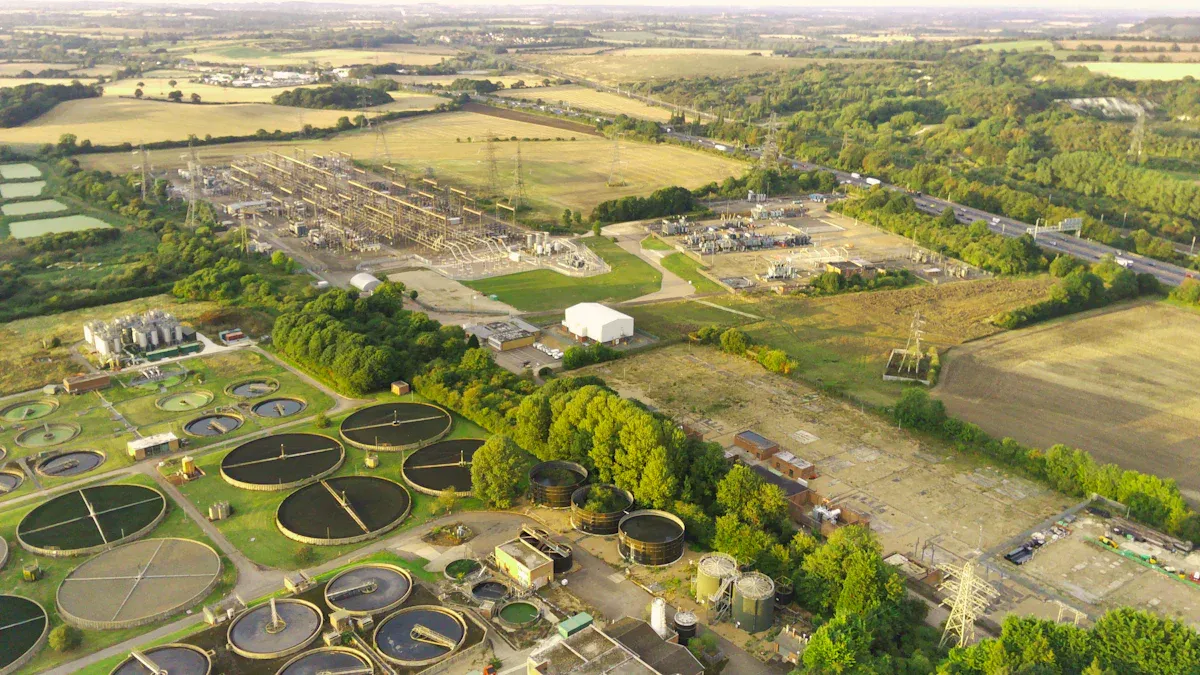
Imagine turning part of your yard into a living filter. Constructed wetlands use plants, gravel, and soil to clean your wastewater. When water leaves your home, it flows into a shallow basin filled with reeds and grasses. These plants and tiny microorganisms work together to break down waste. As the water moves through the wetland, roots and microbes trap and digest harmful substances. You end up with cleaner water that supports local wildlife.
You might wonder how well these systems handle tough pollutants. Constructed wetlands do a great job at reducing nitrogen and phosphorus. The plants and microbes break down organic matter and lower nutrient levels. This means the water leaving your wetland is much safer for the environment.
Let’s look at what you gain and what you give up with constructed wetlands:
Pros:
You get a natural, eco-friendly system.
Wetlands attract birds and butterflies.
Maintenance is simple—just trim plants and check water flow.
You help protect streams and groundwater.
Cons:
Wetlands need more space than other systems.
You may notice odors if the system gets overloaded.
Cold weather can slow down treatment.
Tip: If you love gardening, you’ll enjoy caring for a wetland system.
Constructed wetlands work best if you have a large yard and want a green solution. You might choose this system if you live in rural areas or want to support local wildlife. If you care about reducing pollution and enjoy landscaping, a wetland could be perfect for your home.
You might picture a high-tech filter when you hear about membrane bioreactors, or MBRs. These systems use special membranes to separate clean water from waste. Wastewater flows into a tank. Tiny bacteria break down the organic matter. The water then passes through a membrane that traps solids and harmful microbes. You get water that looks clear and is safe for many uses. MBRs work well because the membrane acts like a barrier, catching even the smallest particles.
Tip: If you want a system that produces very clean water, MBRs are hard to beat.
Let’s talk about what you gain and what you give up with membrane bioreactors. You get water that is much cleaner than what most home systems can offer. The membrane blocks bacteria and viruses. You can reuse the water for irrigation or even toilet flushing.
However, you should know about the energy use. MBRs need more power than aerobic treatment units. The membranes can clog, so the system uses extra aeration to keep things moving. This means higher energy bills and more maintenance. You also pay more for each gallon of treated water.
The average cost per gallon of treated water using membrane bioreactors in residential settings is between $9.50 and $12.00.
You might choose an MBR if you live in a place with strict water quality rules. These systems fit well on small lots. If you want to reuse water and care about safety, MBRs are a smart pick. You should also consider them if you have limited space but need top-notch treatment.

You might think a toilet always needs water, but composting toilets break that rule. These toilets collect human waste in a dry chamber. Instead of flushing, you add a scoop of sawdust, coconut coir, or peat moss after each use. This material covers the waste and helps it break down. Tiny microbes get to work, turning waste into compost over time. You usually find a vent fan that keeps air moving and stops odors. Some models have a crank or handle to mix the contents, which speeds up composting.
Tip: Always wash your hands after using or cleaning a composting toilet. Good hygiene keeps you safe.
You can save a lot of water with a composting toilet. In fact, you might save over 6,600 gallons of water per person every year. That’s a big win for your water bill and the planet. Composting toilets also work well in places without plumbing or where water is scarce.
Here’s what you need to know about health and safety:
Waste should never touch water.
Waste should not touch soil directly.
Always wash your hands after use or handling compost.
Only use composted waste on soil after it’s fully treated.
Most composting toilets meet international safety standards, so you can trust their design.
But you should know the downsides. You need to empty the compost bin and manage the system. Some people find this task unpleasant. If you don’t follow the rules, you might get odors or pests.
Composting toilets fit best in cabins, tiny homes, or off-grid houses. You might choose one if you want to save water or live in a place with no sewer connection. If you care about the environment and don’t mind a little extra work, a composting toilet could be perfect for you.
You might picture a giant sandbox, but sand filter systems are much more than that. These systems clean your wastewater by passing it through layers of sand. When water leaves your home, it flows into a tank. The tank holds the water for a short time. Then, the water moves through a bed of sand. The sand traps solids and helps bacteria break down harmful stuff. Clean water comes out at the bottom, ready for safe discharge or reuse.
Tip: You should check the sand filter every few months. A quick look helps you spot clogs before they become a problem.
Sand filter systems offer a simple way to treat wastewater. You get reliable results without fancy technology. Here’s what you might like:
Easy to install and operate
Low energy use—no need for electricity most of the time
Good at removing solids and bacteria
But you should know the drawbacks:
Sand filters need regular cleaning to prevent clogs
They may not handle large volumes of water well
You might need extra treatment for nutrients like nitrogen
| Pros | Cons |
|---|---|
| Low energy | Needs cleaning |
| Simple design | Limited capacity |
| Effective solids | May need extra steps |
You should consider a sand filter system if you want a low-tech solution. These systems work best for small homes or cottages. If you live in an area with mild weather and have space for a sand bed, this option fits well. Sand filters suit you if you want a system that’s easy to maintain and doesn’t rely on electricity. 🌱
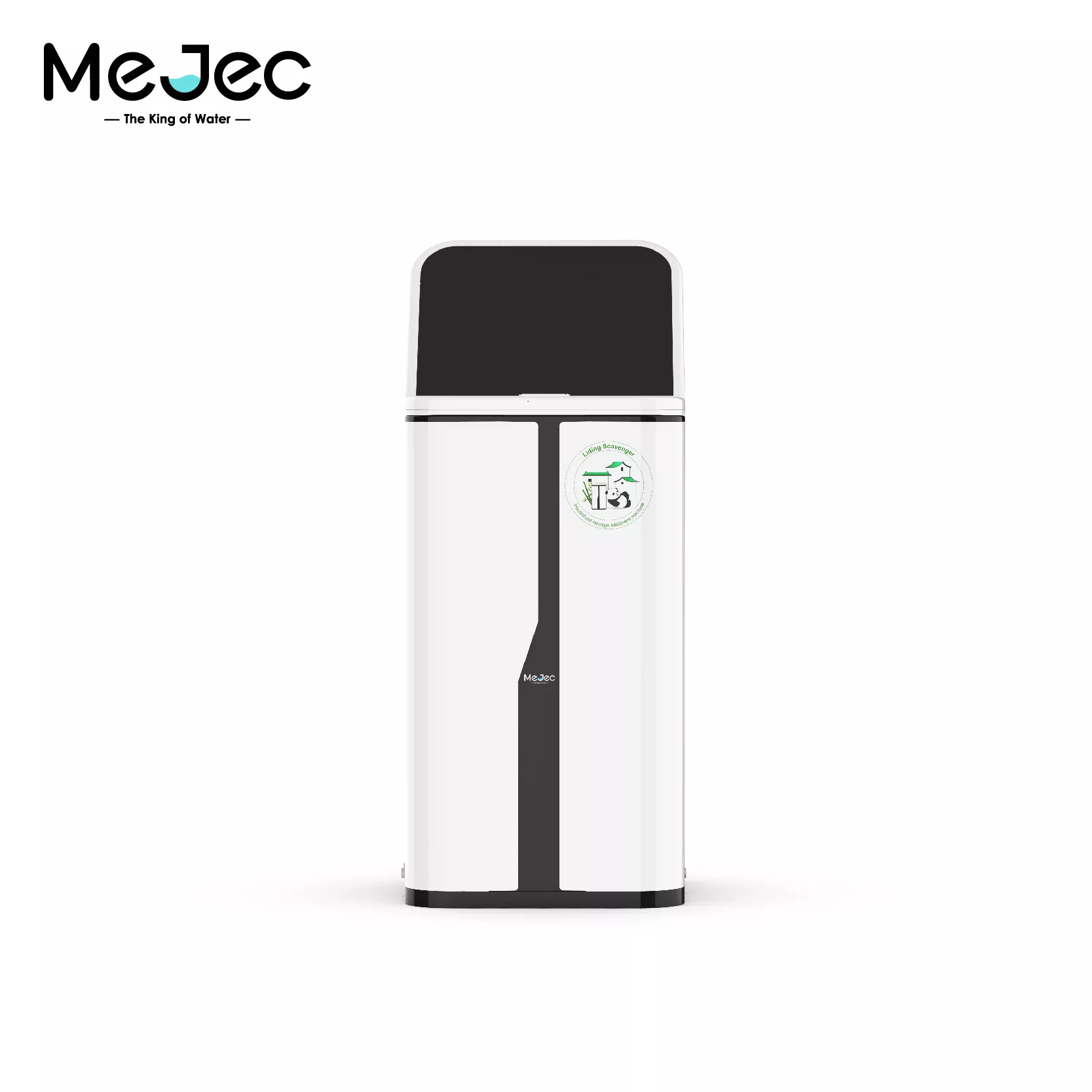
You might picture a household sewage treatment plant as a mini version of a city wastewater plant. This system sits in your yard and treats all the water from your sinks, showers, and toilets. The process starts when wastewater enters a tank. Air gets pumped in, which helps bacteria break down waste quickly. Clean water flows out, leaving behind only a small amount of sludge. You can trust this system to remove most pollutants before the water returns to the ground or gets reused.
Tip: You should always check the air pump and filters every few months to keep your system running smoothly.
You get some big advantages with a household sewage treatment plant. These systems clean water much better than old septic tanks. Here’s what you can expect:
You see cleaner water leaving your property.
The system uses oxygen to break down waste, so you get less pollution and fewer germs.
You help protect local streams and wells.
But there are a few things to think about:
You pay more up front for installation.
The system needs power to run.
You must schedule regular maintenance.
Here’s a quick look at what you might spend:
| System Type | Cost Range |
|---|---|
| Conventional septic system (gravity) on good soil | $10,000 – $20,000 |
| Average new system on many rural lots | $18,000 – $35,000 |
| Advanced treatment / raised bed / challenging site | $25,000 – $50,000+ |
| Permit + testing + design (soft costs) | $1,000 – $3,000+ |
You should consider a household sewage treatment plant if you live in a place with strict water rules or near lakes and rivers. This system works well for homes on small lots or where the soil is not great. If you want a reliable way to protect your land and water, this option makes sense.
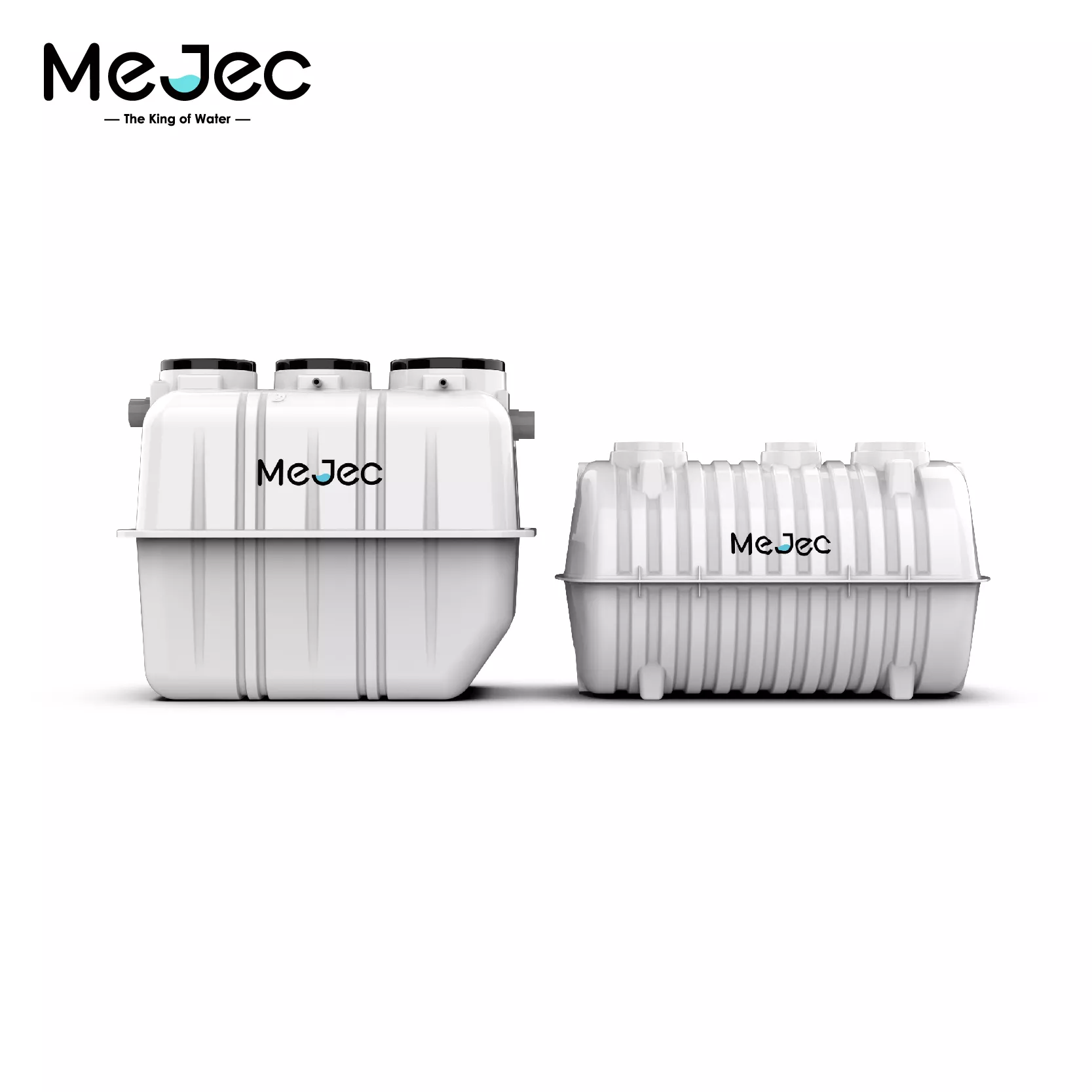
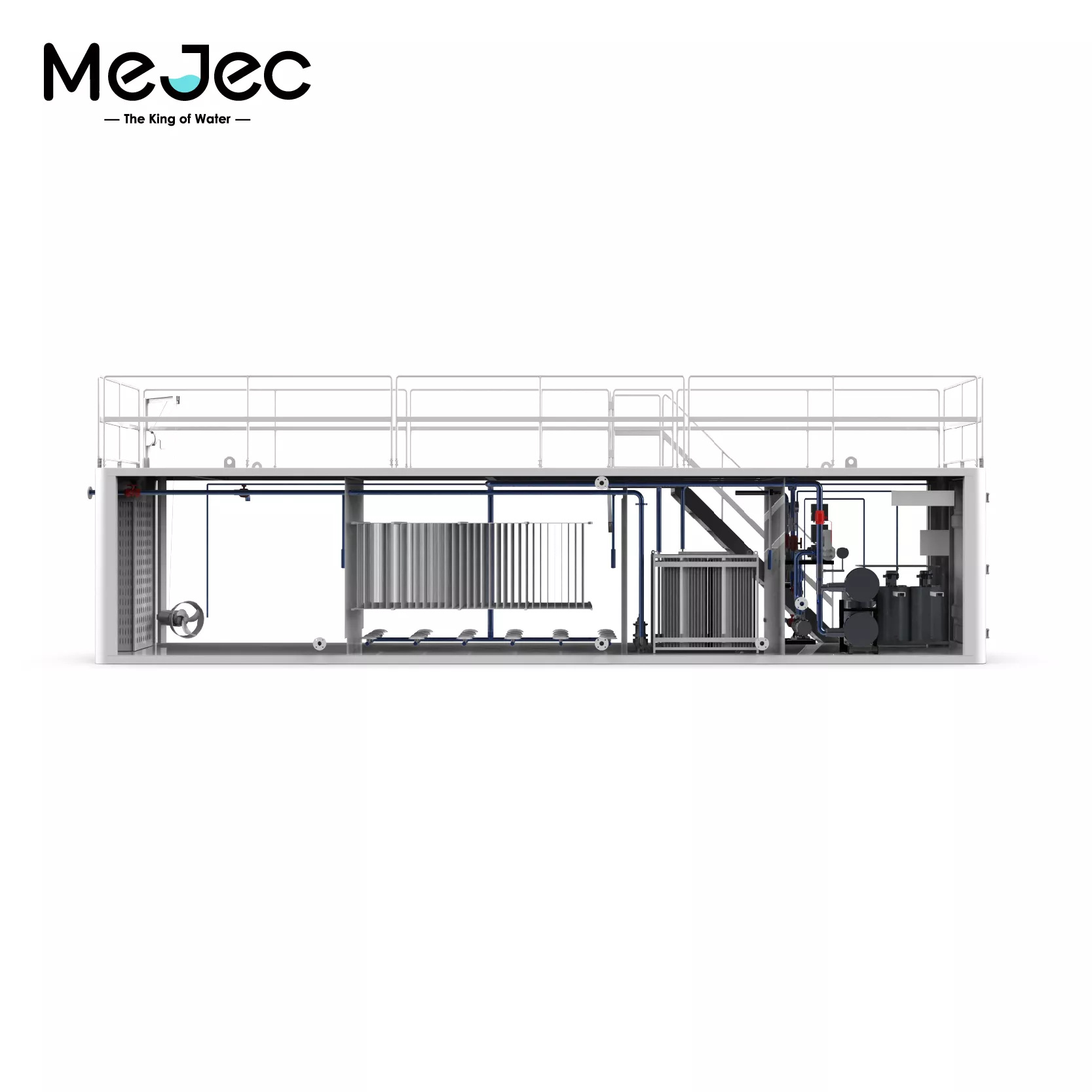
You might picture a big machine, but advanced package plants look more like compact boxes tucked away in your yard. These systems treat all your home’s wastewater using a mix of smart technology and proven science. You get a modular unit that arrives ready to install. Inside, you’ll find chambers with membrane bioreactors, filters, and sometimes even mini wetlands. The plant uses sensors to watch water quality and adjust the process in real time. You don’t need to worry about complicated controls. The system handles everything, from breaking down waste to removing nutrients.
Tip: IoT sensors in these plants send alerts if something needs fixing, so you can act before problems grow.
You get lots of benefits with advanced package plants:
High-quality water that matches city treatment standards.
Fast setup and easy scaling if your needs change.
Real-time monitoring keeps things running smoothly.
Predictive analytics help you avoid breakdowns and lower maintenance costs.
But you should know about the challenges:
You pay more up front for advanced features.
These systems need electricity and regular checkups.
Some models take up more space than membrane bioreactors, though they’re still smaller than old-style plants.
You should consider an advanced package plant if you want top-notch water treatment and live in a place with strict rules. These systems work well for homes with changing needs or limited space. If you want a solution that’s easy to upgrade and keeps you ahead of regulations, this option fits you. You’ll like it if you want clean water, less hassle, and smart tech in your yard. 🚀
You want to see how these systems stack up. Here’s a quick look at what each one offers:
| System | Main Feature | Water Reuse | Smart Tech | Maintenance |
|---|---|---|---|---|
| Aerobic Treatment Unit | Fast bacteria breakdown | Yes | No | Moderate |
| Constructed Wetland | Natural plant filtration | Yes | No | Low |
| Membrane Bioreactor | Ultra-fine filtering | Yes | Some | High |
| Composting Toilet | Waterless composting | No | No | Low |
| Sand Filter System | Simple sand filtration | Yes | No | Moderate |
| Household Sewage Treatment Plant | Advanced cleaning | Yes | Some | Moderate |
| Advanced Package Plant | Modular smart system | Yes | Yes | Low |
Tip: If you want smart features, advanced package plants lead the way.
You probably want to know what you’ll spend. Here’s a simple guide:
Aerobic Treatment Unit: $10,000–$18,000
Constructed Wetland: $8,000–$15,000
Membrane Bioreactor: $15,000–$30,000
Composting Toilet: $1,000–$4,000
Sand Filter System: $7,000–$14,000
Household sewage treatment plant: $18,000–$35,000
Advanced Package Plant: $20,000–$40,000
Note: Prices can change based on your location and the size of your home.
You care about the planet. Here’s how each system helps:
| System | Sustainability Score (1-5) |
|---|---|
| Aerobic Treatment Unit | 4 |
| Constructed Wetland | 5 |
| Membrane Bioreactor | 4 |
| Composting Toilet | 5 |
| Sand Filter System | 3 |
| Household Sewage Treatment Plant | 4 |
| Advanced Package Plant | 5 |
🌱 Composting toilets and constructed wetlands score highest for eco-friendliness.
You need to know how much room each system takes:
Aerobic Treatment Unit: Small to medium yard
Constructed Wetland: Large yard needed
Membrane Bioreactor: Small footprint
Composting Toilet: Fits in any bathroom
Sand Filter System: Medium yard
Household sewage treatment plant: Small to medium yard
Advanced Package Plant: Smallest footprint
If you have a tiny lot, membrane bioreactors or advanced package plants fit best.
You have seven smart options for treating home wastewater in 2026. Your best choice depends on your needs. Think about:
Your budget and maintenance time
Local rules and climate
How much you want to help the environment
Talk with a wastewater expert before you decide.
You might get clogs, bad smells, or even water pollution. Regular checks help your system work better and last longer.
You can install composting toilets or sand filters with basic skills. For advanced systems, you should hire a professional to avoid mistakes.
Composting toilets save the most water. You use almost no water for flushing. That helps your home and the environment. 🚰
Best Precoating Options for Filtration Systems in 2025
Understanding the Advantages of Commercial Heat Exchangers in 2025
Innovative Materials Transforming Heat Exchanger Supply Chains
Comprehensive Overview of Semi-welded Plate Heat Exchangers for 2025

We provide you with comprehensive foreign trade solutions to help enterprises achieve global development
Mejec containerized wastewater treatment system ad...
Imagine an office where the simple act of getting ...
Mejec Redefines the Outdoor Hydration Experience. ...
The Mejec dual-faucet boiling water dispenser is b...
Select the most popular foreign trade service products to meet your diverse needs
Select the most popular foreign trade service products to meet your diverse needs





User Comments
Service Experience Sharing from Real Customers
Michael Chen
Facilities ManagerThis household sewage treatment plant has been a game-changer for our remote property. Installation was straightforward, and after six months of use, the effluent quality is consistently excellent, with no odors. It's remarkably energy-efficient and requires minimal maintenance. Highly recommended for off-grid living.
Sarah Johnson
Environmental EngineerAs a professional in the field, I'm impressed with the system's compact design and effective biological treatment process. It meets all local discharge standards for our home. The automated controls make operation hassle-free. One point off for the initial setup instructions which could be clearer, but overall, a reliable and eco-friendly solution.
David Miller
Construction Project ManagerWe installed this unit for a client's new lakeside home where connection to municipal sewer was impossible. The performance has been outstanding—clear, odorless output that's safe for subsurface irrigation. The build quality is robust, and the technical support team was very responsive during commissioning. A top-tier product for rural residential projects.
Lisa Rodriguez
HomesteaderLiving on a farm, managing waste sustainably is a priority. This treatment plant has exceeded our expectations. It handles our household's daily load effortlessly, and the treated water is perfect for watering our non-edible gardens. It's quiet, durable, and has significantly reduced our environmental footprint. Worth every penny for self-sufficient households.