decentralized sewage treatment for villages
decentralized sewage treatment for villages
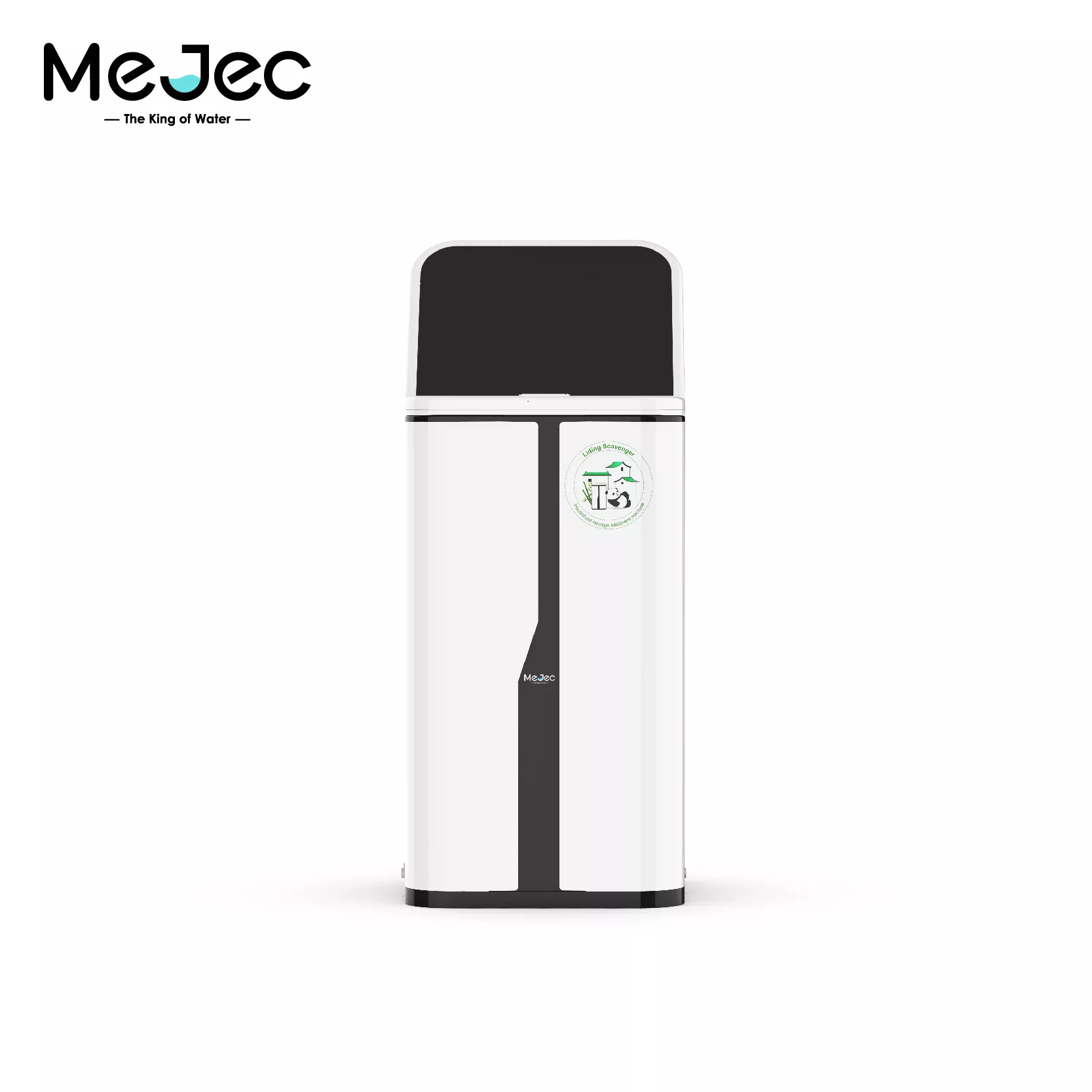
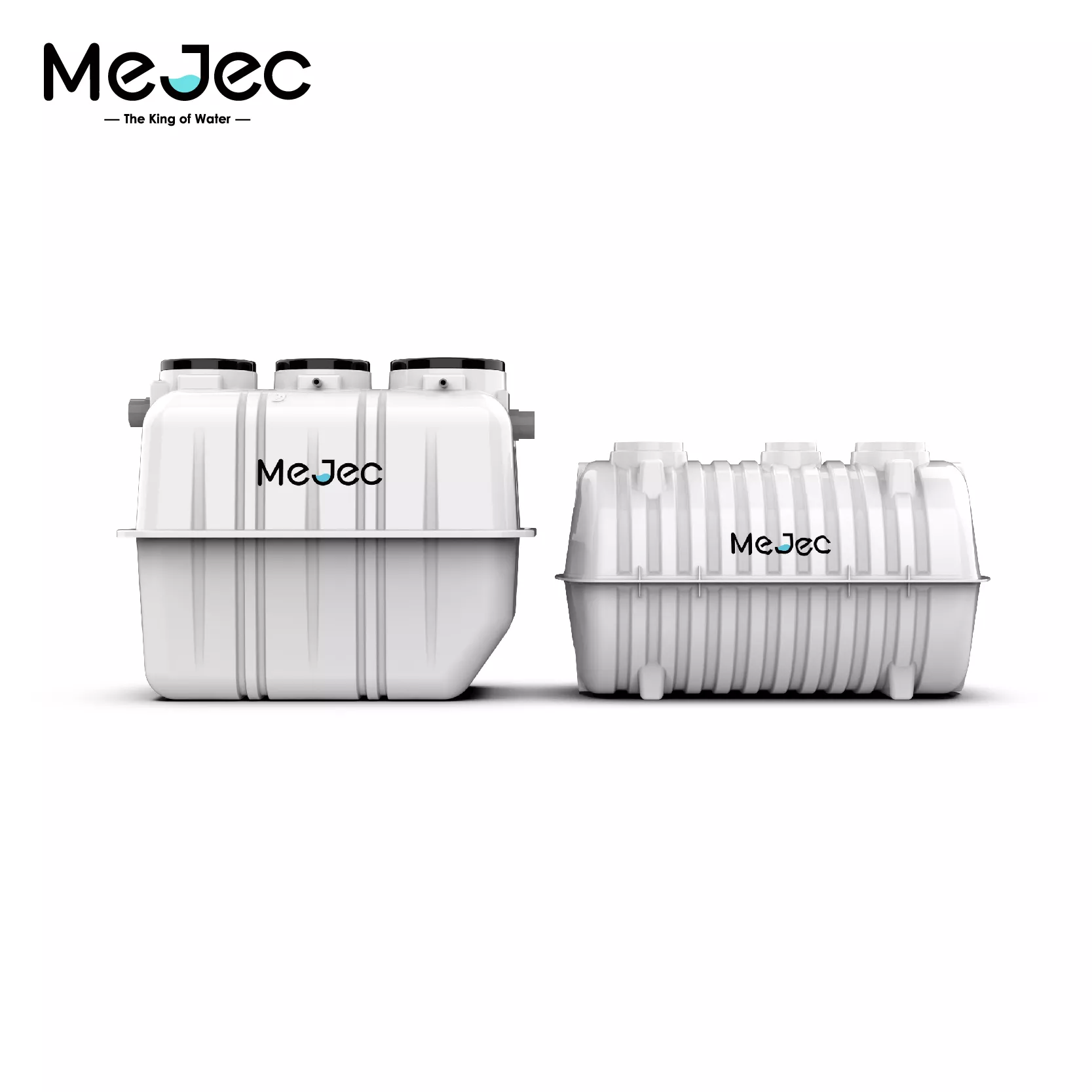
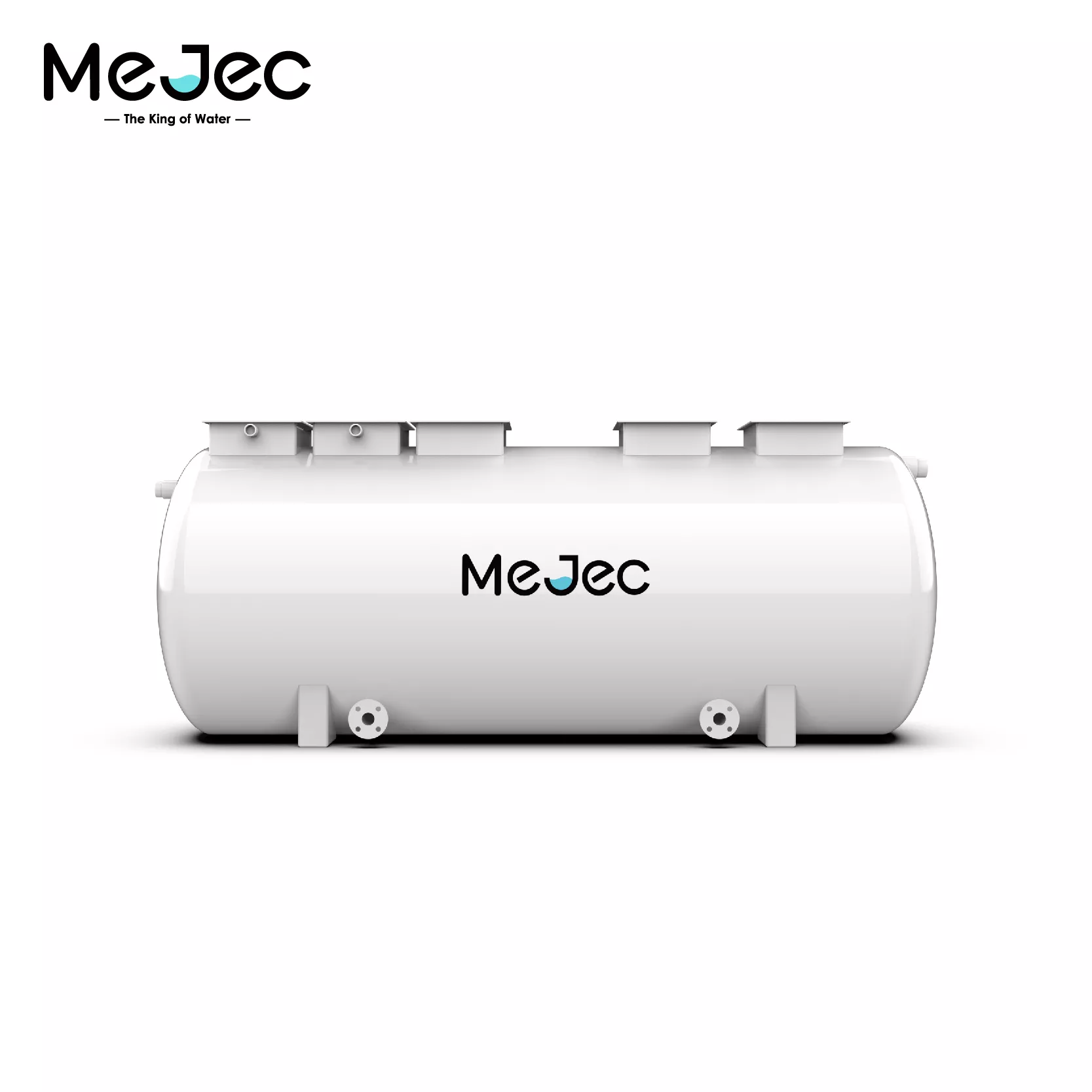
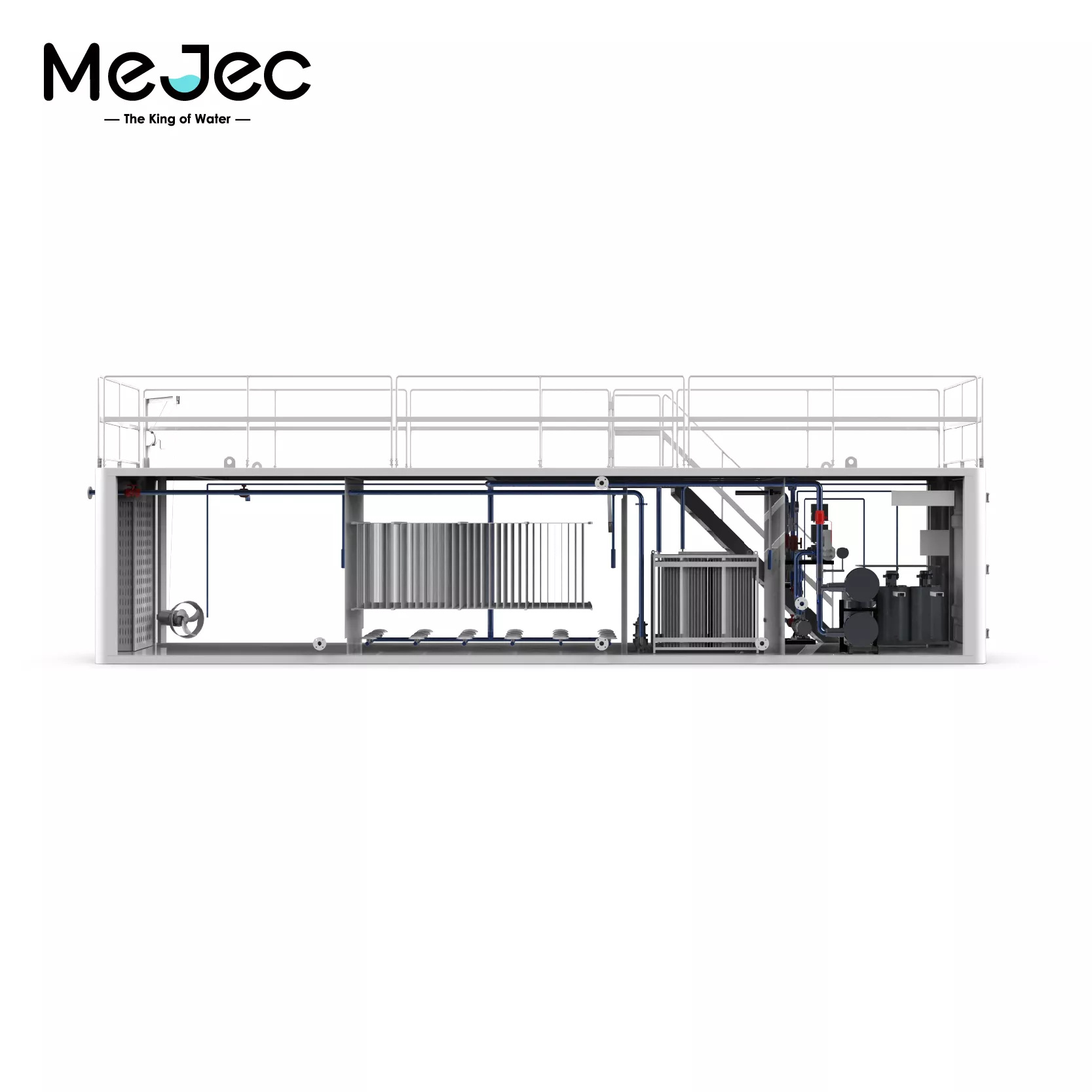
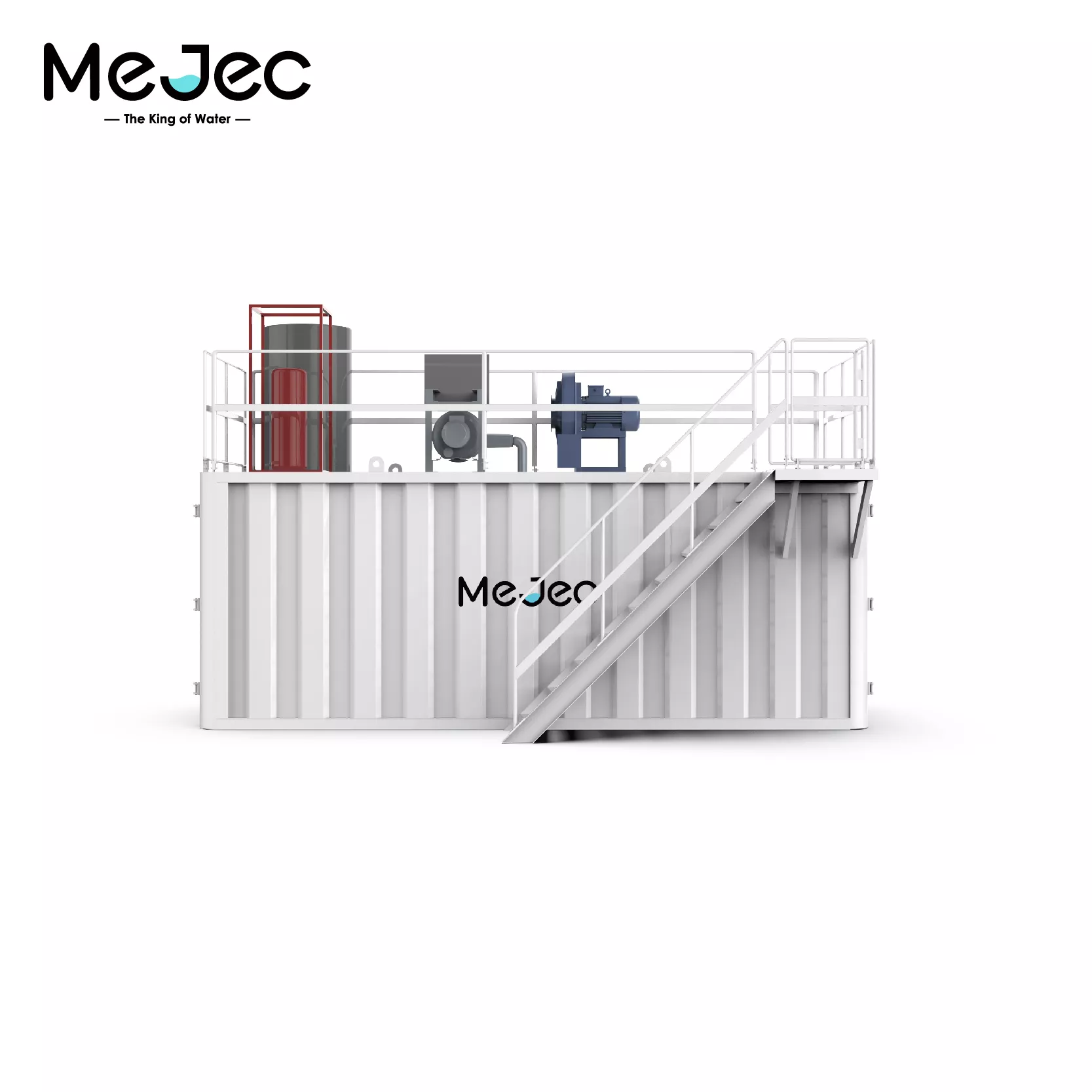
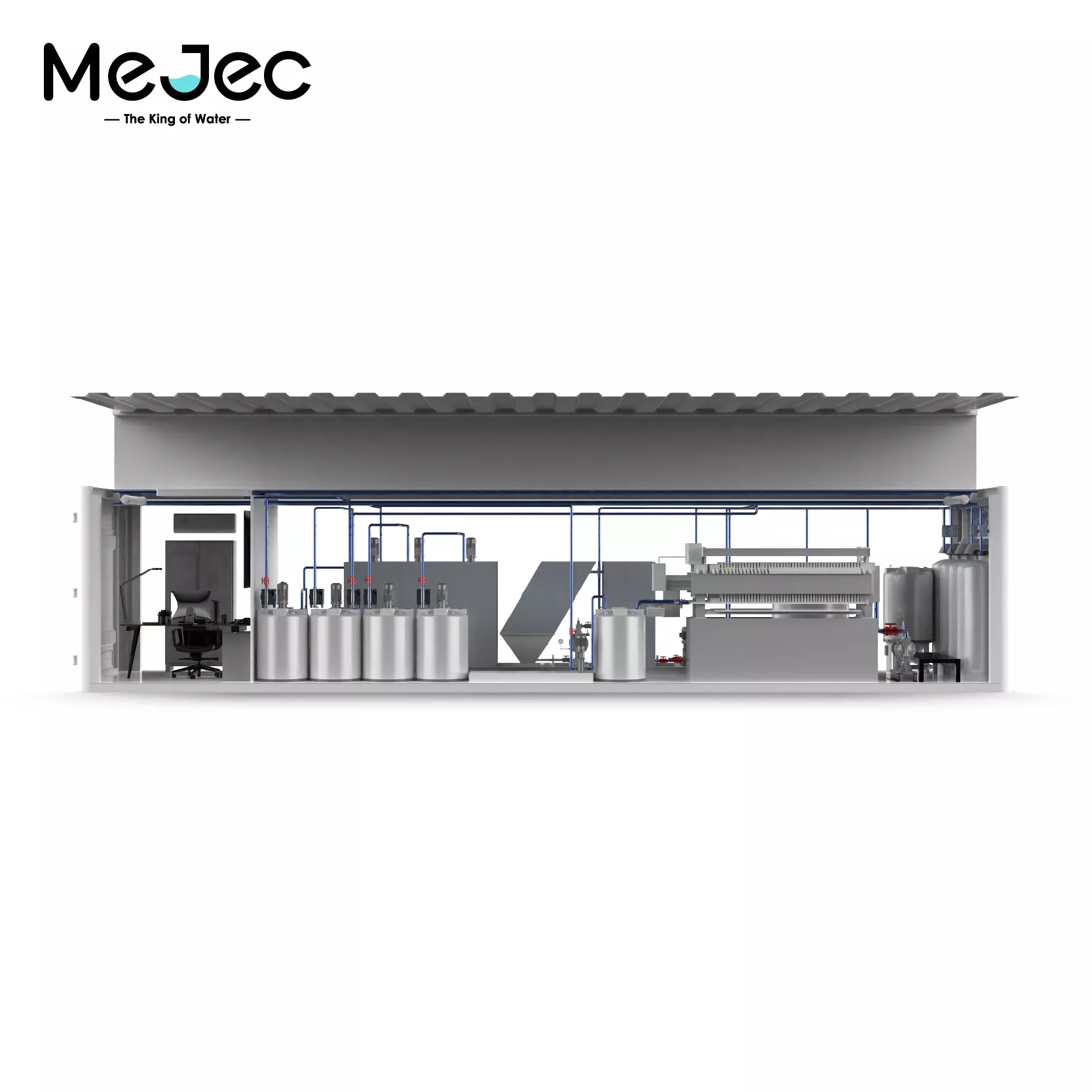
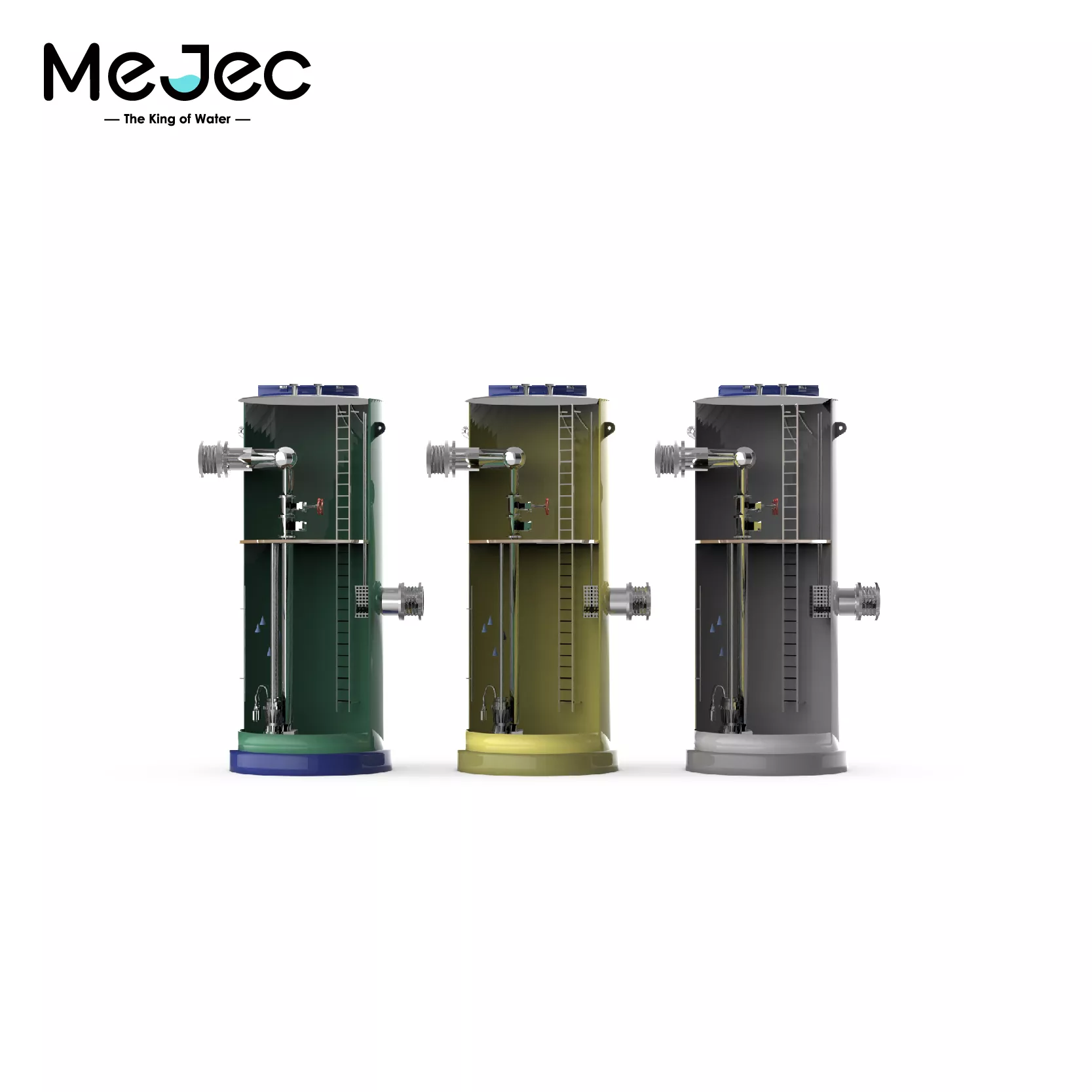
Implementing decentralized sewage treatment for villages is a critical and scalable solution to address the global challenge of inadequate sanitation in rural and peri-urban areas. Unlike centralized systems that require extensive sewer networks and large-scale treatment plants, decentralized systems are designed to collect, treat, and dispose of or reuse wastewater close to its source. For villages, this typically involves compact, modular technologies such as septic tanks with advanced drainage fields, packaged aerobic treatment units (ATUs), constructed wetlands, membrane bioreactors (MBRs), or sequencing batch reactors (SBRs). The core advantage lies in its adaptability to local conditions, lower initial capital expenditure compared to pipeline infrastructure, and reduced water loss through leakage. Data from the World Health Organization (WHO) and UNICEF's Joint Monitoring Programme consistently highlight the sanitation gap; as of recent reports, approximately 46% of the global population lacks access to safely managed sanitation, with rural communities disproportionately affected. Decentralized systems directly target this gap by providing village-level solutions that can be deployed rapidly, are easier to maintain with local capacity, and prevent the contamination of local water bodies—a primary cause of waterborne diseases.
The effectiveness and promotion of decentralized sewage treatment for villages are strongly supported by empirical results and case studies from various regions. In India, the government's Jal Jeevan Mission, which emphasizes decentralized wastewater management, has documented successes. For instance, implementation of decentralized systems in villages across states like Tamil Nadu and Maharashtra has shown a reduction in biological oxygen demand (BOD) by over 85% and total suspended solids (TSS) by up to 90%, meeting national discharge standards. Technologies like DEWATS (Decentralized Wastewater Treatment Systems), which often combine settlers, anaerobic baffled reactors, and planted gravel filters, have been widely adopted, with thousands of installations serving populations from hundreds to several thousand per unit. Research published in journals like "Water Research" and "Journal of Environmental Management" confirms that decentralized constructed wetlands can achieve nitrogen removal rates of 40-55% and pathogen removal exceeding 99% (2-4 log reduction), making the treated water safe for agricultural irrigation. Furthermore, economic analyses reveal that decentralized systems for villages can be 30-50% less costly in terms of upfront capital investment than extending centralized sewers, with operational costs shared and managed by the community. The promotion of these systems is further validated by international frameworks, including the UN Sustainable Development Goal 6 (clean water and sanitation), which explicitly advocates for appropriate technologies tailored to local contexts. Real-world data from implementation in Southeast Asian and African villages show that such systems not only improve public health indicators but also create opportunities for water reuse, enhancing agricultural yield and water security in water-scarce regions. Therefore, decentralized sewage treatment stands as a proven, data-backed, and sustainable product for village sanitation, offering a tangible path to achieving health, environmental, and economic benefits without the need for massive centralized infrastructure.


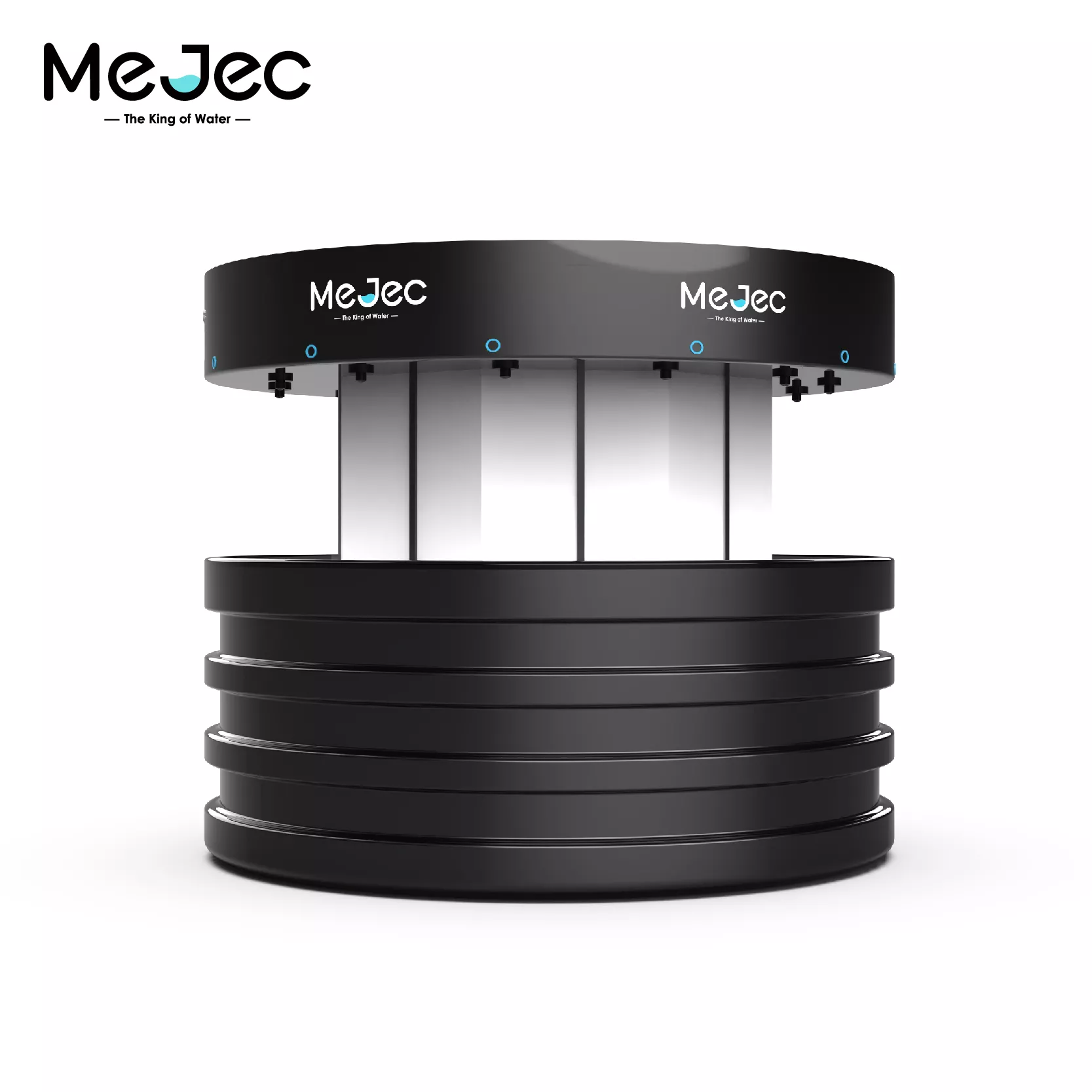
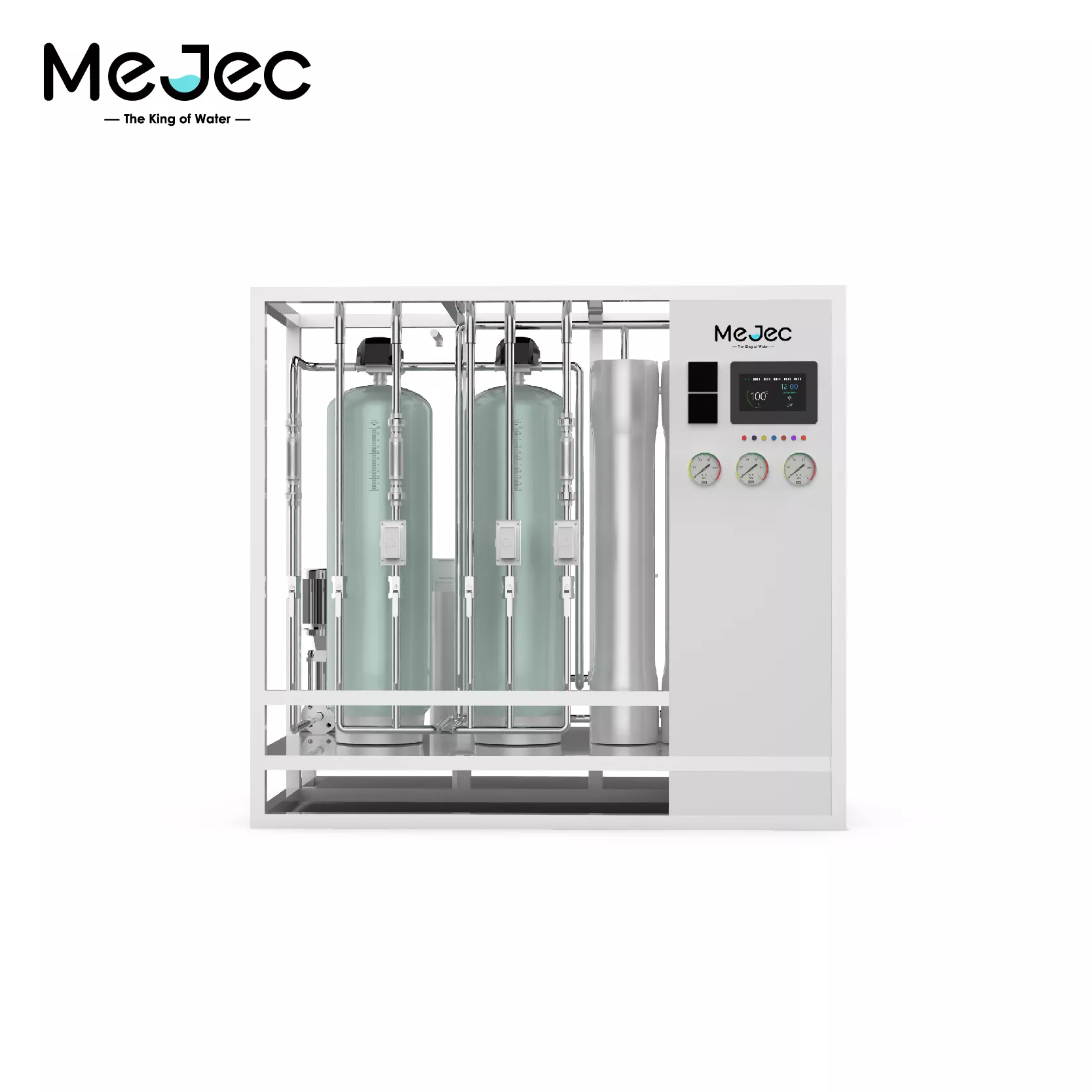
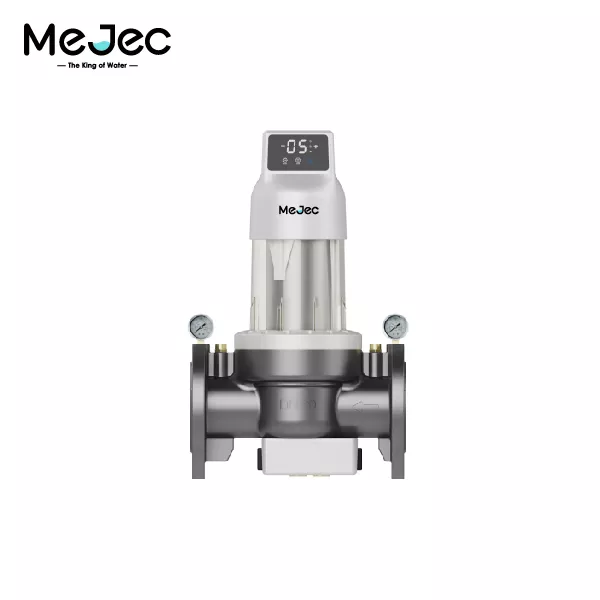


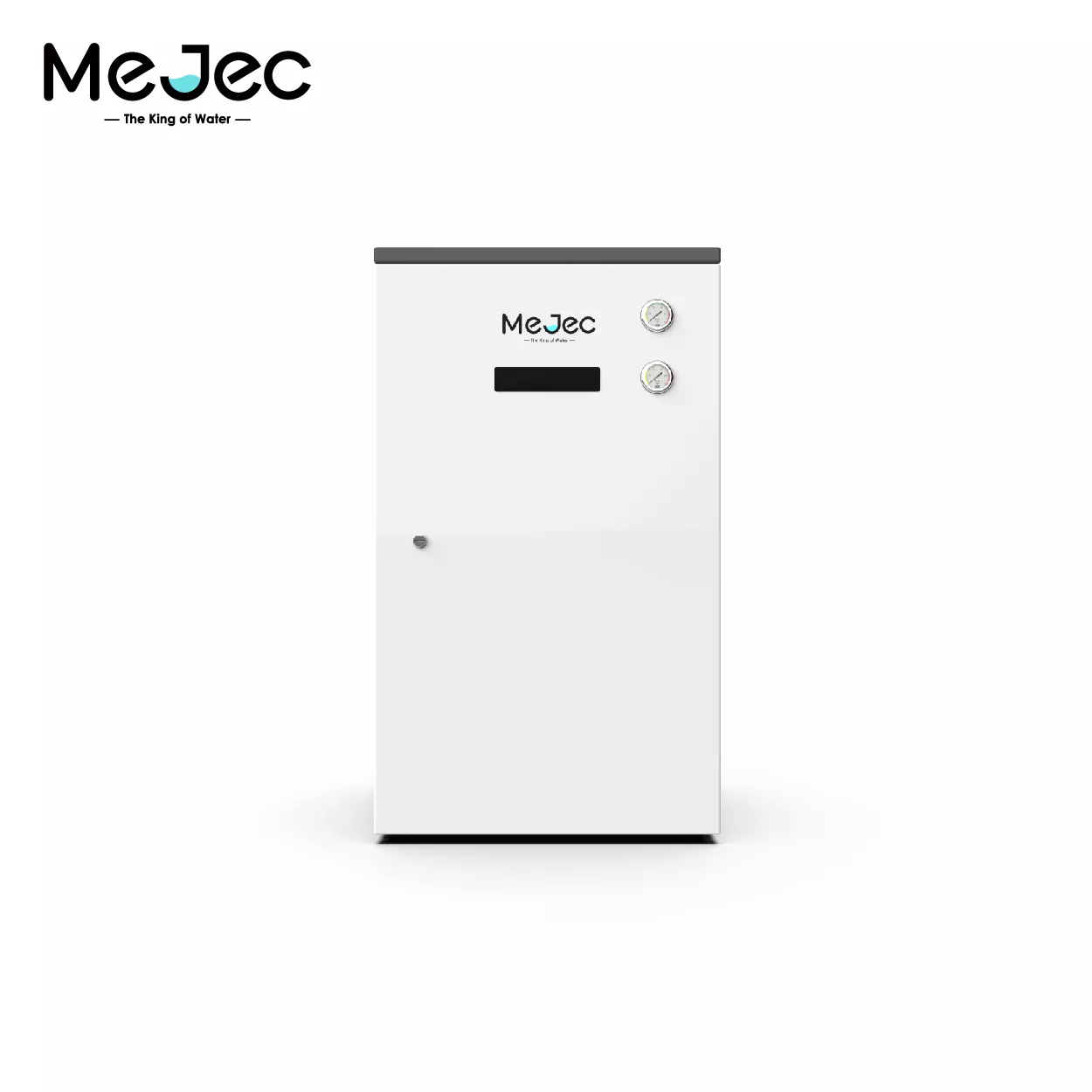



.webp)





User Comments
Service Experience Sharing from Real Customers
Michael Chen
Village Council MemberThis decentralized system has been a game-changer for our remote village. Easy to install, low maintenance, and the water quality output is excellent for irrigation. Finally, a sustainable solution that works off-grid.
Sarah Johnson
Environmental EngineerAs a consultant for rural projects, I've specified this system multiple times. It's robust, modular, and effectively handles variable sewage loads. The reduction in environmental contamination is remarkable. One point off for wishing the manual was more detailed.
David Rodriguez
Agricultural Project ManagerWe integrated this treatment unit with our farm. It provides reliable, treated water for non-potable uses, significantly cutting our water costs. The decentralized design meant no long pipelines to build. Highly recommend for any agro-based community.
Priya Sharma
Public Health OfficerImplementing this system in three villages led to a noticeable drop in waterborne diseases. It's a vital public health intervention for areas without central sewage. The community-based operation model empowers locals and ensures long-term sustainability.