



.webp)
How Industrial Water Purifiers Work and Their Top Commercial Uses
Water purity plays a vital role in every industrial setting. Poor-quality water can lead to equipment corrosion, scaling, and heat transfer issues, as shown below:
Impact of Water Quality | Description |
|---|---|
Equipment Corrosion | Poor-quality water can lead to corrosion of equipment, increasing maintenance costs and downtime. |
Scaling and Fouling | Impurities can cause scaling and fouling, which impede operational efficiency. |
Heat Transfer | In cooling systems, impurities can hinder heat transfer, leading to inefficiencies. |
.webp)
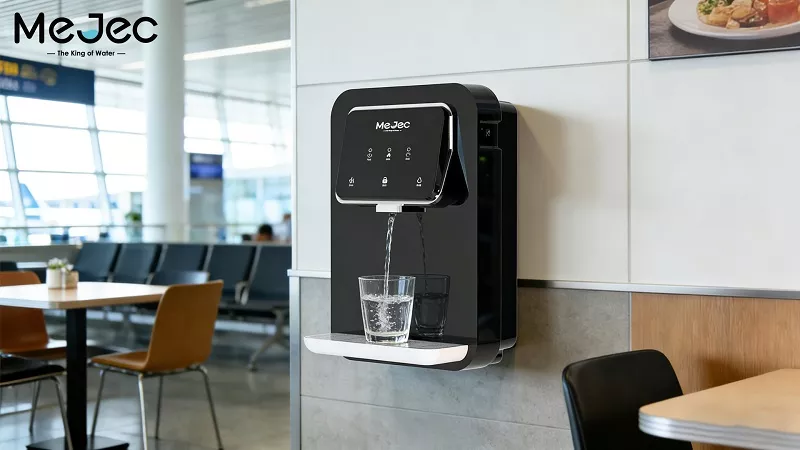
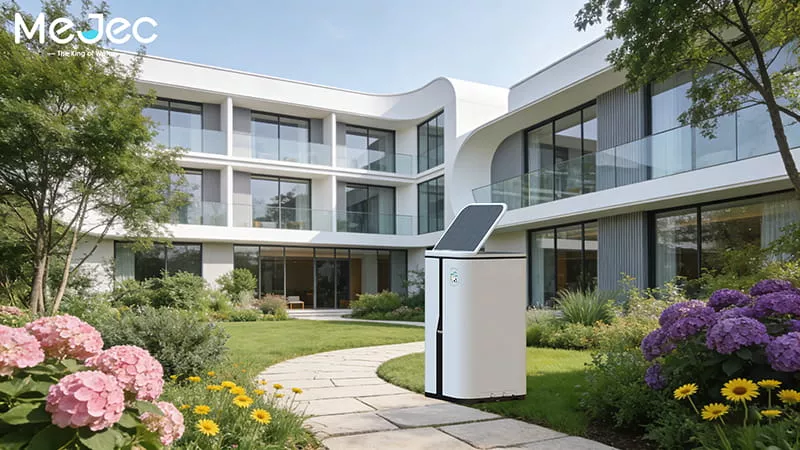
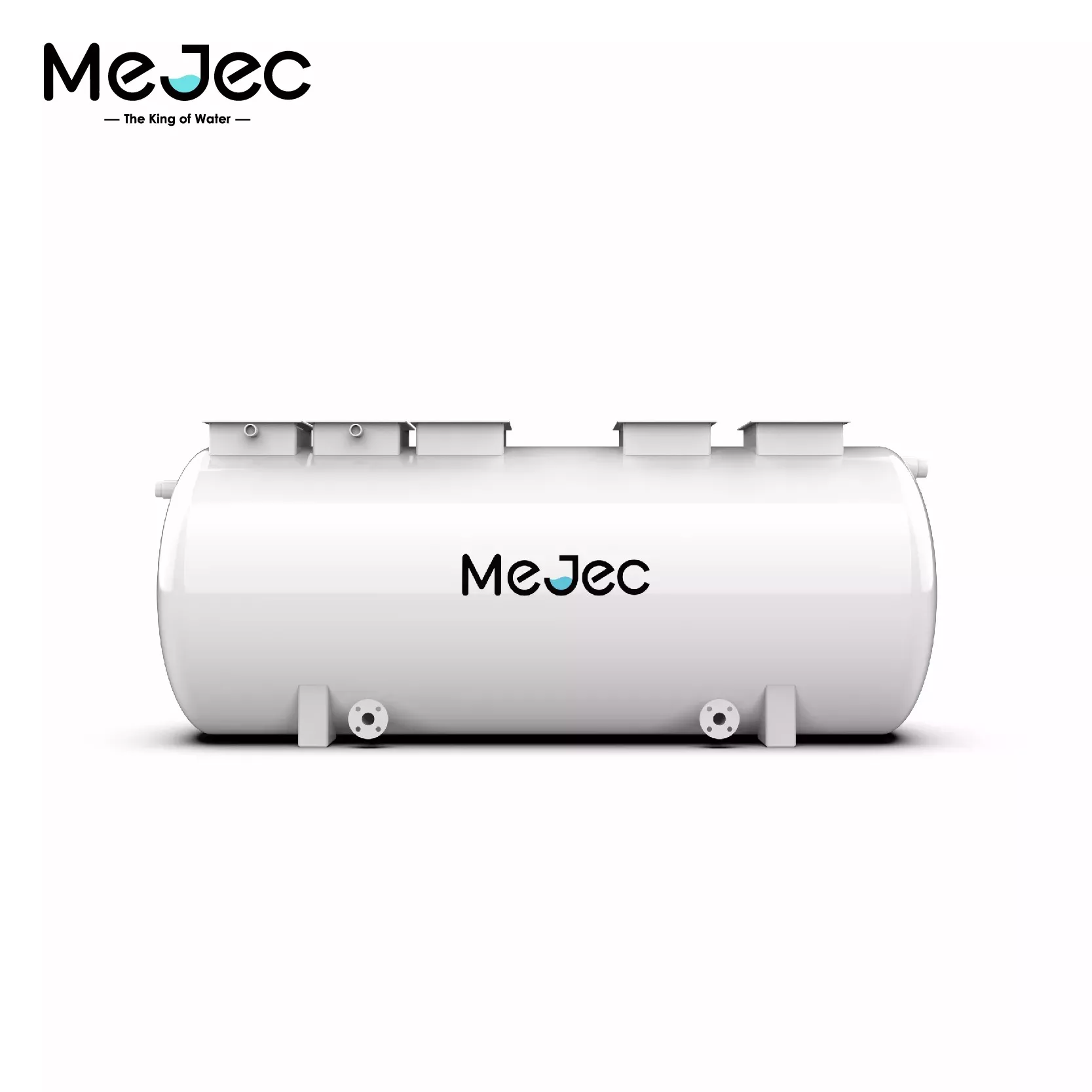
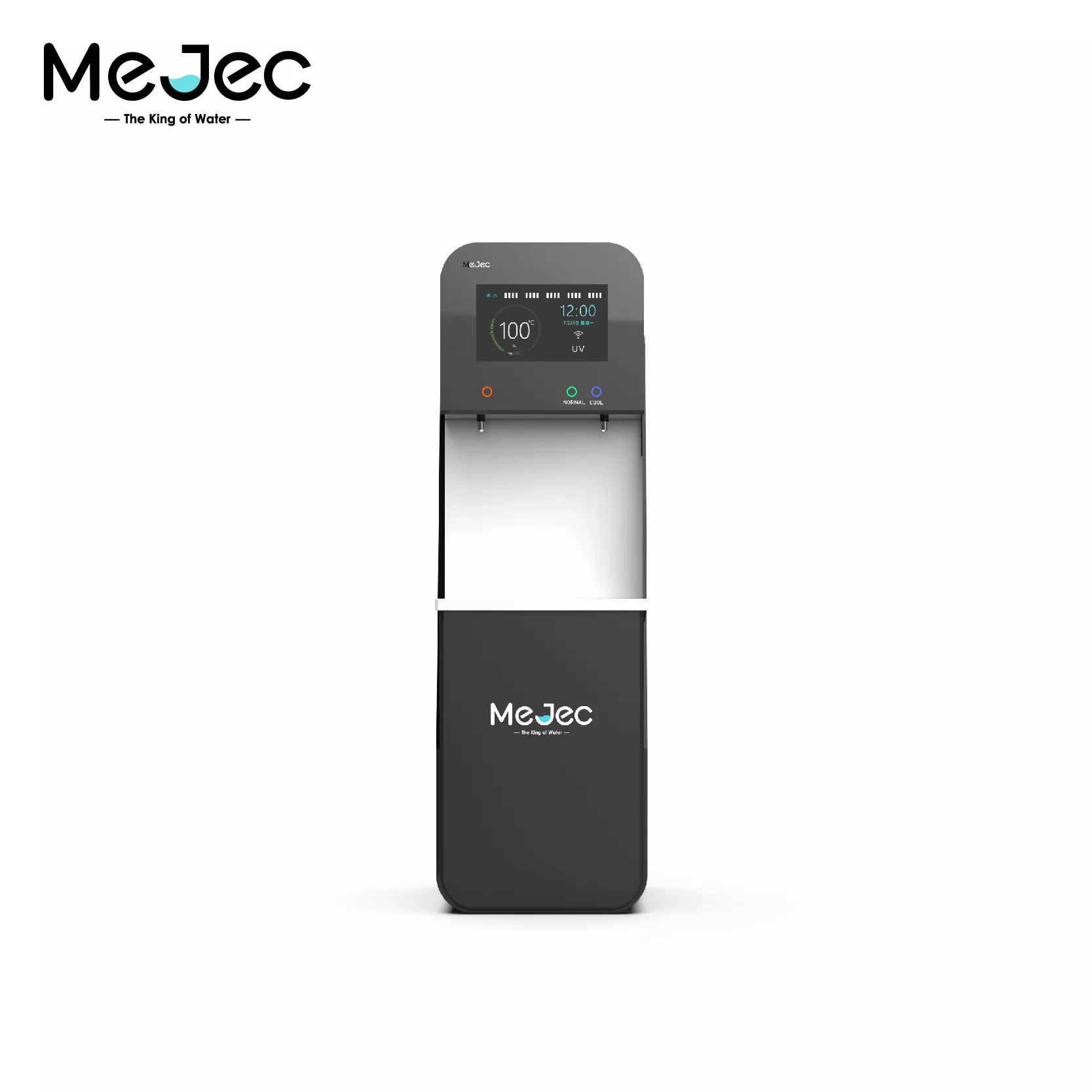
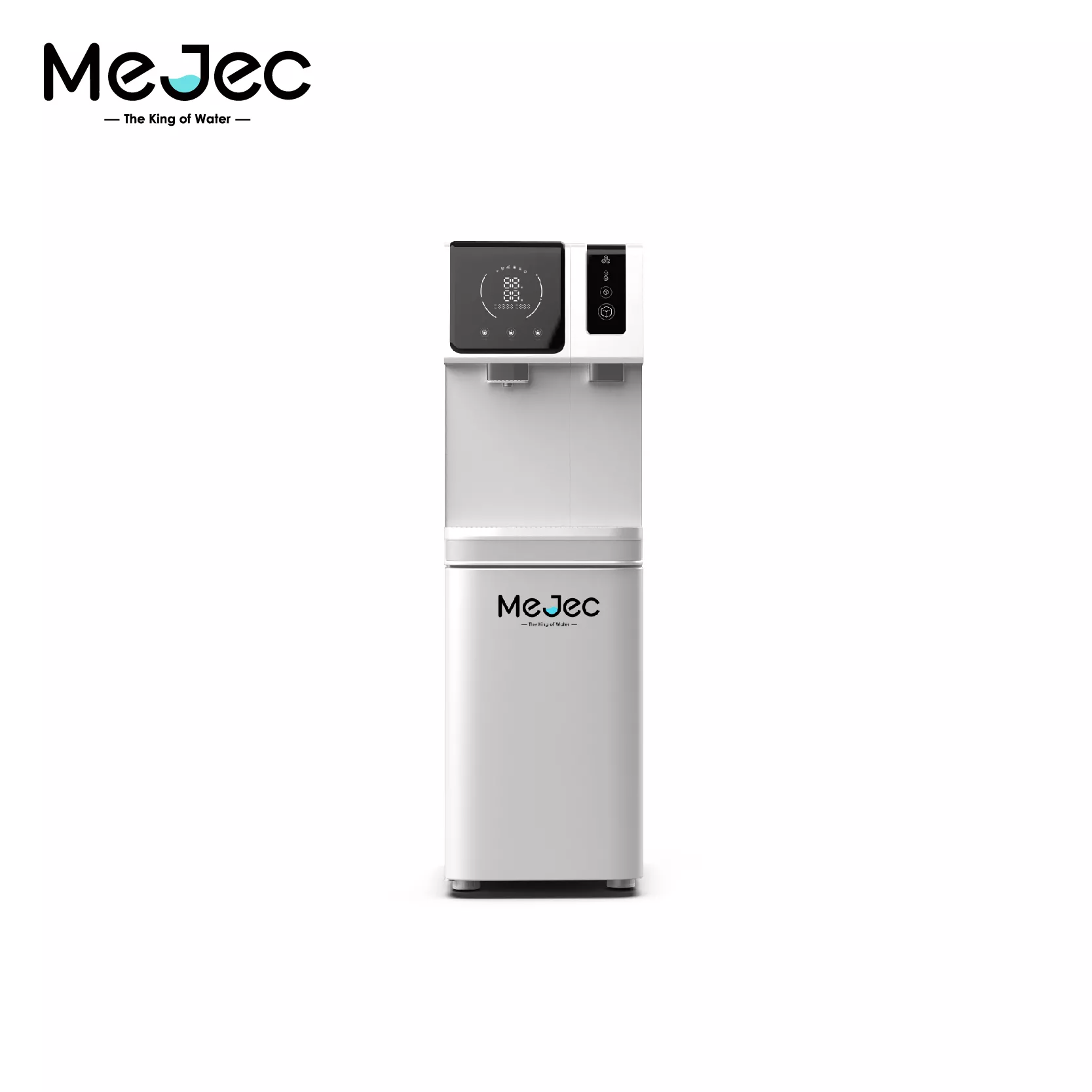
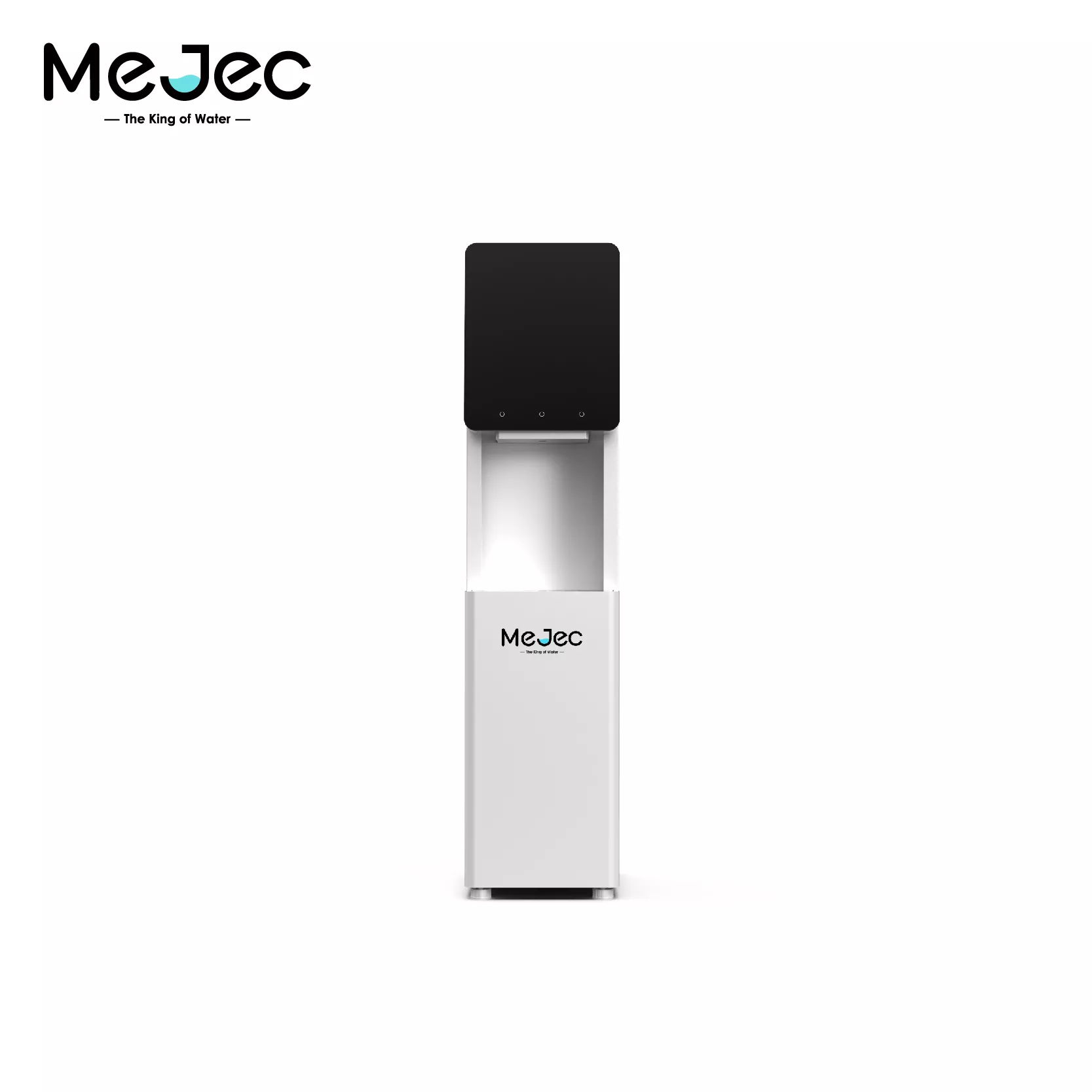
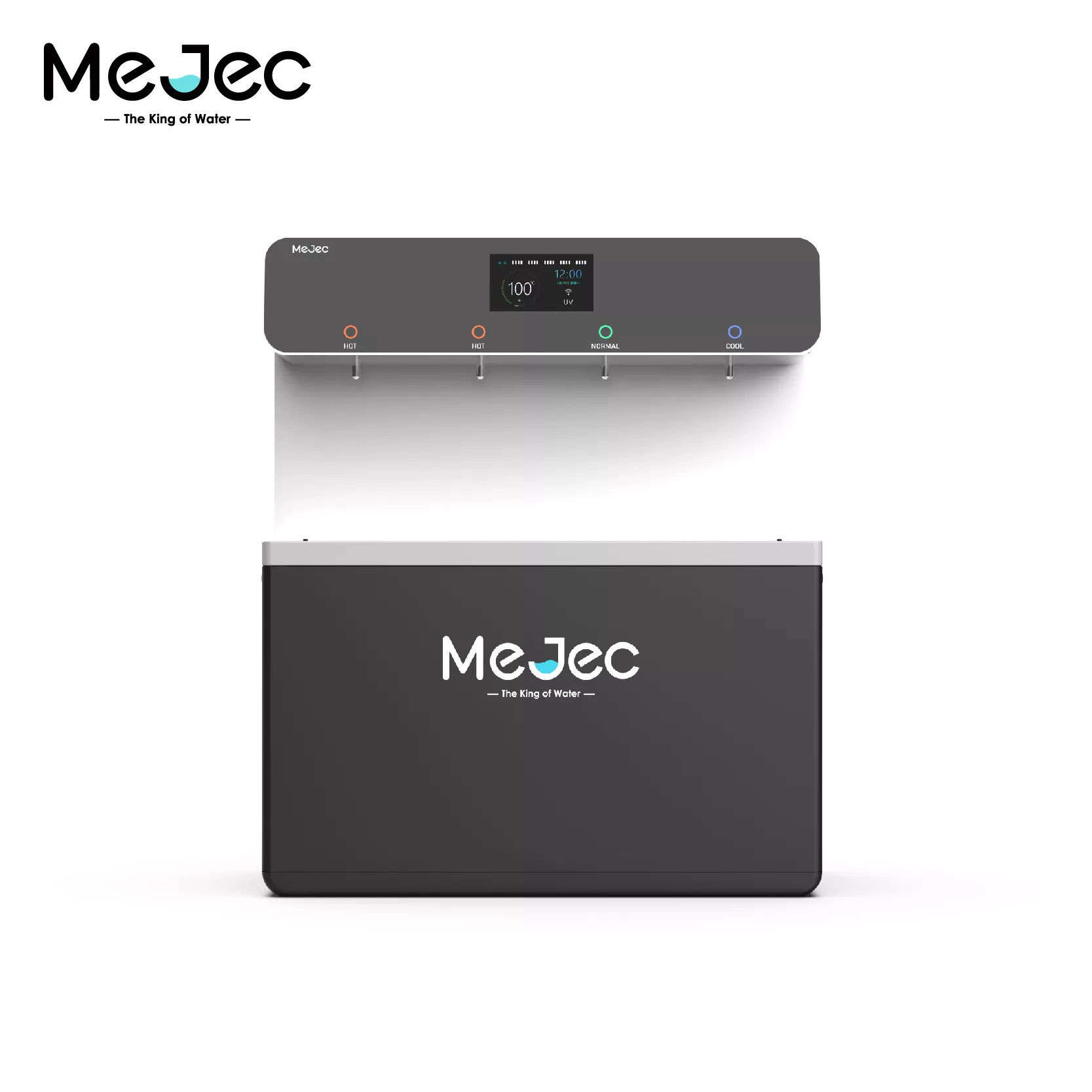
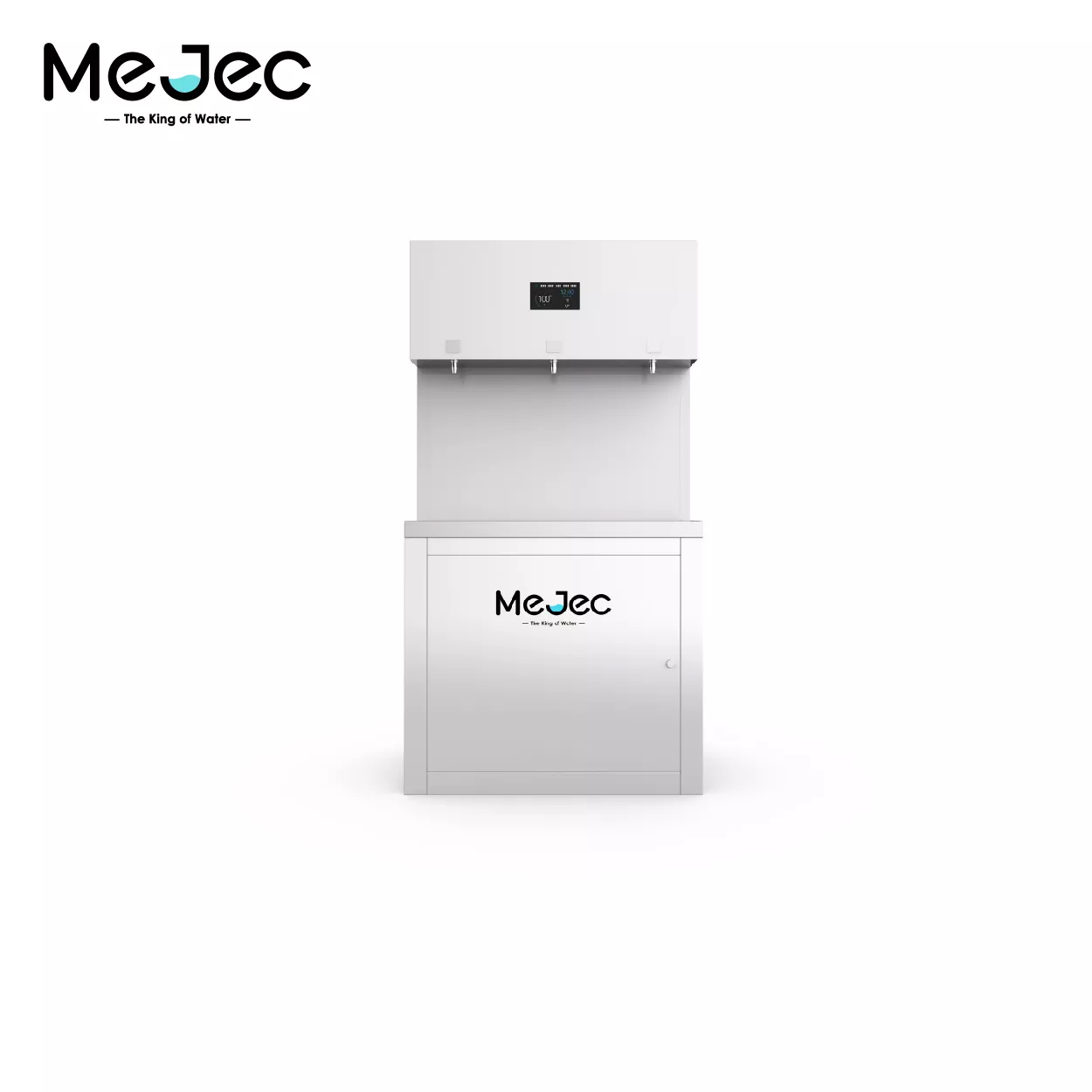
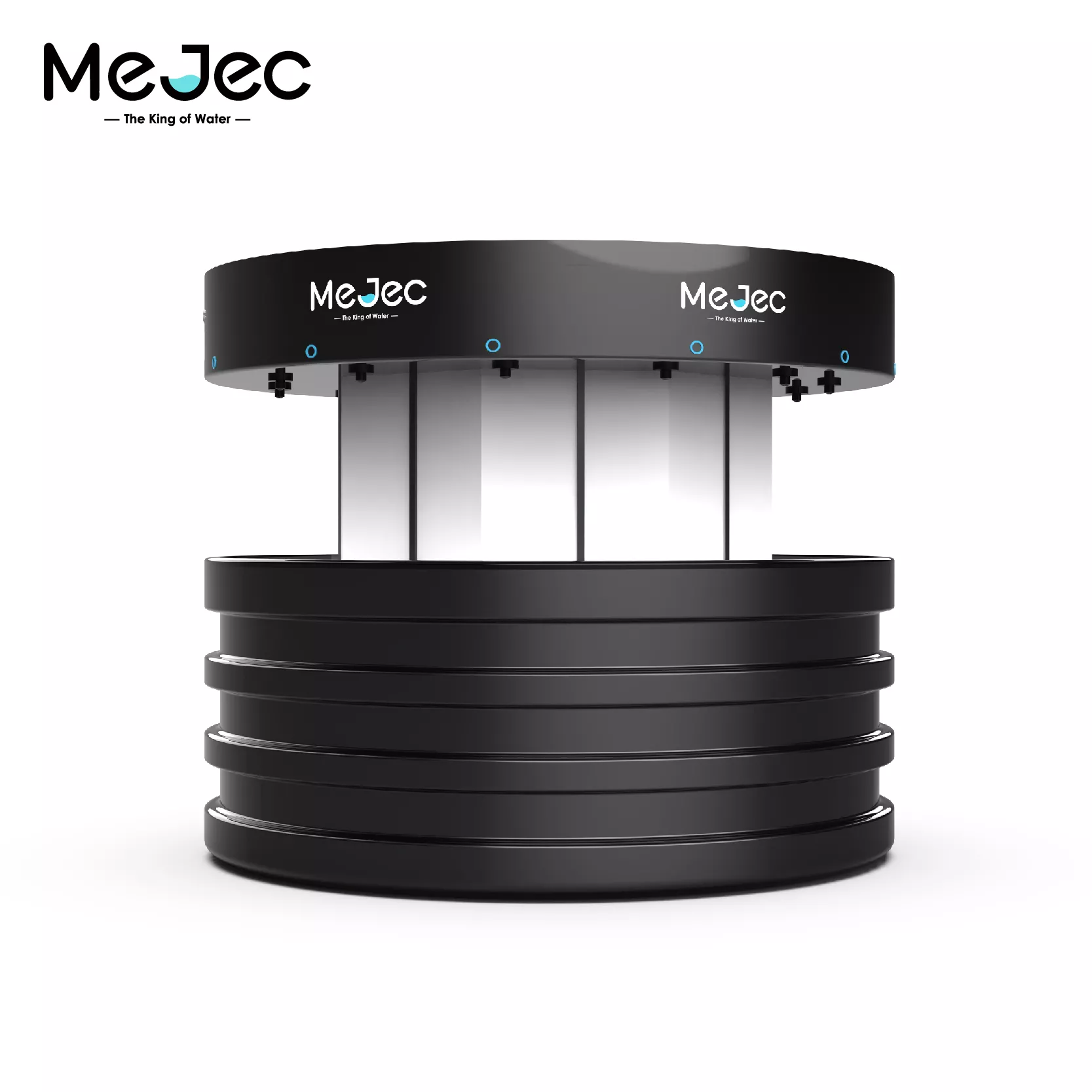
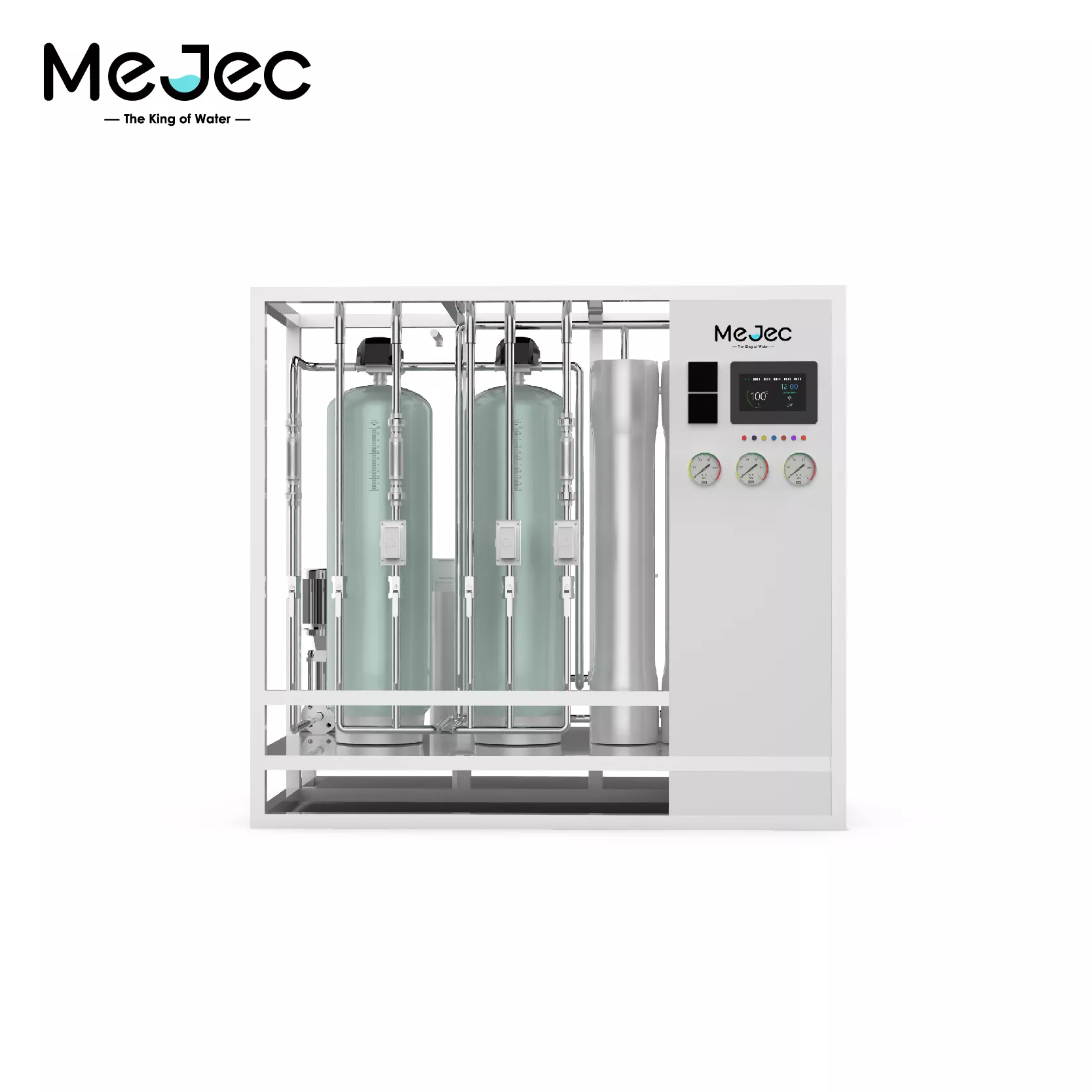
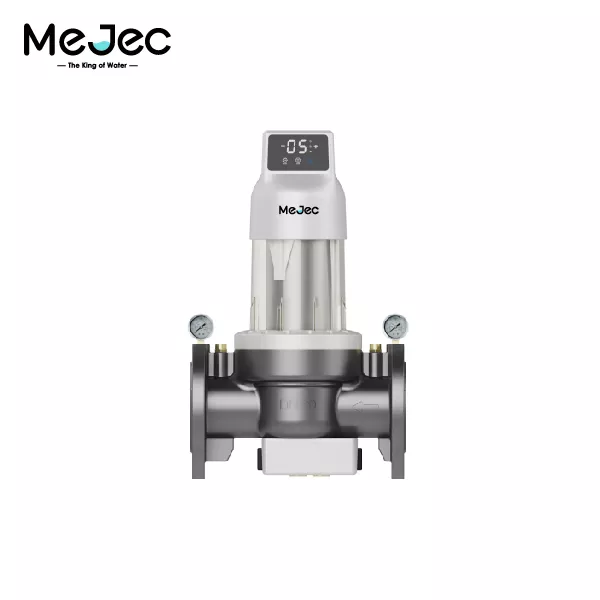
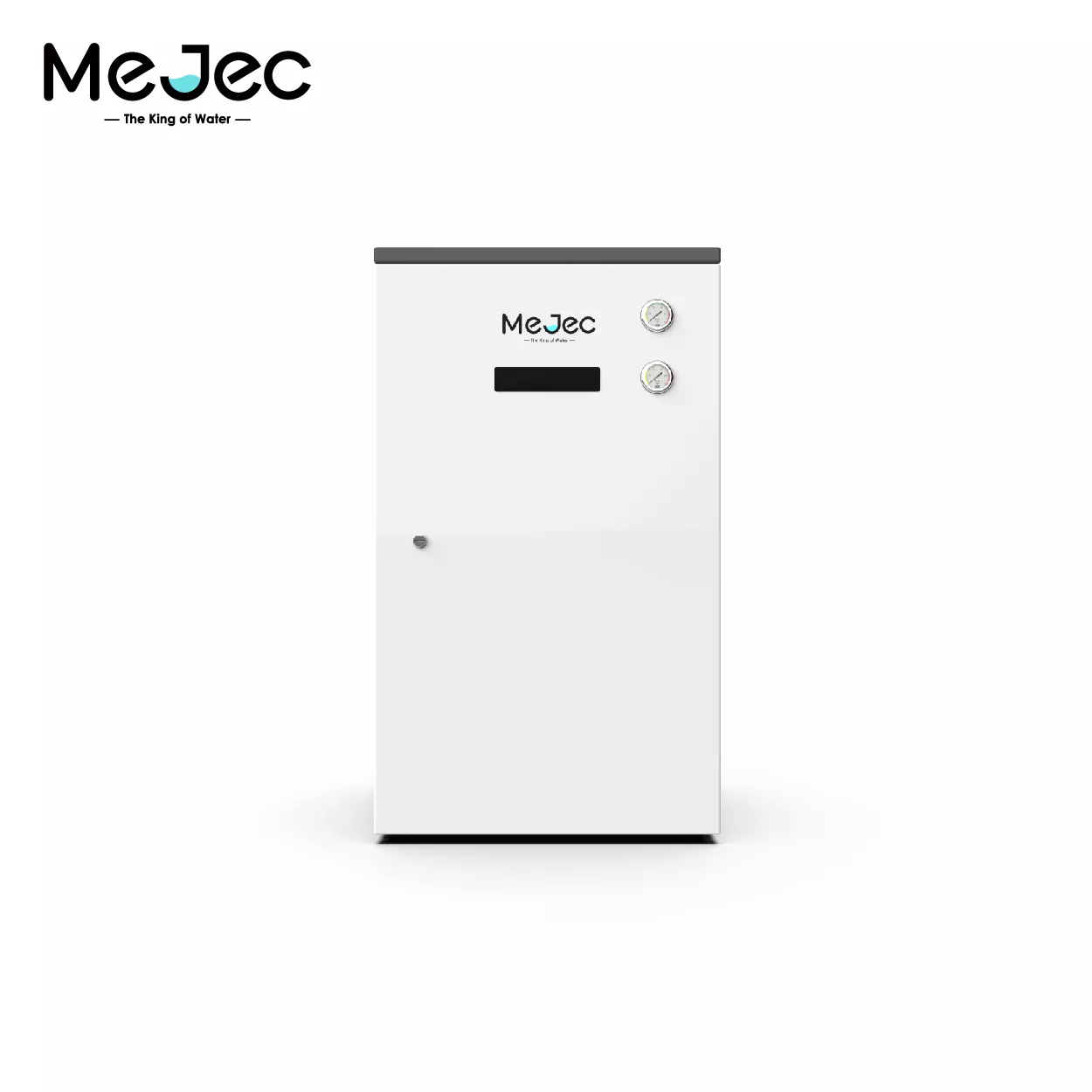
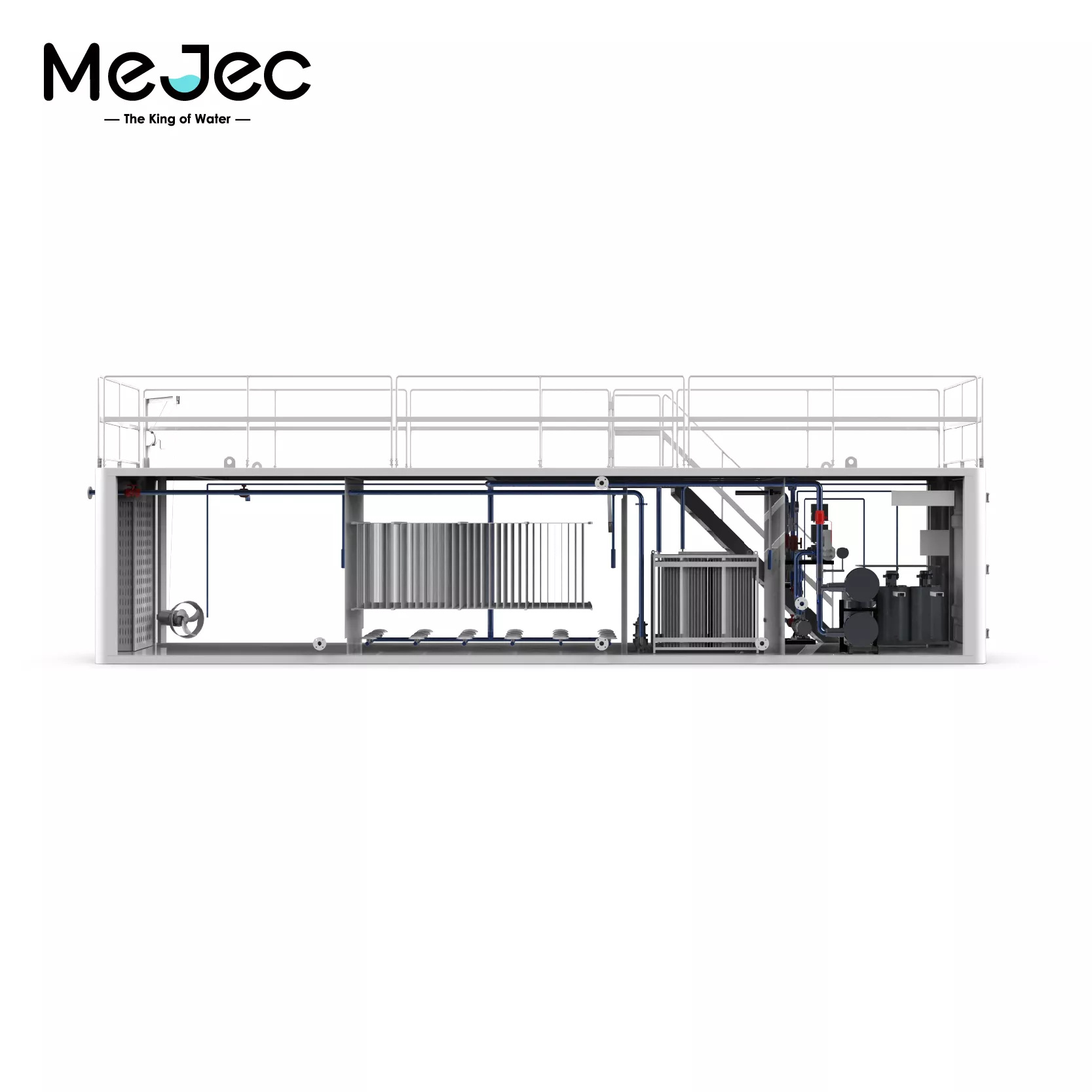
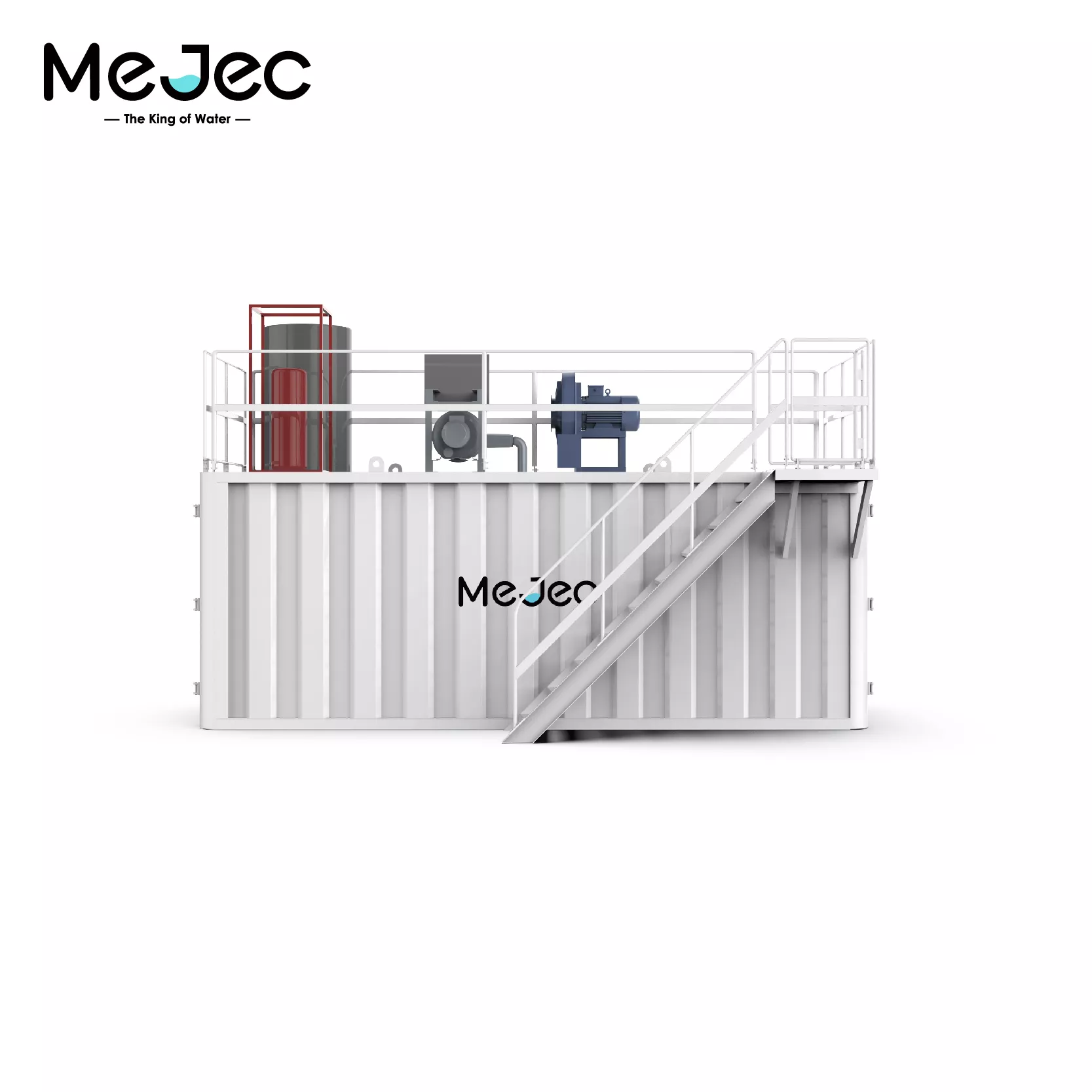
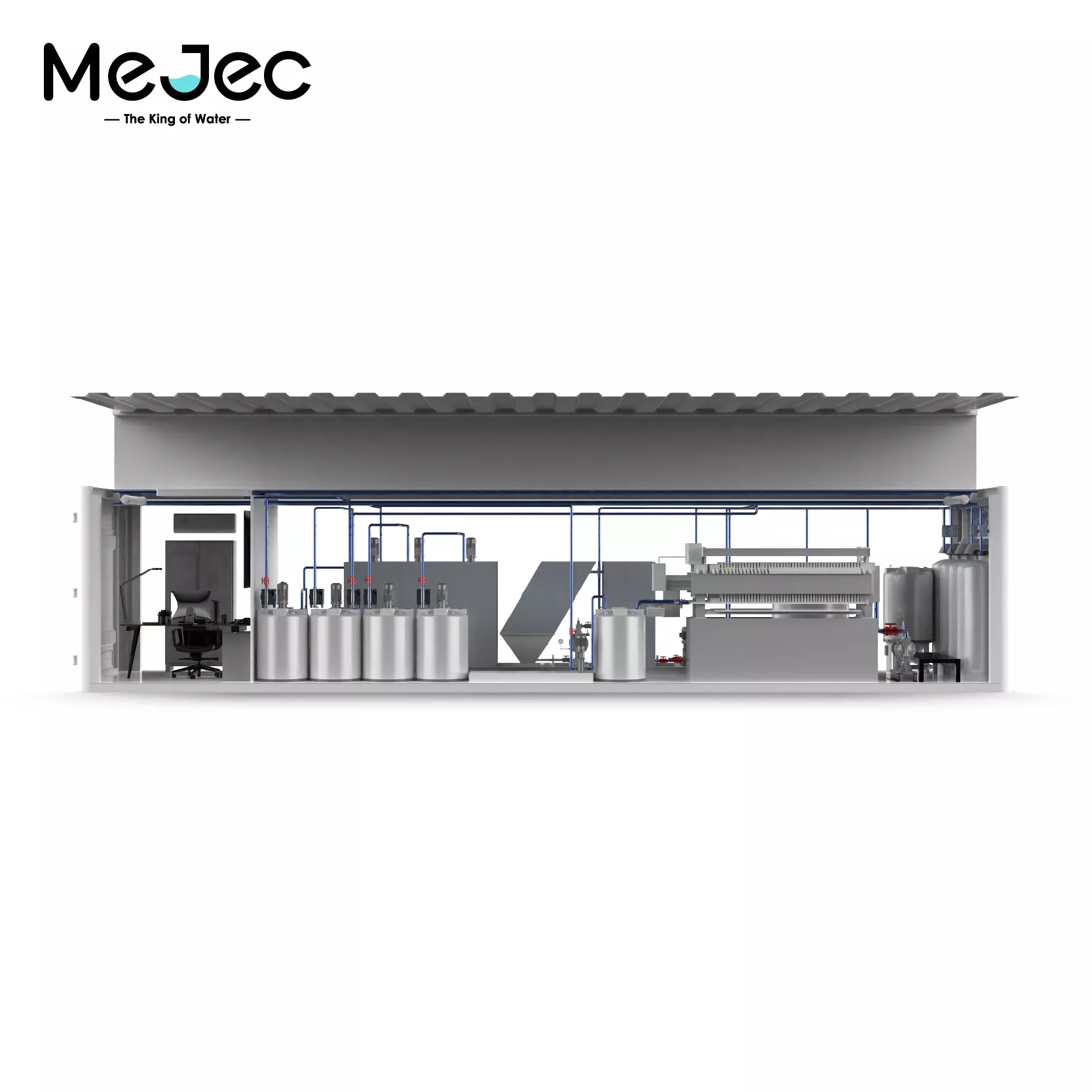
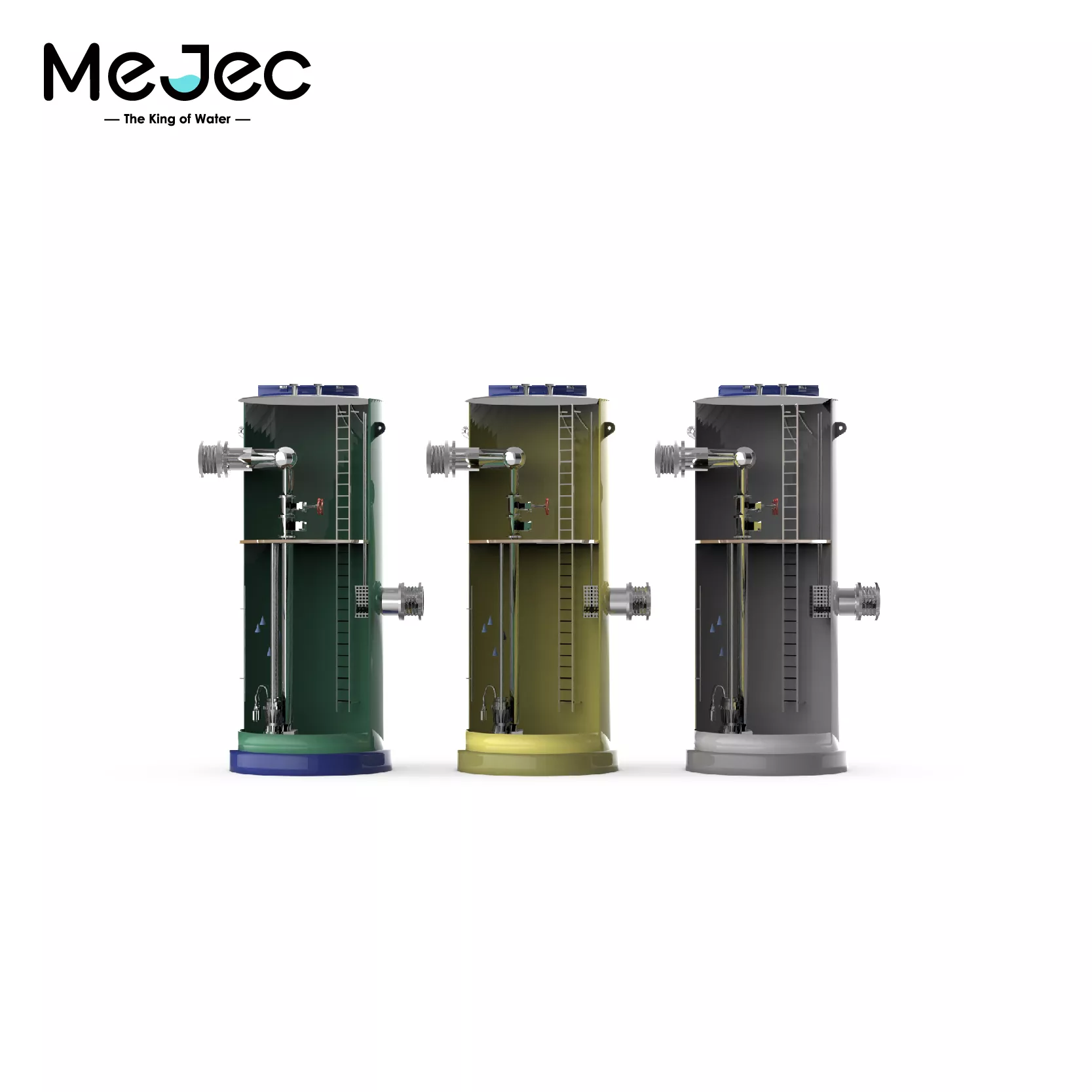
An industrial water purifier helps prevent these issues. It also reduces worker exposure to hazardous substances, decreases the risk of waterborne diseases, and creates a healthier work environment. The Mejec Industrial Water Purifier stands out as an advanced solution. This industrial water purifier uses modern technology to maintain safety and efficiency. Choosing an industrial water purifier ensures consistent, high-quality water for critical operations.
Key Takeaways
Industrial water purifiers prevent equipment corrosion and scaling, which reduces maintenance costs and downtime.
Advanced technologies like reverse osmosis and multi-stage filtration ensure high-purity water, essential for operational efficiency.
Customization of water treatment systems allows facilities to meet specific water quality needs, enhancing reliability and performance.
Regular maintenance of water purifiers is crucial for consistent water quality and compliance with health standards.
Investing in industrial water treatment systems leads to long-term cost savings and improved workplace safety.
Industrial Water Purifier Technologies
Industrial water treatment relies on advanced technologies to deliver clean and safe water for a wide range of industrial applications. The Mejec Industrial Water Purifier stands out as a leading example, combining high-performance reverse osmosis, multi-stage filtration, and customizable integration options. These features make it suitable for facilities with demanding water quality requirements.
Reverse Osmosis and Multi-Stage Filtration
Reverse osmosis is one of the most effective industrial water treatment methods. It uses a semi-permeable membrane to separate water molecules from dissolved salts, heavy metals, and other contaminants. The process involves several steps, each designed to target specific impurities:
Step | Description |
|---|---|
1 | Sediment Filtration: Traps visible particles like dirt, sand, and rust. |
2 | Pre-Carbon Block Filtration: Captures chlorine, VOCs, and chemicals affecting taste and odor. |
3 | Reverse Osmosis Membrane: Allows only water molecules to pass while rejecting contaminants like dissolved salts and heavy metals. |
4 | Post-Carbon Filtration: Removes any residual odors or tastes, ensuring water meets purity standards. |
Multi-stage filtration systems enhance water quality by combining several water filtration options. These systems can be tailored to meet the specific needs of different industries. They remove a wide range of contaminants, including small particles, chemicals, and dissolved substances. The result is significantly purer water, which is essential for cleaning, cooling, and manufacturing processes.
Tip: Multi-stage filtration provides comprehensive protection against both visible and invisible contaminants, making it a preferred choice for industrial water treatment.
The Mejec Industrial Water Purifier uses advanced reverse osmosis with multi-stage filtration, ensuring high-purity water production. This technology is especially effective for removing sediment, chlorine, pesticides, dissolved salts, heavy metals, fluoride, nitrates, and microbial threats such as bacteria and viruses.
Sterilization and Contaminant Removal
Sterilization is a critical part of the industrial water treatment process. It ensures that water is free from harmful microorganisms. Common industrial water treatment methods for sterilization include UV-C irradiation and ozone systems. UV-C light operates in the germicidal range and disrupts the DNA of bacteria and viruses, preventing their growth and replication. This process leads to the death of pathogens and makes water safe for use.
Industrial water purifiers also address challenging contaminants such as pharmaceuticals, microplastics, PFAS, and heavy metals. Technologies like membrane filtration, activated carbon, and advanced oxidation processes are used to tackle these difficult-to-remove substances.
Technology | Contaminant Removal Efficiency | Limitations |
|---|---|---|
Activated Carbon Filters | Effective for chlorine, VOCs, odors; not for heavy metals | Not effective against heavy metals or pathogens |
Reverse Osmosis Systems | Up to 99% reduction in lead, nitrates, fluoride | Requires regular maintenance and filter changes |
Sediment Pre-Filters | Captures larger particles like sand and dirt | Only a first line of defense |
UV Light Purification Units | Kills bacteria and viruses | Does not remove chemical pollutants or sediments |
Water Softeners | Reduces hardness and some contaminants | Primarily for hardness, not a full filtration solution |
The Mejec Industrial Water Purifier uses multi-stage sterilization to remove contaminants, heavy metals, and dissolved solids. This ensures every drop of water meets strict safety and purity standards.
System Customization and Integration
Industrial water treatment systems must be adaptable to different facility requirements. Customization allows each system to handle unique water sources, flow rates, and contaminant profiles. The Mejec Industrial Water Purifier supports tailored configurations, making it easy to integrate into existing infrastructure.
Feature | Mejec Industrial Water Purifier | Other Leading Systems |
|---|---|---|
Technology | Advanced RO with multistage filtration | Varies by brand |
Purification Efficiency | High-purity water production | Varies |
Sterilization | Multi-stage sterilization | Varies |
Customization | Supports tailored configurations | Limited options |
Operational Costs | Low operational costs | Higher costs |
Maintenance | Easy maintenance | Varies |
Customization begins with a detailed analysis of source water composition and usage volume. This ensures the system design matches the facility’s operational needs. Tailored solutions improve reliability and minimize inefficiencies. Integration options include membrane bioreactors, reverse osmosis units, and custom-designed systems that fit seamlessly with existing water management setups.
Note: A customized industrial water treatment system leads to greater long-term efficiency and cost savings for any facility.
Industrial water treatment is essential for maintaining operational efficiency, safety, and compliance in industrial environments. Advanced technologies, such as those found in the Mejec Industrial Water Purifier, offer reliable water filtration options, effective disinfection process, and flexible integration for a wide range of industrial needs.
Types of Commercial Water Purifiers
Commercial water purifiers come in many forms, each designed to meet specific needs in industrial and commercial settings. These systems vary in capacity, technology, and application, making it important to choose the right solution for each facility.
High-Volume Water Treatment Systems
High-volume water treatment systems are essential for large-scale operations. These systems use advanced filtration and purification technologies to deliver a constant supply of clean water. Facilities such as manufacturing plants, hospitals, and universities often rely on these systems to meet high demand.
Feature | Description |
|---|---|
Filtration Systems | Multi-stage units remove contaminants and automate cleaning. |
Purification Technologies | Includes membrane systems, ion exchange, and UV sterilization. |
Monitoring Equipment | Sensors and smart controls help maintain water quality. |
Water Softening | Prevents scale buildup and reduces maintenance costs. |
Reverse Osmosis (RO) | Removes up to 99% of dissolved solids, scalable for different facility sizes. |
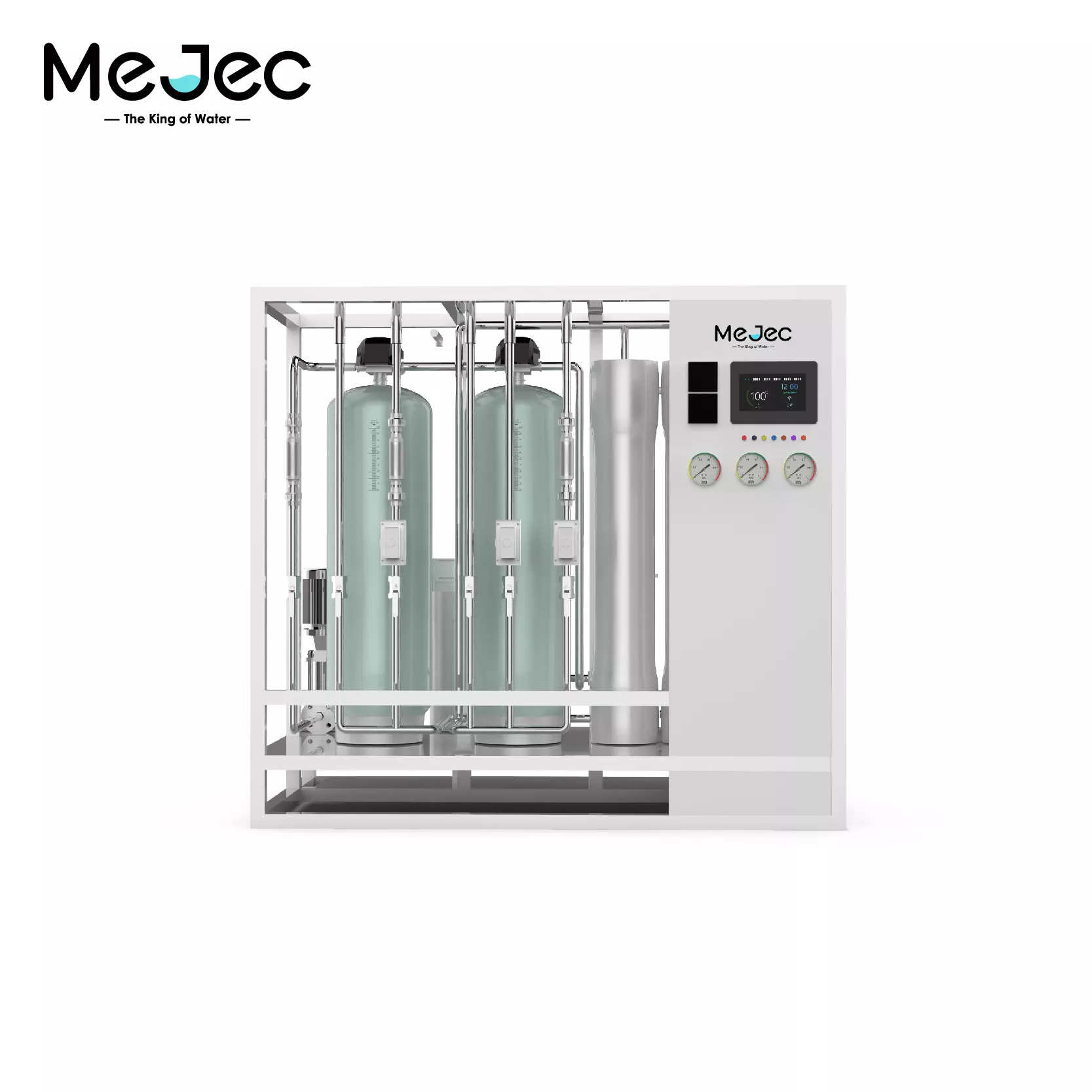
The Mejec Industrial Water Purifier offers high-volume output and continuous operation, making it suitable for facilities with large workforces. Its scalable design allows it to adapt to changing water needs.
Tip: Effective pre-treatment and multi-stage filtration help maintain consistent water quality in high-volume systems.
Specialized Industrial Water Treatment Solutions
Some industries face unique water challenges. Specialized industrial water treatment solutions address contaminants such as heavy metals, organic compounds, and pharmaceuticals. Technologies like membrane bioreactors, advanced oxidation processes, and electrocoagulation are tailored for these needs.
Textile manufacturing uses advanced filtration to remove dyes and chemicals.
Pharmaceutical plants require ultrapure water for product safety.
Oil refining facilities treat water to remove hydrocarbons and metals.
Industrial water treatment systems must adapt to changing regulations. Facilities often upgrade equipment and monitoring systems to stay compliant with new standards. The Mejec system’s customizable configurations make it easy to meet specific industrial requirements.
Drinking and Sanitation Water Purifiers
Drinking and sanitation water purifiers ensure safe water for consumption and hygiene. These commercial water purifiers use reverse osmosis, UV filtration, and carbon filters to remove bacteria, viruses, and chemicals. Systems must meet health and safety standards such as NSF/ANSI certifications.
NSF/ANSI 42 and 53 focus on reducing chlorine and lead.
NSF/ANSI 58 evaluates reverse osmosis systems.
NSF/ANSI 61 ensures material safety for drinking water.
The Mejec Industrial Water Purifier combines multi-stage sterilization and advanced filtration, providing reliable water for both drinking and sanitation. Its adaptability makes it suitable for offices, schools, and industrial facilities.
Note: Choosing the right commercial water purifiers improves workplace safety and supports regulatory compliance.
Commercial Water Treatment Applications
Industrial water treatment plays a crucial role in many sectors. Facilities rely on advanced purification systems to maintain safety, efficiency, and compliance. Below are the main industries that benefit from commercial water treatment systems.
Manufacturing and Industrial Plants
Manufacturing and industrial plants require large volumes of clean water for cooling, cleaning, and product finishing. Water quality affects product safety and customer satisfaction. Poor water quality can cause scale buildup in machinery, which reduces energy efficiency and increases maintenance costs. Effective water treatment systems protect equipment and improve production consistency.
Industrial water treatment systems in these settings must deliver consistent water quality and handle high purification capacity. The Mejec Industrial Water Purifier supports continuous operation, treating thousands of liters per hour. Its tailored and scalable design meets specific industrial requirements, enhancing operational efficiency. Facilities also benefit from end-to-end support, from system design to maintenance, ensuring peak performance.
Feature | Description |
|---|---|
Consistent Water Quality | Removes dissolved salts, chemicals, and impurities for reliable supply. |
Tailored & Scalable Systems | Custom solutions for unique industrial needs. |
High Purification Capacity | Treats large volumes, suitable for manufacturing plants. |
Compliance Ready | Meets industry water quality standards. |
Cost-Effective | Lowers operational costs by reducing packaged water dependency. |
Industrial water treatment is essential for maintaining production quality and protecting valuable equipment.
Food, Beverage, and Pharmaceutical Industries
Food, beverage, and pharmaceutical industries have strict water quality standards. Consumers expect products to be uncontaminated, so facilities must use high purity water in production. Chemical contamination, bio-organisms, sediment, and scaling are major concerns. Regulatory bodies such as the FDA, WHO, USP, and ASTM set standards for water quality.
Industrial water treatment systems help these industries meet requirements for disinfected and purified water. Reverse osmosis removes microbes and dissolved ions, while vapor compression distillation and multiple effect distillation produce water for injection. Continuous monitoring prevents contamination and ensures compliance. Facilities risk audits, fines, and production shutdowns if they fail to meet standards. A single contamination event can damage a facility’s reputation and lead to customer loss.
High-quality water systems also reduce wear and tear, corrosion, and scale buildup in equipment. Advanced systems allow for water reuse, giving manufacturers better control over supply and costs.
Key water quality concerns in these industries:
Chemical contamination
Microbial threats
Sediment and scaling
Regulatory compliance
Industrial water treatment ensures that every drop of treated water meets strict safety and purity standards.
Hospitality and Large Workforces
Hospitality facilities and environments with large workforces depend on reliable water purification. Hotels, hospitals, and university campuses must provide safe water for drinking and sanitation. Investing in commercial water treatment reflects a commitment to health and efficiency, which resonates with employees and customers. This investment enhances the workplace environment and elevates the facility’s reputation.
Advanced water treatment systems also support sustainability. Hotels that treat wastewater demonstrate environmental responsibility, attracting eco-conscious guests. Effective wastewater treatment preserves local natural resources and fosters community pride. In hospitals and campuses, water quality is vital for health outcomes and regulatory compliance. Advanced filtration ensures that every sip is clean and safe.
Industrial water treatment in these settings improves safety, supports sustainability, and strengthens public trust.
Oil, Gas, and Energy Sectors
The oil, gas, and energy sectors face unique water treatment challenges. Refineries must comply with strict environmental regulations, including limits on oil content and chemical oxygen demand. Many refineries struggle to meet these standards, highlighting the need for advanced treatment technologies.
Operational inefficiencies and high costs are common in wastewater treatment. Advanced technologies such as reverse osmosis can be expensive, but they are necessary for compliance and sustainability. Ineffective treatment can lead to pollution of local water bodies, causing environmental harm.
Innovative solutions like Zero Liquid Discharge (ZLD) technology help refineries recycle wastewater and reduce reliance on external sources. For example, some refineries have successfully recycled most of their wastewater, promoting sustainability and regulatory compliance.
Industrial water treatment in the oil, gas, and energy sectors protects the environment, supports compliance, and improves operational efficiency.
Tip: Choosing a high-volume, continuous operation system like the Mejec Industrial Water Purifier helps large-scale operations meet demanding water quality standards and maintain uninterrupted workflow.
Water Treatment System Benefits and Challenges
Efficiency and Cost Savings
Industrial water treatment systems deliver significant operational advantages. Facilities report improved productivity because treated water protects equipment and extends machinery lifespan. Businesses also see cost savings from reduced maintenance needs and operational expenses. Treated water heats and cools more efficiently, which leads to enhanced energy conservation. Many companies benefit from reduced manual labor and fewer errors by using automated and remote-controlled treatment plants. Modern systems also achieve higher recovery rates, minimizing water wastage and lowering disposal costs.
A water treatment system helps reduce water consumption by removing contaminants that damage plumbing fixtures and appliances. It increases water efficiency and minimizes waste from leaks and drips. Lower energy costs result from less need for hot water and other energy forms. Equipment performance and longevity improve as impurities are filtered out. Product quality rises for businesses that rely on water in manufacturing. Liability risks decrease when harmful contaminants are eliminated.
Workplace Safety and Reliability
Industrial water purifiers contribute to a safer workplace. Pure, uncontaminated water reduces the risk of waterborne diseases. Workers experience fewer digestive issues and less chronic fatigue due to better hydration. Clean water supports kidney function and strengthens the immune system.
Reliability is essential in industrial environments. The following table shows common metrics used to evaluate system reliability:
Metric Type | Description |
|---|---|
Microbial Contamination Detection | Detects and controls microbial contamination through testing protocols. |
Chemical Contaminant Measurement | Measures heavy metals and organic compounds to ensure safe concentration levels. |
Performance Validation | Verifies system performance and maintains safety standards. |
Filtration Efficiency Indicators | Tracks the percentage of contaminants removed and overall purification effectiveness. |
Potential Limitations and Considerations
Industrial water treatment systems require careful planning during installation and maintenance. Companies must follow water treatment standards and regulations, which can vary by region. Filtration systems need to target specific contaminants based on local water quality. Regulatory changes may require system modifications, adding complexity to maintenance.
Initial investment costs for industrial water purifiers can be significant. The table below compares upfront costs to long-term savings:
Aspect | Initial Costs | Long-term Savings |
|---|---|---|
Equipment Purchase | Significant upfront investment | N/A |
Installation | Included in initial costs | N/A |
Maintenance | N/A | Reduced over time due to efficiency |
Energy Efficiency | N/A | Savings from improved technology |
Compliance with Regulations | N/A | Avoidance of fines and health costs |
ROI Calculation | High initial costs | Favorable ROI over time |
Payback Period | N/A | Approximately 16.7 years |
Tip: Careful system selection and customization help maximize water quality benefits and ensure a strong return on investment.
Industrial water purifiers use advanced technologies to deliver clean water for many commercial operations. Businesses should choose systems that offer reliable performance and customization to fit their needs. Mejec Industrial Water Purifier provides high-purity water and supports continuous operation. Future trends in the industry include:
Advancements in filtration like reverse osmosis and UV disinfection
Higher demand for clean water from industrial growth
Focus on sustainability and meeting regulations
Increased awareness of health and waterborne diseases
FAQ
What is the main purpose of an industrial water purifier?
Industrial water purifiers remove contaminants from water. They help protect equipment, improve product quality, and ensure safe water for workers. Clean water supports efficient operations in factories, hospitals, and other large facilities.
How does reverse osmosis work in water purification?
Reverse osmosis uses a special membrane. Water passes through the membrane, leaving behind dissolved salts, metals, and impurities. This process produces high-purity water suitable for drinking, cleaning, and industrial use.
Can industrial water purifiers be customized for different facilities?
Yes! Many systems, including the Mejec Industrial Water Purifier, offer tailored configurations. Customization ensures the purifier fits the facility’s water source, space, and usage needs.
What contaminants do industrial water purifiers remove?
Contaminant Type | Examples |
|---|---|
Physical | Dirt, sand, rust |
Chemical | Chlorine, pesticides |
Biological | Bacteria, viruses |
Heavy Metals | Lead, mercury |
Industrial water purifiers target these contaminants to deliver safe, clean water.
Why is continuous operation important in large facilities?
Continuous operation ensures a steady supply of purified water. Facilities with high demand, such as manufacturing plants or hospitals, need reliable systems to avoid downtime and maintain safety.