


.webp)


The Future of Wastewater Treatment: How MABR Technology is Redefining Efficiency and Sustainability
In an era where the water industry is pushing toward Net Zero and energy independence, a breakthrough innovation is emerging as a game-changer: MABR (Membrane Aerated Biofilm Reactor) technology.
For municipal utilities and industrial plant managers facing rising energy costs and tightening effluent limits, MABR is no longer just a research topic—it is a proven, scalable solution that delivers exceptional performance with a fraction of the energy input.
At Mejec, we are at the forefront of this revolution. We specialize in integrating advanced MABR systems into real-world applications. Let’s dive into why this technology is dominating conversations at WEFTEC and how our equipment can solve your toughest treatment challenges.
What Exactly is MABR? A Paradigm Shift in Aeration
To understand MABR, you first have to understand the problem with conventional treatment. Traditional activated sludge systems rely on "coarse bubble aeration"—essentially blasting air into tanks to keep microbes alive. This process is incredibly inefficient, with Oxygen Transfer Efficiency (OTE) often below 25%.
MABR flips the script.
MABR utilizes a spool of specialized gas-permeable membranes submerged in the water. Oxygen diffuses through the membrane wall without forming bubbles, transferring directly to a biofilm that grows on the membrane surface. This creates a unique counter-diffusional environment:
The base of the biofilm (near the membrane) is aerobic.
The outer layer of the biofilm (in contact with the wastewater) is anoxic/anaerobic.
This natural stratification allows for Simultaneous Nitrification and Denitrification (SND) within a single biofilm. This eliminates the need for separate tanks for carbon removal and nitrogen polishing, dramatically simplifying plant layouts.
The Competitive Edge: Why MABR Outperforms Legacy Systems
Recent data from pilot studies and full-scale installations across North America highlight three major advantages of MABR over conventional methods like MBBR or CAS (Conventional Activated Sludge):
Unprecedented Energy Savings
Aeration typically accounts for 50–70% of a plant's total energy bill. Because MABR achieves bubble-less oxygen transfer, it virtually eliminates the energy wasted in simply "moving water" with air. Facilities retrofitting with MABR technology are reporting a reduction in aeration energy demand of up to 75% . For a 5 MGD plant, this can translate into hundreds of thousands of dollars in annual operational savings.High-Rate Treatment in a Smaller Footprint
MABR supports a much higher density of active biomass compared to suspended growth systems. With advanced membrane materials, biofilm densities can reach three times that of conventional plastic media. This allows MABR systems to achieve nitrification rates exceeding 2 g N/m²/day. You can achieve higher treatment capacity without expanding your tank volume—a critical advantage for plant retrofits and capacity expansion where real estate is limited.Resilience and Reduced Sludge Handling
Industrial wastewater often contains toxins or high ammonia loads that can shock a conventional plant. The stratified biofilm structure of an MABR acts as a protective barrier, shielding sensitive bacteria (like AOBs) from toxic shocks in the bulk liquid. Furthermore, the longer food chains within the biofilm result in significantly less waste activated sludge (WAS), reducing disposal costs.
Critical Applications: From Municipal Upgrades to Industrial Challenges
MABR is a versatile platform technology. Here is where it is making the biggest impact in the North American market today:
WWTP Retrofits & Capacity Expansion: Facing stricter Nutrient Permits (Low TN limits), Instead of building new concrete tanks, you can drop MABR cassettes into existing basins. It allows for "intensification"—increasing treatment capacity without expanding the physical footprint.
High-Strength Industrial Wastewater: MABR excels in treating challenging streams from food processing, pharmaceuticals, and landfill leachate, where high ammonium concentrations and variable loads would typically upset conventional biology.
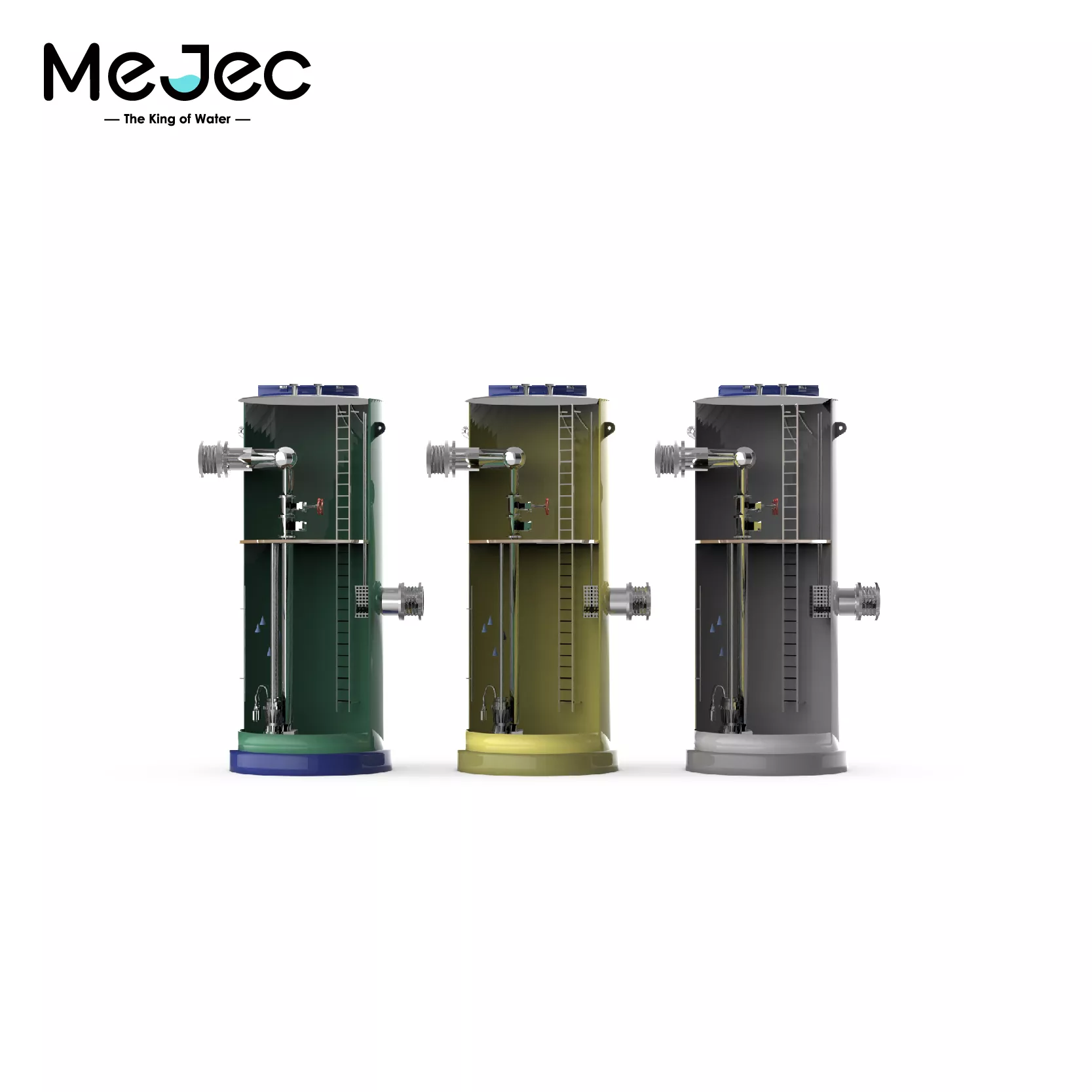
Decentralized & Packaged Plants: For developments or communities needing robust treatment without 24/7 oversight, MABR’s low sludge yield and passive aeration make it ideal for "set it and forget it" operations.
Mejec: Precision Engineering for Optimal Performance

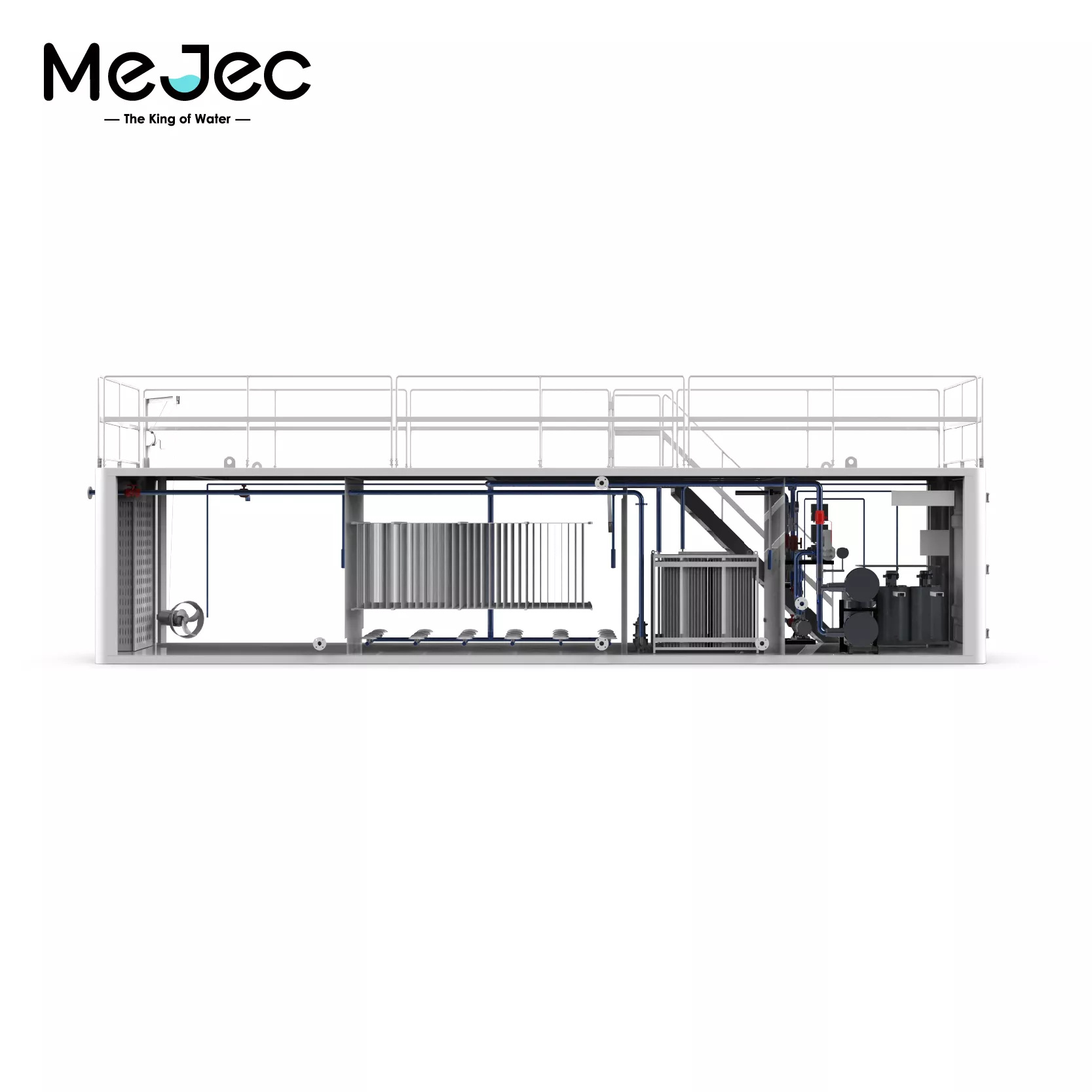
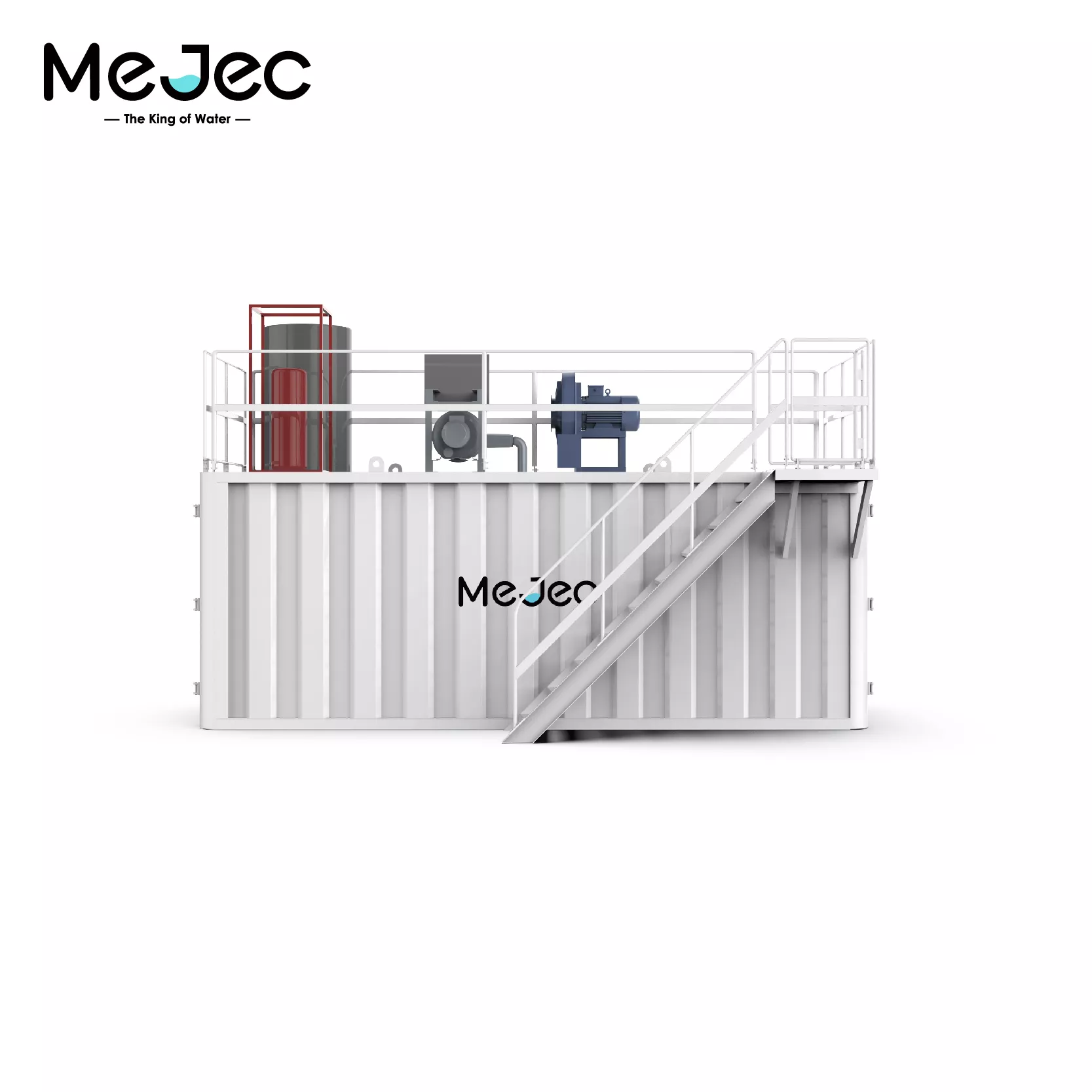
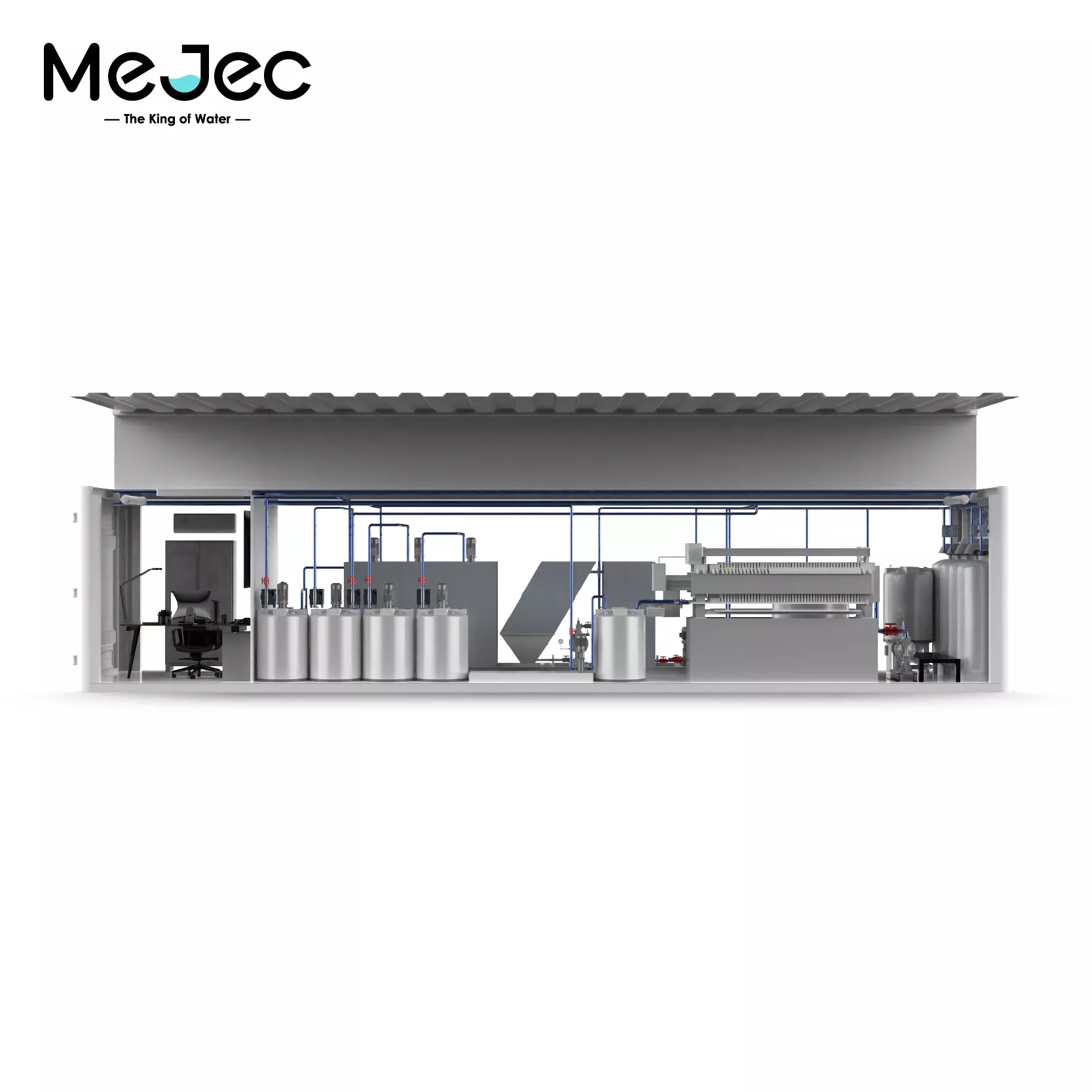
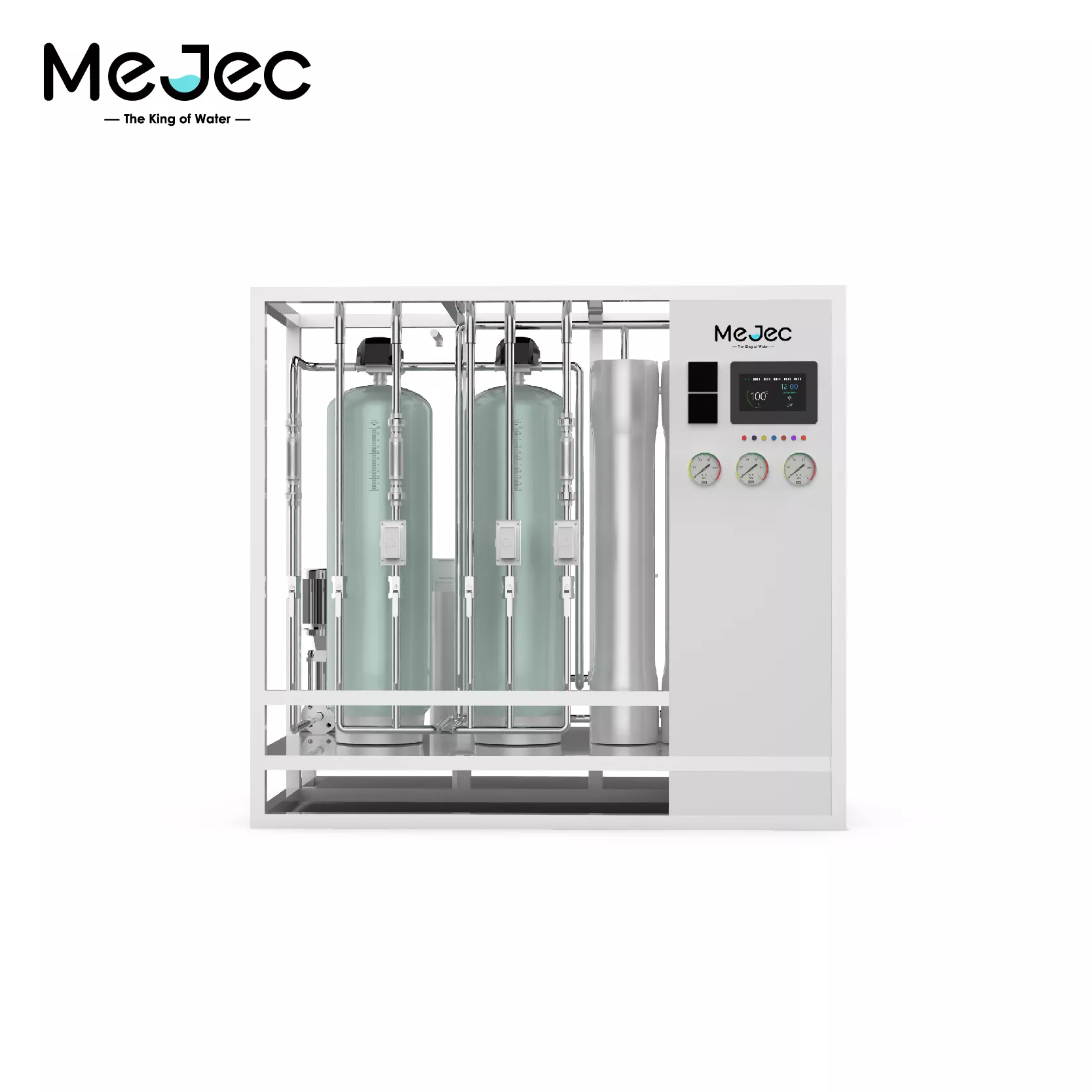
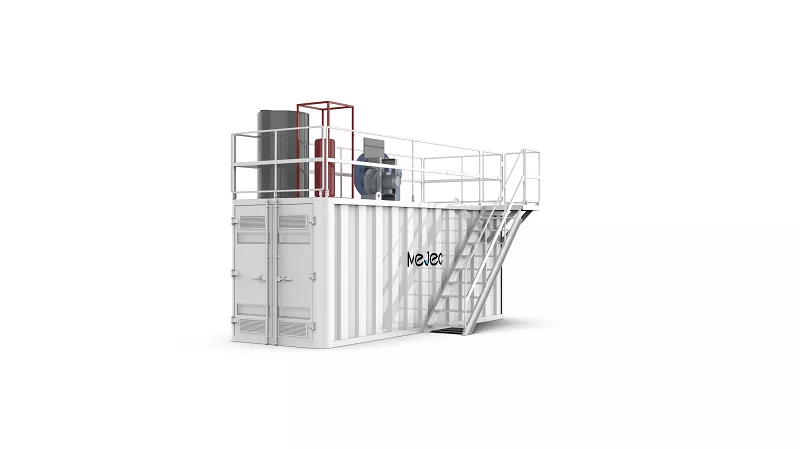
Mejec Containerized MABR Equipment is an innovative, container-based wastewater treatment system built upon Membrane Aerated Biofilm Reactor (MABR) technology.
High Integration, Rapid Deployment: All core process equipment and control systems are integrated within standard containers, allowing for factory prefabrication and rapid on-site installation, significantly shortening the construction cycle.
High Efficiency & Energy Saving, Low Operational Cost: Utilizes breathable membranes for direct oxygen supply with extremely high transfer efficiency, reducing energy consumption by 70-75% compared to traditional aeration.
Enhanced Nitrogen Removal, Effective Treatment: Achieves simultaneous nitrification and denitrification within a single reactor, resulting in high nitrogen removal efficiency and superior effluent quality, particularly effective for high-ammonia nitrogen wastewater.
Compact Footprint, Flexible Application: The modular containerized design requires minimal space, making it highly suitable for decentralized scenarios (e.g., rural areas, scenic spots) with limited land and for emergency wastewater treatment.
Intelligent Control, Stable Operation: Capable of fully automatic, intelligent operation for simplified management; features low sludge production and strong resistance to shock loads, ensuring stable and reliable performance.
Environmentally Friendly and Easily Scalable: The equipment is an enclosed system that minimizes foul odor emissions. Its standardized modular design supports linear capacity expansion through the parallel connection of multiple container units, easily meeting future growth demands.
The Bottom Line
The wastewater industry is undergoing a massive transformation. We are moving away from energy-intensive brute force methods toward sophisticated, biochemical precision tools.
MABR technology stands at the center of this shift. It offers the unique ability to increase capacity, lower energy bills, and meet stringent nutrient limits—all at the same time.
If you are planning a plant upgrade, struggling with high energy costs, or facing a difficult industrial waste stream, Mejec has the expertise and the equipment to deliver a solution that works for your bottom line and the environment.