



.webp)
Top Solutions for Off-Grid Wastewater Treatment in 2026
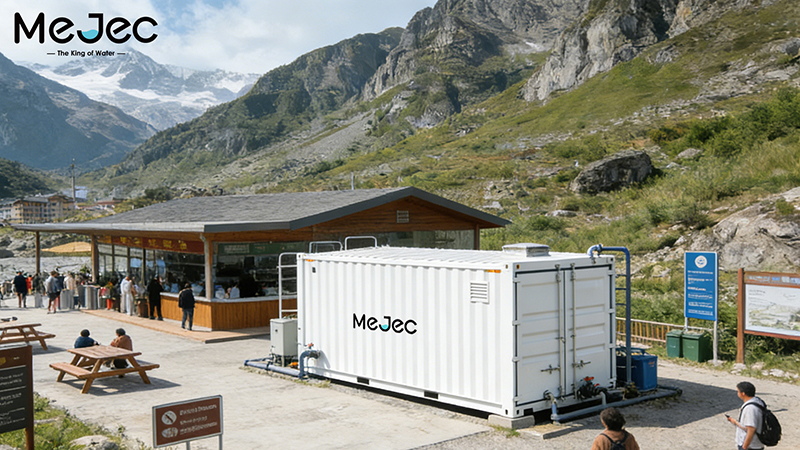
Off-grid wastewater treatment is changing how communities handle water in remote areas. Top wastewater treatment solutions for 2026 include advanced containerized systems, modular plants, and nature-based technologies. The right choice helps protect public health and supports sustainability. Many decentralized systems are now adopted in areas with limited infrastructure. These solutions prevent water pollution and support safe reuse.
Brands like Mejec, Aspiral™, and Homebiogas lead the way with energy-efficient products.
Key Takeaways
Off-grid wastewater treatment solutions protect public health and the environment by preventing water pollution.
Choosing the right system, like modular or nature-based technologies, can save costs and support sustainability.
Decentralized systems, such as composting toilets and greywater systems, are effective for remote areas with limited infrastructure.
Innovative technologies like MABR reduce energy use and improve wastewater treatment efficiency.
Regular maintenance of wastewater systems is crucial for their effectiveness and to prevent environmental issues.
Off-Grid Wastewater Treatment Overview

Key Challenges and Needs
Remote areas often lack access to municipal sewer systems. Many communities depend on on-site options such as septic tanks or composting toilets. These systems may not treat wastewater effectively. Untreated water can contaminate soil, groundwater, and surface water. This contamination increases environmental and health risks. Decentralized wastewater treatment is essential for protecting public health and preserving natural resources.
Meeting the needs of off-grid wastewater treatment requires careful planning. Systems must operate with limited resources and infrastructure. Regulatory compliance is important for sustainable wastewater management. Efficient waste processing helps reduce environmental impact. Technologies like Ecojohn’s incinerator neutralize pathogens without harming soil or groundwater. SepticJohn incinerates waste into sterile ash, ensuring safe and fast processing. The table below highlights critical needs for effective treatment in off-grid locations:
Critical Need | Description |
|---|---|
Regulatory Compliance | Off-grid systems must meet environmental standards to ensure sustainable wastewater management. |
Reduced Environmental Impact | Technologies neutralize pathogens without harming soil or groundwater. |
Efficient Waste Processing | Incineration ensures safe and fast processing regardless of conditions. |
Minimal Resource Requirements | Systems must operate effectively with limited resources and infrastructure. |
Tip: Choose decentralized wastewater treatment solutions that match your site’s resources and regulatory requirements.
Types of Off-Grid Solutions
Off-grid wastewater treatment solutions vary in technology and application. Decentralized systems include greywater systems, composting toilets, septic tanks, aerobic treatment systems, constructed wetlands, and reed bed systems. Each option offers unique benefits for remote areas. The table below shows the main types and their uses:
Type of System | Description | Applications |
|---|---|---|
Greywater Systems | Reuses water from showers, sinks, and washing machines. | Irrigating gardens, flushing toilets, replenishing soil moisture |
Composting Toilets | Converts human waste into compost using aerobic decomposition. | Fertilizing non-edible plants |
Septic Tanks | Breaks down waste using bacteria in underground tanks. | Safe release of treated effluent into drain fields |
Aerobic Treatment Systems | Uses oxygen to enhance waste breakdown efficiency. | More efficient waste treatment |
Constructed Wetlands | Nature-based filtration method for larger volumes of wastewater. | Attracts wildlife, improves biodiversity |
Reed Bed Systems | Uses reeds and cattails to filter greywater or blackwater. | Safe release or irrigation of treated water |
Advantages of decentralized solutions include energy production and cost savings. These systems are practical for small spaces and remote areas. They help reduce long-term waste management costs. Some disadvantages are regular maintenance, potential odor issues, and regulatory constraints. Initial installation costs can be high in certain locations.
Advanced Containerized Wastewater Treatment Solutions
MABR Technology and Benefits
Membrane Aerated Biofilm Reactor (MABR) technology is changing how communities handle wastewater. This technology uses gas-permeable membranes to deliver oxygen directly to the biofilm, making the treatment process much more efficient. MABR systems can reduce energy use for aeration by up to 90%. They are compact and quiet, which makes them suitable for neighborhoods and small municipalities. The table below highlights the main features of MABR technology:
Key Features | Description |
|---|---|
Energy Efficiency | Reduces energy use for aeration by up to 90%. |
Compact Design | Fits medium capacities, ideal for small communities. |
Simultaneous Nitrification and Denitrification | Removes nitrogen efficiently in one tank. |
Low Odor and Noise | Operates quietly and with minimal smell. |
High-Quality Effluent | Produces water safe for discharge or irrigation. |
Low Maintenance and Operating Costs | Simple to run and maintain, with low costs. |
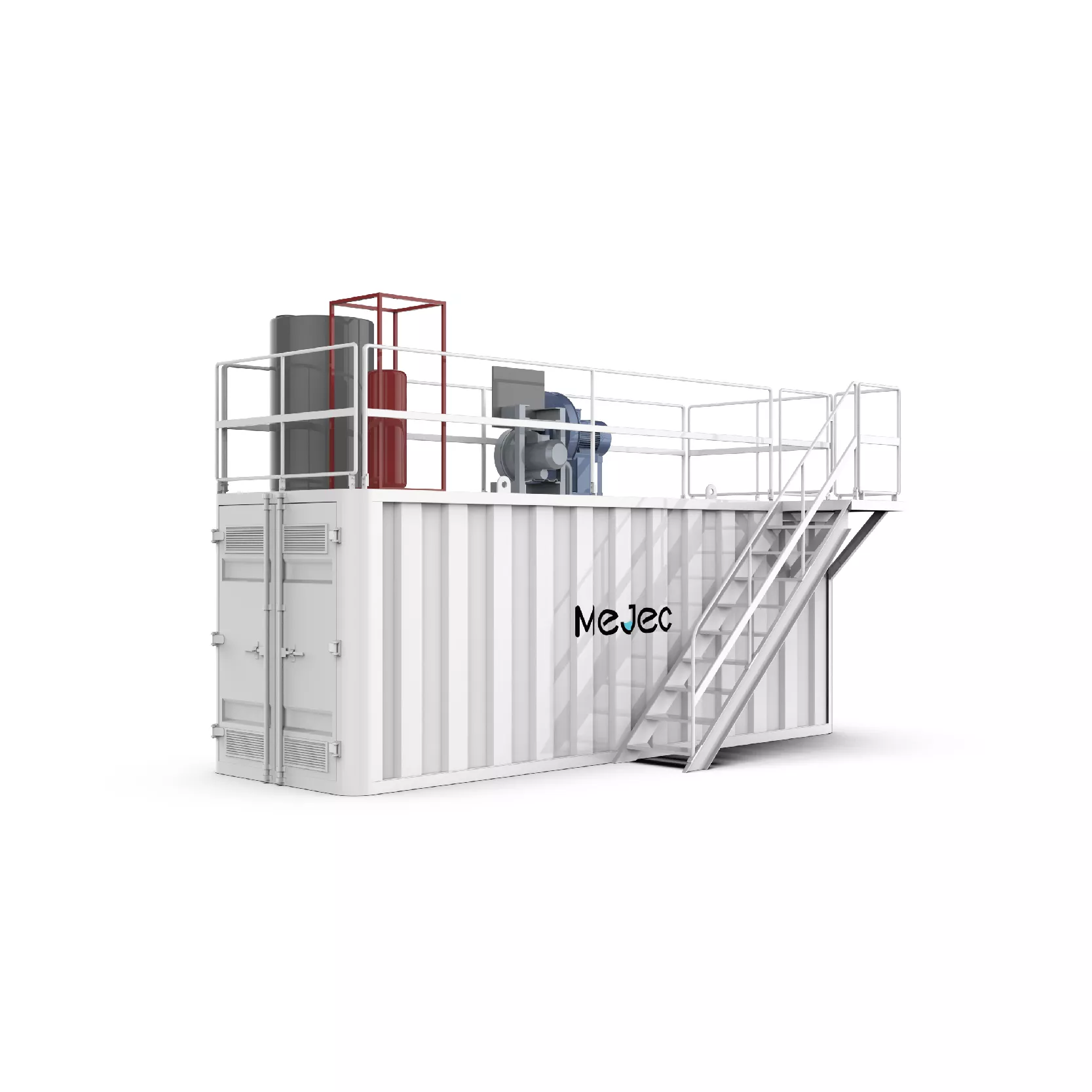
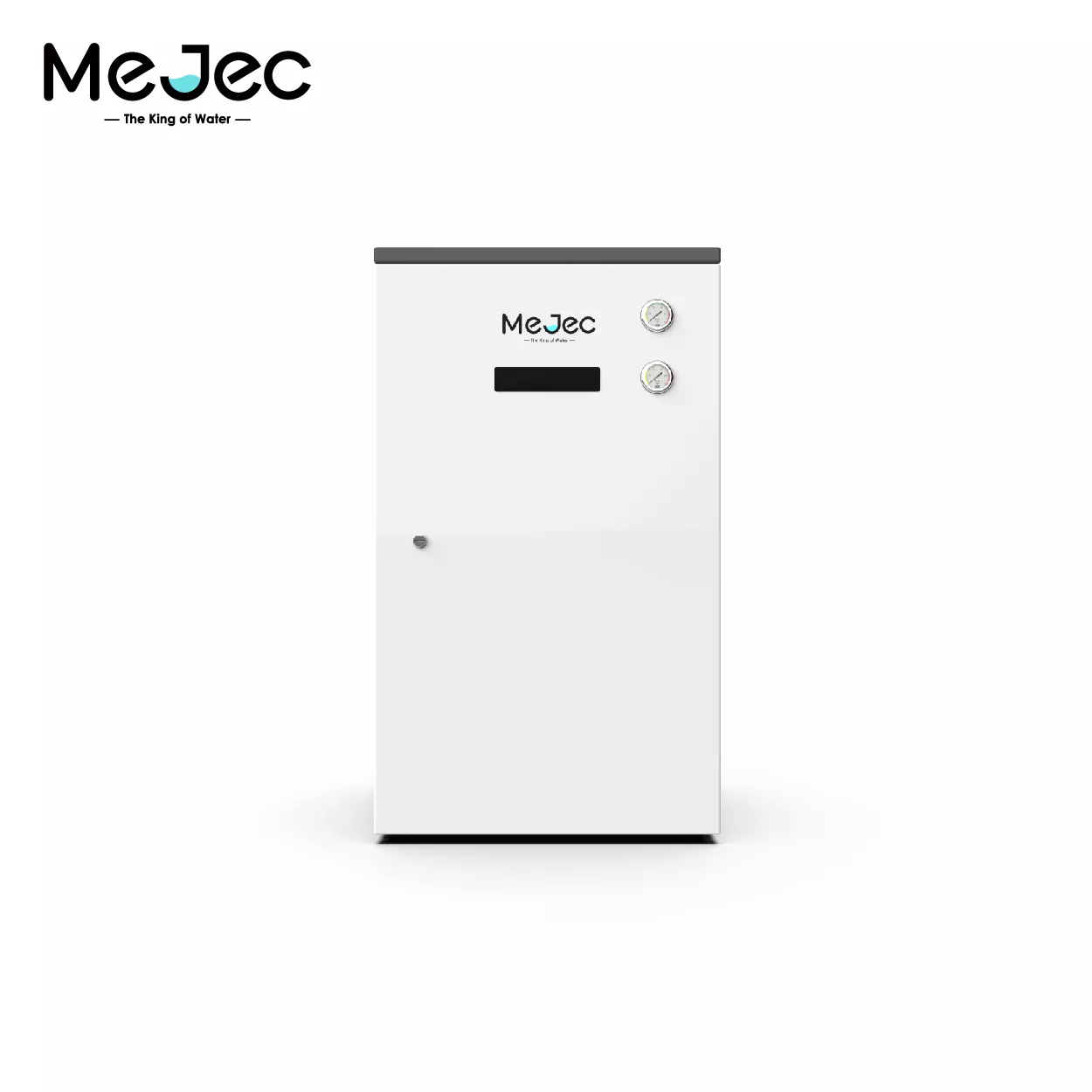
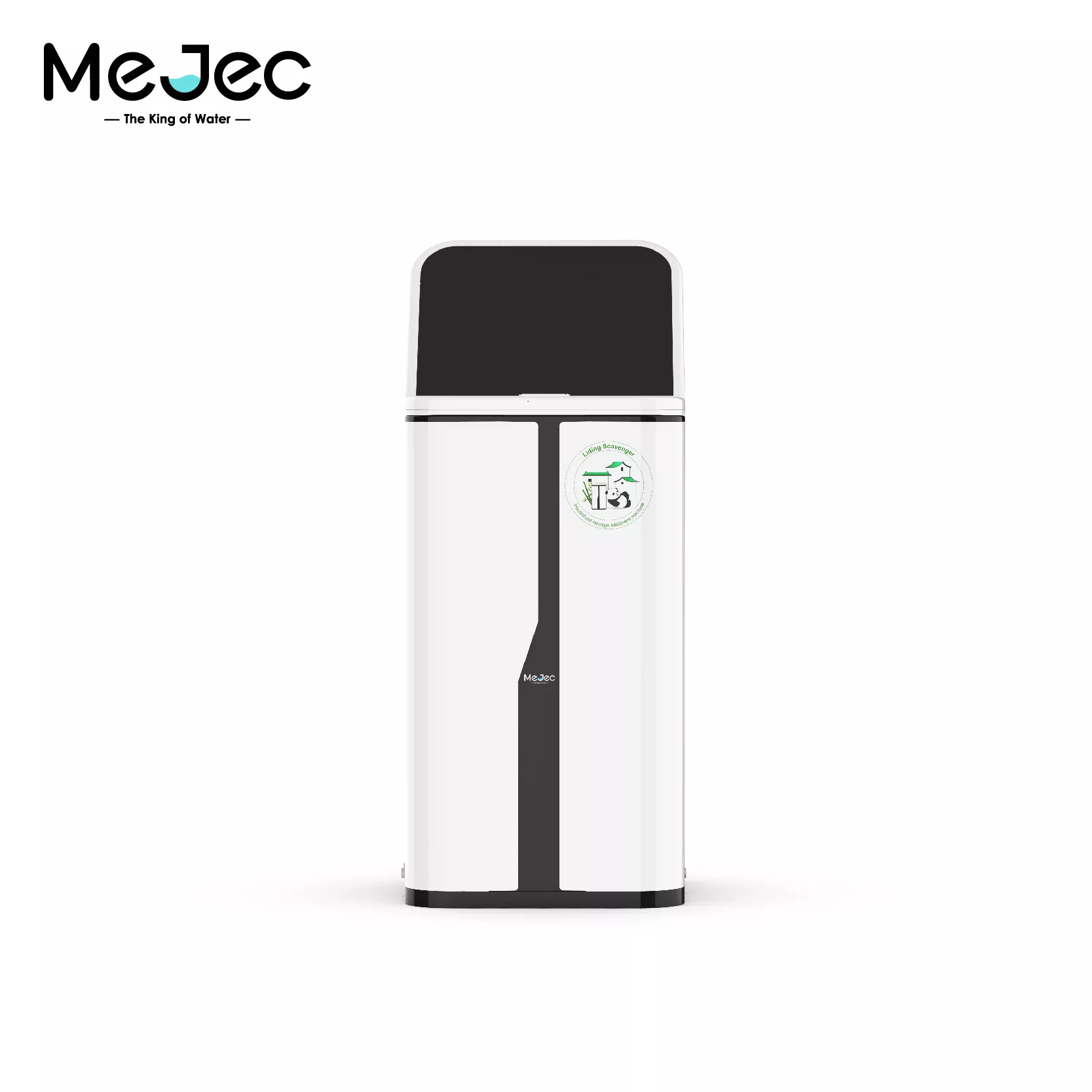
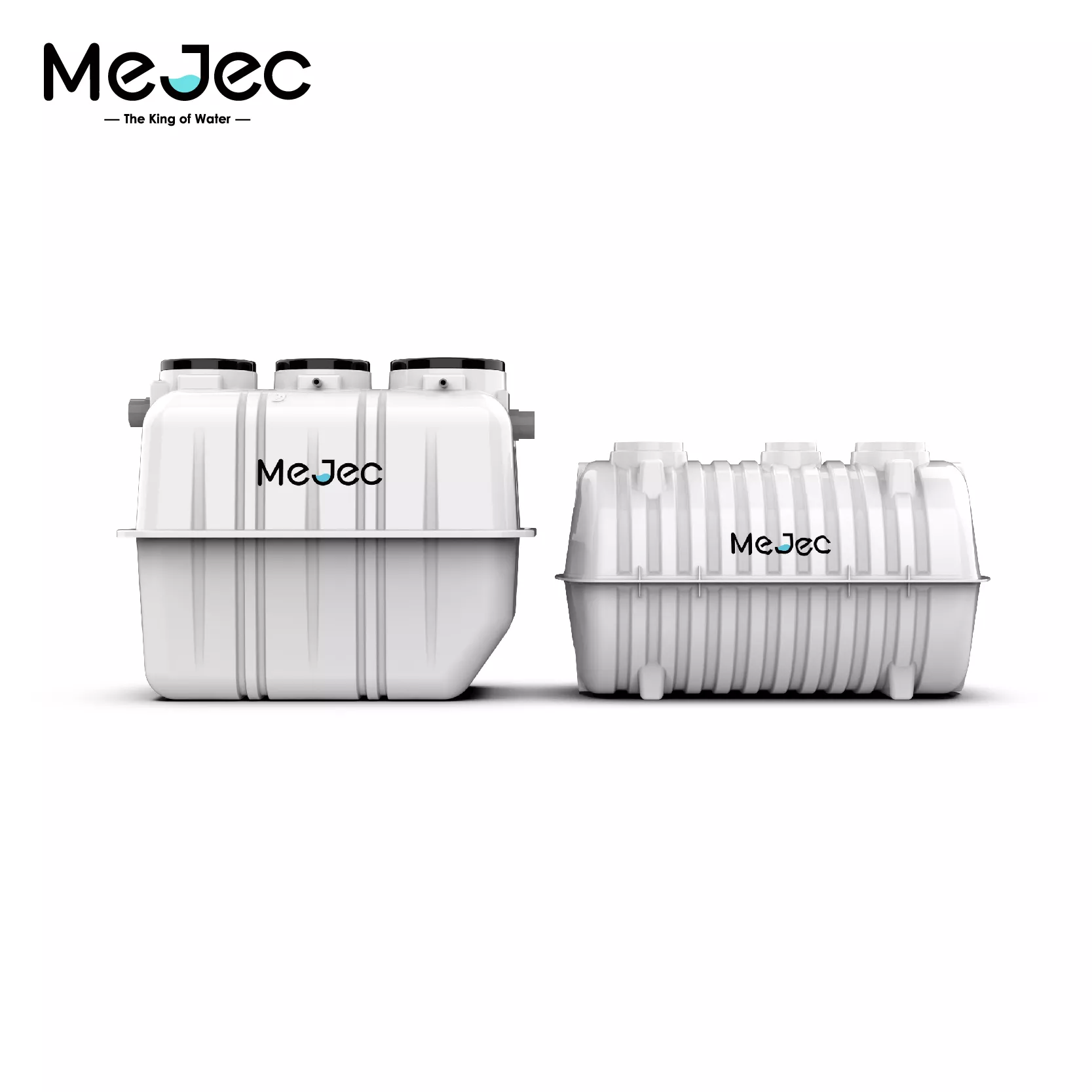
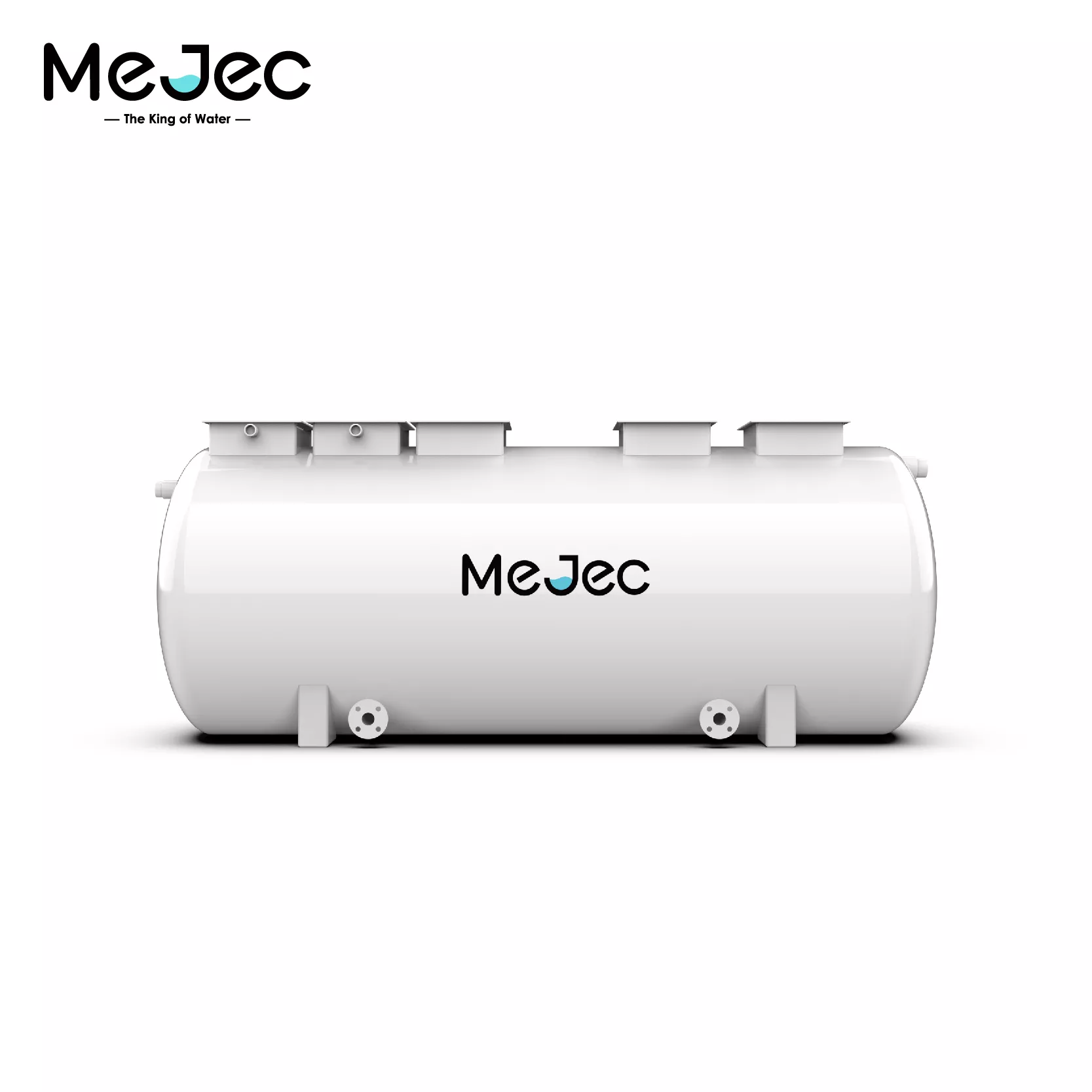
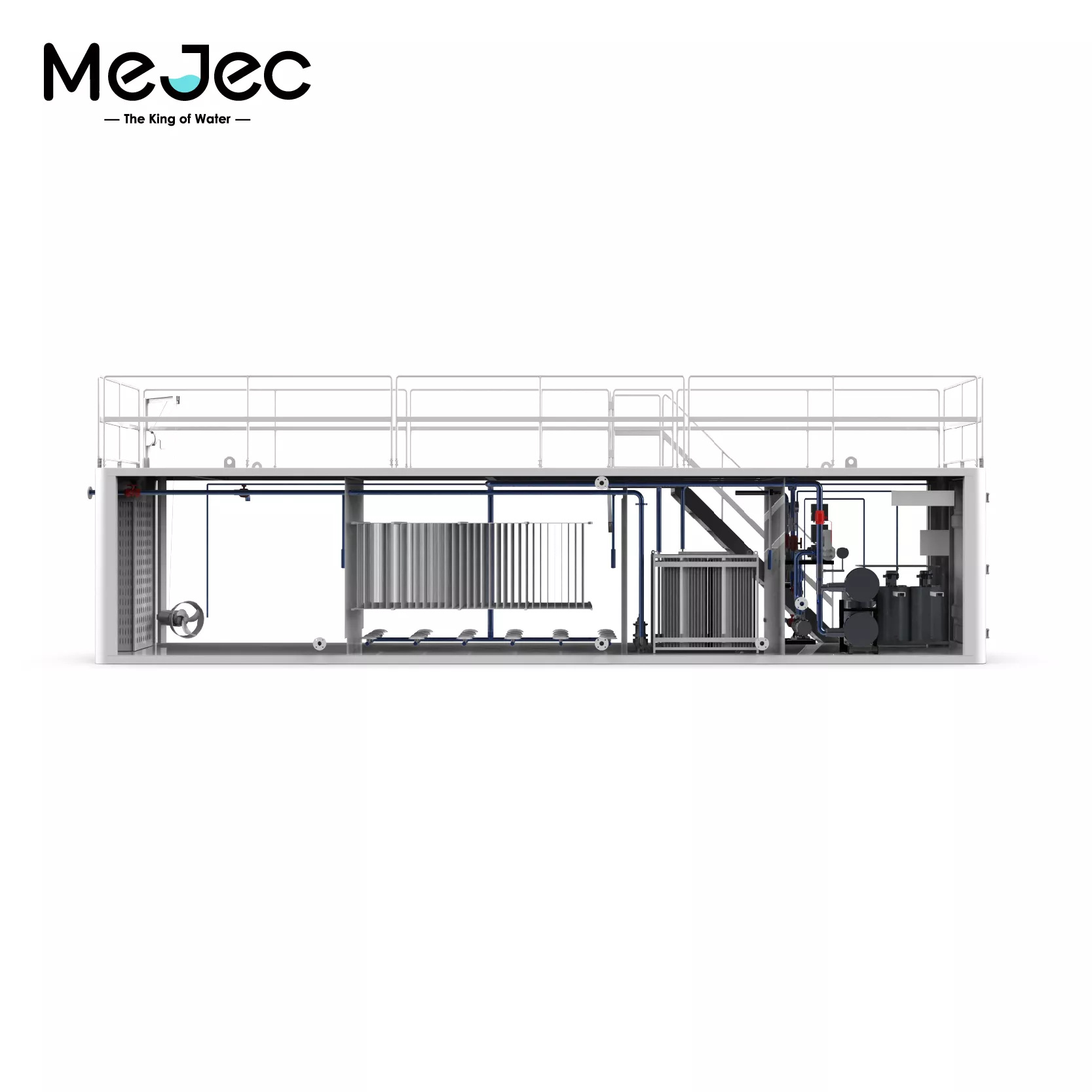
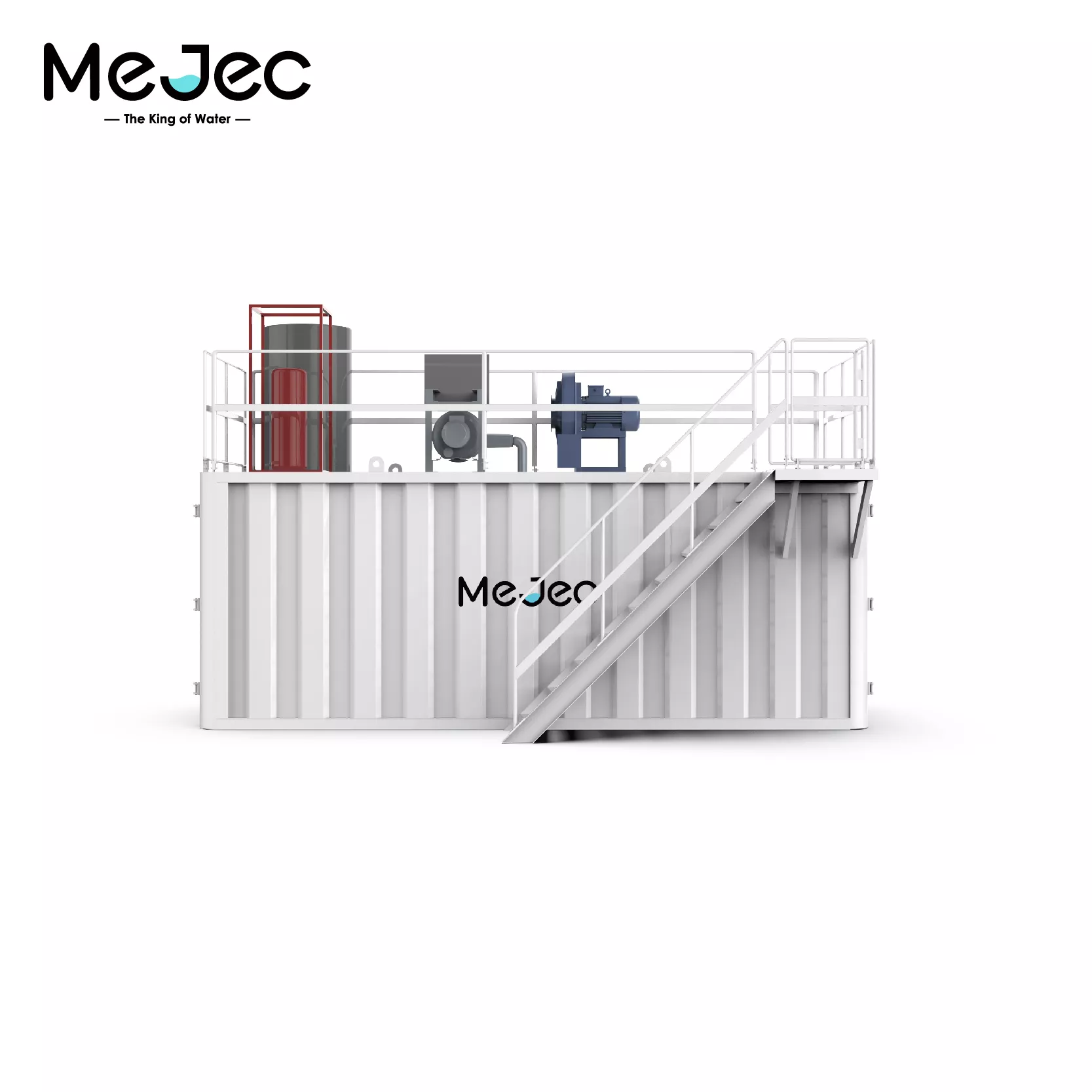
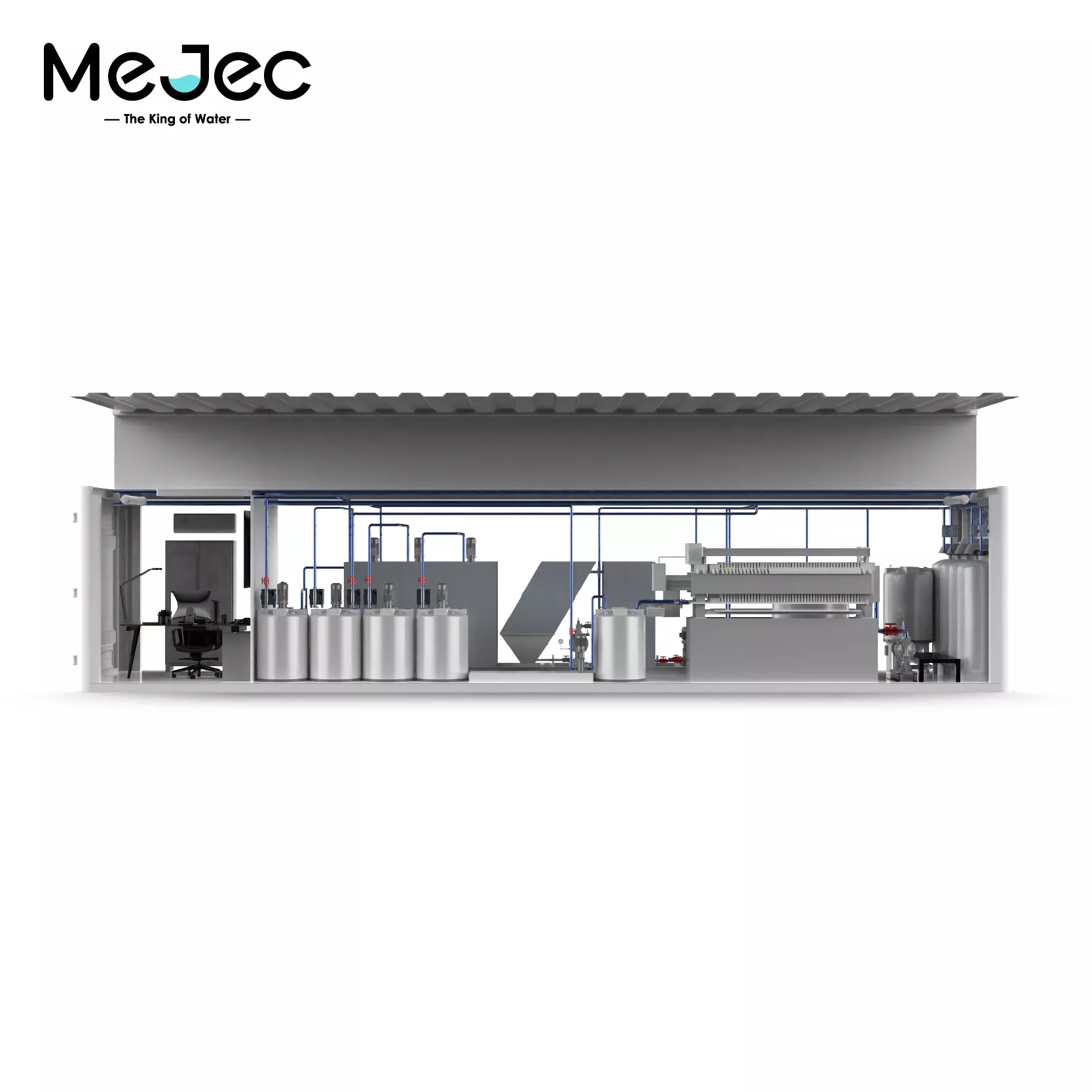
Mejec Containerized MABR System
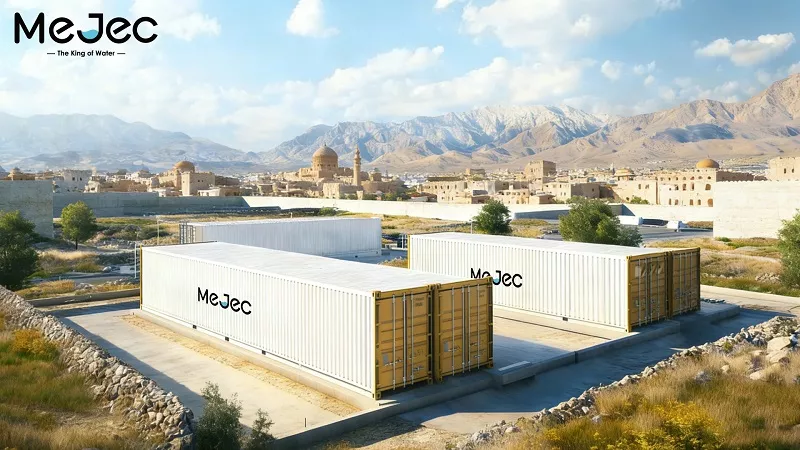
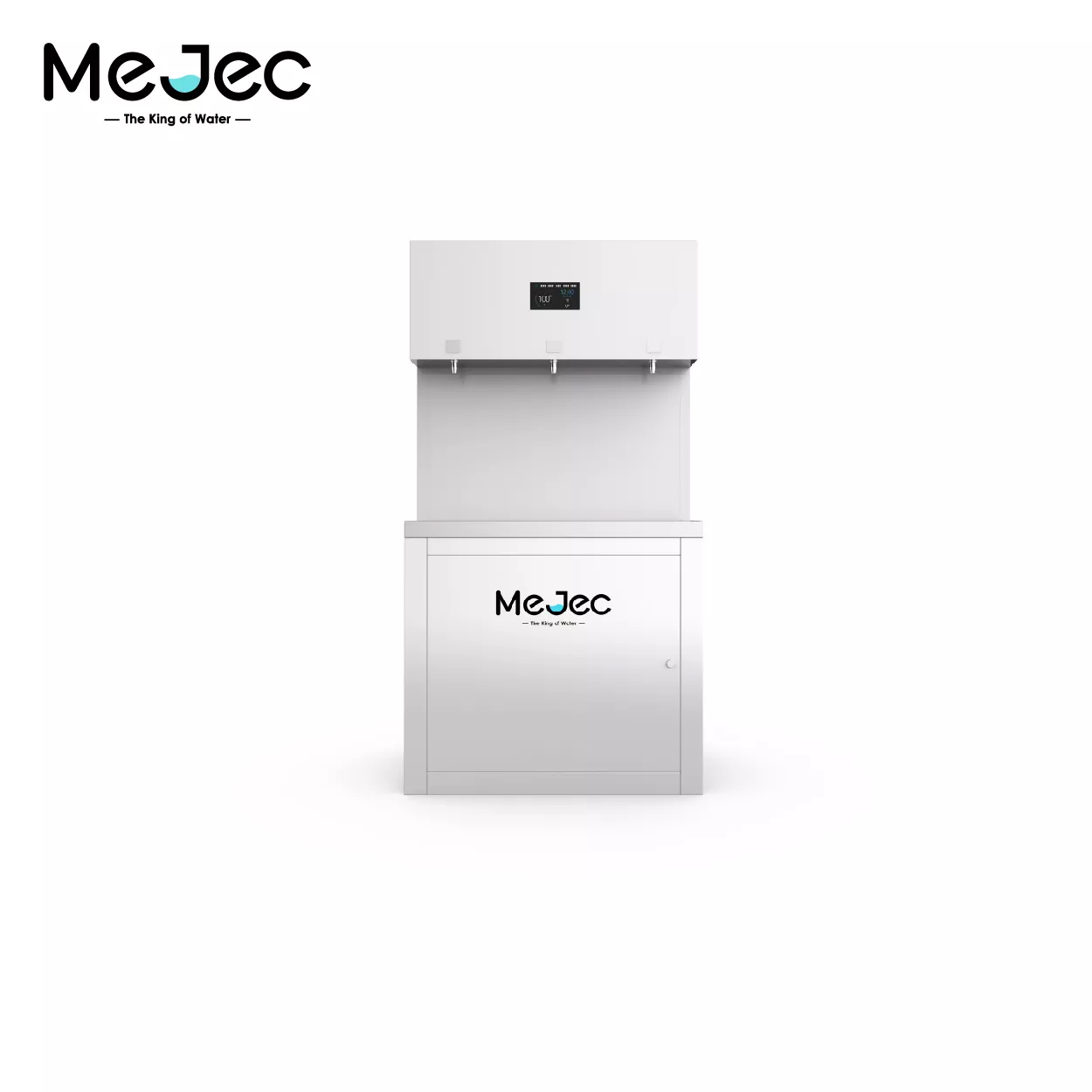
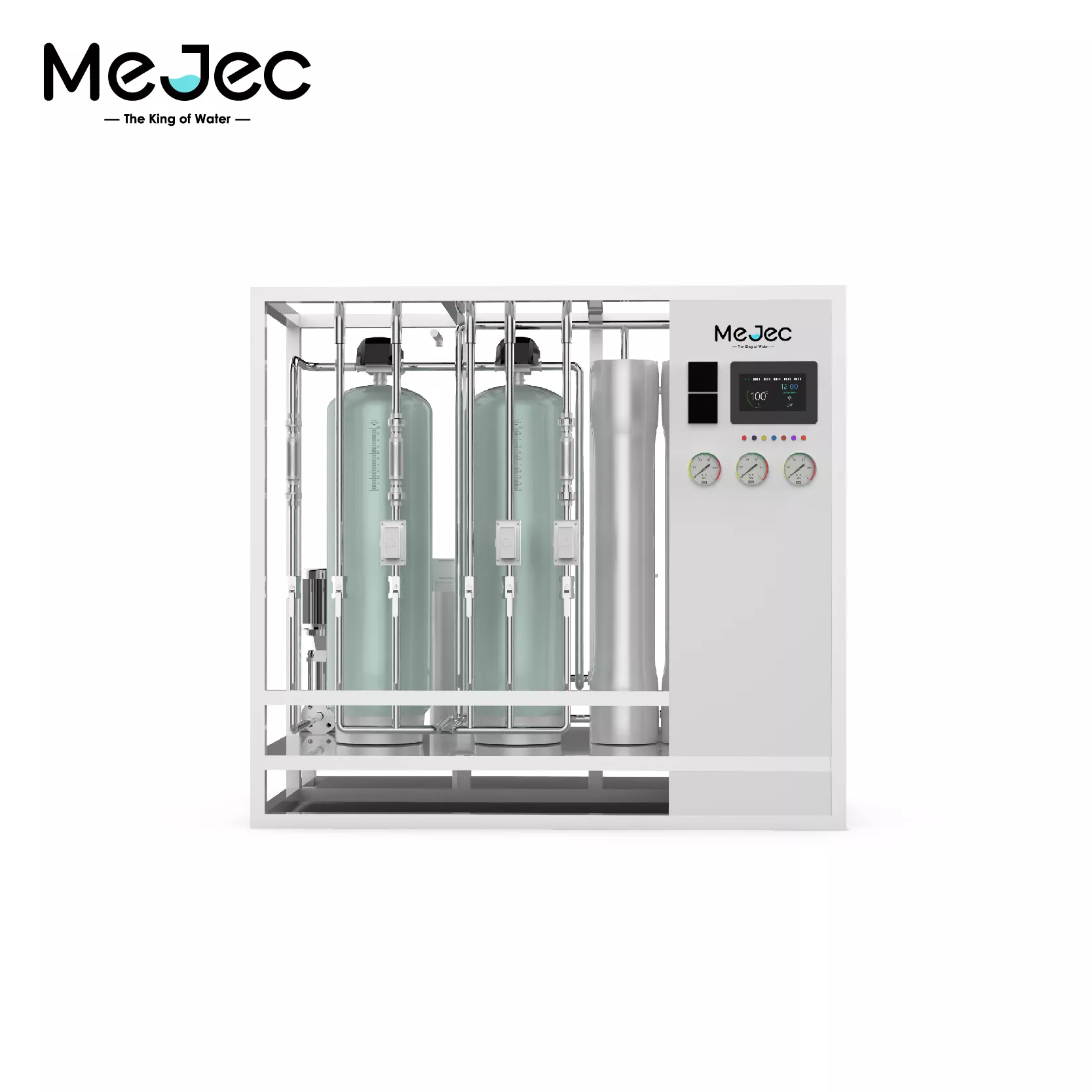
The Mejec Containerized MABR System stands out among decentralized wastewater treatment solutions. It offers a permanent and efficient alternative to traditional septic systems. The system combines advanced primary, secondary, and tertiary treatment methods. It uses a membrane bioreactor or fixed-film media filter to reduce biological oxygen demand, suspended solids, and pathogens. Final purification steps allow for safe reuse of treated water, such as for landscape irrigation. Mejec’s system is designed for remote homes, agricultural sites, eco-tourism resorts, and temporary work camps. It produces effluent that meets or exceeds EPA’s Class 1A reclaimed water standards. In India, decentralized systems like Mejec have reduced biological oxygen demand by over 85% and total suspended solids by up to 90%.
Mejec’s prefabricated design allows for rapid deployment and easy setup in off-grid locations, supporting sustainable wastewater management.
Other Innovative Systems (Aspiral™, Homebiogas)
Aspiral™ and Homebiogas also offer advanced decentralized wastewater treatment options. Aspiral™ uses MABR technology to combine nitrification and denitrification in one tank, which lowers energy use and operating costs. Its modular design makes it easy to scale for different needs, from urban to off-grid environments. Homebiogas systems are compact and efficient, making them suitable for small communities in remote areas. Both Aspiral™ and Homebiogas can treat blackwater and greywater, providing high-quality effluent that meets environmental standards. These systems are ideal for decentralized wastewater treatment in places where traditional infrastructure is not available.
Key advantages of containerized wastewater treatment solutions:
Quick setup and operation in remote areas
Low energy consumption
Portability and flexibility for different applications
Containerized systems help communities respond quickly to emergencies and support long-term decentralized wastewater treatment.
Decentralized Wastewater Treatment Systems
Small-Scale and Modular Systems
Small-scale and modular systems are changing how communities manage wastewater. These systems treat wastewater close to where it is produced. This approach reduces the need for long pipelines and large treatment plants. Many companies lead the market with these solutions, including Veolia, Xylem Inc., Fluence Corporation, and Kingspan Environmental Ltd. Modular systems can be expanded as a community grows. They are used in many places, such as oil and gas fields in Texas, rural villages in India, and urban recycling projects in San Francisco. These systems protect the environment, allow water reuse, and improve sanitation in small communities.
Modular systems offer cost savings and flexibility for off-grid wastewater treatment.
Characteristic | Decentralized Systems | Centralized Systems |
|---|---|---|
Cost | Lower installation and operational costs | Higher costs due to extensive infrastructure |
Flexibility | Can be tailored and scaled as needed | Less flexible, fixed capacity |
Resource Recovery | Potential for water, nutrients, and energy recovery | Limited resource recovery options |
Infrastructure Requirements | Minimal, no extensive sewer networks needed | Extensive sewer networks and pumping stations required |
Maintenance | Simpler, lower energy requirements | More complex, higher energy needs |
Deployment | Faster and can be incremental | Slower, requires full infrastructure setup |
Environmental Impact | Lower energy for pumping, easier reuse | Higher energy consumption, more waste |
Installation and Maintenance
Decentralized wastewater treatment systems are designed for easy installation in remote areas. They do not need large sewer networks, which makes them practical for off-grid locations. Installation usually involves placing the system near the source of wastewater. This reduces costs and avoids the need for long pipelines. Regular maintenance is important. Tasks include checking the system, pumping out tanks, and replacing worn parts. These steps keep the system running well and prevent environmental problems. Localized treatment also supports phased investments, so communities can add capacity as needed.
Suitability for Off-Grid Locations
Decentralized systems work well in off-grid locations. They adapt to local conditions, such as climate and geography. For example, they use less energy for pumping, which is important where power is limited. Treated water can be reused for irrigation, helping areas with water scarcity. Factors like plant location, climate, and soil type affect which system is best. These systems support sustainable wastewater management in remote areas by providing reliable treatment and resource recovery.
Off-grid wastewater treatment now offers both innovative and traditional solutions. Modern systems focus on energy sustainability and resource recovery, while traditional methods remain cost-effective for many rural areas. Choosing the right system means considering site needs, budget, and local regulations. Community engagement and professional guidance improve project success.
Checklist for Selecting a System:
Assess site conditions and water needs
Review local regulations and incentives
Compare costs and maintenance
Involve community members
Consult wastewater professionals
Sustainable solutions protect health, support local economies, and help the environment.
FAQ
What is greywater and why is it important for off-grid wastewater treatment?
Greywater comes from sinks, showers, and washing machines. It does not include toilet waste. Treating greywater helps reduce water use. Many off-grid systems recycle greywater for irrigation or toilet flushing. This process saves water and protects the environment.
How can I safely reuse greywater in a remote location?
You can reuse greywater for watering plants or flushing toilets. Use a filter to remove solids. Make sure the system does not mix greywater with blackwater. Always follow local rules for greywater reuse. Safe greywater management prevents pollution and health risks.
Which systems are best for treating greywater in off-grid homes?
Many off-grid homes use simple filters, constructed wetlands, or reed beds for greywater. Containerized systems like Mejec or Homebiogas also treat greywater. Choose a system that matches your water needs and climate. Good greywater treatment improves water reuse and reduces waste.
Does greywater treatment require a lot of maintenance?
Most greywater systems need regular checks. Clean filters and pipes often. Remove solids from tanks. Some advanced systems have smart controls for easier management. Proper care keeps greywater systems working well and extends their life.
Can greywater systems handle both blackwater and greywater?
Some advanced systems treat both blackwater and greywater. Mejec and Aspiral™ offer this feature. Many basic systems only treat greywater. Always check the product details. Using separate systems for blackwater and greywater can improve safety and efficiency.