



.webp)
The Benefits of Small-Scale Modular Water Treatment Solutions
Modular water treatment offers a smart approach to managing water in many settings. These systems lower costs and help users stay within budget. Factory construction reduces labor and material waste, saving money and time.
Many industries now choose modular water treatment solutions for their flexibility and quick setup.
Benefit | Description |
|---|---|
Shorter project timelines | Faster deployment means earlier operation and lower financing costs. |
Reduced environmental impact | Off-site assembly cuts carbon emissions and improves land use. |
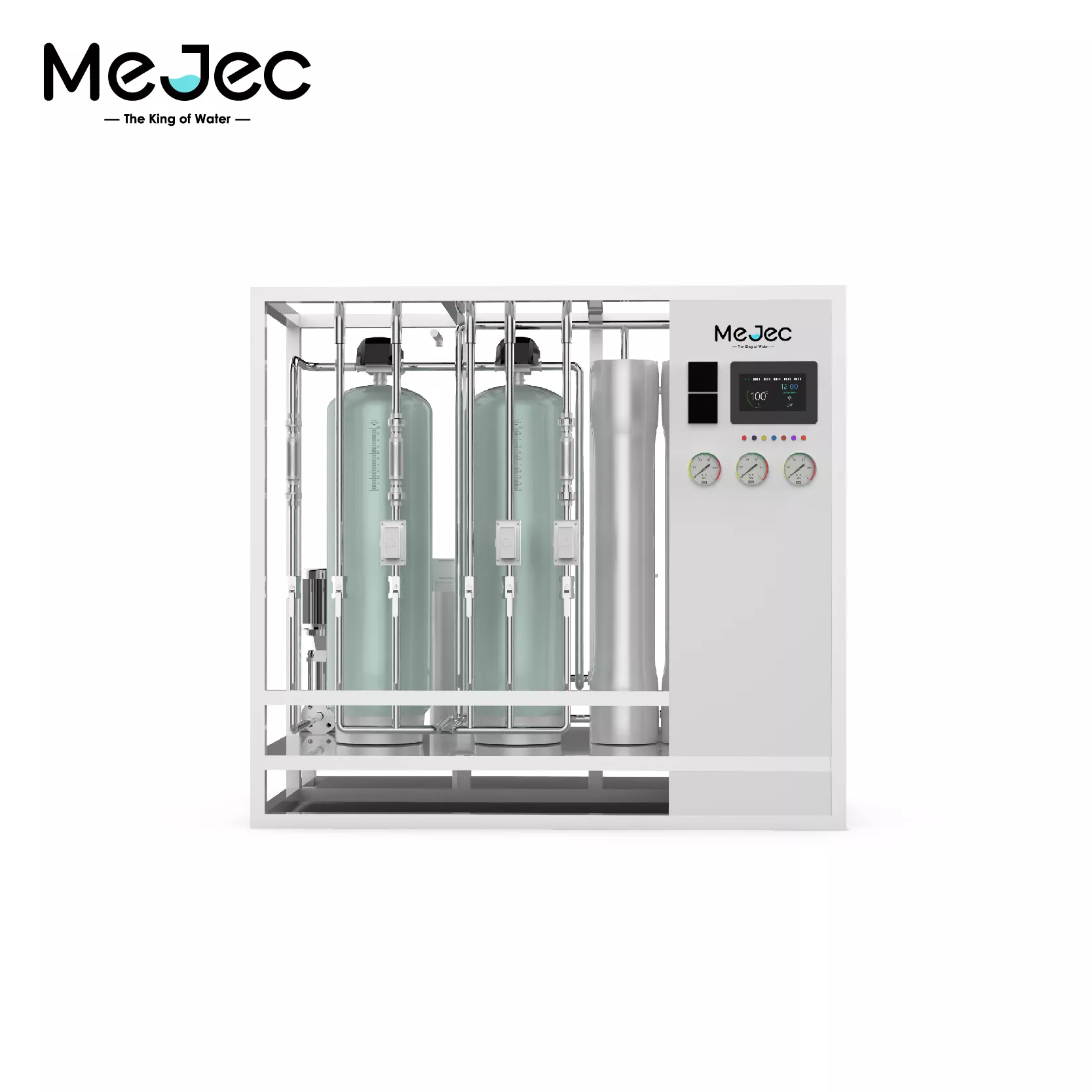
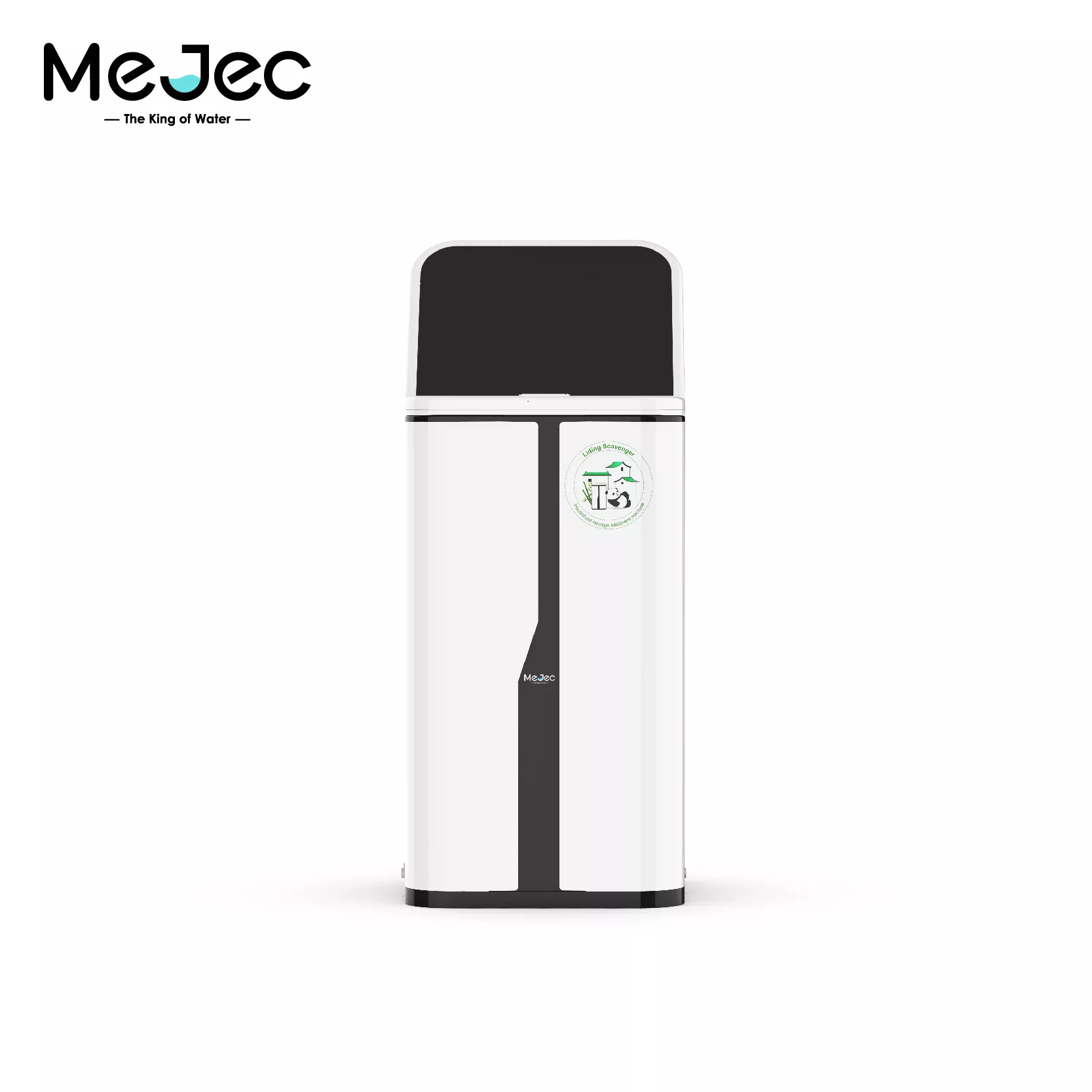
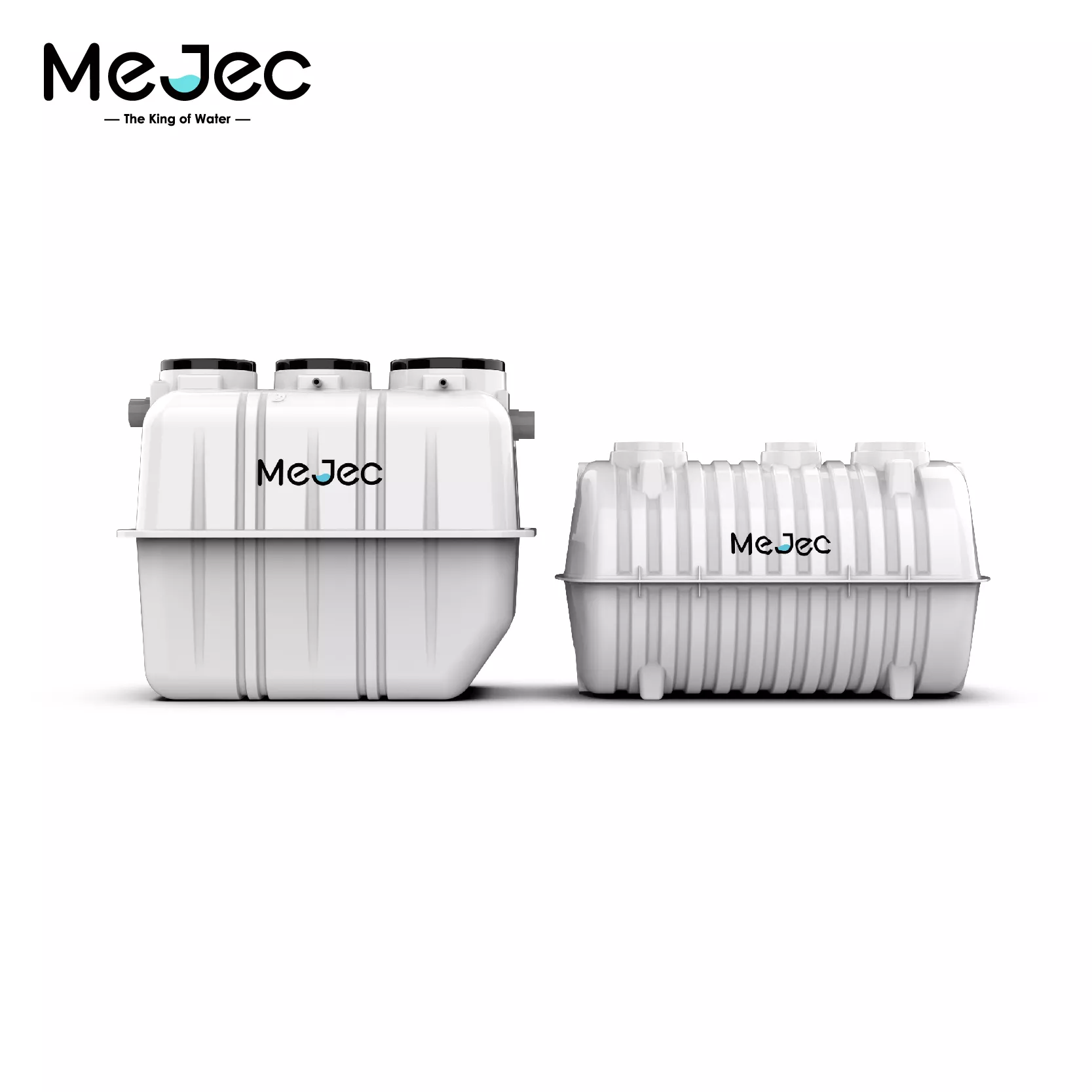
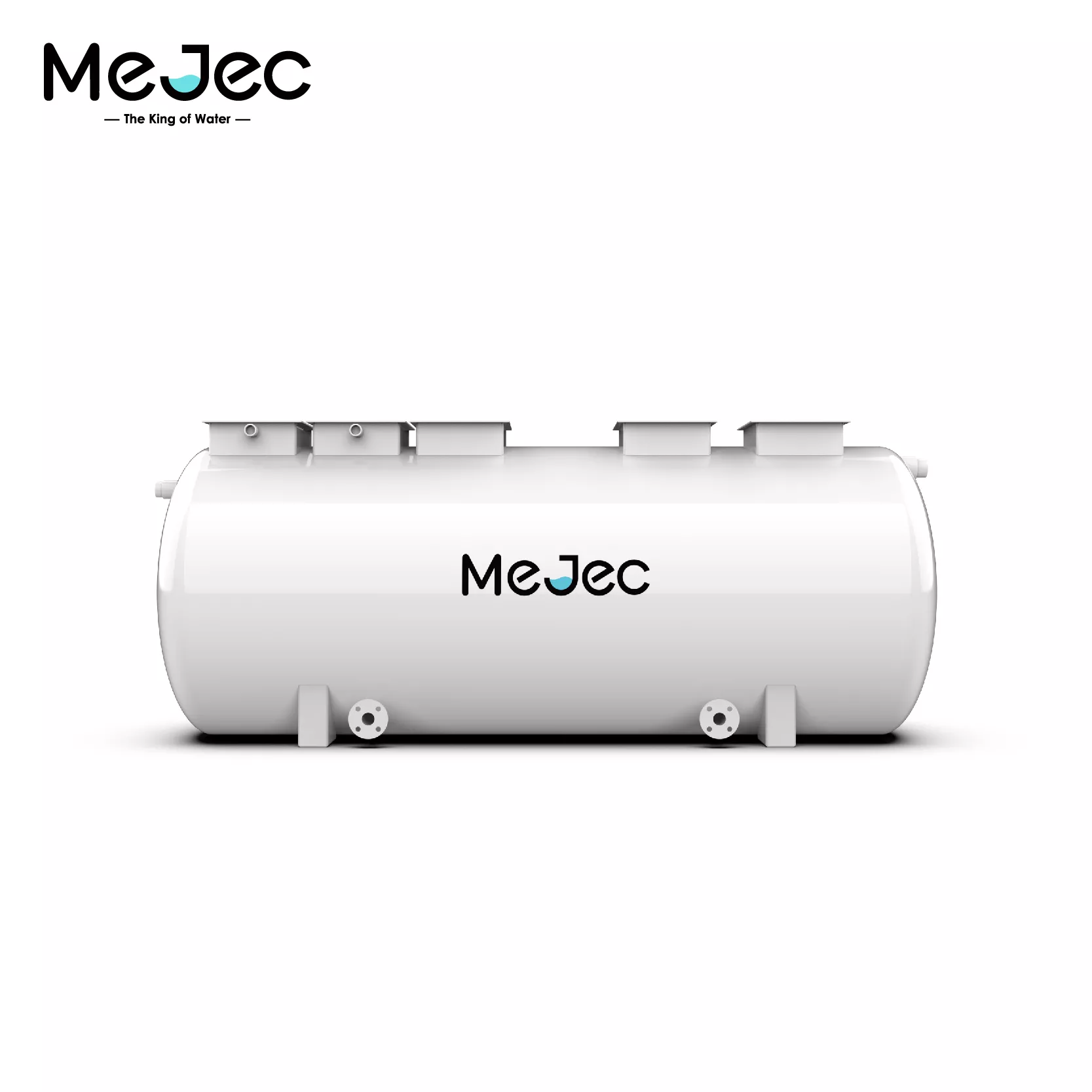
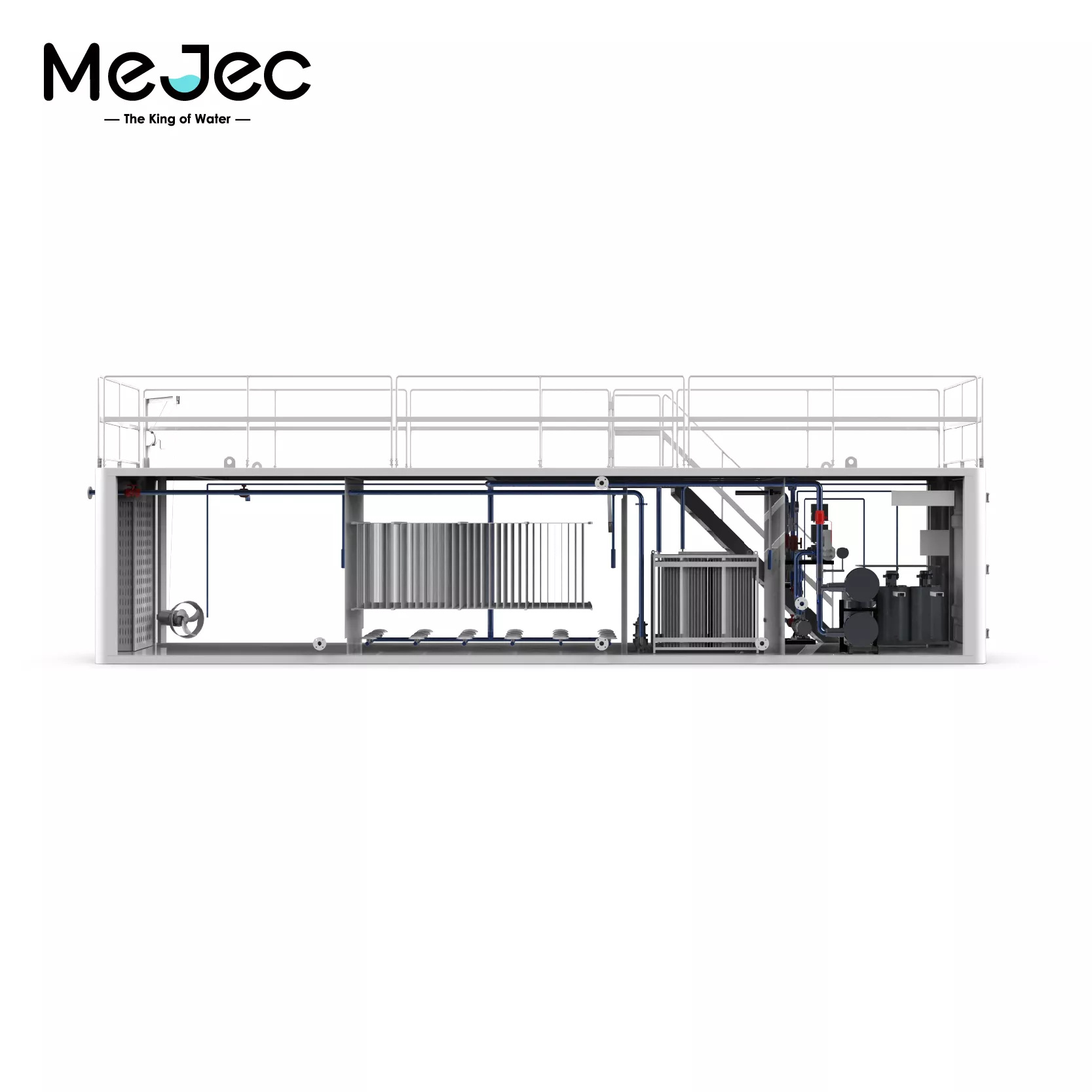
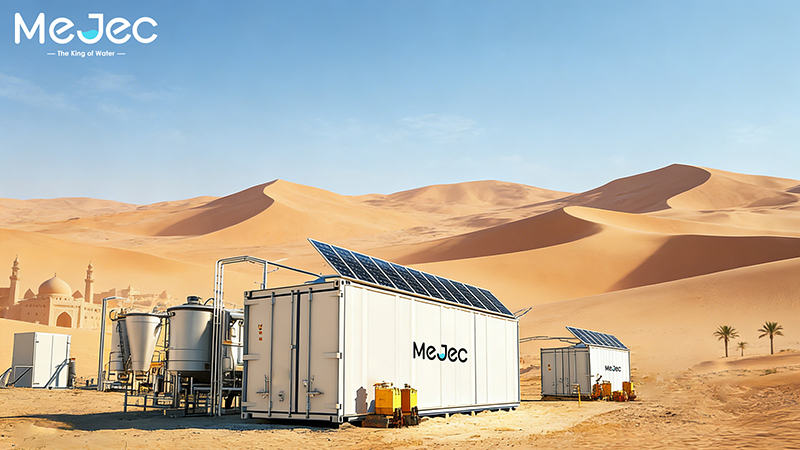
The global market for mobile water treatment systems is growing fast, with demand from places facing drought or old infrastructure. Mejec’s containerized plant shows how advanced technology can deliver reliable results in healthcare, industry, and rural areas. These solutions fit many needs and can adapt as demands change.
Key Takeaways
Modular water treatment systems offer rapid deployment, allowing communities to access clean water quickly in emergencies.
These solutions are cost-effective, reducing both capital and operational expenses through efficient factory construction.
Flexibility is a key advantage; modular systems can easily expand or adapt to changing water treatment needs.
User-friendly designs simplify operation and maintenance, making it easier for operators with varying technical backgrounds.
Sustainability is enhanced through reduced environmental impact and support for water reuse, benefiting both communities and the planet.
Rapid Deployment with Modular Water Treatment
Fast Setup in Remote and Emergency Sites
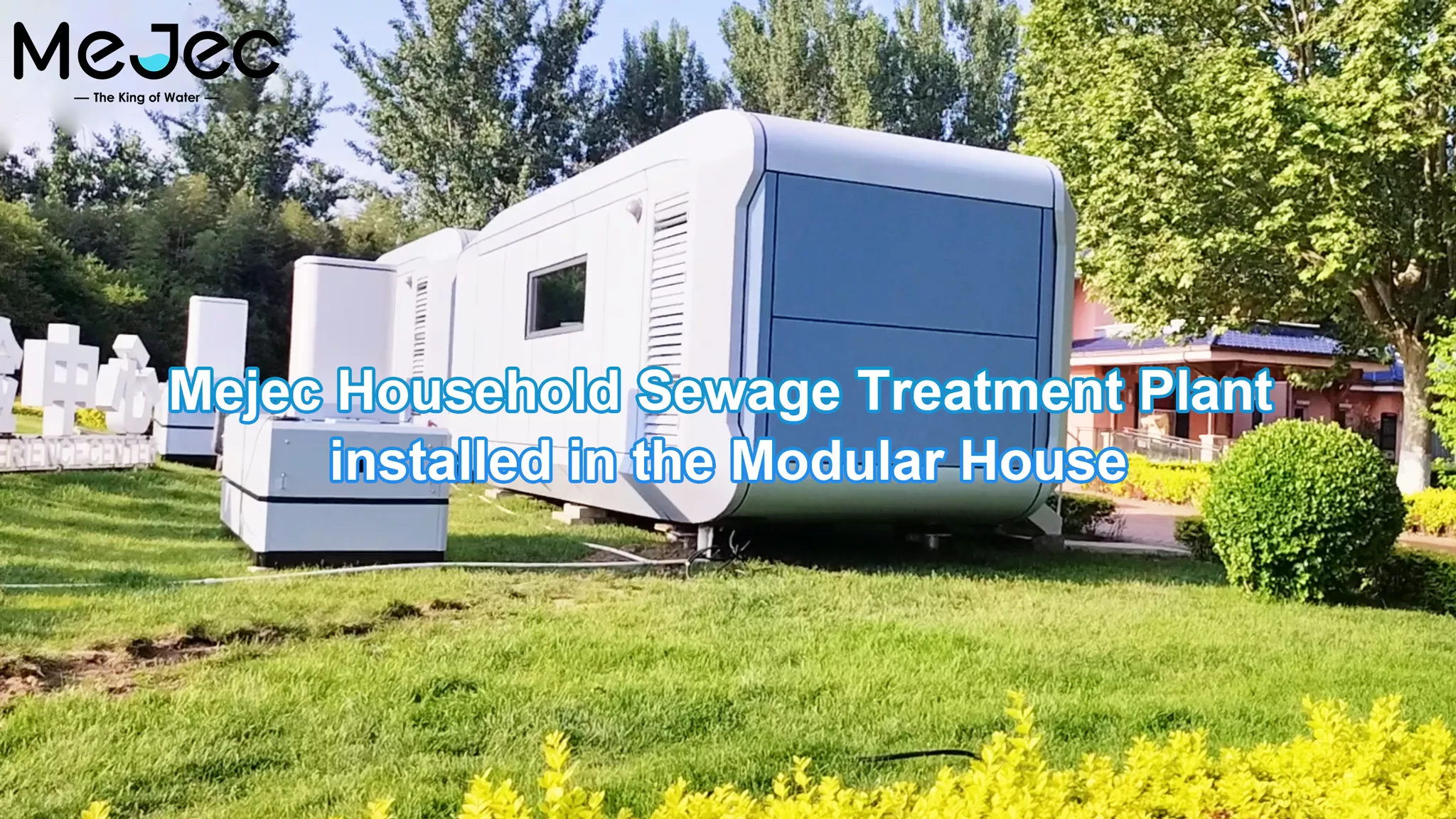
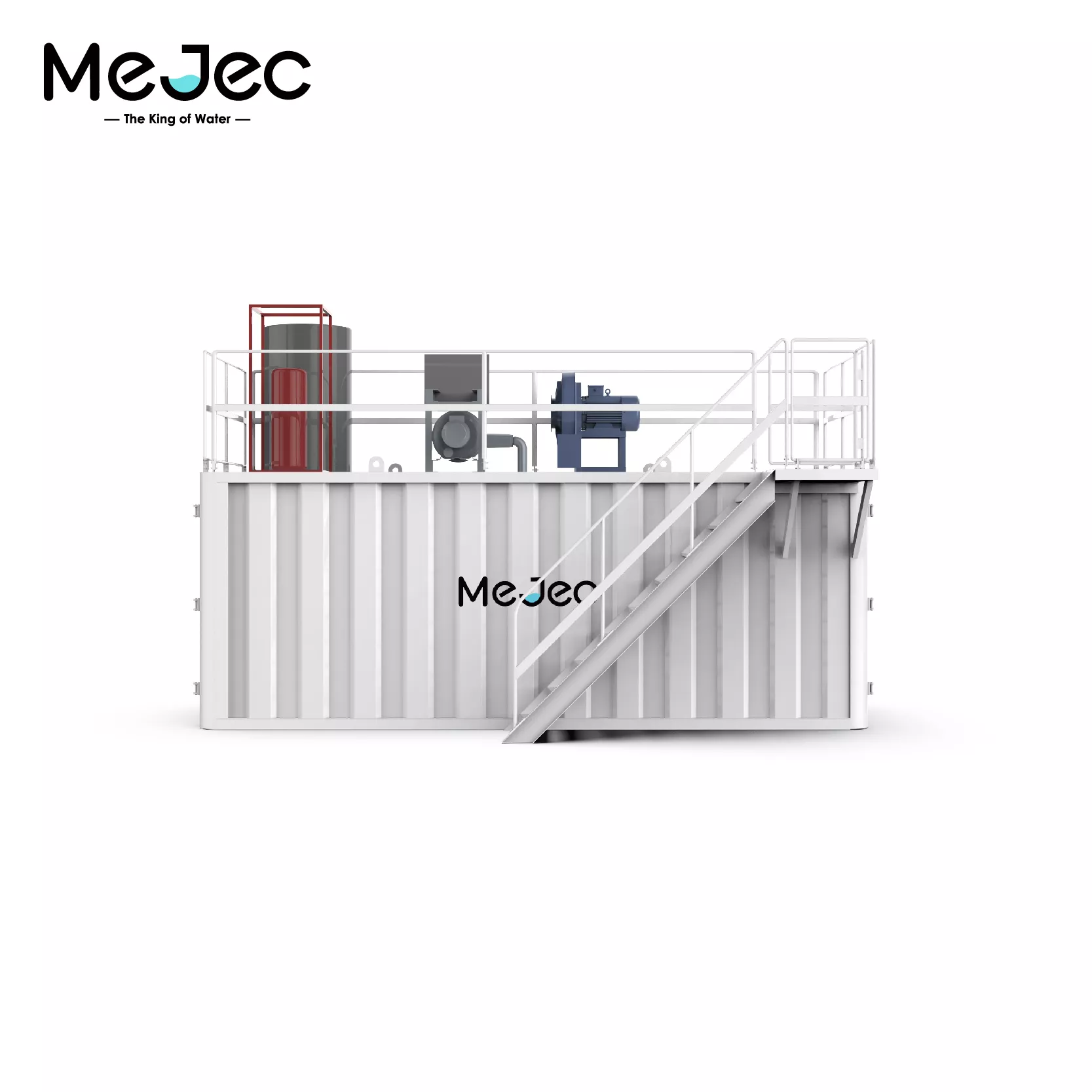
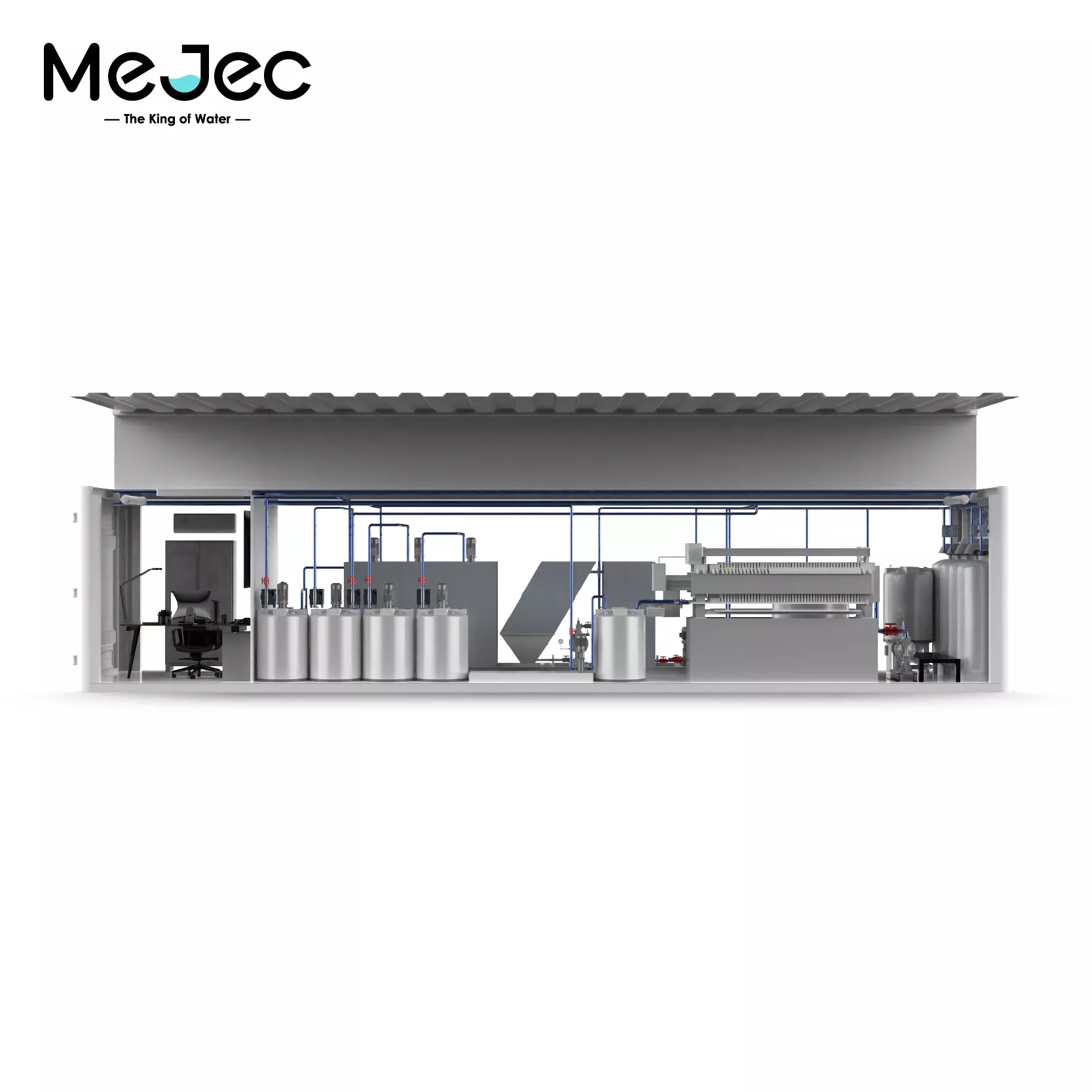
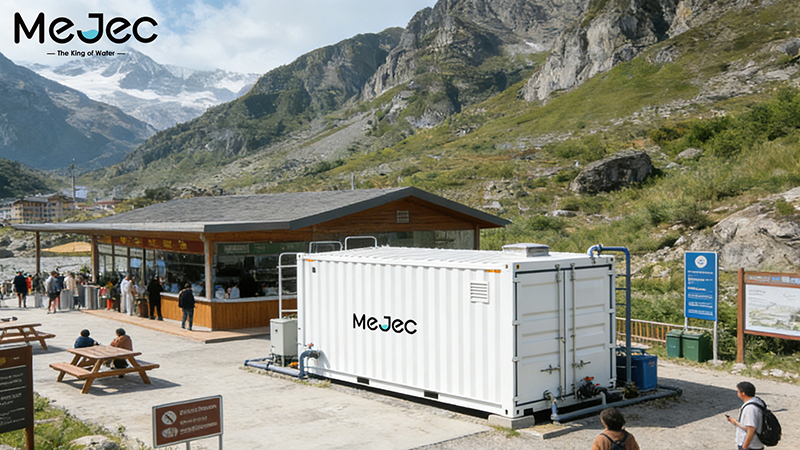
Modular water treatment solutions offer a fast response for communities and industries that need clean water quickly. These systems arrive preassembled and nearly operational, which simplifies setup and reduces the time needed to start treating water. Mejec’s Containerized Domestic Wastewater Treatment Plant demonstrates this advantage. It can be delivered to rural villages, scenic parks, or industrial zones and begin operation in weeks rather than years.
Many sites face challenges such as lengthy timelines and budget overruns. Modular water treatment systems address these issues by providing faster deployment and lower lifecycle costs. The table below shows how common challenges are solved:
Challenge | Solution |
|---|---|
Lengthy timelines | Faster deployment |
Budget overruns | Lower lifecycle costs |
Significant site disruption | Scalability and portability |
Mobile water treatment trailers and portable units are ideal for emergency situations. They can restore water services after disasters or support temporary events. Deployable water treatment systems help communities recover quickly and maintain safe water supplies.
Minimal Site Preparation Required
Modular water treatment systems require very little site preparation. Unlike traditional plants, modular facilities eliminate the need for extra building structures. Their small footprint makes installation easier and faster. Operators spend less time on-site because these systems include telemetry and remote access.
The Mejec plant fits into tight spaces and avoids major civil engineering work. This feature allows rapid water production with minimal disruption. Modular water treatment also supports upgrades and new installations without interfering with daily operations.
Modular water treatment solutions are ideal for locations with limited space.
Mobile and portable systems adapt to changing needs and can be relocated as required.
These advantages make modular water treatment a smart choice for both permanent and temporary applications.
Cost-Effective and Scalable Modular Water Treatment Solutions
Lower Investment and Predictable Budgeting
Modular water treatment solutions help organizations control costs from the start. Factory-built modules use materials efficiently and reduce waste. This approach lowers both capital and operational expenses. The table below highlights key areas where savings occur:
Cost Savings Category | Description |
|---|---|
Minimal Material Waste | Factory production allows for precise material usage and recycling of off cuts, reducing costs. |
Reduced Labour Costs | On-site labor requirements are significantly reduced due to factory construction. |
Lower Project Costs | Shorter timelines lead to lower project management costs and interest costs during construction. |
Lower Maintenance | Standardized designs lead to more efficient operations and lower maintenance costs over time. |
Reduced Cost Overruns | Modular construction mitigates risks, reducing cost overruns by up to 50% compared to traditional methods. |
Rapid Deployment | Modular plants can be operational within 6-12 months, compared to 2-3 years for traditional plants. |
Consistency in Quality | Factory-based production ensures rigorous quality control and consistency across modules. |
Organizations benefit from predictable budgeting. Modular water treatment systems allow for phased investments, which means users can match spending with actual growth. Leasing options also provide predictable monthly payments and free up capital for other projects. This financial flexibility supports better planning and reduces the risk of unexpected expenses.
Tip: Deployable water treatment systems can be integrated into existing infrastructure, supporting both short-term and long-term needs.
Flexible Expansion for Growing Needs
Modular water treatment solutions offer easy expansion as demand increases. Mejec’s containerized plant, for example, features plug-and-play operation and scalable capacity. Users can add new modules without major construction or downtime. This flexibility is valuable for communities and industries that experience growth or seasonal changes.
Many real-world examples show how modular systems adapt to changing needs:
In Florida, growing communities deploy modular plants in phases to match population growth.
A coastal town in Spain installed a modular system for 10,000 residents, with the ability to expand as the population grows.
A beverage manufacturer in the U.S. uses modular water treatment to handle effluent on-site, reducing reliance on external facilities.
In Australia, a mining operation uses a modular plant to treat wastewater, lowering environmental impact.
Water treatment systems built on modular designs help users avoid over-investment. They support incremental upgrades and ensure reliable service as needs evolve. This approach makes modular water treatment a smart choice for both immediate and future requirements.
Consistent Water Quality and Compliance
Advanced Treatment Technologies
Modern modular water treatment systems use a combination of advanced processes to deliver reliable results. These systems often include:
Multistep pretreatment, such as screening and pH adjustment
Primary solids separation
Biological treatment using technologies like MBR (Membrane Bioreactor) and MBBR (Moving Bed Biofilm Reactor)
Tertiary polishing with membrane filtration or adsorption
Advanced oxidation or electrochemical treatment
Residuals management for sludge and concentrates
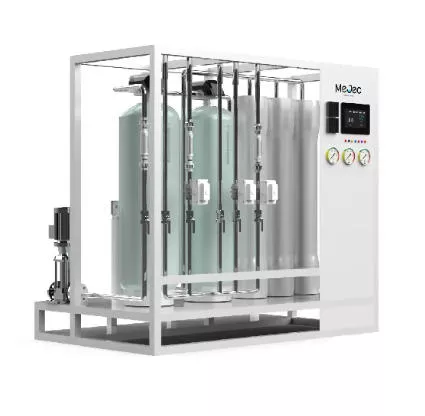
Mejec’s containerized plant uses MBR and MBBR technology to achieve high removal rates for pollutants. The system’s reinforced hollow fiber membrane modules provide strong fouling resistance and durability. High-efficiency UV disinfection ensures a 99.9% bactericidal rate, making the treated water safe for discharge or reuse. Automation and real-time monitoring help operators maintain consistent performance with minimal effort.
Performance data from MBR technology shows impressive results. In urban municipal wastewater treatment, effluent quality can reach TSS below 1 mg/L and BOD below 3 mg/L. Industrial applications report over 98% BOD removal and more than 95% COD removal. These results support water recycling and safe discharge, even in remote communities.
Meeting Discharge and Reuse Standards
Modular water treatment solutions are designed to meet strict local and international standards. Regulatory frameworks, such as those set by the International Maritime Organization, guide the design and operation of these systems. Compliance is achieved through precise chemical dosing, modular system design, and advanced monitoring.
Feature | Benefit |
|---|---|
Modular System Design | Flexible scaling and efficiency |
Advanced Chemical Dosing | Consistent treatment effectiveness |
Monitoring and Control | Real-time sensors ensure water quality and operational reliability |
These features help water treatment systems deliver safe, high-quality water in many settings. In healthcare, modular systems protect patient safety and support continuous operation. Public facilities benefit from reliable compliance and easy management. Industrial sites use modular water treatment to achieve efficient wastewater reuse and meet environmental regulations.
Note: Modular water treatment solutions provide consistent results, even as demand or source water quality changes.
Environmental Sustainability and Mobile Flexibility
Reduced Footprint and Odor Control
Mejec’s containerized plant uses an enclosed design to control odors and reduce its impact on the environment. This feature makes it suitable for use near homes, schools, and public spaces. The system also uses advanced technology to lower energy consumption. For example, MABR systems can cut energy use by up to 90% compared to traditional plants. Real-time monitoring helps operators adjust settings to keep odors low and energy use efficient.
Feature | Description |
|---|---|
Sustainable Management | Promotes social acceptance and reduces environmental impacts |
Energy Reduction | MABR systems lower energy use by up to 90% |
Odor Control | Real-time monitoring improves odor treatment and keeps communities happy |
Continuous Monitoring | Ensures compliance and minimizes nuisance to nearby residents |
These benefits help communities accept new water treatment systems. The compact footprint also means less land is needed, which is important in crowded or sensitive areas.
Easy Relocation and Adaptation
Mobile and portable water treatment systems can be moved quickly to where they are needed most. After the Second Gulf War, mobile units restored water supplies in Iraq. In Nepal, portable systems treated thousands of liters of water per hour after the 2015 earthquake. These examples show how adaptable these systems are in emergencies and for long-term use.
Mobile water treatment solutions can be set up on trailers or in containers for both short-term and permanent needs.
They serve many sectors, such as municipal, industrial, and humanitarian projects.
Long-term sustainability improves when communities take part in maintaining these systems. Training programs teach people how to care for the equipment. Some systems use renewable energy, which supports low-carbon development. Water reuse strategies, like closed-loop systems, help save water and reduce waste. Technologies such as ultrafiltration and reverse osmosis make water safe for reuse, saving money and protecting the environment.
Simple Maintenance and Operation
User-Friendly Modular Systems
Modular treatment systems are designed to be easy for operators to use, even if they have different technical backgrounds. Most systems, like the Mejec Containerized Domestic Wastewater Treatment Plant, use a plug-and-play setup. Operators only need to connect two pipes, one power source, and an internet cable. This simple process means less training and fewer mistakes.
Two pipe connection points make installation fast.
One power connection reduces setup steps.
Internet connection allows for remote monitoring.
Many water treatment systems now include automation. For example, Mejec’s MBR technology uses a programmable logic controller (PLC) to automate most tasks. The system can monitor itself and make adjustments as needed. This reduces the amount of labor required from operators.
User-friendly touchscreen control systems provide remote monitoring and control, making daily operation simple and efficient.
Streamlined Maintenance and Spare Parts
Standardized configurations in modular plants make maintenance easier and faster. The table below shows how these features help:
Feature | Description |
|---|---|
Unique Design | Building block and self-contained systems that facilitate easy operations. |
Modular Technology | Accommodates various treatment technologies, enhancing flexibility. |
Scalability | Allows for gradual expansion by adding units as needed, simplifying maintenance as systems remain uniform. |
Cost-Effectiveness | Provides a financially viable method for increasing capacity, which can streamline maintenance processes. |
Technicians benefit from improved access to equipment. Portable units often use IoT data for real-time monitoring. This helps technicians spot problems before they become serious. Condition-based maintenance lets them plan repairs based on actual equipment needs, not just a schedule. Predictive maintenance strategies also help reduce downtime and keep the system running smoothly.
These features make modular treatment systems a smart choice for communities and industries that want reliable, low-maintenance solutions.
Modular and mobile water treatment solutions deliver strong value across many areas. The table below highlights key benefits:
Benefit | Description |
|---|---|
Flexibility | Customizable for specific industry needs |
Scalability | Easy to expand or reconfigure |
Cost-effectiveness | Saves money by treating water at the point of use |
Improved effluent quality | Meets or exceeds regulatory standards |
Sustainability | Supports water reuse and reduces demand for fresh water |
Industry experts recommend:
Consult specialists to improve current systems.
Use decentralized units for better reliability.
Train staff for effective monitoring and maintenance.
In Harris County, Texas, a community saved nearly 75% on costs by choosing modular treatment over traditional systems. Consider modular solutions like Mejec for efficient, reliable, and sustainable water management.
FAQ
What are the main benefits of modular water treatment systems?
Modular water treatment systems offer rapid deployment, cost savings, and easy expansion. These systems provide consistent water quality and support both temporary and mobile applications in many locations.
How do mobile water treatment trailers work?
Mobile water treatment trailers arrive preassembled and ready for use. Operators connect pipes and power. The system treats water on-site, making it ideal for emergencies or remote areas.
Can deployable water treatment systems be used for disaster relief?
Deployable water treatment systems restore clean water quickly after disasters. These units help communities recover by providing safe water where infrastructure is damaged or unavailable.
Are mobile water treatment solutions suitable for long-term use?
Mobile water treatment solutions serve both short-term and permanent needs. They adapt to changing demands and can be relocated or expanded as required.
Where are temporary and mobile applications most effective?
Temporary and mobile applications work best in rural communities, construction sites, and events. These systems provide reliable water treatment without permanent infrastructure.