





.webp)
Wastewater Treatment for Hospitality Industry
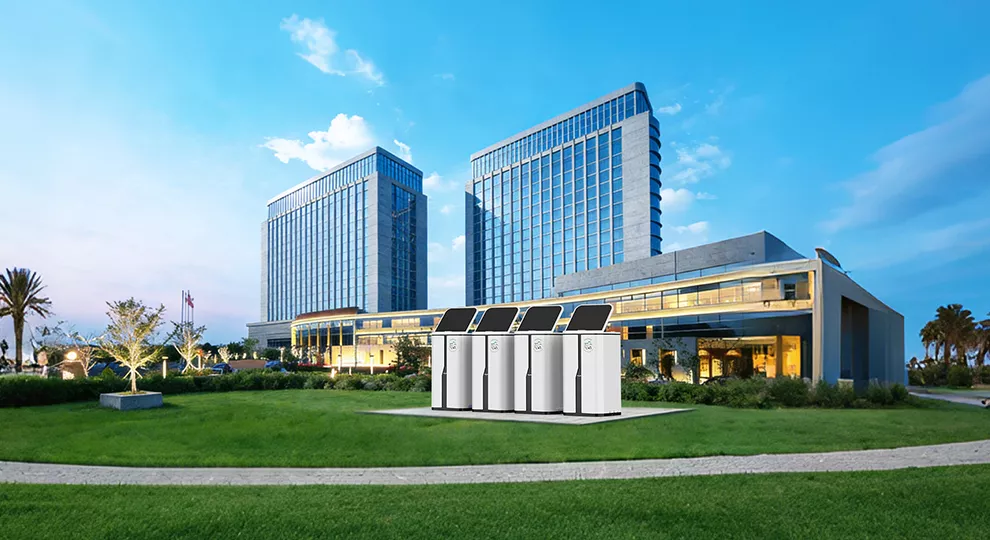
Wastewater treatment is now a big issue for the hospitality industry. Hotels, restaurants, and resorts make a lot of wastewater each day. If it is not treated well, there can be big problems. The table below lists some main risks:
Risk Type | Description |
|---|---|
Regulatory Violations | Hotels can get fines or penalties if they break discharge rules or skip maintenance. |
Environmental Degradation | Wastewater that is not treated can cause algal blooms. This can hurt fish and mess up ecosystems. |
Reputational Damage | Bad management can cause health problems and hurt the hotel's reputation for a long time. |
Many guests now want hotels to act responsibly. Using green solutions helps the environment and makes people trust the business.
Key Takeaways
Hotels and restaurants must clean wastewater to stop fines and help nature.
Decentralized systems let hotels clean and use water again. This saves money and resources.
Good wastewater management stops pollution and keeps nature safe.
Advanced technologies like smart monitoring make water treatment better.
Using water wisely brings more guests and builds trust.
Wastewater treatment challenges in hospitality
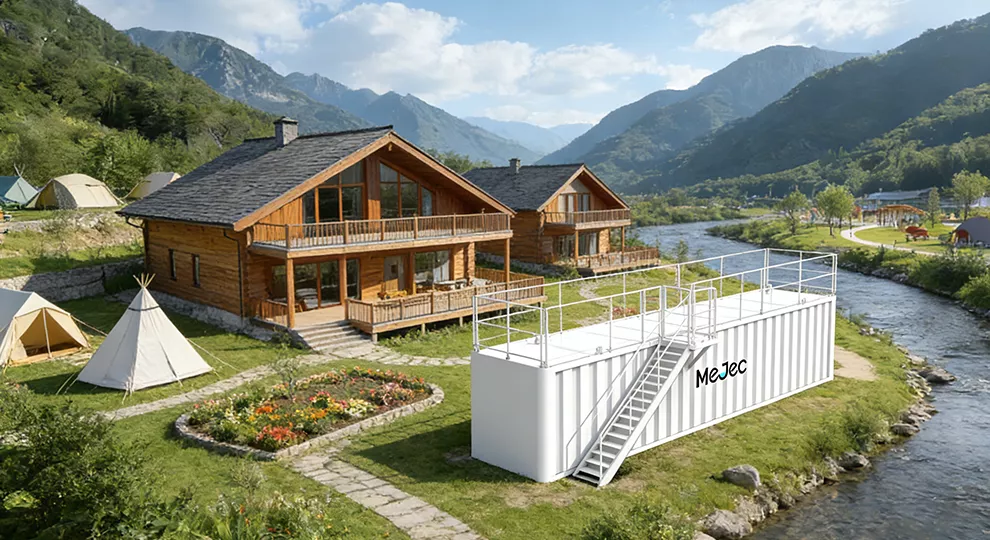
Sources of wastewater
Hotels, resorts, and restaurants make wastewater every day. This happens from many normal activities. The main places that make wastewater are:
Guest bathrooms and showers
Swimming pools and spas
Laundry rooms
Kitchens and dishwashing areas
The amount of wastewater can change a lot. When more tourists visit, hotels use more water. This means they also make more wastewater. Saving water and reusing grey water helps a lot. These steps lower the total wastewater made.
Key contaminants and pollutants
Wastewater from hotels and restaurants has many pollutants. Some common ones are:
Pharmaceuticals and active pharmaceutical ingredients (APIs) that are hard to remove during treatment
PFAS, also called "forever chemicals," which do not break down easily
Hormones and endocrine-disrupting chemicals from personal care products
Microplastics, which are very small and often escape treatment systems
Nutrients like nitrogen and phosphorus, which can cause problems in rivers and lakes
If these pollutants are not removed, they can hurt nature.
Industry-specific issues
The hospitality industry has special problems with wastewater. In tourist spots like the Caribbean, many people visit each year. This puts stress on local water systems. Some hotels let out wastewater that is not fully treated. This can pollute groundwater and freshwater. Pollution can harm the environment and the local economy. Hotels need systems that can handle more or less wastewater as needed. Resorts must keep nature safe while running every day. Good wastewater management helps protect nature and the industry’s reputation.
On-site water treatment solutions
Decentralized systems for hotels and resorts
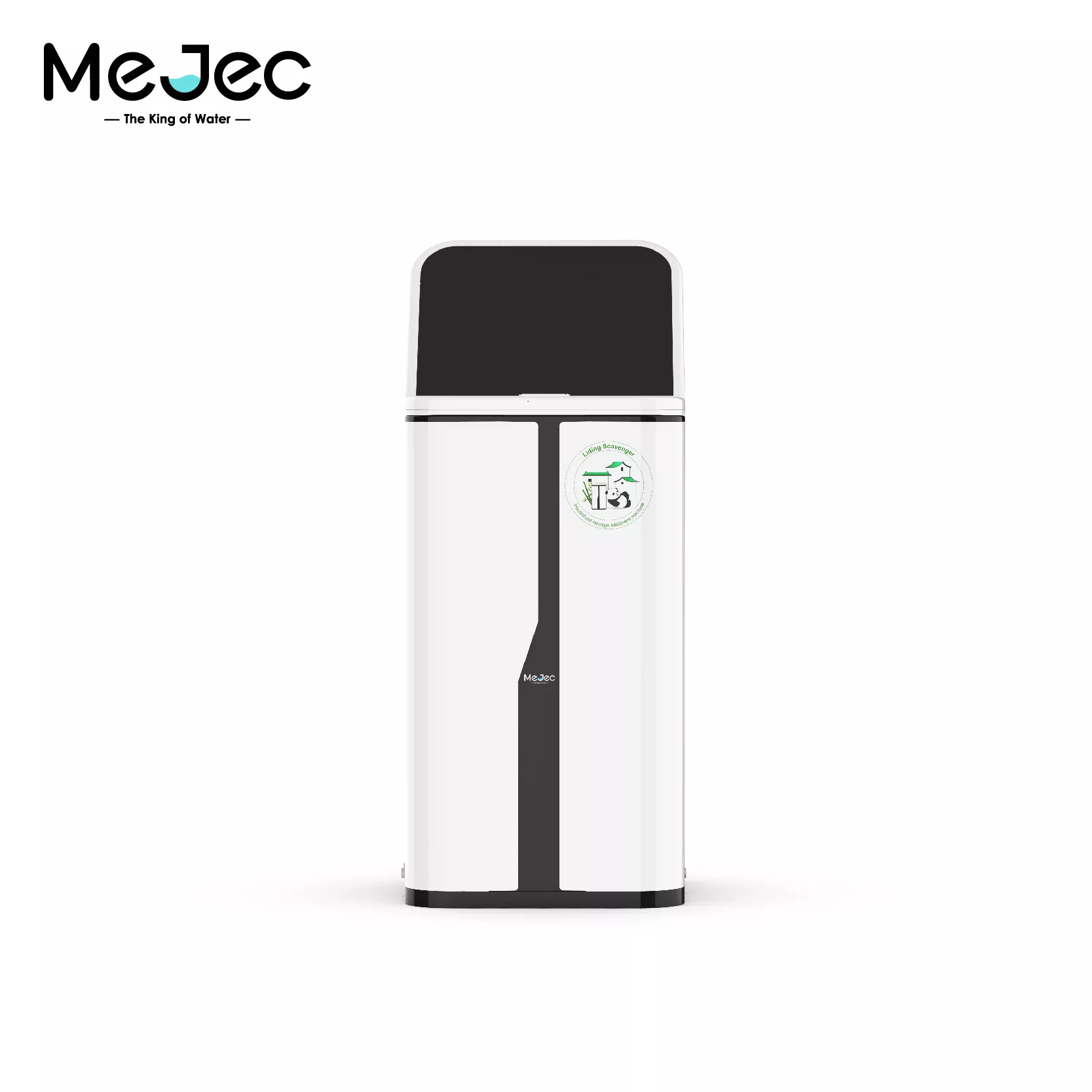
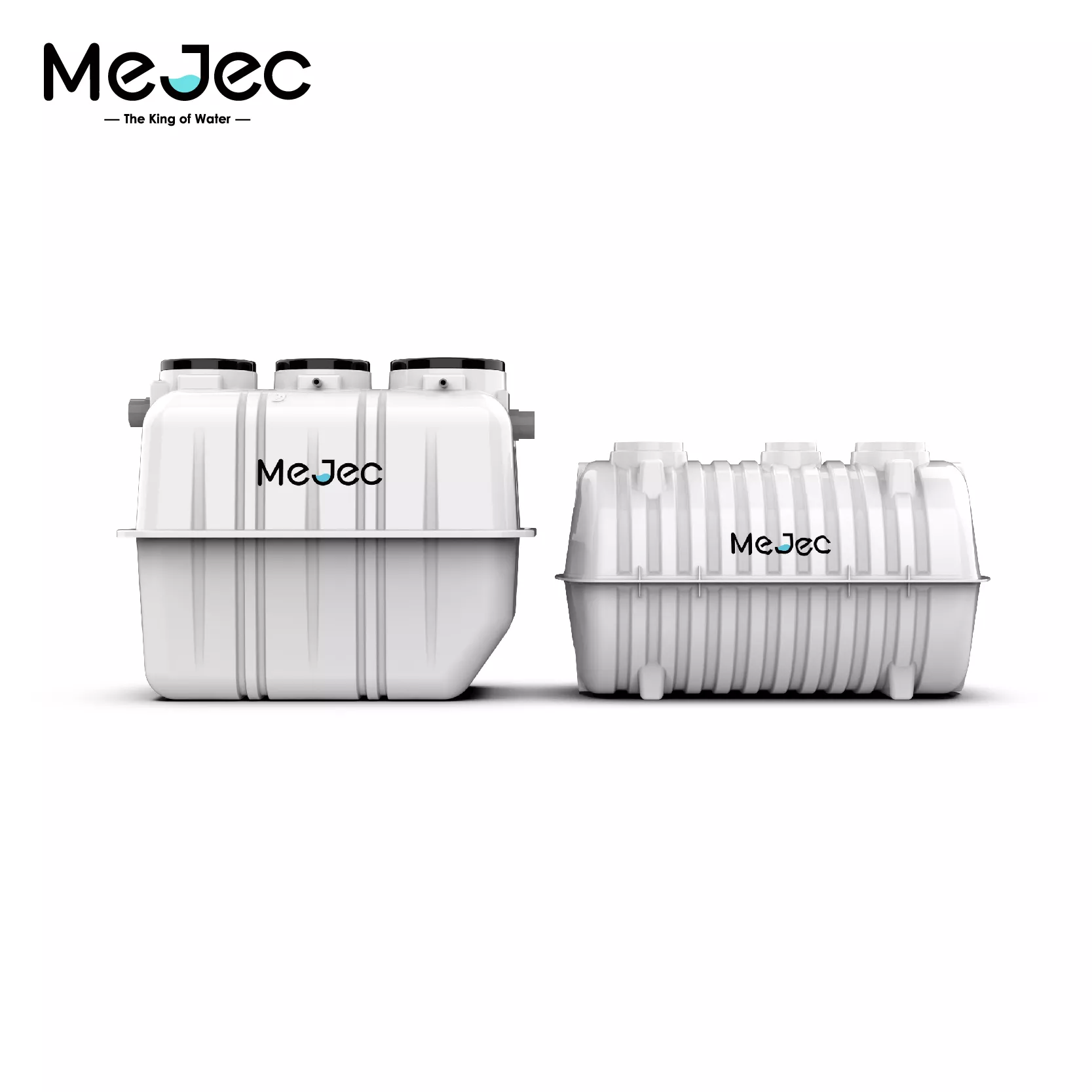
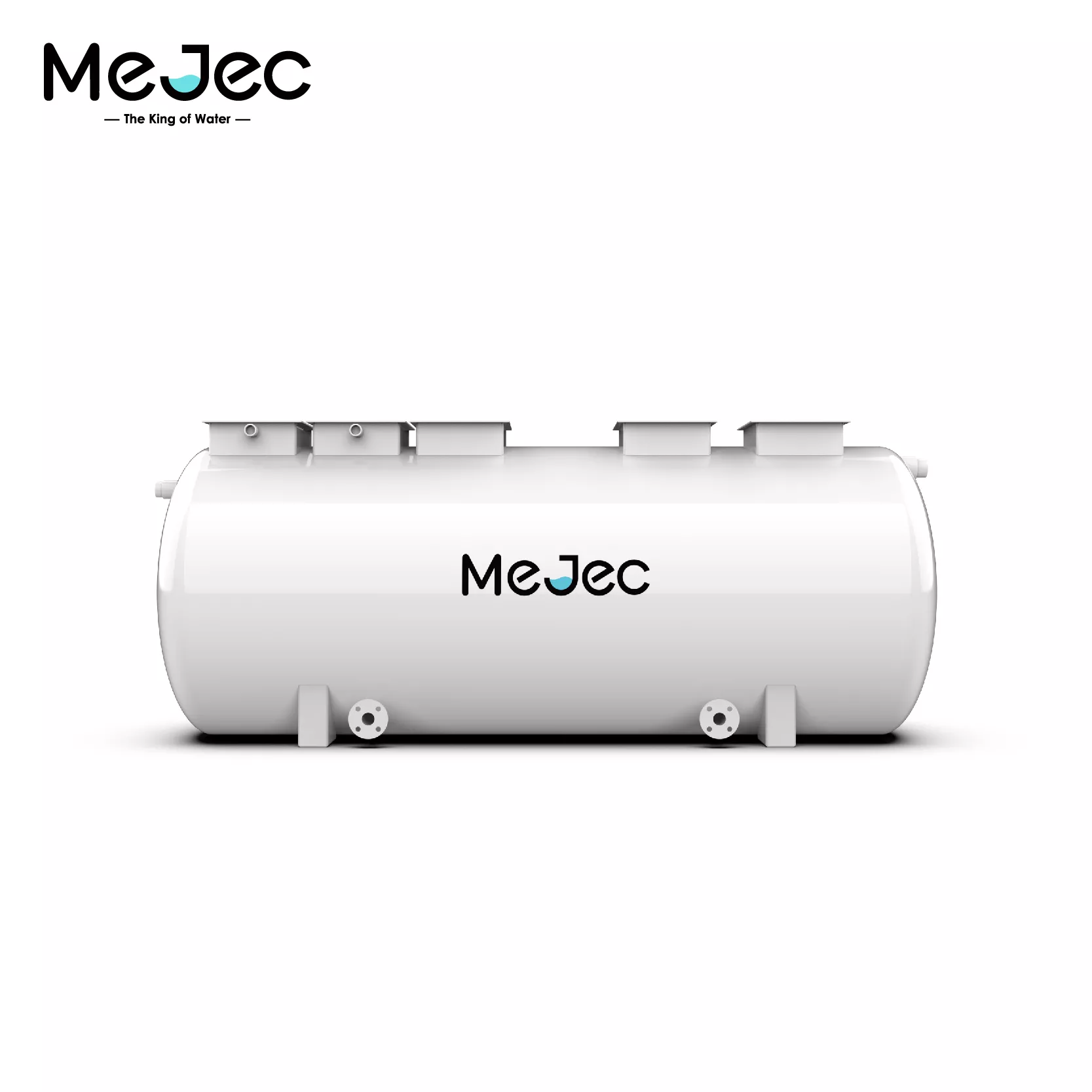
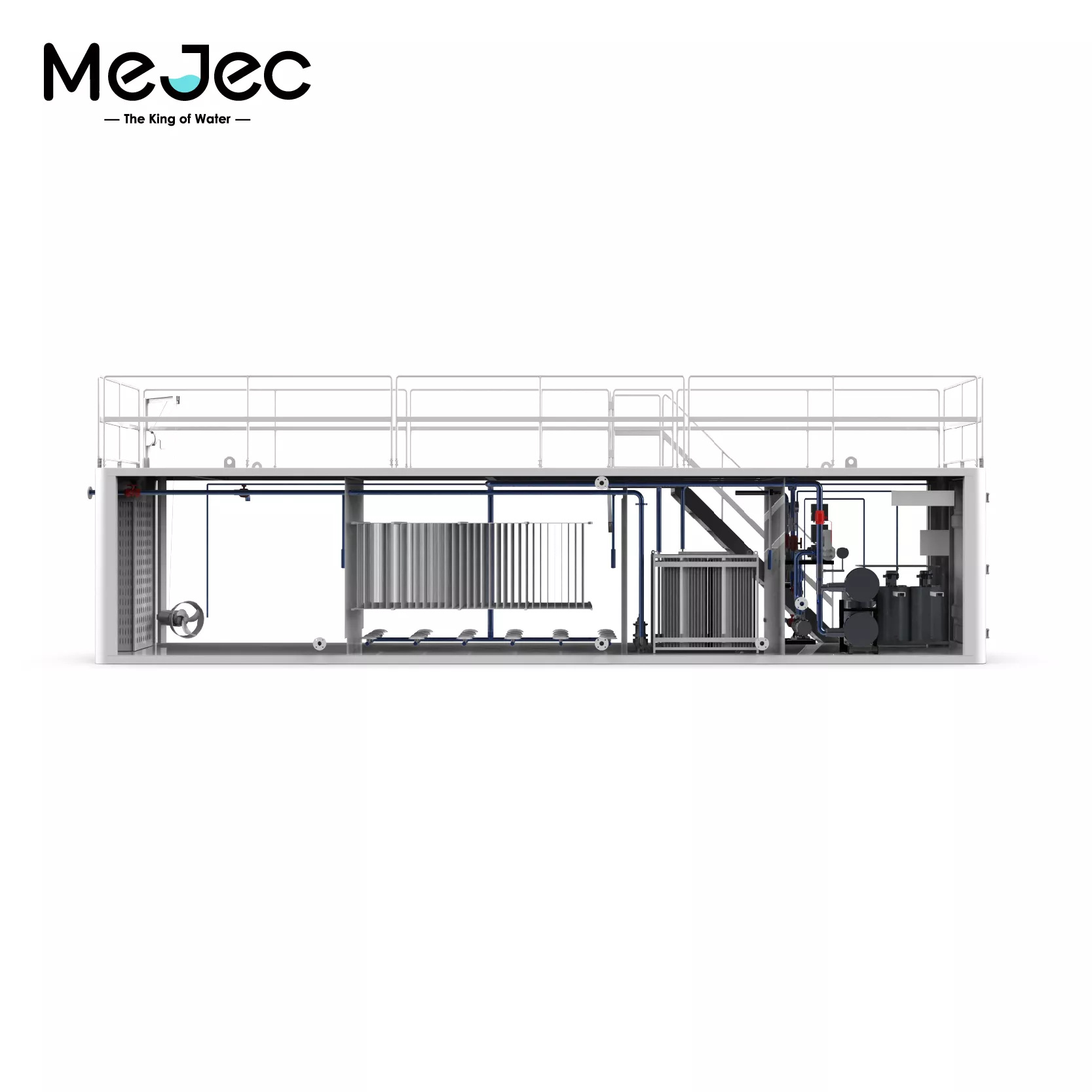
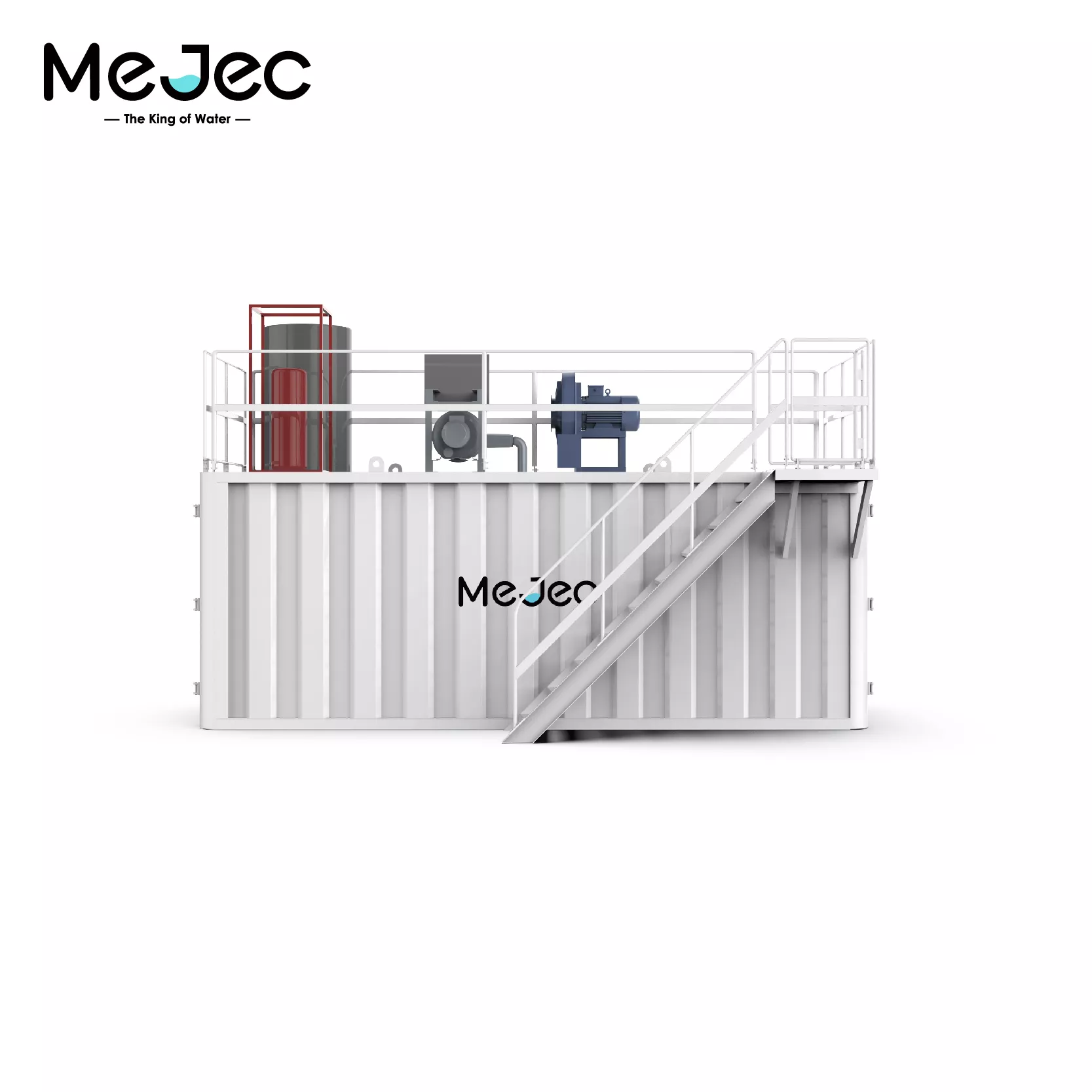
Hotels and resorts need wastewater treatment that is flexible. Decentralized systems let each hotel or resort treat its own wastewater. This means they can clean and reuse water for things like watering plants and flushing toilets. They do not need to use as much water from outside. This saves money for the hotel or resort. Resorts can use new technology to take care of their own water. The Mejec Scavenger Household Sewage Treatment Plant is small and fits in places like villas and hostels. It uses the MHAT+ contact oxidation process to treat both blackwater and greywater. The water that comes out is clean enough to use again. The system is simple to set up and take care of. It does not use much energy and can use solar power. Mejec systems help hotels and resorts keep nature safe and work better.
Decentralized systems give these benefits:
Use less city water
Save money on running costs
Reuse water for plants and toilets
Work well in faraway places
Kitchen and restaurant wastewater management
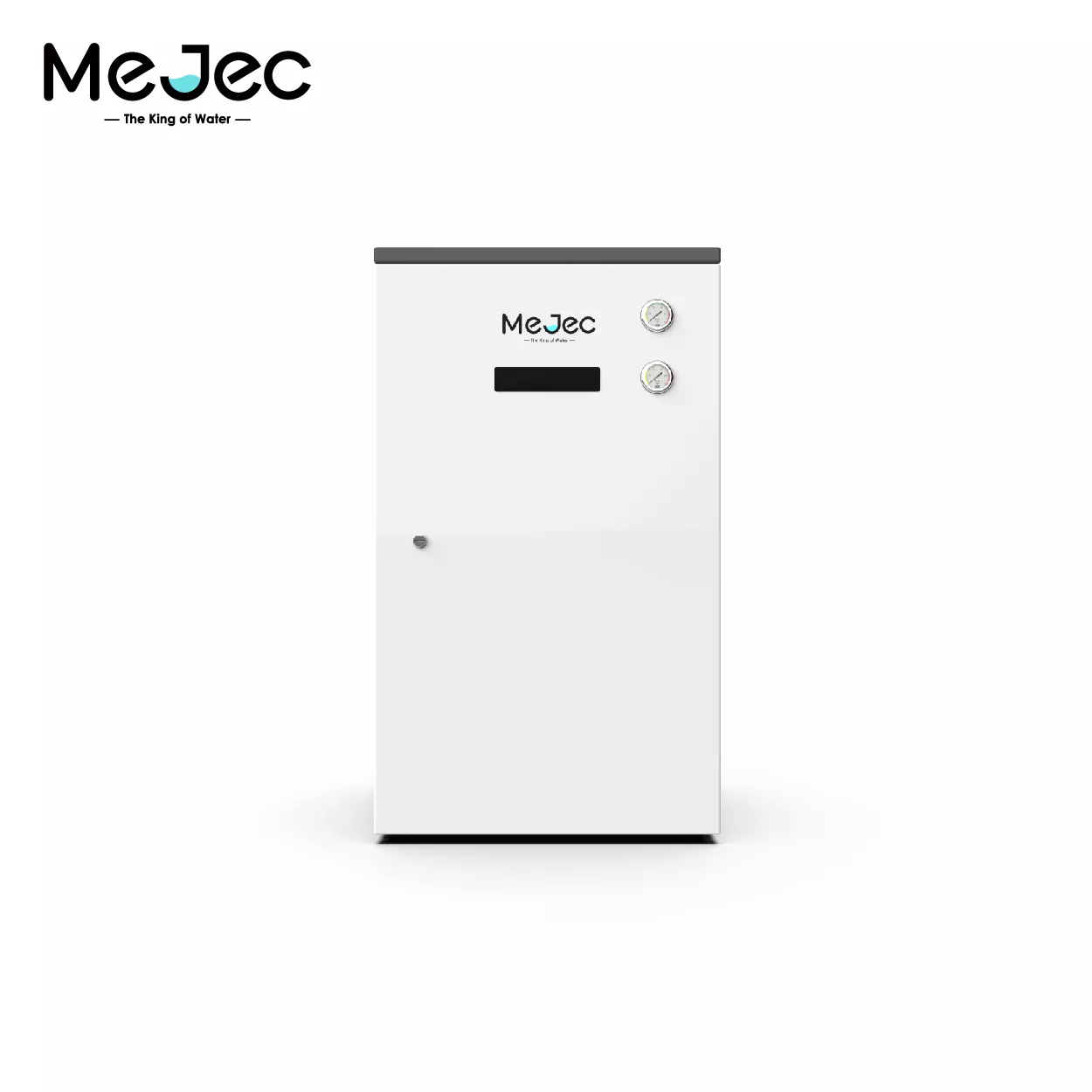
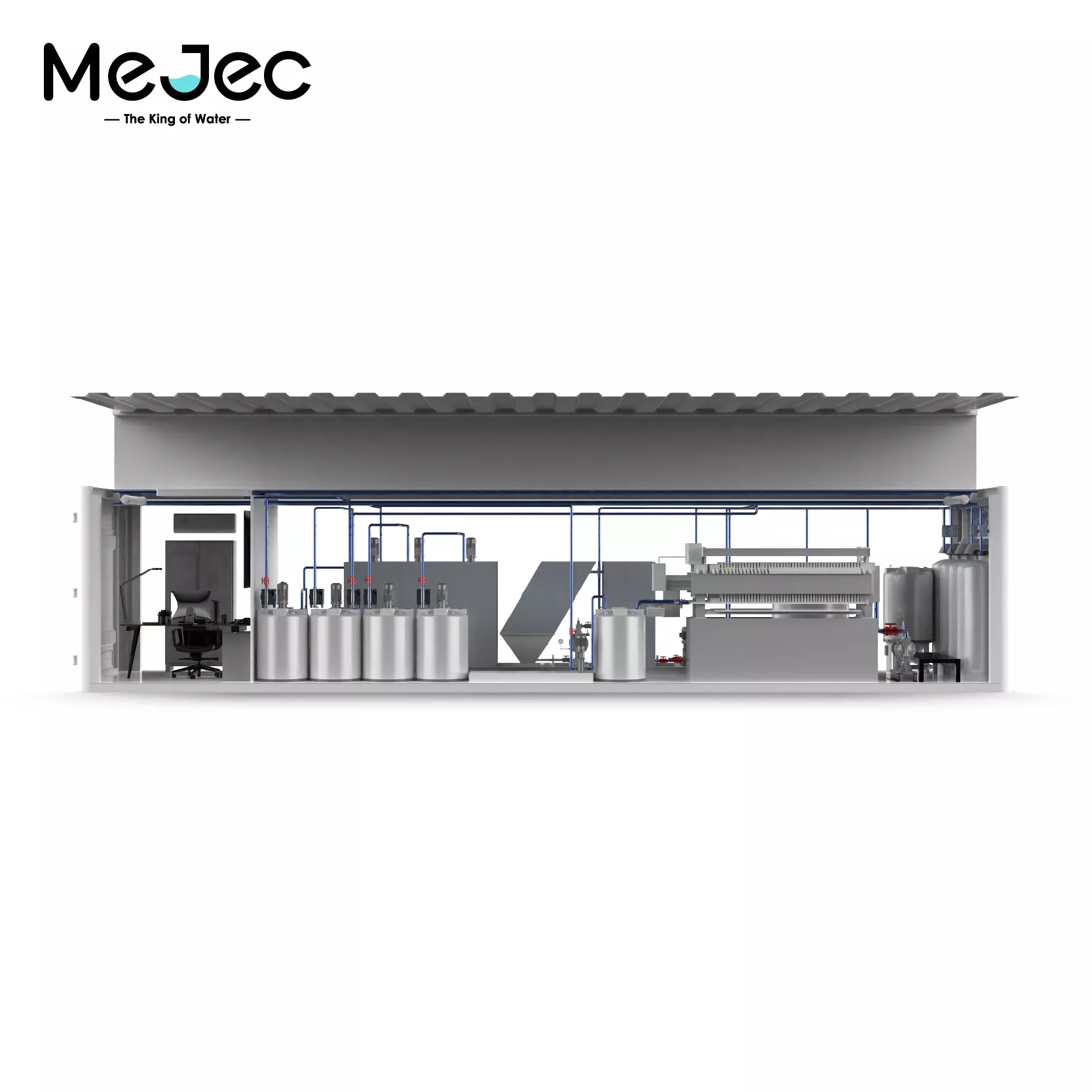
Kitchen and restaurant wastewater has fat, oil, and grease from cooking. These things can clog pipes and make sewers overflow. Good treatment stops harm to people and the environment. The Mejec Restaurant Wastewater Solution is made for kitchens and restaurants. It takes out grease, food scraps, and other waste. The system uses grease interceptors to catch fat, oil, and grease from greywater. Cleaning the interceptors often keeps them working well. At the treatment plant, special additives help break down grease. New ways use yeast proteins and surfactants to help bacteria clean water faster. Mejec systems work well and help keep restaurants safe and clean.
Source | Main Pollutants | Treatment Methods |
|---|---|---|
Kitchens | Fat, oil, grease (FOG) | Grease interceptors, bioaugmentation |
Restaurants | Food residues, organics | Specialized treatment units |
Water reuse and resource conservation
Reusing water is important for hotels to be green. Many hotels use treated wastewater to water gardens. In some places, hotels use a lot of this water to keep plants healthy. Treated wastewater can also cool buildings, help fish farms, or even be used by people in some cases. Mejec systems make it easy to recycle water for things that do not need drinking water. Using low-flow showers, faucets, and toilets helps save water. Reusing towels and sheets saves water and energy too. Washing full loads and using cold water in laundry also helps. Recycling greywater and collecting rainwater means hotels use less city water. These actions save money and help the planet. Travelers care about the environment. Hotels that use green ideas get more guests and keep them coming back.
Water conservation helps:
Lower water bills
Cut energy use
Make guests happier
Build a better brand
Water reuse and saving resources help hotels and resorts protect nature and spend less money. Mejec systems help reach these goals with good on-site water treatment.
Advanced wastewater treatment technologies
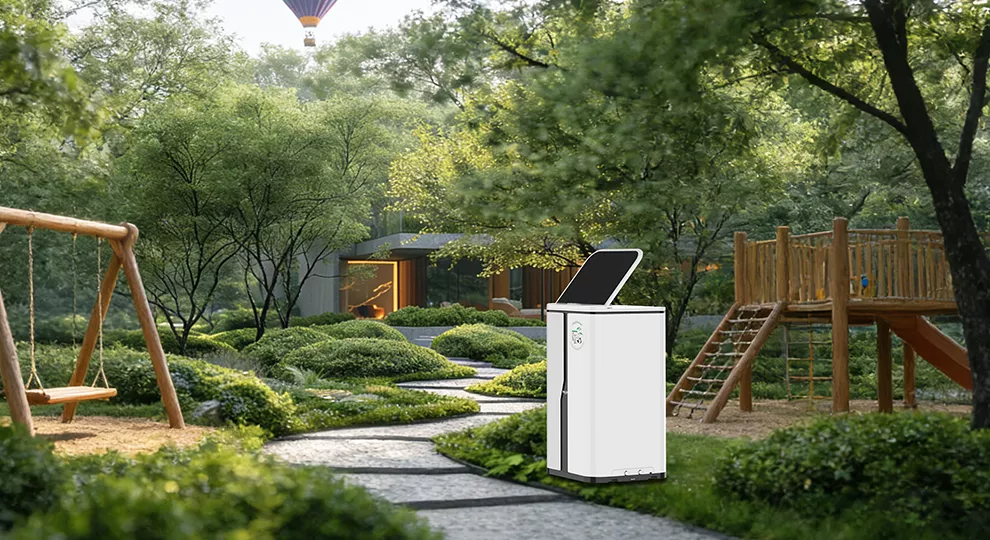
Innovative treatment processes
Hotels and resorts use new ways to clean wastewater. These methods help keep water safe. They also protect nature. Many places recycle greywater. This means they clean water from sinks, showers, and laundry. Then, they use it for watering gardens or flushing toilets. This saves water and sends less to city systems.
Some hotels use advanced control systems. These systems watch the water and change how treatment works. They help keep things running well, even with many guests. Modular treatment systems are popular too. These systems can get bigger or smaller. They change based on how much wastewater the hotel makes. This helps during busy times or special events.
Innovative Process | Description | Benefits |
|---|---|---|
Greywater Recycling | Reusing wastewater from sinks, showers, and laundry for non-potable purposes. | Reduces water use, lowers harm to nature, decreases load on city systems. |
Advanced Control Systems | Systems that adjust treatment parameters based on wastewater characteristics. | Keeps treatment working well during busy times or events. |
Modular Treatment Systems | Scalable systems that can adapt to varying wastewater volumes. | Helps manage peak loads without lowering water quality. |
Membrane bioreactors are another good treatment option. These systems use special filters and helpful bacteria. They clean water and keep quality steady. Even if the amount of wastewater changes, they work well. Hotels can use membrane bioreactors with other steps. This makes water very clean and meets strict rules.
The Mejec Scavenger Household Sewage Treatment Plant uses the MHAT+ contact oxidation process. This process treats both blackwater and greywater. The system is small and easy to set up. It is good for hotels, villas, and hostels. It gives advanced treatment and helps hotels meet local standards.
Smart operation and remote monitoring
Smart operation makes treatment easier for hotels. Modern systems use sensors to check water quality all the time. They log data and track how the system works. Dashboards show trends and help save energy and chemicals. Automated reports make rule-following easy. Staff can monitor from phones or computers. Real-time alerts help keep things safe. Water quality stays steady for reuse. Automatic logs help with audits.
Remote monitoring gives hotel staff real-time data. They can see how the system works and spot issues fast. This helps with maintenance. Fixing small problems early keeps the system running longer. It avoids shutdowns. Remote monitoring also helps hotels follow rules. It creates records for inspections and audits.
The Mejec Scavenger system has smart operation features. It can switch modes by itself. It supports remote monitoring and diagnostics. Staff can check the system from anywhere. This makes sure everything works well.
Sustainability and energy efficiency
Sustainability matters for hotels and resorts. Advanced treatment systems help save energy and protect the planet. Many systems use energy-efficient pumps. These pumps use less power and lower greenhouse gas emissions. Some systems use renewable energy, like solar panels, to run the process.
Strategy | Description |
|---|---|
Energy-efficient pumping systems | Upgrading pumps saves about 20% of energy by matching pump size to needs. |
Use of renewable energy sources | Solar and other renewables cut greenhouse gas emissions. |
Improved operation and maintenance | Regular care keeps systems working well and saves energy. |
Energy efficiency measures help cut energy use and emissions. Hydropower recovery equipment can boost energy savings. Pumping systems use most of the energy in water treatment. Efficient pumps are important.
The Mejec Scavenger system uses less than 40W of power. It can run on solar energy. This makes it a green choice for hotels. The system supports sustainability. It lets hotels reuse treated water and lower their water footprint. Good operation and regular maintenance keep the system efficient and reliable.
Tip: Choosing advanced wastewater treatment systems with smart controls and energy-saving features helps hotels and resorts protect nature and save money.
Implementing wastewater treatment systems
Needs assessment and planning
Hotels need a good plan before they set up wastewater treatment systems. Planning first helps stop problems later. Staff look at the land and check the soil. They see if the hotel is near rivers or lakes. Then, they choose a system that fits the type and amount of wastewater. They also check local rules to make sure they follow them. It is important to plan for easy use and regular checks. Using automation and remote monitoring helps keep things working well.
Step | Description |
|---|---|
Site Assessment | Check the soil, shape of the land, water table, and how close it is to rivers or lakes. |
System Selection | Pick the best technology for the wastewater, treatment level, space, and local rules. |
Operation and Maintenance | Plan for regular care, watch how the system works, and think about using automation and remote checks. |
System selection and installation
Picking the right wastewater treatment system is very important for hotels. Staff must think about how big the hotel is and how much wastewater it makes. They must follow all rules to keep water safe and people healthy. Cost matters too. The system should be easy to fix and work well. Mejec helps hotels choose the best system for what they need.
Factor | Considerations |
|---|---|
Size and Capacity | Look at the size of the hotel and how much water it uses to pick the right system. |
Environmental Regulations | Make sure the system follows rules to keep water clean and people safe. |
Cost-Effectiveness | Think about how much it costs to set up and take care of the system. |
Reliability | Choose a system that does not break down often and is simple to care for. |
Operation, training, and maintenance
Running and taking care of wastewater treatment systems is important. Staff need to learn how to use the system and find problems early. Remote monitoring gives live data and helps staff check water quality. This makes it easier to follow rules and not get fined. Using a maintenance plan can stop sudden repairs and help the system last longer. Mejec systems have remote help and smart tools, so taking care of them is easy and works well.
Tip: Training staff and using remote monitoring helps a lot. These steps keep hotels safe, save money, and protect nature.
Sensors give live data to help control the system and check water quality.
Watching the system all the time helps things run smoothly and follow rules.
Good maintenance plans stop sudden repairs and help the system last longer.
Compliance and best practices
Key regulations for hospitality
Hotels, resorts, and restaurants must follow important rules about wastewater. These rules keep people and nature safe. In the United States, there are many laws and permits to follow:
The Clean Air Act (CAA) tells hotels how to handle things like boilers and generators.
The Clean Water Act (CWA) controls how hotels let out wastewater and manage stormwater.
Some states, like California, have even stricter rules than the country.
Hotels with big parking lots need NPDES permits to control stormwater.
Pool and spa rules say how to handle backwash water and chemicals safely.
Following these rules helps hotels stay safe and avoid getting fined.
Monitoring and maintenance tips
Checking and caring for wastewater systems often keeps them working well. These steps help hotels follow the rules and stop problems:
Use one main system to watch all wastewater equipment.
Do regular checks to fix things before they break.
Keep digital records of repairs and work orders.
Take care of the most important machines first.
Be ready for visits from local inspectors.
Use smart tools to know when to do maintenance.
Keep spare parts neat and easy to find.
Make sure control systems and automation work right.
Fix any old repair jobs quickly.
Use a computer system to track all maintenance work.
Tip: Keep good records like logs, training papers, and maintenance plans. Save these for at least three years. This shows inspectors that the hotel follows all the rules.
Case studies and success stories
Many hotels have gotten great results by managing wastewater better. Some hotels have saved millions of gallons of water every year. The table below shows what some hotels have done:
Outcome | Value |
|---|---|
Annual Water Reduction | 5.6 million gallons |
Yearly Financial Savings | $90,000 |
Percent Reduction | 27% |
Simple Payback in Years | 2.3 years |
Mejec systems have helped hotels and resorts reach these numbers. With smart monitoring and easy care, hotels can save money and help the planet. Good wastewater treatment makes the future cleaner and safer for everyone.
Good wastewater treatment is very important for hotels and restaurants. Using advanced and on-site systems makes water cleaner. This keeps people healthy and helps save money. The table below lists main benefits for businesses:
Benefit | Description |
|---|---|
Improved Guest Satisfaction | Guests get clean water and have a better stay. |
Reduced Health Risks | Treatment lowers the risk of getting sick. |
Extended Equipment Life | Clean water helps machines last longer. |
Reduced Costs | Less fixing and fewer complaints save money. |
Hotels need to do regular checks and train staff well. Using eco-friendly steps helps hotels follow rules and stay green. Groups like Garratt-Callahan and SafetyCulture give useful advice.
FAQ
What is the main reason hotels and resorts need wastewater treatment systems?
Hotels and resorts need wastewater treatment to protect nature. They must also follow the rules. These systems help keep water clean. They support sustainable hospitality.
How does on-site water treatment help sustainable hospitality?
On-site water treatment lets hotels use water again. They can water gardens and flush toilets with it. This helps hotels use less water. It also helps them be more eco-friendly. The industry gets environmental benefits from this.
What are the environmental benefits of good wastewater management?
Good wastewater management keeps rivers and lakes safe. It stops pollution from getting into water. Plants and animals stay healthy. These steps protect nature and make guests happier.
How can hotels start using sustainable hospitality practices?
Hotels can put in low-flow showers and recycle greywater. They can also set up on-site water treatment. These steps make hotels greener. Staff need training and must check systems often.
Why is sustainability important for the hospitality industry?
Sustainability helps hotels save money and protect nature. It makes guests happy and builds trust. The industry uses eco-friendly steps to show they care for the planet. This supports sustainable hospitality.