




.webp)
Top Sewage Treatment Plant Manufacturers: How to Choose (2026 Buyer Guide)
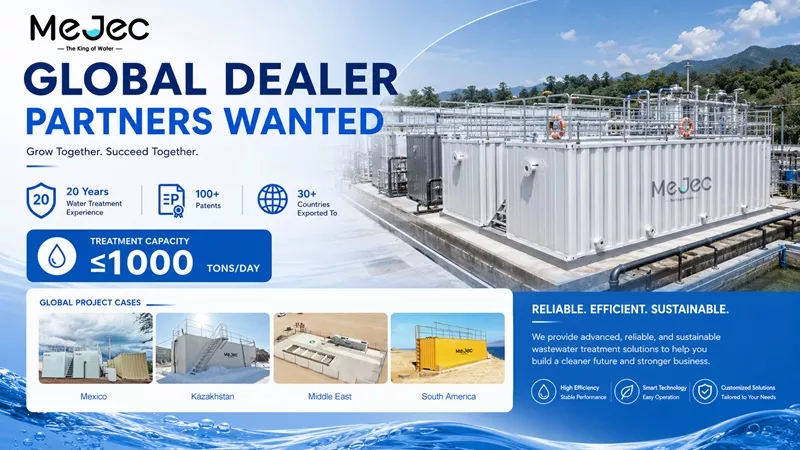
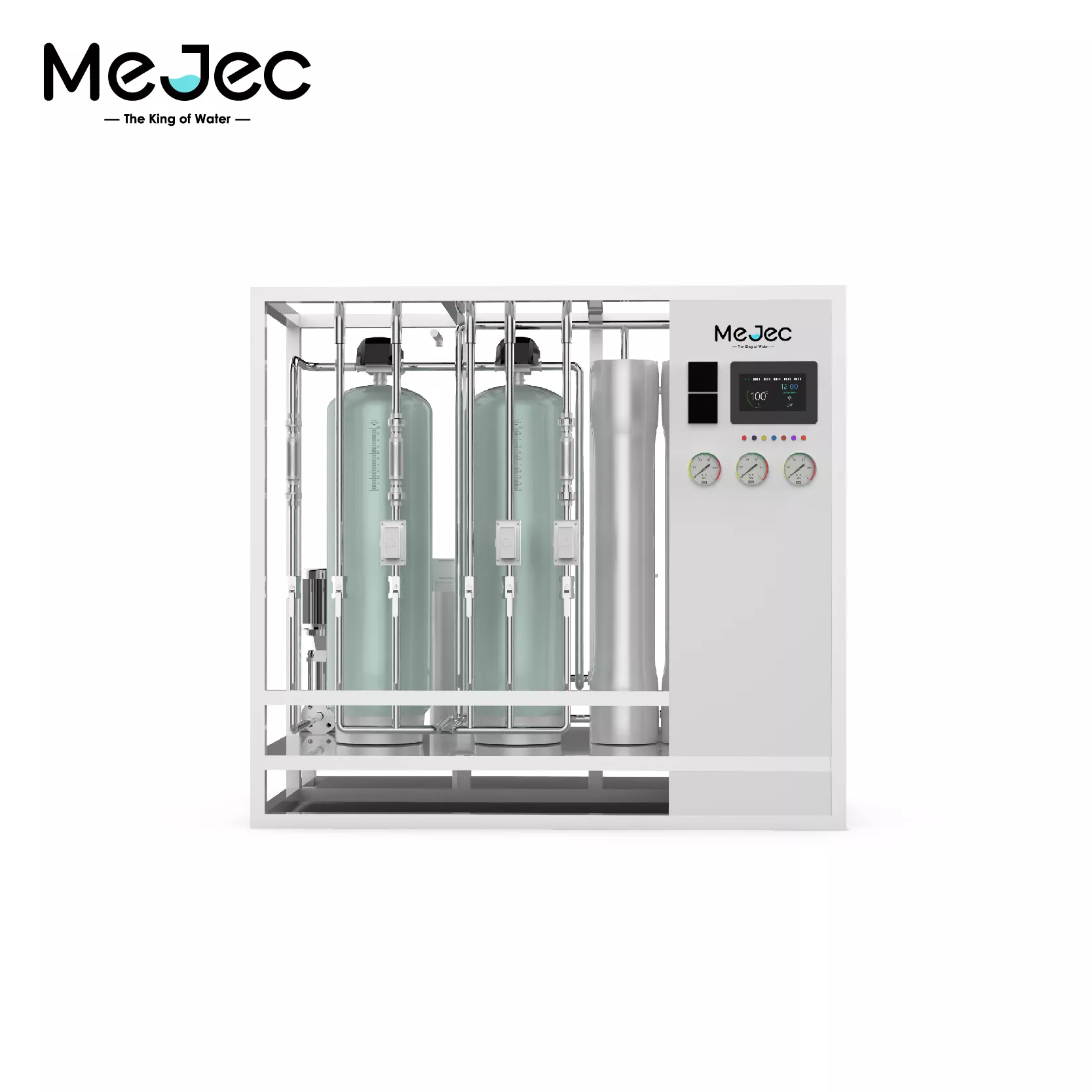
Choosing the right sewage treatment plant manufacturer decides whether your project is delivered on time, complies with your discharge permit, and keeps running for years — or becomes a costly repair problem. This guide explains what separates a reliable factory-direct manufacturer from a reseller, what to check before you sign, and how Mejec approaches the process as a manufacturer that builds, tests and ships its own plants.
Why the Manufacturer Matters More Than the Machine
A packaged sewage treatment plant looks like a simple tank from the outside, but everything that matters happens inside: the biological process, the aeration control, the blowers, the PLC, the discharge compliance, and the service history after installation. When you buy from a sewage treatment plant manufacturer, one organisation owns all of those steps. When you buy from a reseller or trading company, the person who sells you the plant is not the person who designs it, builds it, or supports it.
The practical consequences are not abstract. A manufacturer can change the process train — CASS, AAO+MBBR, MBR, MBBR or MABR — to match your influent. A trading company sells whatever catalogue model it has. A manufacturer hydro-tests every unit before it leaves the factory floor. A reseller usually cannot even visit the test bay. And when your plant needs a spare blower or a commissioning engineer, a manufacturer answers from its own parts and service team rather than forwarding your email to a third party.
For buyers who are importing from overseas, the difference becomes even more visible in two areas: quality control documentation and after-sales support. The table below summarises the comparison.
Factor | Factory-Direct Manufacturer | Trading Company / Reseller |
|---|---|---|
Process engineering | Adjusts process to your influent and discharge limits | Sells catalogue models only |
Factory testing | Hydro-test and dry-run before shipment | Depends on the factory; rarely verified |
Quality documents | Direct from the production line | Copied or second-hand |
Spare parts | Own inventory, own supply chain | Orders from the factory again |
Price | No reseller markup | Includes markup |
Buy the factory, not just the tank. A packaged sewage treatment plant is a long-term operational asset, and the manufacturer behind it determines most of your long-term risk.
Where Sewage Treatment Plants Are Manufactured Today
Most packaged and containerised sewage treatment plants sold internationally are manufactured in Asia, with China as the largest production base for prefabricated STP equipment. That is not an accident. The packaged STP market rewards scale, steel fabrication capacity, membrane integration experience and fast iteration on process control — all of which are concentrated in large manufacturing clusters.
For an international buyer, that geography creates two questions. First, how do you find the capable manufacturers among thousands of equipment companies? Second, how do you verify what you cannot visit in person? Both questions have practical answers, which are covered in the checklist below.
A Practical Checklist for Evaluating Sewage Treatment Plant Manufacturers
1. Confirm They Actually Manufacture
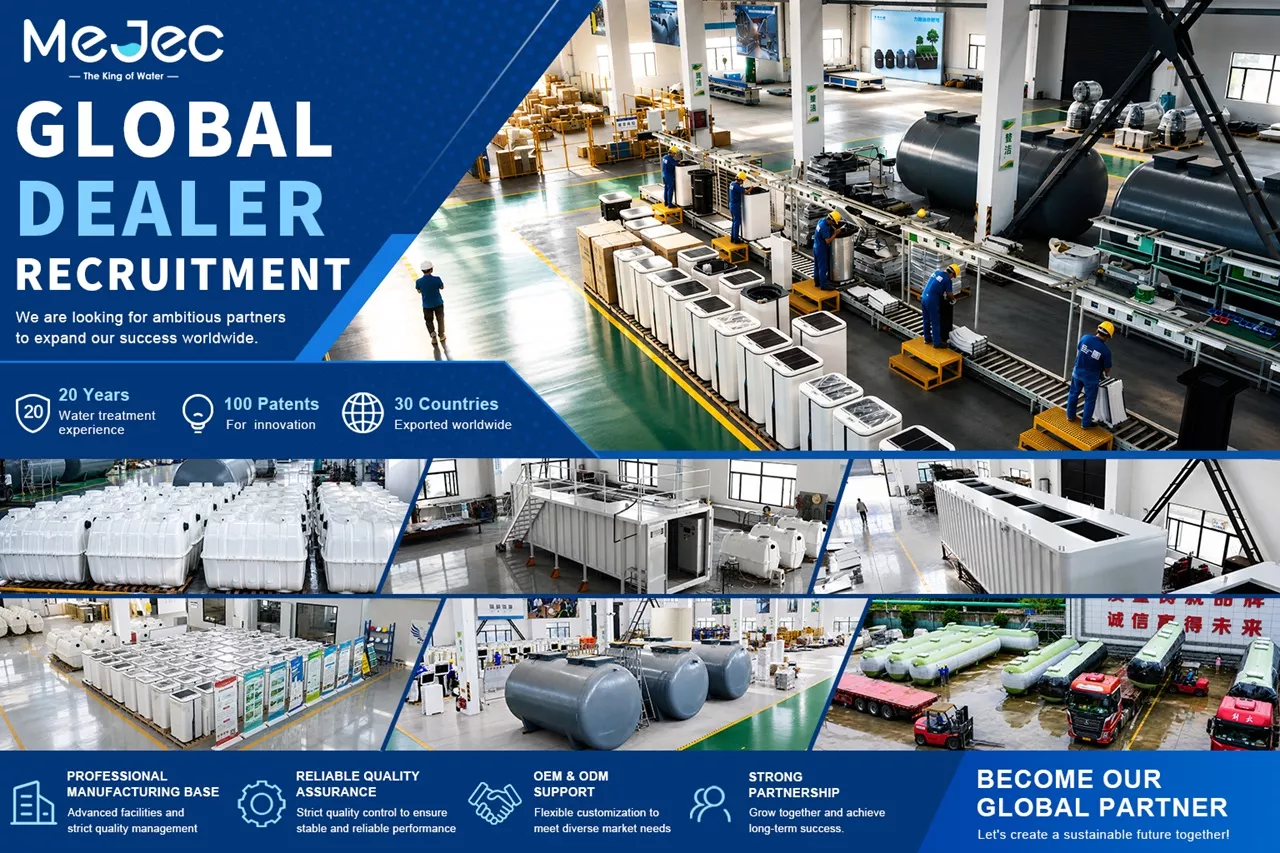
Ask for a factory video call, production floor photos with your project name on a board, and the specific models you are buying on the production line. A genuine manufacturer can show you the tank under fabrication, the blower cabinet being wired, and the test bay where the plant is hydro-tested. A trading company cannot.
2. Check the Process Portfolio
Sewage differs by site: domestic wastewater, resort sewage with seasonal peaks, high-strength kitchen load, or industrial streams containing metals. A manufacturer that offers several process trains — CASS for small decentralised loads, AAO+MBBR for community plants, MBR/MBBR and MABR for containerised units — can match the biology to your water. A single-process catalogue is a limitation, not a simplification.
3. Verify Discharge Compliance in Writing
Send the manufacturer your target discharge limits: COD, BOD, SS, ammonia nitrogen and total phosphorus. Ask them to confirm the designed effluent for your specific influent and to state which standard the plant is designed to meet. Serious manufacturers will also explain how the plant handles load variation, because real sewage is never constant.
4. Review Certifications and Documents
CE and ISO certification are the baseline. Then ask which certificates exist for your destination country. Certification matters less than honest documentation: request the factory's ISO management certificate, the product test reports, and the electrical documentation for the control cabinet. If documents are slow to appear, that is information in itself.
5. Ask About Testing Before Shipment
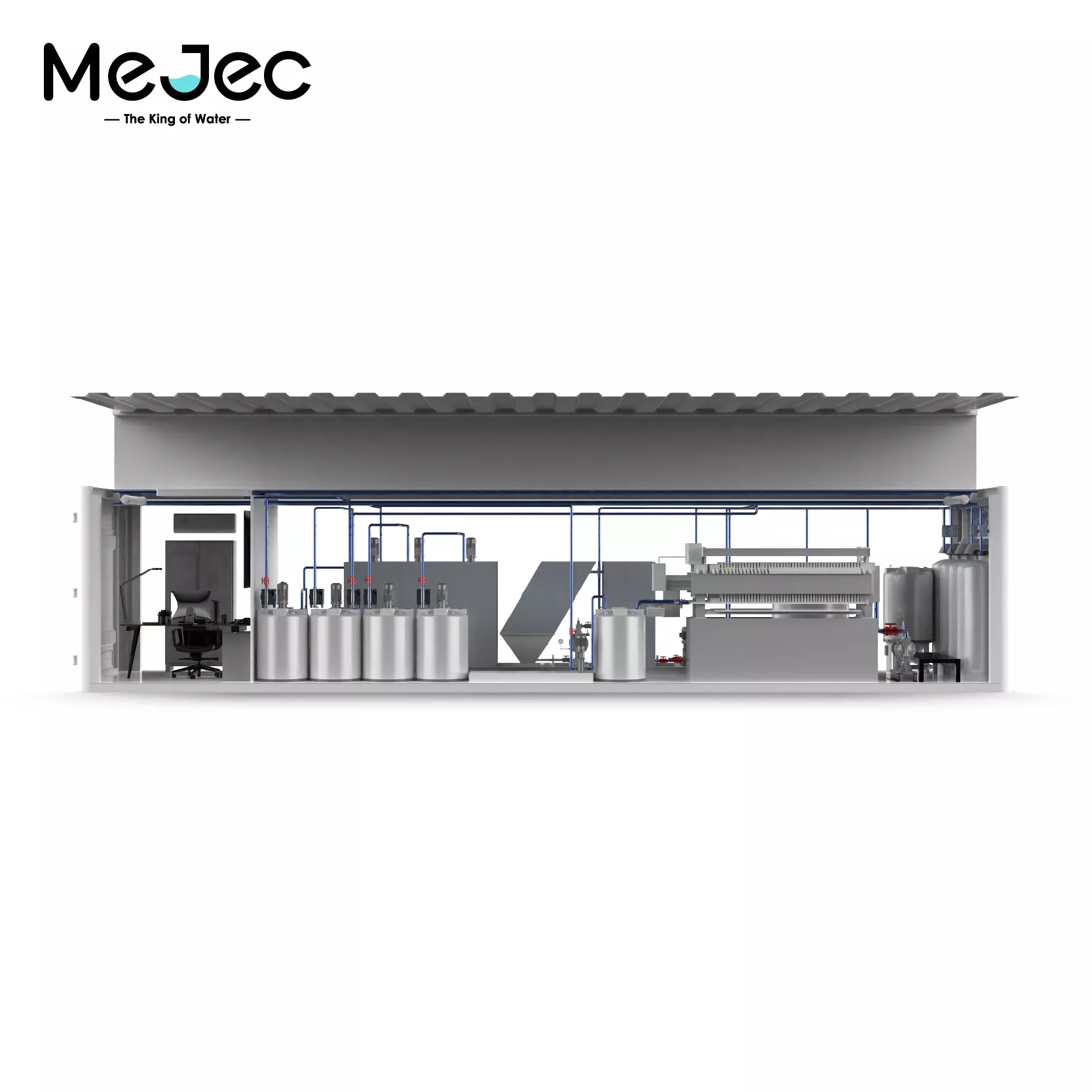
A containerised STP can be fully assembled and run with water in the factory before shipment. That test catches leaks, wiring faults and control issues while the plant is still on the production floor, where they are cheap to fix. Ask specifically whether the unit you are buying will be hydro-tested and dry-run before it is loaded, and whether you can watch the test.
6. Understand MOQ, Lead Time and Payment Terms
The packaging market has moved toward flexibility. A manufacturer that quotes one unit for a pilot site on the same terms as a container load removes the biggest barrier to trying a new supplier. Ask for lead time in days and for the payment structure. Mejec quotes MOQ of one unit with a 15-day lead and 24-hour quotation response.
7. Look for Remote Monitoring Capability
Containerised plants increasingly ship with PLC control and remote monitoring so the manufacturer can see alarm status and operating data after installation. This is not a gimmick — it is how a manufacturer supports a plant on another continent. Ask whether the control system reports alarms remotely and what data the factory can access to help you troubleshoot.
What to Expect from a Reliable STP Supplier
Putting the checklist together, a reliable sewage treatment plant manufacturer should be able to send you, within a few days of your first inquiry: a process recommendation matched to your influent, an itemised quotation, a general arrangement drawing of the plant, the discharge compliance statement, and the delivery timeline. Anything less should raise a question.
The same manufacturer should also tell you honestly what the plant does not do. Sewage treatment is an engineering discipline, and the correct answer to an unsuitable request is a different configuration, not a confident yes. That honesty in the sales phase is a preview of how the manufacturer will behave during commissioning and after-sales support.
.webp)
A strong supplier journey ends where it began: with the water data you provided. The same influent information used for the quotation is what the commissioning engineer uses to set the plant up on site.
Mejec as a Factory-Direct Sewage Treatment Plant Manufacturer
Mejec manufactures its own sewage treatment plants and sells them factory-direct — no reseller markup. The product family covers the full range of packaged and containerised STP equipment:
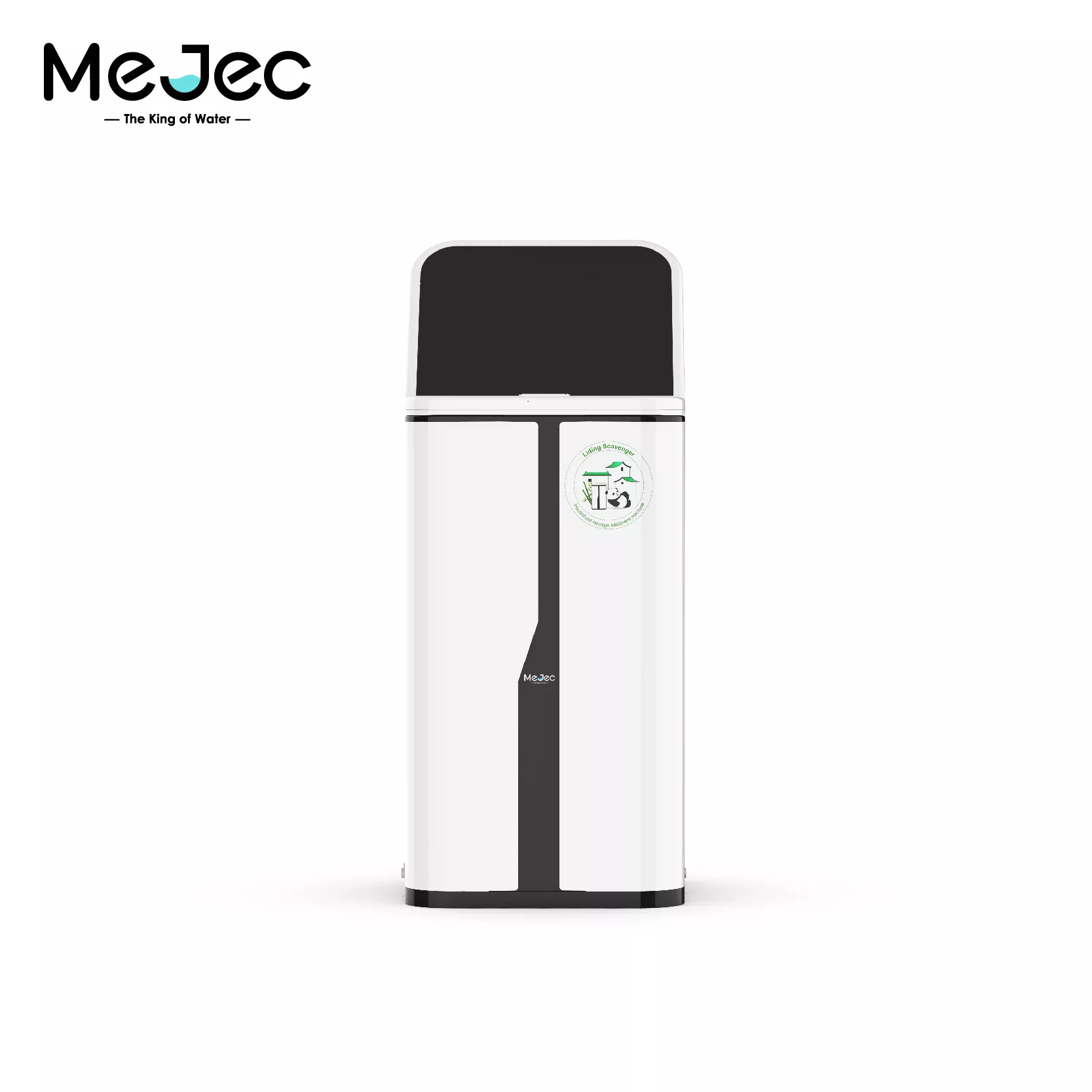
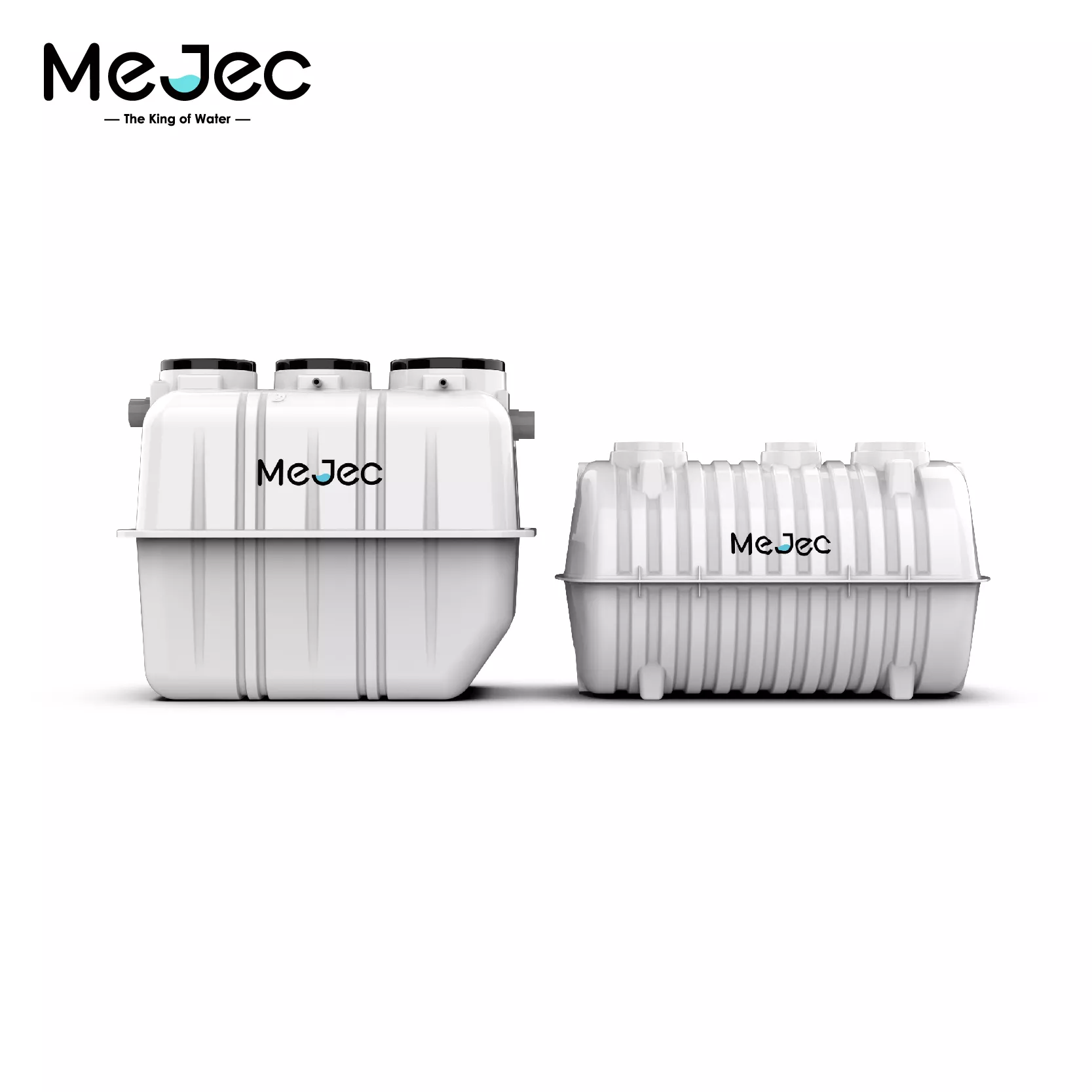
Scavenger — a compact CASS-based household plant for 5-10 people, under 40 W and solar-ready, for villas, homestays and decentralised sites.
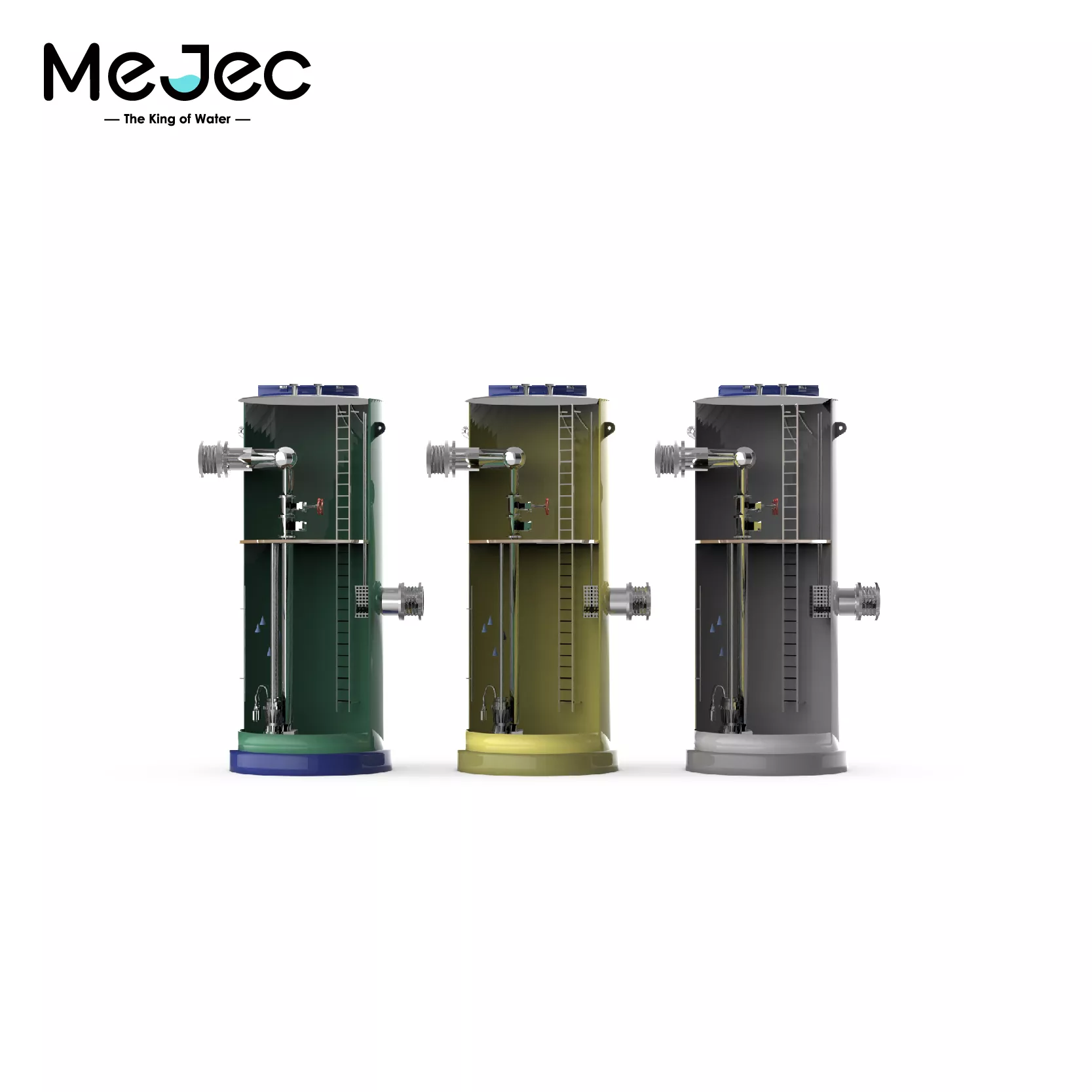
Johkasou-SA — buried units from 1 to 5 m³/d using MBBR with clarification and disinfection, sized for single homes.
Johkasou-SB — integrated AAO+MBBR plants from 20 to 100 m³/d per unit (SB20 to SB100), buried or ground-mounted, for communities, schools, service areas and small enterprises.
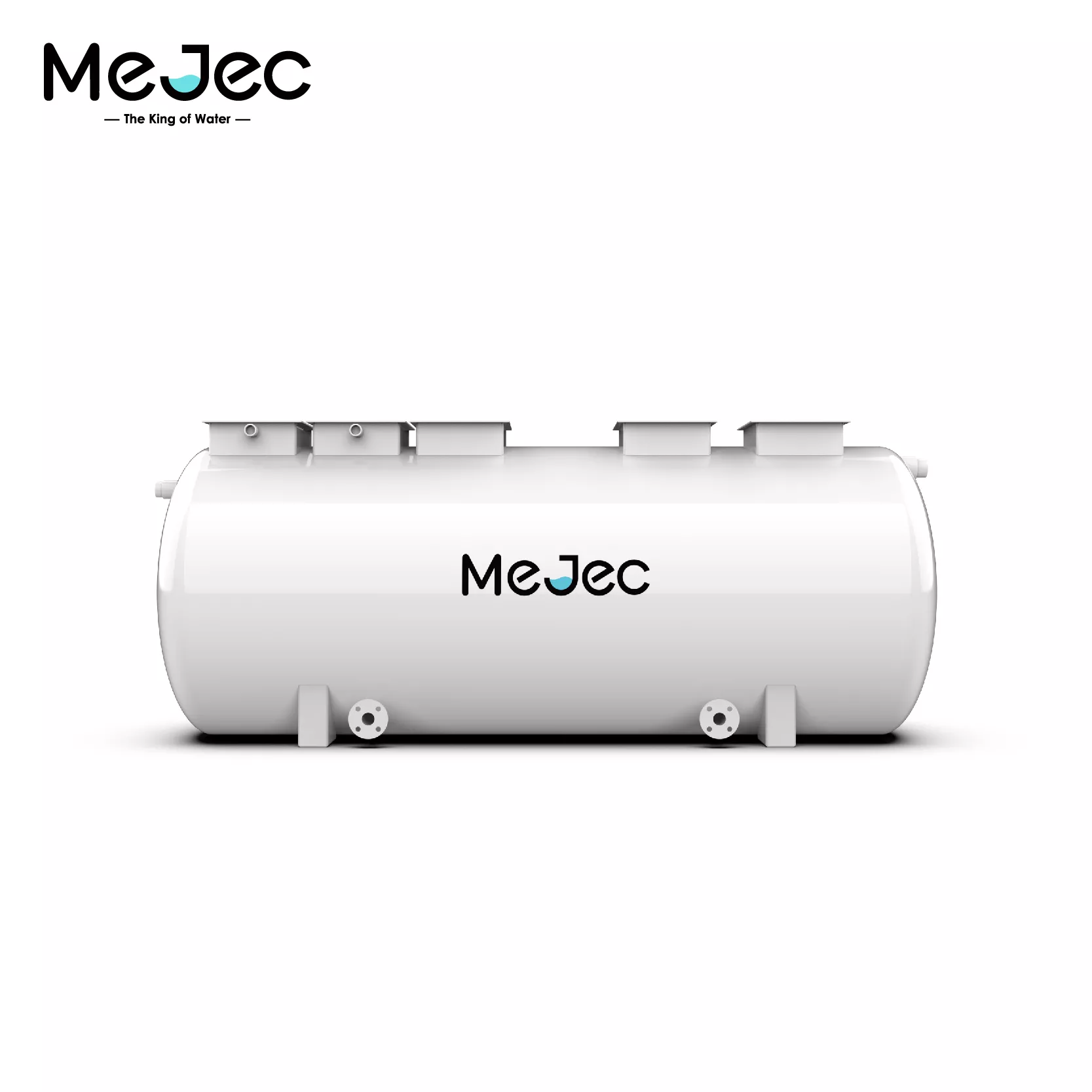
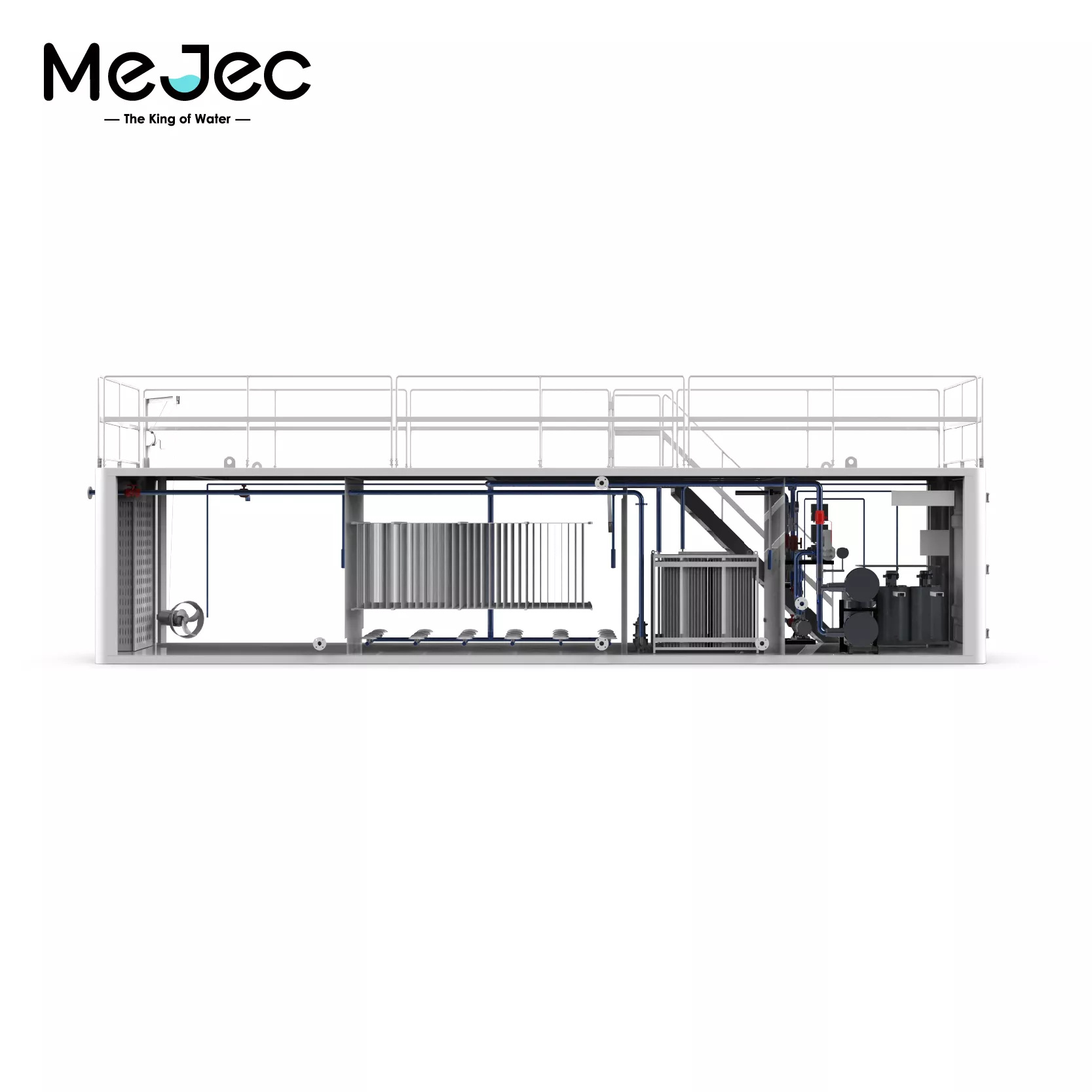
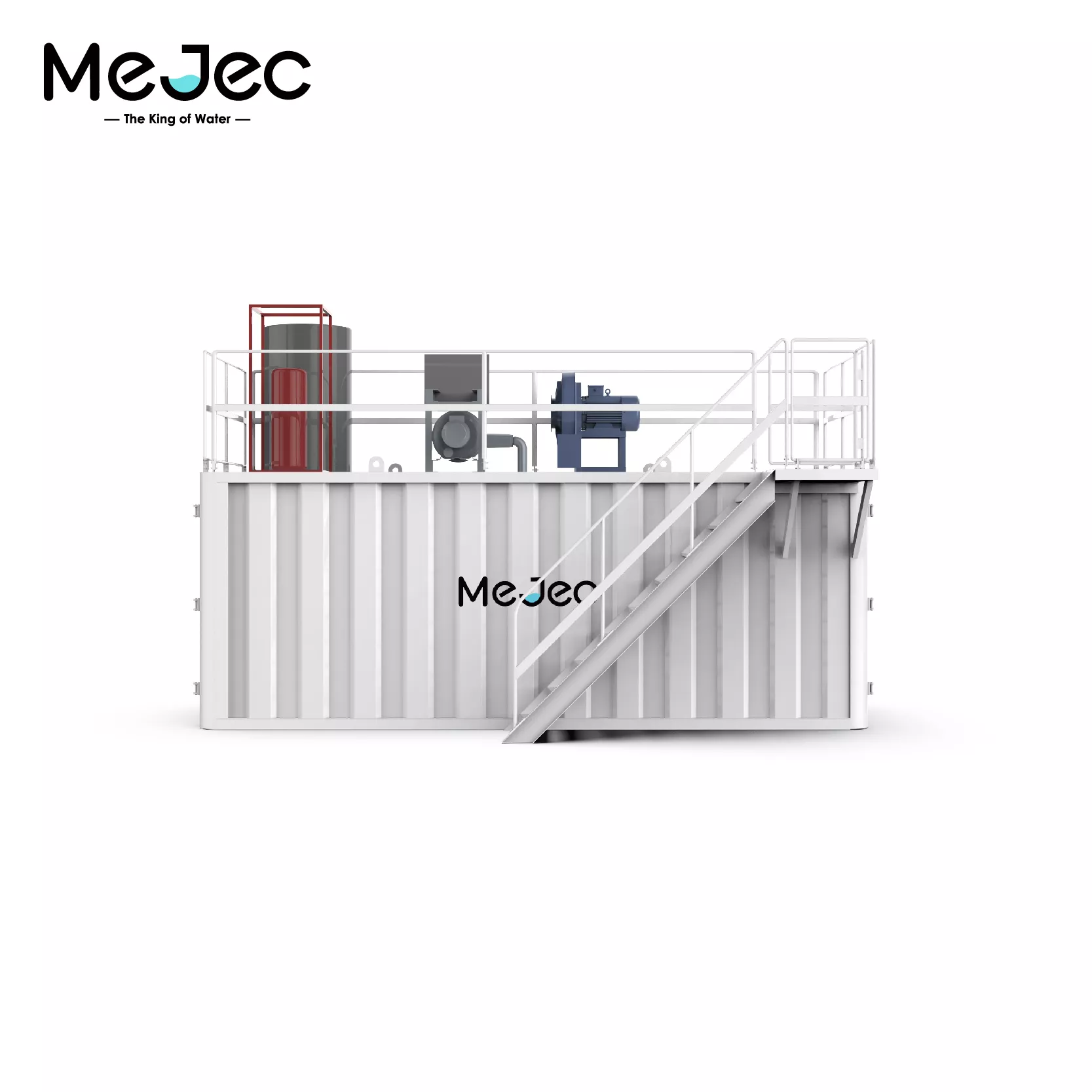
JM-MBR / MBBR — containerised plants of 50-600 m³/d per unit, combinable to around 10,000 m³/d, with UV disinfection and an optional grease trap.
JM-MABR — containerised MABR systems of up to 1,000 m³/d with 70-75% aeration energy savings against conventional blower aeration.
JM-IWTP — containerised industrial wastewater plants for electroplating, mining and metal processing loads.
Every unit is manufactured and hydro-tested in our own plant, documented for export, and supplied with the process and electrical drawings you need for permitting. We quote a single packaged plant for a pilot project on the same terms as a container load, with a lead time of 15 days and quotes returned within 24 hours.
Explore More
Choosing a sewage treatment plant manufacturer is one step in a larger process. These guides cover the rest of the journey:
How to Choose a Sewage Treatment Plant Manufacturer: 12-Point Checklist — the full verification framework behind the short version above.
What Is a Sewage Treatment Plant? Process, Types & Sizing — start here if you need the process and configuration basics before comparing manufacturers.
Buying STPs from a China Manufacturer: Export Checklist — quotation to commissioning, step by step.
Large Capacity Integrated Sewage Treatment Plant — an example of the AAO+MBBR factory-built range shipped worldwide.
Frequently Asked Questions
Should I buy from a sewage treatment plant manufacturer or a trading company?
A manufacturer that actually builds the plant controls quality, lead time, process engineering and after-sales support directly. Trading companies add a markup, cannot modify the process to match your influent, and depend on the factory for spare parts and commissioning. Factory-direct supply removes that layer and usually shortens delivery.
What certifications should a sewage treatment plant manufacturer hold?
Look for CE and ISO certification as a baseline, plus the specific export certificates your market requires. Ask for the factory's ISO management certificates and the product-level certificates issued for your destination country, because a CE mark alone does not prove the plant meets local discharge rules.
How do I verify that a sewage treatment plant meets my local discharge standard?
Give the manufacturer your discharge limits (COD, BOD, SS, ammonia nitrogen, total phosphorus) and ask them to confirm the designed effluent in writing. A serious manufacturer guarantees compliance for the specified influent and offers remote monitoring or PLC records so you can check real performance after start-up.
What is the minimum order quantity for a sewage treatment plant?
It depends on the supplier. Mejec quotes a single packaged plant for a pilot site on the same terms as a container load, with a lead time of 15 days. Many buyers start with one unit, prove the technology on site, then scale with additional containerised modules.
How long does it take to receive a sewage treatment plant from a Chinese manufacturer?
For factory-built packaged and containerised plants, manufacturing lead time is typically about 15 days plus shipping. Because the plant is prefabricated and hydro-tested in the factory, on-site installation is limited to foundations and connections, which shortens the overall project timeline by roughly 30-50% compared with a built-in-place plant.
How do I compare quotations from different sewage treatment plant manufacturers?
Do not compare prices alone. Compare the scope: process type, tank material and thickness, blower and control brand, whether the quotation includes electrical documentation and discharge compliance, testing before shipment, and what commissioning support is included. Two similar-looking quotations can describe very different plants, and the difference shows up in the first year of operation.

.webp)