



Mejec SB Johkasou for Wastewater Treatment at a Mountain Camp in Europe
Project Overview
Across Europe, wastewater infrastructure is generally well established, particularly in densely populated urban areas. However, mountainous, remote and low-density locations can face different challenges, especially where connection to a centralized sewer network is difficult or impractical.
For mountain camps, resorts, rural accommodation and recreational facilities, wastewater often needs to be treated closer to the source while adapting to the site's location and changing occupancy.
Project Case
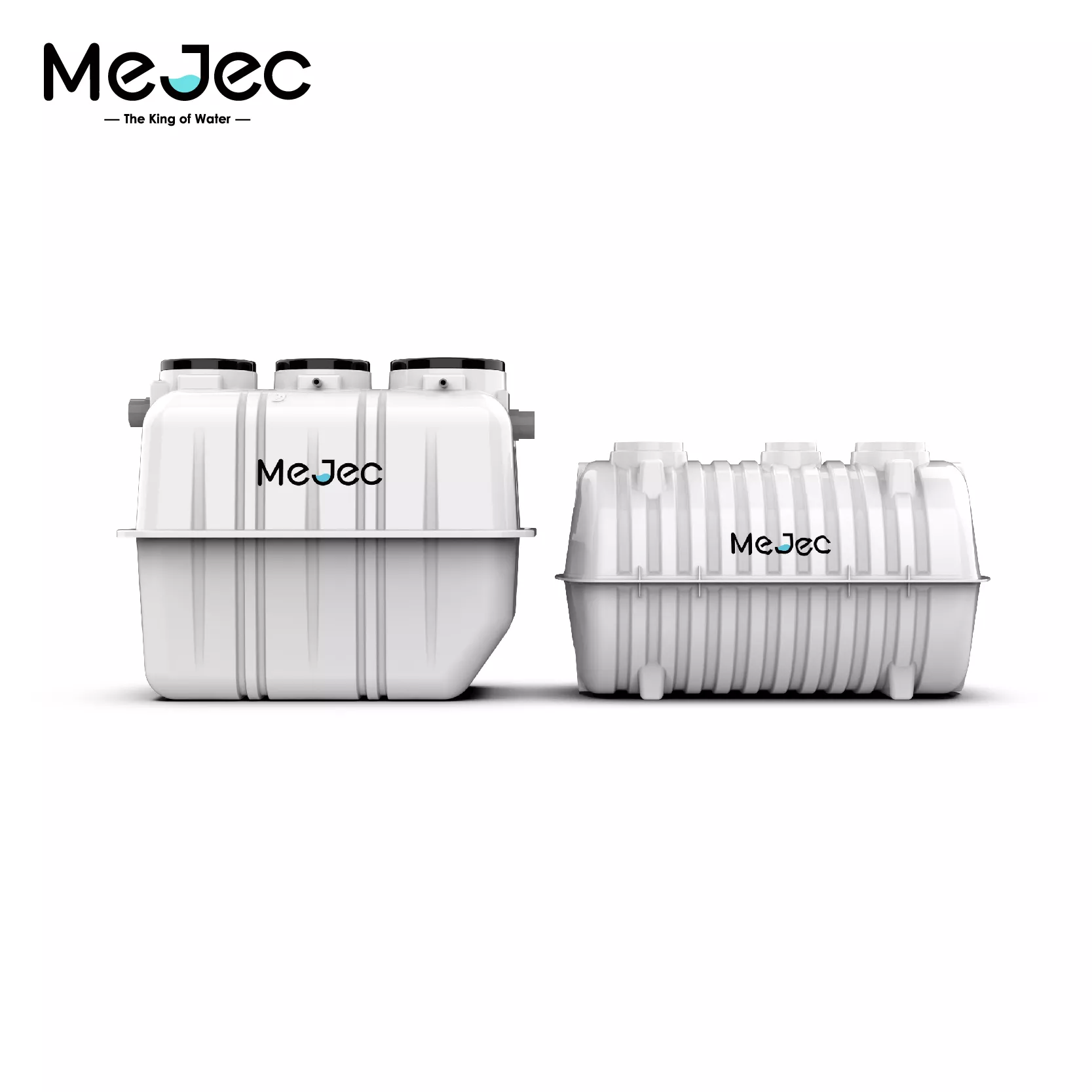
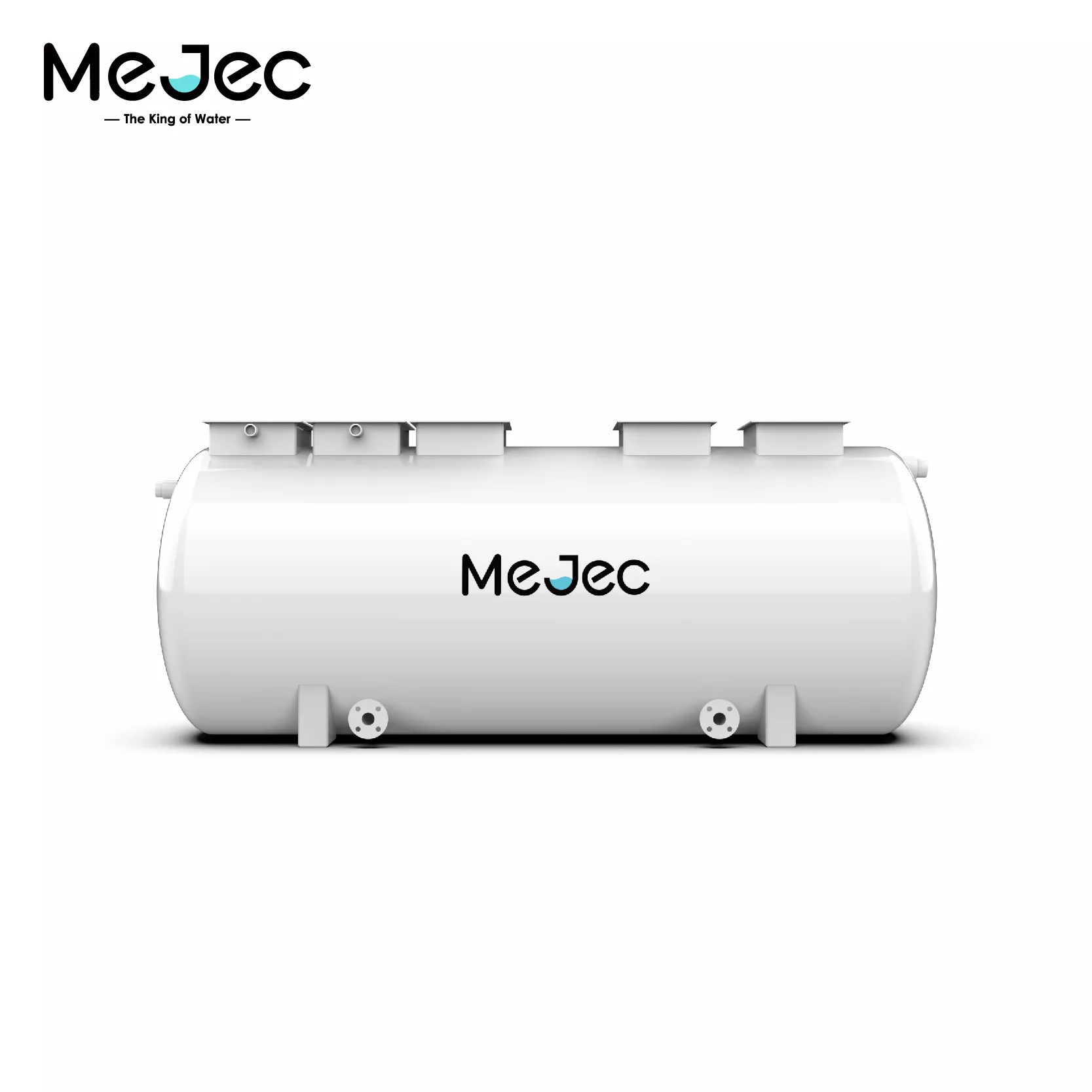
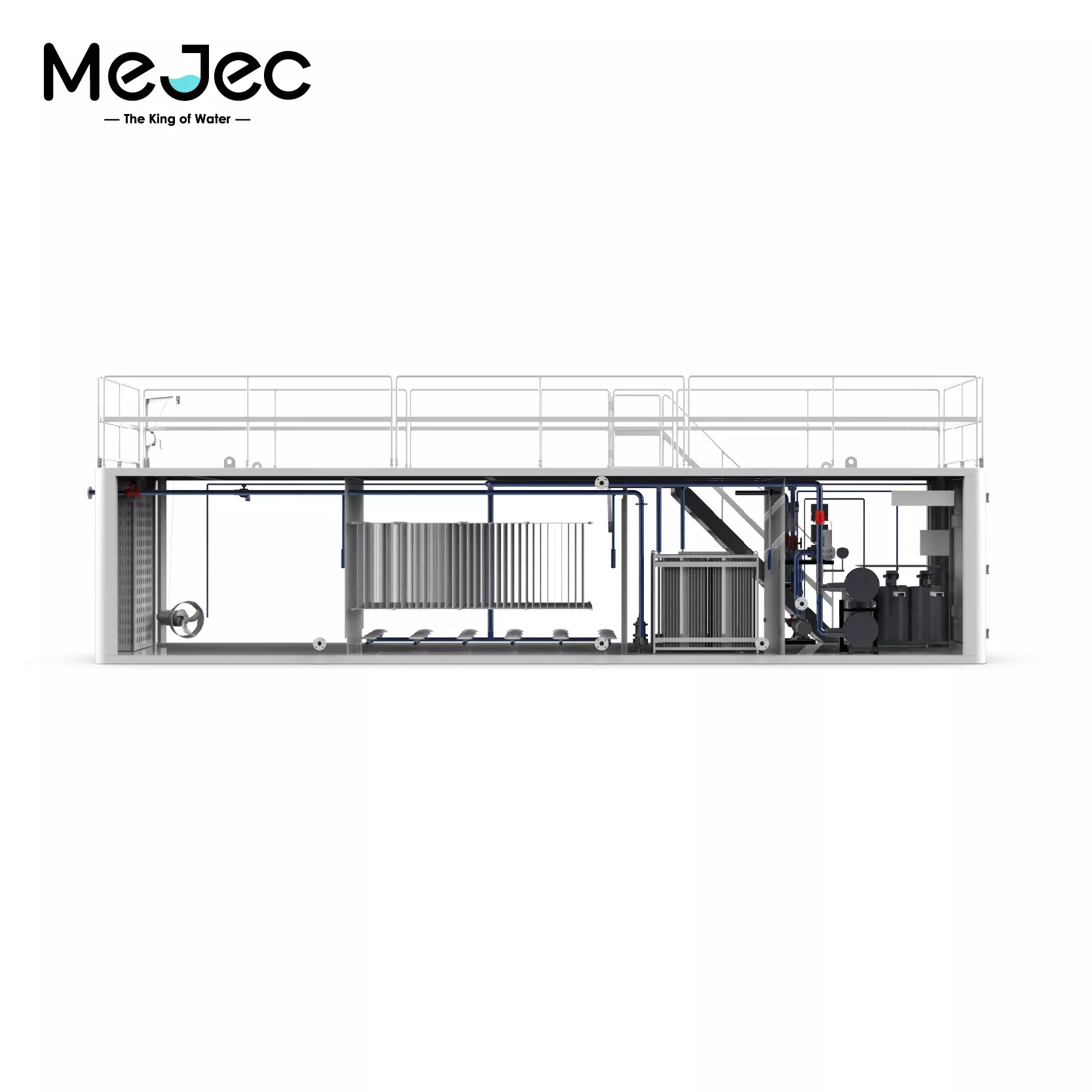
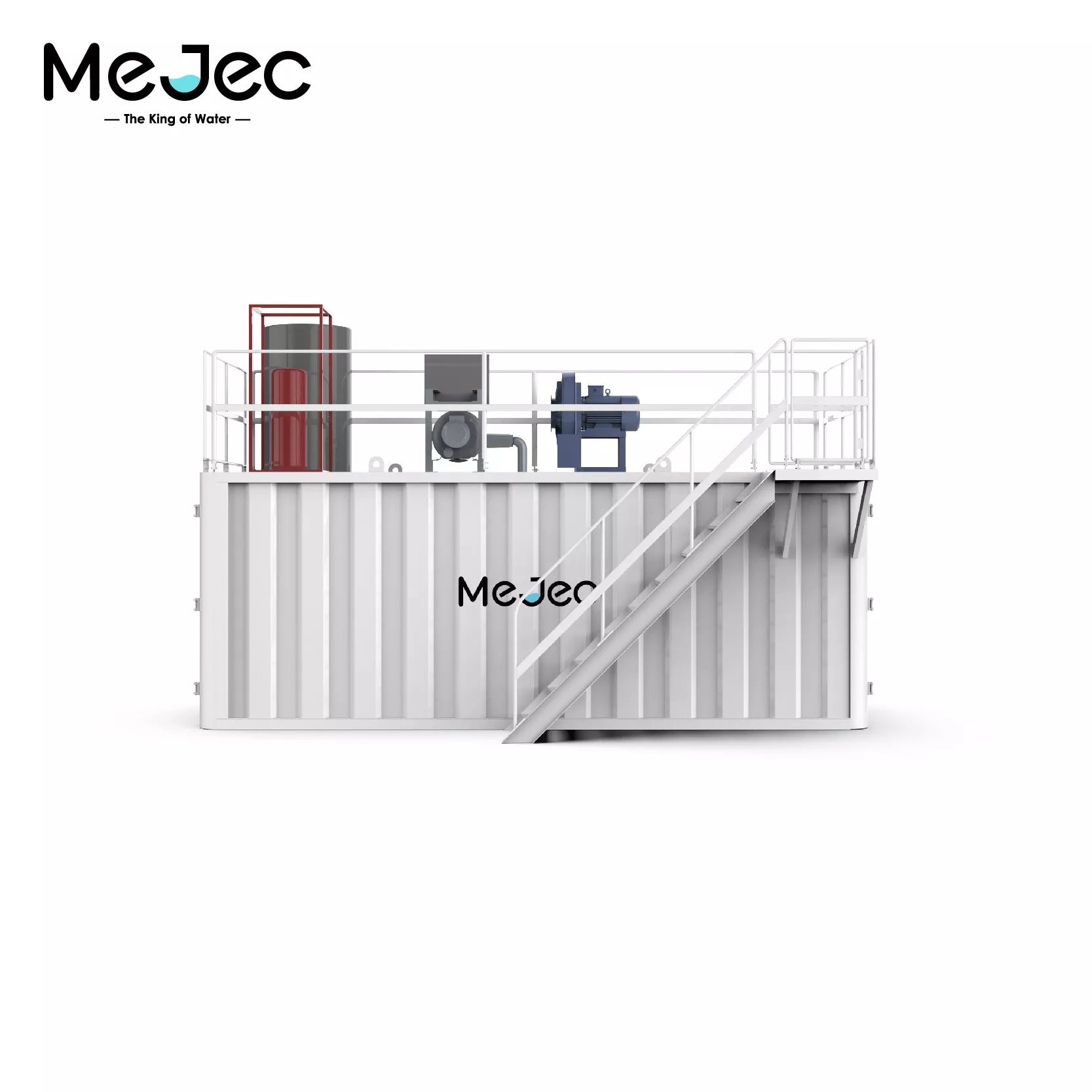
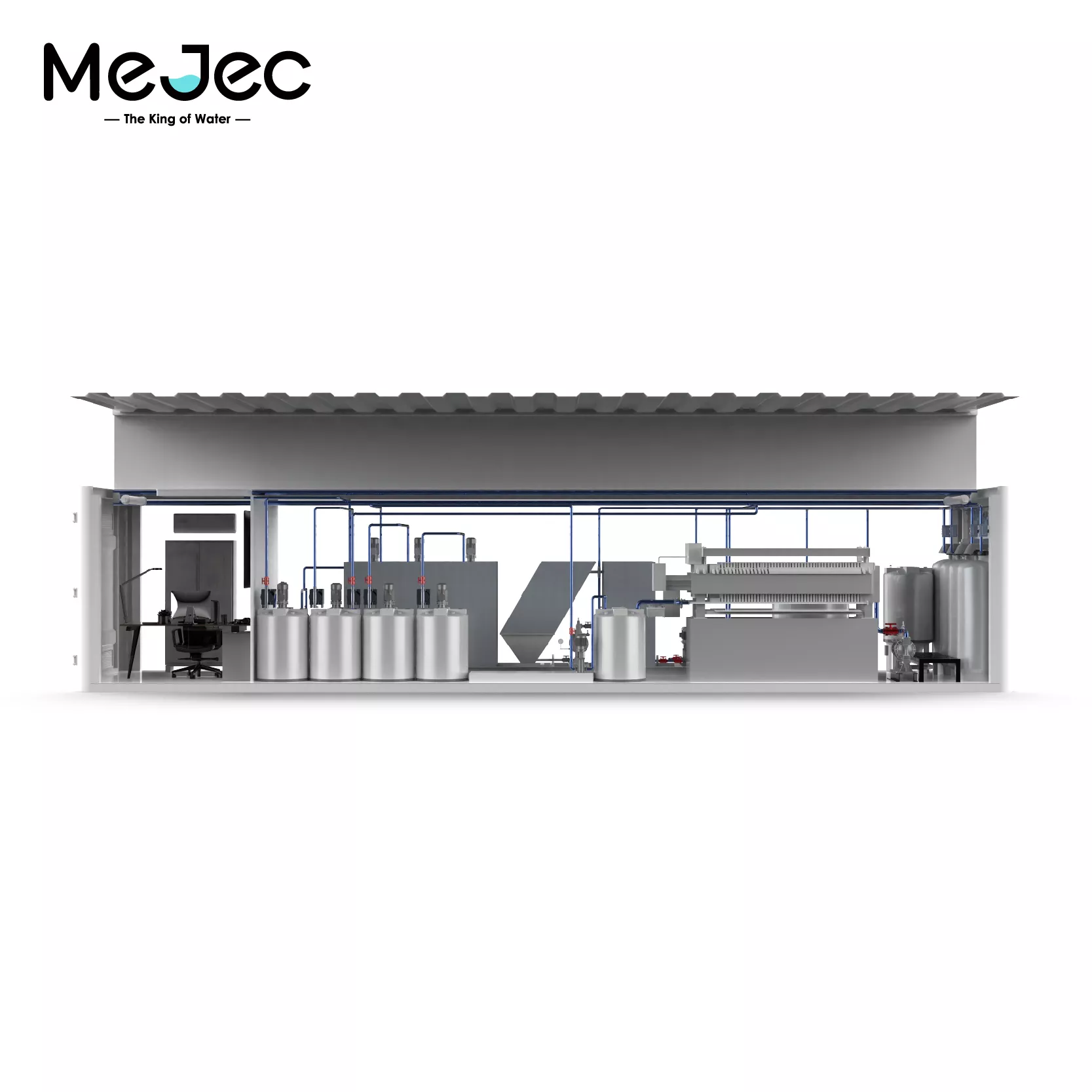
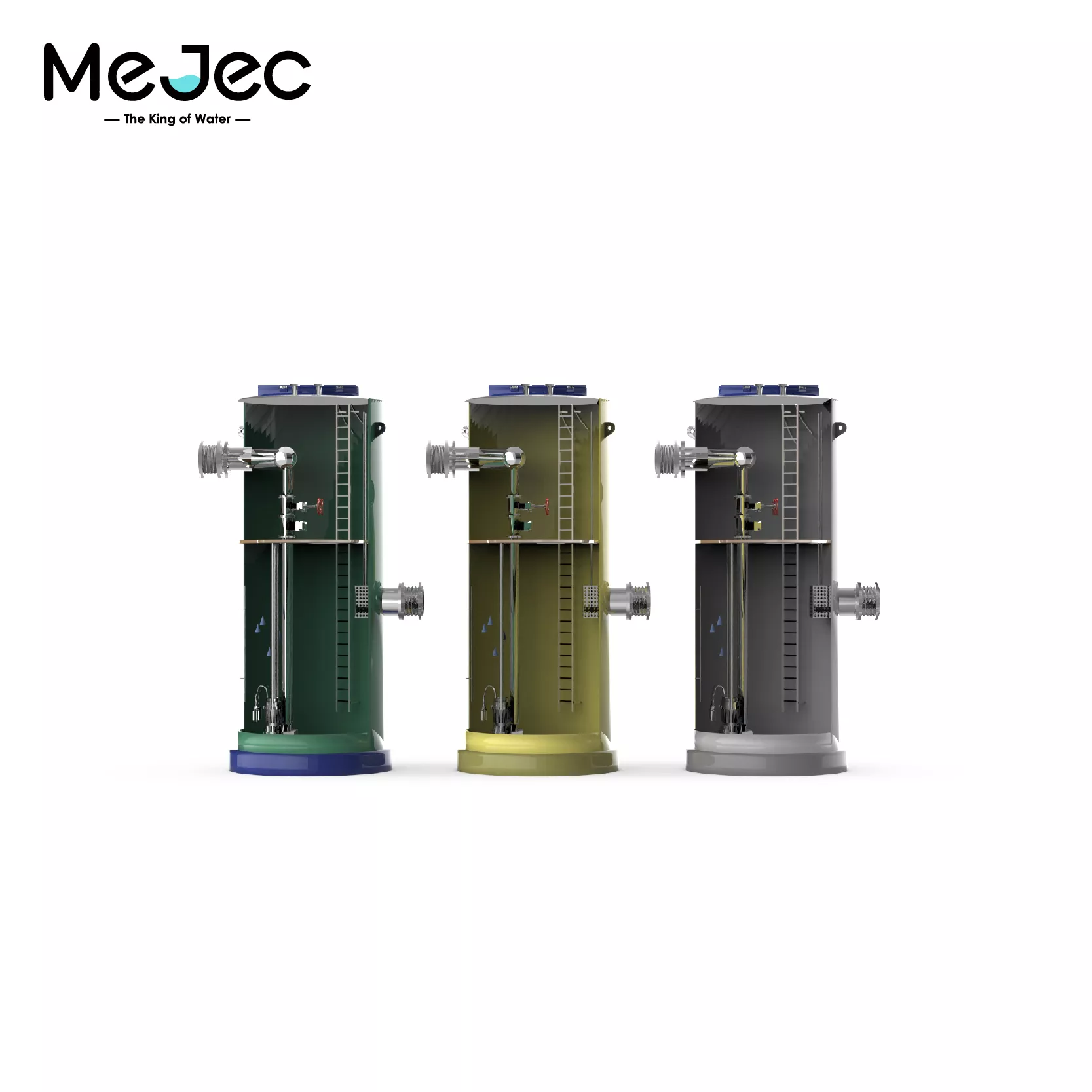
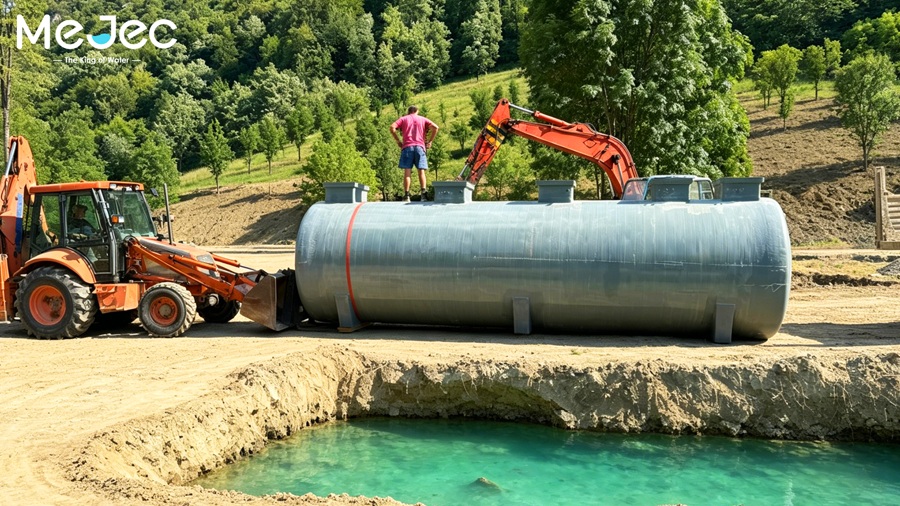
Against this background, Mejec supplied a 25 m³/day SB Johkasou integrated wastewater treatment system for a mountain-top camp in Europe.
The system adopts the MBBR (Moving Bed Biofilm Reactor) biological treatment process to treat domestic wastewater generated by the camp, providing an independent treatment solution directly at the site.
Project Challenge
Located in a mountainous environment, the camp is away from conventional centralized wastewater infrastructure. Establishing a connection to a distant sewer network would require additional infrastructure, making on-site wastewater treatment a practical approach.
The treatment system needed to handle the camp's daily domestic wastewater while maintaining stable treatment performance and high-quality effluent.
Key requirements included:
25 m³/day treatment capacity
Effective biological treatment of domestic wastewater
Removal of organic pollutants and nitrogen
Stable and high-quality effluent
An independent solution suitable for a remote location
Mejec SB Johkasou Solution
To meet these requirements, Mejec provided an SB Johkasou integrated wastewater treatment system with a capacity of 25 m³/day.
The system uses MBBR technology as its core biological treatment process. In the MBBR process, microorganisms grow on suspended biofilm carriers, providing an effective environment for the biological degradation of organic matter and nitrogen compounds.
The integrated Johkasou configuration enables wastewater to be treated directly at the camp without relying on a long-distance municipal sewer connection. It is therefore well suited to remote accommodation, camps, resorts and other decentralized applications.
For this project, the Mejec SB Johkasou was configured to meet the camp's wastewater treatment requirements while achieving the specified effluent quality.
Effluent Treatment Performance
Following treatment, the Mejec SB Johkasou achieves the following specified effluent quality:
Parameter | Effluent Quality |
|---|---|
COD | ≤ 50 mg/L |
BOD₅ | ≤ 10 mg/L |
NH₃-N | ≤ 8 mg/L |
SS | ≤ 10 mg/L |
Total Nitrogen | ≤ 15 mg/L |
Total Phosphorus | ≤ 0.5 mg/L |
The treatment performance covers key indicators including organic matter, suspended solids, ammonia nitrogen, total nitrogen and total phosphorus, providing comprehensive treatment for the camp's domestic wastewater.
Project Results
The installation of the 25 m³/day Mejec SB Johkasou provides the mountain-top camp with a dedicated wastewater treatment solution suited to its location and daily wastewater generation.
The project demonstrates the application of decentralized wastewater treatment in mountainous and remote environments, where conventional centralized infrastructure may not be readily accessible.
It also highlights the suitability of Johkasou systems for facilities with localized wastewater generation, including camps, resorts, rural accommodation and recreational sites.
Conclusion
This project shows how Mejec SB Johkasou technology can provide reliable wastewater treatment for remote facilities with specific site requirements. By combining an integrated Johkasou system with MBBR biological treatment, the solution brings wastewater treatment closer to the point of generation while achieving the required effluent quality.
It is a practical approach for mountain camps and other decentralized facilities where conventional sewer infrastructure is not readily available.