



.webp)
What is MBBR for sewage treatment plant?
MBBR sewage treatment plant uses biofilm carriers ...
More

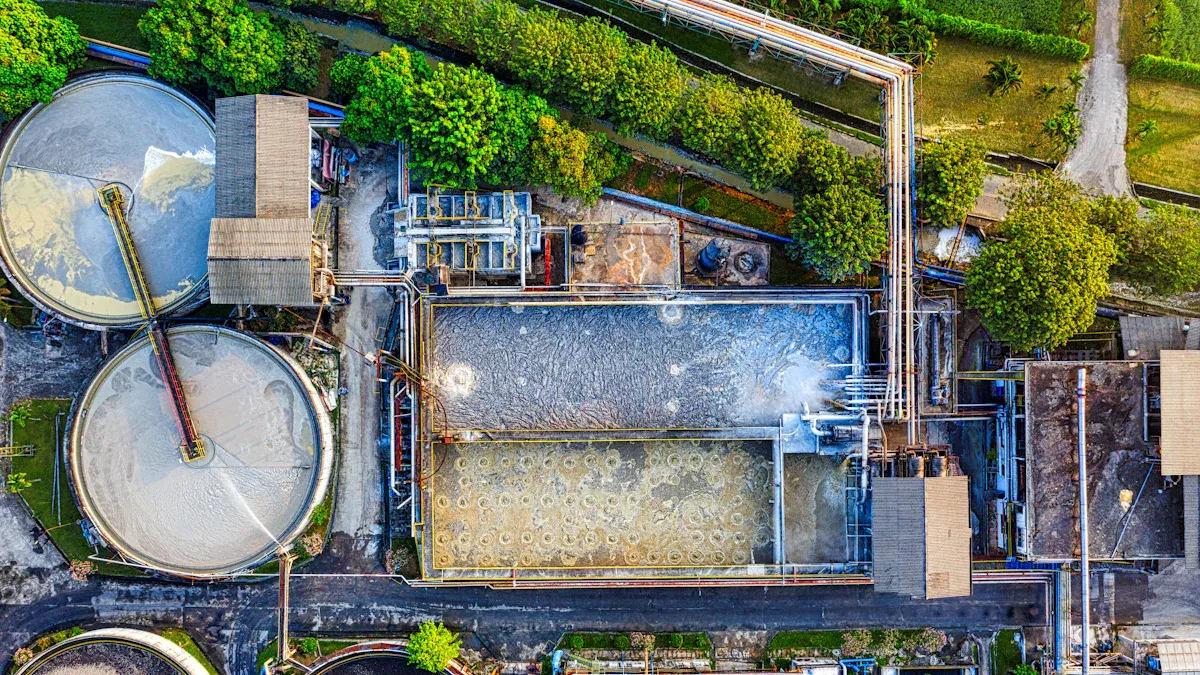
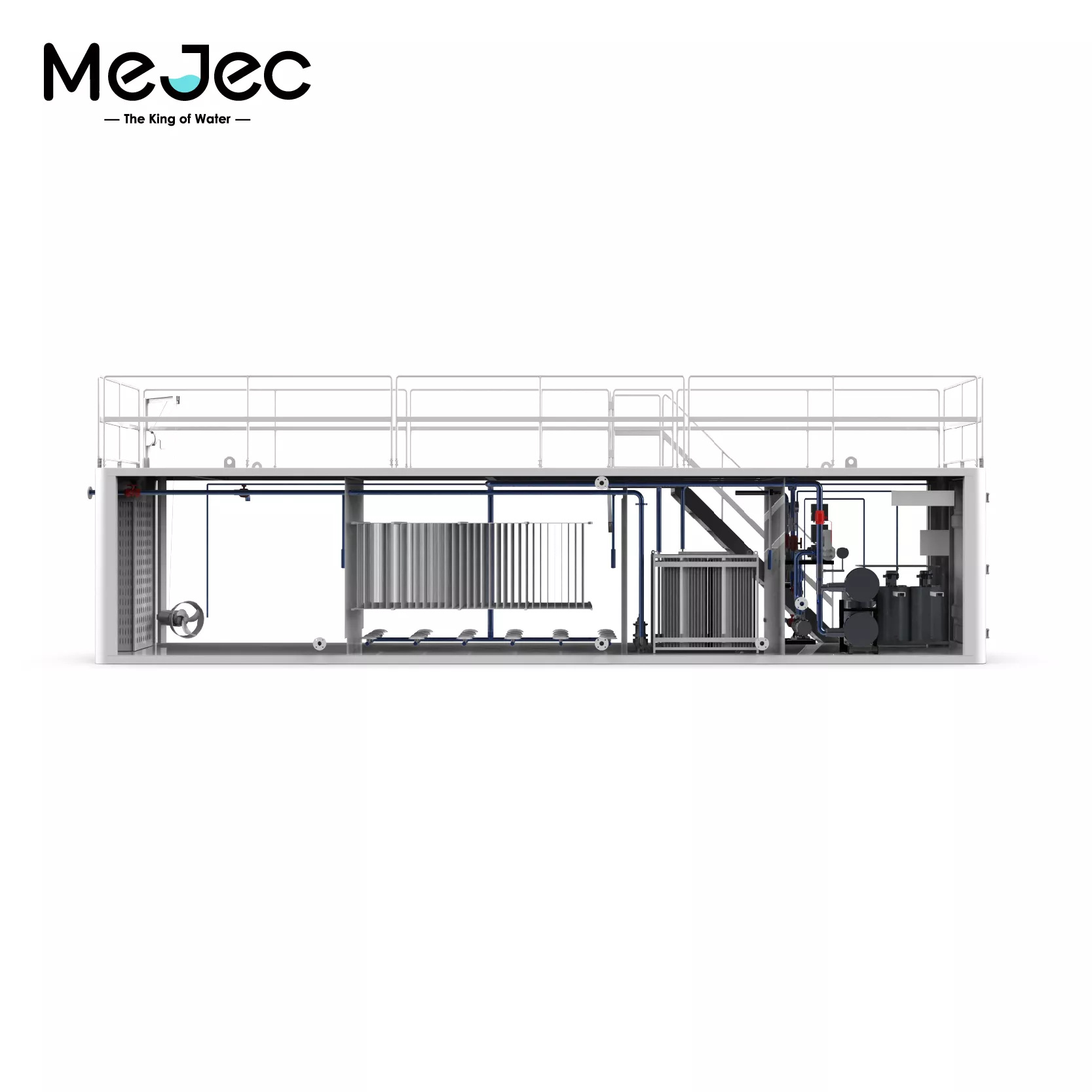
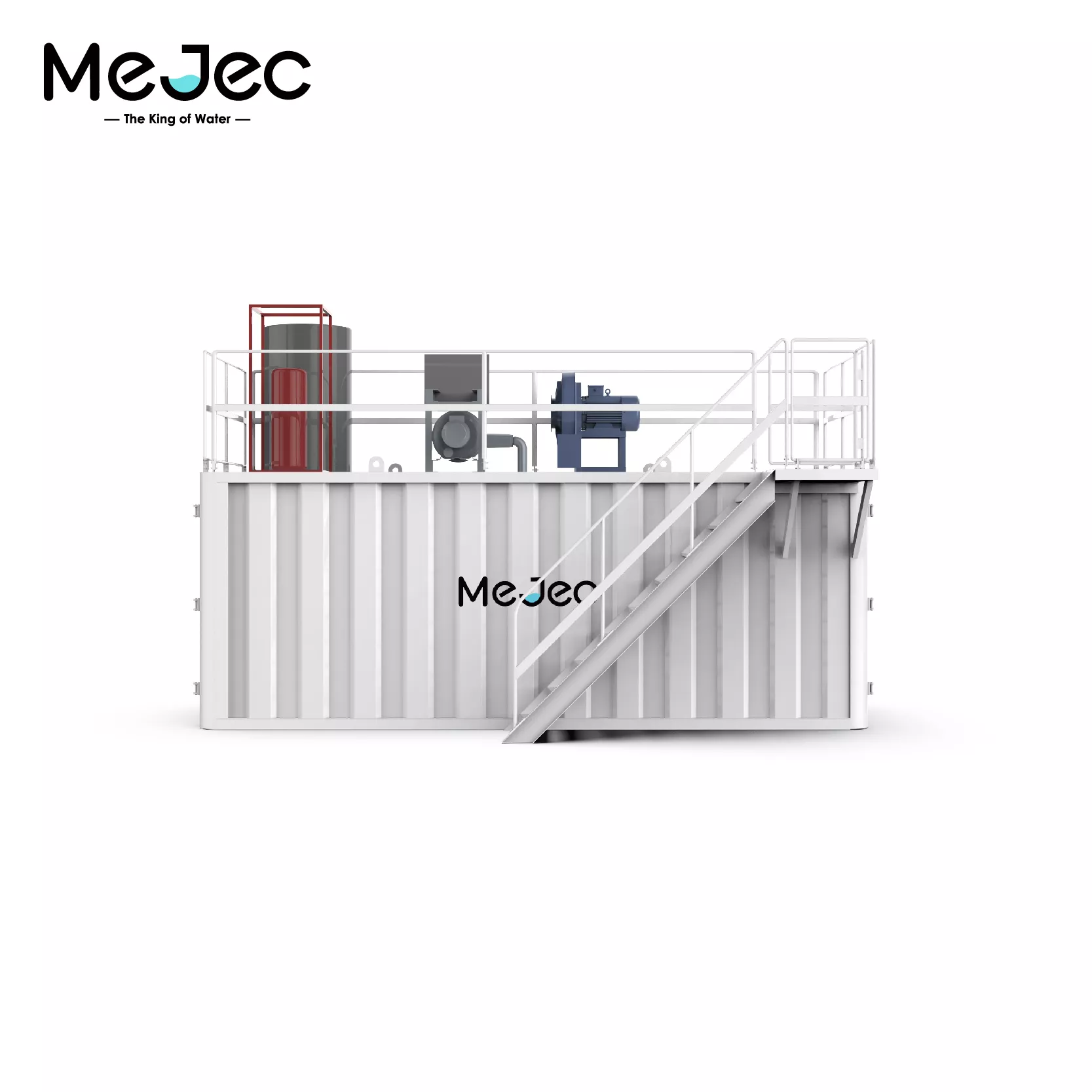
You gain many advantages when you choose a containerized sewage treatment plant:
You save money with efficient and cost-effective systems.
You can combine units to fit your needs.
You benefit from automatic operation, remote monitoring, and simple maintenance.
Choose a flat, accessible location for your containerized sewage treatment plant. Ensure the ground can support the weight and check local regulations for permits.
Regularly inspect and clean your system to prevent serious issues. Use safe cleaning agents that support the bacteria that break down waste.
Monitor your system with digital sensors for real-time updates. This helps you respond quickly to any problems and maintain optimal performance.
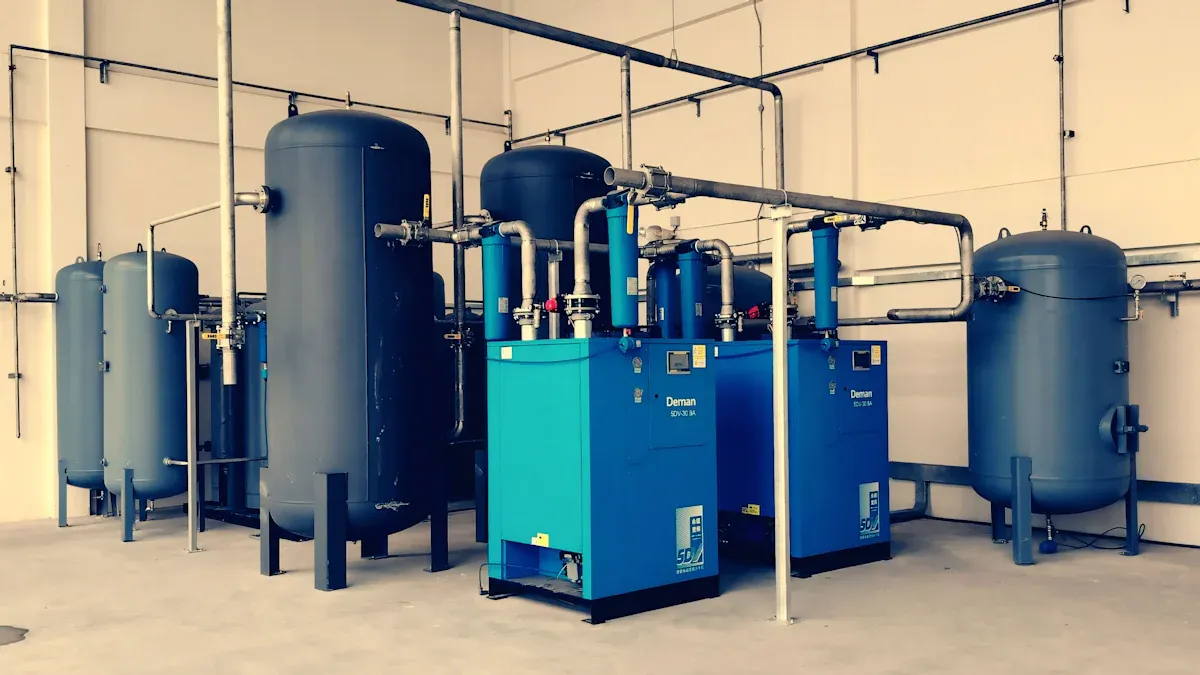
You start by choosing a suitable location for your containerized sewage treatment plant. Look for a flat area with easy access for vehicles and workers. Check the soil type and make sure the ground can support the weight of the container. You need to measure the space and confirm that it fits the plant and allows for safe movement around it.
Tip: Always check local regulations before you begin. Some areas require permits for sewage treatment systems.
You mark the area for excavation using stakes and string. Dig the ground to the required depth, usually based on the size of your containerized sewage treatment plant. Remove rocks and debris from the site. Pour a concrete base that matches the container’s footprint. The base must be level and strong to prevent shifting or sinking.
Use a concrete mix with the right strength rating.
Let the concrete cure for at least 24 hours before placing the container.
You use a crane or forklift to lift the containerized sewage treatment plant onto the concrete base. Position the container so that all access doors and service panels face outward. Secure the container with anchor bolts or brackets. This step keeps the plant stable during operation and protects it from wind or accidental movement.
Note: Double-check the alignment before tightening the bolts.
You connect the inlet and outlet pipes to the containerized sewage treatment plant. Make sure the pipes fit tightly to prevent leaks. Attach the electrical cables to the control panel. You need to follow the wiring diagram provided by the manufacturer. Test each connection to confirm that water and power flow correctly.
| Connection Type | What You Need | Safety Check |
|---|---|---|
| Plumbing | PVC pipes, seals | No leaks |
| Electrical | Cables, breakers | Proper grounding |
You fill the excavated area around the concrete base with soil or gravel. Pack the material firmly to support the container. Restore the ground surface and remove any leftover construction materials. Inspect the site for hazards like sharp objects or loose wires.
Clean up the area to prevent accidents.
Make sure drainage paths stay clear.
You turn on the containerized sewage treatment plant for the first time. Watch the control panel for warning lights or error messages. Check the water flow and listen for unusual noises. Test the sensors and alarms to make sure they work. Record the startup readings in a logbook.
Alert: If you see any leaks or electrical problems, shut down the system and fix them before continuing.
You have now completed the installation process. Your containerized sewage treatment plant is ready for regular use.
You keep your containerized sewage treatment plant running smoothly by inspecting and cleaning it on a regular schedule. Inspections help you spot problems before they become serious. Cleaning removes buildup and keeps the system healthy.
Here is a table showing how often experts recommend you inspect and pump your system:
| Source | Recommendation |
|---|---|
| NTO Tank | Inspect every 2 to 5 years after 5 to 10 years of service |
| U.S. Department of Health & Human Services | Pump every 3 to 5 years for a family of four |
| Alpha Environmental | Pump at intervals of 3-5 years |
| Feike Masanitation | Regular pumping every 3 to 5 years prevents backups |
You should use safe and effective cleaning agents. Some products support the bacteria that break down waste. Here are some options:
BREEZE: Uses enzymes and microorganisms for cleaning toilets, sinks, and showers.
REVEILLE: Contains millions of microorganisms to digest waste and remove odors.
EFFERSAN: A non-caustic disinfectant that kills harmful bacteria.
PIRANAH POWDER: Natural bacterial cultures that improve sewage breakdown.
CRYSTALLINE: A dry chemical for sewage conditioning, safe to handle.
COCO-CLEAN: Granular carbon that reduces odors and chemical oxygen demand.
Gamazyme: Probiotic cleaner that is safe for users and the environment. It helps the bacteria in your system work better.
Tip: Avoid harsh chemicals. They can harm the bacteria that treat your sewage.
You need to monitor your system to make sure it works well every day. Modern technology makes this easier and more reliable. You can use digital sensors and smart systems to track water quality and equipment status in real time. These tools help you respond quickly if something goes wrong.
IoT sensors give you instant updates on water quality and system health.
Smart systems replace manual checks and help you act fast.
AI and digital twins help you optimize your plant and follow regulations.
Predictive analytics use data to warn you about problems before they happen.
You can make better decisions when you have good data. You can also spot changes in water quality right away.
You must remove sludge from your containerized sewage treatment plant to keep it working. Sludge builds up over time and can block the system. Most experts recommend pumping out sludge every 3 to 5 years. You should check the sludge level during your routine inspections.
To refill water, use clean water and follow the manufacturer's instructions. Make sure you do not overfill the tank. Record each desludging and refill in your maintenance log.
Alert: Never skip desludging. Too much sludge can cause backups and damage your system.
Rainwater can cause problems if it gets into your system. You can protect your plant by using special design features. Here is a table of features that help keep rainwater out:
| Design Feature | Description |
|---|---|
| Sealing and barriers | Seals and barriers protect important parts from water. |
| Gates or barriers | Stop flood water from entering the plant. |
| Shut-off valves | Prevent sewer backflow during storms. |
| Water-tight joins | Keep water from leaking between parts. |
| Non-return valves | Stop sewage from backing up into buildings. |
| Waterproofing | Protect electrical parts from water damage. |
| Enclosed faeces storage | Keep waste safe during floods. |
Check these features often, especially before rainy seasons.
You must follow safety rules to protect yourself and the environment. Regular safety checks keep your plant safe and legal. Here is a table of important safety checks:
| Safety Check | Description |
|---|---|
| Product name | Name of the chemical product |
| Component | What is in the product |
| CAS number | Chemical ID number |
| Container size | Size of the storage container |
| Hazard classification | Type of hazard |
| Location | Where you store or use the chemical |
| Amount stored | How much you keep on site |
| Amount in use (closed systems) | How much you use in closed systems |
| Amount in use (open systems) | How much you use in open systems |
Always ground equipment before you move flammable liquids.
Check grounding devices every week to make sure they are secure.
Note: Keep records of all safety checks for inspections.
You may face some common problems with your containerized sewage treatment plant. Here is a table of issues and what you can do:
| Issue Type | Description |
|---|---|
| Design Mismatch | Make sure your plant matches both water flow and waste strength. |
| Aeration & Biology Issues | Check oxygen levels and sludge balance to keep bacteria healthy. |
| Influent Variability | Watch for sudden changes in waste. Toxic loads can harm bacteria. |
| Sludge Mismanagement | Remove sludge on time to keep the system stable. |
| Membrane/Filter Failures | Clean and replace filters as needed to avoid breakdowns. |
| Lack of Monitoring | Use sensors and keep good records to avoid failures. |
| Economic Failure | Control costs to keep your plant running. |
Tip: Train your team to spot problems early. Good training prevents many issues.
You can keep your system running well with regular care, smart monitoring, and quick action when problems arise.
You can achieve reliable results with your containerized sewage treatment plant by following each step and avoiding common mistakes. Plan for routine maintenance, train your team, and use remote monitoring.
| Maintenance Strategy | Description |
|---|---|
| Routine Maintenance | Replace filters and calibrate sensors regularly. |
| Major Component Servicing | Service pumps and membranes in confined spaces. |
| Space Management | Add containers carefully if you need more space. |
| Regulatory Compliance | Follow local rules for safety and noise. |
Do not install tanks deeper than allowed.
Avoid placing tanks in high-pressure areas.
Never backfill an empty tank.
Stay proactive and keep your system running smoothly.
You should check your plant every month. Regular checks help you find problems early and keep your system working well.
You should inspect the system for leaks or blockages. Clean filters and check for sludge buildup. Bad smells often mean you need maintenance.
Yes, you can add more containers. Most systems let you connect extra units easily. This helps you handle more wastewater as your needs change.
A Comprehensive 2025 Overview of Semi-welded Heat Exchangers
Comparative Analysis of EHEDG and 3A SSI Hygienic Standards
Ways to Reduce Environmental Impact Using Plate Heat Exchangers

We provide you with comprehensive foreign trade solutions to help enterprises achieve global development
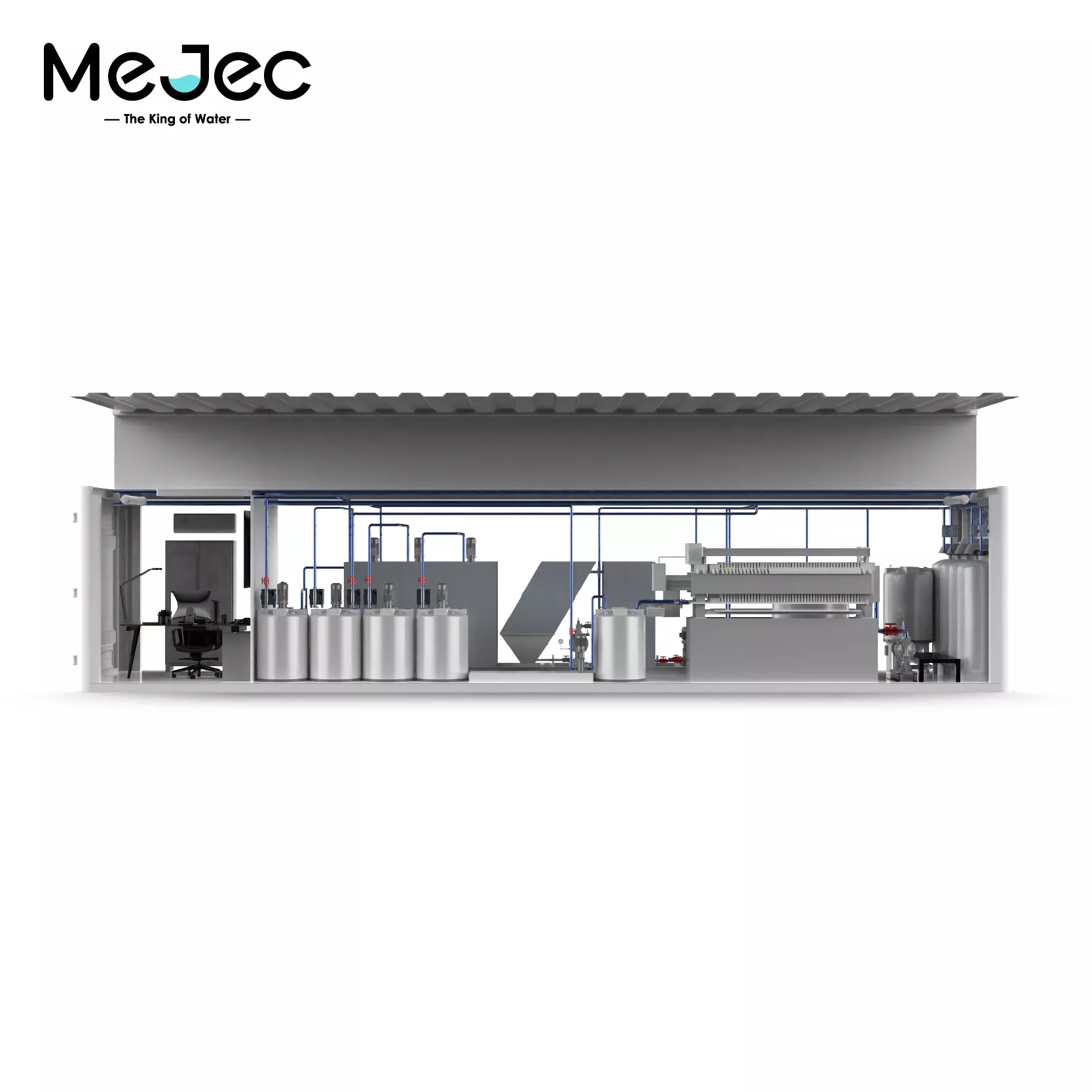
Mejec containerized wastewater treatment system ad...
Our RO system combines cutting-edge convenience wi...
Our advanced RO filter system is engineered to rem...

Whether your venue is a specialty café in pursuit ...
Select the most popular foreign trade service products to meet your diverse needs
Select the most popular foreign trade service products to meet your diverse needs




User Comments
Service Experience Sharing from Real Customers
Michael Chen
Project ManagerOur remote mining camp desperately needed a reliable wastewater solution. This containerized plant was delivered quickly, installed in days, and has performed flawlessly for 6 months. The modular design and low maintenance are game-changers for us.
Sarah Johnson
Environmental EngineerAs a consultant for a coastal resort project, we needed a compact, efficient treatment system to meet strict discharge standards. This containerized plant provided excellent effluent quality right from startup. The only minor issue was some initial calibration, but the support team was very responsive.
David Rodriguez
Construction Site SupervisorFor our temporary worker housing on a large infrastructure project, this was the perfect solution. It's completely self-contained, easy to relocate between sites, and handled the variable load perfectly. Saved us huge costs compared to traditional hauling.
Lisa Wang
Facility Operations DirectorOur manufacturing plant had an urgent need to expand capacity due to new production lines. Adding a second containerized treatment unit was seamless—plug-and-play integration with our existing system. Reliability and consistent performance have been outstanding.