




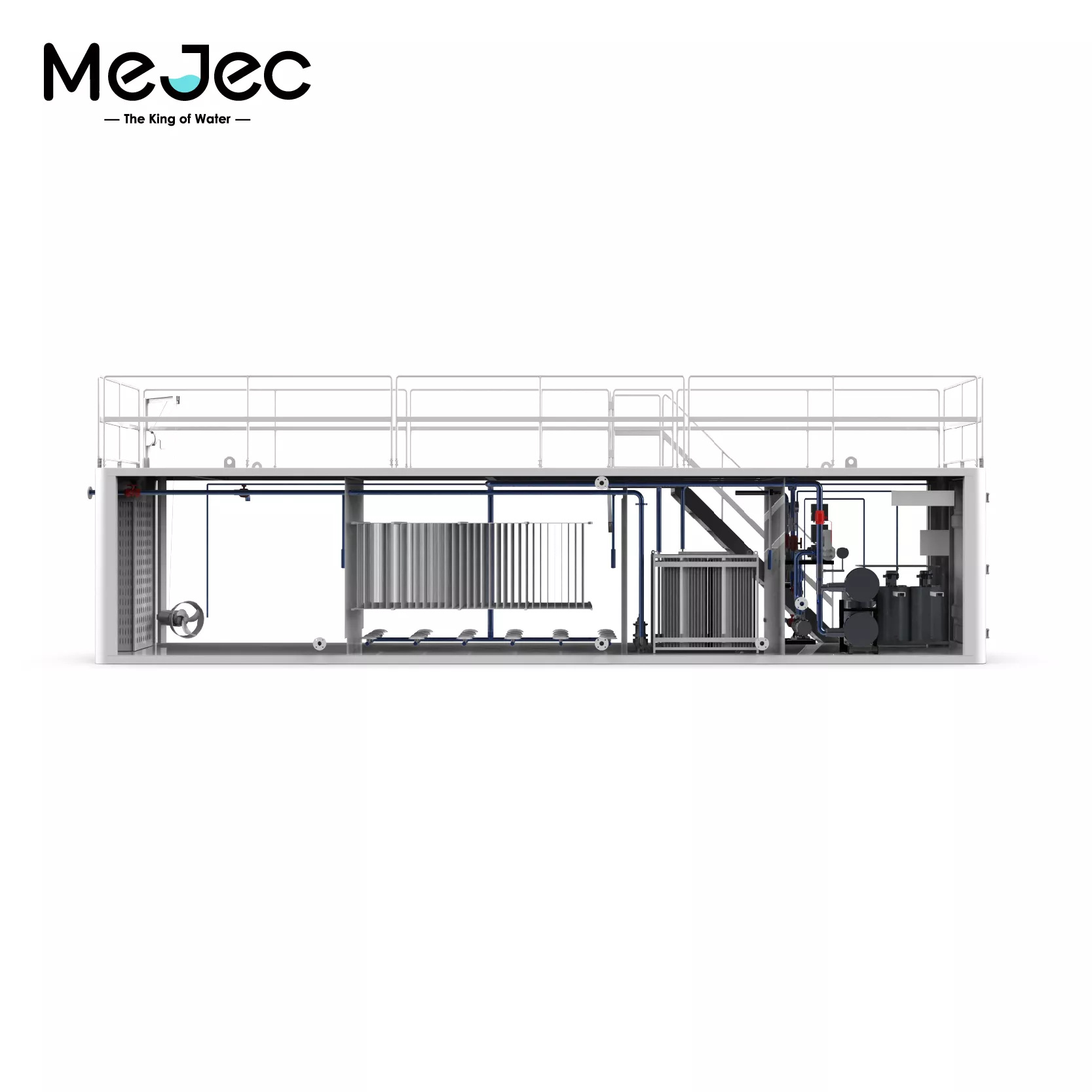
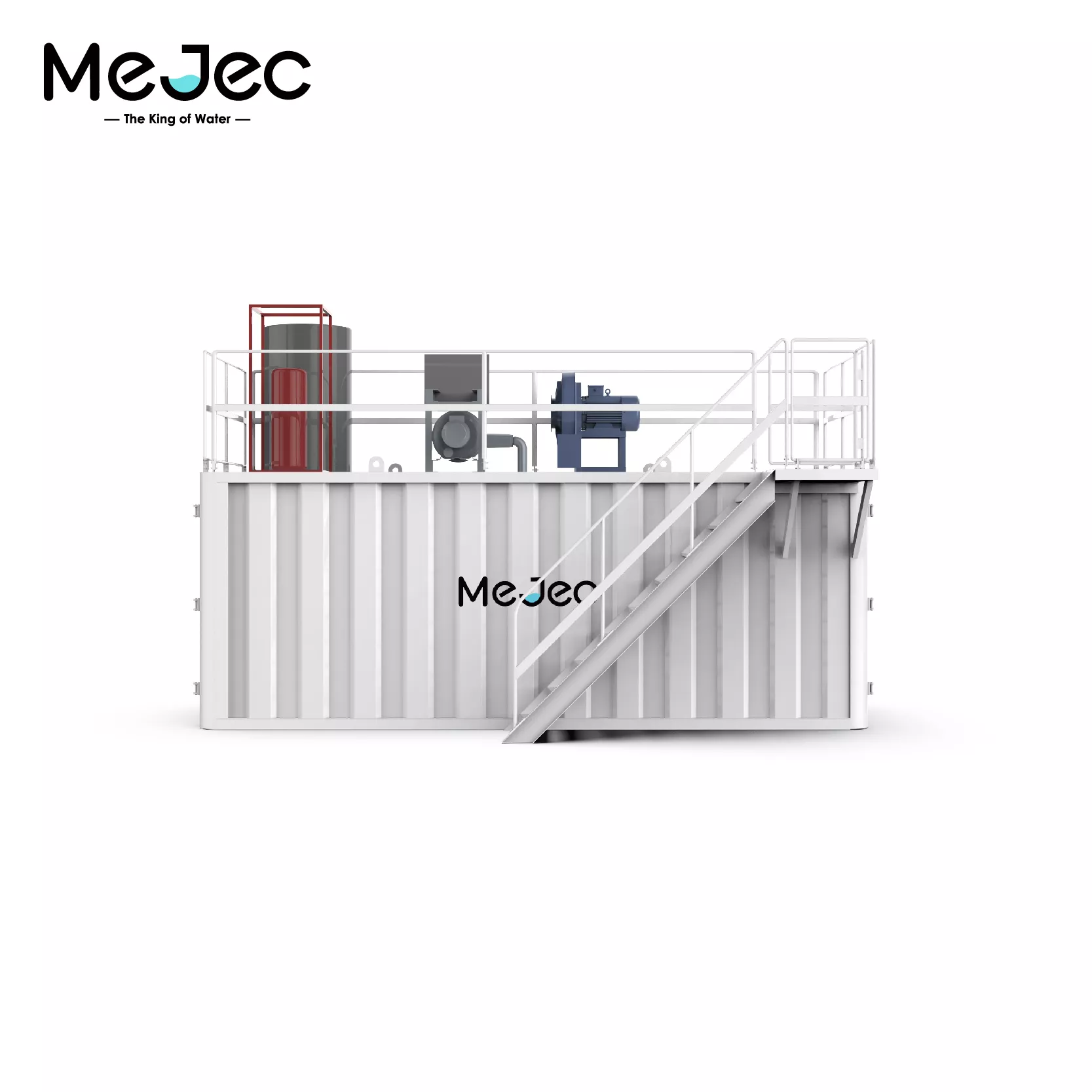
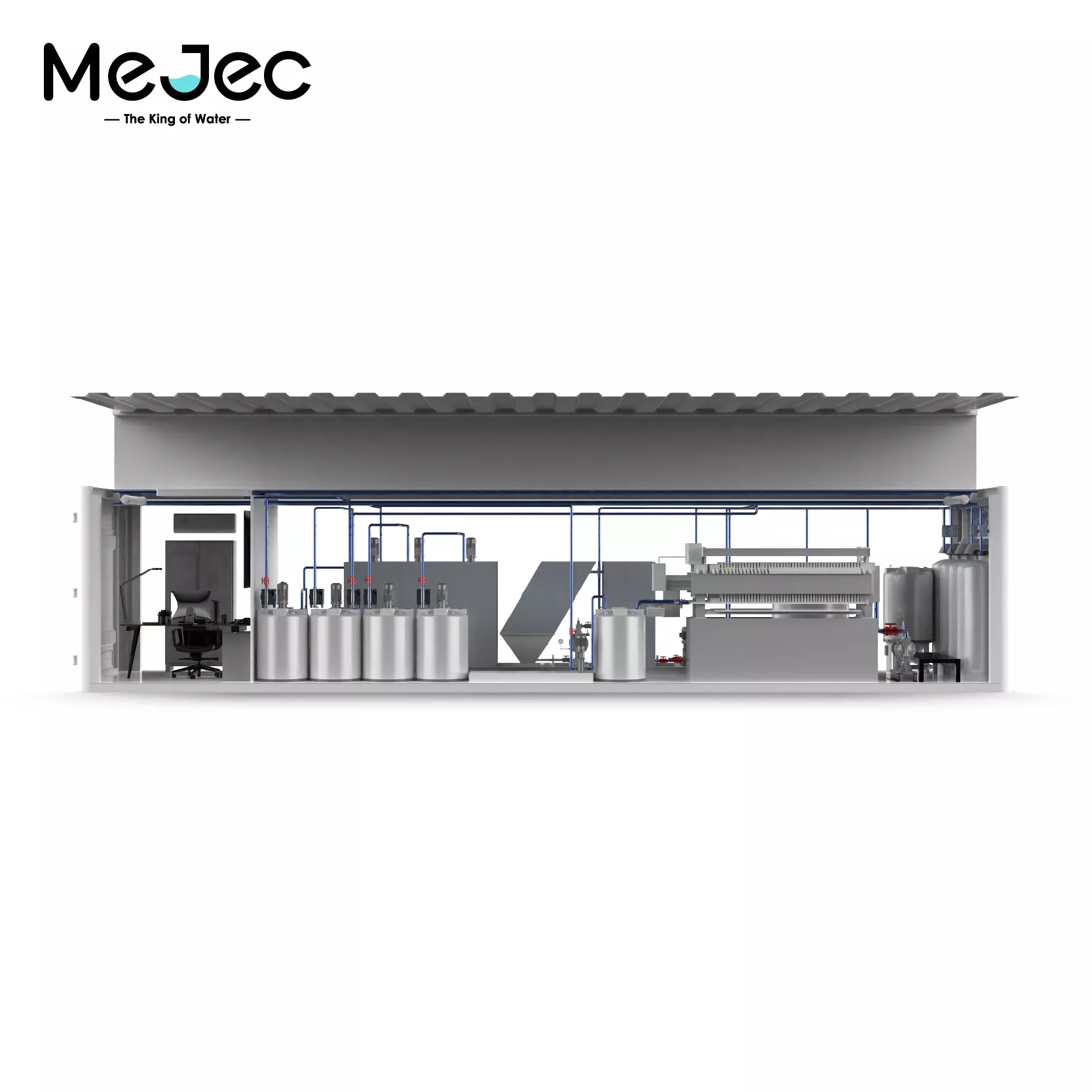
.webp)
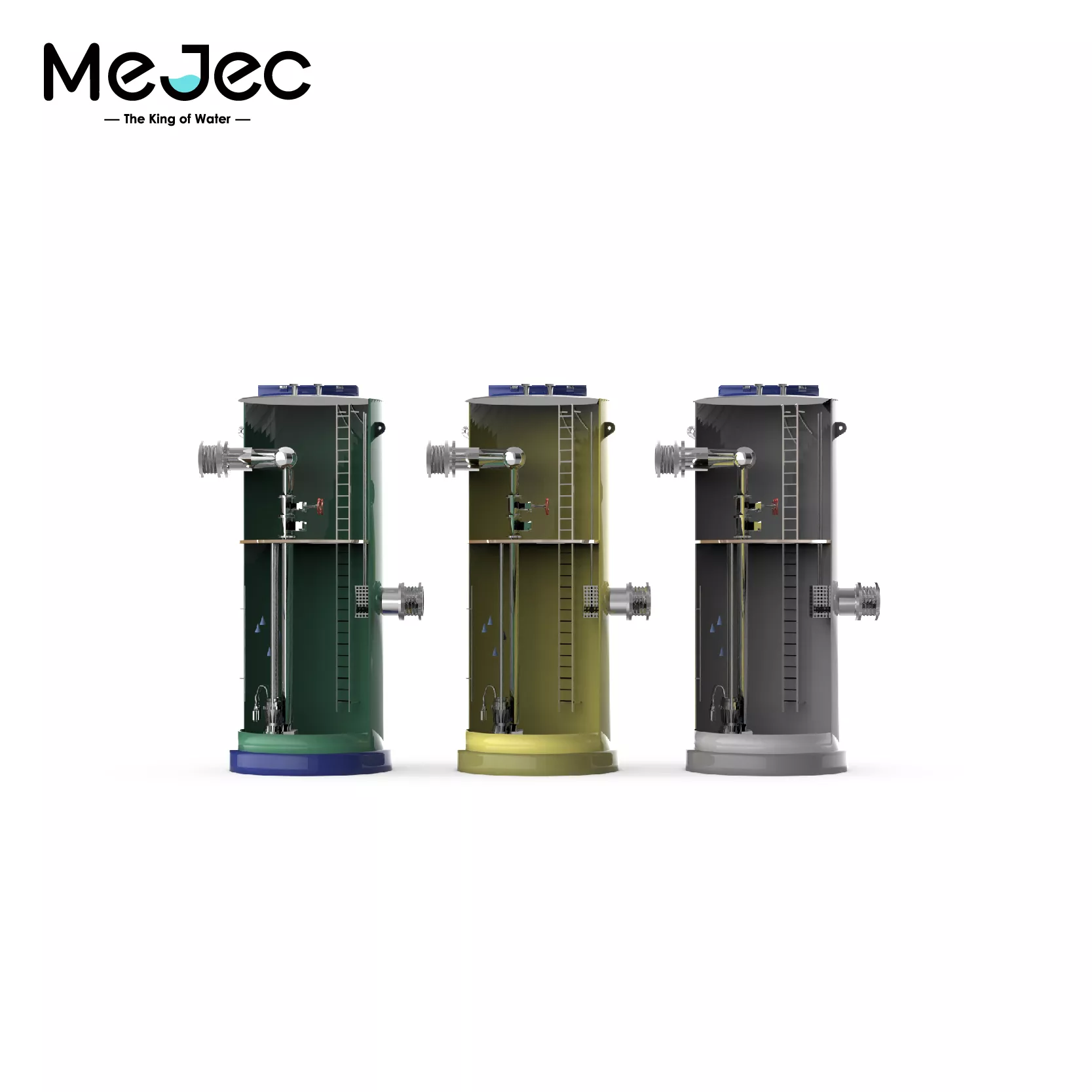
What is MBBR for sewage treatment plant?
MBBR sewage treatment plant uses biofilm carriers ...
More


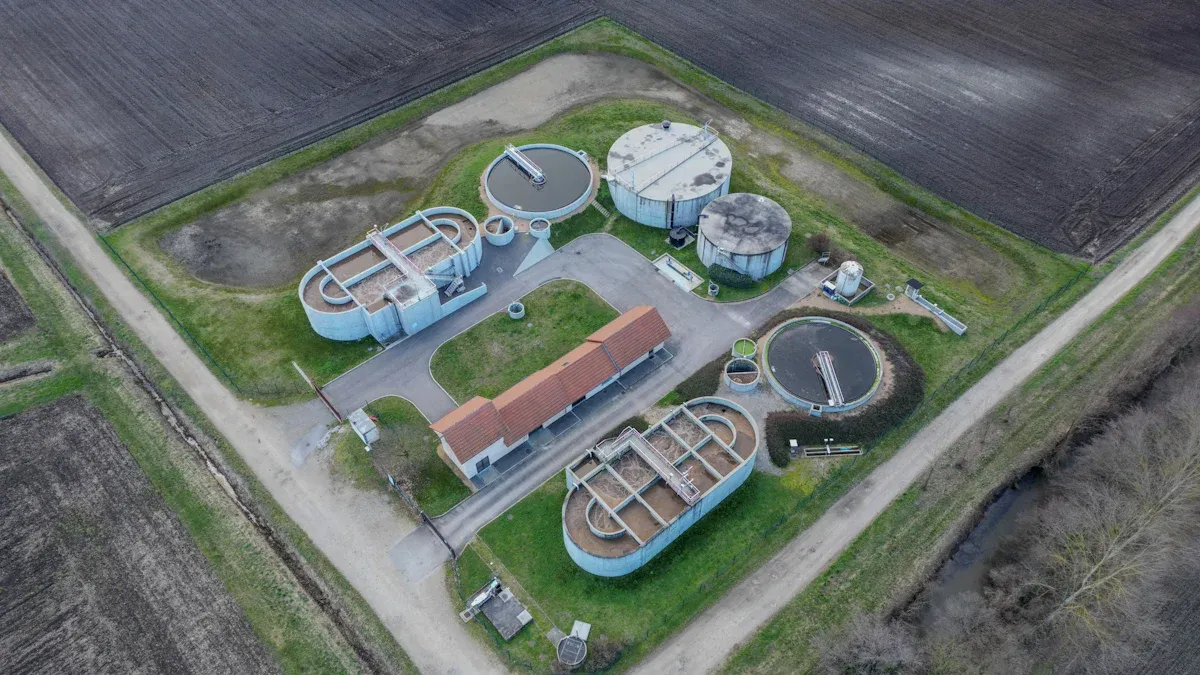
You may find a home sewage treatment plant important for your property. Many people in rural areas use these systems:
Over 25% of households in Minnesota use on-site sewage treatment.
Nearly 50% of homes in North Carolina have septic systems.
People choose these systems to protect health, water, and property values.
Identify signs that you need a home sewage treatment plant, such as slow drains or bad smells. These issues indicate your current system may not be working properly.
Always check local regulations and obtain necessary permits before installing a sewage treatment plant. This ensures compliance and avoids future legal issues.
Regular maintenance is crucial. Inspect your system every few years and pump the tank every 3 to 5 years to keep it functioning well.
You may need a home sewage treatment plant if your property cannot connect to a public sewer. Some signs show your current system does not work well. Watch for these problems:
Slow drains in your sinks or showers
Standing water or soggy ground near your septic tank or drain field
Gurgling sounds in your pipes
Water backing up into lower-level drains
Bad smells inside or outside your house
Bright green grass or thick plants over the drain field
When you choose a system, you should think about many factors. These include:
Type of sewage your home produces
Quality of waste output you need
How close the system will be to buildings
Where the discharge point will be
How porous the ground is
How easy it is to reach the system for maintenance
Size of your property
Your water use patterns
Site conditions and your budget
You can also pick from different types of systems. Here is a table to help you compare:
| Type of System | Description |
|---|---|
| Standard Treatment Plants | Conventional systems for effective wastewater treatment. |
| Shallow Dig Treatment Plants | Need less digging for installation. |
| Large Capacity Treatment Plants | Handle more wastewater for bigger homes. |
| Portable Treatment Plants | Mobile systems you can move if needed. |
Tip: Always check local rules before you install a new system. You may need permits and must follow setback distances and discharge limits.
You might think about installing a system yourself to save money. This job has many risks and challenges. You must know local rules and get all needed permits. You need to check the soil type, groundwater level, and land shape. Poor soil or drainage can cause problems. If you do not prepare the site well, the tank could slip or the area could collapse. You must also make sure drainage water can spread out, especially if the soil does not let water pass easily.
Some areas have strict safety rules. For example, in Ontario, you need approval for any in-ground sewage system. You must follow the Ontario Building Code and keep a safe distance from wells. Local health units may inspect your work.
Note: If you are not sure about any step, you should ask a professional for help. This keeps your home safe and helps you follow the law.
You need to start with a careful site survey before you install a home sewage treatment plant. This step helps you find the best spot for your system. You should check the soil type, measure the slope, and look at how close you are to water sources. You also need to make sure you follow all rules for your area. A groundwater protection zone survey is important if you live near wells or streams. You should dig test pits and do leakage tests to see how water moves through the soil. You must check the distance from your house and property lines.
Soil characteristics matter a lot. You want at least 4 feet between the bottom of your system and the water table. The best soil has a mix of sand, silt, and clay. Too much clay can block water, while sandy soil lets water move too fast. Natural soil works better than soil that people have moved or changed.
You must get the right permits before you build. Most places ask for building regulations approval and consent of discharge from the environment agency. Here is a table to help you understand:
| Required Permits/Approvals | Description |
|---|---|
| Building Regulations Approval | Needed for construction and installation. |
| Consent of Discharge | Needed for wastewater discharge to the environment. |
You may wait up to 2 years for all permits, depending on weather and local rules. Costs can range from $30,000 for a basic system to over $100,000 for advanced systems. You need to keep records of all maintenance and follow your operation plan. Health authorities check public health rules and can give fines if you do not follow them. You must submit design documents and get approval before you start building.
You start by marking the area where you will install your home sewage treatment plant. Use stake flags or spray paint to outline the tank and drain field. This step helps you see the exact spot for digging. Make sure you follow local setback rules so you do not hit underground utilities. Always check your planned dimensions and keep the right depth and slope for waste flow. Put up fencing and clear signs to keep workers and visitors safe.
Tip: Careful site preparation helps your system work well and keeps everyone safe.
You need to dig a trench that is at least 500mm wider and deeper than your tank. Keep a minimum distance of 1000mm from solid buildings. If you work near a slope, build a wall to support the soil. Use hand tools for shallow jobs and mini excavators or backhoes for deeper digging. Check the soil type before you dig. Sandy soil drains fast but may let nutrients escape. Clay-rich soil holds water and helps break down waste but can cause waterlogging. Loamy soil gives a good balance for drainage and treatment.
Common challenges include:
Finding enough space for digging
Testing soil for drainage
Managing groundwater levels
You must create a solid base for your tank. Most guides recommend using concrete for strength. Place 50mm of gravel or sand to make the base level. Rounded gravel works best for backfilling around the tank. Always check the manufacturer’s instructions for special material needs. A strong base keeps your home sewage treatment plant stable and working for years.
Note: A stable base prevents stress and damage during operation.
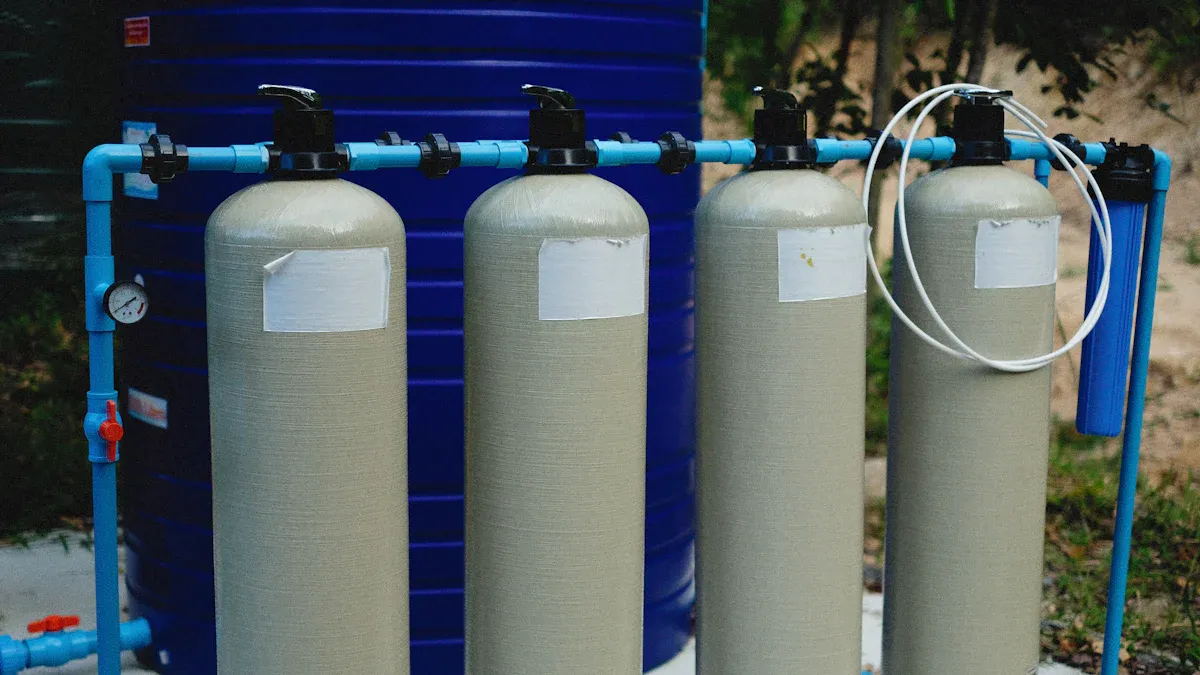
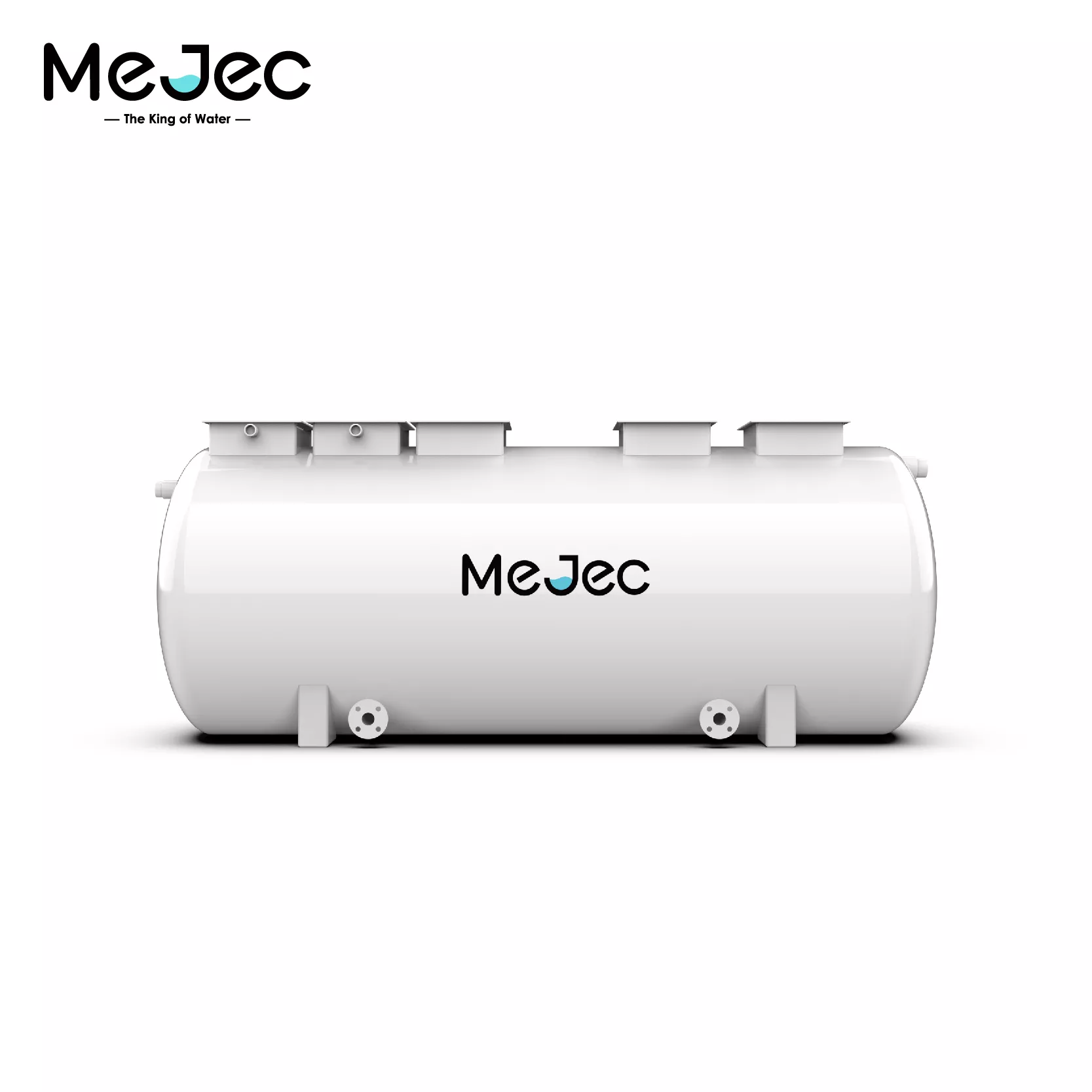
You need to position your tank with care to ensure it works well and lasts a long time. Follow these steps for best results:
Prepare the excavation so it is at least 250mm wider on each side than the tank.
Dig down to the required depth, making sure to allow for the sewer pipe and an extra 50mm.
Create a level base using 50mm of gravel or sand.
Lower the tank into the hole using the lifting points. Use proper lifting equipment for safety.
Check the tank with a laser level. Adjust until the tank sits level and at the correct angle for waste flow.
Make sure the tank is easy to reach for maintenance. Keep the right distance from buildings and water sources.
Align the inlet and outlet pipes with string lines or a laser for accuracy.
Tip: Fill the tank with water as you backfill. This keeps the tank in place and prevents movement.
You must connect the pipes correctly to avoid leaks and ensure smooth operation.
Attach the inlet pipe to the primary chamber. This lets wastewater enter the treatment system.
Seal the inlet pipe well to stop leaks or contamination.
Connect the outlet pipe to the secondary chamber. This allows treated water to leave the system.
Use the right plumbing fittings and materials for a watertight seal.
Double-check all connections. Make sure they are secure and tight.
Direct the outlet pipe to the approved discharge point, such as a drainage field or soakaway.
Note: Secure and watertight connections help prevent pollution and system failure.
Many home sewage treatment plants need power for pumps or control panels. You must follow safety rules when working with electricity.
Check the manufacturer’s guidelines and local electrical codes for wiring needs.
Install a dedicated electrical circuit for the system. This keeps it safe and reliable.
Connect the control panel and other electrical parts as the manual describes.
Test all electrical connections before moving on.
⚡ Unless you are a qualified electrician, ask a professional to handle all electrical work. This keeps you safe and follows the law.
Backfilling supports the tank and keeps it stable for years.
Use clean fill dirt, rounded gravel, or sand for backfilling. Avoid sharp or organic materials.
Add backfill in layers, about 6 inches at a time.
Compact each layer before adding the next. This reduces the risk of settling.
Continue backfilling until you reach the inlet and outlet pipes.
Fill the tank with water as you backfill. This helps keep the tank in place.
For cylinder tanks, aggregate works best to prevent voids and settling.
Note: Proper backfilling prevents tank movement and damage over time.
You need to fit covers and access points for safety and maintenance.
Place the covers securely over the tank openings.
Make sure all access points are easy to reach for future inspections and cleaning.
Check that the covers fit tightly to keep out rainwater, debris, and animals.
Lock or secure the covers if possible to prevent accidents.
Tip: Well-fitted covers protect your system and keep your family safe.
The final step is connecting your home sewage treatment plant to the drainage field.
The outlet pipe should lead to a 4-inch diameter perforated plastic pipe. Lay this pipe as level as possible, with a maximum drop of 1/4-inch over 10 feet. This helps water flow evenly and prevents clogging. The effluent should pass through a watertight pipe into a distribution box before entering the absorption field. Keep a minimum slope of 1/4-inch per foot toward the field. The perforated pipes should have holes between 1/2 and 3/4 inch in diameter.
Double-check all plumbing connections for proper alignment and sealing. This prevents leaks and ensures the treated water moves safely into the soil.
Note: Careful connection to the drainage field protects your property and the environment.
Before you start using your new system, you need to check for leaks and make sure everything works as it should. Begin by reviewing all paperwork and making sure every step is signed off. You should use different tests to check the pipes and tank. The table below shows common procedures:
| Procedure Type | Description |
|---|---|
| Hydrostatic Test | Fill the pipes with water and pressurize them to check for leaks and prove pipe strength. |
| In-Service Test | Run the system at normal pressure to see if it holds up during regular use. |
| Soapy-Water Test | Spray soapy water on joints and look for bubbles that show leaks, often used for gas lines. |
| Water Test | Fill the system with water, bleed out air, and pressurize to check for leaks. |
After you pressurize the system, walk around and look for any signs of leaks. Tag any leaks you find so you can fix them quickly. Careful checks now help you avoid bigger problems later.
Once you know the system is leak-free, you can start it up. Follow these steps for a smooth start:
Learn about local rules and make sure you have all needed permits.
Check that all chambers are level and anchored well.
Install any extra parts as the manufacturer suggests.
Test pumps, valves, sensors, and controls to see if they work right.
Run water through the system and watch how it treats and discharges wastewater.
You should keep an eye on the home sewage treatment plant during the first few days. Watch for any alarms or odd noises. Early checks help you catch issues before they become serious.
You need to check your system often to keep it working well. Regular inspections help you spot problems before they get worse. Here is a table that shows important inspection tasks and what you should look for:
| Inspection Task | Description |
|---|---|
| Review of system records | Check permit, design, and installation records, including system age. |
| Inspect tanks | Open and inspect all tanks (septic tank, pump tank, distribution box). |
| Evaluate sludge levels | Assess sludge and scum levels in the septic tank to determine pumping needs. |
| Check effluent filter | Assess the condition of the septic tank effluent filter if installed. |
| Look for leaks | Identify signs of leakage, such as low water levels in the tank. |
| Check for backups | Look for signs of backup, such as staining in the tank above the outlet pipe. |
| Assess tank integrity | Evaluate the integrity of the tank and pipes for corrosion signs. |
| Verify electrical connections | Ensure all electrical connections, pumps, controls, and wiring are intact. |
| Inspect drainfield | Evaluate the drainfield for signs of system failure, such as standing water. |
| Examine distribution box | Check the structural integrity of the distribution box and ensure equal flow. |
You should keep a record of each inspection. This helps you track the health of your system over time.
You can extend the life of your home sewage treatment plant with simple care steps. Clean the tank effluent filter every one to two years to keep water flowing well. Schedule a professional inspection every one to three years. Inspect your sewer line every five years to find blockages or root problems. Watch your drain field each year for soggy spots, bad smells, or changes in plants.
Inspect and pump your tank often.
Use water wisely to avoid overloading the system.
Throw waste in the trash, not down the drain.
Protect your drain field by keeping heavy items off it.
Tip: Good habits and regular care keep your system safe and working for many years.
You learned how to assess, plan, and install a home sewage treatment plant.
Always follow safety rules and ask experts for help if you feel unsure.
A well-installed system protects your health, saves money, and keeps your property safe for years.
You should pump your tank every 3 to 5 years. This keeps your system working well and prevents costly repairs.
No, you should not plant trees close to your system. Roots can damage pipes and tanks.
Grease
Wipes
Chemicals
These items can clog your system and harm helpful bacteria.
Understanding Semi-Welded Plate Heat Exchangers for Industries in 2025
A Comprehensive Overview of Plate Heat Exchanger Functionality
Essential Insights on Frame Plate Kits for Beginners
Benefits of Using Self-Priming Water Pumps in Systems
Comparing EHEDG Guidelines with 3A SSI Standards for Hygiene

We provide you with comprehensive foreign trade solutions to help enterprises achieve global development
Experience instant, pure water anywhere with the M...
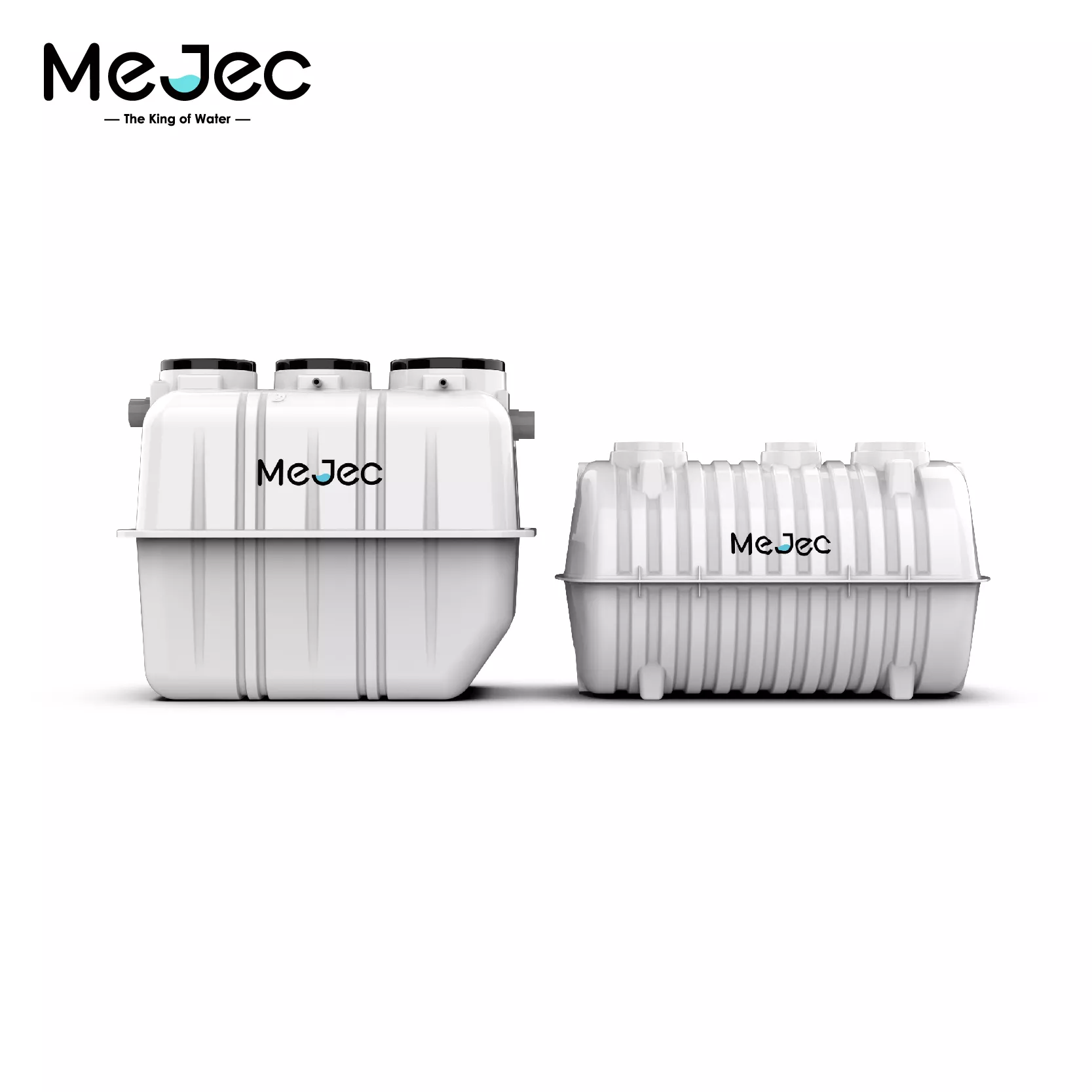
Mejec-Johkasou-SA is a small buried sewage treatme...
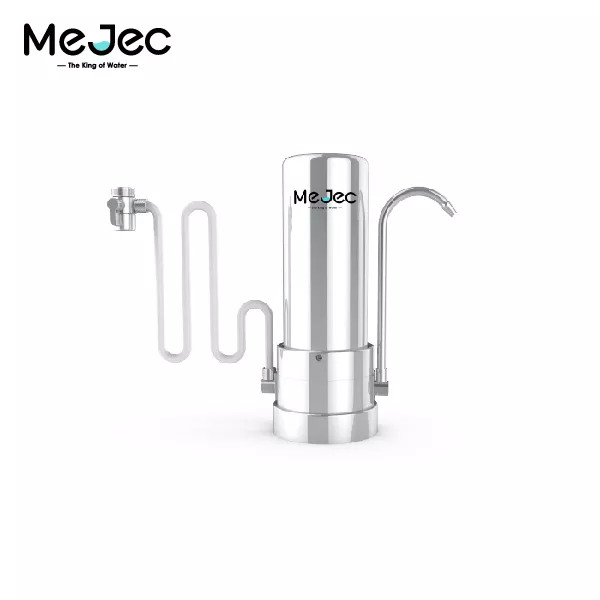
Our advanced RO filter system is engineered to rem...
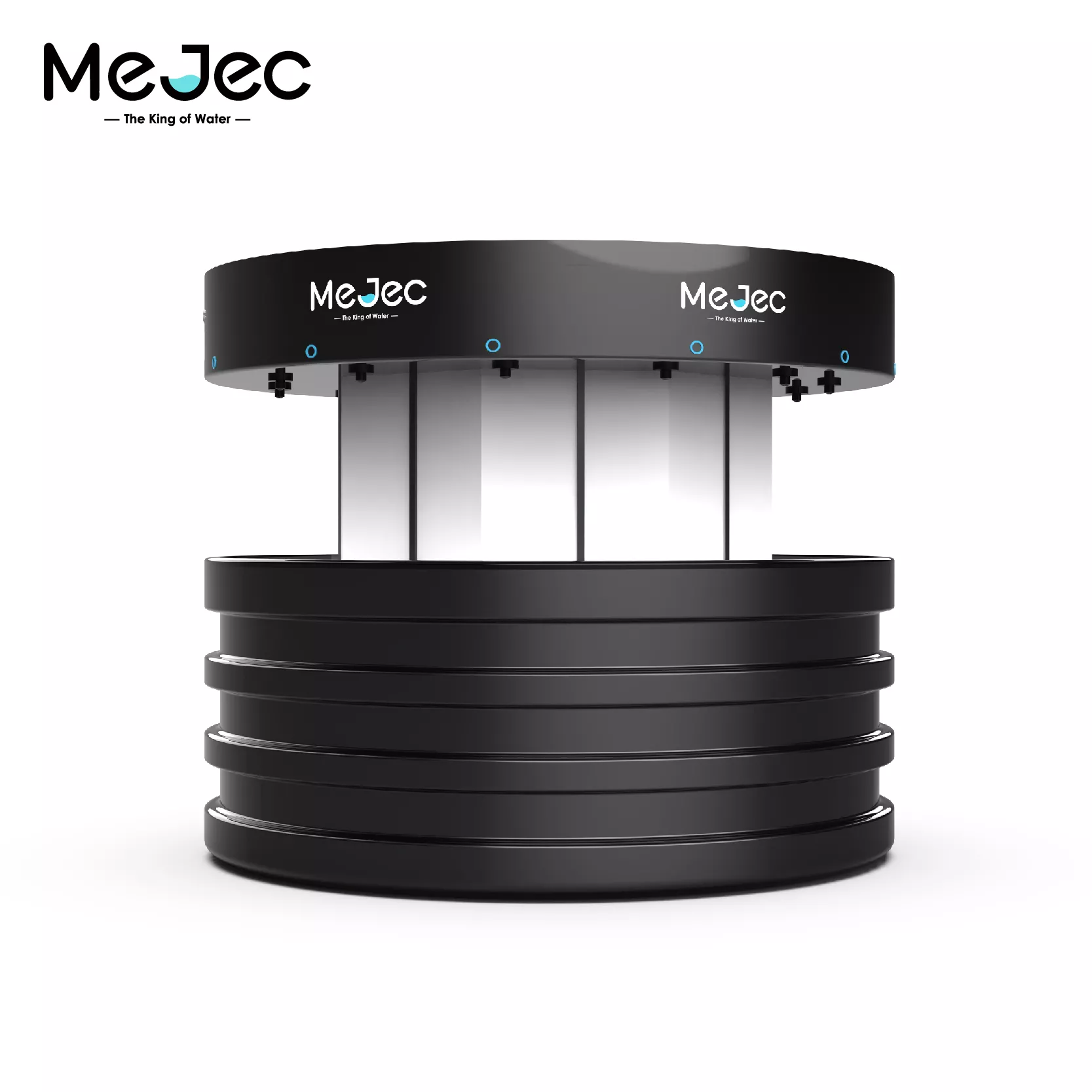
Mejec Redefines the Outdoor Hydration Experience. ...
Select the most popular foreign trade service products to meet your diverse needs
Select the most popular foreign trade service products to meet your diverse needs





User Comments
Service Experience Sharing from Real Customers
Michael Rodriguez
Civil EngineerAs a civil engineer specializing in rural infrastructure, I've specified many systems. This home sewage treatment plant is exceptionally robust and efficient. The modular design made installation straightforward, and the effluent quality consistently exceeds local standards. A reliable, set-and-forget solution for off-grid properties.
Sarah Chen
Environmental ConsultantI recommended this system to a client for their lakeside cabin. The environmental performance is impressive—very low nutrient output, which is crucial for protecting the watershed. The aeration process is quiet and energy-efficient. One point off as the user manual could be more detailed, but overall, an excellent product for eco-conscious homeowners.
James Wilson
Property DeveloperWe've installed these units in a new subdivision without municipal sewer access. The scalability and reliability have been outstanding. Homeowners appreciate the low maintenance and clear monitoring indicators. From a developer's perspective, it's a cost-effective and compliant solution that adds real value to the properties.
Lisa Thompson
Farm Owner/OperatorRunning a remote farm, we needed a durable system to handle variable loads. This treatment plant has handled everything flawlessly for over two years. The build quality is industrial-grade, and the service support was prompt when we had a query. It allows us to recycle treated water for irrigation, which is a huge bonus. Highly recommended for agricultural or rural use.