Large Scale Sewage Treatment Plant
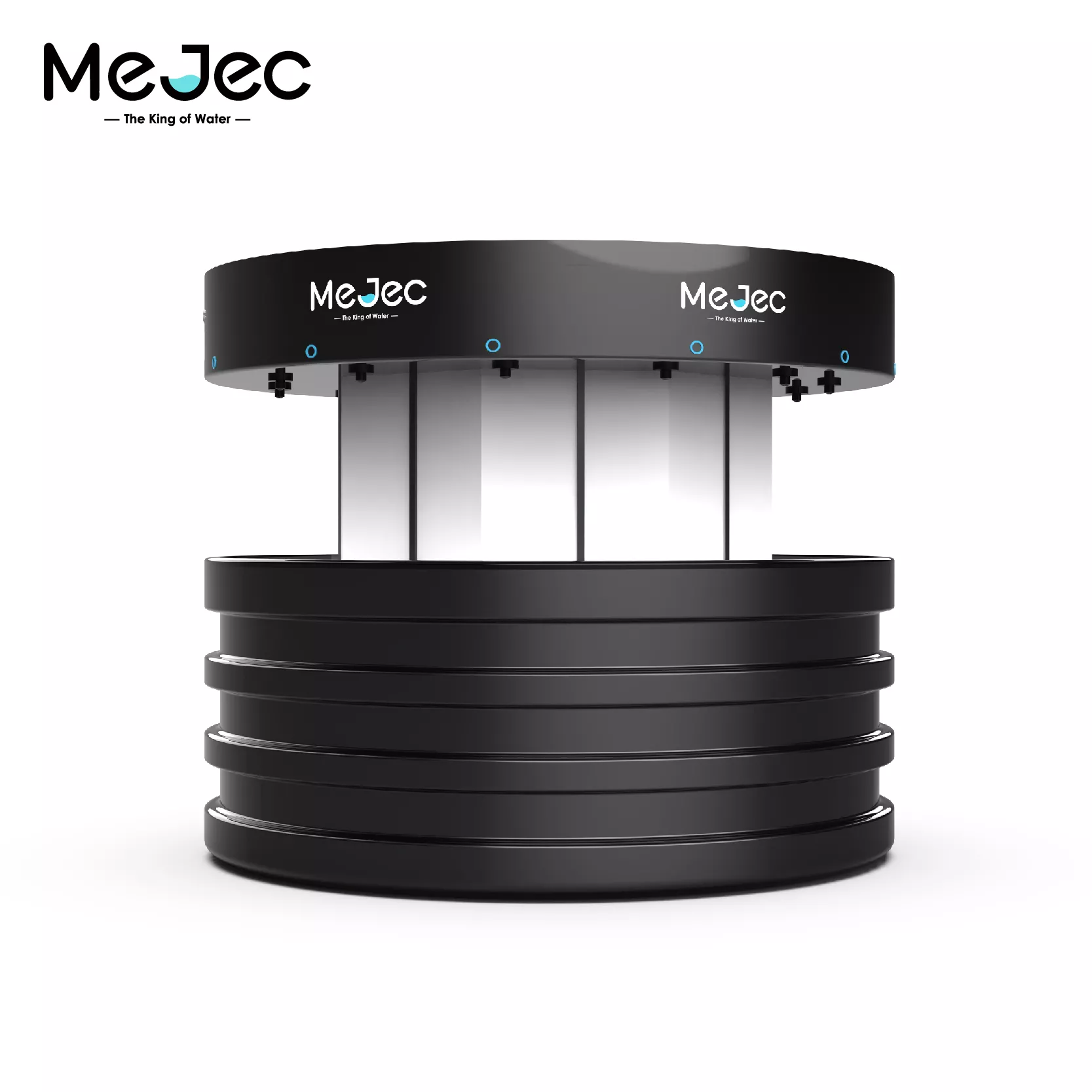
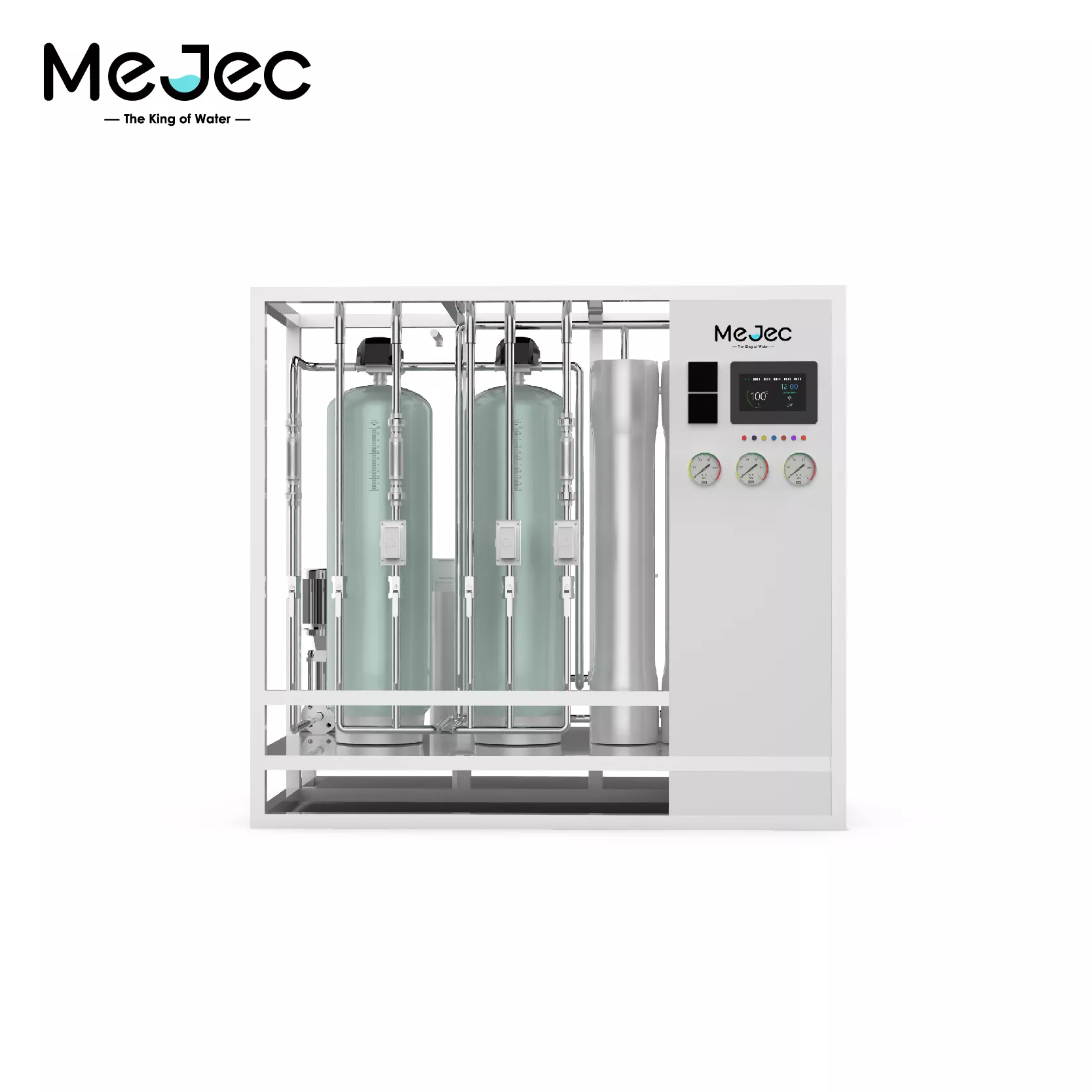
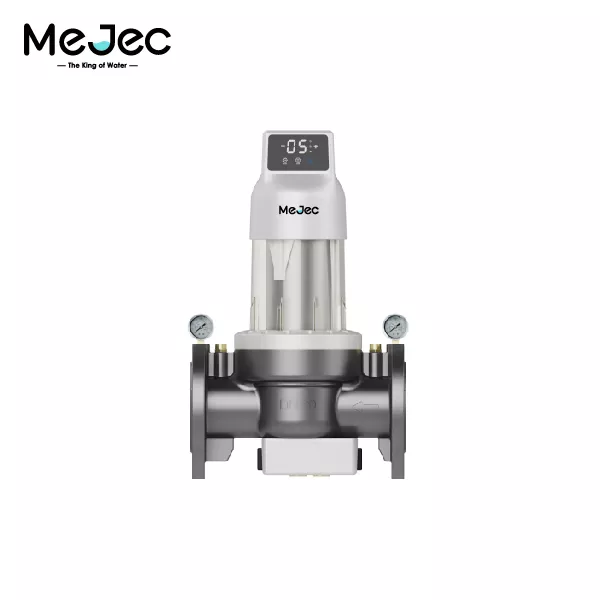
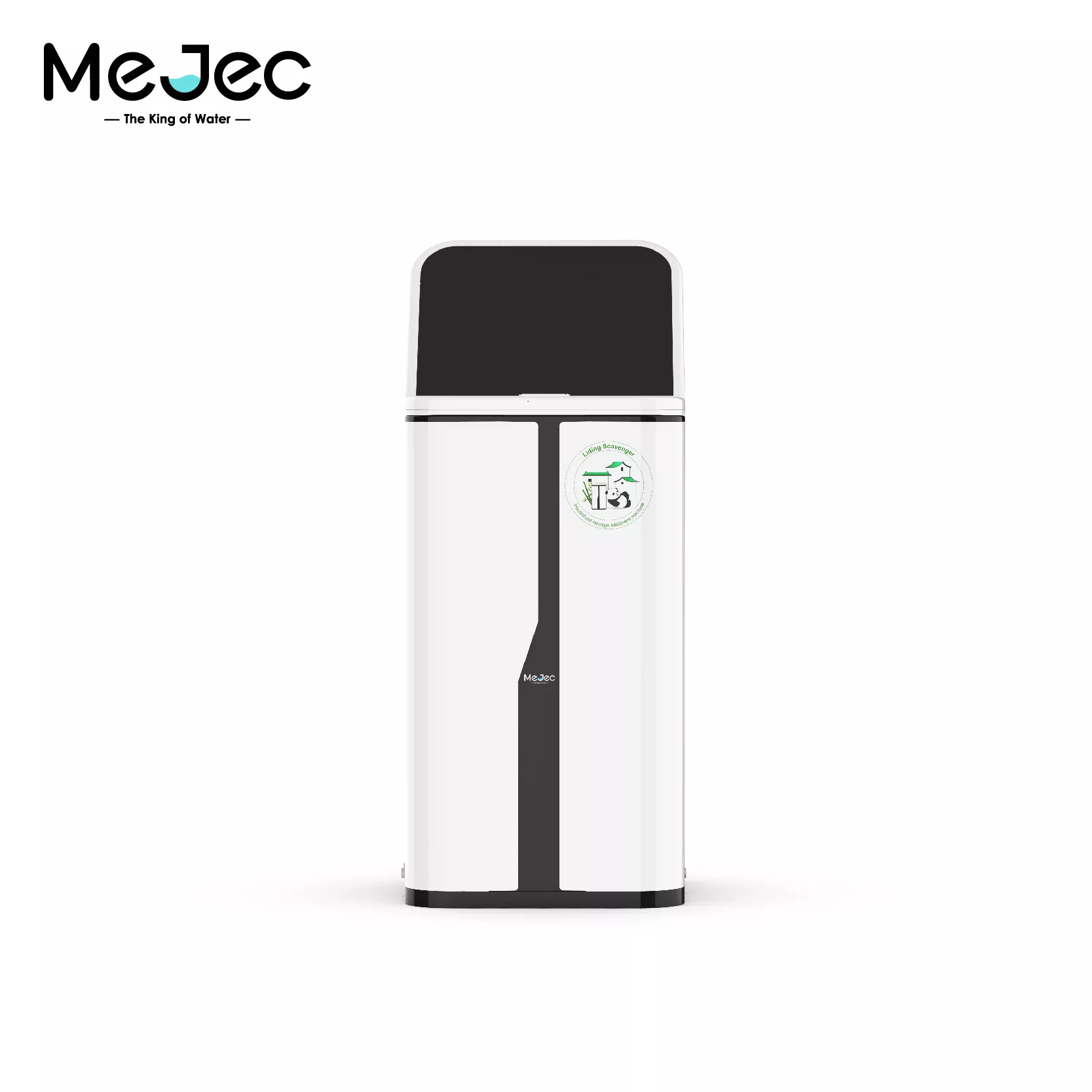
A Large Scale Sewine Treatment Plant is a critical municipal or industrial infrastructure designed to process substantial volumes of wastewater, typically exceeding 100,000 gallons per day, to meet stringent environmental discharge standards. These facilities employ a multi-stage process involving preliminary screening and grit removal, primary sedimentation, secondary biological treatment (such as activated sludge systems, trickling filters, or membrane bioreactors), and advanced tertiary processes including filtration, nutrient removal (for nitrogen and phosphorus), and disinfection (using chlorine, UV, or ozone). Engineered for high efficiency and reliability, they handle complex waste streams from large urban populations or major industrial complexes, ensuring effluent quality that protects aquatic ecosystems and often enables water reuse for irrigation or industrial cooling. Key components include massive clarifiers, aeration basins, advanced pump stations, sludge digesters for biosolid management, and sophisticated SCADA control systems for real-time monitoring and optimization.
The implementation and operation of a modern Large Scale Sewine Treatment Plant are driven by concrete performance data and regulatory requirements. For instance, according to industry benchmarks and case studies from facilities like the Blue Plains Advanced Wastewater Treatment Plant in Washington D.C. (processing over 300 million gallons daily) or the Stickney Water Reclamation Plant in Chicago (one of the world's largest), such plants consistently achieve removal rates exceeding 95% for suspended solids and biochemical oxygen demand (BOD). Data from the U.S. Environmental Protection Agency (EPA) indicates that advanced nutrient removal systems in large-scale plants can reduce total nitrogen to levels below 3 mg/L and total phosphorus to under 0.1 mg/L, crucial for combating eutrophication in receiving waters. The shift towards energy neutrality is evidenced by facilities utilizing anaerobic digestion of sludge, with reports showing some large plants generating over 50% of their operational energy needs from biogas, while others, like the Gresham Wastewater Treatment Plant in Oregon, have achieved net-zero energy status through combined heat and power systems. Furthermore, the global market analysis underscores the demand, with segments for large municipal treatment plants projected for steady growth, driven by urbanization, stringent regulations like the EU's Urban Wastewater Treatment Directive, and increasing water scarcity promoting reuse. Technological integrations such as real-time sensor networks for process control, AI-driven predictive maintenance, and robust odor control systems using chemical scrubbing or biofilters are now standard expectations. These plants are not merely treatment facilities but resource recovery centers, extracting energy, producing Class A biosolids for agriculture, and reclaiming water, demonstrating a return on investment through regulatory compliance, environmental protection, and operational resilience against fluctuating loadings and climate impacts.




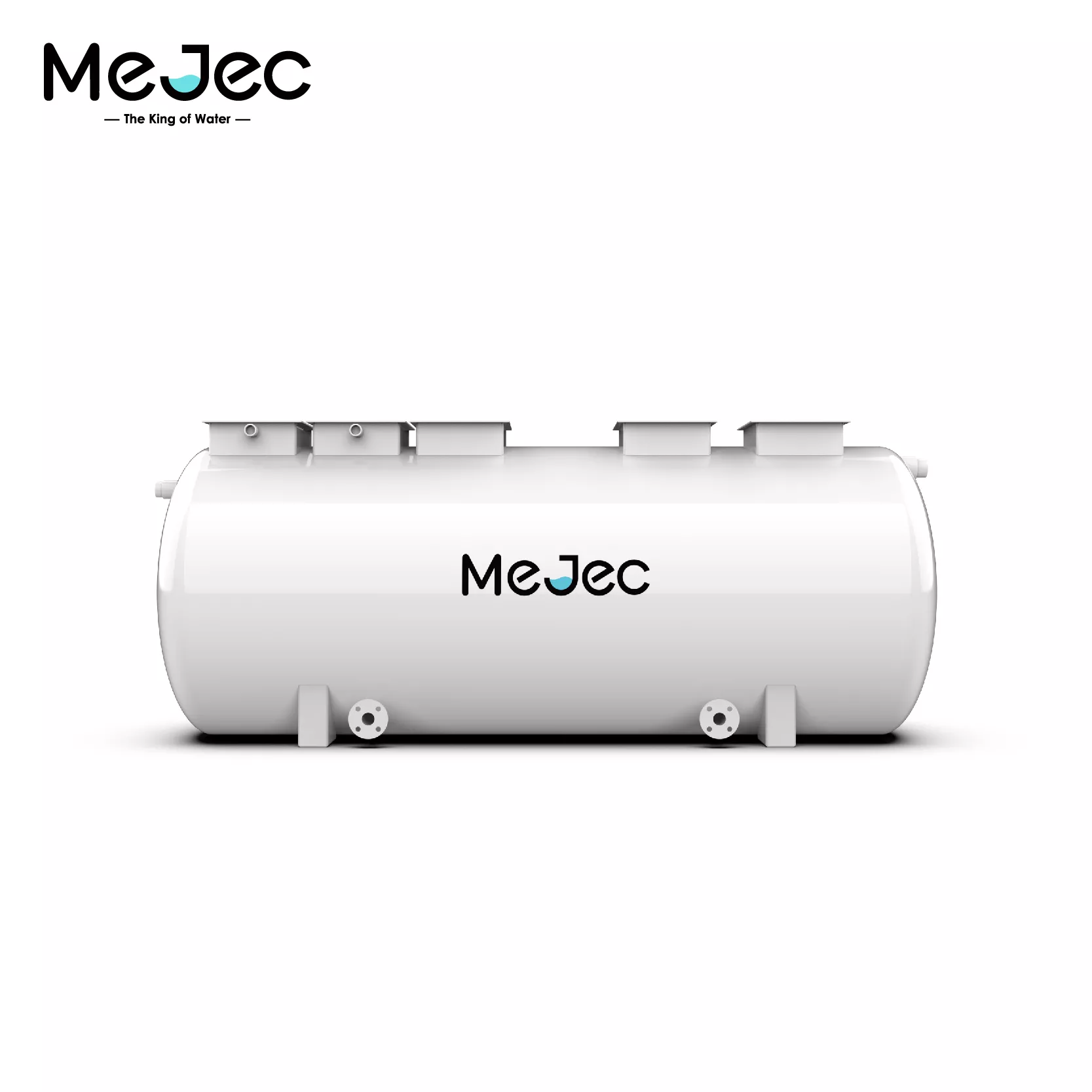
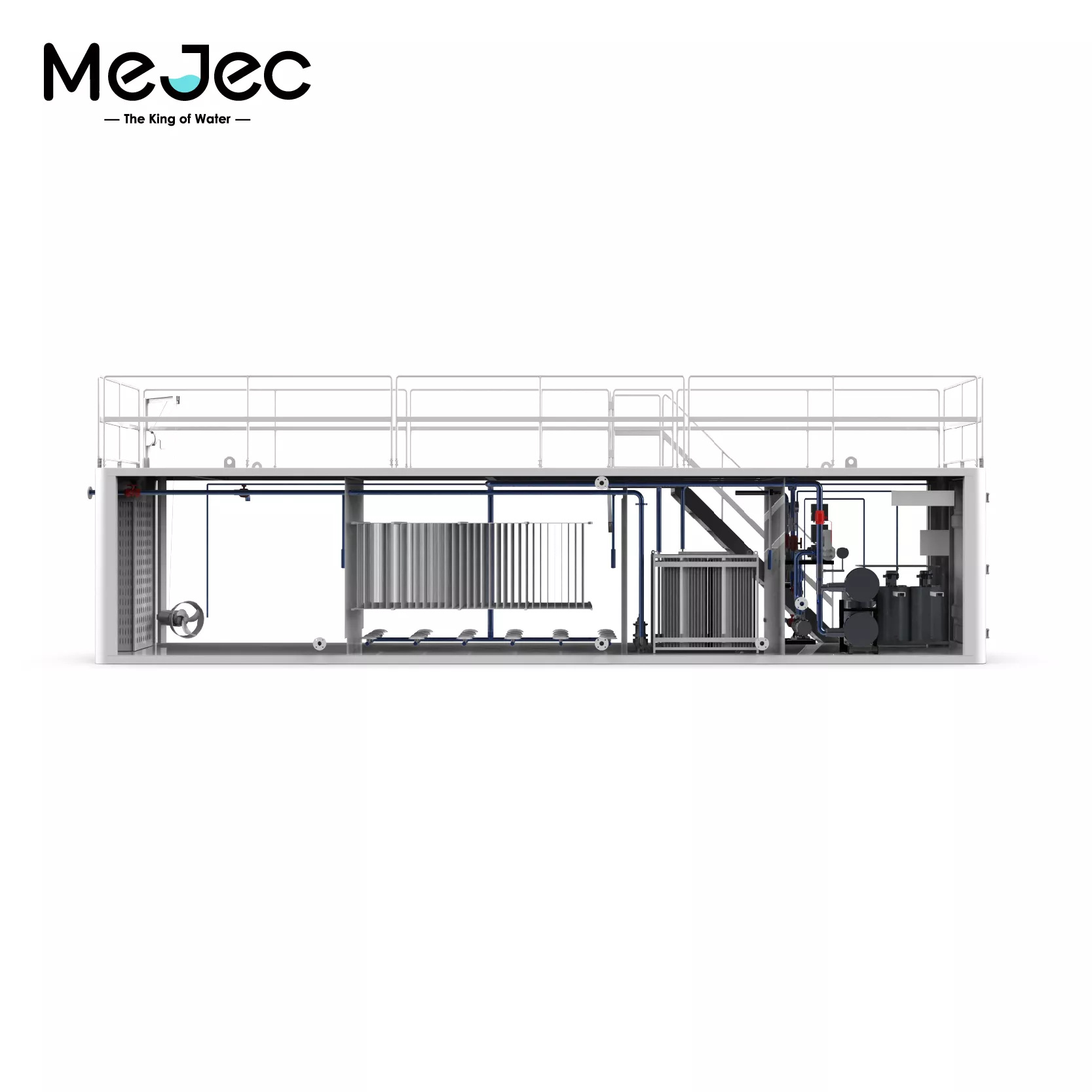
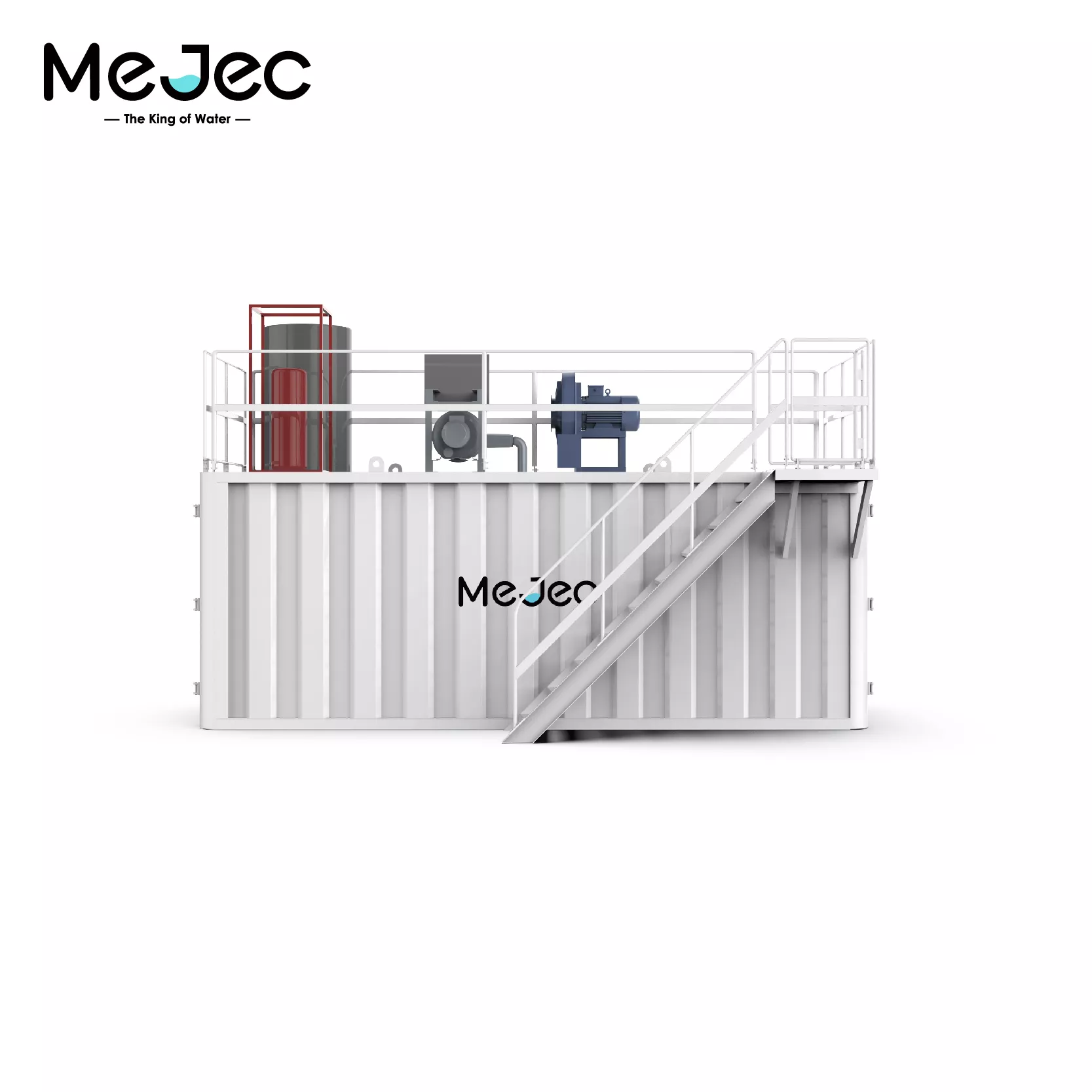
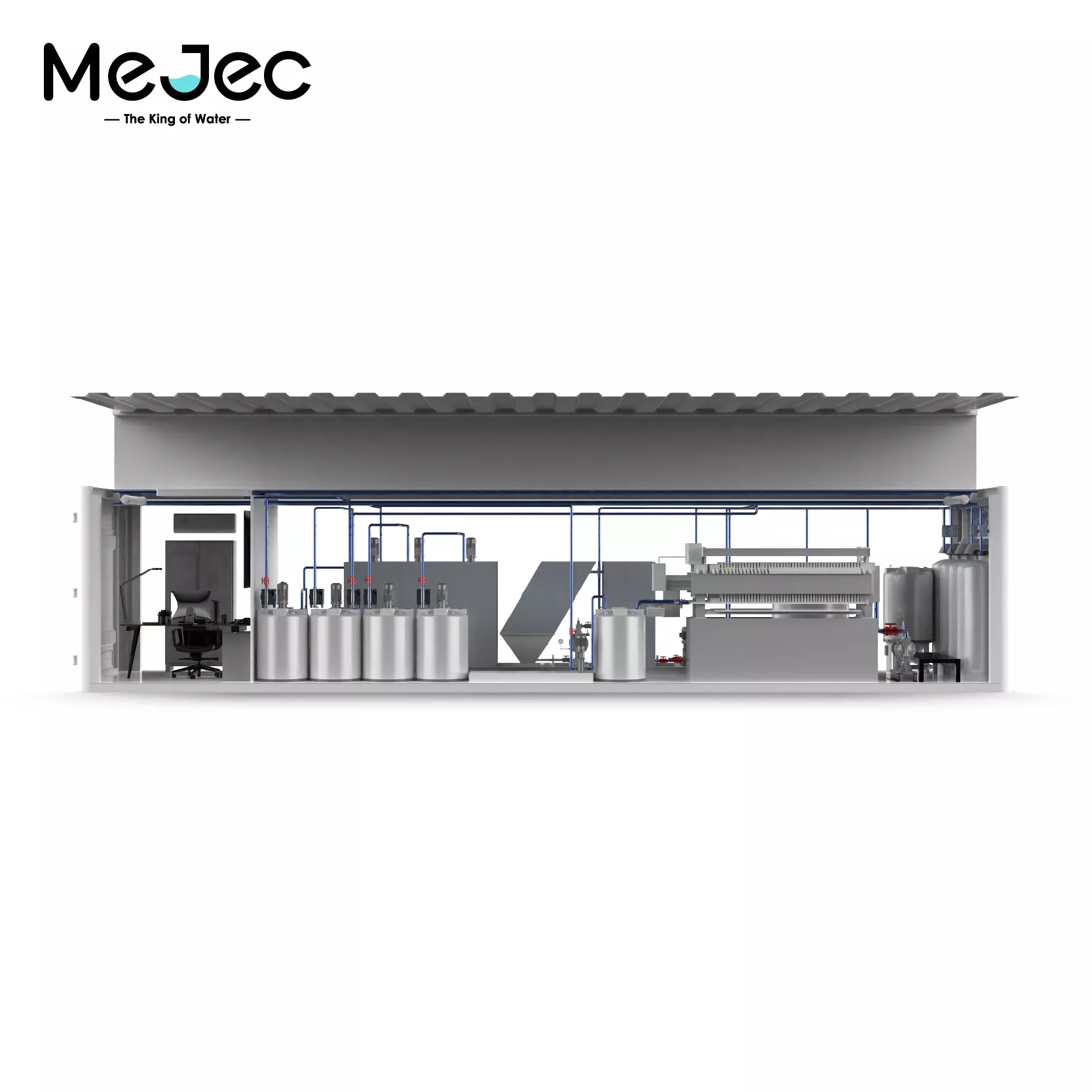



.webp)






User Comments
Service Experience Sharing from Real Customers
Michael Chen
Municipal EngineerThis system's automation and energy efficiency have revolutionized our plant's operations. Sludge handling is exceptionally efficient, reducing disposal costs by 30%.
Sarah Johnson
Plant Operations ManagerReliable and robust performance under peak loads. The advanced biological treatment modules consistently meet stringent discharge standards. Technical support is top-notch.
David Rodriguez
Environmental ConsultantImplemented this solution for an industrial park client. The scalability and integrated odor control system are outstanding. A game-changer for large-scale wastewater management.
Jennifer Williams
Project DirectorFrom commissioning to daily operation, the plant's smart monitoring platform provides unparalleled data visibility. It has significantly improved our regulatory compliance and reporting efficiency.