





Elevate Your Space with the Mejec Wall-Mounted Water Dispenser
Discover the Mejec Wall-Mounted Water Dispenser—wh...
More


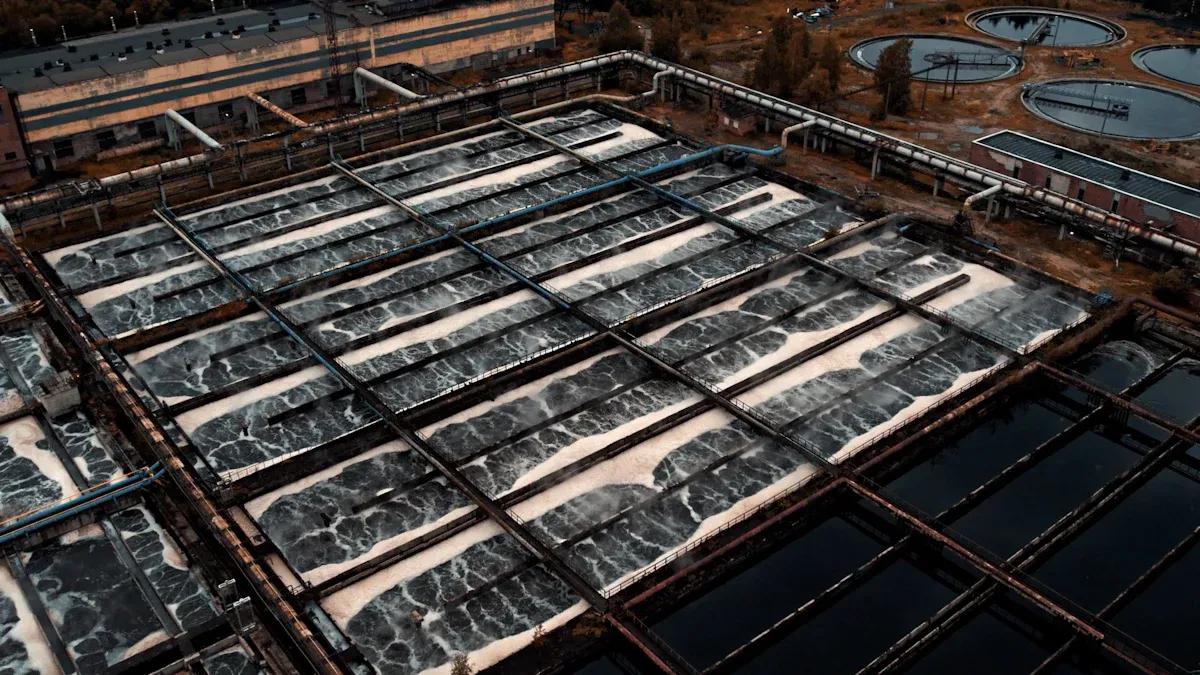
You face many challenges when you operate an mbbr wastewater treatment plant. Small mistakes can cause big problems. You must avoid errors to keep your system efficient and compliant. Proactive steps help you prevent costly breakdowns and ensure smooth performance in 2026.
Ensure proper aeration by regularly checking dissolved oxygen levels. This keeps bacteria healthy and improves water quality.
Choose high-quality media with the right surface area to support biofilm growth. This enhances treatment efficiency and reduces maintenance costs.
Monitor your system frequently and respond quickly to alarms. This helps prevent costly breakdowns and keeps your plant running smoothly.

You must give enough oxygen to your mbbr wastewater treatment plant. Without enough oxygen, bacteria cannot break down waste. This leads to poor water quality and can cause your system to fail. You should check dissolved oxygen (DO) levels often. Engineering guidelines recommend the following DO levels for different processes:
| Process | Recommended DO Level (mg/L) |
|---|---|
| Organic Removal | 4.5 |
| Nitrification | 4.5 |
| Denitrification | 2.5 |
| Total Nitrogen Removal | 2.5 |
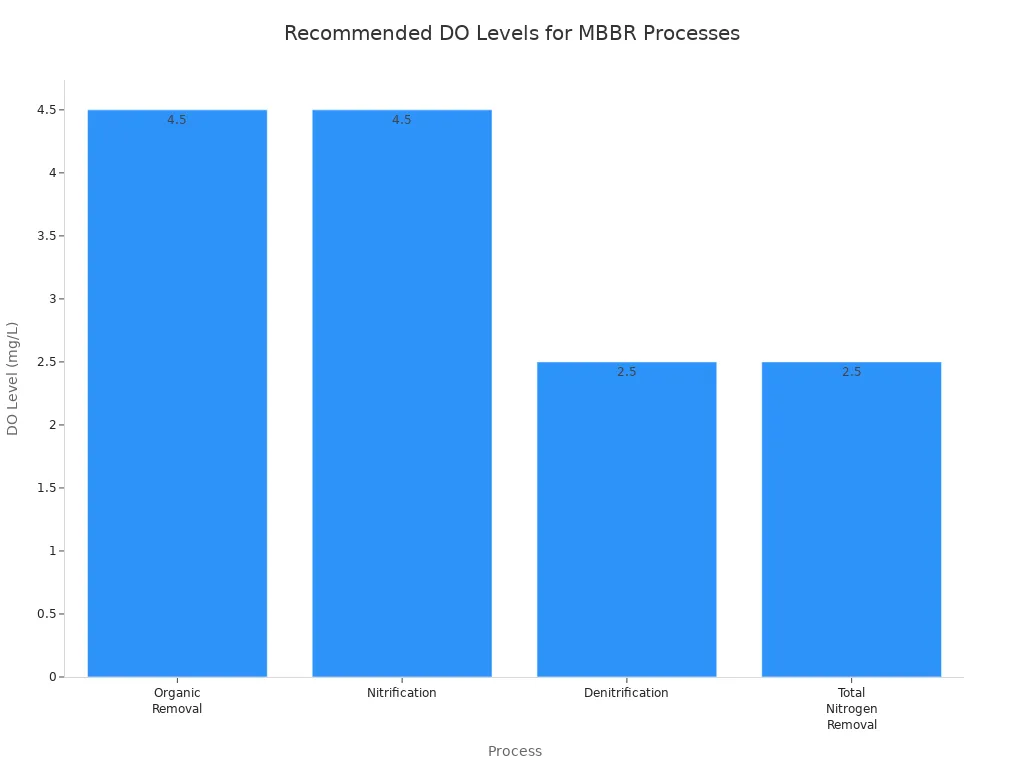
If you let DO drop below these values, you risk system upset. You may also face compliance issues with discharge permits.
Tip: Use reliable DO sensors and check them daily. This helps you keep your mbbr wastewater treatment plant running well.
Too much aeration wastes energy and money. You should avoid running blowers longer than needed. Over-aeration can also harm bacteria and cause biofilm loss. The energy use for aeration in different systems is shown below:
| Treatment Technology | Energy Consumption (kWh/m³) |
|---|---|
| MBBR | 0.5 – 1.0 |
| MSBR | 0.3 – 0.8 |
| MBR | 0.5 – 1.5 |
You can use smart strategies to save energy and prevent over-aeration:
| Strategy | Description |
|---|---|
| Cyclic Aeration | Run aeration in short bursts to keep DO steady and save power. |
| Closed-Loop PID Control | Use sensors and variable drives to match aeration to real-time needs. This can cut energy costs by up to 30%. |
| Recommended DO Range | Keep DO between 3.0 – 4.0 mg/L for best results. |
Note: When you balance oxygen supply, you protect your mbbr wastewater treatment plant and lower your bills.
You must choose the right media for your mbbr wastewater treatment plant. If you use low-quality or incompatible media, you will face many problems. Poor media can break down quickly, clog with fine particles, or lose its ability to support biofilm growth. This leads to more frequent maintenance, higher costs, and a shorter system lifespan. You may also see pressure drops and uneven water flow, which can hurt treatment results.
When you select media, look for these important features:
High surface area for biofilm growth
Good voidage to let water and air move freely
Strong durability and abrasion resistance
Chemical inertness to avoid breakdown in harsh water
Stable performance in different temperatures
If you ignore these features, you risk poor water quality and more downtime. The best choice comes from looking at total costs over many years, not just the price at the start.
You need to pay attention to the surface area of your media. High-surface-area media help bacteria grow and form thick biofilms. This boosts the treatment power of your mbbr wastewater treatment plant. Most high-quality media offer between 500 and 1,200 square meters per cubic meter. This lets you build smaller tanks that still clean water well.
If you use media with too little surface area, you will not get enough biofilm. Your system will not remove waste as well, and you may fail to meet discharge limits. Always match the media surface area to your treatment goals for the best results.
| Selection Criterion | Optimal Characteristics | Impact on Costs |
|---|---|---|
| Biofilm Attachment Quality | Stable in 5-7 days | Faster startup, less downtime |
| Clogging Resistance | <5% porosity loss in 6 months | Lower maintenance, fewer issues |
| Abrasion Resistance | <3% weight loss after 10,000 uses | Longer media life |
Tip: Choose media that support strong biofilm growth and resist clogging. This keeps your system running smoothly and saves money.
You must collect accurate data often to keep your mbbr wastewater treatment plant running well. If you skip checks or use faulty sensors, you may miss early signs of trouble. Regular monitoring helps you spot problems before they grow. You should focus on these key tasks:
Check biofilm thickness to prevent clogging and keep treatment strong.
Measure dissolved oxygen, temperature, and pH levels every day.
Calibrate your dissolved oxygen sensors often for correct readings.
Inspect for blockages or mechanical issues at least every two weeks.
Train your team to understand what each reading means.
New technology makes data collection easier. For example, you can use water quality sensors that send data to the cloud. You can also use platforms like Thingsboard IoT to see real-time results and download reports for review.
| Technology | Description |
|---|---|
| Thingsboard IoT Platform | Shows real-time data for DO, temperature, pH, and TDS on a dashboard. |
| Water Quality Sensors | Sends DO, temperature, pH, TDS, and flow data to the cloud for quick checks. |
If you wait too long to act on alarms, you risk system failure. Fast action keeps your mbbr wastewater treatment plant safe and efficient. Advanced monitoring systems help you respond quickly. They track important numbers like oxygen and flow rates. They can even adjust settings without you being there. Some systems send instant alerts to your phone or computer.
| Feature | Benefit |
|---|---|
| Real-time monitoring | Tracks key numbers right away. |
| Automated adjustments | Changes settings fast to fix problems. |
| Remote monitoring | Lets you watch many plants from one place. |
| Instant notifications | Warns you right away when something goes wrong. |
Tip: Use automated systems to catch problems early and keep your plant running smoothly.
You must watch your loading rates closely. If you push too much water or waste into your system, you can cause serious problems. Overloading can make your mbbr wastewater treatment plant less efficient. You may see higher biological oxygen demand (BOD) in your effluent. This means your treated water is not as clean as it should be. You might also fail to meet discharge limits set by regulators. If you do not have good control systems, these problems can get worse. Old equipment can add to your troubles by raising costs and harming the environment.
Common causes of overloading include:
Reduced system efficiency
Increased BOD in the effluent
Risk of not meeting regulatory standards
Higher operational costs due to aging equipment
Influent can change from day to day. You need to adjust your system to handle these changes. If you do not, you may overload your plant without knowing it. The most common causes of hydraulic and organic overloading are shown in the table below:
| Cause of Overloading | Description |
|---|---|
| Excessive Flow Velocity | High water flow can move media too much, causing it to pile up. |
| Thick Biofilm Formation | Thick biofilms can make media stick together and build up. |
| Overloading of MBBR Media | Too much media in the tank can lead to blockages and poor treatment. |
| Improper Inlet or Outlet Design | Bad design can cause uneven flow and media buildup in some areas. |
You should check your influent often and make changes when needed. This helps you keep your system running well and avoid costly mistakes.
You need to make sure mixing works well in your mbbr wastewater treatment plant. Poor mixing can create dead zones where water does not move. These areas let media pile up and stop bacteria from cleaning the water. Rounded corners and flow guide plates help prevent dead zones. You should check the layout of inlets and outlets. Good design lets water flow evenly and stops short-circuiting. Baffles in horizontal tanks keep media from building up in one spot. Mixing equipment must have enough power to keep media moving without causing damage. If you ignore these steps, you risk uneven treatment and lower system performance.
Tip: Inspect your tank for dead zones every month. Adjust flow patterns or add baffles if you see media collecting in one area.
You must keep media moving to protect biofilm. If mixing is too weak, stagnant spots form. These areas cause biofilm to break off and wash away. You lose bacteria that clean your water. Too much turbulence can also harm biofilm and raise COD, BOD, and TSS in your effluent.
Stagnant zones reduce biofilm retention and cause sloughing.
High turbulence increases pollutants in treated water.
Poor mixing lowers treatment efficiency.
Mechanical mixers work best in anaerobic or anoxic zones. You should use mixer blades designed for media safety. The right mixing energy density keeps media suspended and protects biofilm carriers. When you choose proper equipment, you help bacteria thrive and keep your system working well.
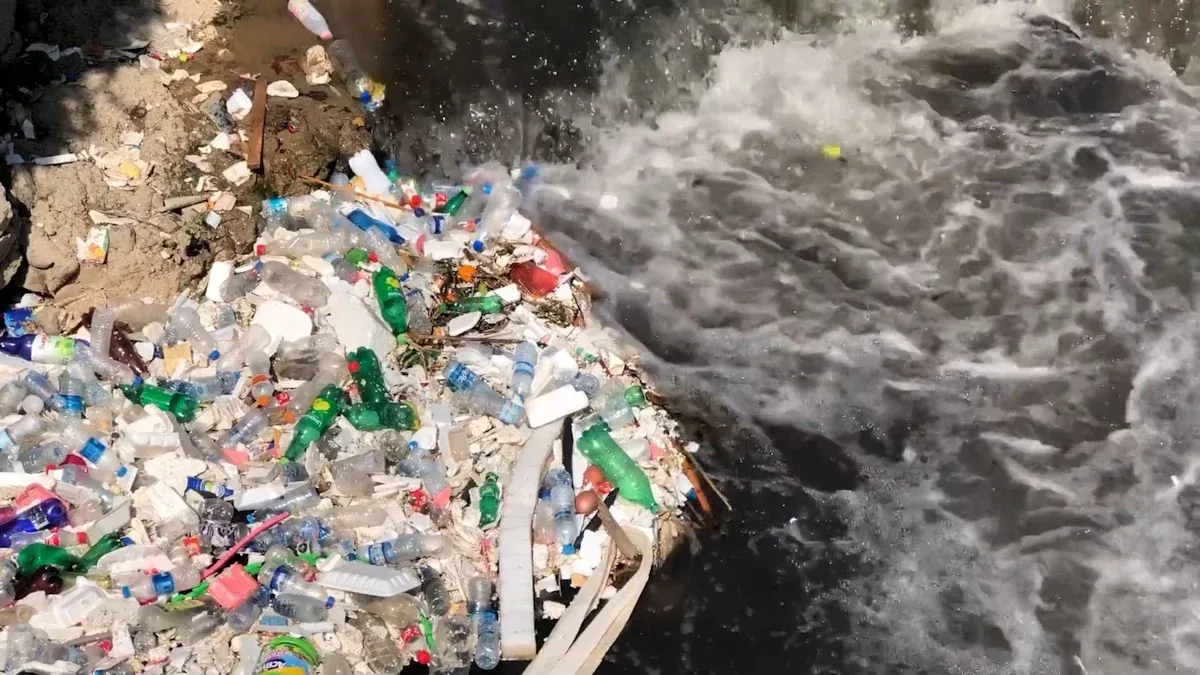
You need to watch for changes in your influent. If you ignore these changes, your mbbr wastewater treatment plant can lose efficiency. Water quality can shift with the seasons or with different industrial processes. For example, ammonia levels often rise before winter. This can help bacteria grow and improve nitrification when it gets cold. If you do not keep enough ammonia in the fall, your system may not work well in winter.
| Year | Ammonia Removal (%) | Surface Area Ammonia Removal Rate (g N/m²·d) | Biofilm Characteristics |
|---|---|---|---|
| 1 | 63.7 ± 2.5 | 0.35 ± 0.04 | Thicker, less dense |
| 2 | 97.2 ± 1.5 | 0.69 ± 0.06 | Thinner, denser |
You should check these influent parameters often:
Dissolved oxygen levels
Nutrient concentrations
Temperature
pH levels
Removal efficiencies
Tracking these numbers helps you spot problems early. You can then adjust your process before issues get worse.
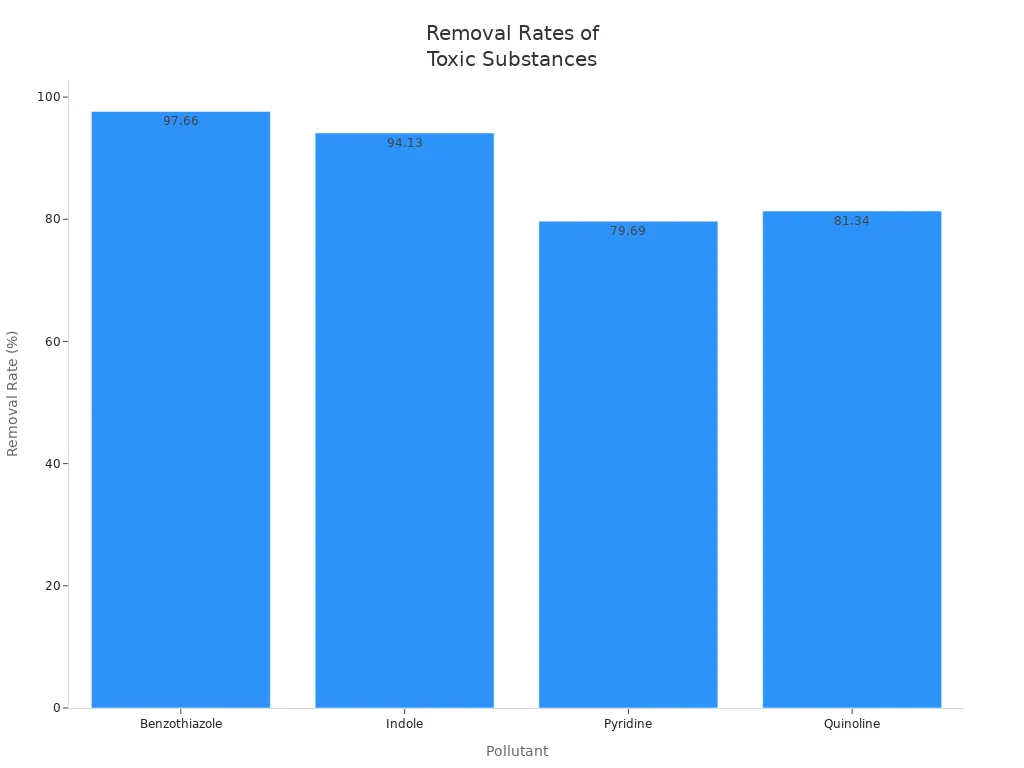
You must protect your system from harmful chemicals. Many industrial wastewaters contain toxic substances. These can include heavy metals, organic compounds, petroleum products, pharmaceuticals, and quaternary ammonium compounds. Some of these, like quaternary ammonium, can cause serious problems if their levels get too high.
| Pollutant | Removal Rate (%) |
|---|---|
| Benzothiazole | 97.66 |
| Indole | 94.13 |
| Pyridine | 79.69 |
| Quinoline | 81.34 |
You should always minimize these substances before they enter your mbbr wastewater treatment plant. Pre-treatment steps can include:
Reducing heavy metals and toxic chemicals in the influent
Keeping harmful substances within safe levels for bacteria
Using special treatment to lower toxicity
Tip: Regular checks and pre-treatment keep your system safe and working well.
You need to clean and replace media in your mbbr wastewater treatment plant on a regular schedule. Dirty or worn media can block water flow and reduce the area where bacteria grow. When you skip cleaning, you risk clogging and uneven treatment. Old media may break apart and cause more problems. You should inspect media for buildup and damage every month. If you see signs of wear, plan for replacement before it affects performance. Cleaning helps keep biofilm healthy and supports strong treatment results.
Tip: Set reminders for media inspection and cleaning. This simple step helps you avoid costly repairs and keeps your system working well.
You must check and calibrate your equipment often. Sensors, blowers, and mixers need regular attention to work correctly. If you ignore calibration, you may get wrong readings and make poor decisions. Unchecked equipment can fail without warning. You should create a checklist for calibration and inspection tasks. Train your team to follow this list and record each step. Regular checks help you catch problems early and prevent breakdowns.
The most frequent maintenance-related failures in mbbr wastewater treatment plant operations include:
| Failure Type | Description |
|---|---|
| Aeration & Biology Issues | Problems like low dissolved oxygen, clogged diffusers, and sludge imbalance can lead to reduced biological treatment efficiency. |
| Sludge Mismanagement | Improper management of sludge, whether through insufficient or excessive wasting, can destabilize the treatment process. |
| Lack of Monitoring & Ownership | Absence of regular monitoring and trained operators can result in operational failures, leading to system breakdowns. |
You can avoid these failures by sticking to a routine maintenance plan. Regular calibration and inspection keep your plant safe and efficient.
You can avoid costly errors in your MBBR system by following a simple checklist. Stay alert to aeration, media, mixing, and loading. Use this table to guide your daily checks:
| Checklist Item | Description |
|---|---|
| Aeration System Design | Ensure blowers are sized correctly to provide adequate oxygen transfer and media mixing. |
| Retention of Carrier Media | Implement effective retention screens to prevent media loss and maintain treatment capacity. |
| Mixing Dynamics | Use fine bubble diffusers for consistent media suspension and contact with wastewater. |
| Organic Loading Management | Monitor and adjust for both average and peak loading conditions to prevent system overload. |
| Selection of Carrier Media | Choose media based on treatment goals, surface area, and field performance to optimize biofilm development. |
Proactive monitoring, routine maintenance, and ongoing training help you keep your plant efficient and compliant. Mistake prevention saves money and protects your system.
You often see operators neglect regular monitoring. This leads to unnoticed problems. You should check sensors and system data every day to prevent failures.
You should inspect media every month. Clean or replace it when you see buildup or damage. This keeps your system efficient and prevents blockages.
No. You must use media designed for MBBR. The right media supports biofilm growth and resists clogging. Always check manufacturer recommendations.
Enhancing System Efficiency with PHE Plates in 2025
Innovative Micro-Channel Technology for Hydrogen Fuel Cells
Simple Maintenance Tips to Avoid Dumbwaiter Elevator Issues

We provide you with comprehensive foreign trade solutions to help enterprises achieve global development
.webp)
Mejec containerized seawater desalination system i...
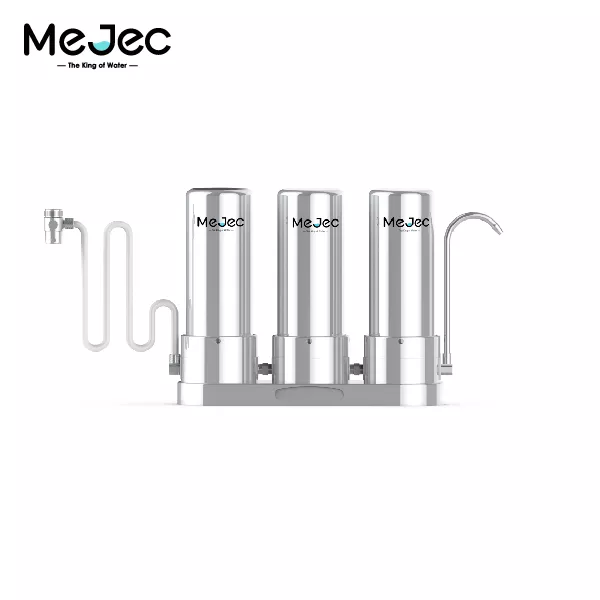
Experience laboratory-grade purity on your counter...
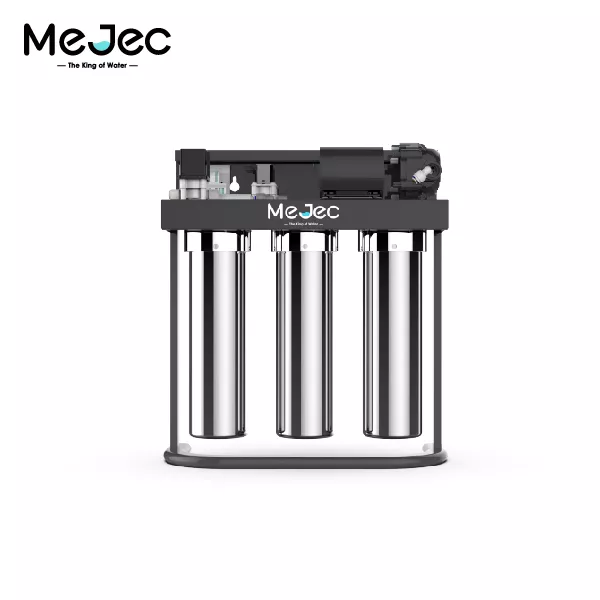
Upgrade your home's water with mejec efficient 3-s...
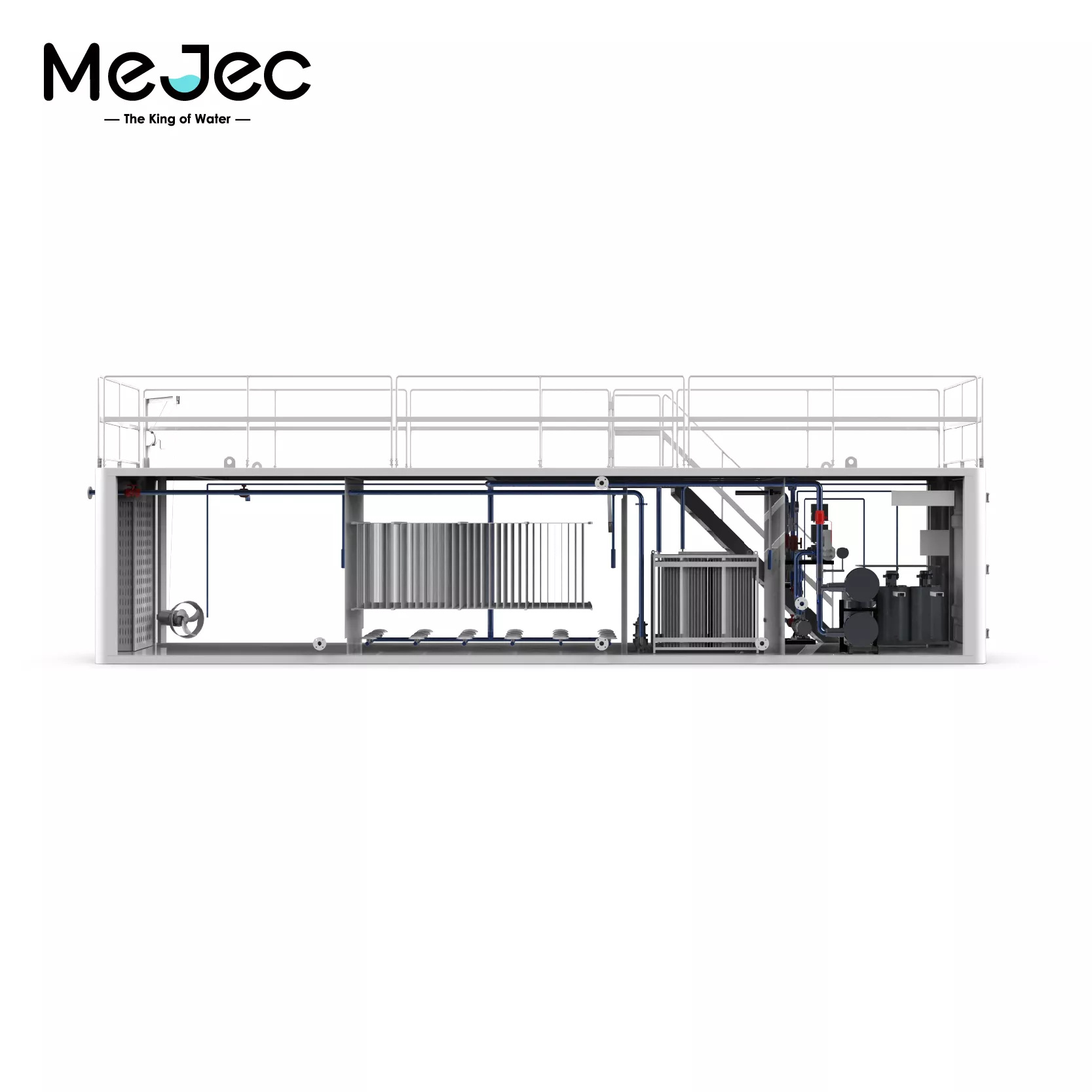
Mejec containerized sewage treatment system incorp...
Select the most popular foreign trade service products to meet your diverse needs
Select the most popular foreign trade service products to meet your diverse needs




User Comments
Service Experience Sharing from Real Customers
Michael Chen
Wastewater Treatment Plant ManagerThe MBBR system we installed last year has been a game-changer. Biofilm stability is excellent, and we've achieved consistent BOD/COD removal rates exceeding 95% with a much smaller footprint than our old activated sludge process. Highly reliable and low maintenance.
Sarah Johnson
Environmental EngineerAs a consultant, I've specified MBBR technology for several industrial clients. The modular design offers great flexibility for upgrades and handling variable loads. The media provides a robust habitat for biomass, ensuring effective treatment even with shock loads. One point off for the initial media cost, but the long-term operational savings justify it.
David Rodriguez
Operations SupervisorOperating our food processing plant's wastewater treatment has become significantly easier since switching to MBBR. The process is very resilient to our daily production fluctuations. Sludge production is reduced, and the system is largely self-regulating. Our effluent quality now consistently meets strict discharge permits.
Lisa Wang
Process Development LeadImplementing an MBBR pilot plant at our pharmaceutical facility was the best decision. It effectively handles complex organic compounds and is far less sensitive to toxic upsets than our previous system. The scalability from pilot to full-scale was seamless. A crucial technology for sustainable industrial wastewater management.