Municipal Wastewater Treatment Plant
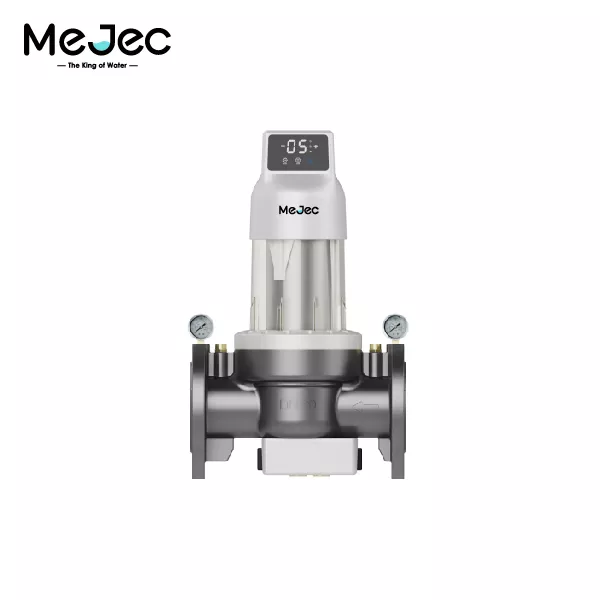
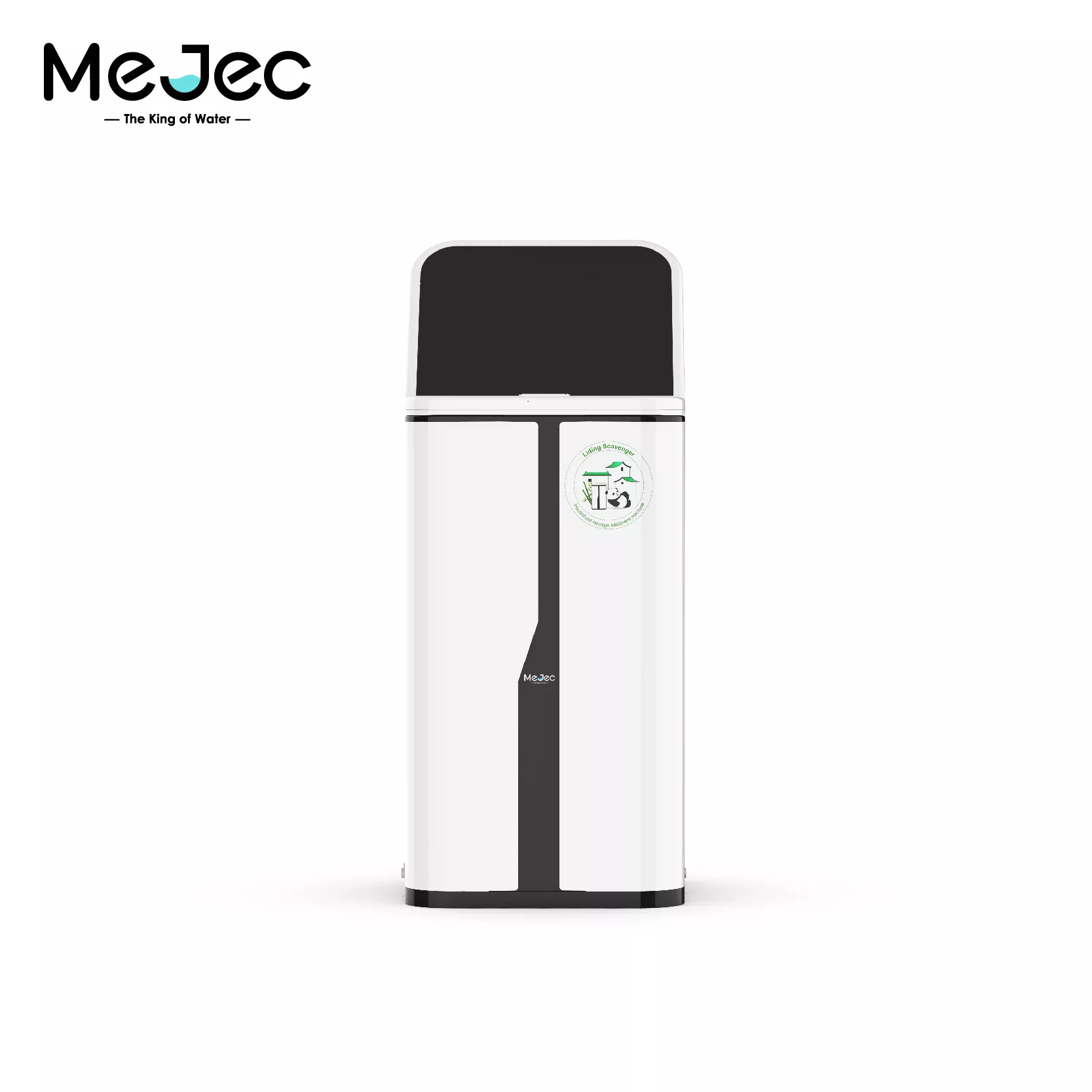
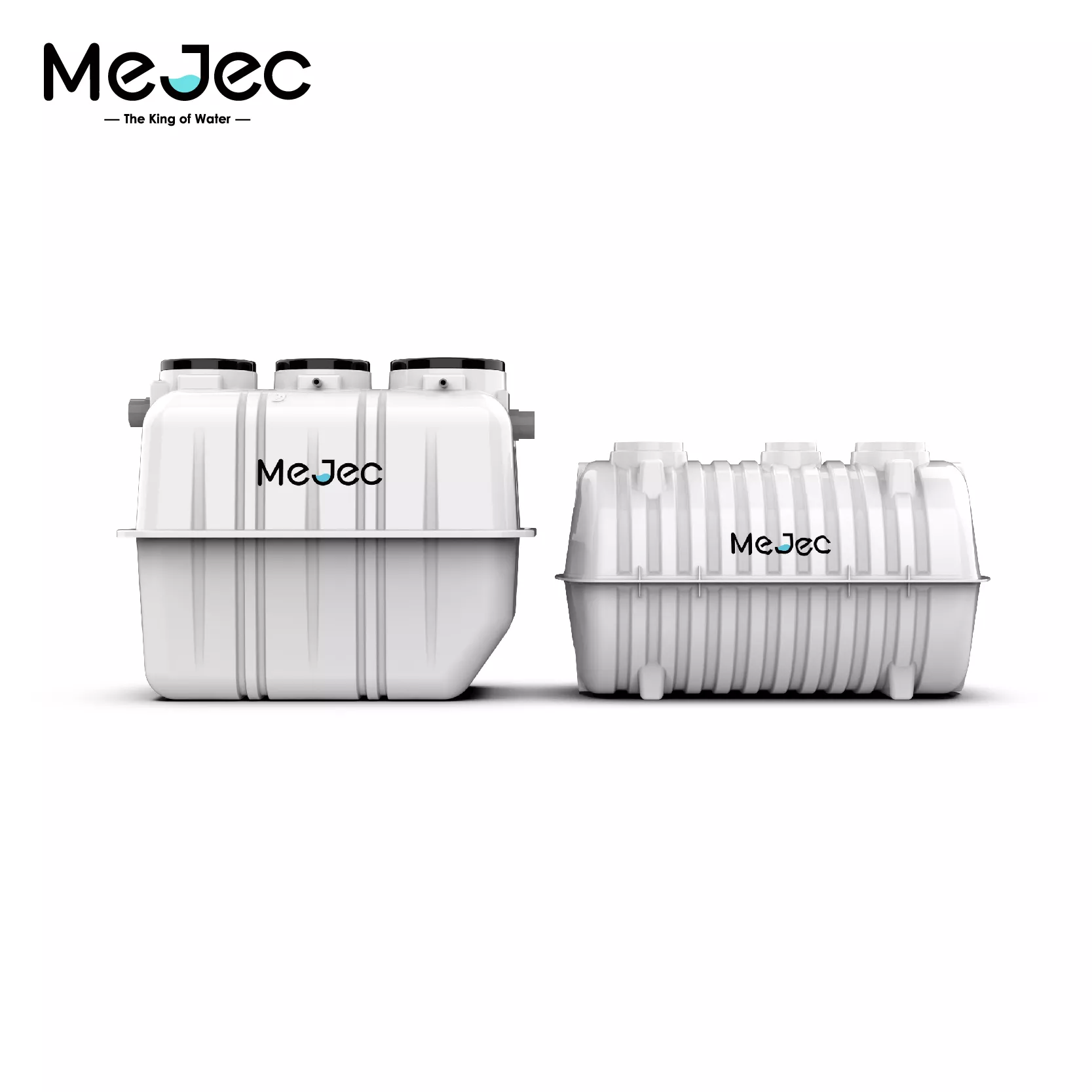
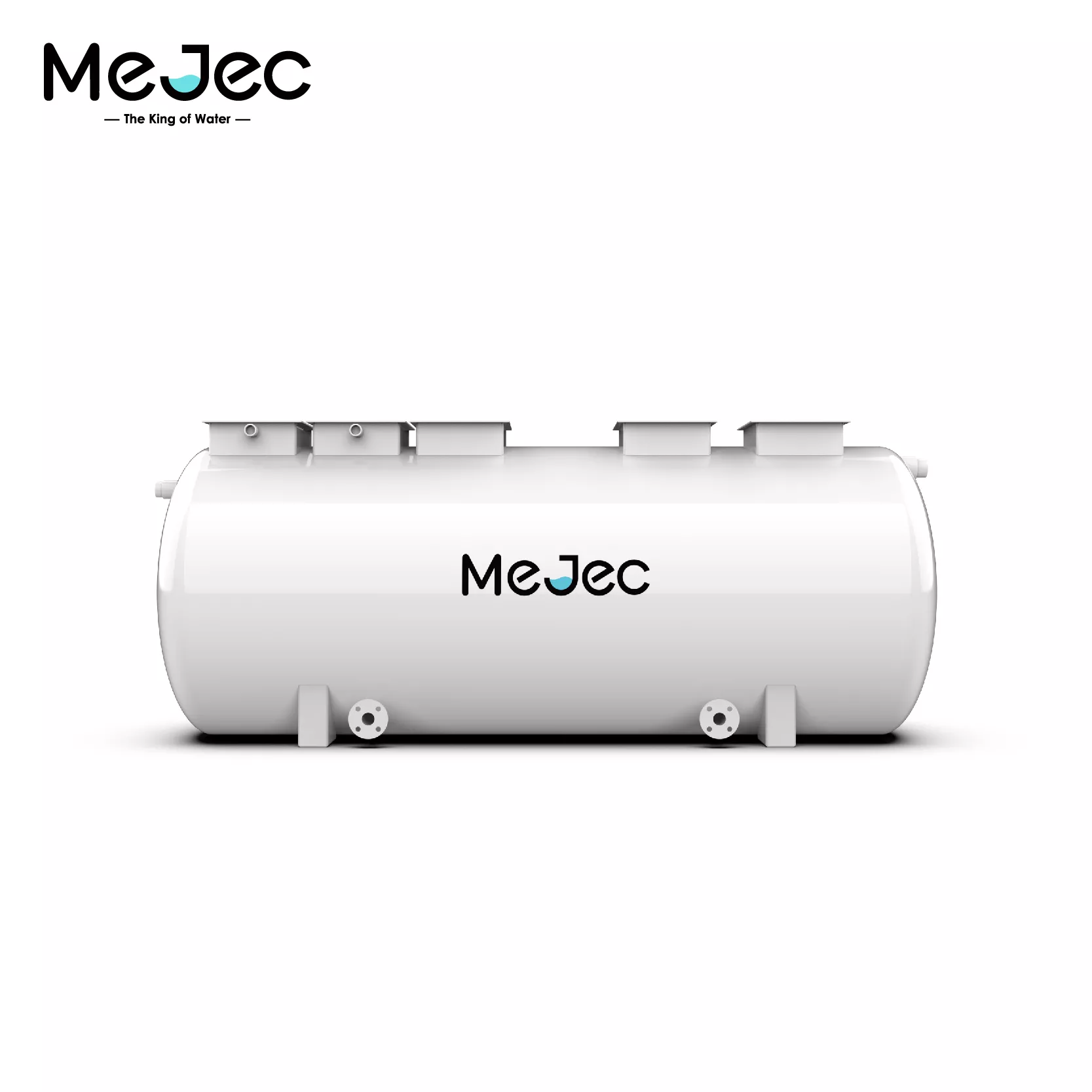
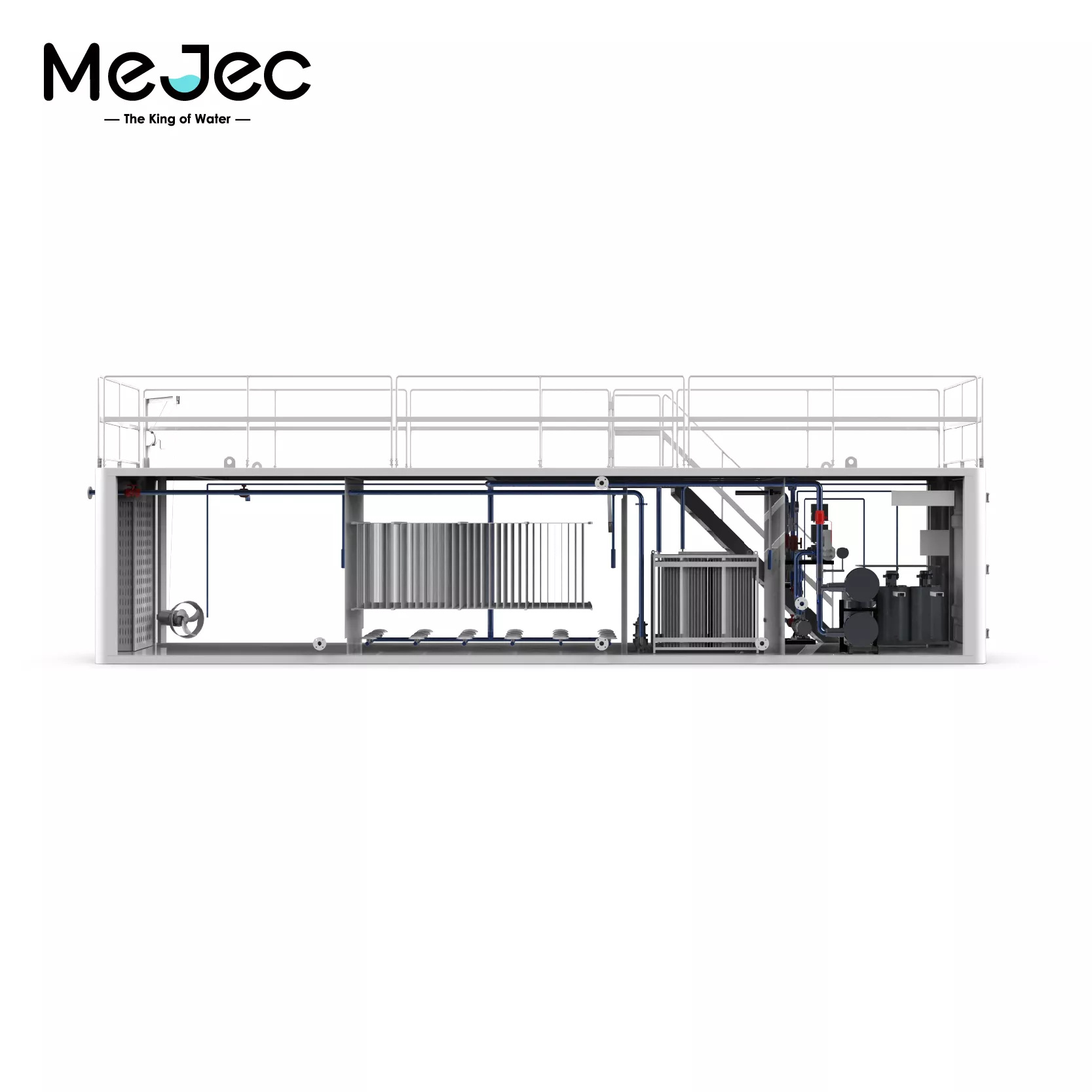
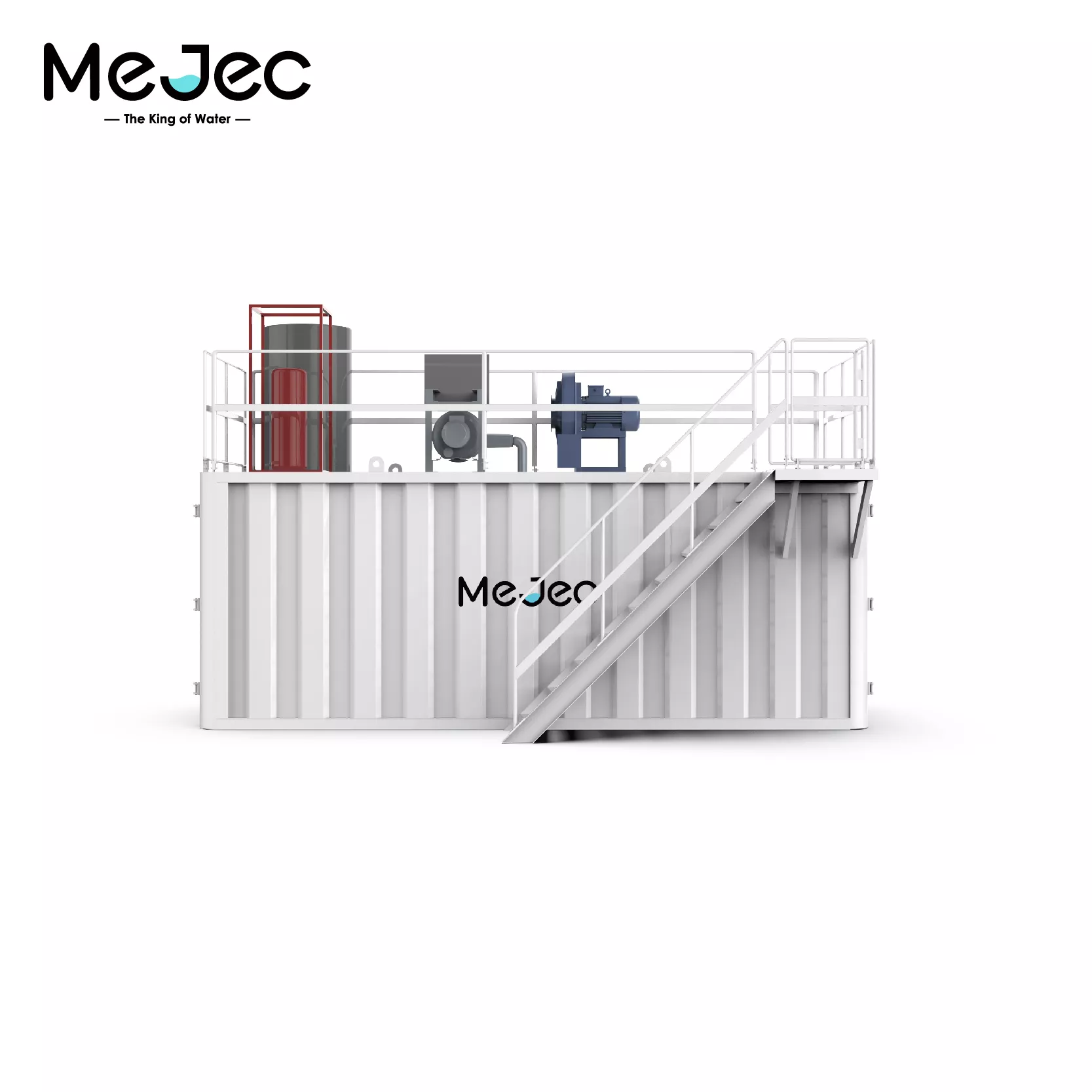
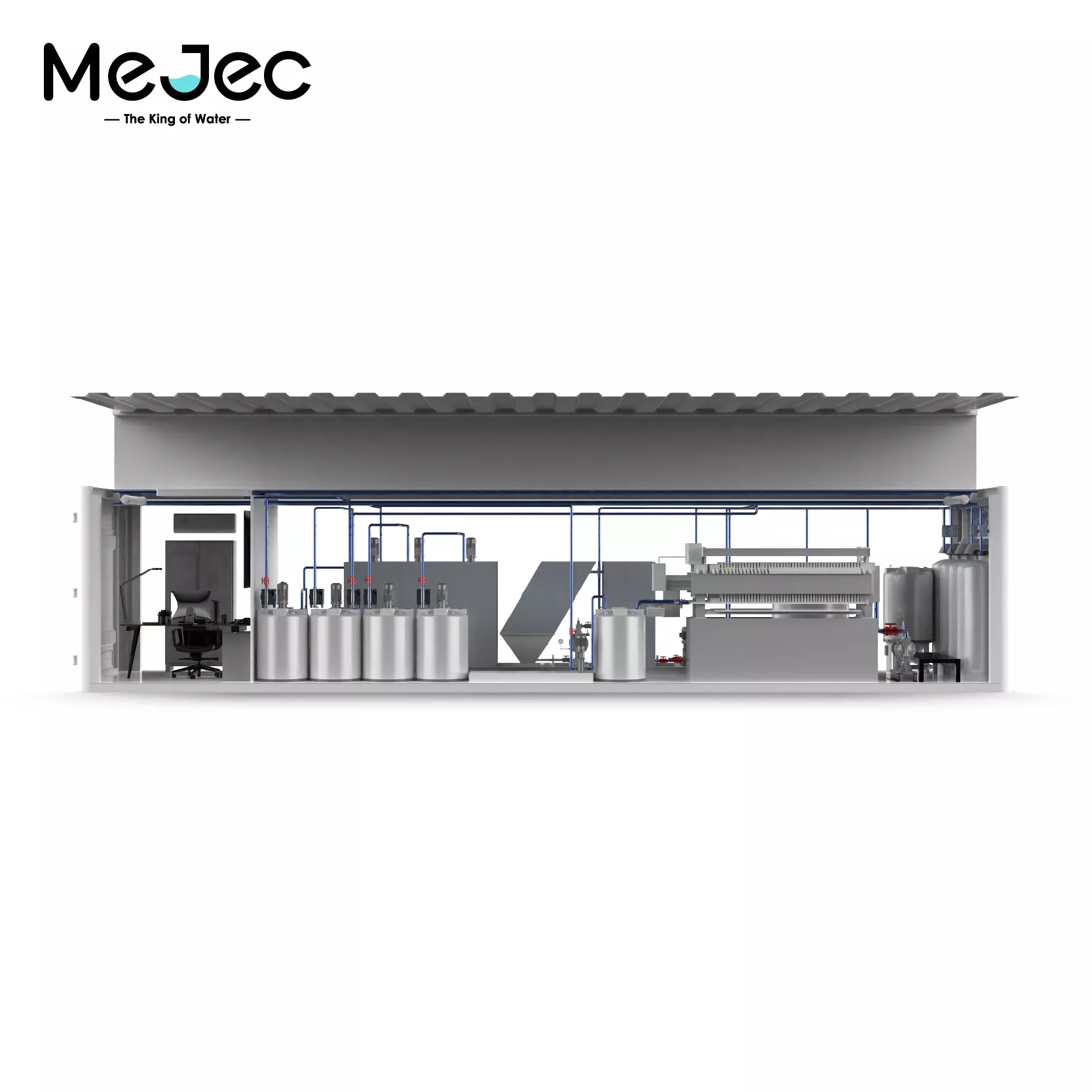
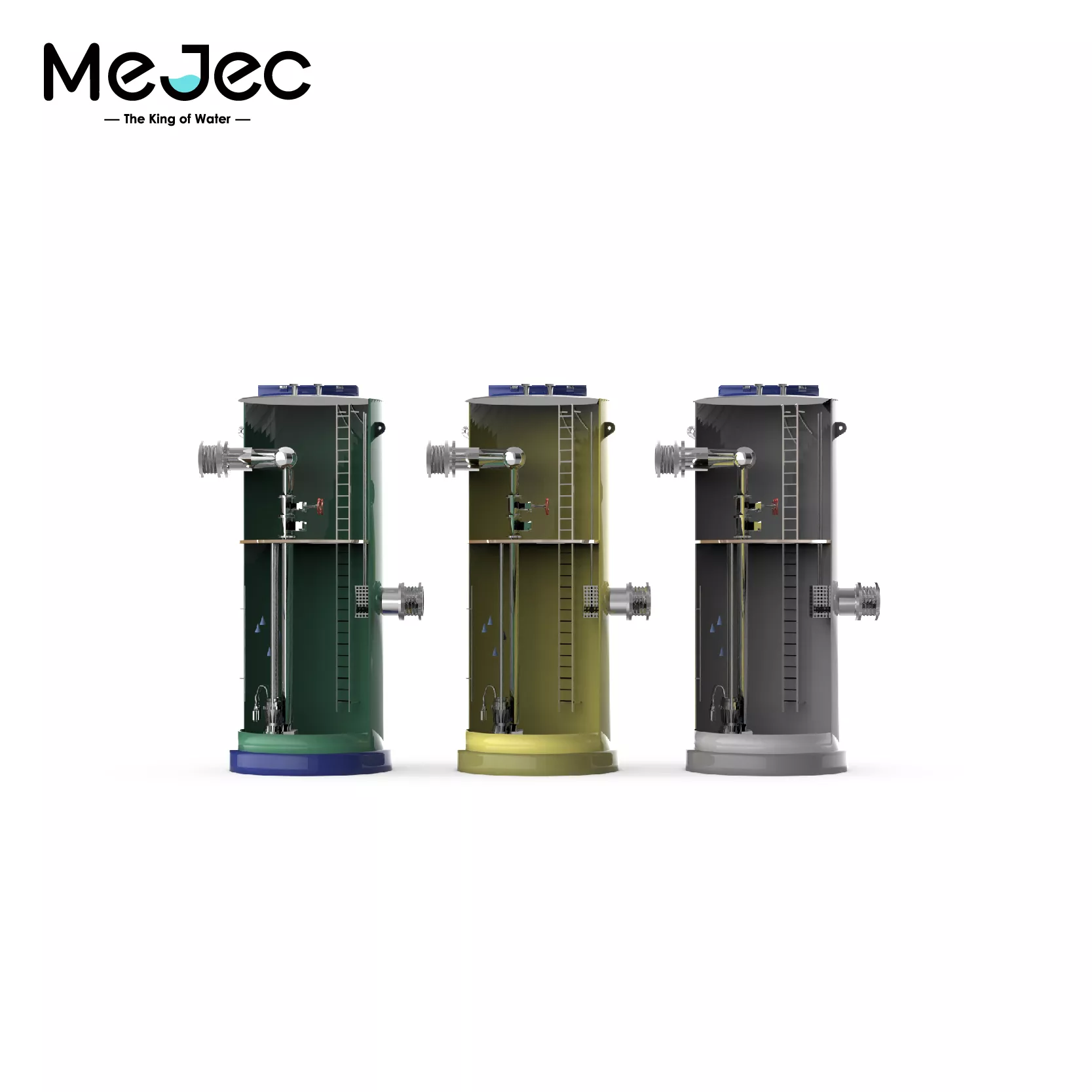
A municipal wastewater treatment plant is a critical infrastructure facility designed to collect, treat, and discharge or reuse water from residential, commercial, and industrial sources. Its primary function is to remove physical, chemical, and biological contaminants from sewage, protecting public health and the environment by ensuring effluent meets stringent regulatory standards before being released into rivers, lakes, or oceans. These plants typically employ a multi-stage process, including preliminary screening and grit removal, primary sedimentation, secondary biological treatment (like activated sludge or trickling filters), and often advanced tertiary treatment for nutrient removal or disinfection. The operation of such a facility is governed by strict environmental permits, such as those under the U.S. Clean Water Act's National Pollutant Discharge Elimination System (NPDES), which sets limits on parameters like biochemical oxygen demand (BOD), total suspended solids (TSS), nitrogen, phosphorus, and pathogens. The efficiency and capacity of a municipal plant are vital for community sustainability, directly impacting local water quality and ecosystem health.
The implementation and upgrade of modern municipal wastewater treatment plants are driven by pressing environmental needs and regulatory frameworks. According to data from the United States Environmental Protection Agency (EPA), over 16,000 publicly owned treatment works (POTWs) serve the nation, collectively treating approximately 62 billion gallons of wastewater daily. Despite this capacity, the American Society of Civil Engineers' 2021 Infrastructure Report Card gave the nation's wastewater infrastructure a grade of 'D+', highlighting an urgent need for investment estimated at over $271 billion over the next 20 years to replace aging systems and comply with evolving standards. This creates a significant market for advanced treatment technologies. For instance, membrane bioreactor (MBR) systems, which combine biological treatment with membrane filtration, are increasingly adopted for their superior effluent quality and smaller footprint. Market research from firms like Grand View Research indicates the global MBR market size was valued at USD 4.5 billion in 2021 and is expected to grow at a compound annual growth rate (CAGR) of 7.9% from 2022 to 2030, partly fueled by municipal sector demand. Similarly, nutrient removal technologies targeting nitrogen and phosphorus are essential to combat eutrophication. Real-world data from plants utilizing processes like the Modified Ludzack-Ettinger (MLE) or enhanced biological phosphorus removal (EBPR) demonstrate reduction capabilities, with some facilities achieving total nitrogen levels below 3 mg/L and total phosphorus levels under 0.1 mg/L in their effluent. Energy consumption is another major operational focus, with wastewater treatment accounting for about 3% of total U.S. electricity use. Consequently, technologies for energy recovery, such as anaerobic digestion with combined heat and power (CHP) systems, are pivotal. The EPA notes that by utilizing biogas from digestion, some plants can achieve energy neutrality or even become net energy producers; for example, the DC Water's Blue Plains plant in Washington, D.C., produces enough renewable energy to cover over one-third of its massive energy needs. Furthermore, the growing emphasis on water reuse is expanding the role of treatment plants. In water-scarce regions, facilities are incorporating advanced tertiary treatments like reverse osmosis (RO) and ultraviolet (UV) disinfection to produce reclaimed water for irrigation, industrial cooling, or even indirect potable reuse. According to a 2022 report by the Bluefield Research, the U.S. municipal water reuse capacity is projected to increase by 37% over the next decade, representing a direct growth opportunity for treatment system providers. Therefore, investing in a state-of-the-art municipal wastewater treatment plant is not merely a regulatory compliance measure but a strategic asset for community resilience, resource recovery, and long-term environmental stewardship, backed by concrete market trends and operational data from existing facilities worldwide.



.webp)









User Comments
Service Experience Sharing from Real Customers
James Wilson
Plant ManagerThe advanced membrane bioreactor system we installed has revolutionized our plant's efficiency. Effluent quality consistently exceeds regulatory standards, and operational costs have decreased by 18%. Highly reliable and technically superb support team.
Sarah Chen
Environmental EngineerAs the lead engineer for our plant's upgrade, I'm very satisfied with the smart SCADA and monitoring suite. Real-time data on nutrient removal and energy consumption has been invaluable for process optimization and reporting. User interface could be slightly more intuitive, but overall an excellent product.
Robert Garcia
Operations SupervisorThe high-efficiency blower and aeration control system has been a game-changer. Our energy usage for aeration has dropped significantly while maintaining optimal dissolved oxygen levels. The durability and low maintenance of this equipment in a harsh plant environment are impressive.
Amanda Lee
Chief Sustainability OfficerImplementing the co-digestion and biogas recovery system has transformed our plant into a resource recovery facility. We're now producing renewable energy to power our operations and reducing our carbon footprint substantially. A forward-thinking solution perfectly aligned with our circular economy goals.