




.webp)
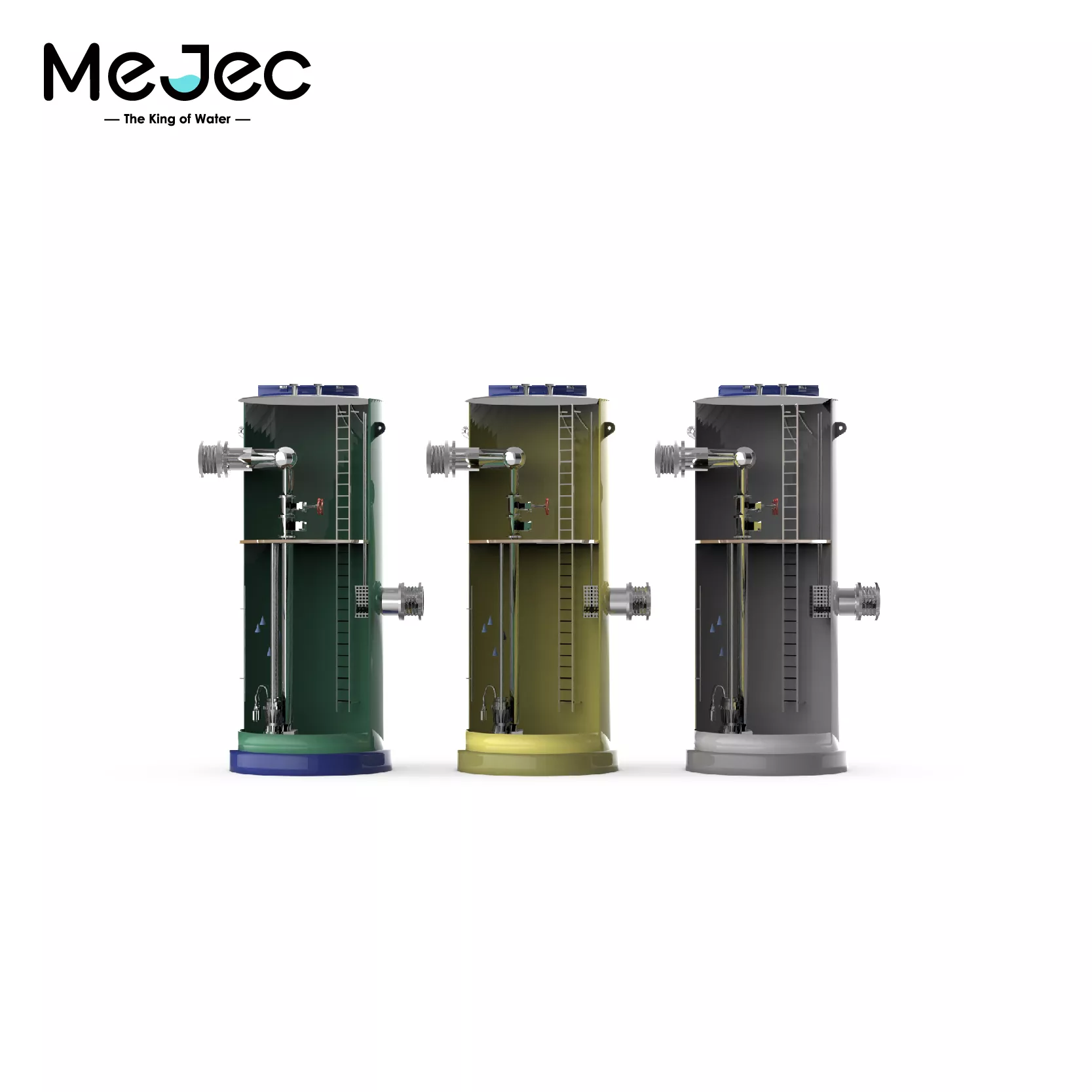
What is MBBR for sewage treatment plant?
MBBR sewage treatment plant uses biofilm carriers ...
More



You see environmental sustainability driving big changes in how a packaged sewage treatment plant works. New technology, such as AI and IoT, helps you monitor systems and predict problems. The focus now is on water reuse, energy generation, and turning waste into valuable resources.
| Change in Focus | Impact |
|---|---|
| Resource management | Efficiency and cost savings |
| Advanced monitoring (AI, IoT) | Real-time data and maintenance |
| Water reuse and energy recovery | Value creation and circular water systems |
Sustainability is now the main focus in sewage treatment, shifting from waste removal to resource recovery and environmental protection.
New technologies like AI and IoT enhance monitoring and efficiency, allowing for real-time data analysis and predictive maintenance.
Modular sewage treatment systems enable localized wastewater management, reducing environmental impact and allowing for scalable solutions.
You see sustainability becoming the main driver for change in the packaged sewage treatment plant industry. Over the past decade, you have watched the focus shift from simple waste removal to protecting the environment and recovering valuable resources. Today, you must consider not only how to treat wastewater but also how to reduce energy use, recover nutrients, and lower emissions.
The use of upcycled nanomaterials from wastewater treatment not only enhances the sustainability of packaging solutions but also aligns with circular economy principles, promoting resource recovery and reducing the need for virgin materials. This innovation addresses environmental concerns while creating market interest in smart and active packaging.
You notice that new technologies help you recover energy and nutrients from wastewater. For example, you can turn sludge into fertilizer or fuel, which supports sustainable practices. You also see that energy management is now a top priority. You work to lower emissions and make your processes more efficient.
The focus on energy management includes sustainability measures such as lowering emissions and maximizing process efficiency.
Innovations in nutrient recovery, particularly phosphorus, are crucial for extending resource availability and enhancing sustainability.
The potential for sludge from treatment processes to be repurposed as fertilizer or fuel contributes to sustainable practices.
When you compare traditional and modern treatment methods, you find big differences in environmental impact.
| Treatment Method | Environmental Impact |
|---|---|
| Traditional Methods | High energy use, chemical dependence, excessive sludge generation, limited removal of emerging contaminants. |
| Sustainable Alternatives | Energy recovery, reduced chemical usage, support for biodiversity, effective removal of nutrients. |
You also need to protect water sources. Old methods can cause groundwater contamination and nutrient pollution, which leads to harmful algal blooms and low oxygen in rivers and lakes.
Groundwater contamination from harmful bacteria and chemicals.
Nutrient pollution leading to harmful algal blooms, depleting oxygen levels in water bodies.
You see a clear trend toward green and modular solutions in the packaged sewage treatment plant market. Companies now design compact, energy-efficient, and automated systems that fit different needs and locations. You can choose from new technologies like membrane aerated biofilm reactors (MABR), membrane filtration, and IoT-enabled monitoring. These systems help you meet strict discharge standards and manage sludge better.
The packaged wastewater treatment industry is innovating with compact, energy-efficient, and automated systems.
Technologies like MABR, membrane filtration, and IoT-enabled monitoring are becoming more popular.
Innovations are focused on enhancing nutrient removal and sludge management to meet stricter discharge standards.
You benefit from modular sewage treatment technologies because they let you treat wastewater close to where it is produced. This approach helps you recover resources and reduce your environmental impact. You can also add new modules as your needs grow, which keeps costs predictable and helps you follow new rules.
Modular sewage treatment technologies enable decentralized wastewater treatment, which is closer to the source of wastewater generation, enhancing resource recovery and reducing environmental impact.
MBBR systems are effective in meeting stringent nutrient limits, making them suitable for environmentally sensitive areas, thus promoting sustainability.
The modular nature of these systems allows for compliance with regulations in stages, providing operational efficiency and predictable costs.
Modern packaged sewage treatment plant designs focus on energy recovery. You can use anaerobic digestion to turn organic matter into biogas, which gives you a renewable energy source and lowers your carbon footprint.
Modern sewage systems focus on energy recovery through biogas production, which reduces the carbon footprint of sewage treatment.
Anaerobic digestion processes convert organic matter into biogas, providing a renewable energy source that contributes to sustainability.
You now have access to many sustainability-driven innovations that make your operations cleaner and more efficient.
| Innovation Type | Description |
|---|---|
| Advanced Biological Processes | Use of aerobic and anaerobic systems to efficiently remove organic matter and nutrients. |
| Membrane Technologies | Implementation of membrane bioreactors (MBRs) for high-quality effluent suitable for reuse. |
| Automation and Smart Monitoring | IoT-enabled sensors and real-time data analytics for enhanced process control. |
| Energy Recovery | Anaerobic digestion to produce biogas as a renewable energy source. |
| Resource Recovery | Extraction of nutrients like nitrogen and phosphorus for agricultural use. |
| Water Reuse and Conservation | Treated water can be reused for irrigation and industrial processes, reducing freshwater dependency. |
| Renewable Energy Generation | Biogas from anaerobic digestion can generate electricity or heat, lowering fossil fuel reliance. |
| Reduced Environmental Pollution | Compliance with effluent quality standards prevents contamination of water bodies. |
| Energy Efficiency | Smart monitoring leads to lower energy consumption while improving pollutant removal efficiency. |
You play a key role in this shift by choosing technologies that support sustainability. By adopting green and modular solutions, you help protect the environment, save resources, and prepare for future challenges.
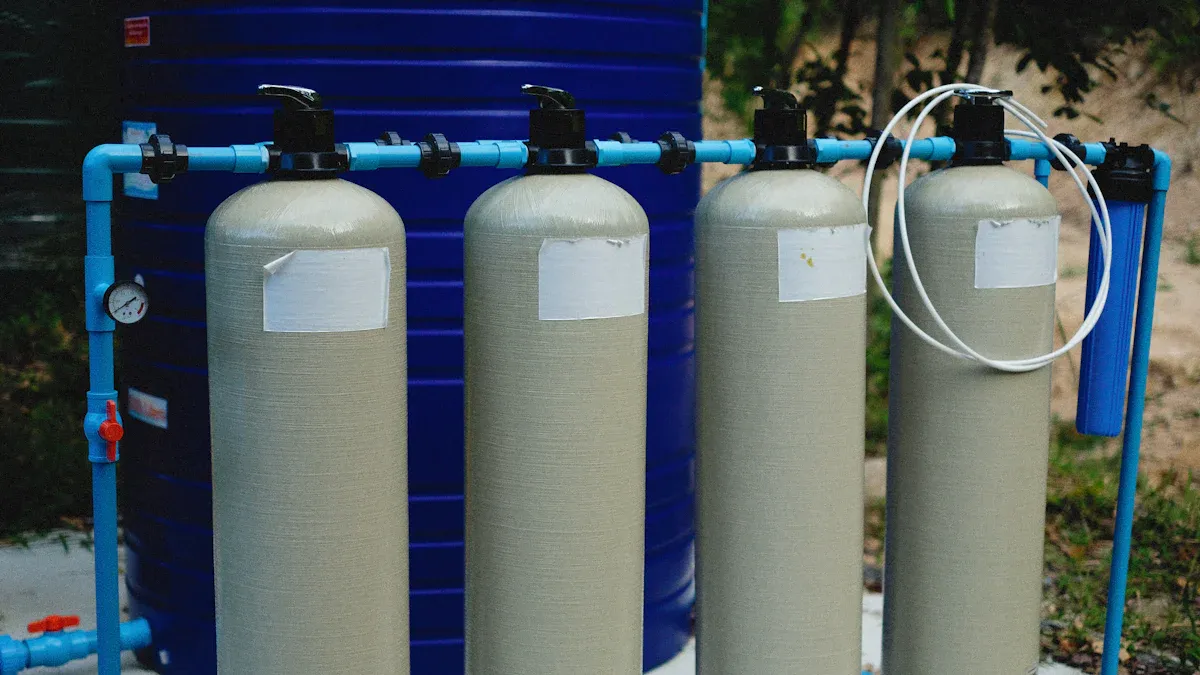
You can now use advanced biological methods to improve the performance of your packaged sewage treatment plant. New systems like Sequential Batch Reactors (SBR), Moving Bed Biofilm Reactors (MBBR), and Membrane Bioreactors (MBR) help you remove more pollutants. SBRs work well for removing contaminants, especially when you give them more time to treat the water. MBBRs use biofilms to clean wastewater and are effective for tough jobs like treating dairy waste. MBRs combine membranes with biological treatment, so you get cleaner water that meets strict standards. You can also use hybrid systems, such as MBR with Reverse Osmosis, to treat greywater and make it safe for reuse. These hybrid systems help you save water, lower your carbon footprint, and make sure no untreated water leaves your site.
Water reuse becomes possible with hybrid systems.
You use less energy and fewer chemicals.
Zero Liquid Discharge (ZLD) means you do not release untreated water.
You benefit from membrane filtration and MBRs because they give you high-quality water that is free of solids and germs. These systems fit into small spaces and use less energy, which saves you money. You can scale them up or down as your needs change. MBRs also remove nutrients like nitrogen and phosphorus, which helps you meet rules for water quality. You can install these systems quickly and maintain them easily because they are automated and modular.
You can use automation and artificial intelligence to make your packaged sewage treatment plant smarter and more efficient. AI and smart sensors help you monitor your system in real time. This means you can spot problems early and fix them before they get worse. Automation can cut your costs by over 30%. Predictive maintenance lets you keep your equipment running longer, sometimes by up to 25%. Smart monitoring also helps you save energy and reduce downtime.
Tip: Real-time data from smart sensors can help you find leaks or illegal connections, saving you money and improving system performance.
You can recover energy and valuable resources from your packaged sewage treatment plant by using new technologies. Here are some leading solutions:
| Technology | Description |
|---|---|
| Anaerobic Digestion | Turns organic waste into biogas for electricity, heat, or fuel. |
| Combined Heat and Power (CHP) | Uses biogas to make both electricity and heat, boosting efficiency. |
| Microbial Fuel Cells (MFCs) | Generates electricity from bacteria breaking down waste. |
| Hydrothermal Carbonization | Converts waste into hydrochar and biogas, useful as fuel or soil amendment. |
| Gasification | Changes waste into syngas for power or as a chemical feedstock. |
| Solar-Powered Systems | Uses sunlight to power plant operations, cutting energy costs. |
| Wind-Powered Systems | Uses wind energy to run equipment, reducing reliance on fossil fuels. |
You can use digital tools and Industry 4.0 features to make your packaged sewage treatment plant more reliable and easier to manage. Digital platforms let you control and monitor your plant from anywhere. You can use data analytics to improve performance and plan for the future. These tools help you respond quickly to changes and keep your plant running smoothly.
You can help save water by using treated wastewater for irrigation, cleaning, or even some industrial uses. Modern systems let you recycle water safely. This reduces the need for fresh water and helps protect rivers and lakes. When you reuse water, you also lower the amount of wastewater that needs treatment. This makes your operations more efficient and supports a healthy environment.
You support water conservation.
You reduce pressure on local water supplies.
You help meet strict water quality rules.
You can make your plant more energy efficient by using new technologies. Solar panels and heat pumps use less electricity and cut down on pollution. The table below shows how these solutions work:
| Evidence Type | Description |
|---|---|
| Photovoltaic Power | Solar energy powers your plant, lowers costs, and reduces energy use. |
| Sewage Source Heat Pump | Uses heat from sewage for heating or cooling, saving energy and cutting CO2 and SO2 emissions. |
You can also use solar-powered mixers and other tools to lower greenhouse gas emissions. These changes help you run a cleaner, greener operation.
You can trust modern packaged sewage treatment plants to clean water better than older systems. Aerobic biological systems break down waste quickly. Sand filters remove tiny particles and harmful chemicals. Disinfection units kill germs, making the water safe to release. These steps lower the amount of bacteria, nitrogen, phosphorus, and organic matter in the water. You meet safety standards and protect the environment.
Tip: Cleaner effluent means less risk to public health and local wildlife.
You can turn waste into valuable resources. The table below shows how you can recover water, nutrients, energy, and materials:
| Resource Type | Description |
|---|---|
| Water | Reuse cleaned water for irrigation, industry, or even drinking in some cases. |
| Nutrients | Recover nitrogen and phosphorus to use as fertilizer. |
| Energy | Produce biogas from waste to generate renewable energy. |
| Materials | Extract metals or plastics from wastewater for recycling. |
You help create a circular economy by reusing and recycling what was once waste. This approach saves money and protects natural resources.
Modern plants improve environmental performance.
You meet regulatory standards.
You boost operational efficiency for sustainable wastewater management.
You face new rules that make your job more challenging but also more important. Governments now set tougher limits on what you can release into the environment. These rules cover pollutants like heavy metals, phosphorus, and nitrogen. Some places, such as California and Singapore, require you to reuse and recycle treated water. You also need to watch for new contaminants, like PFAS, because agencies like the EPA are adding more regulations. The table below shows some of the latest changes:
| Regulatory Aspect | Description |
|---|---|
| Stricter Effluent Standards | Governments are tightening regulations on allowable pollutants in wastewater, including heavy metals and nutrients like phosphorus and nitrogen. |
| Reuse and Recycling Mandates | Regulations are evolving to promote the reuse of treated wastewater, particularly in water-scarce regions like California and Singapore. |
| Emerging Contaminant Regulations | Increased focus on contaminants such as PFAS, leading to new EPA regulations affecting wastewater treatment facilities. |
You see more companies and cities using certifications to prove they follow the best environmental, health, and safety practices. These certifications help you show that your packaged sewage treatment plant meets high standards. Certified processes lower your impact on nature and encourage others to use better methods. You also notice that new standards push you to use the latest technology and stay up to date. The table below explains how these standards help:
| Evidence Description | Impact on Sustainable Practices |
|---|---|
| Certifications validate the effectiveness and sustainability of sewage processing methods. | They ensure compliance with the highest environmental, health, and safety standards, promoting responsible waste management. |
| Investing in certified processes helps reduce ecological footprints. | This encourages municipalities and industries to adopt more sustainable sewage treatment practices. |
| Innovative sewage treatment solutions emphasize efficiency and compliance with standards. | This minimizes environmental impact and promotes sustainable practices in sewage treatment. |
| Adapting to emerging certification trends is crucial for aligning with regulations. | It helps organizations validate their methods and stay updated with technological advancements in sewage treatment. |
You notice that people now expect companies to care about the environment. Many consumers choose products and services based on how sustainable they are. Brands that focus on sustainability gain an advantage. Policymakers and community groups also shape how you manage waste and resources. They use laws and economic tools to guide your choices. You see that working with these groups helps you build trust and improve your practices.
Consumers now see sustainability as a must-have, not just a bonus.
Brands that act on sustainability stand out from the rest.
Policymakers and civil society help set rules for waste management.
Economic and regulatory tools push you to adopt greener methods.
Stakeholder engagement shapes the future of sewage treatment.
You need to focus on several key areas to maximize sustainability in your packaged sewage treatment plant. High removal rates for biological oxygen demand (BOD) show that your plant can clean water well. Many plants also achieve strong phosphorus removal. Nitrogen removal can be harder, especially in cold weather. You should pay attention to temperature control because it affects how well your plant removes nitrogen and bacteria.
Aim for BOD removal rates above 91% for cleaner water.
Target phosphorus removal rates greater than 71%.
Watch for challenges with nitrogen removal, especially in colder months.
Manage temperature to support effective treatment.
Continuous innovation in wastewater treatment creates a positive outlook for the market. Smart and automated systems let you monitor and control treatment in real time, which helps you save energy and use resources wisely. The growing need for water reuse and recycling opens new doors for you to develop solutions that help industries and cities use treated water again. New technologies like membrane filtration and biofilm reactors improve performance and lower costs.
You can take important steps to make your investments last and support sustainability.
Add automation and energy recovery systems to your plant.
Design your system for water reuse to help save freshwater.
Focus on energy efficiency in every process.
Use advanced treatment technologies for better results.
Integrate digital tools to make operations smoother.
Recover energy, nutrients, and water to support a circular economy.
Build strong infrastructure for better public health and long-term savings.
By following these steps, you help your plant stay ready for future challenges and protect the environment.
You will see environmental sustainability continue to shape the future of the packaged sewage treatment plant. New technologies and digital tools help you improve efficiency and meet strict rules.
The market grows as more industries use smart solutions.
Energy-efficient operations and real-time monitoring become standard.
Investments from public and private sectors support innovation.
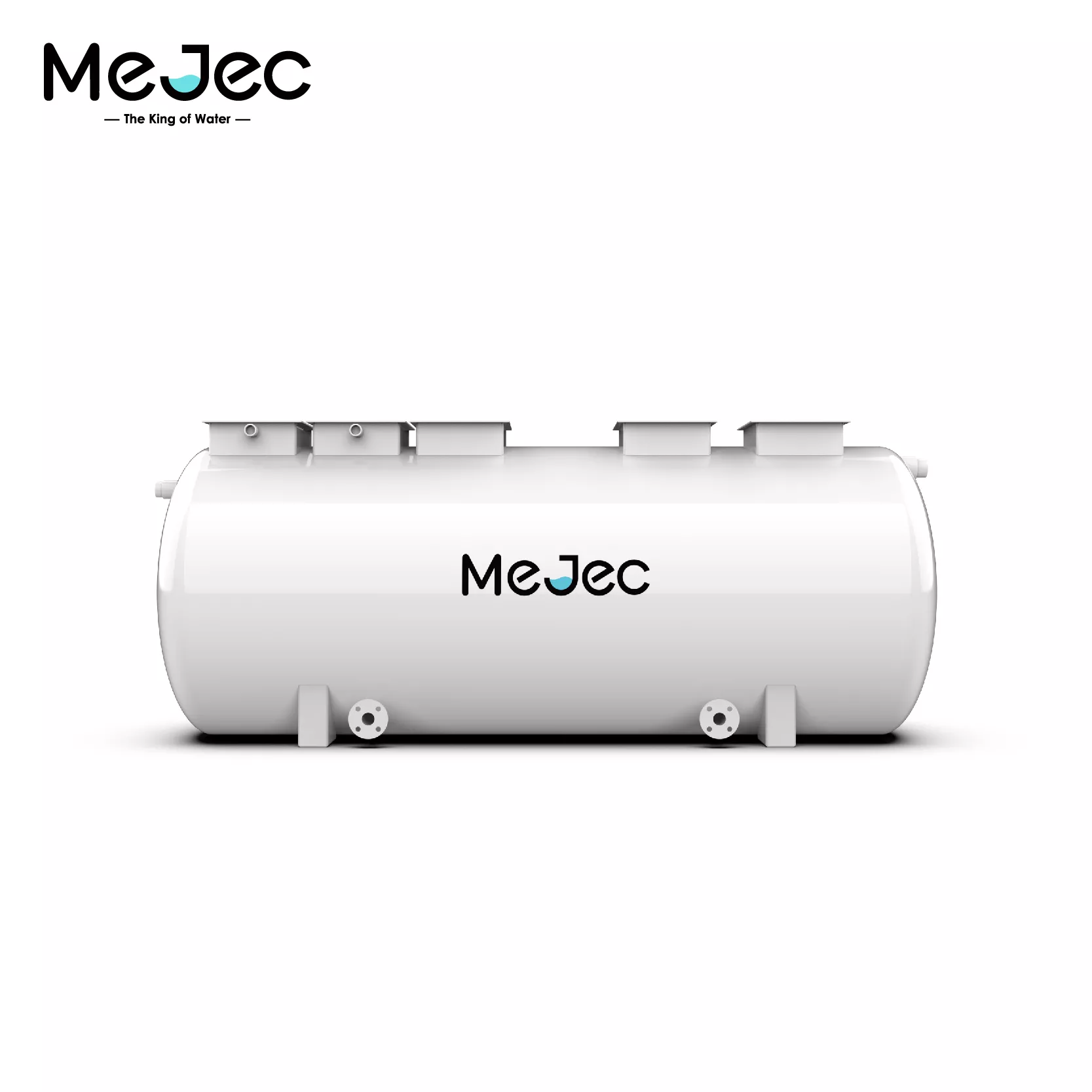
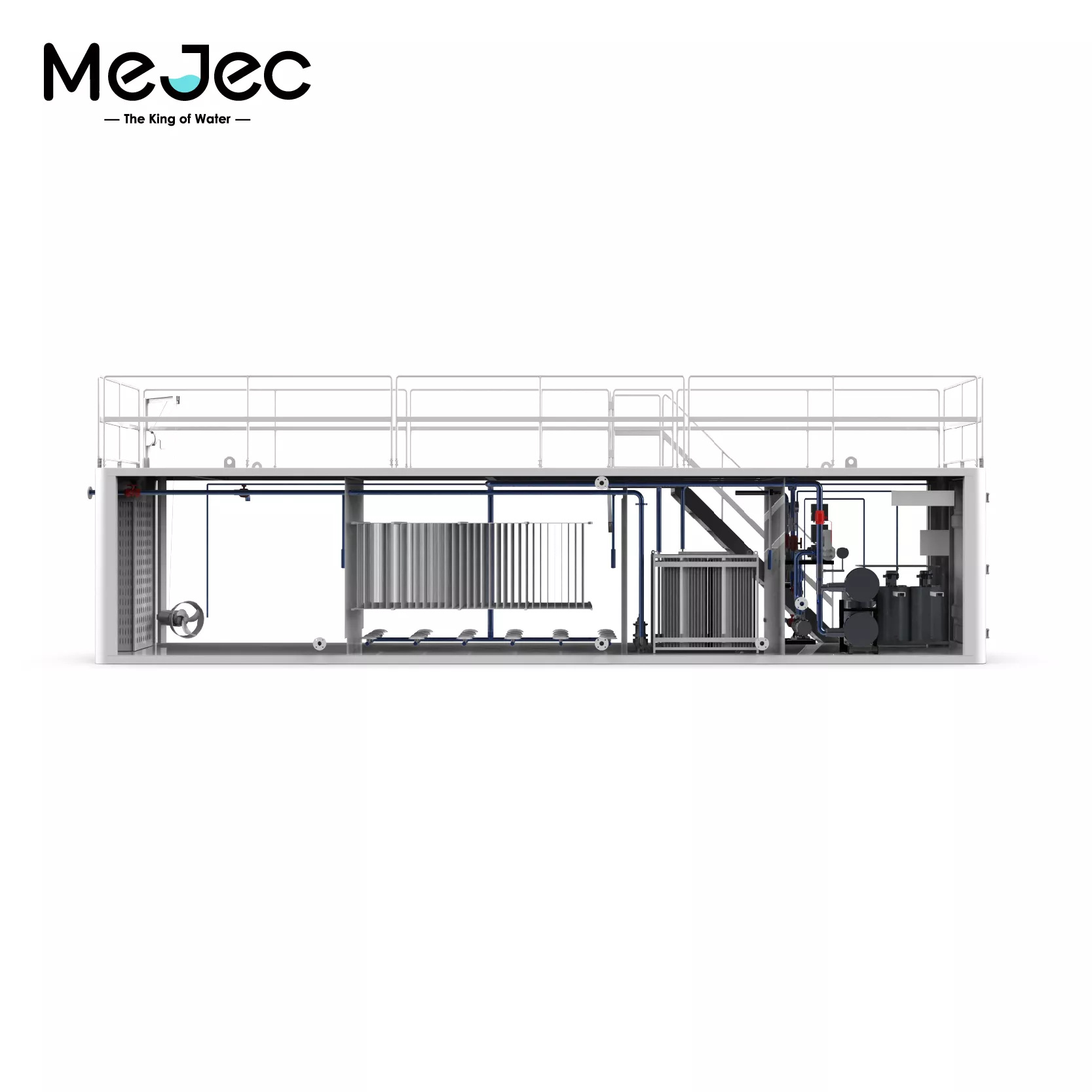
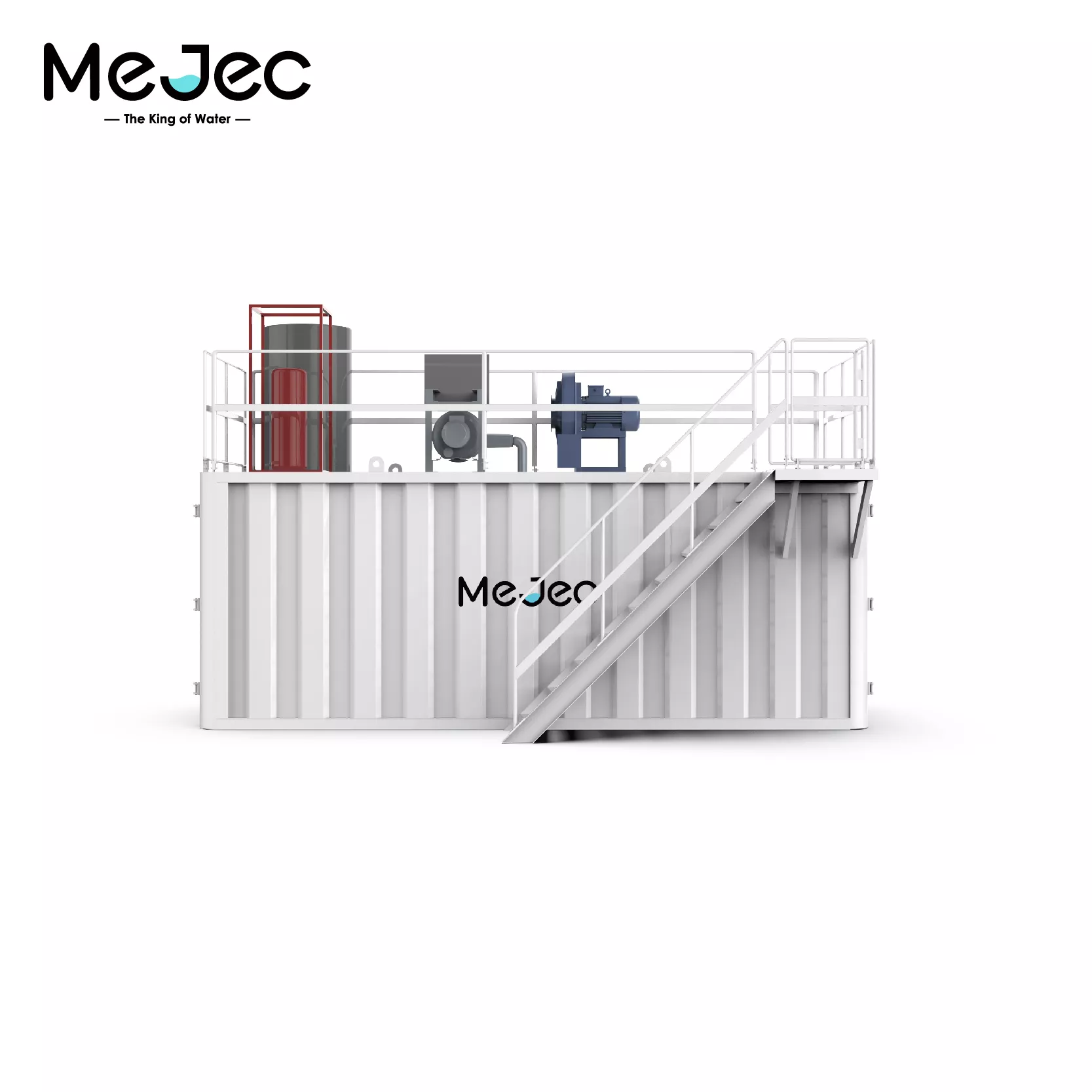
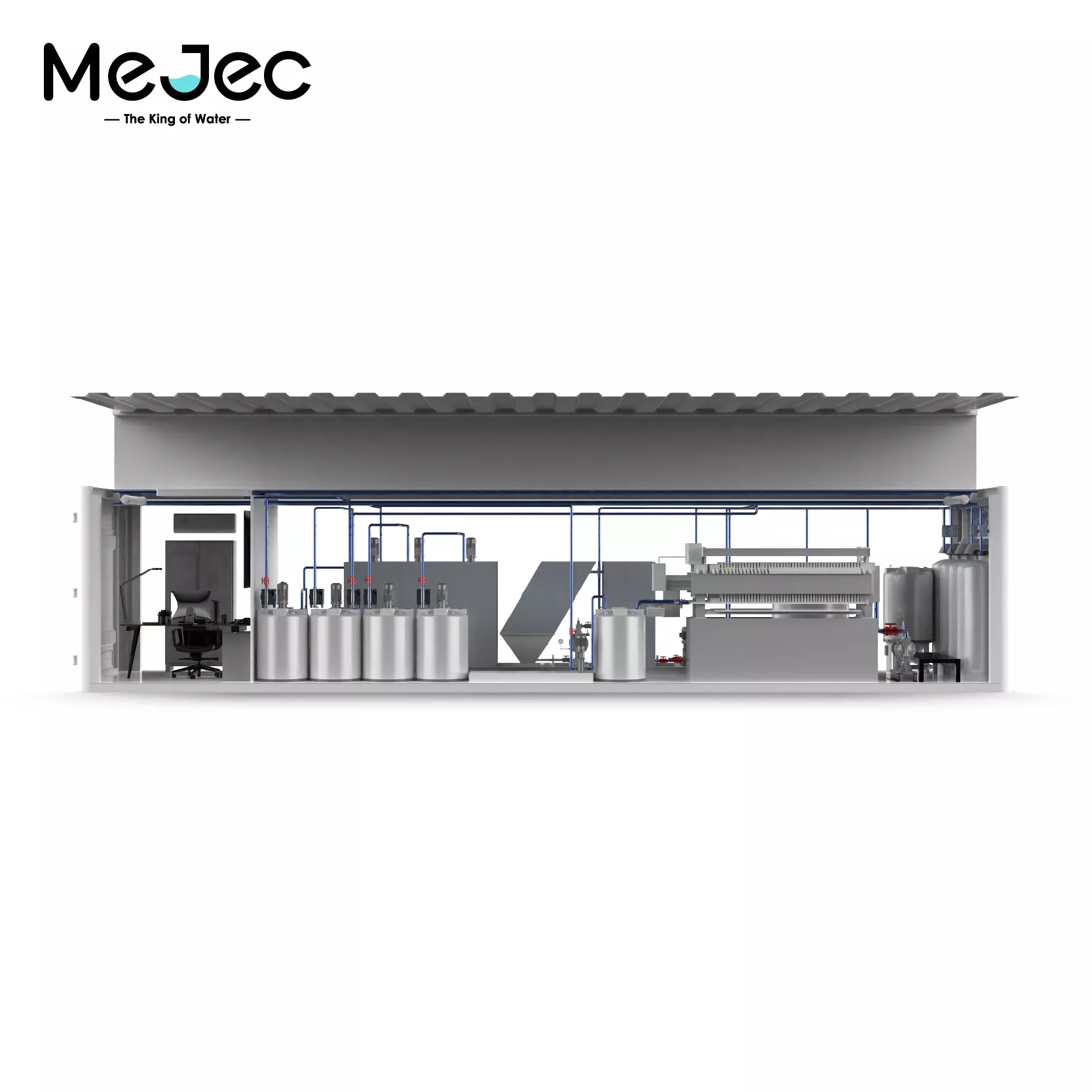
You use a packaged sewage treatment plant to clean wastewater on-site. The system combines several treatment steps in one compact unit.
You reduce freshwater demand when you reuse treated water. This practice protects rivers and lakes and supports local water conservation efforts.
You can add new technologies like smart sensors or energy recovery systems. These upgrades improve efficiency and help you meet stricter environmental standards.
Ways Plate Heat Exchangers Can Reduce Environmental Impact
Innovative Materials Transforming the Heat Exchanger Industry
Comparing EHEDG and 3A SSI Standards for Hygiene Design
The Environmental Benefits of Transitioning to Electric Vehicles

We provide you with comprehensive foreign trade solutions to help enterprises achieve global development
Upgrade your home's water with mejec efficient 3-s...
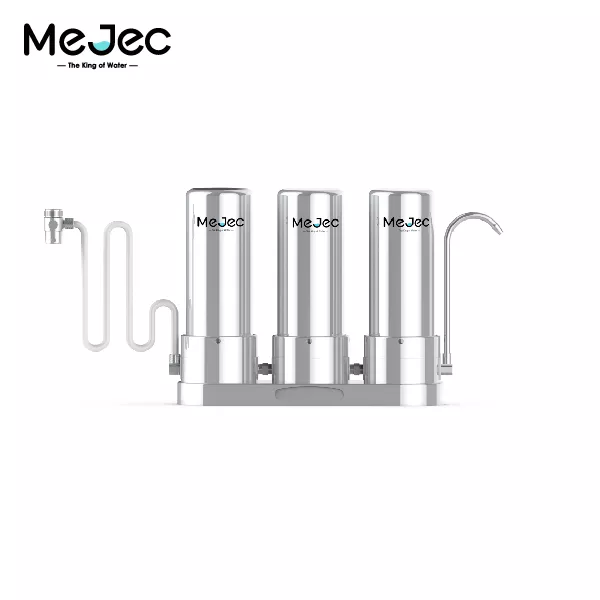
Experience laboratory-grade purity on your counter...
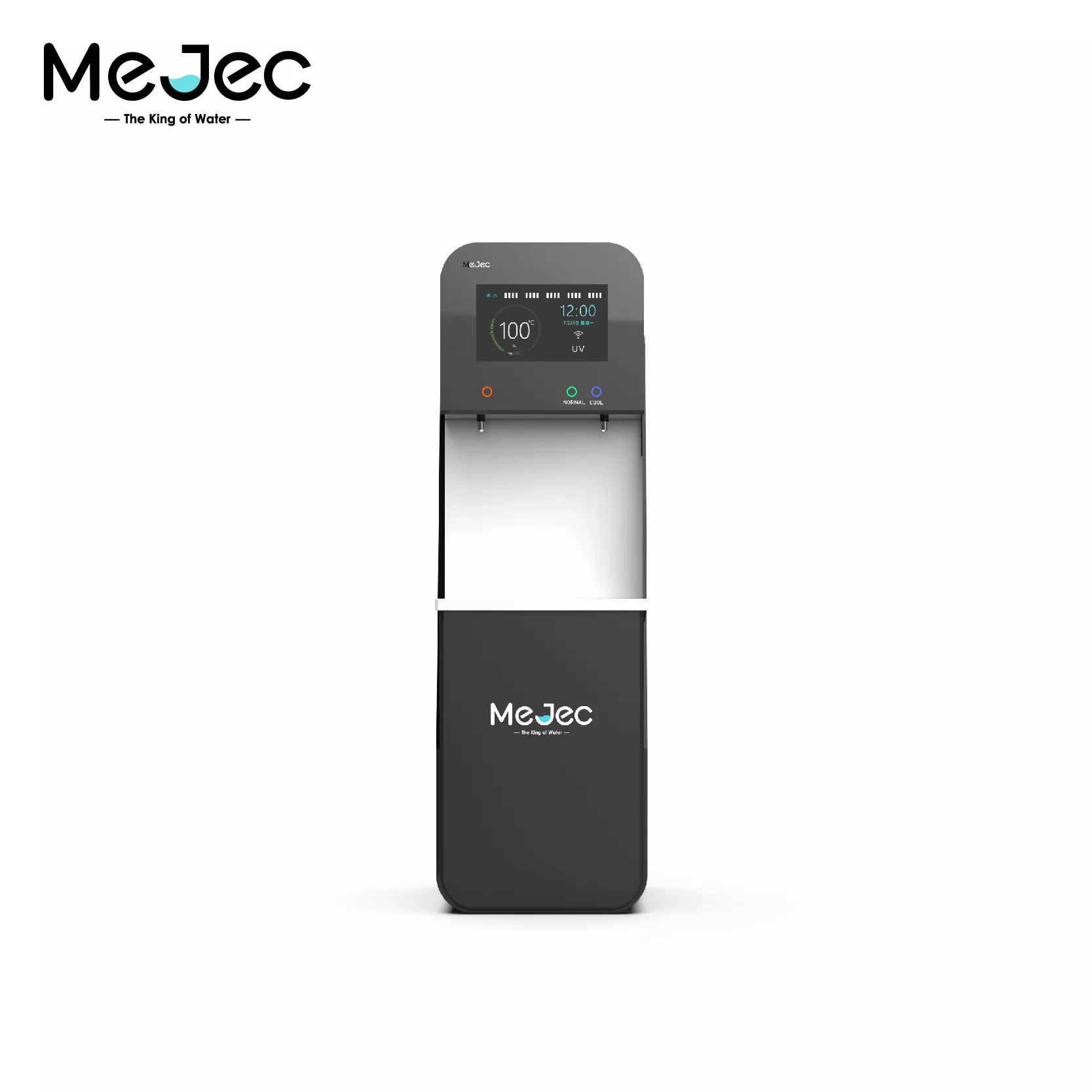
The Mejec High-End Commercial Direct-Drinking Mach...
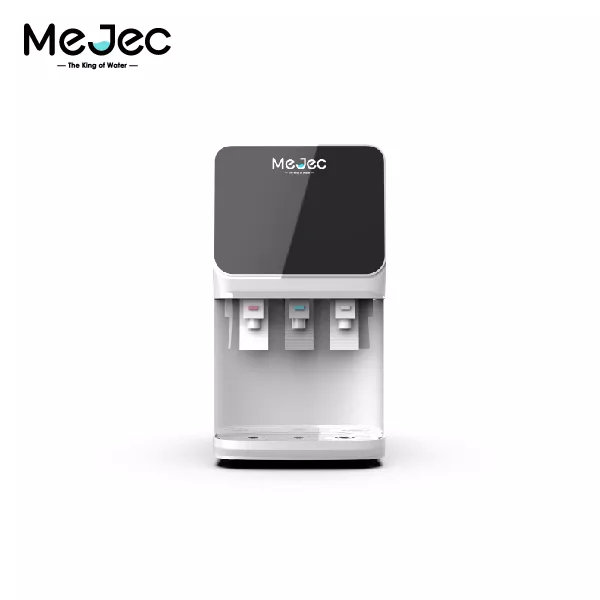
The MEJEC dispenser delivers pure water through ad...
Select the most popular foreign trade service products to meet your diverse needs
Select the most popular foreign trade service products to meet your diverse needs





User Comments
Service Experience Sharing from Real Customers
Michael Rodriguez
Facilities ManagerThis packaged plant was a game-changer for our remote camp. Installation was straightforward, and it has handled our variable loads reliably for six months with minimal maintenance. Highly recommended for off-grid applications.
Sarah Chen
Project EngineerAs the engineer overseeing the installation for a new housing development, I found this packaged sewage treatment plant efficient and well-designed. It met all regulatory effluent standards. One point off for the control panel interface, which could be more intuitive.
David O'Brien
Hotel General ManagerWe needed a compact and odorless solution for our boutique eco-resort. This unit exceeded expectations. It's quiet, effective, and our guests have no idea it's there. The after-sales support was also excellent.
Jessica Williams
Environmental ConsultantI've specified several of these packaged plants for my clients in the agricultural sector. They offer a perfect balance of performance, durability, and cost-effectiveness for treating wastewater from seasonal worker accommodations. Consistent results every time.