Sewage Treatment Plant Cost
Sewage Treatment Plant Cost
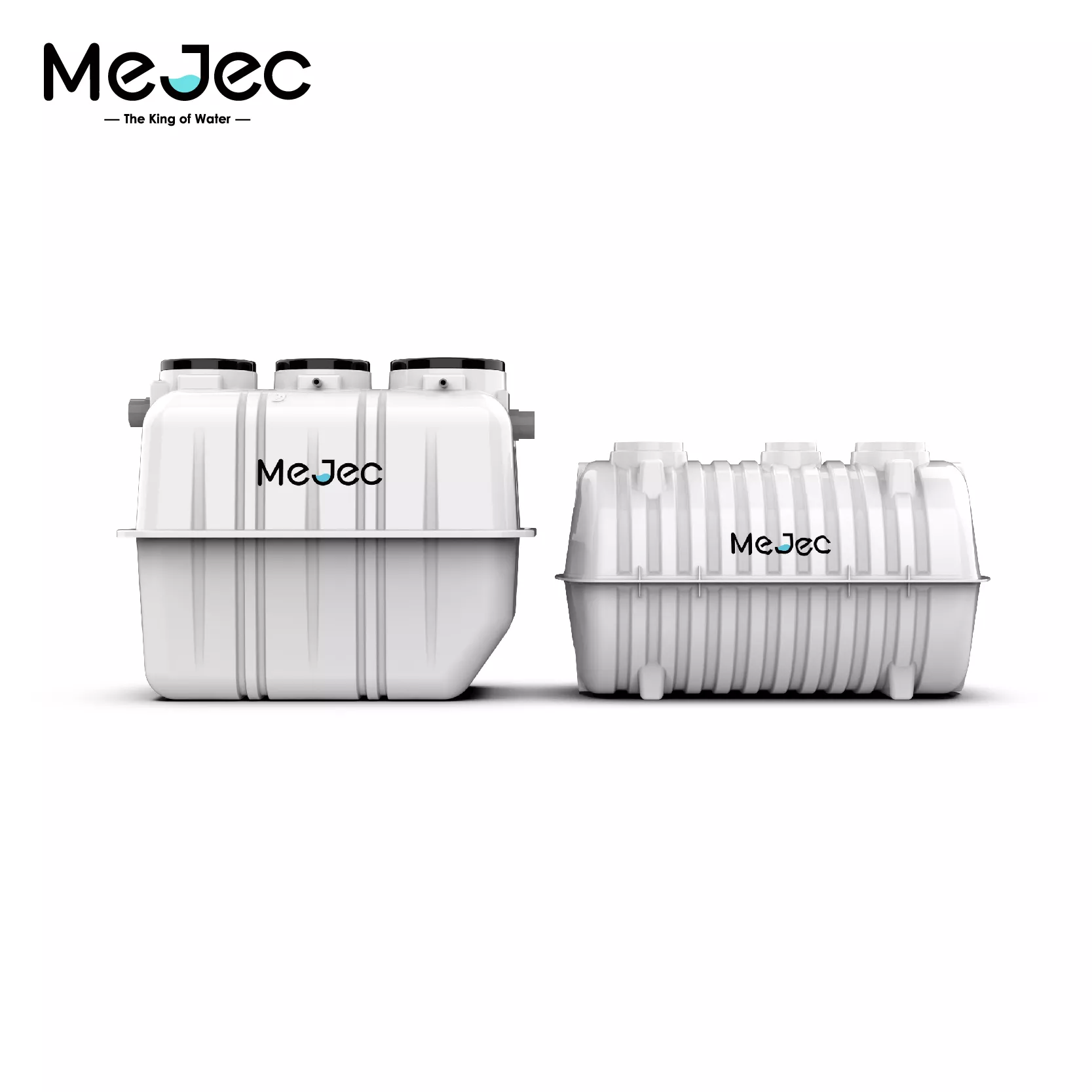
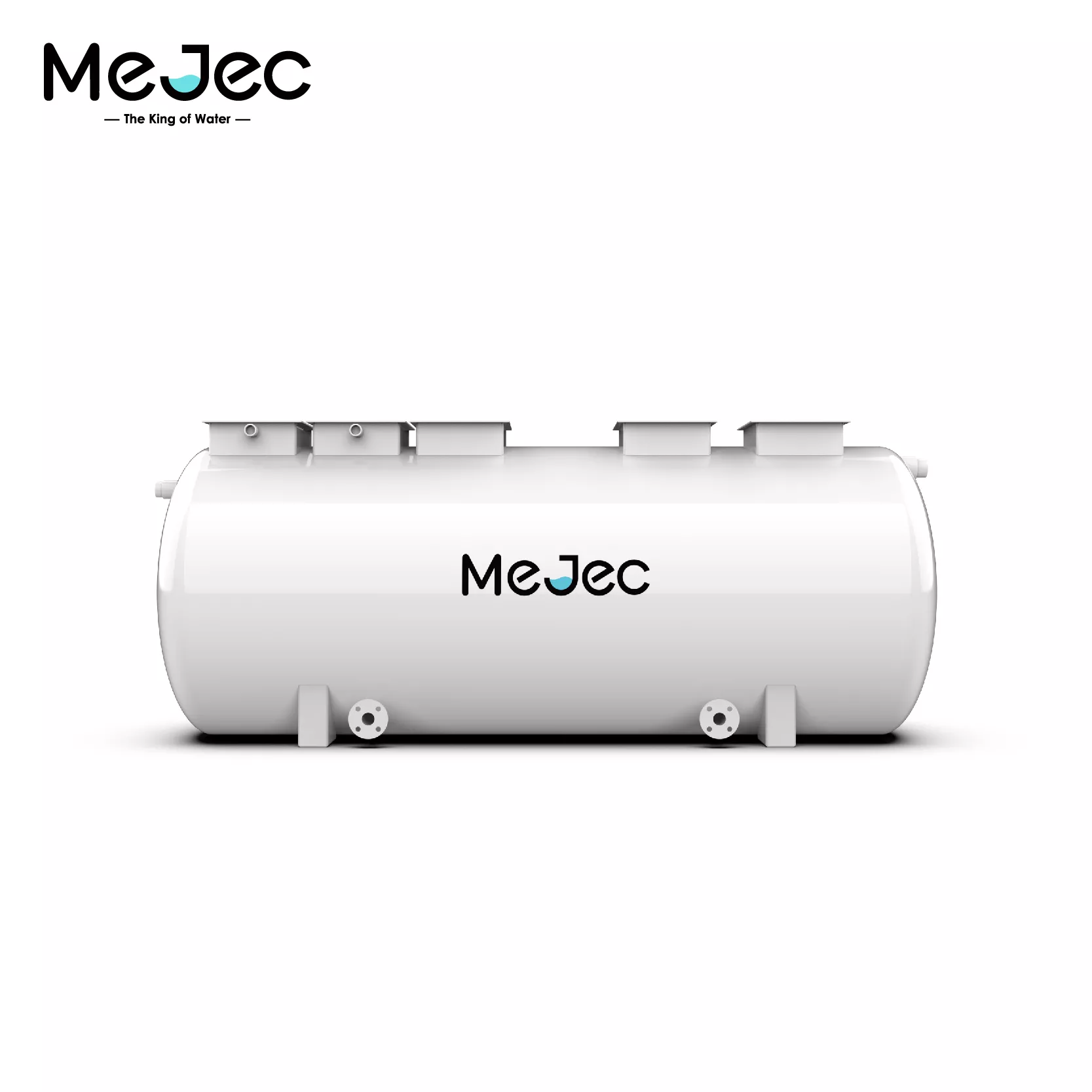
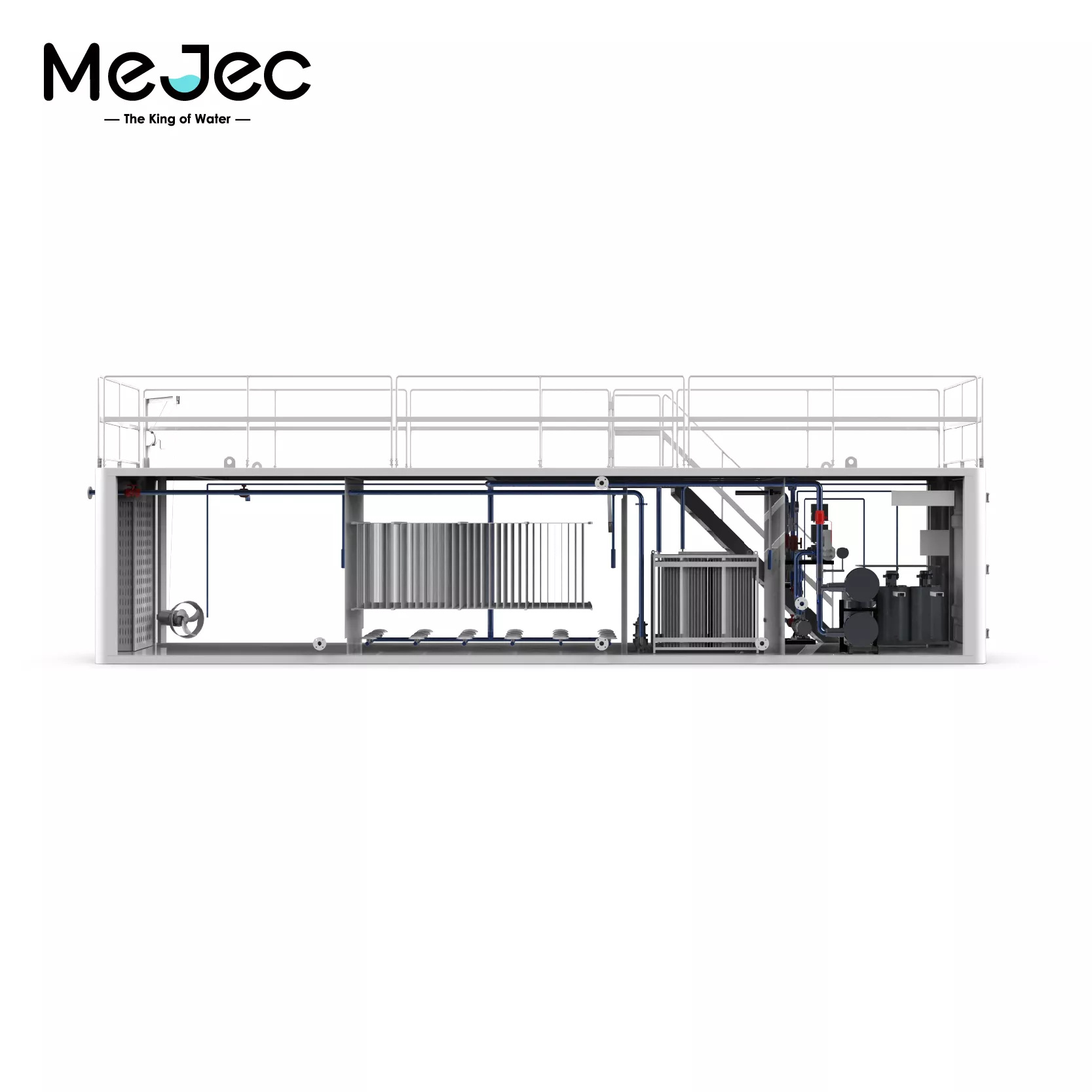
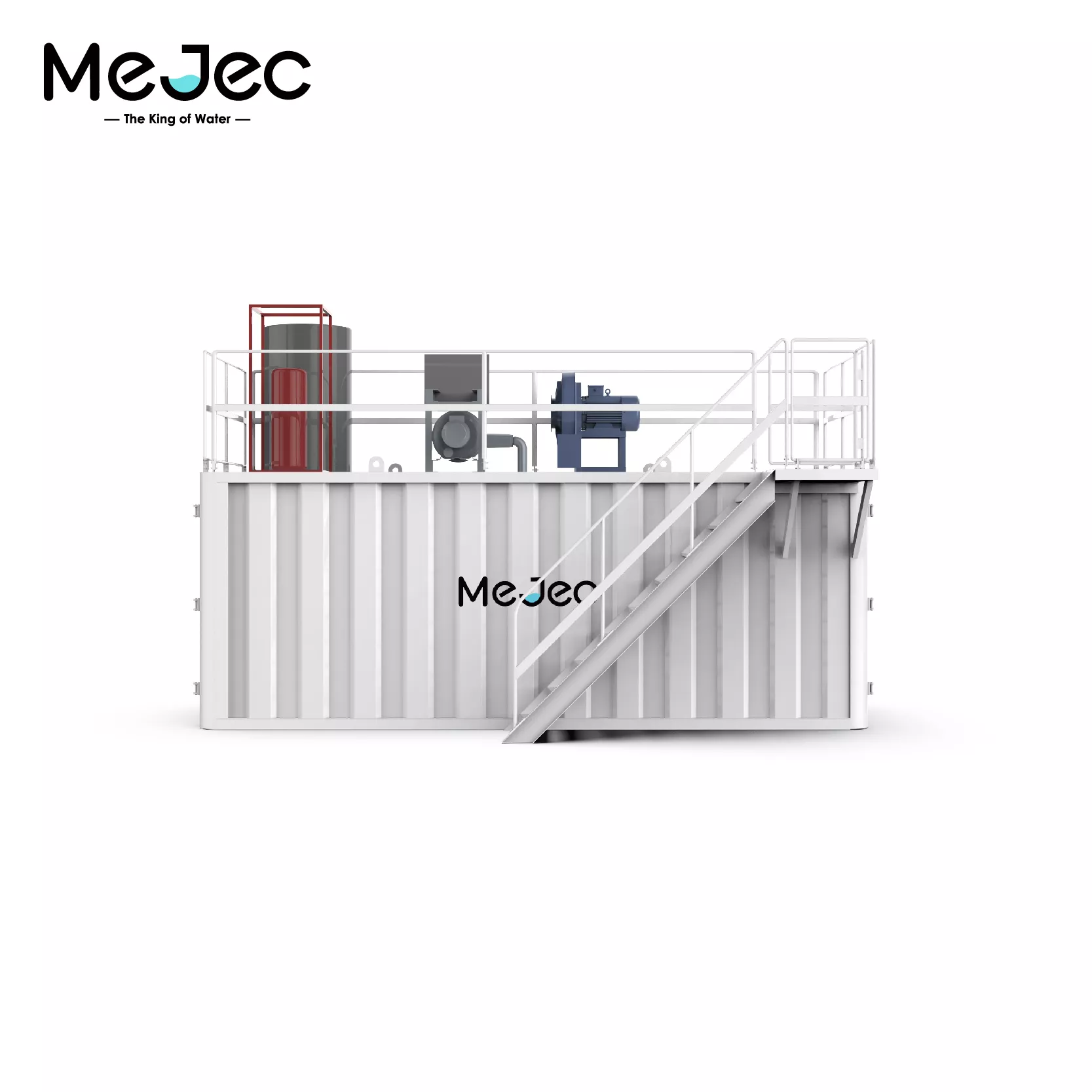
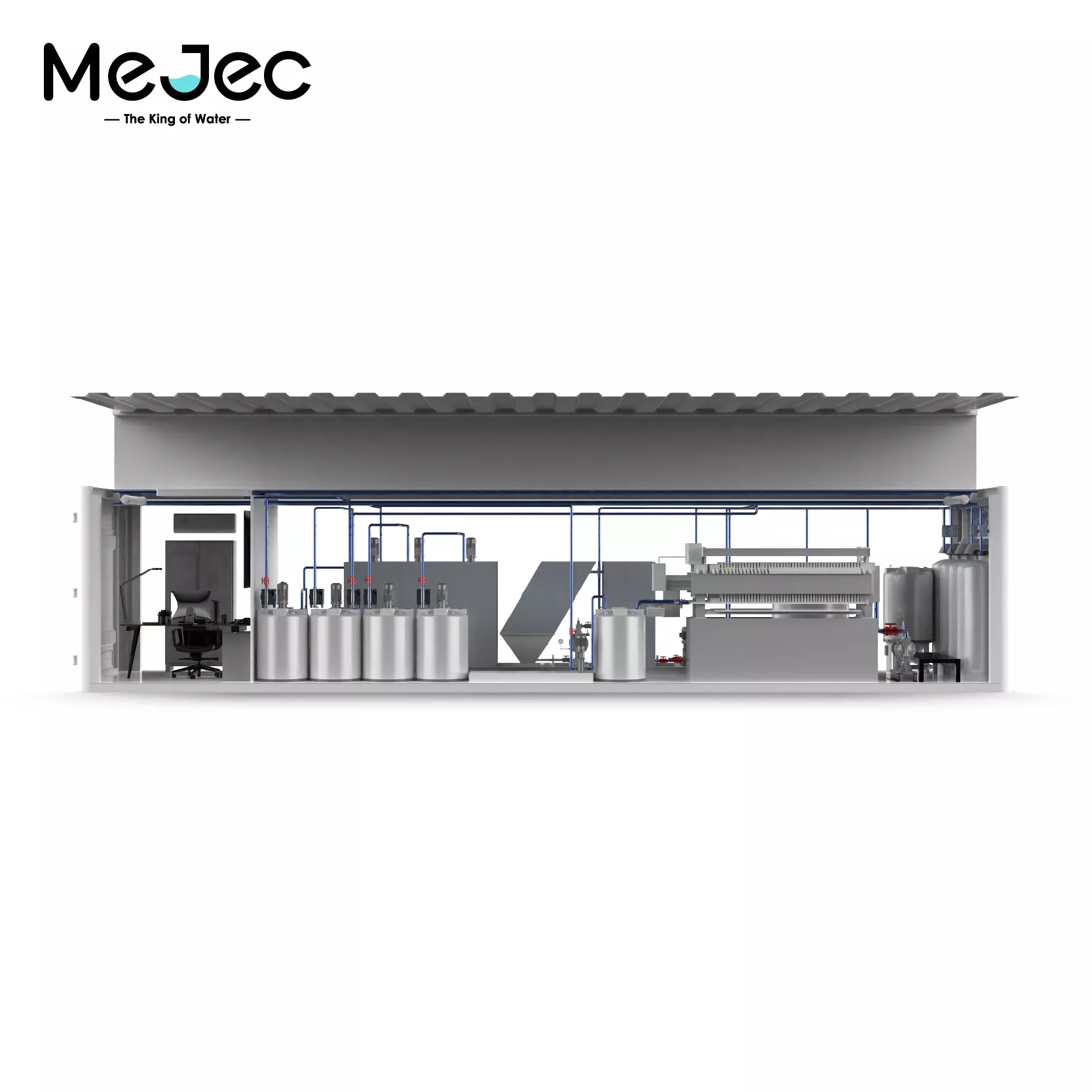
The cost of a sewage treatment plant is a critical consideration for municipalities, industrial facilities, and large-scale residential developments. This initial capital expenditure is influenced by a complex matrix of factors, making a one-size-fits-all price tag impossible. Key determinants include the required treatment capacity, measured in gallons per day (GPD) or million gallons per day (MGD), which directly scales the size and cost of equipment. The chosen treatment technology—such as conventional activated sludge, sequencing batch reactors (SBR), membrane bioreactors (MBR), or moving bed biofilm reactors (MBBR)—carries different price points, with advanced tertiary treatment for nutrient removal commanding a higher premium than basic secondary treatment. Site-specific conditions like soil quality, available space, and topography significantly impact civil engineering and construction costs. Furthermore, regional material and labor rates, along with the stringency of local discharge permits, play a substantial role in the final budget. For smaller, packaged plants, industry data indicates a range starting from approximately $300,000 for a 50,000 GPD system, while larger municipal facilities can easily require investments from $10 million to over $100 million for capacities exceeding 10 MGD. These figures encompass the core process equipment, construction, electrical works, and initial setup but are merely the beginning of the financial analysis.
Beyond the capital cost, a comprehensive financial assessment must prioritize the long-term operational expenditures (OPEX), which often surpass the initial investment over the plant's lifespan. Key OPEX components include continuous energy consumption for aeration pumps and blowers, which is typically the single largest recurring cost, chemical usage for disinfection and phosphorus removal, routine maintenance of mechanical components, and labor for daily operation and monitoring. Regulatory compliance costs, such as sampling and reporting, also contribute. The total cost of ownership (TCO) is where a strategic investment in higher-efficiency technology proves its value. For instance, while an MBR system may have a 20-30% higher capital cost compared to a conventional system, it can offer 30-50% savings in footprint, superior effluent quality suitable for reuse, and potentially lower sludge handling costs. Real-world project breakdowns show that construction and civil works often account for 40-60% of total capital cost, with process equipment representing 20-35%. Financing options, available grants for green infrastructure, and potential revenue from treated water reuse or biogas generation (in anaerobic digestion processes) are essential parts of the economic equation. Ultimately, selecting a system based solely on the lowest bid price can lead to exponentially higher lifetime costs, making a detailed life-cycle cost analysis conducted with experienced engineering partners the most reliable method for ensuring both regulatory compliance and economic sustainability.




.webp)









User Comments
Service Experience Sharing from Real Customers
Michael Chen
Project ManagerExtremely clear breakdown of capital and operational costs for a municipal-scale plant. The lifecycle cost analysis provided was invaluable for our city's budget planning. Highly recommended for anyone in public works.
Sarah Johnson
Environmental EngineerAs a consulting engineer, I found the cost estimation tools and benchmarks very accurate for a mid-sized industrial pretreatment plant. It helped us set realistic client expectations. The operational cost models were particularly useful.
David Rodriguez
Plant SuperintendentFinally, a cost guide that understands the real-world expenses of maintenance, energy, and sludge disposal for an existing facility. The operational efficiency recommendations based on cost data have already saved us 15% this quarter.
Jennifer Park
Procurement OfficerThis detailed cost analysis was crucial for our tender process for a new packaged sewage treatment unit. It allowed us to compare vendor quotes effectively and ensure we got the best long-term value, not just the lowest upfront price.