




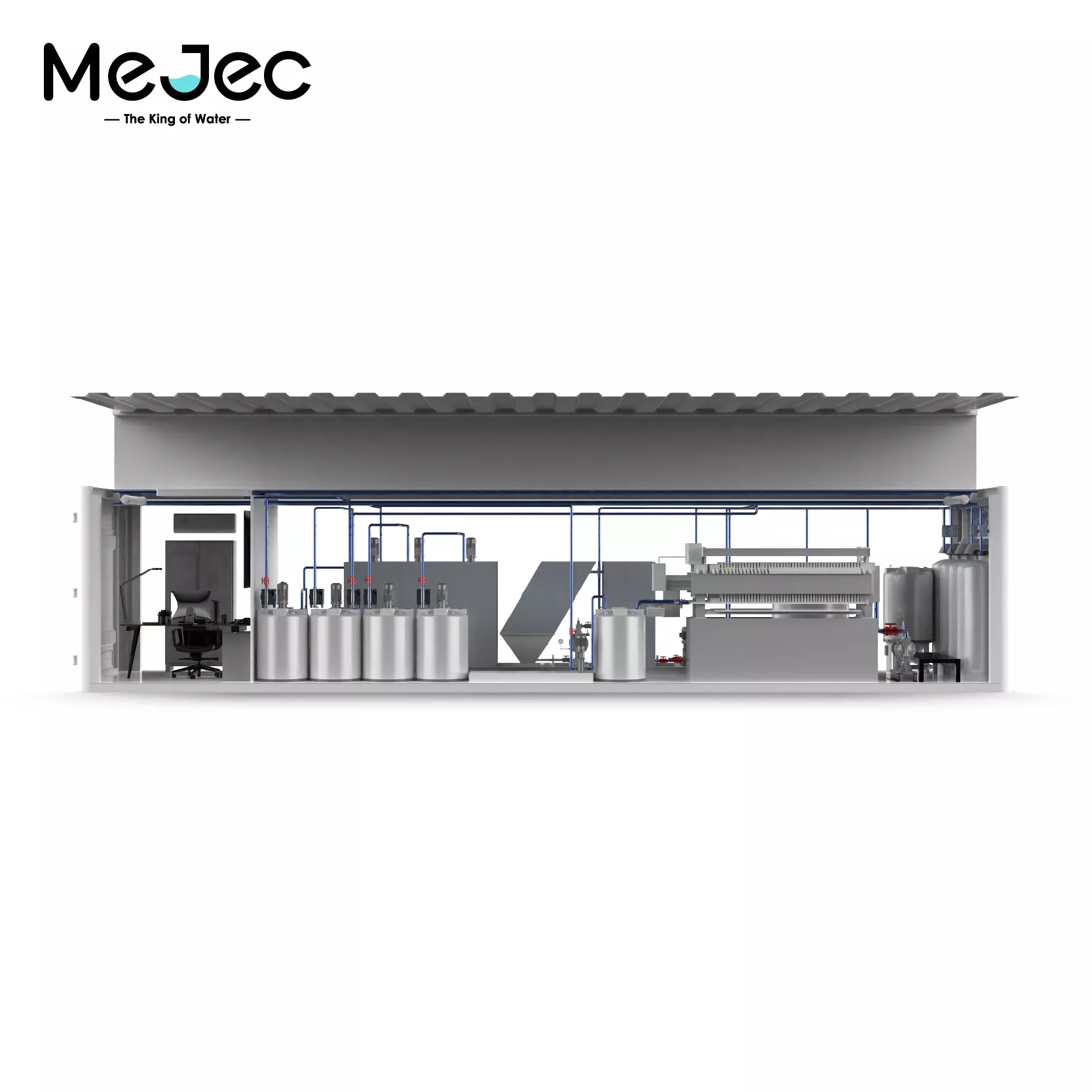
.webp)
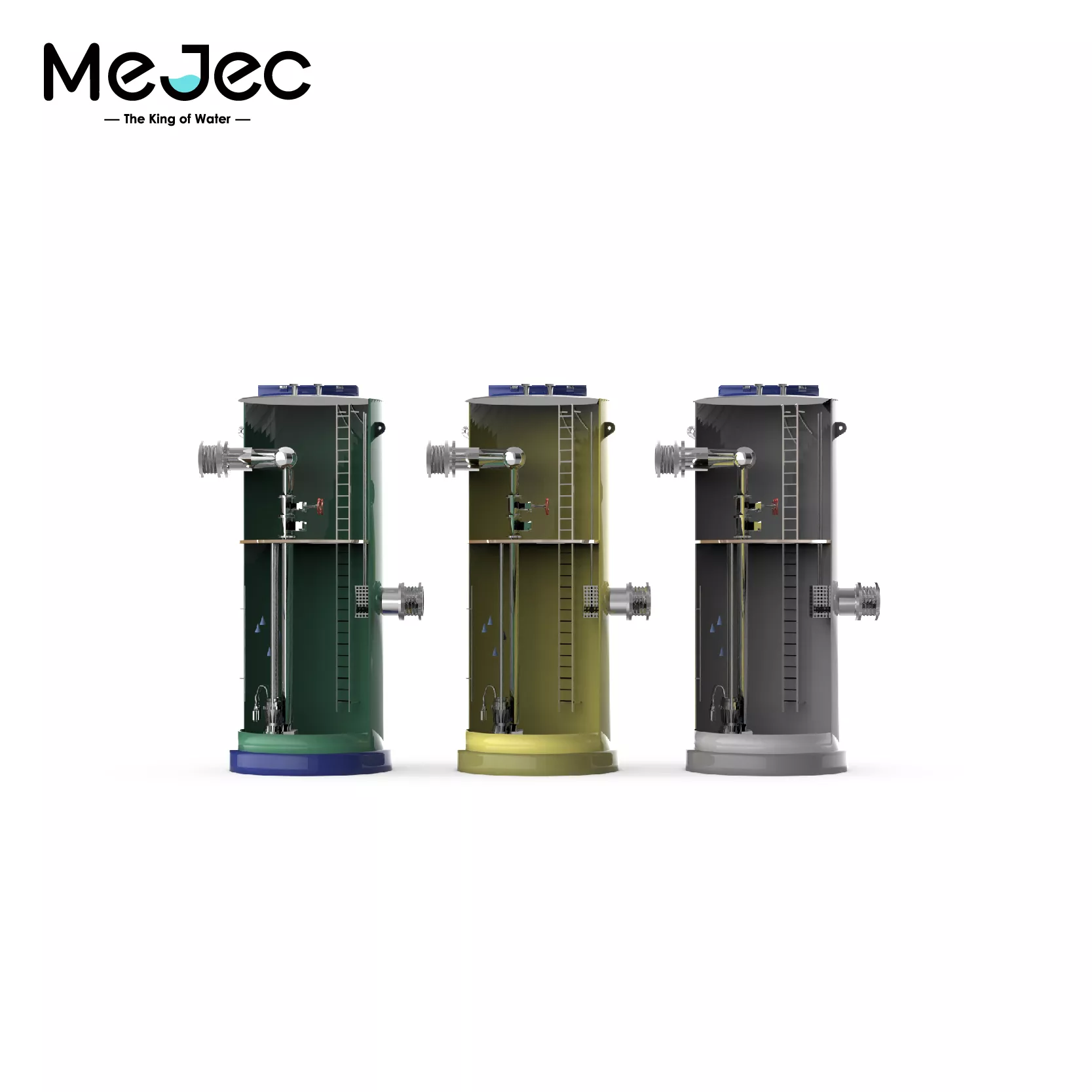
What is MBBR for sewage treatment plant?
MBBR sewage treatment plant uses biofilm carriers ...
More


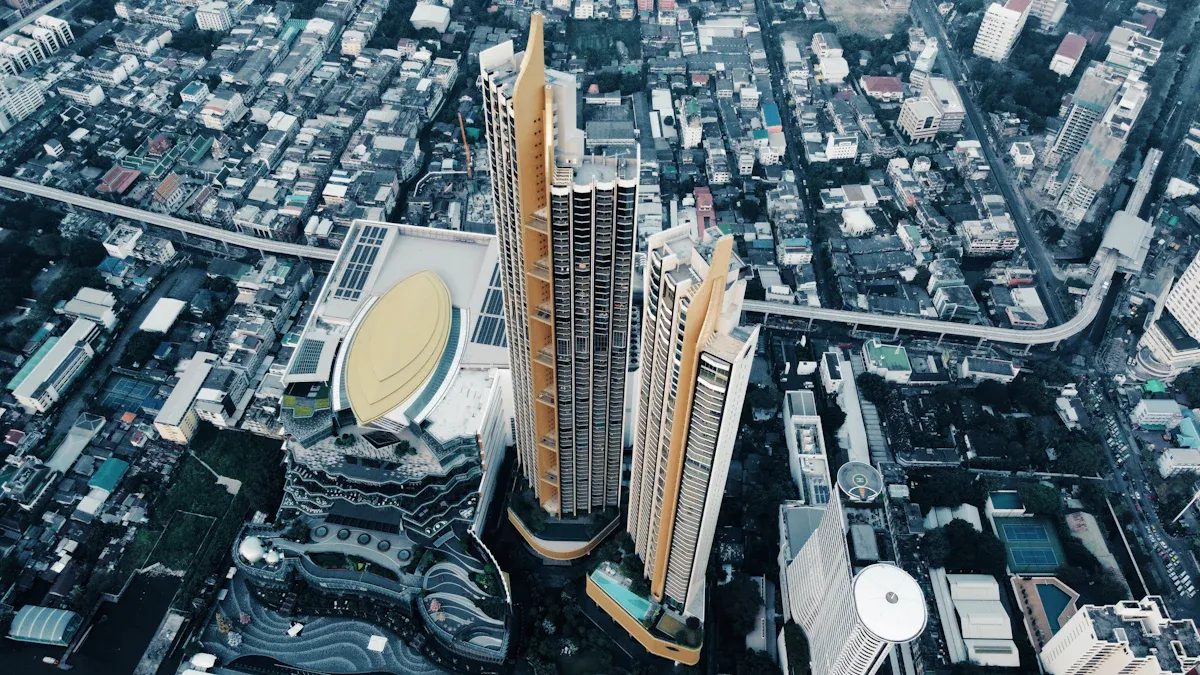
You can gain valuable knowledge from past installations of sewage treatment plant for commercial buildings. Consider the following lessons:
| Category | Key Lessons |
|---|---|
| Technical Design | Early planning, right technology |
| Operations | Skilled operators, maintenance |
These insights help you improve project outcomes and avoid costly mistakes.
Early planning and choosing the right technology are crucial for successful sewage treatment plant installations in hotels and high-rises.
Regular maintenance and staff training ensure smooth operations and compliance with environmental standards, preventing costly breakdowns.
Using treated water for non-drinking purposes saves costs and supports sustainability, enhancing the hotel's reputation and guest experience.
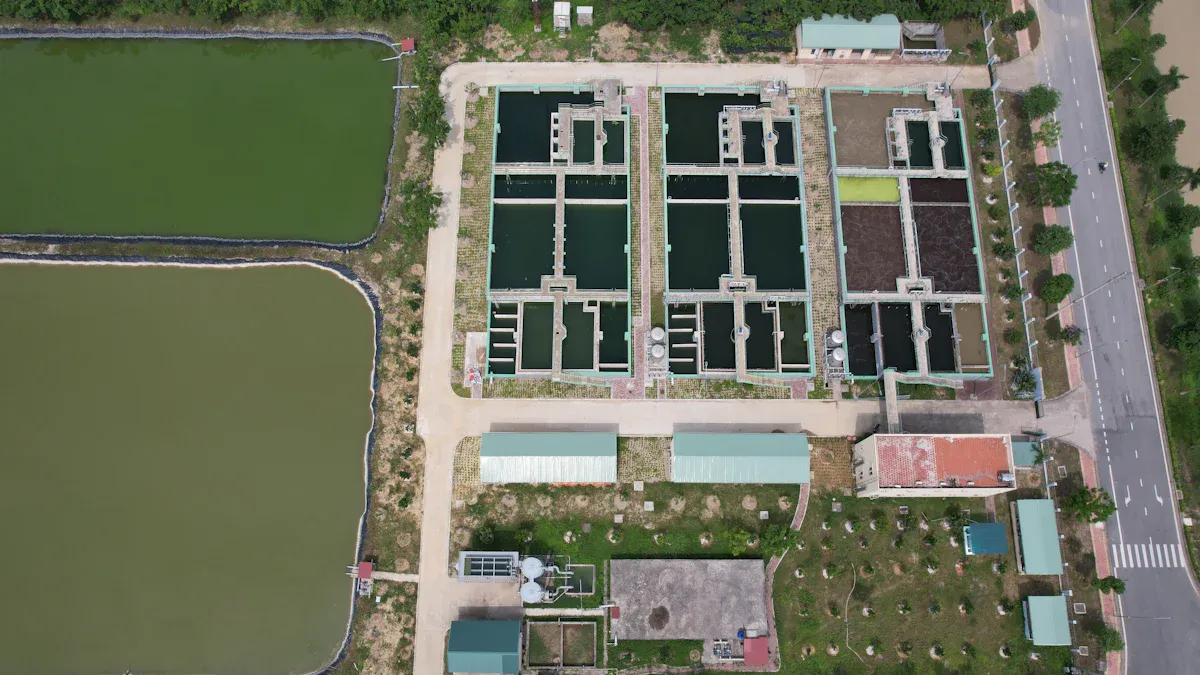
You must follow strict rules when you manage wastewater in hotels and high-rise buildings. A sewage treatment plant for commercial buildings helps you meet both local and international discharge regulations.
These plants handle changing wastewater flows, which is common in hotels and tall buildings.
They reduce harmful substances like BOD, ammonia, and suspended solids.
You avoid legal problems and fines by treating water before releasing it.
You also protect rivers, lakes, and the environment by lowering pollution.
A modern sewage treatment plant for commercial buildings brings many benefits. You can see cost savings, lower maintenance, and a better guest experience.
| Efficiency Type | Description |
|---|---|
| Cost Savings | You can lower your water bills by reusing treated water for non-drinking purposes. |
| Reduced Maintenance | Advanced systems need less upkeep, saving you time and money. |
| Environmental Gains | Good wastewater management keeps the environment clean and healthy. |
High-quality water matters to your guests. Clean and safe water improves their comfort and health. When you provide good water, you boost your hotel's reputation and encourage guests to return.
You face space challenges in urban hotels and high-rise buildings. A well-designed sewage treatment plant for commercial buildings fits into small areas and works efficiently. Modern systems use advanced treatment stages:
| Treatment Stage | Description |
|---|---|
| Preliminary Treatment | Removes large particles. |
| Primary Treatment | Separates solids from water. |
| Secondary Treatment | Uses biological steps to clean water further. |
| Tertiary Treatment | Filters and disinfects water for safe reuse in gardens or toilets. |
Tip: Using treated water for irrigation or flushing helps you save fresh water and supports a greener city.

You often face space challenges when you install a sewage treatment plant for commercial buildings in city hotels. Many basements have little room, so you cannot use large machines or tanks. Odor and noise can disturb guests, and high BOD or COD levels may cause compliance issues. Maintenance can also become a burden if the system needs frequent checks.
| Challenge | Description |
|---|---|
| Limited Physical Space | The basement had very little room, making it impossible to install large machines or tanks. |
| Odour Complaints | Treated water and sludge produced unpleasant smells that affected guest experience. |
| High BOD and COD Levels | Treated water sometimes had high BOD/COD values, leading to non-compliance with pollution standards. |
| Guest Experience at Risk | Noise and chemical smells from the STP could disturb guests, impacting their comfort. |
| Maintenance Strain | Traditional systems required regular monitoring and handling of chemicals, increasing operational costs. |
To solve these problems, you can use underground space or modular systems. These solutions help you save surface area and adapt to changing occupancy levels. Some hotels also use landscaped utility areas, which blend treatment facilities into gardens or green spaces.
| Solution Type | Description |
|---|---|
| Underground Space | Utilizes below-ground areas to save surface space. |
| Landscaped Utility Areas | Integrates treatment facilities into landscaped areas for aesthetic appeal. |
| Modular Systems | Adapts to varying occupancy levels, optimizing space usage during peak times. |
Tip: Modular systems let you expand or reduce capacity as your hotel’s needs change.
You must choose the right technology for high-rise buildings. The system should fit the building’s needs and the community’s expectations. Cost, social acceptance, and the ability to reuse treated water for gardens or landscaping all matter.
| Criteria | Description |
|---|---|
| Social Acceptability | The technology must be accepted by the community. |
| Economic Aspects | Cost-effectiveness and financial viability. |
| Suitability for Horticulture | Compatibility with agricultural applications. |
Recent projects show strong results. For example, advanced systems can remove up to 76% of ammonia, 85% of surfactants, and over 60% of COD. These numbers show that you can achieve high treatment standards in tall buildings.
| Metric | Performance |
|---|---|
| Ammonia Removal | Up to 76% |
| Phenol Removal | 52% at 3 days |
| Surfactant Removal | 85% at 3 days |
| COD Removal | Exceeded 60% |
The Horse & Hound Hotel in Co. Wexford used a Sequencing Batch Reactor system. This approach improved effluent quality and helped the hotel meet local standards. In Bangalore, a government guest house installed a sewage treatment plant in just 15 days using precast technology. This method cut costs by 30% and ensured long-term durability.
You need to plan carefully when you install a sewage treatment plant for commercial buildings that remain open during construction. Guests and staff expect comfort and safety. Noise, odors, and construction work can disrupt daily operations.
You can reduce these problems by using modular or precast systems. These systems allow for faster installation and less disruption. For example, the Bangalore project finished in just 15 days, much faster than traditional methods. You can also schedule work during off-peak hours and use odor control systems to keep guests comfortable.
Note: Good communication with hotel staff and guests helps everyone understand the process and reduces complaints.
You must keep your sewage treatment plant running smoothly. Regular inspections of pumps, filters, and valves help prevent sudden breakdowns. Monitoring water quality ensures you meet industry standards. Training your staff is also important so they know how to operate and maintain the system.
| Strategy | Description |
|---|---|
| Regular Monitoring and Maintenance | Establish a robust maintenance and monitoring program with regular equipment inspections, proactive and preventive maintenance, and operator training to prevent performance degradation. |
| Data-Driven Optimization | Collaborate with operations professionals to define a strategy and Key Performance Indicators (KPIs) that align with the goals of the treatment plant to allow for early issue detection and prevention of performance breakdowns. Leverage data analysis and process control technologies to optimize plant performance in response to changing conditions, ensuring sustained efficiency. |
| Enhanced Biological Monitoring | Implement advanced testing techniques, like ATP testing, to assess the viability of the biological components in challenging biological treatment applications and identify key organisms essential for breaking down compounds. |
Regular inspections should focus on pumps, filters, and valves to ensure these parts are in good working condition, preventing sudden downtime.
Regularly monitor water quality parameters to ensure the water meets industry standards.
Training employees is essential for keeping the plant running properly, ensuring staff know how to operate equipment and manage processes.
Hotels often schedule maintenance to avoid guest disruption. This approach also helps you save money on energy, waste management, and water heating. The user-friendly design of these systems lets you integrate them into existing hotel infrastructure, making operations smoother than in other commercial settings.
You must meet environmental rules and control costs. Decentralized water recycling systems in high-rise buildings have reduced water use by over 50% and wastewater discharge by more than 60%. These systems also help you save on water and sewer bills.
Battery Park City buildings used decentralized systems to cut water use and wastewater discharge.
Local authorities encourage solutions that use less material and energy, which lowers your operating costs.
Decentralized systems meet ESG goals and offer a strong return on investment, especially as water and sewer costs rise.
| Capacity | Approx. Cost Range |
|---|---|
| 25–50 KLD | ₹6–15 hundred thousand |
| 50–100 KLD | ₹15–30 hundred thousand |
| 100–200 KLD | ₹30–50 hundred thousand |
You can see that a sewage treatment plant for commercial buildings not only helps you comply with regulations but also supports your financial goals. Sustainable practices reduce expenses and improve your building’s reputation.
You can achieve efficient and sustainable wastewater management by learning from successful projects. Use systems that start quickly, control odor, and blend with landscaping. The table below highlights key recommendations and benefits for your next sewage treatment plant project.
| Recommendation | Benefit |
|---|---|
| Quick startup, odor control | Reduced pollution, better health |
| Landscaping integration | Cost-effective maintenance |
| Effluent reuse | Improved compliance, water savings |
Many hotels in India, Singapore, and Germany now reuse treated water for toilets and cooling, meeting strict rules and saving resources.
You save water, lower costs, and protect the environment.
Treated water can be reused for gardens or toilets, making your hotel more sustainable.
You check pumps, clean filters, and test water quality often.
Train your staff
Schedule regular inspections
Fix issues quickly
Yes, you can use modular systems and work during off-peak hours.
Good planning and clear communication help you avoid guest complaints.
Comparing EHEDG Guidelines With 3A SSI Standards for Hygiene
Reducing Environmental Impact Through Plate Heat Exchanger Use
A Comprehensive 2025 Overview of Semi-welded Plate Heat Exchangers
Innovations in Heat Exchanger Manufacturing Boost Industrial Efficiency
Top Industry Experts Convene for 3-A SSI Hygienic Design Summit

We provide you with comprehensive foreign trade solutions to help enterprises achieve global development
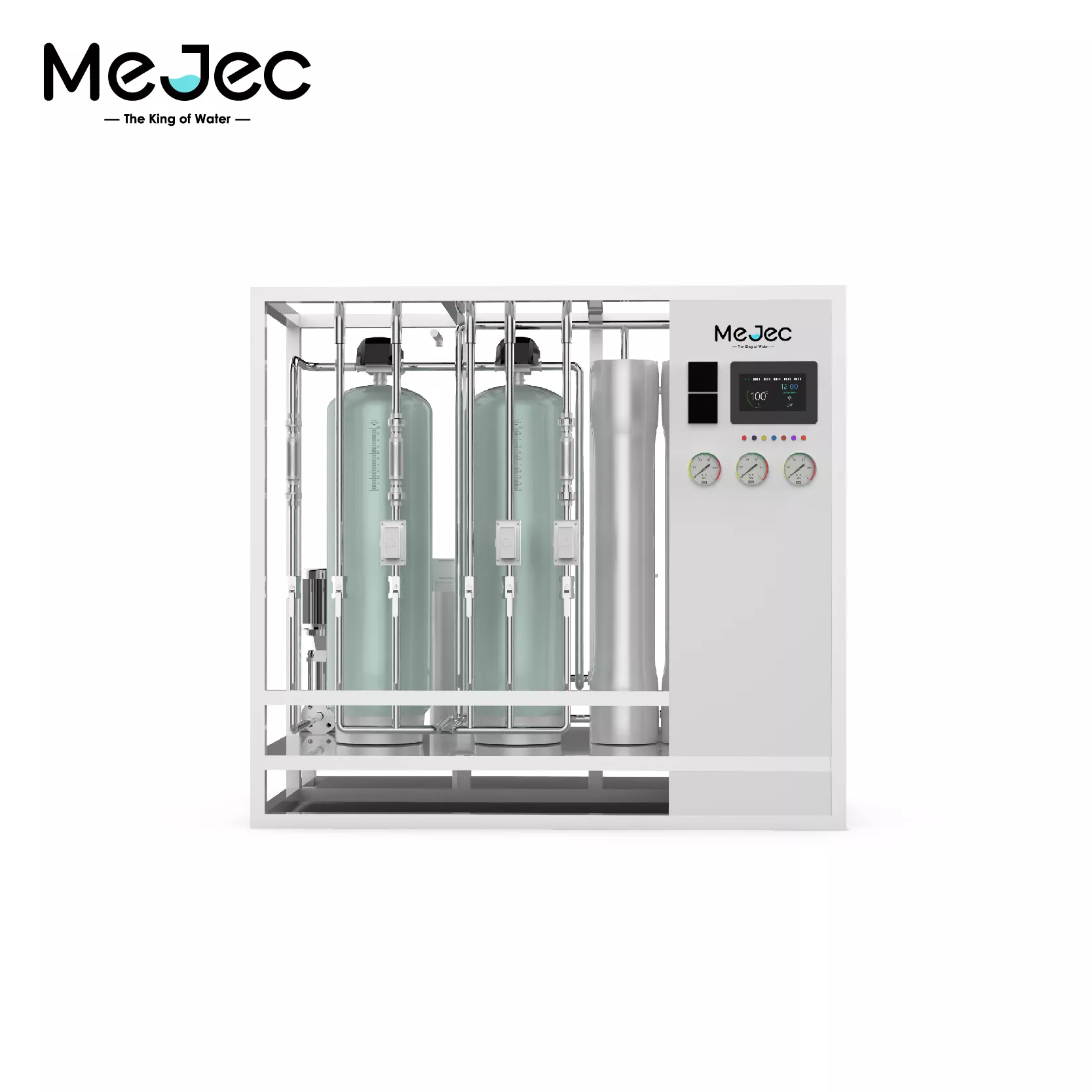
The Mejec industrial water purifier and dedicated ...
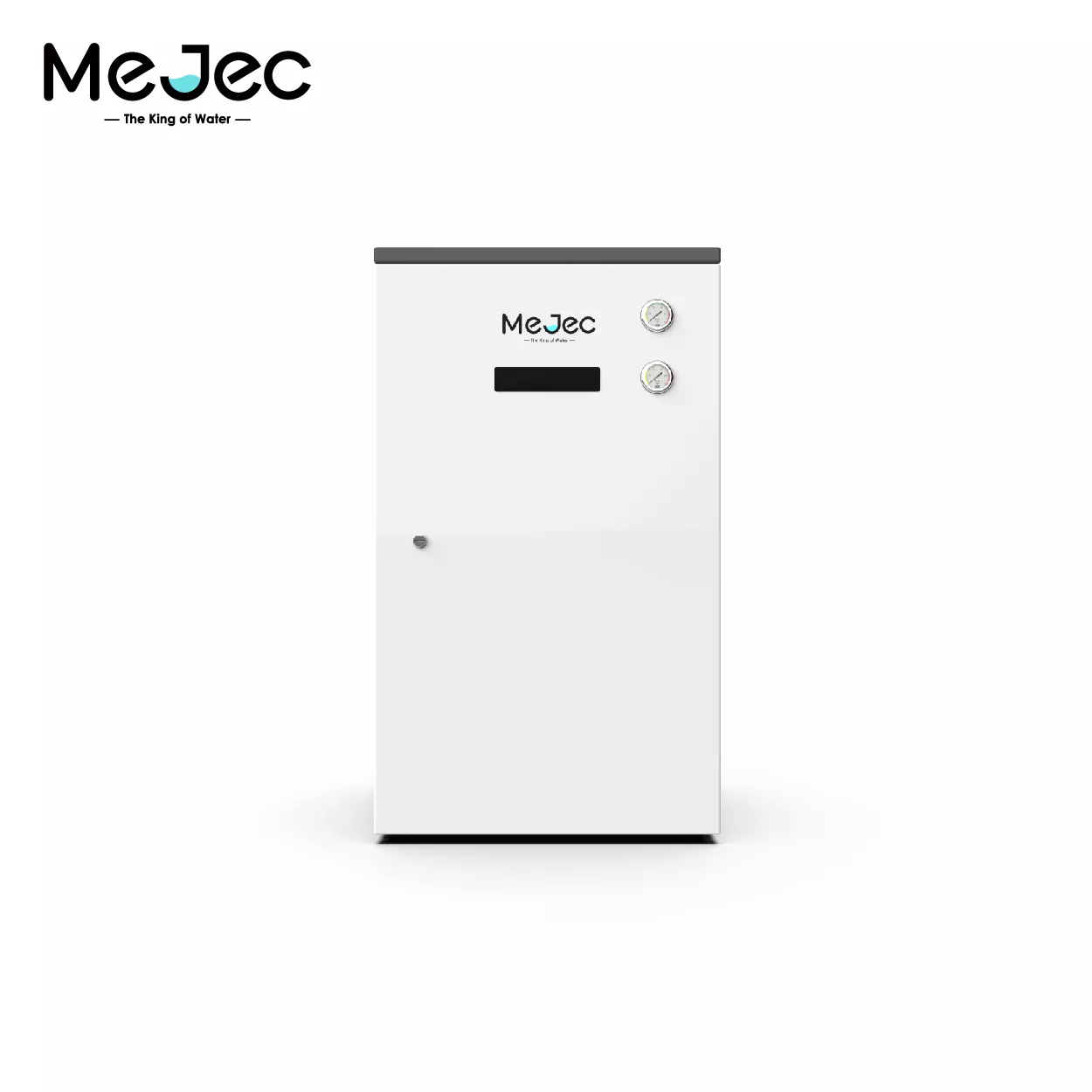
The Mejec commercial central pure water system is ...
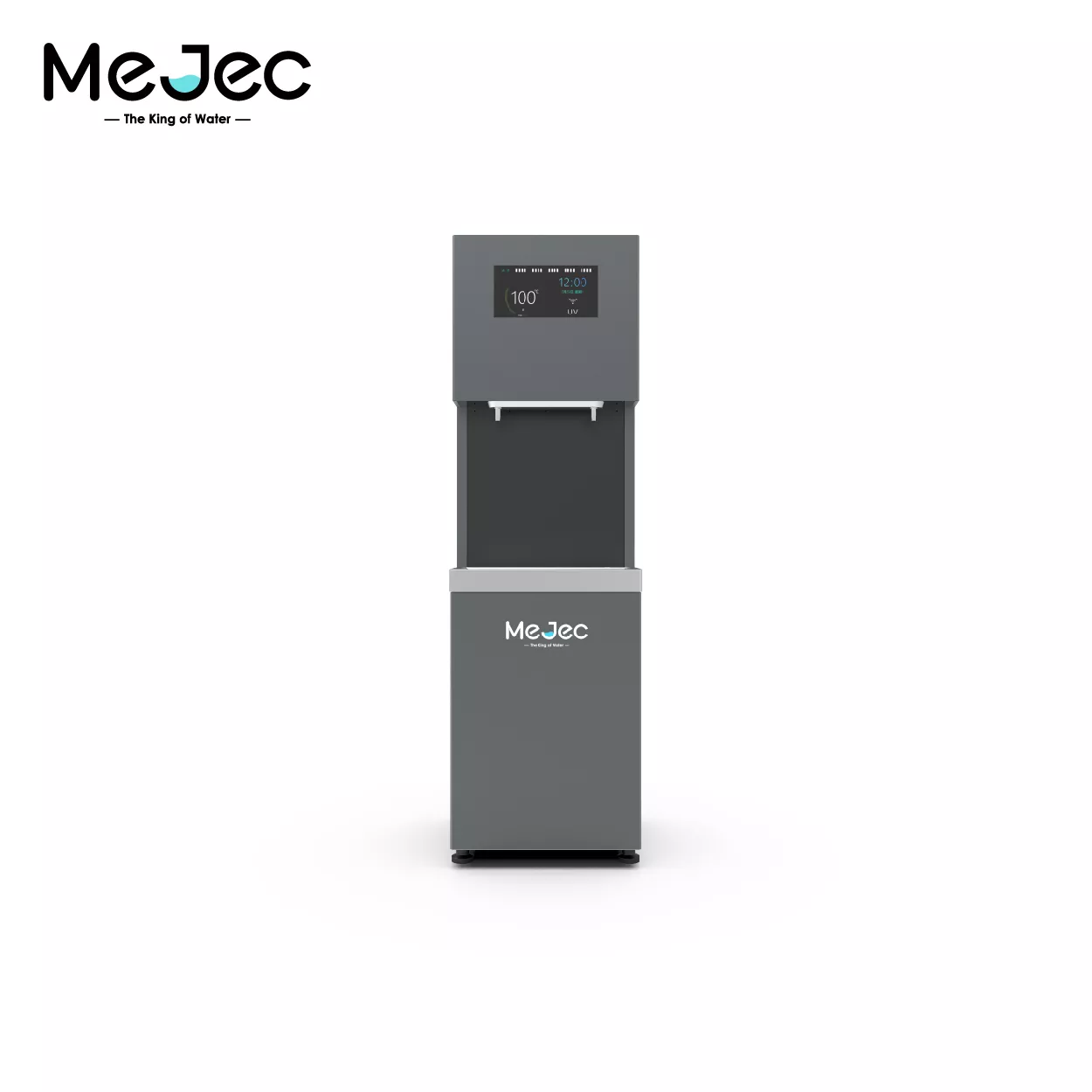
The Mejec commercial energy-saving water dispenser...
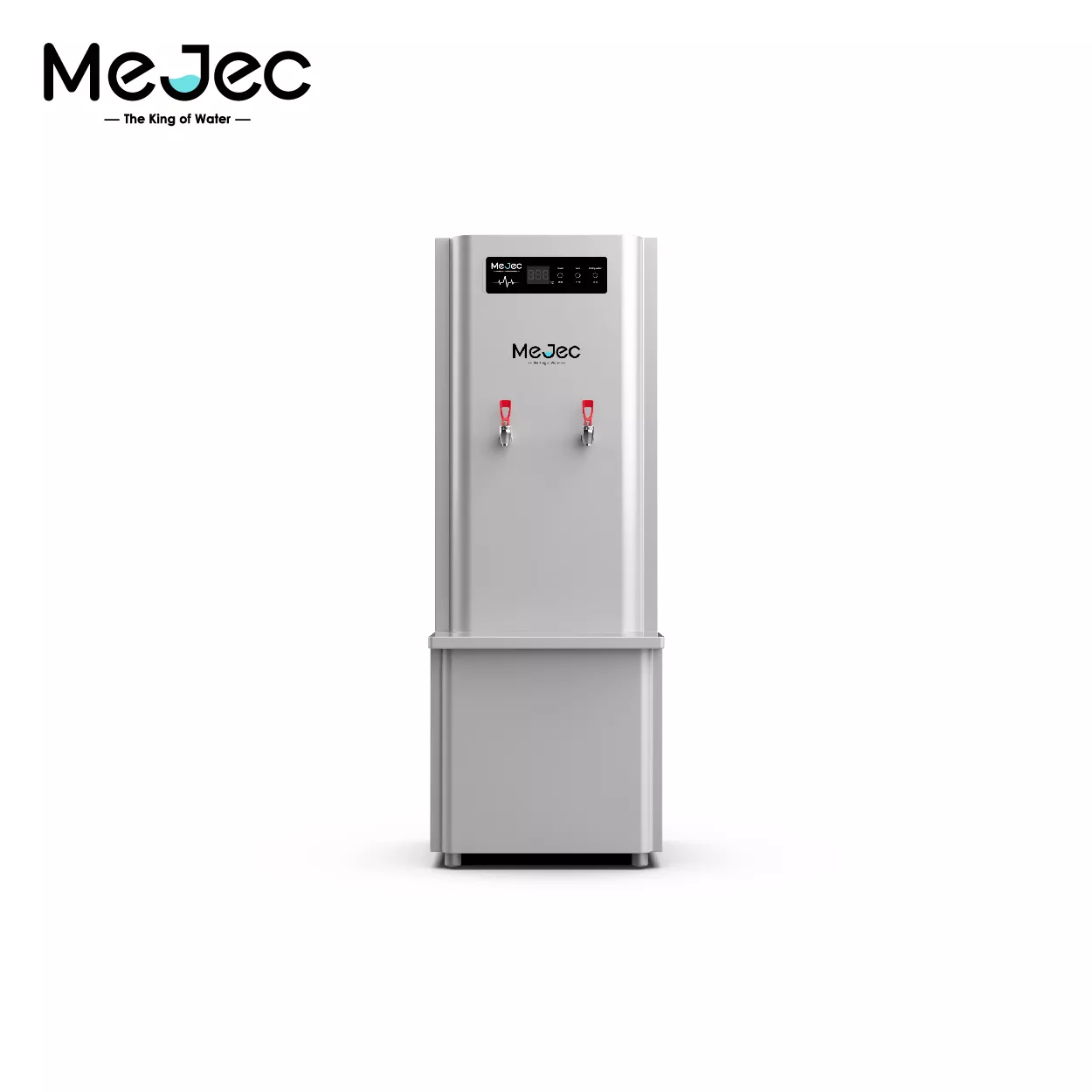
The Mejec dual-faucet boiling water dispenser is b...
Select the most popular foreign trade service products to meet your diverse needs
Select the most popular foreign trade service products to meet your diverse needs





User Comments
Service Experience Sharing from Real Customers
Michael Rodriguez
Facilities ManagerThis compact sewage treatment plant was the perfect solution for our new office complex. Installation was smooth, and it has been running silently and efficiently for six months, handling the load from our 300-person building without a hitch. The automated alerts are a great feature.
Sarah Chen
Hotel General ManagerWe installed this system in our boutique hotel to improve sustainability. The water quality output is excellent and meets all local regulations for non-potable reuse in our garden irrigation. It's reliable and has significantly reduced our environmental footprint. Minor point: the initial setup documentation could be clearer.
David Park
Shopping Mall Operations DirectorFacing strict municipal discharge limits, this treatment plant was a game-changer for our large mall. Its high-capacity design handles peak loads from food courts and restrooms effortlessly. The remote monitoring dashboard allows my team to manage everything centrally. A robust and well-engineered product.
Jennifer Wallace
Corporate Sustainability OfficerAs part of our green campus initiative, we deployed this system across three commercial buildings. The modular design allowed for flexible installation. Performance data shows consistent, high-efficiency treatment, helping us achieve LEED certification points. Outstanding technical support throughout the project.