





What is MBBR for sewage treatment plant?
MBBR sewage treatment plant uses biofilm carriers ...
More


You protect patients, staff, and the environment when you install a sewage treatment plant for hospitals correctly. Improper treatment can cause serious problems, such as:
Disruption of ecological balance
Outbreaks of communicable diseases
Water contamination
Spread of antibiotic-resistant bacteria
A step-by-step approach helps you prevent these risks.
Proper sewage treatment protects public health and the environment. It prevents water contamination and the spread of diseases.
Choose the right sewage treatment system for your hospital's needs. Consider factors like space, maintenance, and treatment efficiency.
Follow all regulatory steps and safety protocols during installation. This ensures compliance and protects workers and patients.
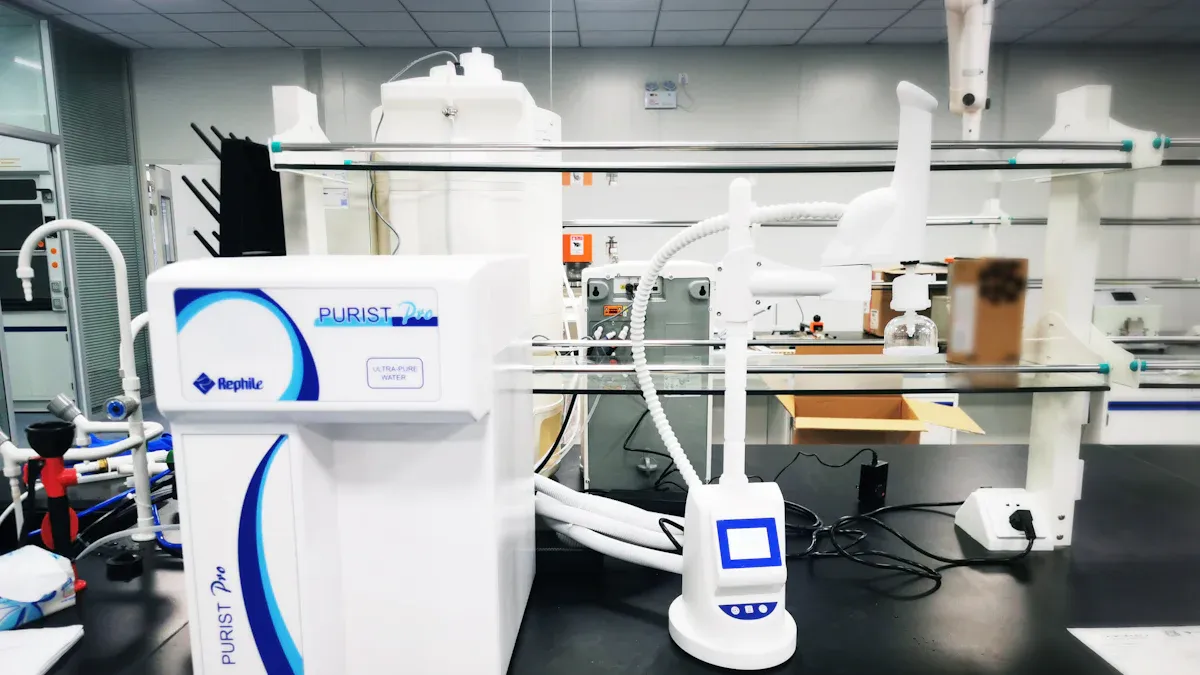
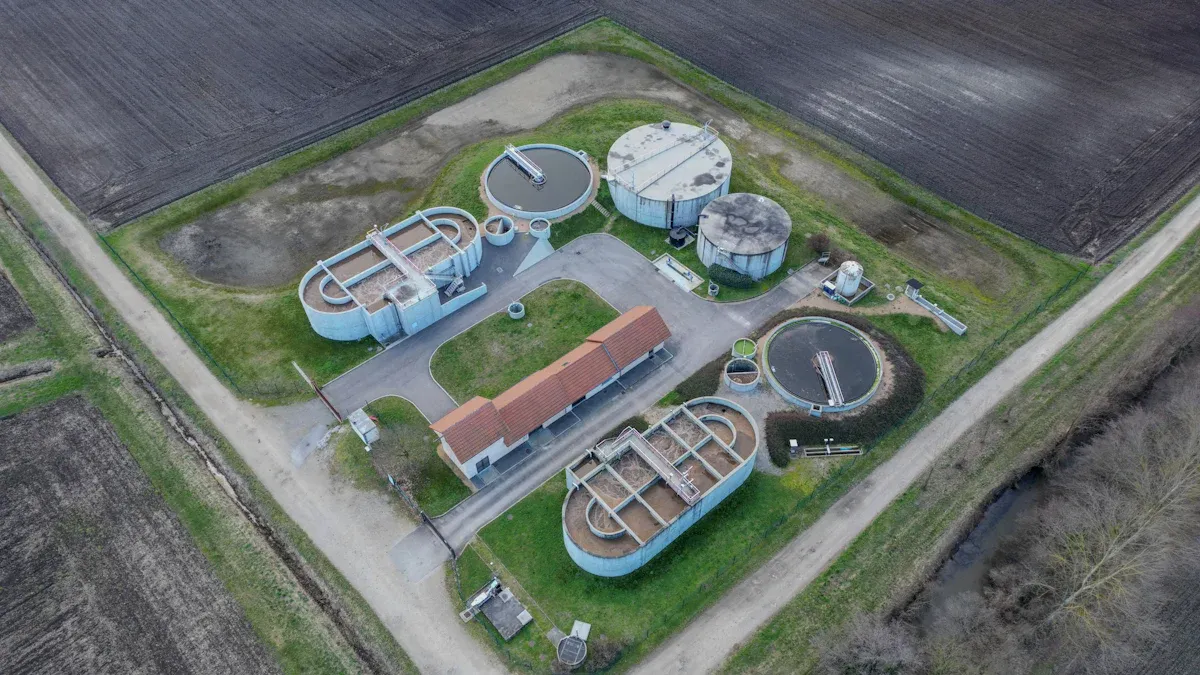
You use a sewage treatment plant for hospitals to clean wastewater before it leaves the hospital. This system removes harmful substances and makes the water safe for the environment. Hospitals need special treatment plants because their wastewater contains more dangerous materials than regular sewage.
Here are some key features of these plants:
| Key Features of Hospital Sewage Treatment Plants | Description |
|---|---|
| Advanced Treatment Processes | Multi-stage processes like biological treatment and disinfection are essential. |
| Reduction in COD and BOD | Effective reduction of Chemical Oxygen Demand and Biological Oxygen Demand is necessary to meet discharge standards. |
| Compact Design | Space-efficient designs are crucial due to hospital space constraints. |
| Low Maintenance and Cost-Effective Operation | Systems should be easy to maintain and energy-efficient. |
| Odor Control | Operations must be odor-free to maintain a healthy environment. |
A sewage treatment plant for hospitals also helps you recover water for non-drinking uses and follow pollution control rules.
You face many risks if you do not treat hospital wastewater correctly. Hospital sewage contains drugs, bacteria, and chemicals that can harm people and nature.
| Contaminant Type | Examples/Details |
|---|---|
| Pharmaceuticals | Unmetabolized drugs such as antibiotics, analgesics, antidepressants, and antineoplastics. |
| Microorganisms | Pathogenic bacteria and viruses, some of which may have antibiotic resistance. |
| Organic Matter | High levels of COD, BOD, total organic carbon, and nitrogen compounds. |
| Toxic Substances | Heavy metals (Cd, Cu, Ni, Hg), disinfectants, solvents, and radioactive elements. |
Untreated hospital sewage contains a variety of pollutants that can have toxic effects on both humans and aquatic life, even at low concentrations. These effluents are known to carry pathogenic microorganisms, which can lead to the development of antibiotic-resistant bacteria.
You protect public health and the environment when you use the right sewage treatment plant for hospitals.

You can choose from several types of sewage treatment plant for hospitals. Each type has its own strengths and challenges. Hospitals around the world use different systems based on their needs and resources.
Note: Many countries have limited research or studies on hospital wastewater treatment. Some, like China and Japan, use on-site pretreatment to stop disease outbreaks.
| Country | Treatment Practices |
|---|---|
| Denmark | Limited studies on hospital wastewater treatment. |
| China | On-site pretreatment of hospital wastewater to prevent disease outbreaks. |
| Japan | Specific measures to handle hospital wastewater due to health concerns. |
| European Countries | Adopted treatments due to awareness of risks associated with hospital wastewater. |
| India | Limited research on effective treatment methods for hospital wastewater. |
You see this system used often in hospitals. It uses bacteria to break down waste in large tanks.
Needs a lot of space for big tanks.
Takes 12-24 hours or more to treat water.
Makes a lot of sludge, which costs more to remove.
Needs skilled workers to run and watch the system.
You get high-quality water with MBR systems. These use special membranes to filter out tiny particles and germs.
Removes about 60% of drug residues.
Can remove over 90% of BOD and ammonia.
Some studies show up to 98% removal of harmful chemicals.
You can use SBR systems if you want a flexible process. These treat water in batches, not all at once. SBRs work well in hospitals with changing wastewater amounts.
You may choose packaged plants for small hospitals. These come ready to use and need little space. They are easy to install and maintain.
Setting up a sewage treatment plant for hospitals involves several important steps. You need to follow each step carefully to ensure the system works safely and meets all regulations.
You start by checking if your site is suitable for a sewage treatment plant for hospitals. This step helps you avoid problems later. During the assessment, you look at several key factors:
Sensitive receptors, such as nearby schools, homes, or water bodies
Site and soil characteristics, including soil type and stability
Nutrient loading, which means how much waste the system must handle
Effluent disposal, or where the treated water will go
You use this information to decide if the site can support the plant and to plan the best design.
You must choose a system that fits your hospital’s needs. Hospitals need advanced treatment processes, often with two or more stages. You look for systems that:
Reduce Chemical Oxygen Demand (COD) and Biological Oxygen Demand (BOD) to meet discharge standards
Have a compact design to save space
Are easy to maintain and cost-effective to operate
Control odors to keep the hospital environment healthy
Handle variable and surge loads of contaminants
Keep working during emergencies, with backup systems
Meet strict discharge limits to protect public health
You work with engineers to design a custom solution that matches your hospital’s size, location, and wastewater profile.
You need to get permits before you build. Local, state, and federal agencies set rules for sewage treatment plants. You submit your plans and wait for approval. This step ensures your plant meets all safety and environmental standards. Skipping this step can lead to fines or shutdowns.
You prepare the site before installing the plant. Good preparation prevents delays and safety issues. Best practices include:
| Best Practice | Description |
|---|---|
| Strategic Planning | Plan every part of the project in advance. |
| Regulatory Compliance | Follow all local, state, and federal rules. |
| Soil Stability Analysis | Check if the ground can support the plant. |
| Coordination with Stakeholders | Keep engineers, contractors, and officials informed. |
| Erosion Control | Use stormwater management to protect the site during construction. |
| Long-term Planning | Design for easy maintenance and future access. |
You also use GPS-enabled machines for precise digging. You shore up trenches and compact the soil to prevent collapses. You follow OSHA trenching standards to keep workers safe.
You lay a strong foundation to support the plant. The foundation must be level and stable. You assemble the treatment units according to the design. Each part must fit together tightly to prevent leaks. You check all connections before moving to the next step.
You connect the hospital’s wastewater pipes to the plant’s inlet. You also connect the outlet to the final disposal point, such as a drain field or municipal sewer. You use strong, leak-proof pipes. You test each connection to make sure water flows smoothly and safely.
You install electrical systems to power pumps, blowers, and control panels. You set up control systems to monitor and adjust the plant’s operation. You make sure all wiring is safe and meets code. You test alarms and backup systems to ensure the plant keeps working during power outages.
You test the plant before using it full-time. The process includes:
Mechanical and electrical commissioning. You clean, flush, and test all systems.
Performance verification. You run the plant for a trial period and fine-tune the process.
Operational readiness. You involve your staff in the process so they learn how the plant works.
Training sessions. You train operators before the plant starts full operation.
Training helps your staff run the plant safely and efficiently. Contracts often require training before the plant is handed over.
You complete these steps to ensure your sewage treatment plant for hospitals works well and meets all standards.
You must follow strict rules when you set up a sewage treatment plant for hospitals. These rules protect water sources and public health. In the United States, you need to meet standards set by the EPA and local agencies. You also need to check local pollution control board requirements. Here is a table that shows important regulations:
| Regulatory Standard | Description |
|---|---|
| Effluent Guidelines and Standards (CFR 40) | Regulates the discharge of pollutants into waterways in the U.S. under the NPDES. |
| Clean Water Act (CWA) | Authorizes the EPA to set discharge limits and monitoring requirements for wastewater treatment facilities. |
| Compliance with CPCB/SPCB norms | Ensures adherence to local pollution control standards. |
Tip: Always keep copies of permits and test results. You may need to show these during inspections.
You protect workers and patients when you follow safety protocols. You should use personal protective equipment (PPE) during installation and maintenance. You need to post warning signs near hazardous areas. You must check for leaks and spills often. You should create an emergency plan for accidents or equipment failures.
Use PPE such as gloves, masks, and boots
Train staff on emergency procedures
Inspect equipment regularly
Keep first aid kits nearby
You keep your system running well with regular maintenance. You should make a schedule for cleaning tanks, checking pumps, and testing water quality. You need to train staff to spot problems early. You should hold refresher courses every year.
Regular training helps staff respond quickly to issues and keeps the plant safe.
You might think a quick site check is enough, but missing details can cause big problems. If you skip a thorough assessment, you risk:
Pump clogging from debris, which increases maintenance costs.
Poor treatment if bacteria in the pre-treatment tank are not checked often.
Delayed effluent quality checks, which can lead to untreated water harming the environment.
Tip: Always inspect the site carefully and monitor all parts of the system from the start.
You may feel tempted to rush the process, but skipping permits or ignoring local rules can stop your project. Authorities can fine you or even shut down your plant. You must follow every regulation and keep records of all approvals. This step protects your hospital and the community.
You need to match the plant size and type to your hospital’s needs. If you choose a system that is too small, it will not handle peak loads. If you pick the wrong technology, you may face high costs or poor water quality. Work with experts to select the right system for your hospital’s size and wastewater type.
You cannot set up the plant and forget about it. Regular checks and cleaning keep the system working well. If you skip maintenance, you risk breakdowns, bad odors, and unsafe water. Train your staff and create a schedule for inspections and repairs.
You follow these steps to install a hospital sewage treatment plant:
Excavate the hole.
Install the base.
Sit the tank.
Backfill the hole.
Install a drainage field.
Connect pipes.
Connect electrics.
Fit manhole covers.
Ongoing maintenance keeps your system reliable, efficient, and safe.
| Advantage | Description |
|---|---|
| Reliability | Reduces breakdowns and disruptions |
| Efficiency | Lowers energy use and costs |
| Public Health | Prevents waterborne diseases |
You should check and maintain the plant every month. Regular cleaning and inspections help you prevent breakdowns and keep the system safe.
Untreated wastewater can spread diseases and pollute water sources. You risk harming public health and facing legal penalties.
Yes, you can reuse treated water for gardening, flushing toilets, or cleaning. You must follow local rules before using it.
Exploring Semi-Welded Plate Heat Exchangers for 2025 Industry
Comparative Analysis of EHEDG and 3A SSI Hygienic Standards
Understanding Plate Heat Exchangers: A Comprehensive Step-by-Step Guide
Innovative Techniques for Aminoguanidine Bicarbonate Production and Uses
Top Industry Experts Convene for 3-A SSI Hygienic Design Summit

We provide you with comprehensive foreign trade solutions to help enterprises achieve global development
Experience laboratory-grade purity on your counter...
.webp)
Mejec containerized seawater desalination system i...
The Mejec commercial drinking machine features a l...
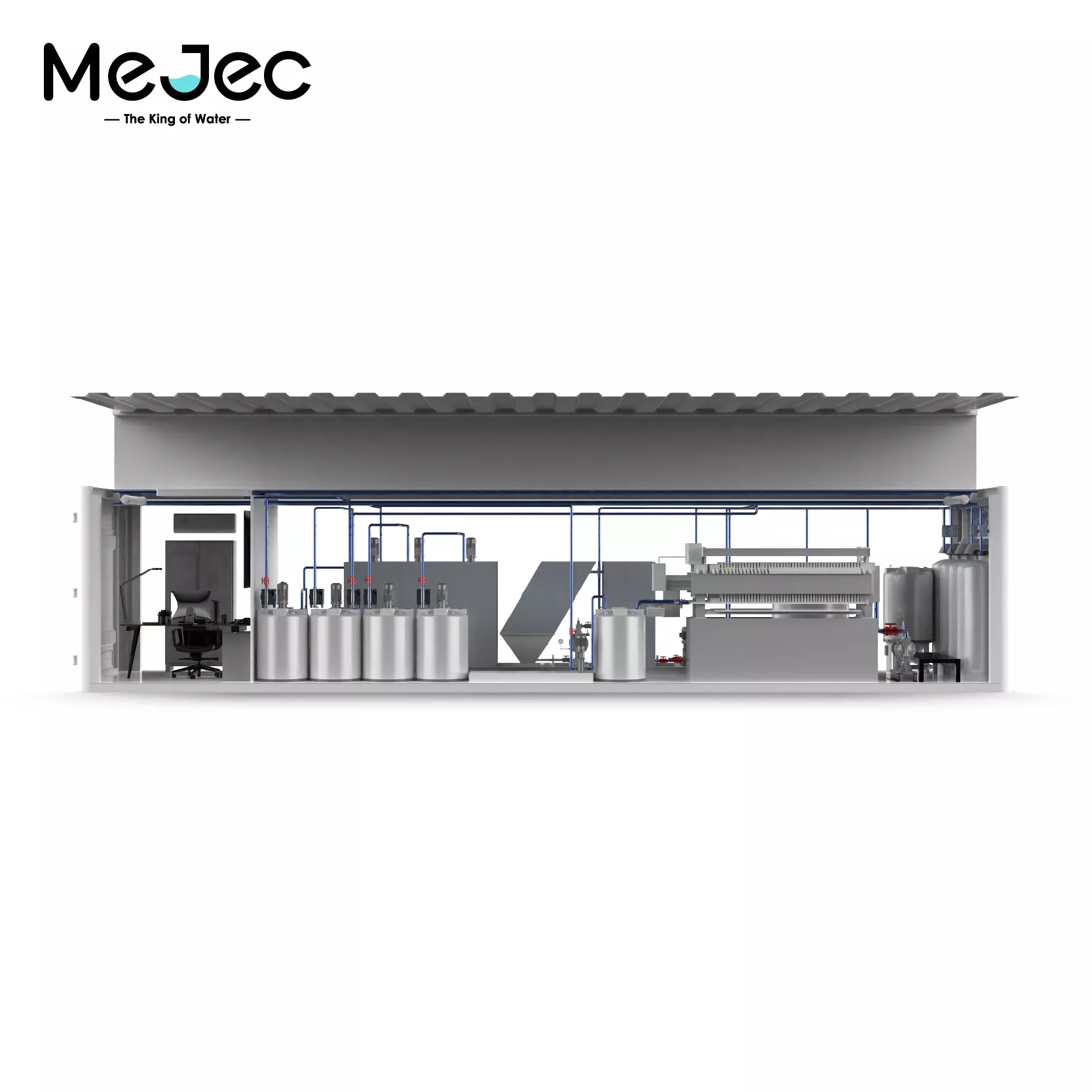
Mejec containerized wastewater treatment system ad...
Select the most popular foreign trade service products to meet your diverse needs
Select the most popular foreign trade service products to meet your diverse needs






User Comments
Service Experience Sharing from Real Customers
Michael Rodriguez
Chief EngineerThis compact sewage treatment system has been a game-changer for our mid-sized hospital. It handles the complex pharmaceutical and biological waste efficiently, meeting all stringent discharge standards. The automated controls and remote monitoring have significantly reduced our operational workload.
Sarah Chen
Facility ManagerAs a facility manager in a private clinic, I highly appreciate the reliability and low maintenance of this plant. It effectively neutralizes pathogens and chemicals specific to medical wastewater. The installation support was excellent, and it has operated flawlessly for over a year with minimal intervention.
David Park
Environmental Health OfficerFrom a regulatory compliance perspective, this hospital sewage treatment plant is outstanding. Its multi-stage process (including advanced disinfection) ensures effluent quality consistently surpasses local environmental regulations. The detailed documentation and compliance certificates provided made our audit process smooth.
Jennifer Williams
Hospital AdministratorInvesting in this specialized treatment plant was crucial for our new surgical center's sustainability goals. It not only safely processes hazardous liquid waste but also has a remarkably low energy footprint. The supplier's training for our technical staff was comprehensive, ensuring seamless daily operations.