




.webp)
What is MBBR for sewage treatment plant?
MBBR sewage treatment plant uses biofilm carriers ...
More


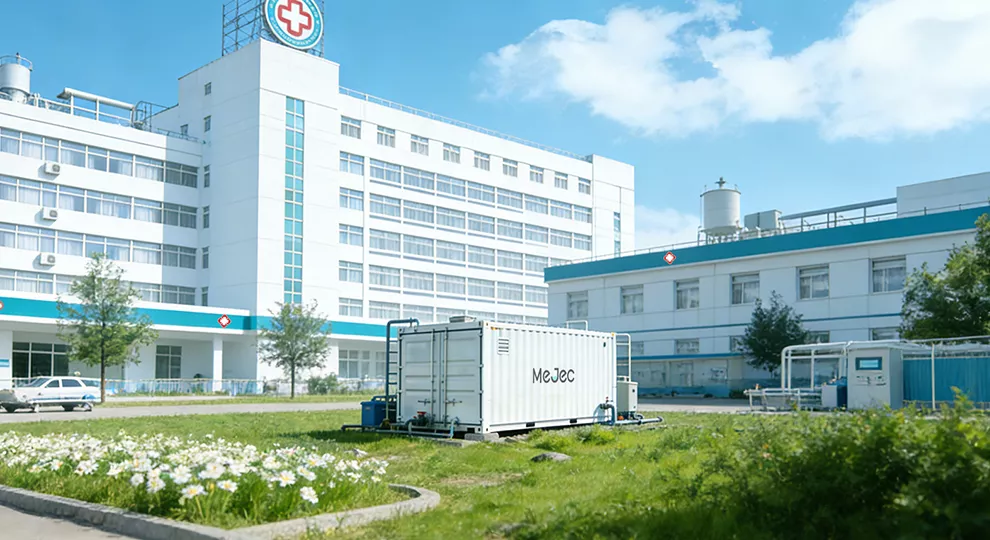
Sewage treatment systems for hospitals manage complex wastewater from patient care, laboratories, and cleaning processes. Each hospital generates wastewater that contains chemicals, pharmaceuticals, and harmful microbes. Specialized treatment protects public health and the environment by removing these dangerous substances. Strict regulations require hospitals to follow high standards for safe discharge or reuse. Effective systems ensure safety for staff, patients, and the community.
Hospital wastewater contains harmful substances like drugs and pathogens. Specialized treatment is essential to protect public health.
Mechanical pre-treatment removes large debris from sewage, preventing blockages and improving treatment efficiency.
Advanced technologies, such as biological treatment and advanced oxidation, effectively remove complex pollutants from hospital sewage.
Hospitals must comply with strict discharge standards to ensure treated wastewater is safe for the environment and public health.
Reusing treated water for non-drinking purposes can save costs and promote sustainability in hospital operations.
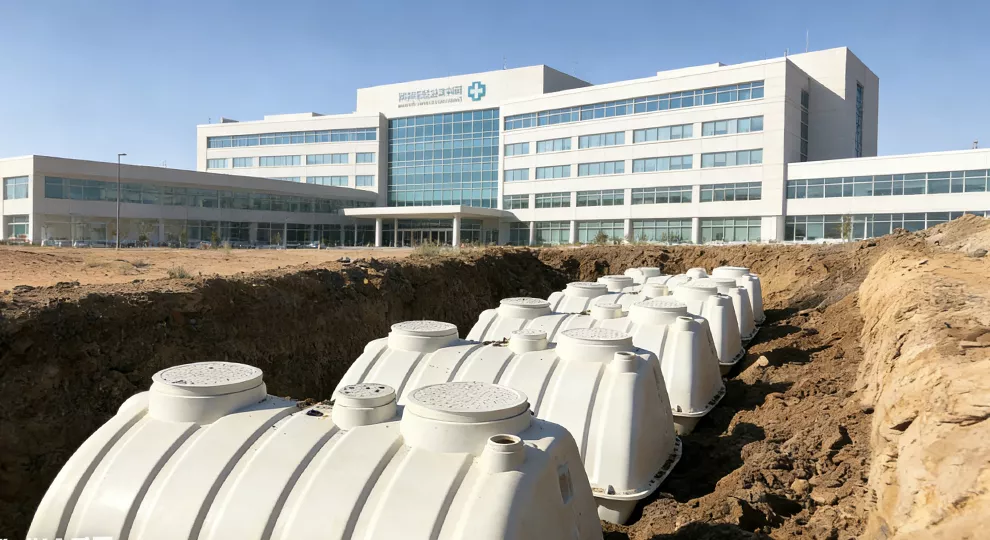
Hospital facilities generate wastewater from many sources. Medical exams, therapy, nursing, and consultations all contribute to the flow. Treatment departments, laboratories, wards, and living spaces for staff also produce wastewater. Each area creates unique challenges because the waste contains a mix of chemicals, biological materials, and other pollutants.
Tip: Wastewater from hospitals is often more concentrated and hazardous than municipal sewage.
The wastewater from hospitals contains a wide range of contaminants. Some of the most hazardous substances include drugs, disinfectants, diagnostic agents, detergents, and pathogenic microorganisms. Parasite eggs and viruses, such as hepatitis and tuberculosis, can also be present. Radioactive substances like radium 226 and iodine 131 may appear in facilities with isotope clinics.
Pollutants | Description |
|---|---|
Drugs | Pharmaceuticals that require specialized treatment methods. |
Disinfectants | Chemicals used in hospitals that can be harmful if not treated properly. |
Pathogenic microorganisms | Viruses and bacteria that pose health risks, needing advanced treatment processes. |
Radioactive substances | Found in hospitals with isotope clinics, adding complexity to treatment. |
Strong pollution | Hospital wastewater has higher levels of contaminants than municipal sewage. |
Untreated hospital wastewater can cause serious problems. Toxic pharmaceuticals and pathogens may accumulate in drinking water and aquatic foods. Direct exposure can lead to immune system damage and reproductive issues. Some drugs, like cyclophosphamide and ifosfamide, increase cancer risks. Antibiotics can build up in the food chain, causing chronic toxicity and allergic reactions. Pathogens such as Salmonella and Vibrio can spread diseases quickly.
Wastewater treatment in hospitals must address these unique challenges. Standard municipal systems cannot remove all pharmaceuticals, pathogens, or radioactive substances. Hospitals need advanced treatment processes to protect public health and the environment. Specialized systems ensure that dangerous contaminants do not enter water supplies or harm communities. These solutions help hospitals meet strict regulations and maintain safe operations.
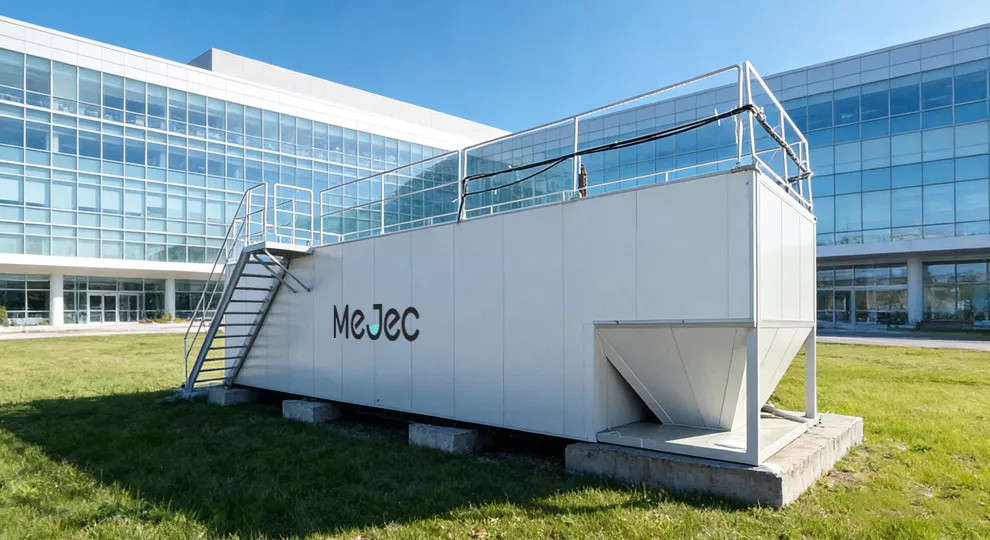
Sewage treatment systems for hospitals play a vital role in protecting public health and the environment. These systems manage hospital sewage, which contains pharmaceuticals, pathogens, and other hazardous substances. The sewage treatment process involves several stages, each designed to remove specific contaminants and ensure safe discharge.
Mechanical pre-treatment is the first stage in sewage treatment systems for hospitals. This step removes large solids and debris from hospital sewage. Screens and grit chambers trap items like bandages, gloves, and sand. Pumps move the wastewater through the system. Mechanical pre-treatment protects downstream equipment and improves the efficiency of later treatment stages.
Note: Mechanical pre-treatment reduces the risk of blockages and equipment damage in hospital sewage treatment plants.
Biological treatment uses microorganisms to break down organic pollutants in hospital sewage. This stage is essential for removing biodegradable substances and some pharmaceuticals. Several technologies are widely used in sewage treatment systems for hospitals:
Activated Sludge Process (ASP): ASP uses bacteria to digest organic matter. It effectively removes pharmaceuticals, including antibiotics, from hospital sewage. Removal efficiencies range from 41% to 99%. Factors such as the type of drug, concentration, retention time, and temperature influence the results.
Membrane Bioreactor (MBR): MBR combines biological treatment with membrane filtration. It achieves high removal rates for pharmaceuticals, such as codeine and diclofenac, often exceeding 95%. MBR also helps remove pathogens from hospital sewage.
Moving Bed Bioreactor (MBBR): MBBR uses floating carriers for bacteria growth. It treats hospital sewage efficiently and adapts to changing wastewater volumes.
Hospital sewage treatment plants often serve as pretreatment facilities. They reduce the load of contaminants before the wastewater enters municipal systems or advanced treatment units.
Physicochemical and chemical processes target pharmaceuticals, pathogens, and other difficult-to-remove substances in hospital sewage. These methods use chemicals and physical forces to break down or remove contaminants.
Advanced oxidation processes (AOPs) completely oxidize organic pollutants in hospital sewage into harmless substances like water and carbon dioxide.
Fenton oxidation and ozone oxidation generate reactive radicals. These radicals help break down pharmaceuticals and pathogens in hospital sewage.
Membrane bioreactors (MBRs) show high removal efficiencies for pharmaceuticals, achieving over 95% removal rates for compounds like codeine and diclofenac.
Process | Purpose | Example Technologies |
|---|---|---|
Advanced Oxidation | Oxidizes pollutants and pathogens | Fenton, Ozone |
Membrane Filtration | Removes pharmaceuticals and microbes | MBR |
Chemical Disinfection | Kills bacteria and viruses | Chlorine, UV |
Sewage treatment systems for hospitals must combine these processes to achieve reliable results. Integrated solutions, such as Mejec Wastewater Treatment Solutions, are specifically designed to manage complex and hazardous hospital sewage. These systems address pathogens, pharmaceutical residues, and other harmful substances. Their advanced design ensures that treated water meets strict environmental discharge standards. High reliability and compliance make them essential for protecting public health and the environment.
Tip: Choosing the right sewage treatment systems for hospitals helps facilities meet regulations and maintain safe operations.
Modern hospital wastewater treatment uses advanced technologies to address complex pollutants. Many hospitals now use the CASS process, which combines several treatment steps in one tank. This method improves efficiency and lowers costs. Chlorine dioxide disinfection is another innovation. It works better than traditional methods for killing harmful microbes and reducing pollution in hospital sewage. Advanced oxidation processes, such as Fenton oxidation and photocatalysis, break down tough chemicals and drugs into harmless substances. These methods help hospitals meet strict discharge standards and protect the environment.
Mejec Wastewater Treatment Solutions offers integrated systems for hospitals, clinics, and laboratories. These solutions use advanced biological and chemical processes to ensure safe and reliable sewage treatment. They also support resource recovery, which means some treated water or materials can be reused.
Removing pharmaceuticals and pathogens is a key goal in hospital wastewater treatment. Advanced oxidation processes play a major role. They use powerful radicals to destroy drugs and germs in hospital sewage. The table below shows how different processes work:
Process | Mechanism | Effectiveness in Removing Pharmaceuticals |
|---|---|---|
Fenton oxidation | Generates hydroxyl radicals that attack contaminants | Effective for industrial wastewater and landfill leachate |
Electro-peroxone | Uses electricity to boost ozone oxidation | High efficiency with optimal conditions |
Photocatalysis | Uses light to create radicals that break down pollutants | Can hinder Fenton oxidation in some cases |
Catalytic wet oxidation | Uses high temperatures to remove COD and pharmaceuticals | Up to 98% COD and 90% pharmaceuticals removal at 150 °C |
Thermal plasma and biological treatment also help remove pharmaceutical compounds. Some hospitals use peracetic acid for disinfection, which reduces bacteria by up to 99.9%. These methods make effective hospital wastewater treatment possible.
Automation and real-time monitoring improve the safety and efficiency of hospital wastewater treatment. Smart systems track the sewage treatment process and send alerts if problems occur. This reduces the need for staff to check equipment all the time. Mejec’s solutions include low-maintenance automation and remote management. These features help hospitals control hospital wastewater treatment cost analysis and ensure reliable disinfection. Automatic alerts and data tracking support compliance with health and environmental rules.
Tip: Automated monitoring helps hospitals respond quickly to changes in sewage quality and keeps the disinfection process running smoothly.
Hospitals must follow strict rules when releasing treated sewage into the environment. These rules protect water sources and public health. Wastewater treatment plants in hospitals use several steps to meet these standards. Hospitals often need permits that list the requirements for sewage discharge. They also use advanced treatment systems to reduce pollutants. Many hospitals work with compliance service providers who help manage wastewater and report results to authorities.
Method | Description |
|---|---|
Permits | Hospitals obtain permits with specific discharge requirements. |
Treatment Systems | Wastewater treatment plants reduce pollutants before discharge. |
Compliance Services | Experts help hospitals follow regulations and report compliance. |
Hospitals also test and document their sewage regularly. They assess wastewater streams, coordinate treatment, and communicate their compliance status. These steps ensure that wastewater treatment plants operate safely and meet all legal requirements.
Water reuse is becoming more common in hospitals. Wastewater treatment plants can treat sewage to a high standard, making it safe for non-drinking uses. Hospitals use this treated water for irrigation, toilet flushing, and cooling systems. This practice helps save money and reduces the demand for fresh water.
Benefit Type | Description |
|---|---|
Cost Savings | Reusing treated water can lower water bills by 30-50%. |
Environmental Impact | Reduces the need for municipal water, important in dry regions. |
Health Safety | Treated water is safe for non-potable uses like irrigation. |
Tip: Using treated water from hospital sewage supports sustainability and reduces costs.
Proper treatment of hospital sewage is vital for protecting the environment and public health. Untreated sewage contains drugs, disinfectants, and harmful microbes. If released without treatment, it can pollute water and spread diseases. Wastewater treatment plants remove these dangers before discharge or reuse.
Characteristics of Hospital Sewage | Implications for Public Health |
|---|---|
Contains drugs and chemicals | Can harm the environment if not treated properly |
Contains pathogens and viruses | Increases disease risk if discharged untreated |
May include radioactive substances | Poses extra health risks to people and wildlife |
Hospitals rely on advanced wastewater treatment plants to keep communities safe. These systems prevent pollution and help maintain a healthy environment.
Each hospital must follow a clear process to treat wastewater safely. Advanced treatment technologies, strong regulatory frameworks, and careful monitoring protect public health. The table below shows the main steps that help hospitals meet safety standards and support sustainability. Mejec solutions make compliance easier and help hospital administrators adopt sustainable practices.
Step | Importance |
|---|---|
Advanced Treatment | Removes complex contaminants |
Regulatory Compliance | Ensures safe discharge and meets legal standards |
Monitoring and Documentation | Tracks results and supports corrective actions |
Sustainable Practices | Reduces waste and promotes environmental responsibility |
A hospital sewage treatment plant is a system that cleans wastewater from hospitals. It removes harmful substances like drugs, chemicals, and germs. This process protects people and the environment from pollution.
Hospitals create wastewater with dangerous materials. A hospital sewage treatment plant uses advanced methods to remove these risks. Regular city plants cannot handle all the unique pollutants found in hospital wastewater.
A hospital sewage treatment plant uses biological, chemical, and physical steps. These steps break down or filter out drugs. Advanced oxidation and membrane filtration help remove even tiny traces of pharmaceuticals.
Yes. A hospital sewage treatment plant can treat water to a high standard. Hospitals can reuse this water for cleaning, irrigation, or cooling systems. This saves money and reduces the use of fresh water.
Local health and environmental agencies inspect each hospital sewage treatment plant. They test the treated water and review reports. These checks make sure the plant follows all laws and keeps the community safe.
We provide you with comprehensive foreign trade solutions to help enterprises achieve global development
Mejec-Johkasou-SB adopts an AAO + MBBR combined bi...
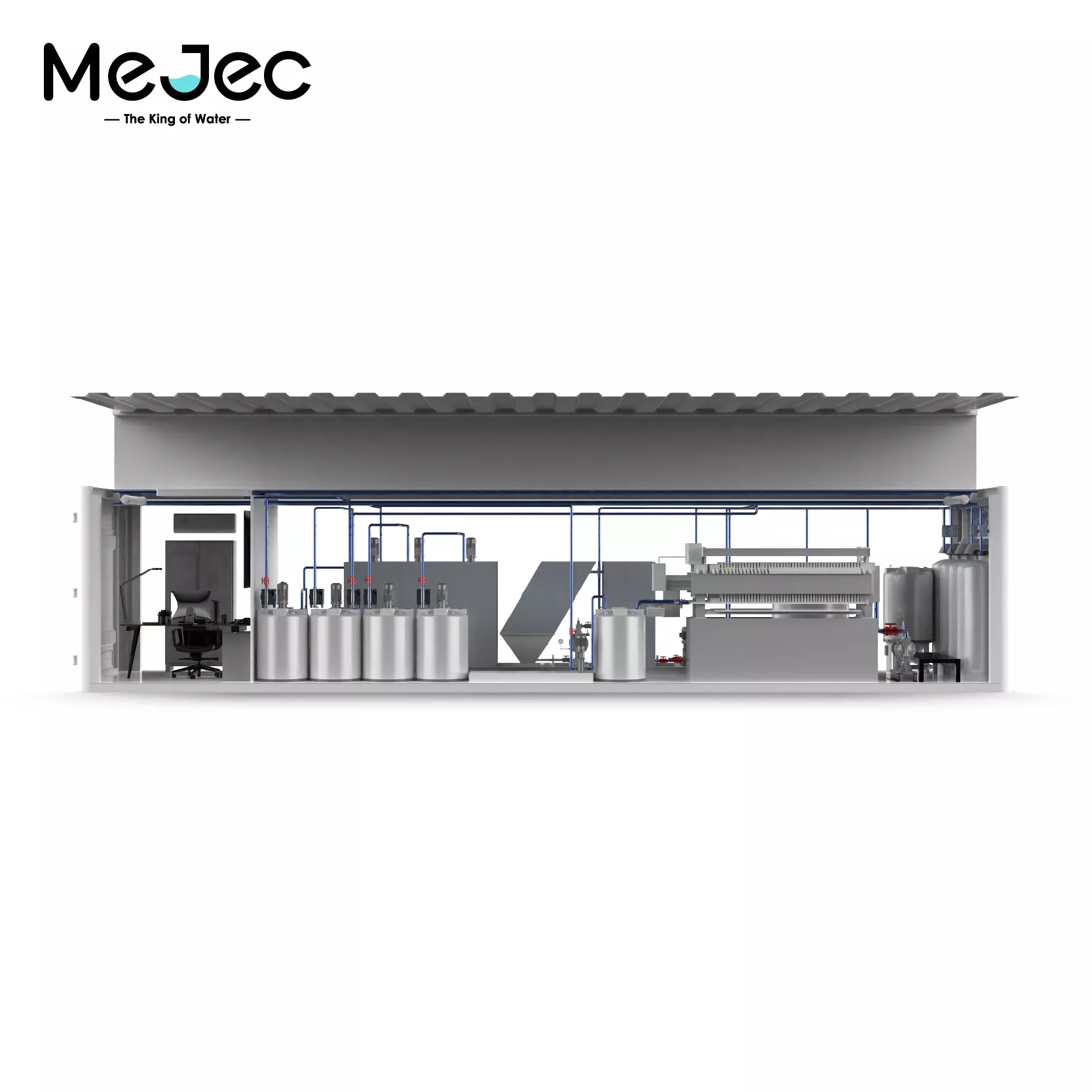
Mejec containerized wastewater treatment system ad...
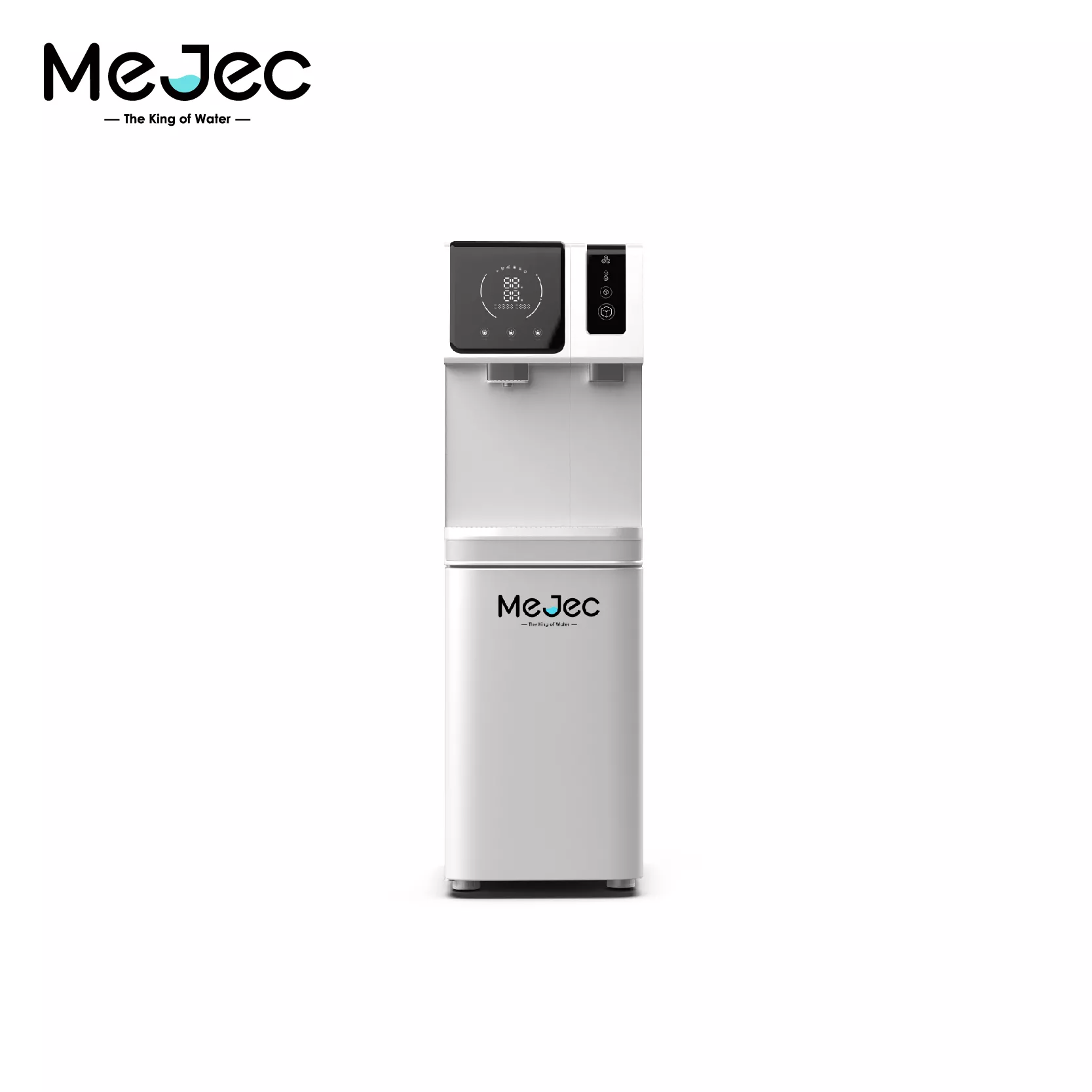
Imagine an office where the simple act of getting ...
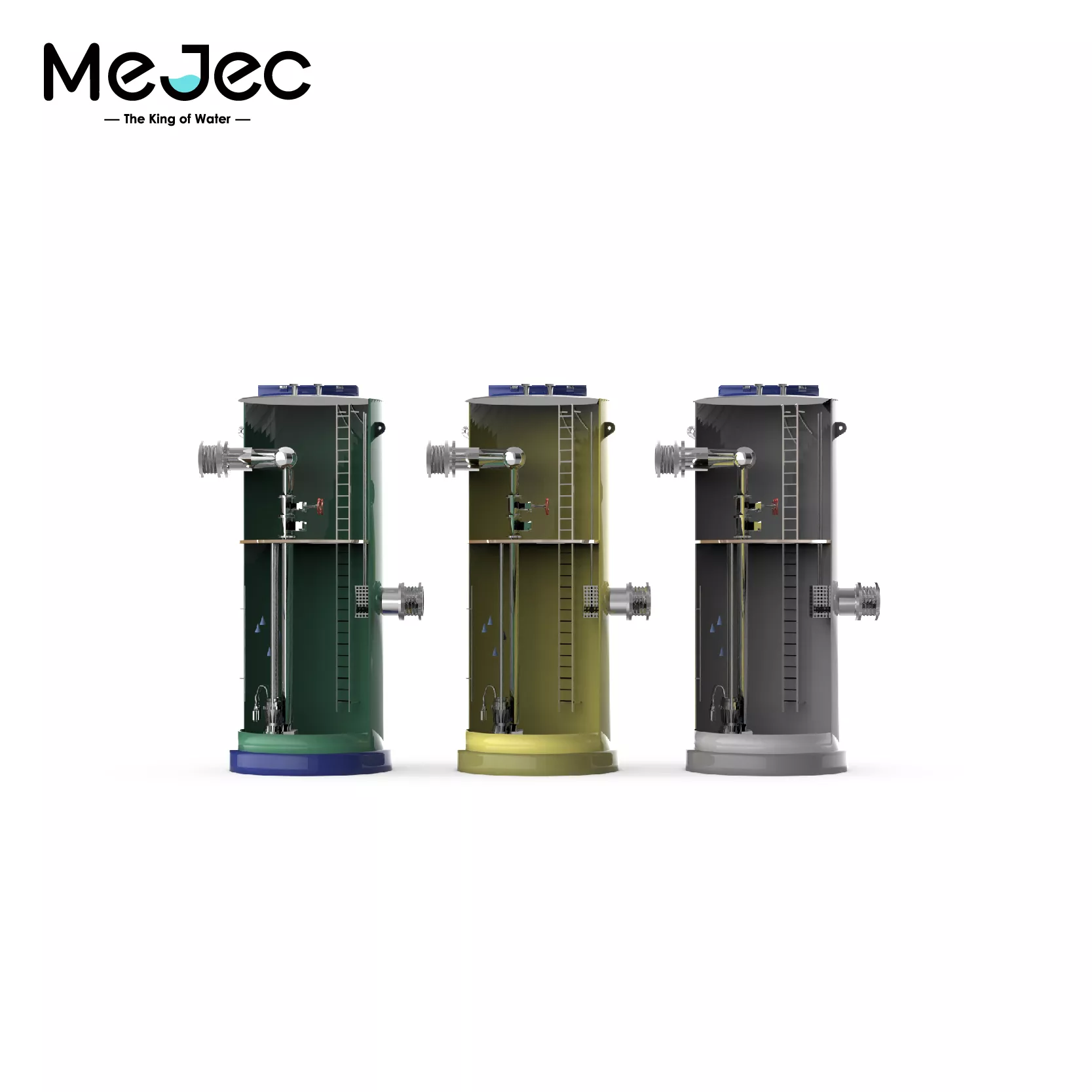
LD-BZ, The series of integrated prefabricated pump...
Select the most popular foreign trade service products to meet your diverse needs
Select the most popular foreign trade service products to meet your diverse needs






User Comments
Service Experience Sharing from Real Customers
Megan
Facilities ManagerWe installed this system in our mid-sized regional hospital about eight months ago. Look, I was skeptical at first – we've had maintenance nightmares with previous brands. But this one? It's been surprisingly robust. The automated alerts for filter changes are a lifesaver for my team. It's not magic – you still need scheduled checks – but it definitely makes our jobs easier and gives me peace of mind about compliance.
Leo
Chief EngineerAfter 25 years in hospital operations, I've seen it all. We upgraded our entire wastewater treatment for the new surgical wing with this system. The difference in effluent quality is noticeable, and the modular design meant we could scale without shutting down existing services. The technical support team actually understands hospital-specific challenges, like handling pharmaceutical residues. Worth every penny for the long-term reliability.
Chloe
Infection Control NurseOkay, I don't normally review equipment like this, but our environmental services coordinator pointed out the impact. Since the new treatment system went online, our routine environmental swabs near drainage points have shown a marked improvement. It's one less thing to worry about in terms of pathogen control. The interface seems user-friendly for the maintenance staff, too. A solid piece of the infection prevention puzzle.
Raj
Sustainability OfficerMy main focus was reducing our environmental footprint, and this system's water recycling feature is a game-changer. We're reusing about 30% of treated water for non-clinical purposes, which is huge for a facility our size. The detailed reporting metrics helped me secure additional green initiative funding. It's more than just a treatment plant; it's a core part of our sustainability strategy now. The install was a bit hectic, but the results speak for themselves.