Small Package Sewage Treatment Plant
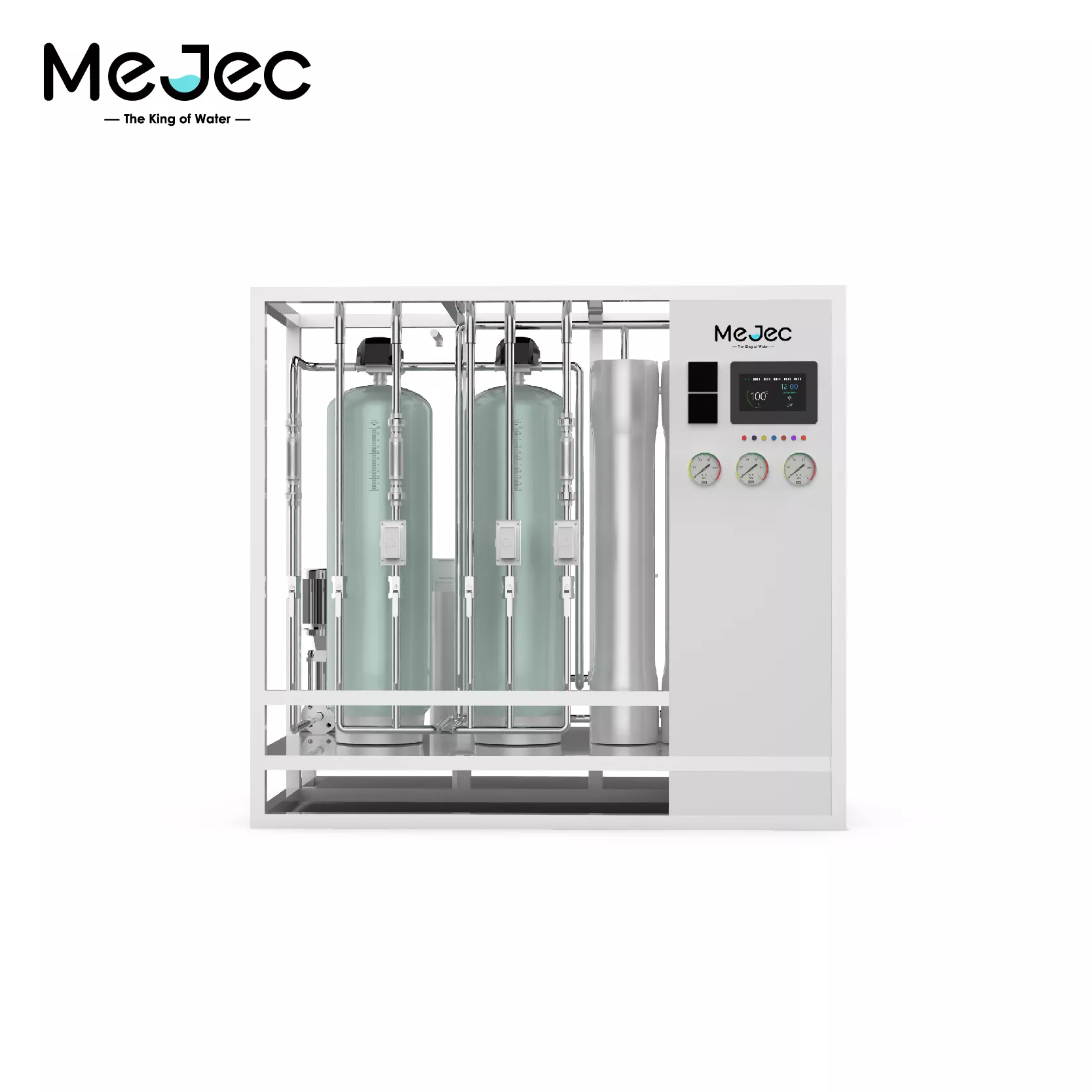
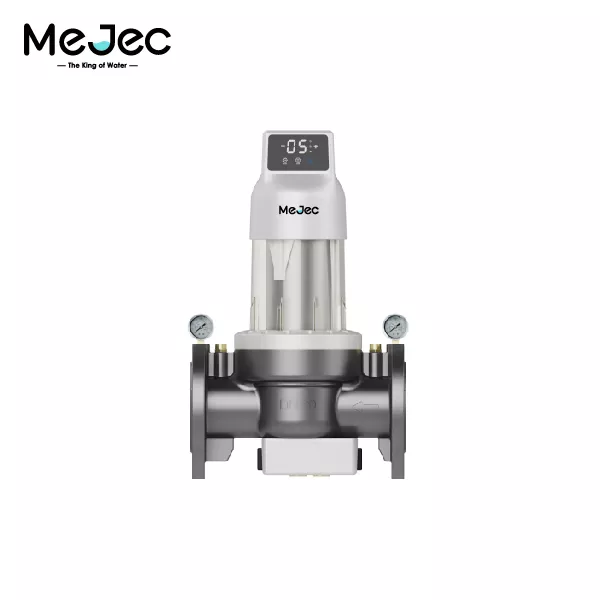
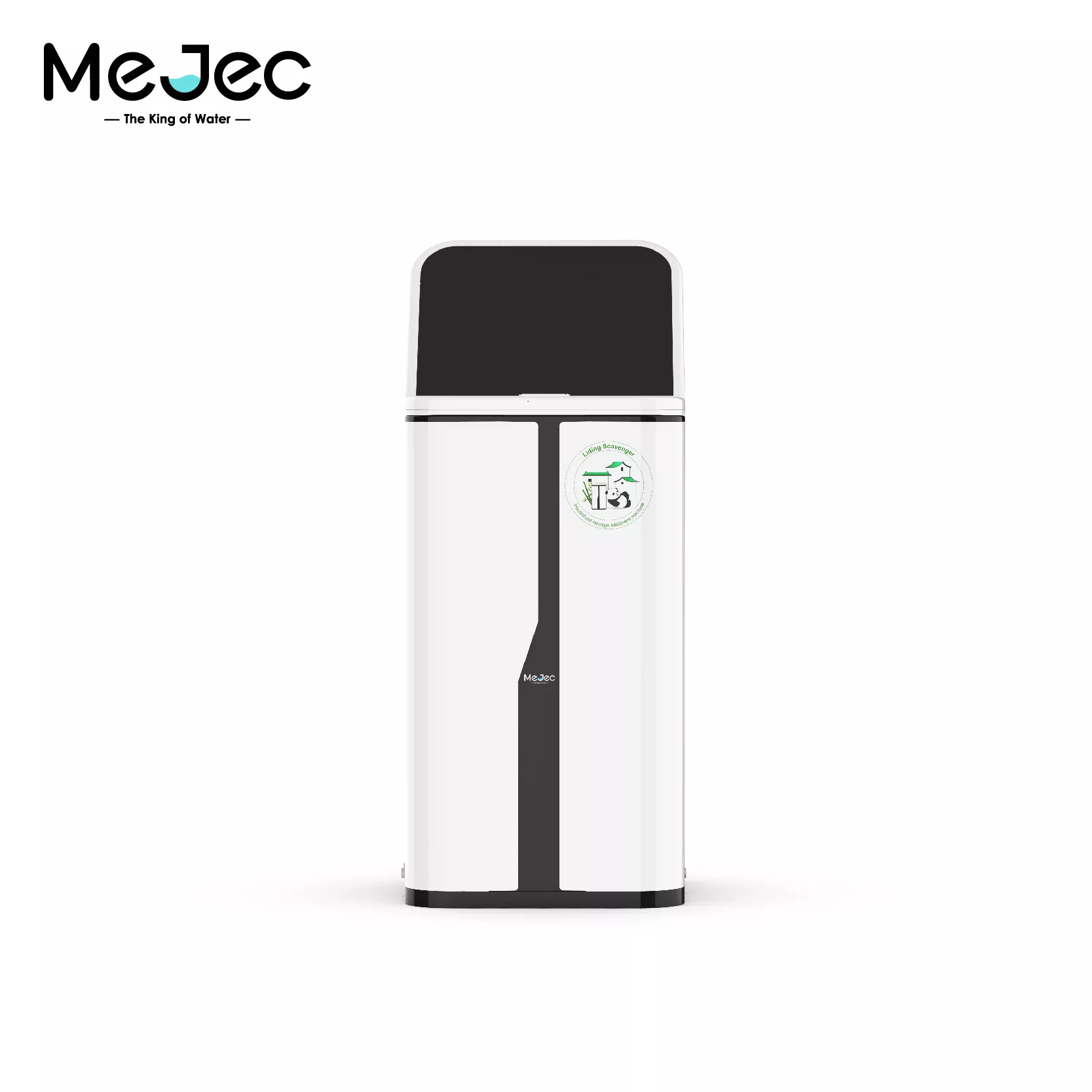
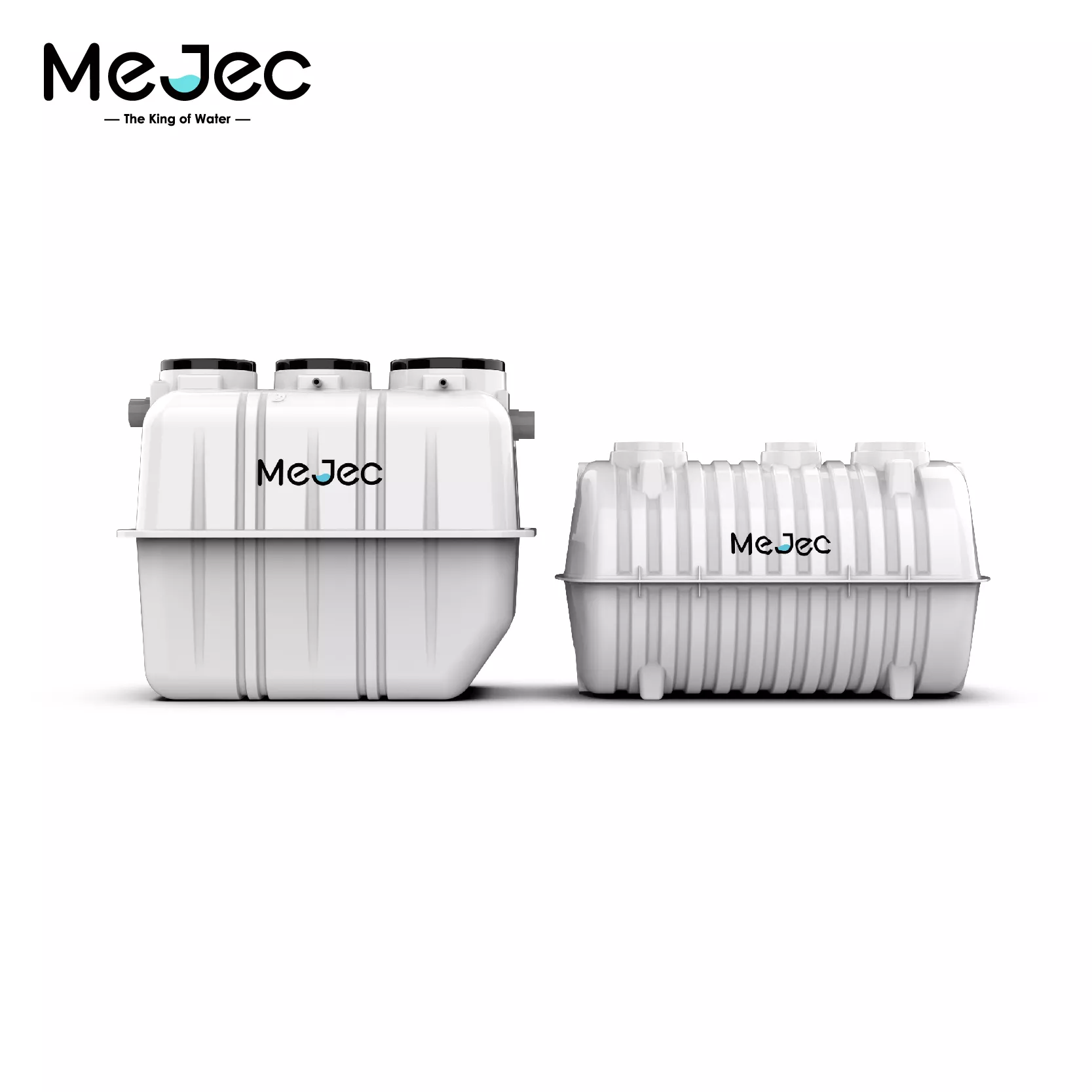
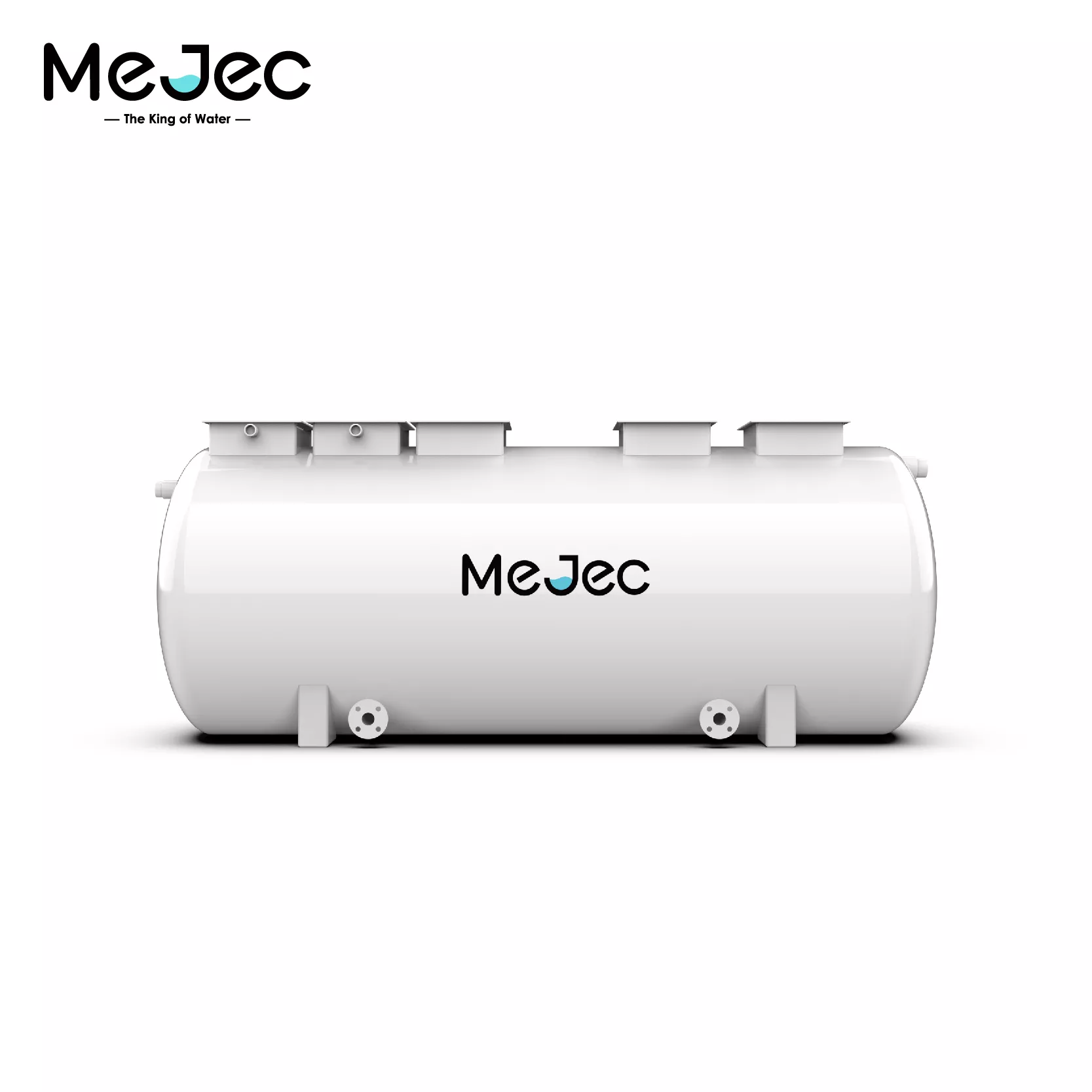
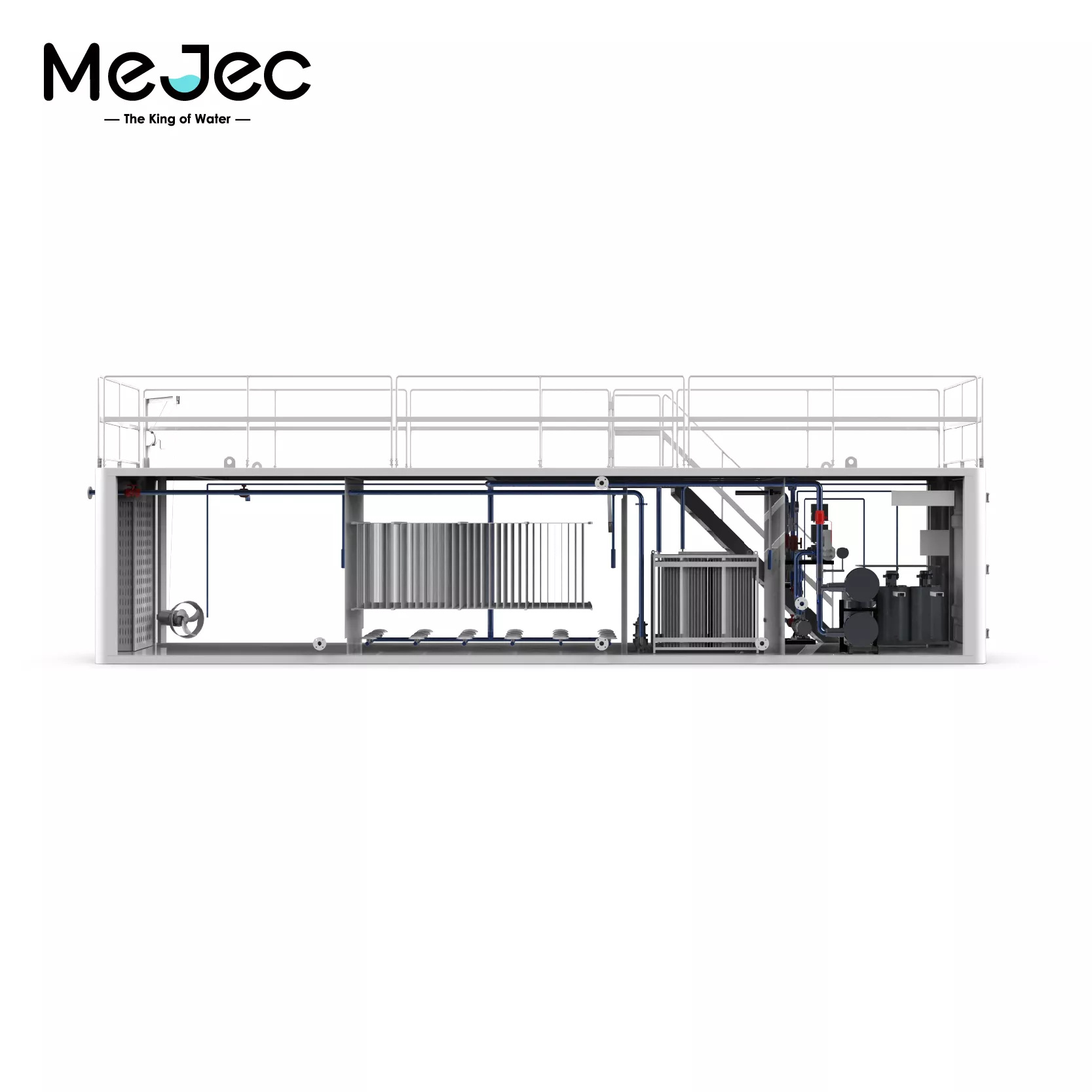
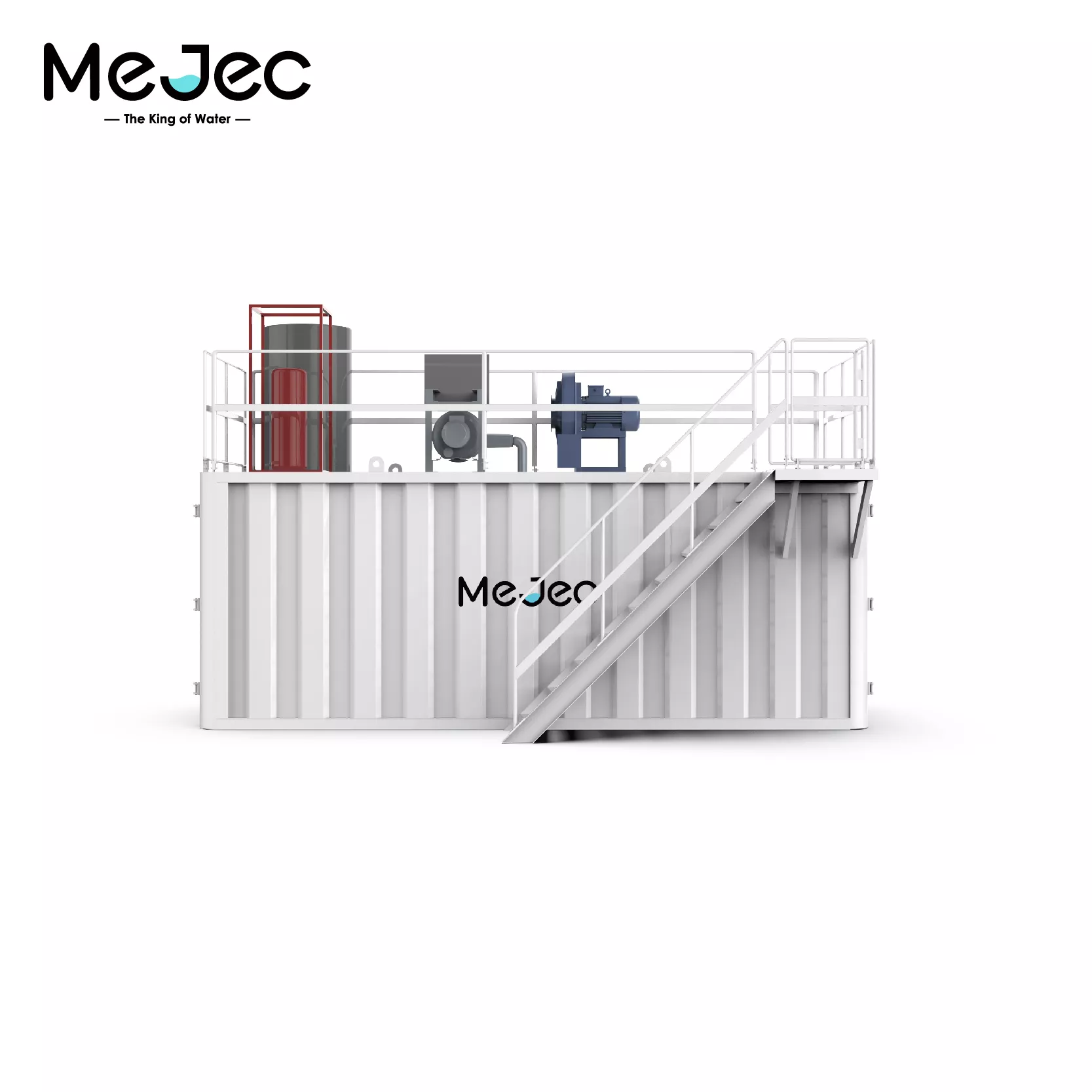
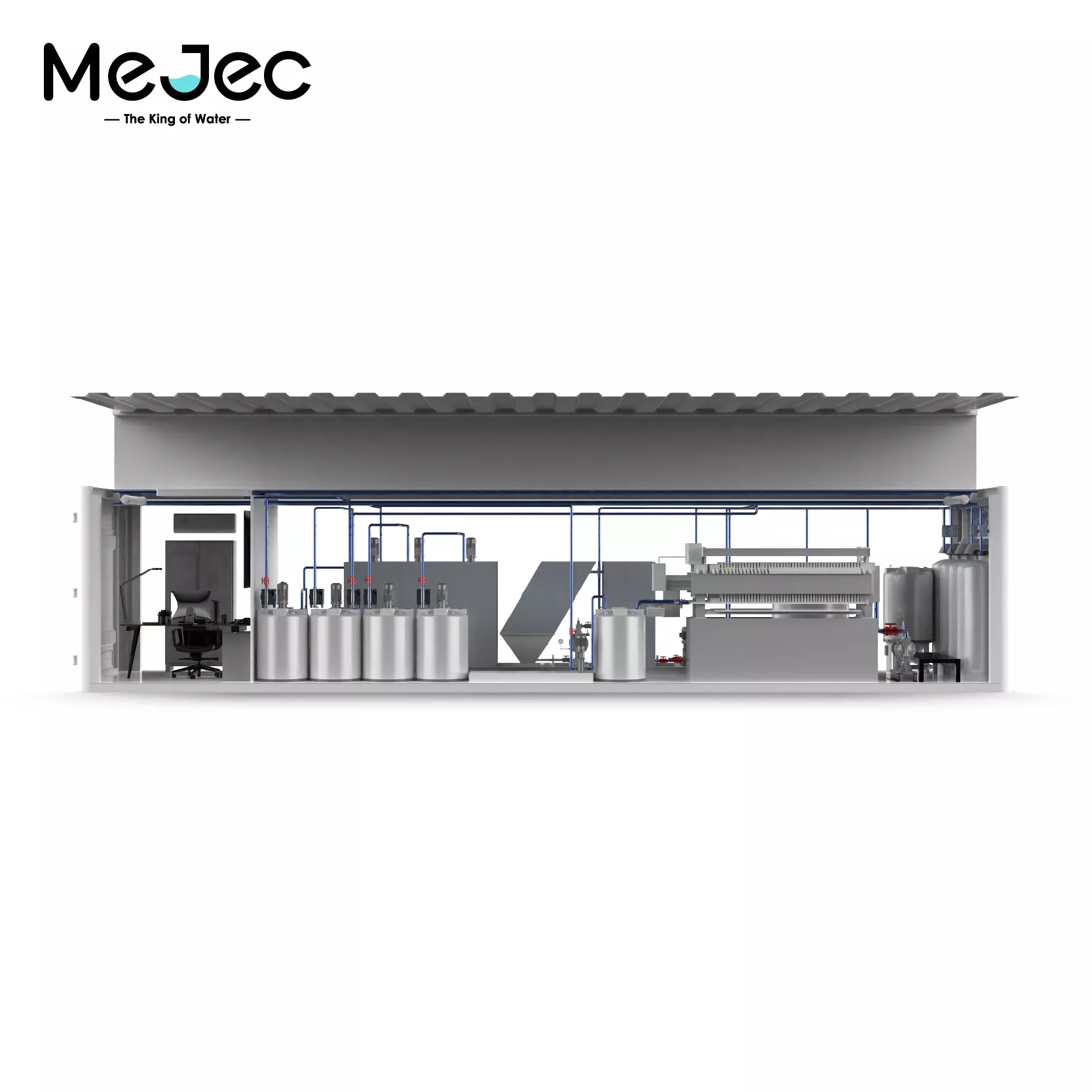
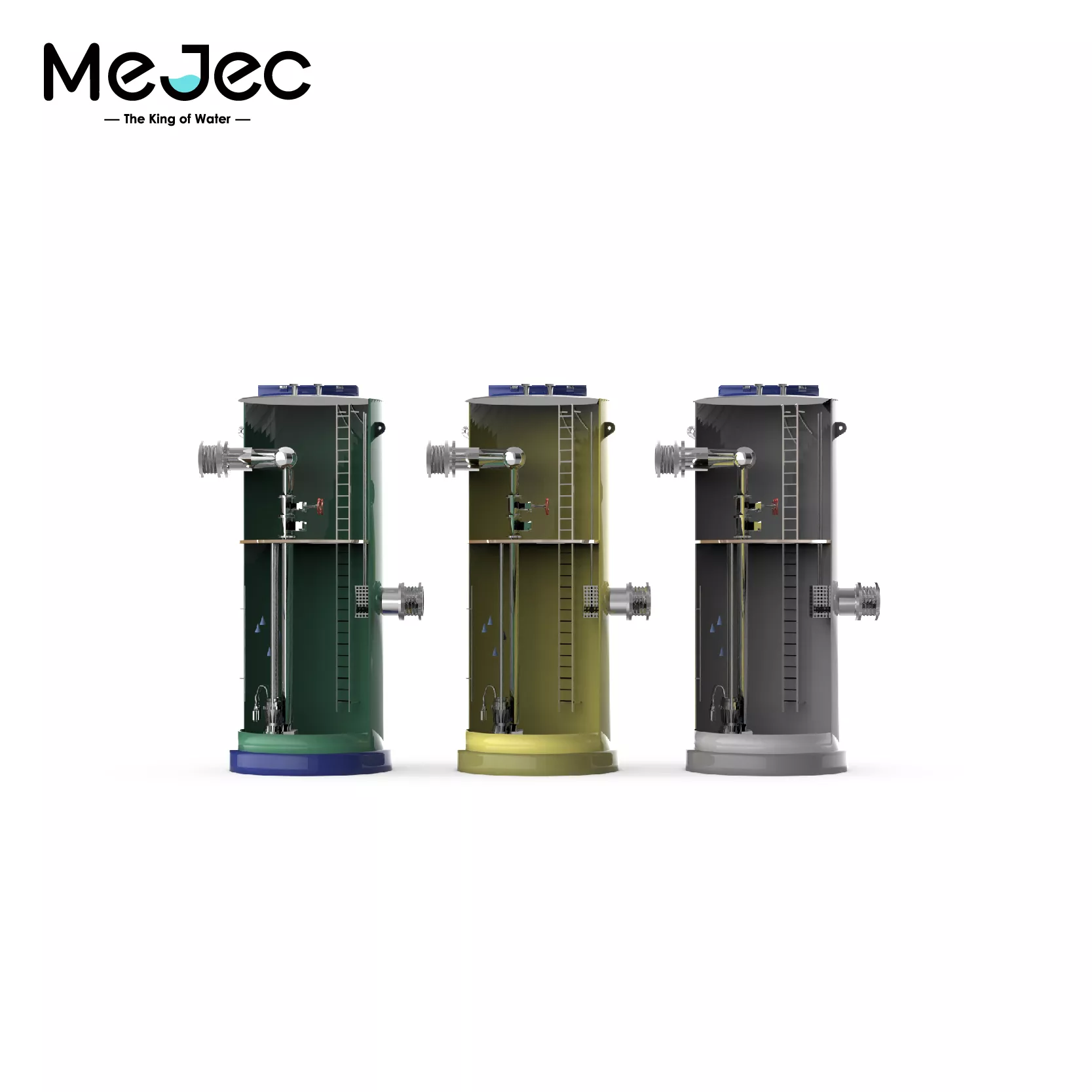
A small package sewage treatment plant is a compact, prefabricated system designed for the biological treatment of wastewater from decentralized sources. These units are engineered to handle sewage flows typically ranging from 5 to 500 population equivalents (PE), with common daily capacities between 1,000 and 100,000 liters. They integrate primary settlement, secondary biological treatment (often using activated sludge, MBR, MBBR, or SBR technologies), and final clarification or disinfection into a single, skid-mounted or containerized package. Key operational parameters include a typical Biochemical Oxygen Demand (BOD5) removal efficiency of 95-98%, reducing influent BOD from around 250-400 mg/L to effluent levels often below 10-20 mg/L, and Suspended Solids (SS) removal exceeding 90%. These systems are characterized by a small physical footprint, often requiring less than 50 square meters of space, and are constructed from durable materials like polyethylene, fiberglass, or coated steel. Their primary application is for sites lacking connection to centralized municipal sewers, providing a compliant and efficient treatment solution.
According to industry market analyses and project specifications, the demand for small package sewage treatment plants is driven by development in remote residential areas, tourist facilities, construction camps, industrial parks, and small communities. Data from environmental regulatory bodies indicate that decentralized treatment solutions can reduce the capital cost of extensive sewer network infrastructure by 30-50% for low-density areas. Modern package plants frequently incorporate energy-efficient components such as fine bubble diffusers and variable frequency drive (VFD) blowers, with specific energy consumption reported in the range of 0.5 to 1.0 kWh per cubic meter of treated wastewater. Advanced models feature integrated remote monitoring and control (SCADA) systems, allowing for real-time tracking of parameters like dissolved oxygen, sludge level, and flow rate, which minimizes operational intervention. Market research highlights a growing preference for technologies like Moving Bed Biofilm Reactors (MBBR) and Membrane Bioreactors (MBR) in these packages due to their resilience to load fluctuations and ability to produce high-quality effluent suitable for reuse in irrigation or toilet flushing, meeting stringent standards such as the EPA's Class B or Class A guidelines. The global market for packaged wastewater treatment is projected to grow steadily, supported by stringent environmental discharge regulations worldwide and the need for rapid, scalable deployment. These systems offer a proven, cost-effective alternative, with documented case studies showing consistent compliance with regulatory limits for BOD, SS, and nutrients like nitrogen and phosphorus in diverse climatic conditions.




.webp)








User Comments
Service Experience Sharing from Real Customers
Michael Rodriguez
Facilities ManagerThis small package sewage treatment plant has been a game-changer for our remote lodge. Compact, efficient, and surprisingly low-maintenance. It handled peak season capacity without any issues. Highly reliable.
Sarah Chen
Project EngineerAs the engineer overseeing installation, I'm impressed with the modular design and clear documentation. The system integrates well with our existing infrastructure. One point off for some initial calibration complexity, but overall excellent performance and effluent quality.
David Wilson
Farm OwnerPerfect solution for our new agricultural research station. The compact footprint saved us space, and the treated water is safe for irrigation. Customer support was responsive during setup. A solid, set-and-forget system.
Jessica Park
Environmental ConsultantI recommend this unit to clients needing decentralized wastewater solutions. Its consistent discharge meets stringent regulatory standards. The energy efficiency is a major plus for eco-conscious projects. A top-tier product in its category.