





.webp)
Mejec Celebrates Valentine’s Day with a Commitment to Water Sustainability
This Valentine’s Day, Mejec celebrates a deeper ki...
More


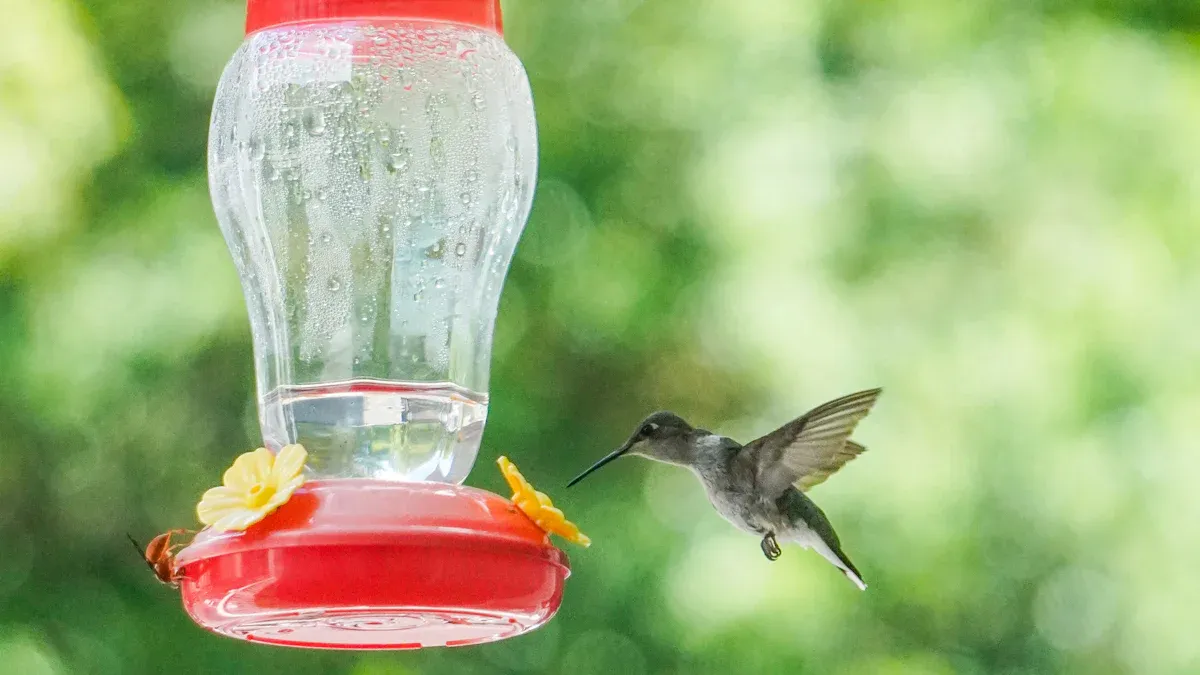
You want to keep your bird healthy and hydrated. A quality water dispenser birds combines safety with simple maintenance.
Key Tip: Your top priority is choosing a dispenser made from non-toxic, durable materials. You must be able to disassemble it easily for daily cleaning.
This single decision protects your bird’s health above all else.
Choose a bird water dispenser made from safe materials like stainless steel or glass. Avoid plastics with codes 3, 6, or 7.
Pick a water dispenser that is easy to take apart and clean every day. This stops bad germs from growing.
Make sure the water dispenser fits your bird's size and chewing habits. It should also attach firmly to the cage.
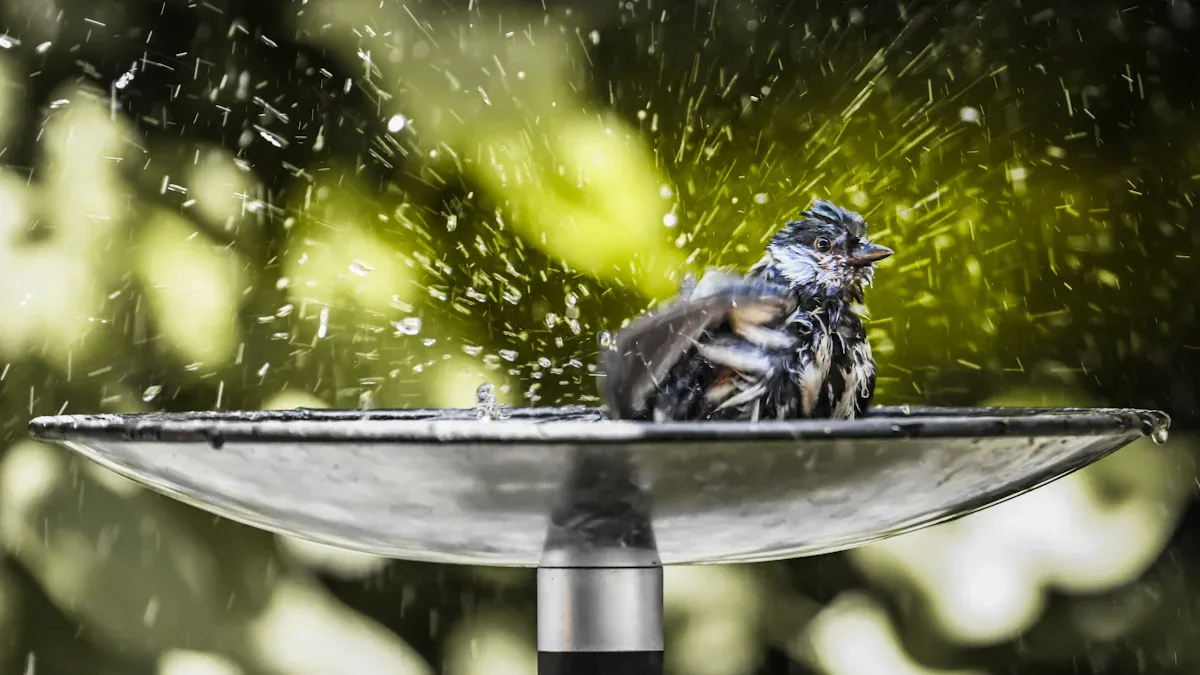
Choosing the right water dispenser birds involves two main considerations: the material it is made from and how easy it is to clean. Your bird's health depends directly on getting these two factors right.
Your bird will interact with its water dispenser every day. Some materials contain hidden toxins like heavy metals that can leach into the water. Ingesting these toxins can cause severe health problems.
Warning: The Dangers of Heavy Metal Poisoning ☣️ Birds are extremely sensitive to toxins. Exposure to lead or zinc from unsafe materials can lead to devastating symptoms. Watch for signs like weakness, seizures, wing droop, abnormal green droppings, and extreme thirst. These symptoms are a medical emergency.
You should select materials known for their safety and durability. Stainless steel, glass, and high-quality plastics are excellent choices.
| Material | Why It's Recommended |
|---|---|
| Stainless Steel | Extremely durable, non-porous, and resists bacteria. It is easy to sanitize and withstands chewing from strong beaks. |
| Glass | Completely inert and non-toxic. It will not leach any chemicals into the water. It is also easy to clean thoroughly. |
| BPA-Free Plastic | A lightweight and affordable option. You must ensure it is certified BPA-free to avoid harmful chemicals. |
To confirm a plastic product is safe, you can:
Look for a "BPA-Free" Label: Manufacturers often print this directly on the product or its packaging.
Check the Recycling Code: Find the small triangle symbol on the plastic.
Know the Safe Codes: Plastics marked with codes 1, 2, 4, and 5 are generally BPA-free and safe for use.
Certain materials pose a direct threat to your bird’s health and you must avoid them completely. Galvanized metal, which is coated in zinc, is a common hazard.
| Material | Why You Must Avoid It |
|---|---|
| Soft Plastics (PVC) | Can contain harmful chemicals like phthalates and BPA (recycling codes 3, 6, 7). Birds can also chew and ingest small pieces. |
| Lead | Highly toxic. It causes severe neurological damage, anemia, and organ failure. Lead can be found in solder, some paints, and certain metal alloys. |
| Zinc | Often used to coat metal parts to prevent rust (galvanization). Zinc poisoning, or "New Wire Disease," causes symptoms similar to lead poisoning and can be fatal. |
The safest material in the world will not protect your bird if the dispenser is dirty. Bacteria, algae, and fungi thrive in water. A water dispenser birds must be cleaned daily to prevent the growth of these harmful germs.
Cleaning Tip 🧼 For a deep clean, you can use a solution of one part bleach to ten parts water. Scrub all components thoroughly with this solution, then rinse them completely until you can no longer smell any bleach. Let all parts air dry before refilling.
A simple cleaning schedule keeps your bird's water source safe.
| Item | Recommended Cleaning Frequency |
|---|---|
| Water Dishes/Dispensers | Wash with soap and hot water daily. |
| Bird Baths | Scrub and change water daily. |
A good design makes daily cleaning fast and effective. You need to be able to physically scrub every surface that touches the water.
Look for these features:
Wide Mouths: Allow your hand or a brush to easily reach the inside of the reservoir.
Removable Caps or Bases: Designs that come apart completely ensure there are no hidden areas.
Simple Construction: Fewer parts mean fewer places for grime to hide.
Many dispensers feature narrow necks, decorative crevices, or complex valve systems. These designs are almost impossible to clean properly. Bacteria create a slimy, protective layer called biofilm in these hard-to-reach spots. You cannot remove biofilm without direct scrubbing.
A simple rule to follow: If you cannot see it and scrub it, you cannot truly clean it. Choose a simple, open design for your bird's safety.
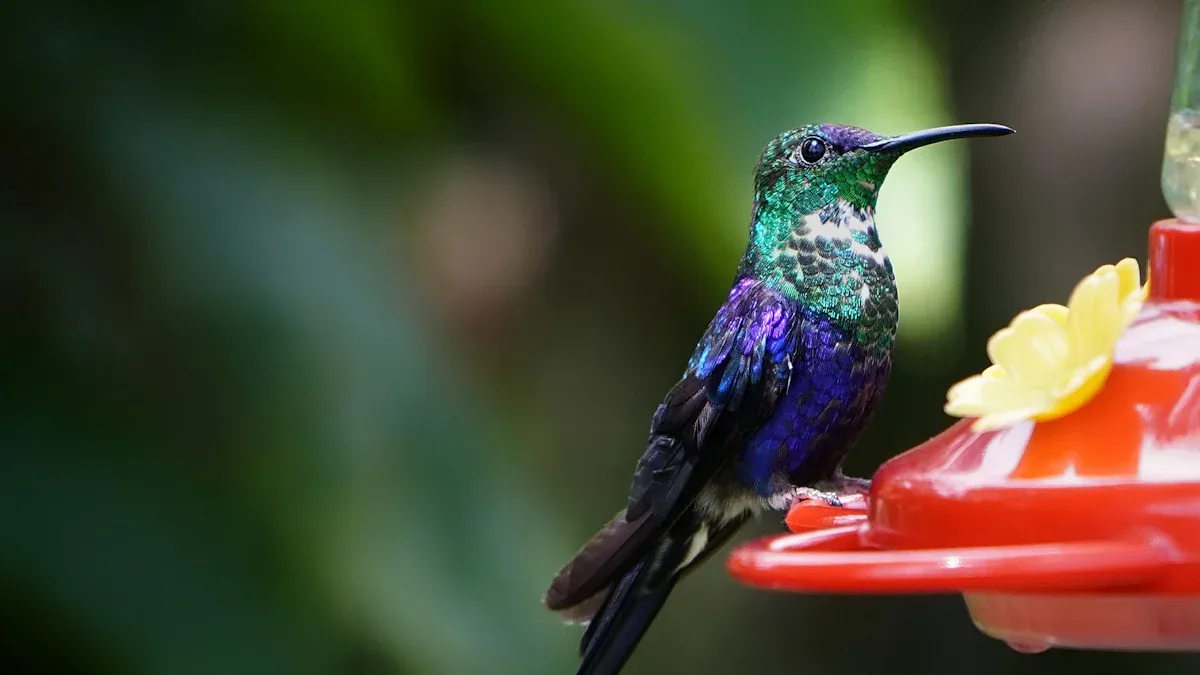
A dispenser's material and cleanability are vital, but its suitability for your specific bird is just as important. You must match the dispenser's size, design, and mounting style to your bird's species, habits, and cage environment. This ensures your bird can comfortably and safely access its water.
The dispenser's size should correspond to your bird's water needs and physical size.
Small Birds (Finches, Canaries, Budgies): These birds need smaller dispensers that will not take up too much cage space. A smaller reservoir is sufficient and encourages you to provide fresh water daily.
Medium Birds (Cockatiels, Conures, Lovebirds): A mid-sized dispenser works well. It holds enough water for the day without being overly cumbersome in a moderately sized cage.
Large Birds (Parrots, Macaws, Cockatoos): Large birds drink more water and require a larger capacity dispenser. Ensure the spout or opening is big enough for their beaks and tongues to access water easily.
Note: A larger reservoir does not mean you can clean it less often. You must still replace the water and clean the dispenser daily, regardless of its size, to prevent bacterial growth.
Many birds, especially parrots, are powerful chewers. A flimsy plastic dispenser can quickly become a hazard. If your bird chews through its dispenser, it can ingest harmful plastic fragments.
Caution: The Hidden Dangers of Ingested Plastic ⚠️ Studies on wild seabirds have shown that chemicals in plastics, like BPA and phthalates, can disrupt a bird's endocrine system. These chemicals leach from ingested plastic and can interfere with hormones, potentially affecting fertility, development, and behavior. Choosing a chew-proof material protects your bird from more than just physical injury.
For birds with strong beaks, you should select materials designed to withstand chewing.
Stainless Steel: This is one of the most durable options available. It is virtually indestructible and a top choice for powerful chewers.
Reinforced Acrylic or Polycarbonate: Some manufacturers offer dispensers made from heavy-duty plastics. These are specifically engineered to resist damage from strong beaks, making them a safer choice than standard plastic for species like macaws and cockatoos.
Water dispensers for birds come in two primary styles: open dishes and sipper tubes. Each has distinct advantages and disadvantages.
Open dishes are simple and intuitive for any bird to use. However, they are easily soiled. Birds can drop food, droppings, and feathers into the water, creating a breeding ground for bacteria. In contrast, a water dispenser birds with a sipper tube keeps the water supply clean by preventing contaminants from entering the reservoir.
| Feature | Ball-Bearing Sipper Tubes | Open Dishes / Clip-On Bowls |
|---|---|---|
| Water Purity | Keeps water free from food and droppings. | Easily contaminated by cage debris. |
| Bird Adaptation | Some birds need time to learn how to use them. | Natural and easy for all birds to use. |
| Spillage Risk | Low risk of spills or tipping. | Can be tipped over, creating a mess. |
| Cleaning Needs | Requires daily cleaning to prevent biofilm buildup. | Needs cleaning at least once or twice daily. |
If you choose a sipper tube, watch your bird closely to confirm it has learned how to drink from it. You can encourage your bird by tapping the metal ball to release a drop of water. Always provide a second, familiar water source until you are certain your bird is using the new dispenser.
A water dispenser is only effective if it stays in place. A loose or unstable dispenser can be knocked over, leaving your bird without water and creating a wet, unsanitary mess in the cage. Look for a model with a robust mounting system.
Common mounting types include:
Wire Hangers: Simple hooks that hang from the cage bars. These are best for lightweight dispensers.
Screw-On Brackets: A threaded bolt and plate clamp the dispenser securely to the cage. This is the most stable option for horizontal bars.
Spring-Loaded Mounts: A spring mechanism holds the sipper tube nozzle firmly in place against the bars.
Choose a mount that attaches firmly to your specific cage, preventing your bird from dislodging it.
A leaky water dispenser is a serious problem. Constant dripping soaks the cage liner and bedding, creating a damp environment that promotes the growth of mold and harmful bacteria.
| Health Risk | Cause/Condition |
|---|---|
| Respiratory Issues | Wet bedding releases ammonia gas, which can damage a bird's respiratory tract and make it susceptible to infection. High concentrations can even cause blindness. |
| Footpad Dermatitis | Constant contact with wet, soiled litter causes painful sores and lesions on a bird's feet, affecting its ability to walk and perch. |
| Infectious Diseases | Damp conditions are ideal for parasites like Coccidia and bacteria like E. coli, leading to severe intestinal and systemic diseases. |
To prevent leaks, inspect the dispenser's seals and gaskets before purchase. Look for high-quality, flexible silicone or rubber seals that create a tight fit. After filling, you can turn the dispenser upside down to check for drips before placing it in the cage.
Use this checklist to quickly evaluate any water dispenser birds. A good product will meet all these criteria, ensuring your bird's safety and making your daily routine easier.
You must choose a dispenser made from materials that will not harm your bird. The best options are hygienic and strong enough to resist damage.
Recommended: Look for medical-grade stainless steel or BPA-free plastic. These materials are non-toxic and durable.
Avoid: Steer clear of soft PVC or rubber parts. These can degrade over time and may be chewed and ingested.
Some highly-rated models, like the Zoo Med Perch Bird Waterer, feature safe stainless steel sipper tubes. For larger birds, dispensers with reinforced housing, such as the FeatherBeds Large Parrot Water Dispenser, offer excellent durability.
A dispenser is only safe if you can clean it thoroughly. You need a design that comes apart completely for daily scrubbing. This prevents the buildup of dangerous biofilm and bacteria.
You should be able to physically scrub every surface that touches the water. Look for dispensers with wide mouths and smooth interior walls. This simple feature makes cleaning much faster and more effective, leaving no place for germs to hide.
Your bird should not be able to knock its water dispenser over. A secure mount prevents spills that can leave your bird without water and create an unsanitary, wet cage environment. Choose a strong screw-on bracket or a reliable clamp system.
A leaky dispenser creates damp bedding, which promotes mold growth and can lead to respiratory and foot problems for your bird.
Pro Tip: Look for dispensers with features like non-drip nipples and high-quality seals. An enclosed design also helps keep the water supply clean and free from contamination.
The dispenser must fit your bird. A small finch needs a different spout than a large cockatoo.
Small Birds: A dispenser like the Aosta Drinker for Canaries is appropriately sized.
Large Birds: A larger, more robust option is necessary.
All Birds: The reservoir should hold enough water for a day, but you must still clean it daily. Gravity-flow designs help control the water level and prevent overflow.
An excellent bird water dispenser is a cornerstone of responsible avian care. It combines safe, non-toxic materials with a design that you can easily take apart and scrub every single day.
Prioritizing these two elements is the most effective way to protect your bird's health. You ensure a constant supply of fresh, clean water, which is vital for digestion, temperature regulation, and overall well-being.
You must clean the dispenser every day. Use hot, soapy water to scrub all parts. This daily cleaning prevents harmful bacteria from growing and keeps your bird safe.
Yes, you can usually use tap water. If your water has high chlorine, let it sit for 24 hours. You can also use a filter for extra safety.
Keep the old water dish available. Show your bird how the new dispenser works by tapping it. Your bird will learn to use it with time and patience.

We provide you with comprehensive foreign trade solutions to help enterprises achieve global development

Choose Mejec, Say Goodbye to Manual Maintenance! T...
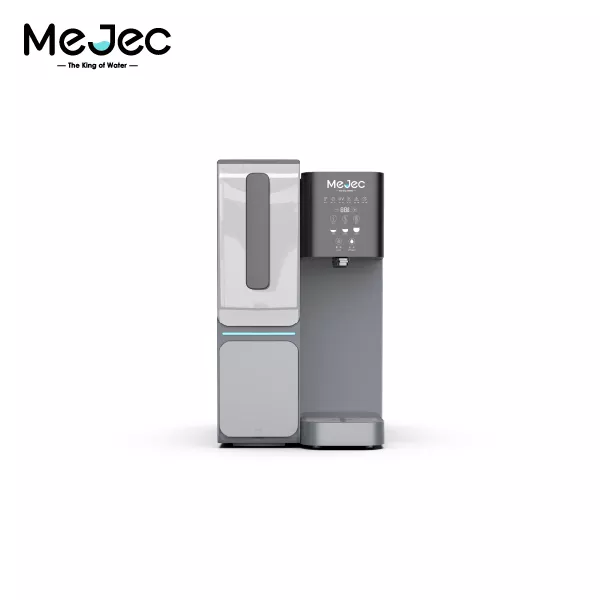
Experience instant, pure water anywhere with the M...
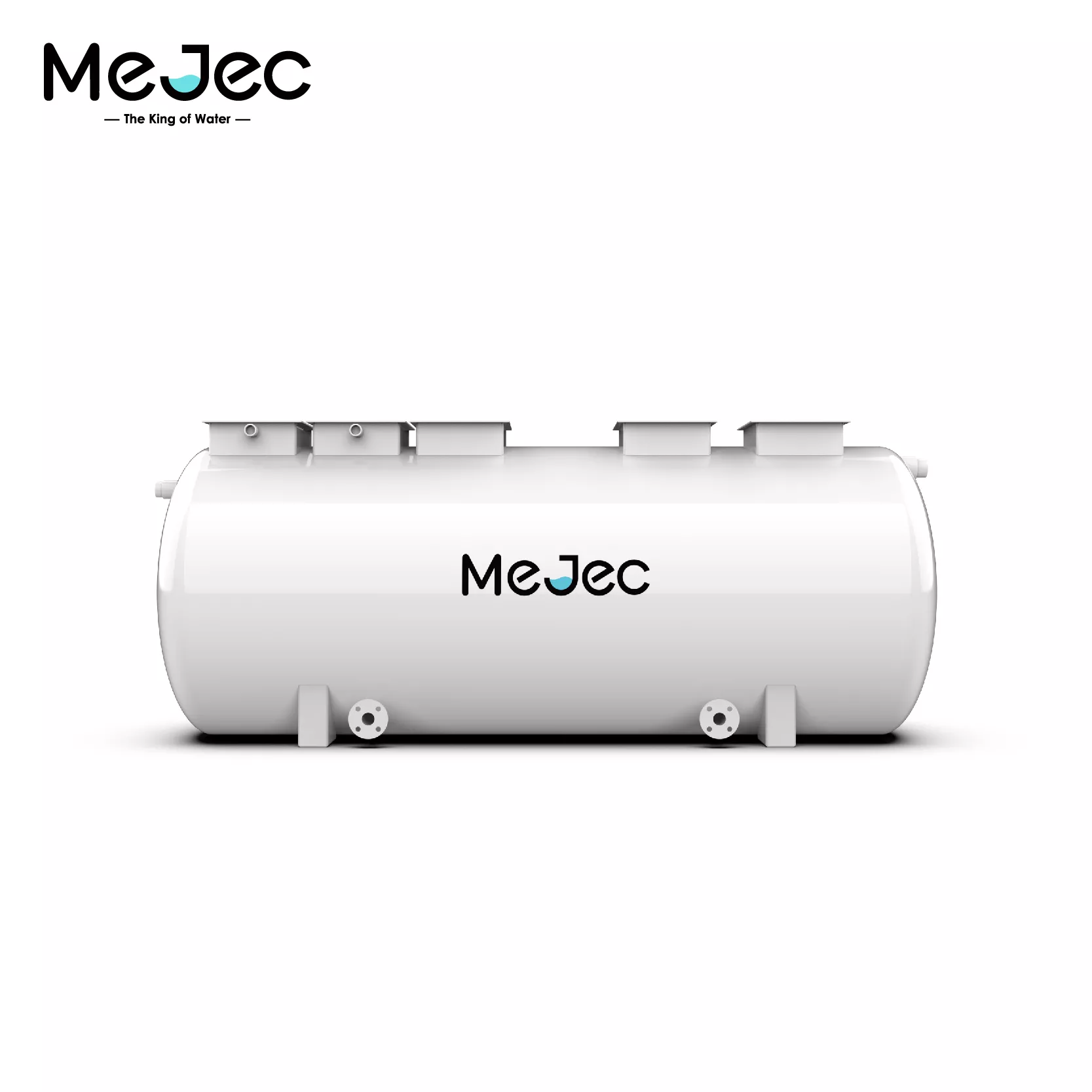
Mejec-Johkasou-SB adopts an AAO + MBBR combined bi...
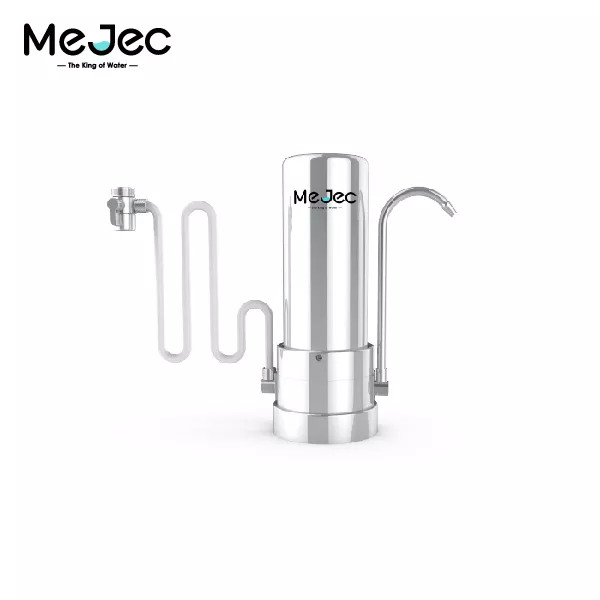
Our advanced RO filter system is engineered to rem...
Select the most popular foreign trade service products to meet your diverse needs
Select the most popular foreign trade service products to meet your diverse needs




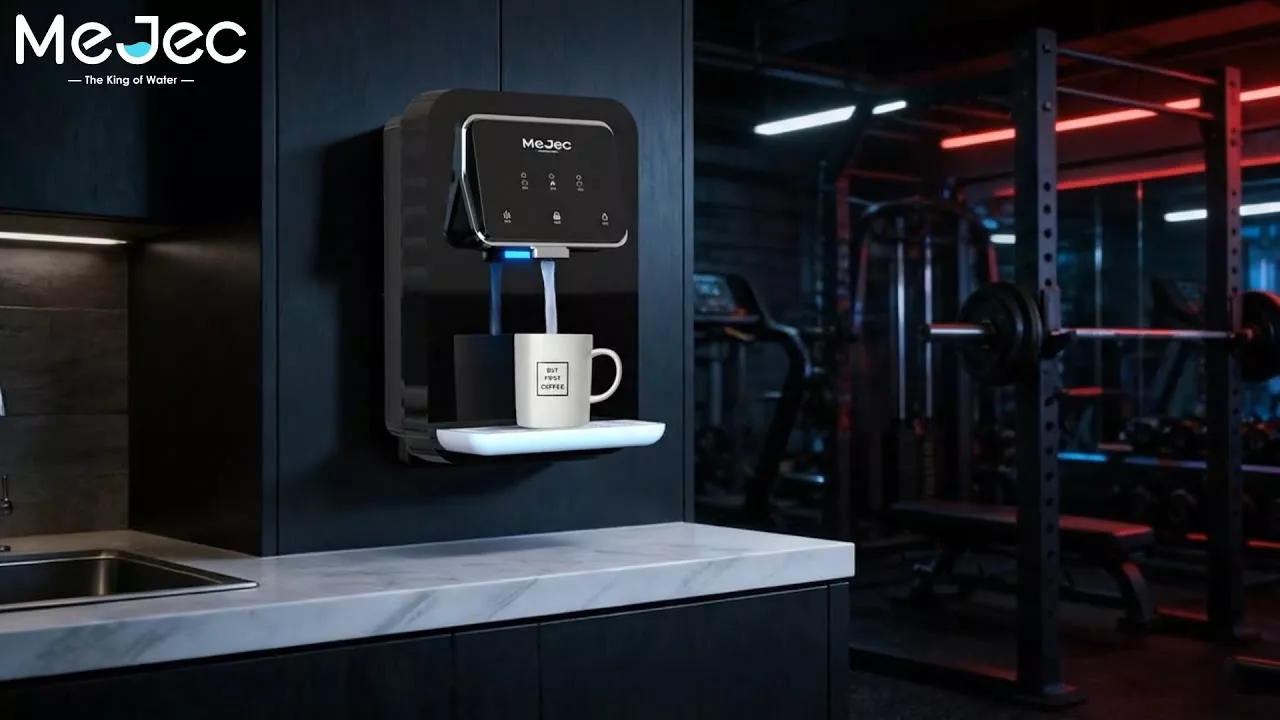


User Comments
Service Experience Sharing from Real Customers
Emily Chen
Landscape ArchitectThis solar-powered water dispenser is a game-changer for my garden! The birds love the gentle drip, and it's so easy to clean. Attracts a wonderful variety of species every day.
David Rodriguez
Biology TeacherPerfect for my school's outdoor classroom. The students enjoy observing the birds it attracts. Sturdy construction and the adjustable flow is great. One star off because the mounting bracket could be slightly sturdier for high-wind areas.
Sarah Johnson
RetireeAn absolute joy! I spend hours watching finches, robins, and sparrows visit my balcony. It's whisper-quiet, uses minimal water, and has brought so much life to my small urban space. Highly recommend for any bird lover.
Michael Park
Wildlife PhotographerAs a professional, I need reliable gear. This water dispenser provides a consistent, natural-looking water source that draws in birds for perfect photo opportunities. The matte finish prevents glare, and it's incredibly durable in all weather conditions. Fantastic product.