



Top Commercial Water Dispensers for Restaurants Reviewed in 2026
Compare the top water dispenser for restaurant mod...
More


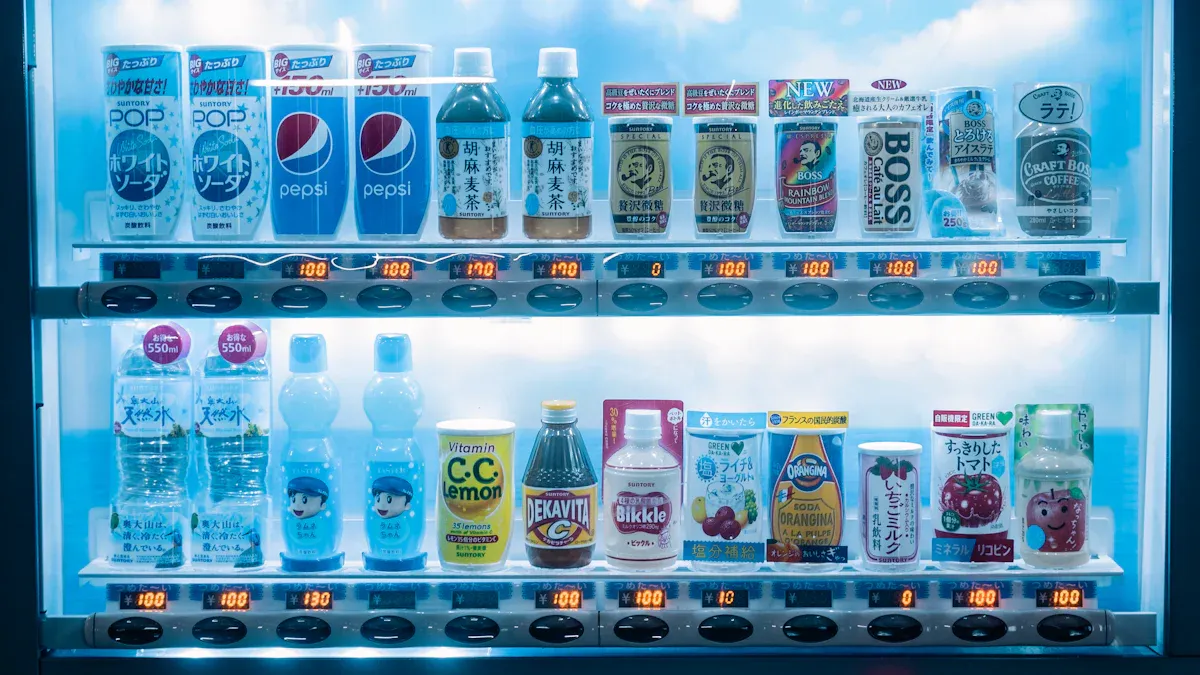
You can find the perfect water dispenser for your needs. Your choice depends on a few key things. Consider these factors:
Convenience
Long-term cost
Your water source
Tip: Thinking about these points helps you select the right model. This includes finding a great water dispenser for hot and cold to fit your lifestyle.
Top-load dispensers are cheap to buy. They need you to lift heavy water bottles.
Bottom-load dispensers are easy to use. They hide the water bottle inside.
Bottleless dispensers give endless water. They connect to your water line and save money over time.
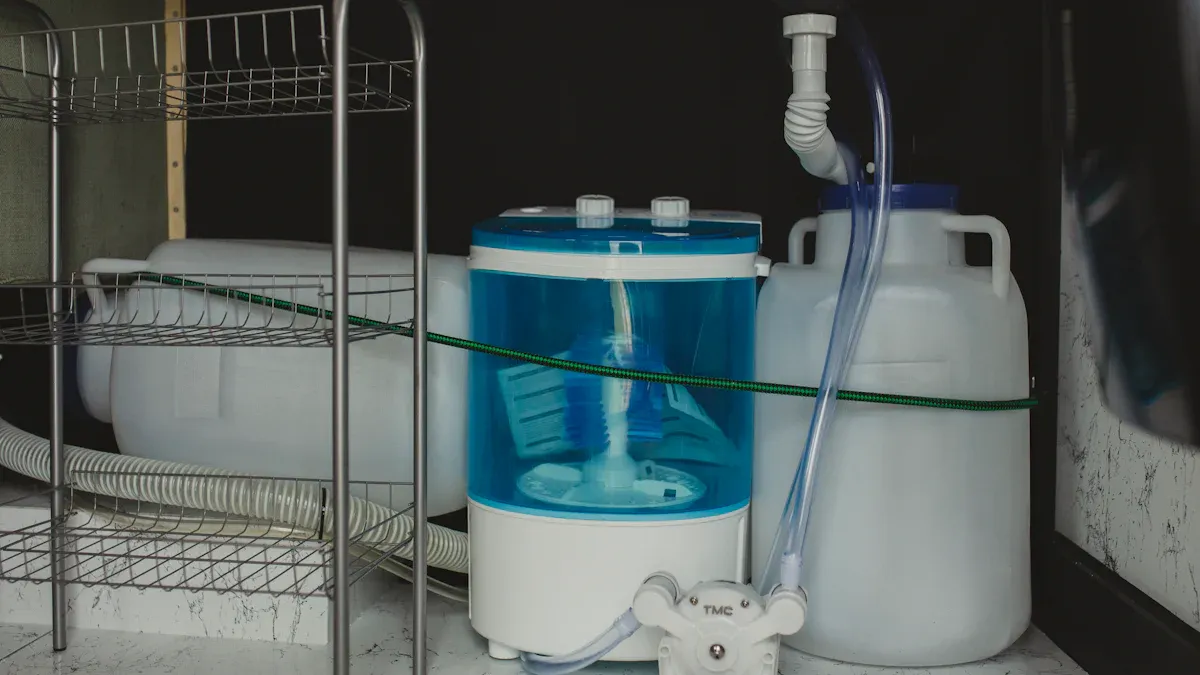
You probably picture a top-load dispenser when you think of a water cooler. This traditional model is a common sight in offices and homes for good reason. It works by placing a large water bottle upside down on top of the unit. Gravity then feeds water into the reservoirs for you to dispense. This design is simple and has been trusted for decades.
You gain several advantages with a top-load model. They are known for being very user-friendly and straightforward.
You can set them up easily without needing any plumbing.
They are often lightweight, so you can move them to almost any location.
You get pre-filtered water that often tastes fresher. Bottles typically use water purified through processes like osmosis or UV light to remove bacteria, chlorine, and other impurities.
Most models give you instant access to both hot and cold water.
The biggest challenge with a top-load dispenser is changing the bottle. A full 5-gallon water jug weighs between 42 and 45.5 pounds. Lifting and flipping this heavy bottle can be difficult and may lead to spills.
Heads Up: Lifting a 40+ pound bottle can be a real workout! This can be a major drawback if you have back problems or difficulty with heavy lifting.
Additionally, the exposed water bottle on top can look bulky. It might not fit the aesthetic of a modern kitchen or office. You also need to have enough storage space for both the full and empty bottles, which can take up valuable room.
If you want to avoid the strain of lifting heavy water jugs, a bottom-load water dispenser is an excellent upgrade. This design solves the biggest problem of top-load models. You can say goodbye to hoisting a 40+ pound bottle into the air. Instead, the water jug sits upright in a cabinet at the base of the cooler. A small pump inside the unit does the work for you, drawing water up to the spouts.
The primary benefit of a bottom-load dispenser is convenience. You no longer need to worry about spills or back strain from changing the water. This makes it a much more user-friendly option for almost everyone.
You slide the bottle into a cabinet at the base, making loading effortless.
You get a cleaner, more modern look because the water jug is hidden from view.
Many models include a child-safety lock on the hot water spout for added peace of mind.
An empty bottle indicator light tells you when it’s time for a change, so you are never caught by surprise.
Some units offer advanced self-cleaning features that use ozone to sanitize the water lines and tanks.
The added convenience of a bottom-load model comes with a few trade-offs. You will usually pay more upfront for a bottom-load dispenser. The internal pump and more complex design contribute to the higher price tag.
Heads Up: While the pump is a great feature, it is one more mechanical part that could potentially need maintenance or repair over the life of the dispenser.
This added complexity means there is a slightly higher chance of something going wrong compared to a simple, gravity-fed top-load unit.
Imagine having an endless supply of pure, filtered water without ever lifting a bottle. A bottleless water dispenser, also known as a point-of-use cooler, makes this possible. You connect this type of dispenser directly to your building’s water line. It then purifies the tap water on demand, giving you clean water whenever you want it.
You get incredible convenience and long-term value with a bottleless model. The biggest advantage is the unlimited water supply. You never have to worry about running out of water or storing heavy jugs. These systems also provide exceptionally clean water through a multi-stage filtration process.
Sediment Filter: First, it removes large particles like sand and rust.
Pre-carbon Filter: Next, it uses activated carbon to reduce chlorine and other chemicals.
Reverse Osmosis: This stage forces water through a fine membrane, removing tiny contaminants like lead and salt.
Polishing Filter: A final carbon filter improves the taste and clarity right before you drink it.
Good for the Planet: You also make a positive environmental impact. One company eliminated 10,000 plastic bottles in a single year by switching to a bottleless system.
The main drawback is the higher initial investment. Bottleless dispensers cost more upfront than their bottled counterparts. You also need a professional to install the unit.
Heads Up: Your dispenser must be placed near an existing water line. This might limit where you can put it in your home or office.
However, the installation process is usually straightforward. A technician can typically connect the unit to your water line, set up the filtration, and test the system in just a few hours. You will also need to replace the filters periodically to ensure your water quality remains high.
Choosing the right water dispenser means looking closely at how each type fits your budget, lifestyle, and space. You can weigh the key differences to find your perfect match.
Your budget plays a big role in this decision. You will find that costs vary significantly between the initial purchase and the ongoing expenses.
Top-load and bottom-load dispensers have a lower upfront cost. However, you must factor in the continuous expense of buying water bottles. The price of water delivery adds up over time.
A typical delivery service might charge you around $7.75 per 5-gallon bottle.
You could save a little by picking it up yourself for about $5 per bottle.
You also often need to pay a refundable $10 deposit for each bottle.
Bottleless dispensers require a higher initial investment for the unit and professional installation. After that, your only recurring cost is for replacement filters. Over several years, a bottleless system often becomes the more economical choice.
The 5-Year Outlook: A long-term cost comparison shows a clear trend. You can see how the total expense for a bottled cooler can surpass that of a bottleless system over five years.
| Cost Type | Bottled Cooler | Bottleless System |
|---|---|---|
| 5-Year Total | $1,600 – $3,200 | $650 – $2,300 |
Your daily interaction with the dispenser is a crucial factor. Each model offers a different level of convenience.
Top-Load: You will find this model requires the most physical effort. You must lift and flip a 40+ pound water jug to replace it. This can be difficult and may lead to spills.
Bottom-Load: You get a major convenience upgrade here. You simply slide the water jug into a bottom cabinet. This design eliminates heavy lifting and makes bottle changes easy for almost anyone.
Bottleless: This is the most convenient option. You get an unlimited supply of water with no bottles to change, order, or store. It is a true "set it and forget it" solution.
You must keep your water dispenser clean to ensure your water is safe and tastes fresh. Maintenance needs differ by type.
Bottled dispensers require regular, thorough cleaning to prevent bacterial growth in the reservoir. You should perform a deep clean every 3 to 6 months.
Cleaning Your Bottled Dispenser: Follow these steps to keep your unit sanitary.
Unplug the unit and remove the water bottle.
Prepare a cleaning solution of either one part vinegar to three parts water or one tablespoon of bleach per gallon of water.
Fill the reservoir with your solution and scrub the interior with a soft brush.
Let the solution sit for about 10 minutes, then drain it through the spigots.
Rinse the system by filling it with fresh water and draining it at least twice.
Wash all removable parts, like the drip tray and nozzles, with warm, soapy water before reassembling.
Bottleless dispensers, on the other hand, require less frequent hands-on cleaning. Your main task is replacing the filters every 6 to 12 months. You can do this yourself in a few simple steps.
First, turn off the water supply to the unit.
Next, release the pressure by opening a faucet.
Then, you can unscrew the old filters and put the new ones in.
Finally, turn the water back on and flush the system for a few minutes before use.
A water dispenser becomes a part of your room's decor. You should consider how it will look and how much space it will occupy.
Top-load dispensers have the largest footprint. The exposed bottle on top can look bulky, and you also need a separate area to store your full and empty water jugs.
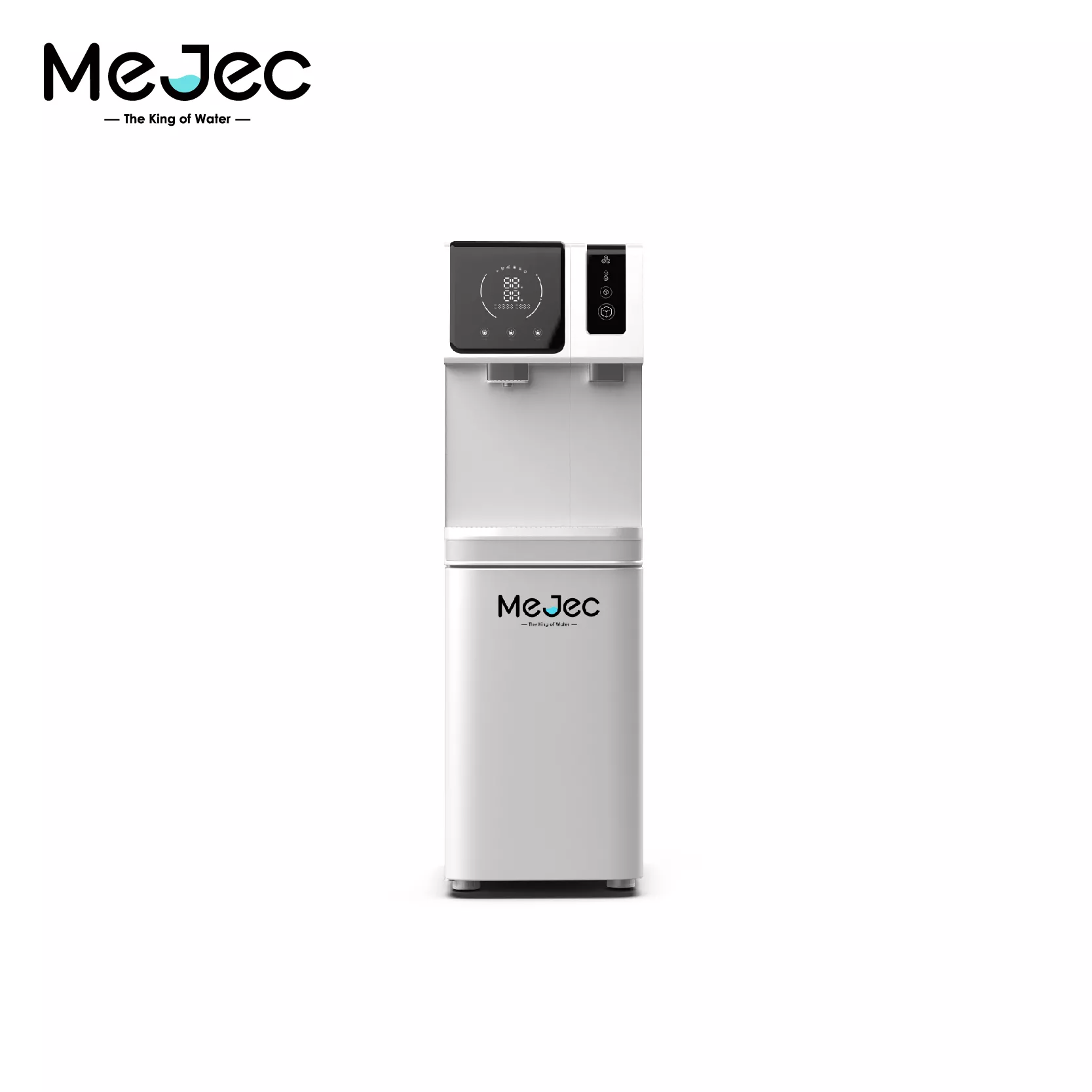
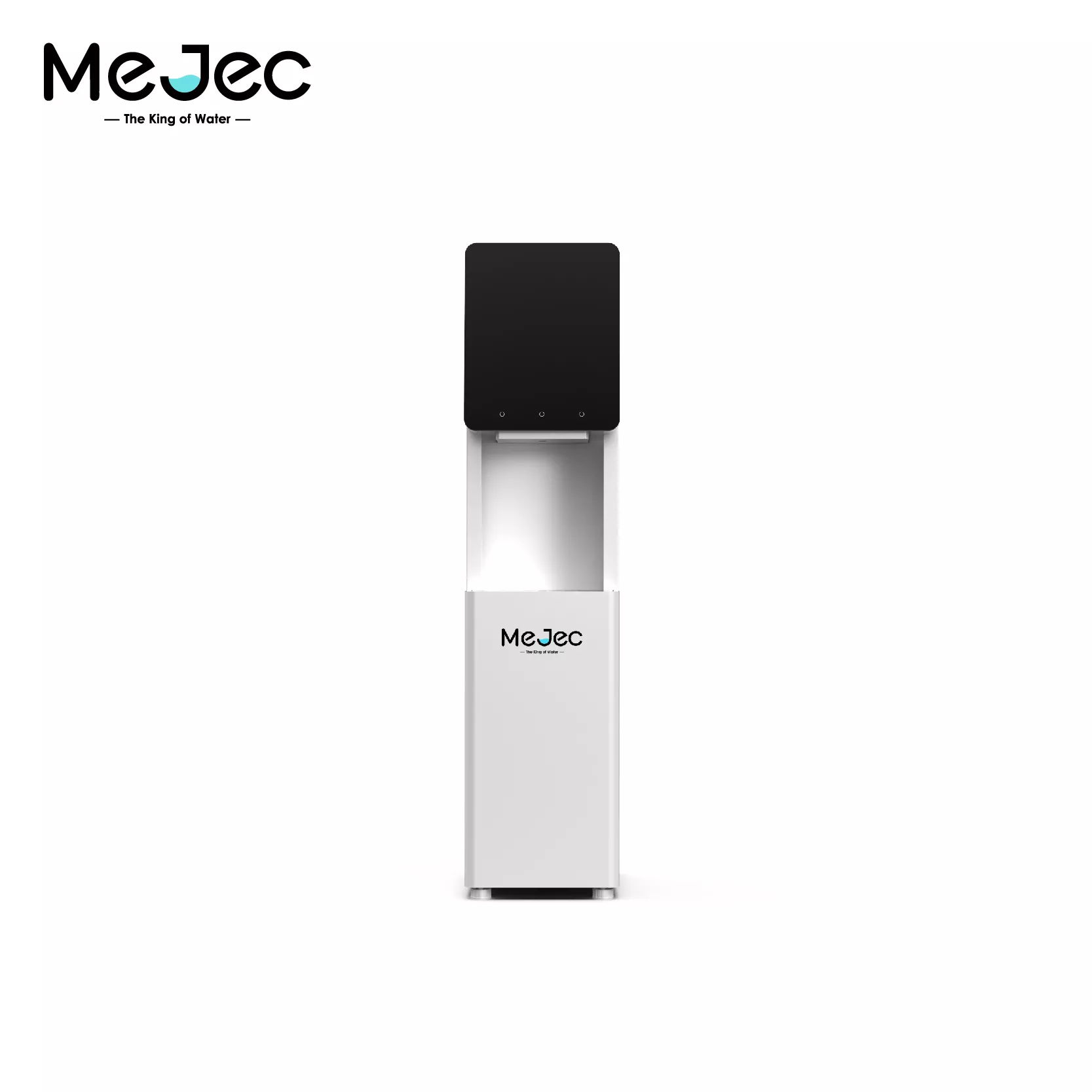
Bottom-load dispensers offer a much cleaner look. The water bottle is hidden inside a sleek cabinet, helping the unit blend into your space more easily.
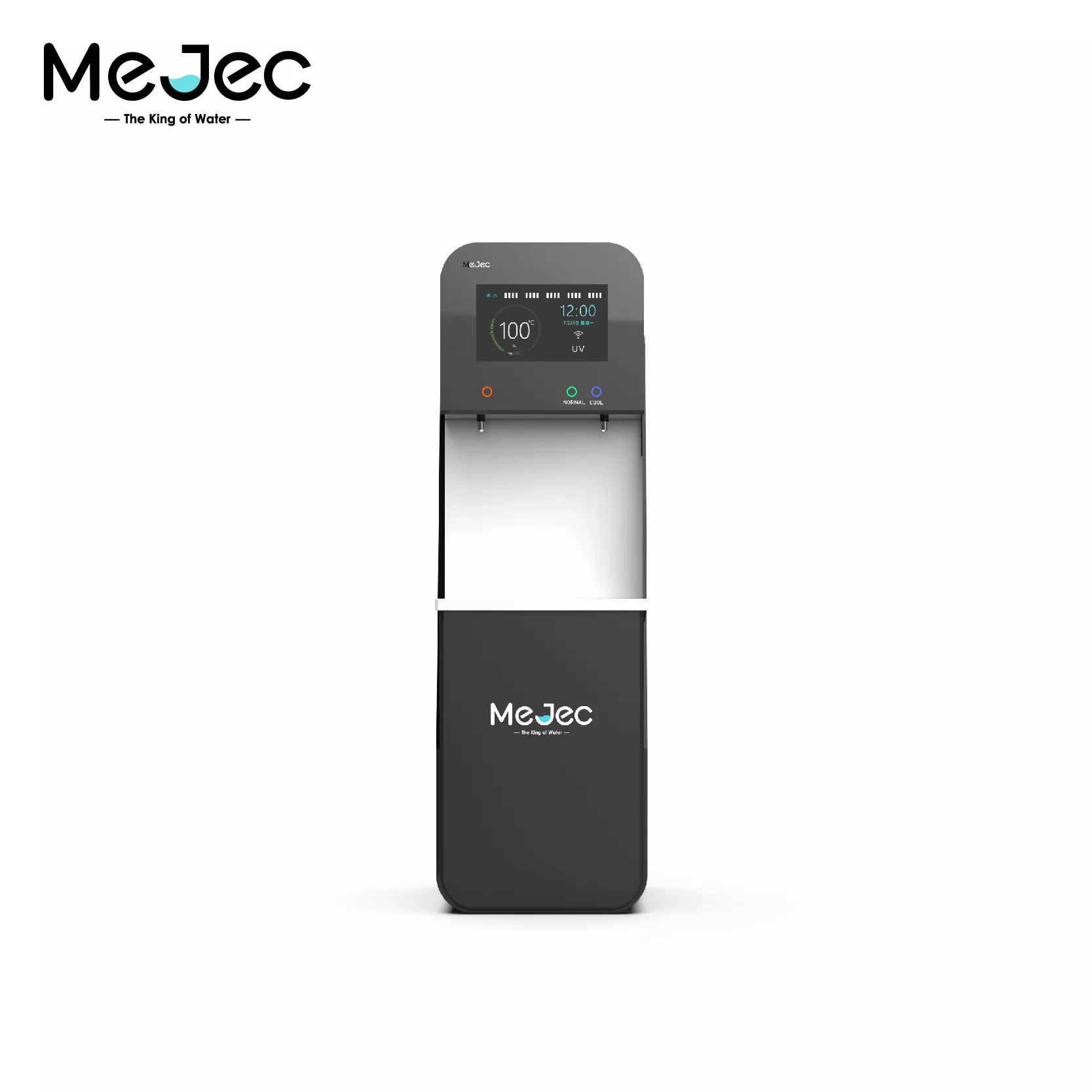
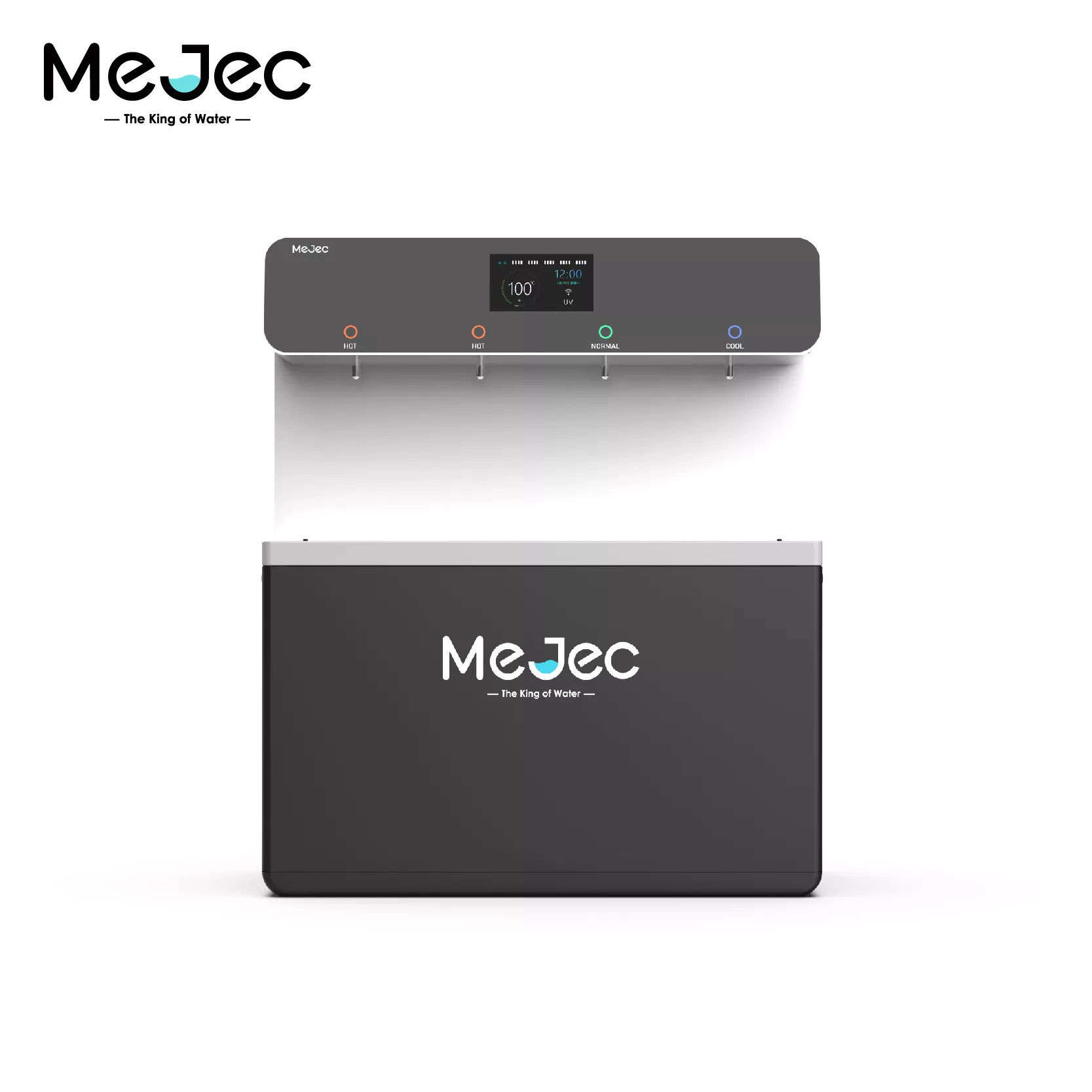
Bottleless dispensers are often the most stylish. They come in a wide range of modern designs to match your kitchen or office. You can find units with minimalist aesthetics, like a matte black finish, or even vibrant colors. Many high-end models use durable materials like 304 stainless steel to create a premium look that complements contemporary decor. Because there are no bottles to store, they are also the most space-efficient option.
Nearly all modern water dispensers offer more than just room-temperature water. You can enjoy instant access to both steaming hot and refreshingly cold water. This feature is a standard convenience across top-load, bottom-load, and bottleless models. A good water dispenser for hot and cold can simplify your daily routine.
You can find a water dispenser for hot and cold to fit any need. The hot water function is perfect for making a quick cup of tea, coffee, or instant soup. The cold water is chilled and ready for you to drink on a warm day.
Most units provide a consistent temperature range. You can typically expect:
Hot water temperatures between 160°F and 200°F (71°C to 93°C).
Cold water that is perfectly chilled for drinking.
Safety First! 🔔 Many dispensers include a child-safety lock on the hot water tap. This feature gives you extra peace of mind in a home with small children.
Heating and cooling water uses electricity. You should think about the energy costs of running a water dispenser for hot and cold. The good news is that manufacturers have made great strides in efficiency.
You can find Energy Star certified models in every category. This includes bottom-load, bottleless, and traditional bottled water coolers. Choosing an Energy Star rated unit helps you lower your electricity bill without sacrificing performance. Some advanced models even have an energy-saving mode that reduces power use during off-hours.
You can find the perfect water dispenser for hot and cold. The market is growing, offering great options. Make your choice based on your top priority.
Top-Load: Choose this if your main goal is the lowest initial cost.
Bottom-Load: Opt for this for a blend of convenience and style.
Bottleless: Go with this for an unlimited, eco-friendly supply, a trend many businesses now follow for long-term savings.
You should clean bottled dispensers every 3 to 6 months to prevent bacteria. Bottleless models need less cleaning. You just replace the filters every 6 to 12 months.
Yes, you can use most standard 3-gallon or 5-gallon water jugs. Most dispensers are designed to fit these universal bottle sizes, giving you flexibility with your water supplier.
Yes, you need a professional to connect the unit to your water line. This ensures a secure, leak-free setup and proper function of the filtration system.

We provide you with comprehensive foreign trade solutions to help enterprises achieve global development
.webp)
Mejec containerized seawater desalination system i...
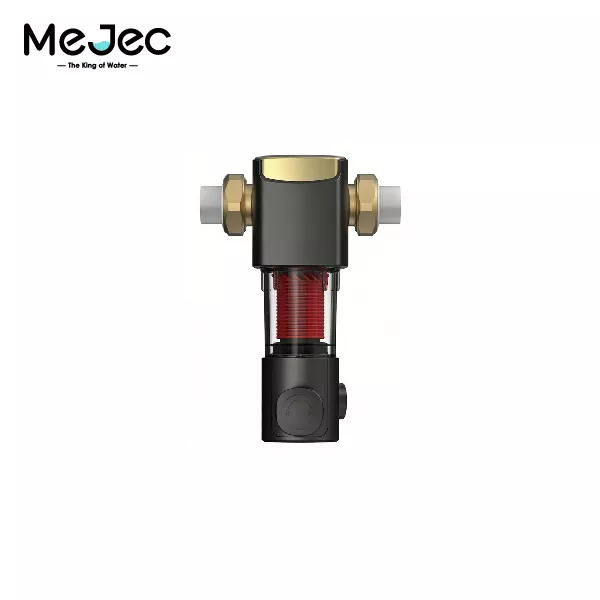
The Dual-Core 360° Pre-Filter protects your entire...

Whether your venue is a specialty café in pursuit ...
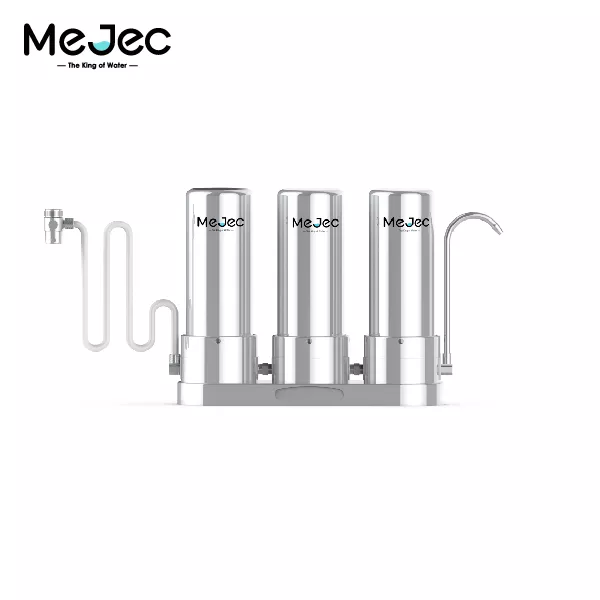
Experience laboratory-grade purity on your counter...
Select the most popular foreign trade service products to meet your diverse needs
Select the most popular foreign trade service products to meet your diverse needs





User Comments
Service Experience Sharing from Real Customers
James Wilson
Office ManagerThis water dispenser is a game-changer for our office. The hot water is perfect for instant coffee and tea, and the cold water is refreshingly chilled. It's quiet, energy-efficient, and has eliminated our need for plastic water bottles. Highly recommended for any workplace.
Sarah Chen
TeacherAs a teacher, I'm constantly on the go. Having instant access to both piping hot water for my tea and cold water for the students in the staff room has been fantastic. It's very easy to use and the safety lock on the hot water tap gives me peace of mind. A reliable and essential appliance.
Michael Rodriguez
Clinic AdministratorWe installed this unit in our small dental clinic waiting area. Patients and staff love the convenience. The hot water feature is great for preparing warm compresses or a quick beverage. The cold water stream is strong and clean-tasting. One star off because the initial setup instructions could be clearer, but performance is excellent.
Emily Park
ArchitectPerfect for our design studio! It has a sleek, modern look that fits our aesthetic. No more waiting for the kettle to boil or fridge water to get cold. The precise temperature control for hot water is ideal for my pour-over coffee, and my colleagues use the cold side constantly. A fantastic investment for productivity and convenience.