



.webp)


How to Choose the Right Hot Water Dispenser for Your Kitchen: A Practical Buying Guide
Hot water dispensers are increasingly adopted in residential and light commercial kitchens due to their efficiency, precision, and ease of use. Selecting the appropriate unit requires a clear understanding of usage patterns, technical specifications, and product positioning.
This guide outlines the key considerations for choosing a suitable hot water dispenser, along with an objective overview of representative brands such as Mejec, Breville, and Zojirushi.
1. Usage Requirements and Application Scenarios
The first step in product selection is defining the intended usage:
Low-frequency use (individual or small households): Basic units with smaller capacity are generally sufficient
Moderate to high-frequency use (families, shared kitchens): Medium-capacity or instant heating dispensers are more appropriate
Continuous demand environments (offices or semi-commercial settings): Systems with rapid heating or continuous output are recommended
Aligning product capacity and performance with actual demand ensures operational efficiency and cost-effectiveness.
Heating Technology and Performance
Hot water dispensers are typically categorized into three types:
Storage-based heating systems: Heat and maintain water temperature in a tank
Instant heating systems: Provide hot water on demand with minimal waiting time
Plumbed-in systems: Connected directly to a water supply for continuous operation
Among these, instant heating technology is increasingly preferred due to reduced standby energy consumption and faster response times.
3. Temperature Control and Precision
Modern hot water dispensers are expected to offer adjustable temperature settings, typically ranging from 45°C to 100°C. This feature is essential for applications such as:
Beverage preparation (e.g., tea and coffee)
Food preparation
Specialized uses requiring controlled temperatures
Higher-end models provide more precise control, improving both usability and output consistency.
4. Capacity and Form Factor
Capacity selection should be based on daily consumption and available installation space:
1–1.7L: Compact environments and individual use
2–3L: Standard household applications
3L and above: High-demand or shared environments
Countertop units remain the most widely adopted format due to their flexibility and minimal installation requirements.
5. Safety and Compliance Features
Safety remains a critical consideration. Standard features should include:
Child safety lock
Automatic shut-off mechanisms
Dry-burn and overheating protection
These features are particularly important in households with children or in shared-use environments.
6. Filtration and Water Quality Considerations
Integrated filtration systems can enhance water quality by reducing impurities and improving taste. This function is especially relevant in regions with variable water conditions and for users with higher expectations for drinking water standards.
7. Brand Positioning and Product Differentiation
Mejec
Mejec focuses on compact, application-oriented water treatment and dispensing solutions, with a strong emphasis on combining efficiency, water quality, and user-oriented design. Its countertop product line is developed to meet the evolving needs of modern kitchens where space optimization and convenience are key considerations.
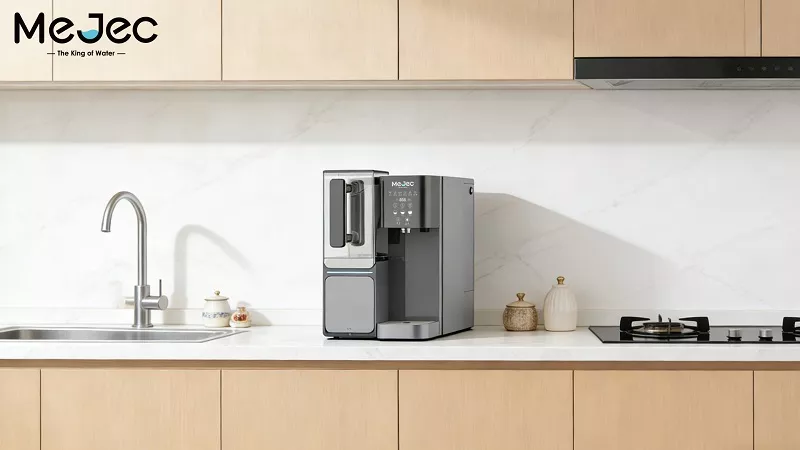
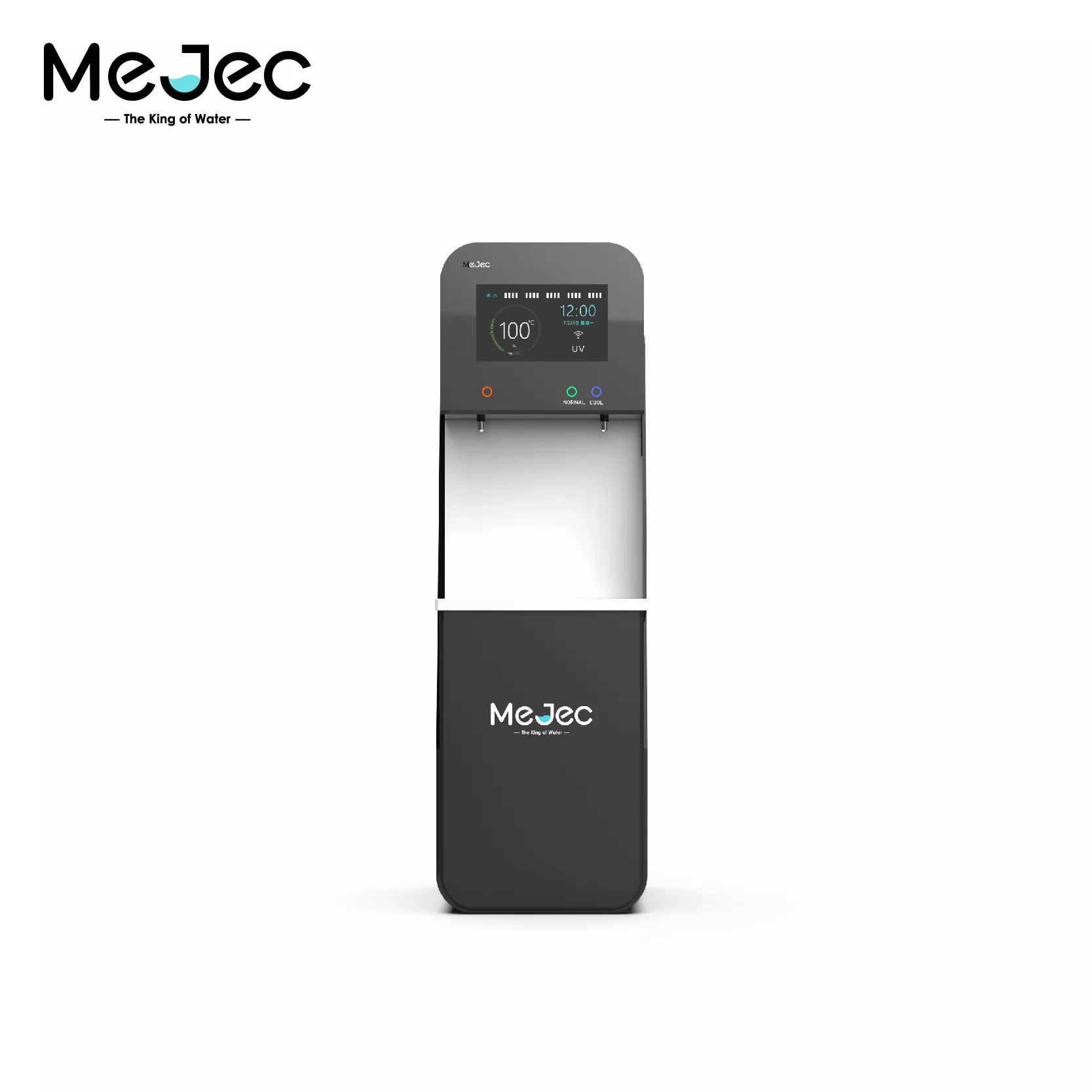
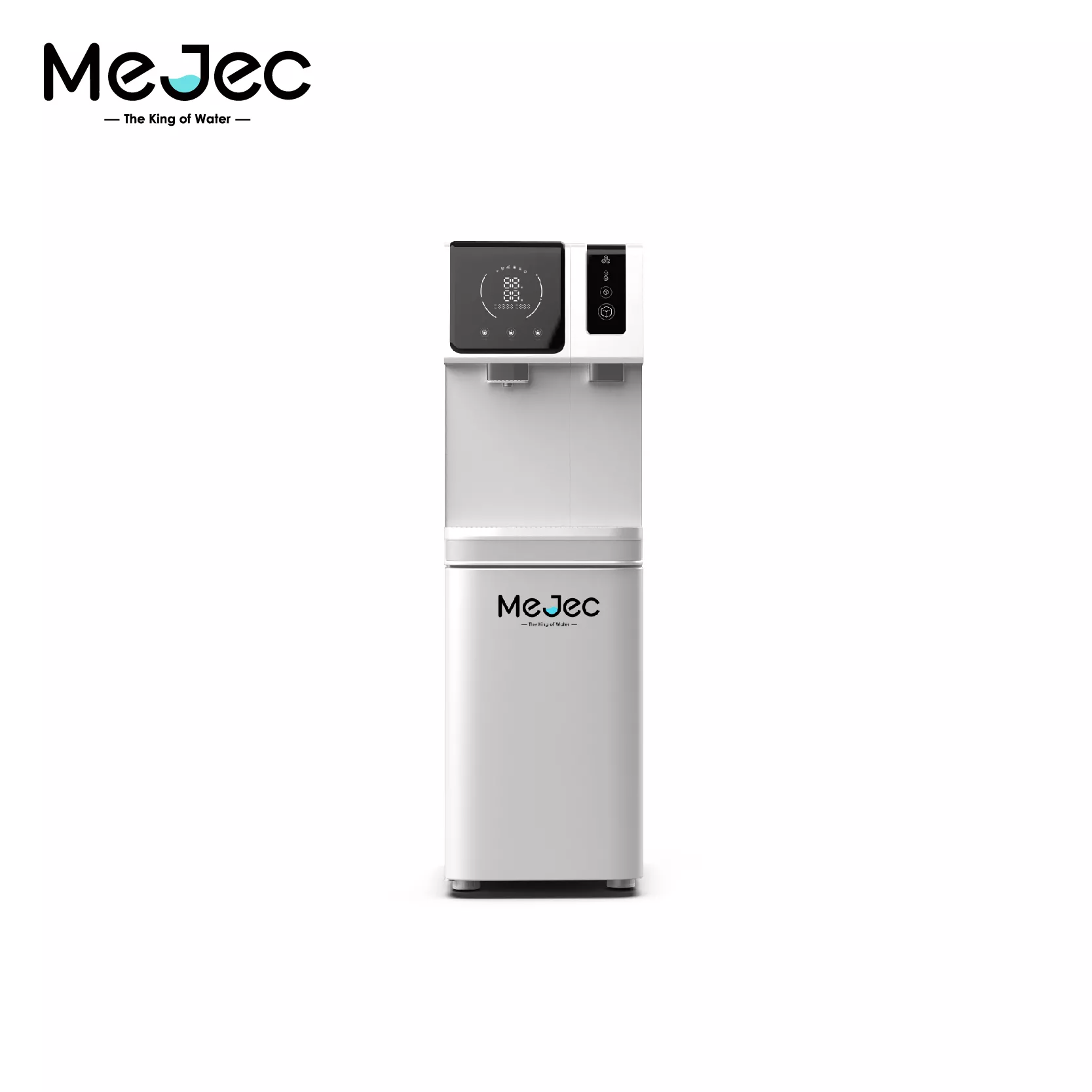
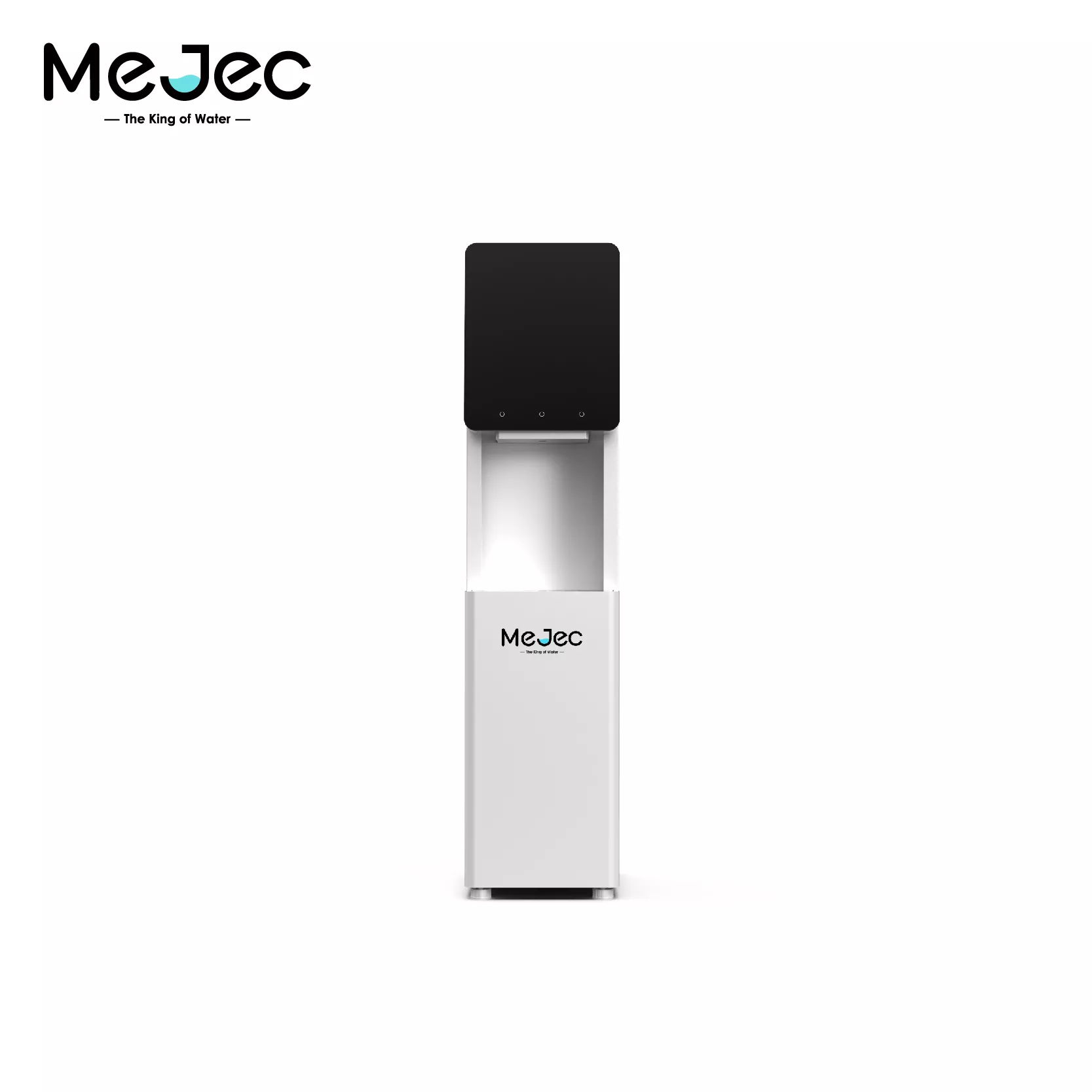
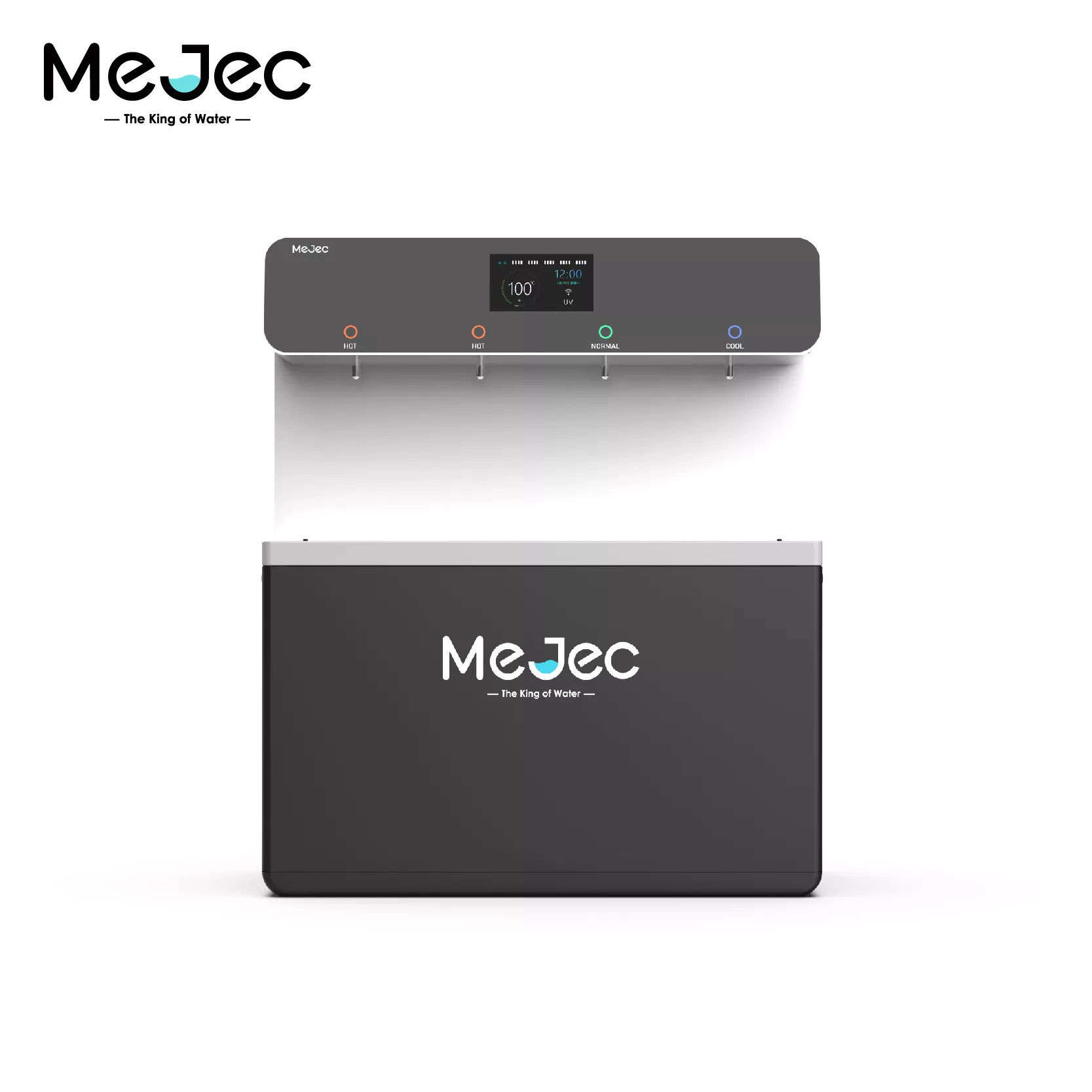
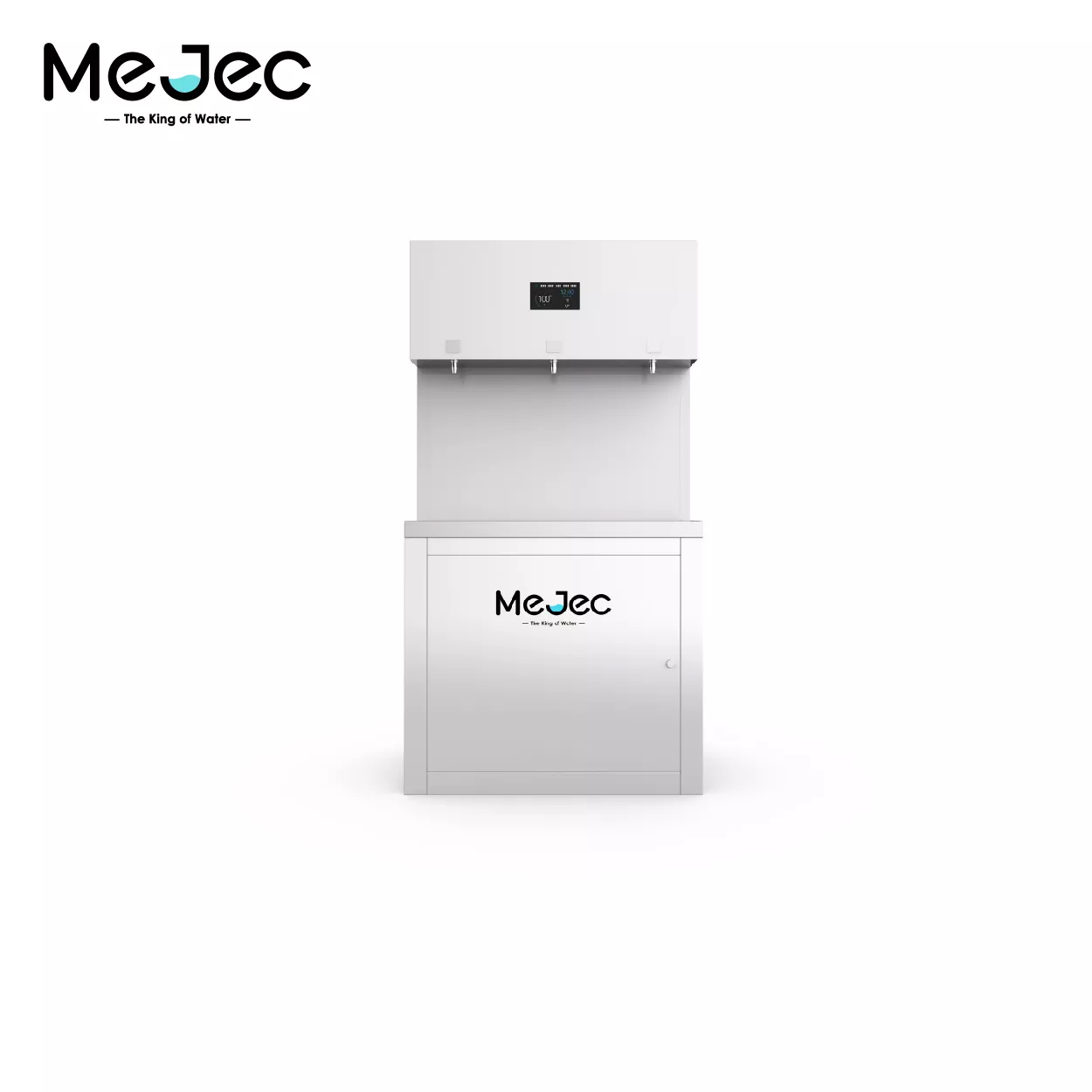
The Mejec-PS-HP countertop hot water dispenser represents this approach, offering a balanced configuration suitable for both residential and light commercial environments. Key characteristics include:
Instant heating technology: Enables rapid water delivery without prolonged waiting time, improving daily operational efficiency
Flexible temperature control: Supports multiple temperature settings for different use cases such as beverages and food preparation
Dual filtration compatibility: Designed to work with multi-stage filtration systems, helping to improve water taste and reduce impurities
Compact, space-efficient structure: Optimized for countertop placement in kitchens with limited space
User-oriented safety design: Incorporates essential protection features aligned with international appliance standards
In addition, Mejec products are positioned with a focus on cost-performance balance, making them suitable for users who require reliable functionality without entering the premium pricing segment. This positioning is particularly relevant in markets where practicality, durability, and ease of deployment are prioritized.
Breville
Breville products are positioned in the premium segment, with a focus on design, build quality, and advanced control systems. Their dispensers are often selected for high-end kitchen environments.
Zojirushi
Zojirushi is known for durable, storage-based hot water systems with strong insulation performance. These products are suitable for users prioritizing long-term reliability and heat retention.
8. Market Trends and Product Direction
The current market shows a clear shift toward countertop instant hot water dispensers, driven by:
Increased demand for energy-efficient appliances
Preference for compact, modular kitchen equipment
Growing awareness of water quality and filtration
Manufacturers such as Mejec are aligning with this trend by integrating filtration and rapid heating technologies into compact systems like the Mejec-PS-HP, further enhancing usability and product value.
Conclusion
Selecting the right hot water dispenser requires a balanced evaluation of usage needs, technical features, and product positioning.
For basic requirements, entry-level or storage-based units may suffice
For daily convenience and efficiency, instant countertop models are recommended
For higher-end applications, premium or built-in systems may be considered
Solutions such as the Mejec-PS-HP provide a practical and well-balanced option for users seeking a reliable, space-efficient, and performance-oriented hot water dispenser suitable for modern kitchen environments.