


.webp)

How to choose the best commercial water dispensers for restaurants
Find the best commercial water dispenser for your ...
More


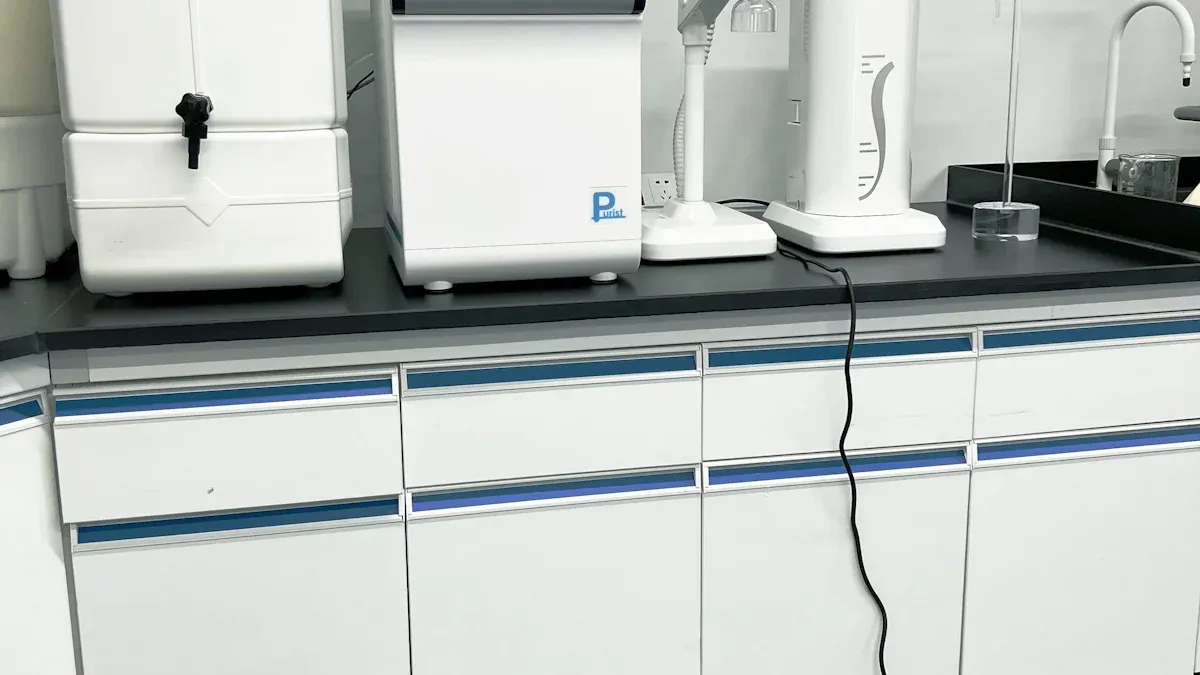
Note: For daily drinking, a water purifier is often your best choice. For specific tasks, a distiller might be necessary.
You might choose a water purifier for your daily drinking water. It removes harmful contaminants while leaving beneficial minerals that improve taste. A distilled water dispenser, however, is best for specific uses. These uses require ultra-pure, mineral-free water for devices like small appliances or medical equipment.
Water purifiers are best for daily drinking. They remove bad things but keep good minerals for taste.
Distilled water dispensers make very pure water. This water is for special uses like medical devices or small appliances.
Choose a water purifier for good taste and health. Choose a distiller for specific needs, not for daily drinking.
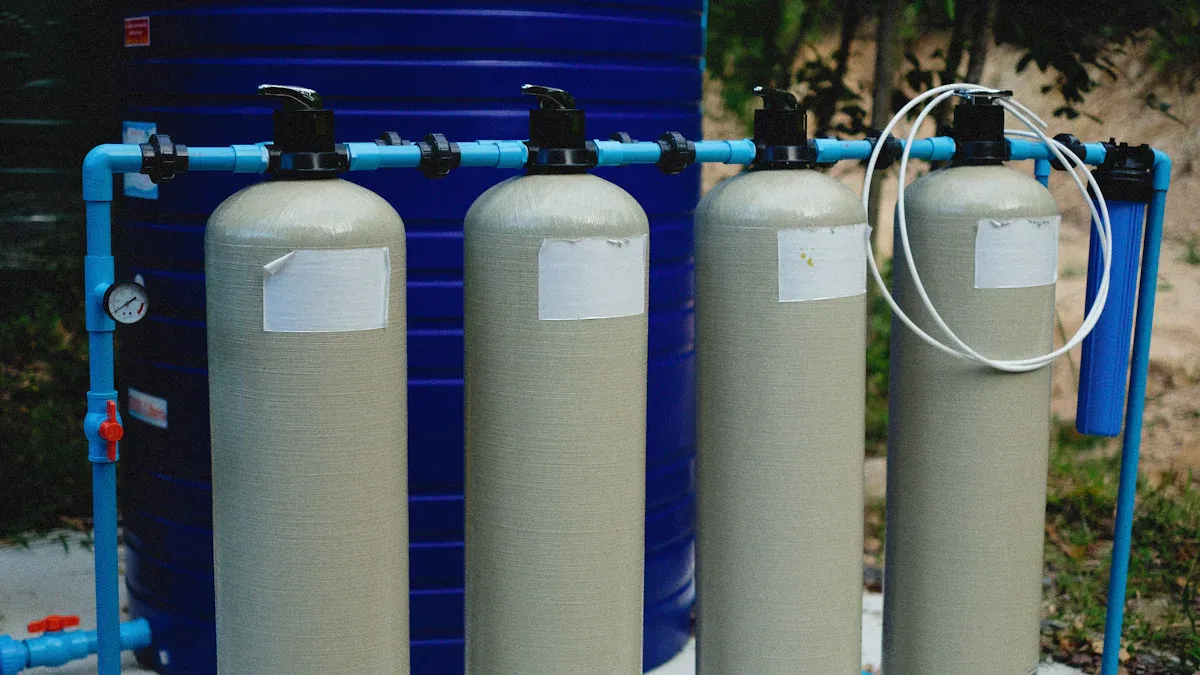
A water purifier acts like a multi-level security system for your tap water. It pushes water through several different filters. Each filter has a specific job to clean the water before you drink it. This process is fast and efficient, giving you clean water directly from your tap.
Most modern purifiers use a multi-stage process to clean your water thoroughly. You can think of it as a step-by-step cleaning journey for each drop of water.
Sediment Filter: First, your water passes through a sediment filter. This stage catches large particles like sand, dirt, and rust. It clears up the water and protects the other filters from getting clogged.
Carbon Filter: Next, the water flows through an activated carbon filter. This filter is excellent at reducing chlorine, which improves the water's taste and smell.
Reverse Osmosis (RO) Membrane: This is the core of the purification system. High pressure forces water through a very fine membrane. This membrane separates clean water molecules from tiny dissolved contaminants like lead and arsenic.
Polishing Filter: Finally, a post-carbon filter "polishes" the water. It removes any remaining tastes or odors, ensuring your water is fresh and clean.
Water purifiers are designed to target a wide range of unwanted substances. The carbon filters are especially effective at removing things that affect water quality.
These filters can significantly reduce:
Chlorine
Pesticides
Rust and sediment
Organic compounds that cause bad tastes or smells
Good to Know: 💡 While purifiers remove harmful contaminants, they are designed to leave beneficial minerals like calcium and magnesium in your water. These minerals are healthy and contribute to a better, more natural taste.
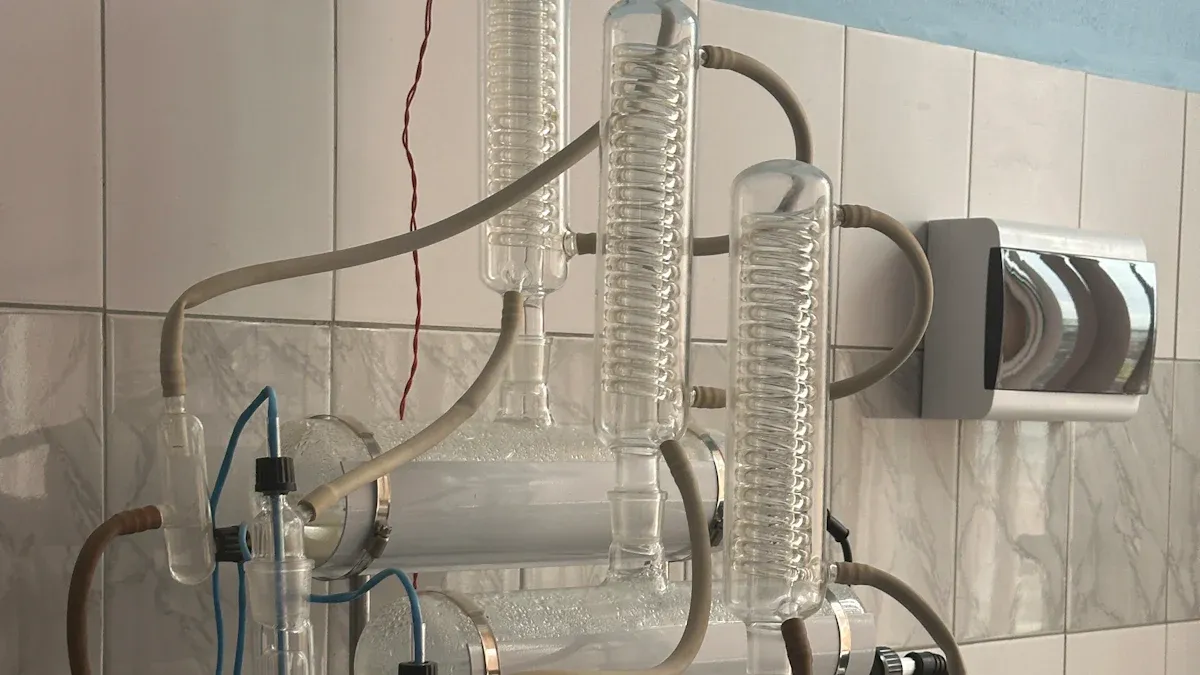
A distilled water dispenser mimics the Earth's natural water cycle: evaporation, condensation, and precipitation. You can think of it as a machine that creates tiny, clean rain clouds inside a chamber to produce ultra-pure water.
The distillation process follows a few simple steps to separate pure water from its contaminants. A distilled water dispenser automates this entire cycle for you.
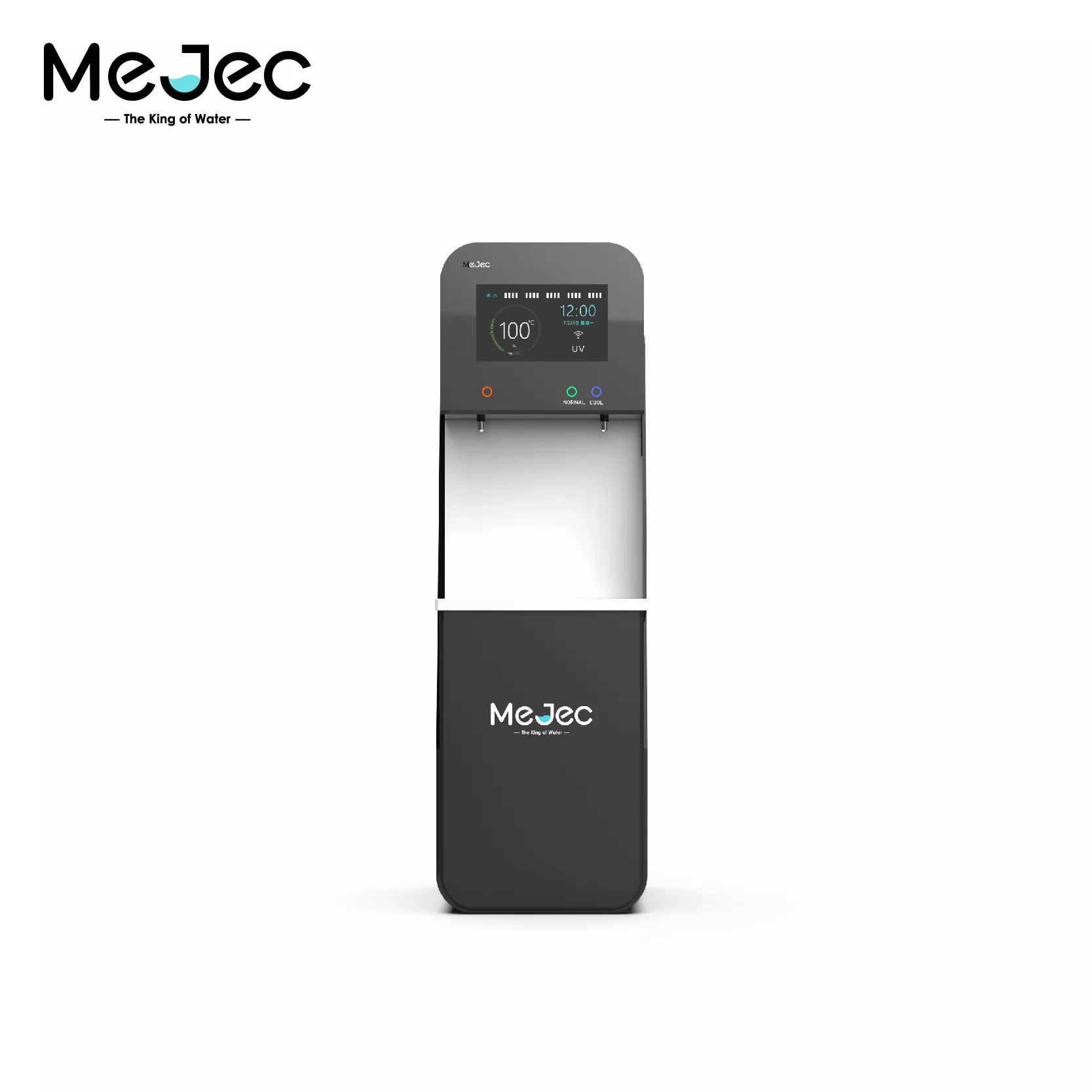
Boiling: The dispenser heats your tap water to its boiling point of 100°C (212°F). This high temperature turns the water into steam.
Separation: The steam rises, leaving behind heavy metals, minerals, and other solids that cannot evaporate.
Condensation: The steam then travels through a cooling system. This system chills the vapor, condensing it back into liquid water droplets.
Collection: Finally, the system collects these pure water droplets into a clean container, ready for you to use.
Distillation is one of the most thorough methods of water purification. It removes an extremely broad range of substances from your water. A good distilled water dispenser effectively eliminates nearly all dissolved solids.
This process removes:
Heavy metals like lead, arsenic, and mercury
Minerals such as calcium and magnesium
Certain volatile organic compounds (VOCs), including benzene and toluene
Good to Know: 💡 Because distillation removes everything, it also strips away beneficial minerals. This results in water that has a flat, empty taste compared to purified or spring water.
When you compare distilled and purified water, you are looking at two very different final products. One focuses on absolute purity, while the other balances purity with a pleasant taste. Understanding this difference helps you choose the right water for your needs.
Purity in water is often measured by its Total Dissolved Solids (TDS). This measurement tells you how many tiny particles, like minerals and salts, are left in the water. A lower TDS number means the water is purer.
Distilled Water: This is the champion of purity. Distillation removes nearly everything, so you can expect a TDS level between 0 and 7 parts per million (PPM).
Purified Water: This water is also very clean. A good purifier brings the TDS level below 10 PPM, but it intentionally leaves some beneficial minerals behind.
Distilled water offers the highest level of purity by removing all dissolved solids. Purified water removes harmful contaminants but retains some minerals.
The minerals left in purified water play a big role in its taste. Your tongue can detect these minerals, which give the water a familiar and refreshing flavor.
Key Takeaway: 💧 Minerals like calcium and magnesium have a positive influence on water's taste. Even a small amount of magnesium can make water taste better.
Distilled water, on the other hand, often tastes flat or bland. The distillation process removes these taste-contributing minerals and even the dissolved air. Without them, you get water that is just pure H₂O, which has a noticeably empty taste compared to the water you are used to drinking.
Your daily routine will feel different depending on which system you choose. Consider how speed, energy use, and cleaning fit into your lifestyle.
A water purifier gives you clean water almost instantly. When you turn on the faucet, water flows through the filters and is ready to drink. Many countertop reverse osmosis systems deliver between 0.3 and 0.75 gallons of fresh water per minute. This on-demand access is perfect for filling a glass or a cooking pot without waiting.
A water distiller works much more slowly. You must wait for it to complete a full cycle. Most home distillers take between 3 to 6 hours to produce just one gallon of water. You have to plan ahead to make sure you have enough distilled water when you need it.
Water purifiers are very energy-efficient. Many systems use your home's water pressure to push water through the filters, requiring no electricity at all. Even reverse osmosis systems that use an electric pump are designed for low power consumption.
Distillers, however, use a significant amount of electricity. The machine must boil water for hours to create steam.
A typical countertop distiller consumes around 3 kilowatt-hours (kWh) of electricity to produce a single gallon of water.
This can have a noticeable impact on your monthly energy bill if you use it frequently.
You will need to perform regular maintenance on both systems to keep them working well. For a water purifier, this means changing the filters. Some modern systems make this easy, requiring a filter change only once a year. Other systems have a more detailed schedule.
| Filter Type | When to Replace |
|---|---|
| Pre-Filter/Carbon | Every 12 months |
| RO Membrane | Every 24 months |
A water distiller requires more hands-on cleaning. You must regularly remove the mineral scale that builds up inside the boiling chamber.
First, you unplug the unit and let it cool.
Next, you soak the boiling chamber in a vinegar or descaling solution for several hours.
Then, you gently scrub the inside to remove the loosened scale.
Finally, you rinse the chamber thoroughly before using it again.
Making the right choice depends entirely on how you plan to use your water. You need to think about your daily habits, health needs, and household chores. This guide will help you decide which system fits your lifestyle.
A water purifier is the ideal solution for most households. It focuses on providing safe, healthy, and great-tasting water for everyday use.
You should choose a water purifier if:
You want better-tasting drinking water. Purifiers excel at removing chlorine and other substances that cause bad tastes and smells. They leave behind healthy minerals that give water a refreshing, natural flavor.
Your main goal is safe water for your family. Modern purifiers are certified to remove dangerous contaminants. Look for systems with NSF/ANSI 53 certification, which ensures the reduction of health-related contaminants like lead.
You need a cost-effective, long-term solution. While there is an initial purchase price, the yearly running costs for a purifier are quite manageable. Maintenance mainly involves simple filter changes.
Typical Annual Costs for a Water Purifier
Cost Category Annual Cost Range Filter Replacements $50–$150 Energy Costs $10–$20 Annual Maintenance $100–$200
You want water for cooking and for your pets. The minerals in purified water are not only good for you but also beneficial for your pets. Using it for cooking can even improve the taste of your food.
A water distiller is a specialized tool for creating ultra-pure water. It is not the best choice for general drinking but is essential for specific tasks.
You should choose a water distiller if:
You use certain medical devices. Many home medical devices require sterile, mineral-free water to function safely. Using tap water can introduce harmful microorganisms. Your doctor will strongly recommend distilled water for:
CPAP machines
Home humidifiers
Neti pots for sinus rinsing
You want to protect your small appliances. A countertop distilled water dispenser produces water that prevents mineral buildup, also known as limescale. This extends the life of your appliances. Using distilled water helps you:
Prevent mineral buildup in steam irons and garment steamers.
Avoid stains on clothes from iron deposits.
Extend the lifespan of your appliances.
Eliminate unpleasant odors caused by heating chlorinated water.
You have a specific health need requiring mineral-free water. Some people may need to drink distilled water for short periods under a doctor's guidance. However, you should be aware of the potential risks.
A Word of Caution from the World Health Organization (WHO) ⚠️
The WHO warns that long-term consumption of demineralized water may increase health risks. The lack of essential minerals like calcium and magnesium has been linked to a higher risk of heart disease and bone health issues.
You are prepared for the investment and maintenance. A quality countertop distiller can cost over $650. It also requires more electricity and regular cleaning to remove the mineral scale left behind in the boiling chamber.
For great-tasting, healthy water for drinking and cooking, a water purifier is your most practical solution. A distilled water dispenser is necessary for specialized needs, such as in medical applications or for protecting appliances. Ultimately, your specific daily use case determines the best system for you.
No, you should only use distilled water for CPAP machines. Purified water contains minerals. These minerals can damage your device and may introduce harmful microorganisms into your lungs.
You should ask your doctor before drinking it daily. Long-term use is not recommended. It lacks essential minerals like calcium and magnesium, which your body needs.
A water purifier is much cheaper to operate. It uses very little electricity. A distiller, however, consumes significant energy to boil water, which increases your monthly power bill.

We provide you with comprehensive foreign trade solutions to help enterprises achieve global development
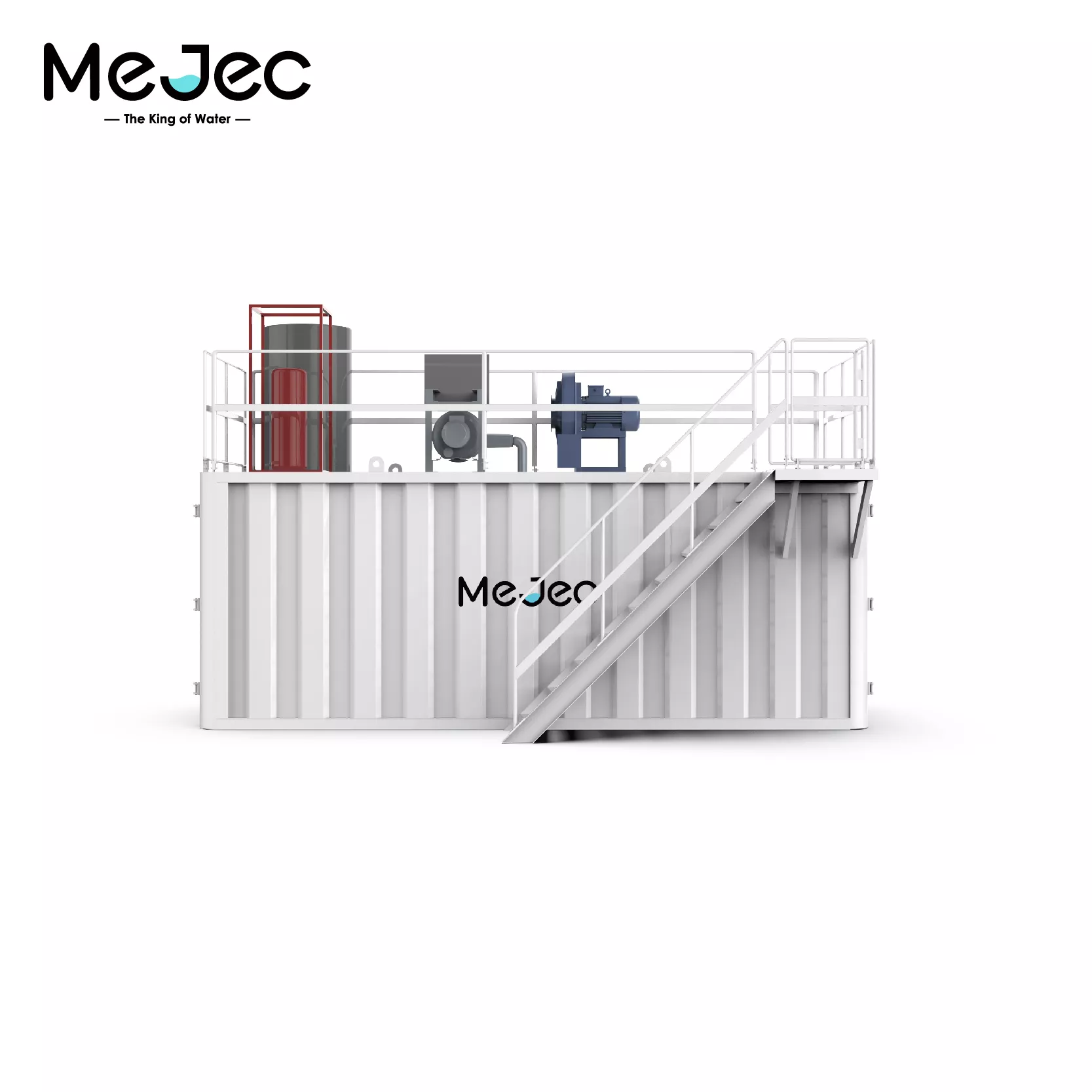
Mejec Containerized MABR Equipment is an innovativ...

Choose Mejec and say goodbye to manual maintenance...
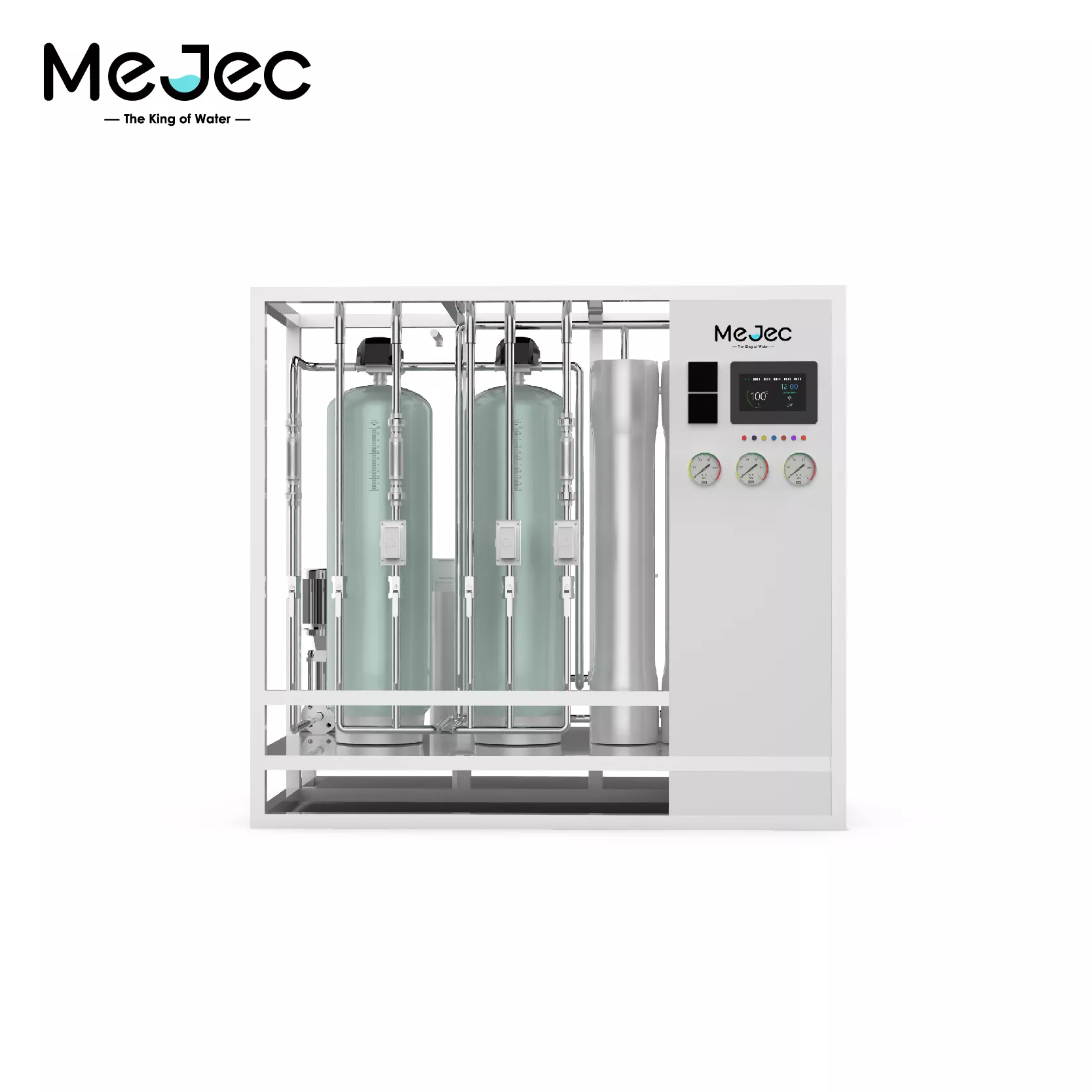
The Mejec industrial water purifier and dedicated ...
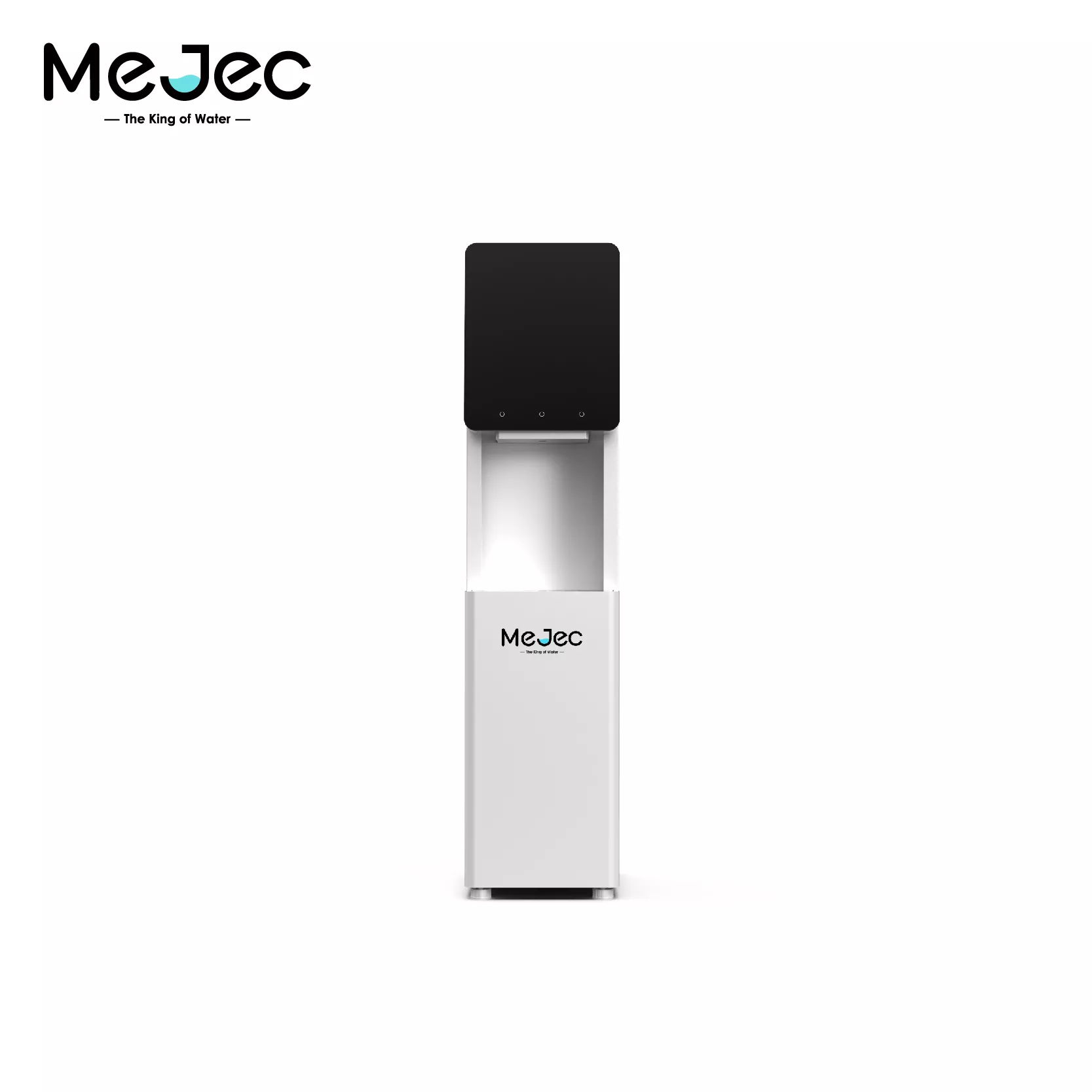
The Mejec commercial drinking machine features a l...
Select the most popular foreign trade service products to meet your diverse needs
Select the most popular foreign trade service products to meet your diverse needs







User Comments
Service Experience Sharing from Real Customers
James Wilson
Laboratory TechnicianThis distilled water dispenser is a game-changer for our lab. It delivers consistent, high-purity water on demand, eliminating the need for bulky storage jugs. The built-in TDS meter gives us peace of mind about water quality. Highly reliable and a crucial piece of equipment.
Sarah Chen
Dental HygienistPerfect for our dental clinic! The quiet operation doesn't disturb patients, and the water purity is essential for our autoclaves and instruments. The compact design fits perfectly in our sterilization room. It's been running flawlessly for months with minimal maintenance.
Michael Rodriguez
Automotive DetailerWe use this to fill our battery top-up systems and for final rinses on premium details. The water is spot-free, which is critical for our work. The dispenser is sturdy and handles daily use in the shop well. One star off only because the initial setup instructions could be clearer.
Emily Watson
Photography Studio ManagerAn absolute must-have for our film processing and equipment cleaning. The consistent supply of pure distilled water protects our delicate lenses and ensures perfect chemical mixes for darkroom work. The unit is efficient and has significantly reduced our operational costs. Excellent investment.