


.webp)
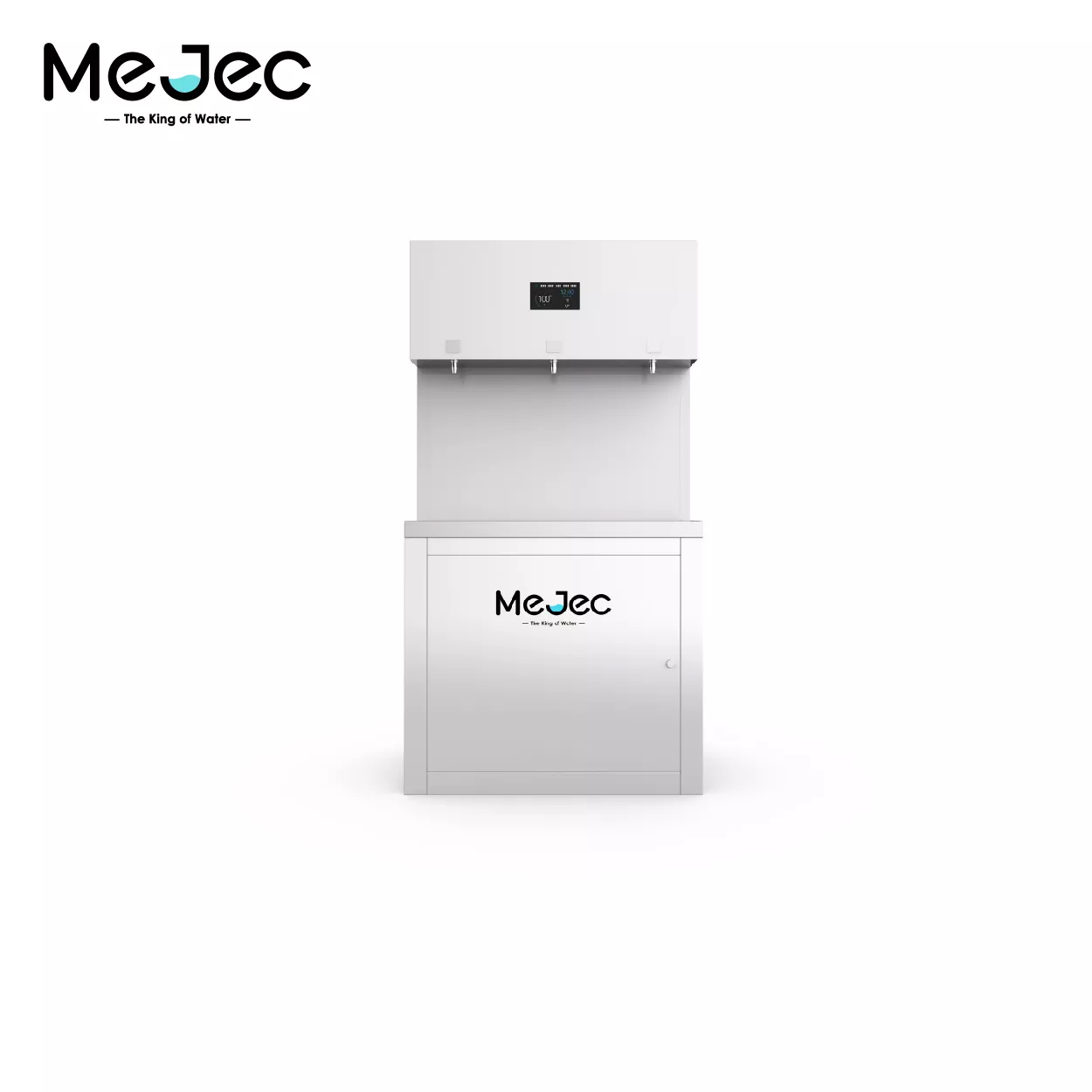
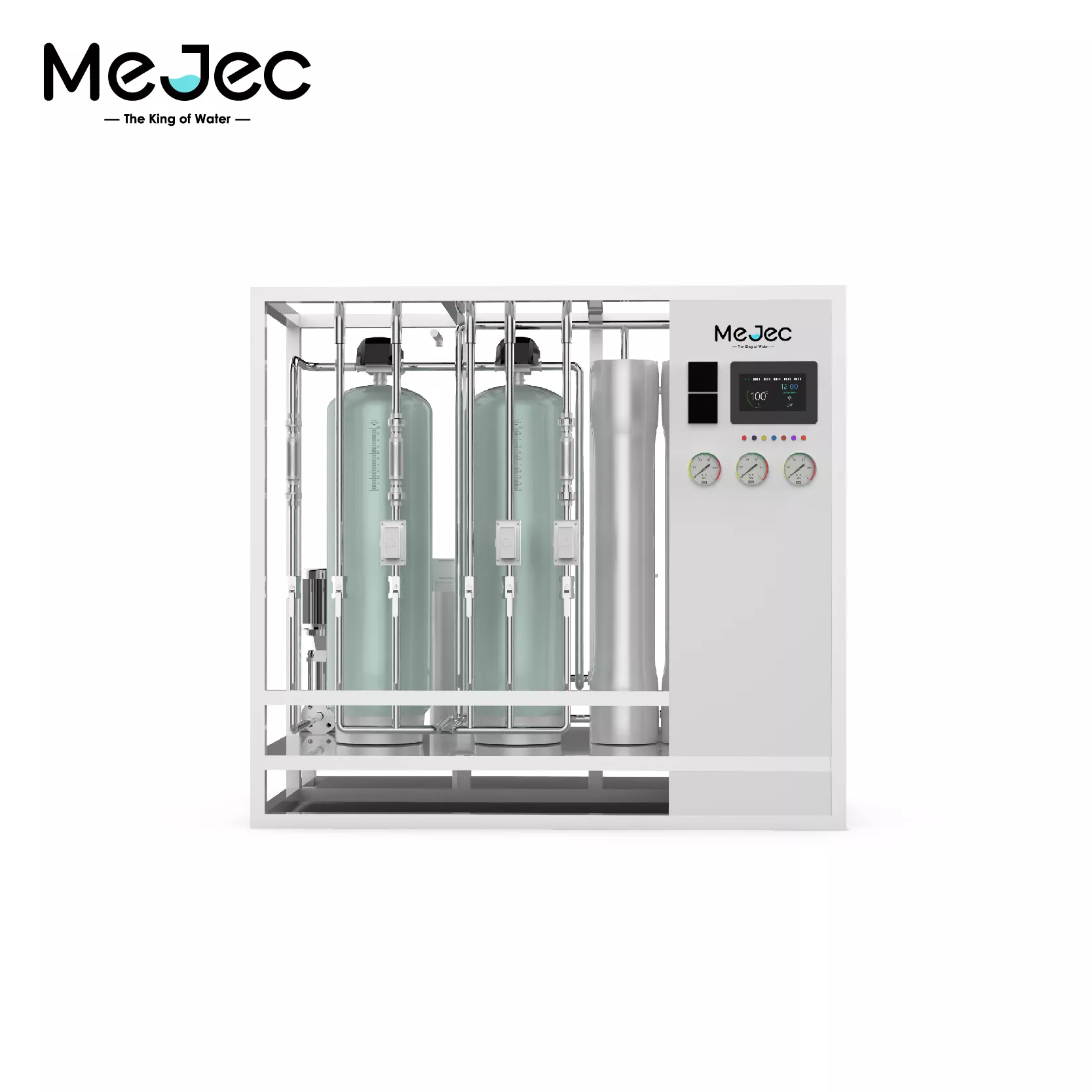


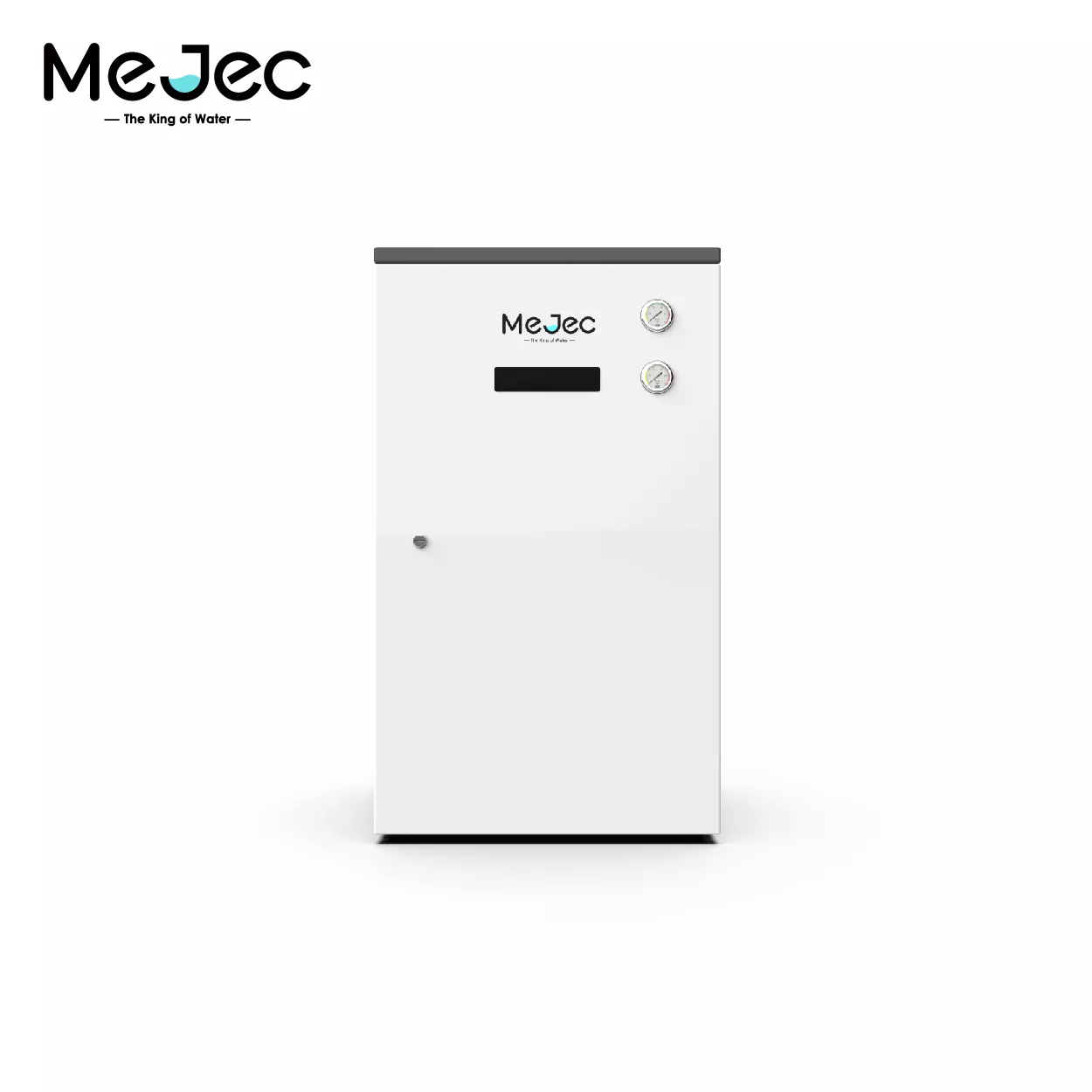
How to choose the best commercial water dispensers for restaurants
Find the best commercial water dispenser for your ...
More


Choosing the right unit requires you to answer some important questions. Your answers will help you find the perfect free standing water dispenser for your team.
Consider these key points:
What dispenser type fits your office?
Which water filtration level do you need?
How much capacity does your team require?
What are your must-have water options and safety features?
Choose between bottled or point-of-use (POU) dispensers. POU systems connect to your water line and save money over time.
Check your local water quality. Pick a dispenser with the right filters, like carbon or reverse osmosis, to remove bad stuff.
Think about how much water your team drinks. Also, decide if you need hot, cold, or sparkling water options.
You need to evaluate several key factors to choose the right water dispenser. This guide explains each decision point. It will help you match a unit's features to your office's unique needs.
Your first major decision is choosing between two main dispenser types. Each has distinct advantages.
Bottled Water Dispensers: These units use large, replaceable plastic jugs. They are easy to set up and have a low initial cost. The bottled water dispenser market held over 70.4% of the market share in 2023. This dominance is due to their simple installation and low maintenance requirements. However, you must manage bottle deliveries, storage, and replacement.
Point-of-Use (POU) Dispensers: These machines connect directly to your building’s water line. They filter tap water on demand, providing a limitless supply. POU systems eliminate the need for bottle storage and lifting. The bottle-less dispenser market is projected to experience the fastest growth, with a rate of 9.5% from 2024 to 2030. This growth highlights a shift toward convenience, especially in commercial settings.
Cost Comparison: Consider the long-term costs for a 20-person office. While POU systems may have a higher initial rental fee, they eliminate water delivery costs.
| Cost Category | Bottled Water Dispenser (Monthly) | POU System (Monthly) |
|---|---|---|
| Rental Costs | $32 - $50 | $43 - $63 |
| Delivery Costs | $90 - $130 | N/A |
| Water Supply | $7 - $12 (per 5-gallon bottle) | N/A |
You must understand your local water quality. Municipal water can contain various substances that affect taste and safety. Common contaminants may include:
Arsenic
Lead
Forever chemicals (PFAS)
Chlorine
Bacteria
A good free standing water dispenser uses filtration to remove these impurities. Two popular filtration technologies are Carbon Filtration and Reverse Osmosis (RO).
Carbon filters are excellent at removing chlorine. This greatly improves the water's taste and smell. However, they are less effective against dissolved solids, heavy metals, and viruses.
Reverse Osmosis (RO) systems offer a higher level of purification. They force water through a semipermeable membrane. This process can remove up to 99.99% of 90 different contaminants, including lead and other heavy metals. Many POU systems use a combination of carbon and RO filters for comprehensive purification.
| Contaminant | Reverse Osmosis / Carbon Combination | Carbon Block or Activated Carbon |
|---|---|---|
| Chlorine & THMs | Removes | Removes |
| Heavy Metals | Removes | Removes Some |
You need a dispenser that can meet your team's daily hydration needs. An under-sized unit will cause frustration. An over-sized unit can be inefficient.
A simple way to estimate is to plan for each employee to drink about four 16-ounce glasses of water per day. This equals half a gallon per person.
For a 10-person office: You will need at least 5 gallons per day.
For a 50-person office: You will need at least 25 gallons per day.
If you choose a bottled dispenser, remember that standard jugs hold between 2 and 5 gallons. A busy office might need to replace a 5-gallon jug daily. A POU dispenser provides a continuous supply, so you only need to consider its flow rate and recovery speed for hot or cold water.
Modern water dispensers offer more than just room-temperature water. Think about which options would benefit your team the most.
Cold Water: Chilled water is a refreshing and popular choice in any office. Most dispensers offer water cooled to a crisp, enjoyable temperature.
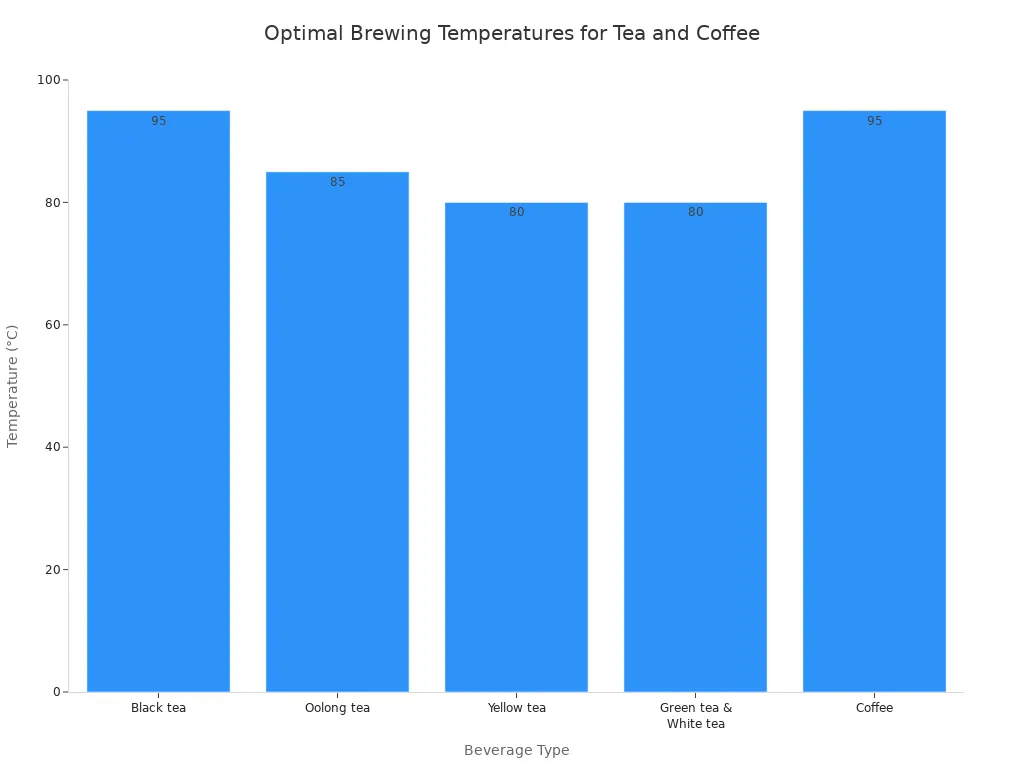
Hot Water: An instant hot water feature is perfect for employees who enjoy tea, oatmeal, or instant soup. For the best flavor, different beverages require specific temperatures. A dispenser with adjustable temperature settings is a valuable feature.
Sparkling Water: Offering sparkling water is a modern perk that can boost employee satisfaction. It supports corporate wellness programs and sustainability goals by reducing can and bottle waste. The market for sparkling water dispensers is growing rapidly, with a projected compound annual growth rate (CAGR) of 9.63% through 2032.
A clean water dispenser is essential for a healthy workplace. Look for units with features that simplify cleaning and prevent contamination.
Tip: Regular cleaning is non-negotiable. A professional service should sanitize all internal components every three months to prevent the buildup of bacteria and germs.
Key features and standards to look for include:
NSF/ANSI Certification: Certifications from NSF International ensure material safety and hygienic design. For example, NSF/ANSI 61 confirms that materials in contact with water will not leach harmful contaminants. NSF/ANSI 18 sets sanitation standards for dispenser design, ensuring parts are easy to clean and protected from contamination.
UV-C Sanitation: Some advanced dispensers use UV-C light to kill bacteria and viruses inside the water tanks. UV-C light at a wavelength of 254 nm is highly effective at inactivating microorganisms, providing an extra layer of protection.
Hygienic Design: Look for features like recessed nozzles and touchless dispensing. These designs prevent a user's cup from touching the spout, which reduces the risk of cross-contamination.
Following a consistent cleaning schedule is also vital. You should wipe down all exterior surfaces, touchscreens, and dispensing areas daily with disinfecting wipes.
You must look beyond the initial features of a water dispenser. You should also consider the practical and financial impacts on your office. These factors include installation, ongoing maintenance, total cost, and environmental footprint. A smart evaluation here ensures your choice is both practical and budget-friendly in the long run.
Before you choose a unit, you need to measure your available space. A free standing water dispenser requires a dedicated spot. You must ensure it does not obstruct walkways or create a hazard. The dimensions can vary significantly between models.
A larger, feature-rich unit like the Bevi Standup 2.0 measures 66.25 inches (H) x 16.5 inches (W) x 22 inches (D).
A more compact model like the iSpring DS4S has a smaller footprint at 11.8 inches x 14.1 inches x 41.7 inches.
Your choice of dispenser type also affects installation. A POU system needs access to a water line and a standard electrical outlet. A professional often handles this connection. A bottled dispenser only requires an electrical outlet. However, you must plan for extra space to store heavy, full water jugs and empty ones awaiting pickup.
Proper maintenance keeps your water safe and your dispenser working correctly. You can perform daily wipe-downs, but internal components require professional attention. Many suppliers offer service contracts that simplify this process. These plans typically include:
Regular service visits for functional checks
Professional cleaning and sanitization
Scheduled filter replacements
Necessary repairs and troubleshooting
You should also know the signs that your dispenser needs immediate service.
Watch for These Warning Signs:
Strange Noises: Gurgling or buzzing sounds may point to a problem with the compressor or cooling fan.
Water Leaks: Puddles around the unit often mean there are cracked tanks or loose seals.
Temperature Issues: Water that is not hot or cold enough could signal a thermostat or compressor failure.
Slow Water Flow: A weak stream usually indicates a clogged filter or mineral buildup.
Bad Taste or Smell: An unpleasant taste suggests it is time to change the filter or sanitize the unit.
Filter replacement is the most common maintenance task. The schedule depends on the filter type and your water usage.
| Filter Type | Recommended Replacement Frequency |
|---|---|
| Sediment & Carbon Filters | Every 6 to 12 months |
| RO Membrane | Every 2 to 5 years |
| Polishing Filter | Every 12 months |
You have two main financial options: renting or buying. Each has its own set of benefits. Your budget and operational preferences will guide your decision.
Renting a dispenser involves a fixed monthly fee. This option offers a low initial cost and predictable expenses. Monthly rental costs for high-capacity POU systems typically range from $30 to $75. This fee often covers installation, regular maintenance, filter changes, and repairs. Renting also gives you the flexibility to upgrade to a newer model as technology improves.
Buying a free standing water dispenser requires a higher upfront investment. However, it can lead to a lower total cost of ownership over several years. When you buy, you own the asset. You are also responsible for arranging and paying for all maintenance, filter replacements, and repairs. This option gives you more control but also more responsibility.
| Factor | Renting | Buying |
|---|---|---|
| Upfront Cost | Low (often just an installation fee) | High (full price of the unit) |
| Monthly Cost | Fixed, predictable payment | None (after initial purchase) |
| Maintenance | Included in the rental fee | Your responsibility and cost |
| Flexibility | Easy to upgrade or change models | Locked into the purchased unit |
Your choice of water dispenser impacts your company's environmental footprint. Many businesses now prioritize sustainability. A POU system is a much greener option than a bottled water service.
The bottled water industry consumes huge amounts of energy and resources. Manufacturing plastic bottles uses fossil fuels. Transporting heavy water jugs releases significant carbon dioxide. Producing just one liter of bottled water can use two thousand times more energy than supplying a liter of tap water. A POU free standing water dispenser connects to your existing water supply. It eliminates plastic waste and the carbon emissions from delivery trucks.
Energy efficiency is another key factor. A dispenser runs 24/7 to keep water hot or cold. An inefficient model can drive up your electricity bill. You should look for units with ENERGY STAR certification. An ENERGY STAR certified water cooler is designed to use less power. It can consume as little as 58.4 kWh per year, reducing both your operating costs and your carbon footprint.
The right water dispenser directly matches its features to your office's specific needs. Use this guide to compare your options confidently. A well-chosen unit is an investment in your team. Proper hydration boosts focus and productivity, improving employee well-being and job satisfaction. Your choice supports a healthier, more effective workplace.
You should wipe down the exterior surfaces daily. A professional service needs to sanitize all internal components every three months. This prevents the buildup of harmful bacteria and germs.
A POU system often has a higher initial or monthly rental cost. However, it can save you money over time by eliminating the recurring expense of water bottle deliveries.
NSF certification shows that an independent organization has tested the unit. It ensures the dispenser's materials are safe and will not add harmful contaminants to your drinking water.

We provide you with comprehensive foreign trade solutions to help enterprises achieve global development
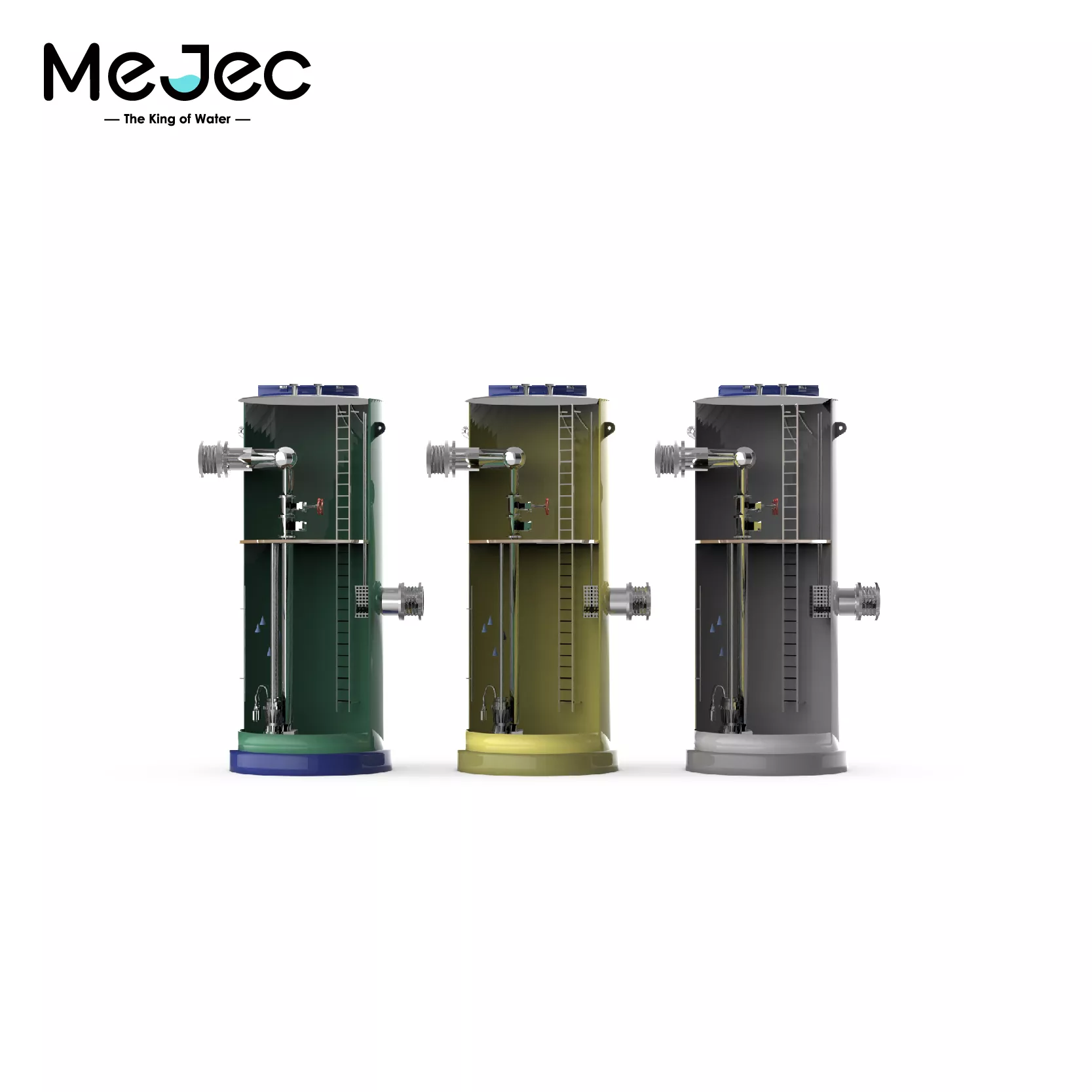
LD-BZ, The series of integrated prefabricated pump...
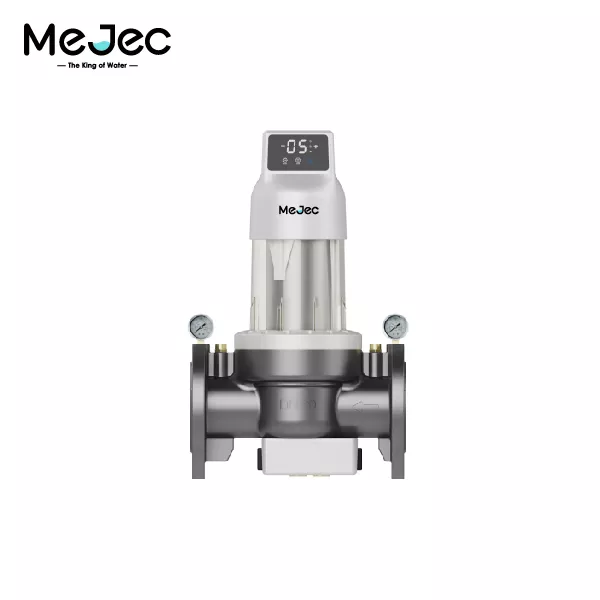
Engineered as the essential first barrier for wate...
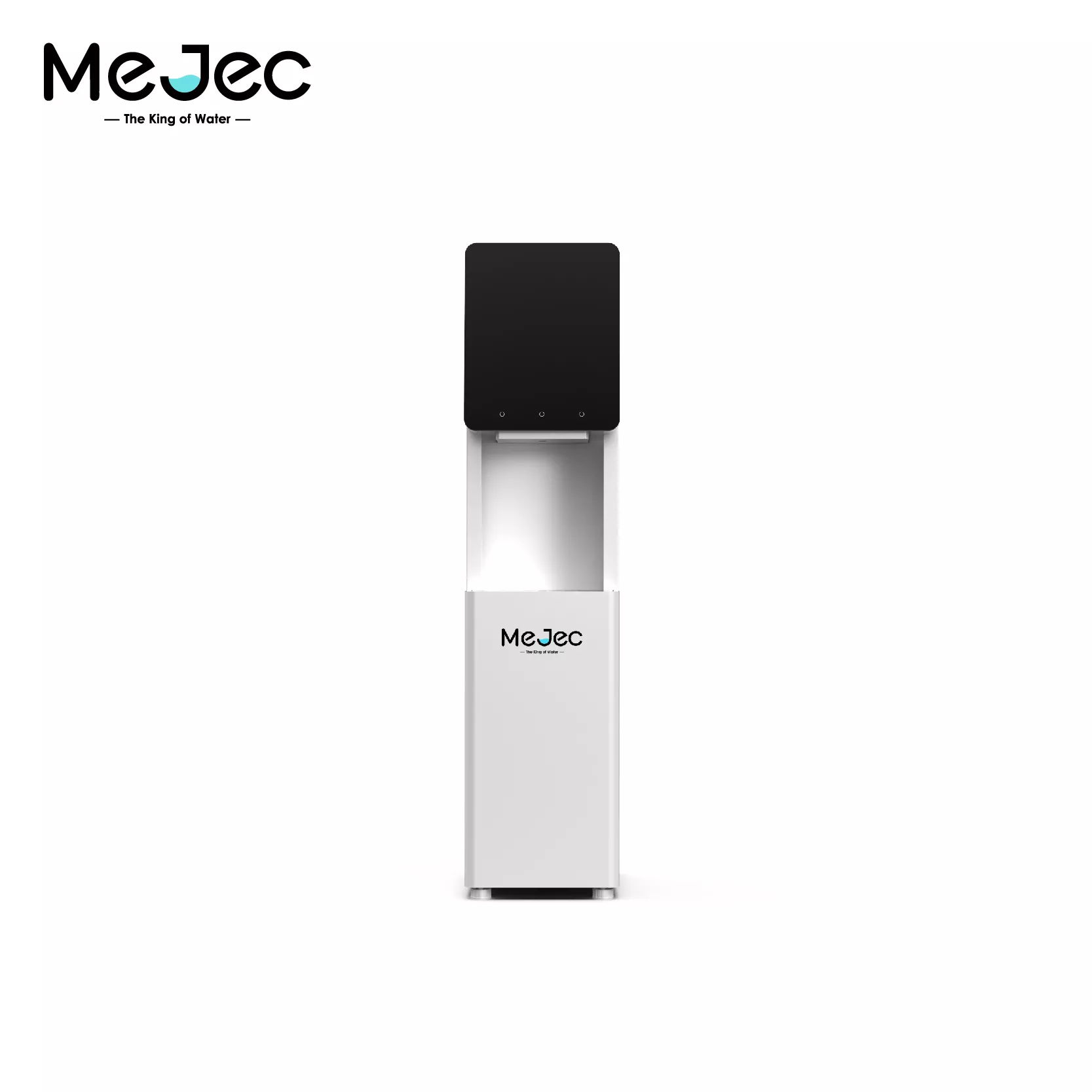
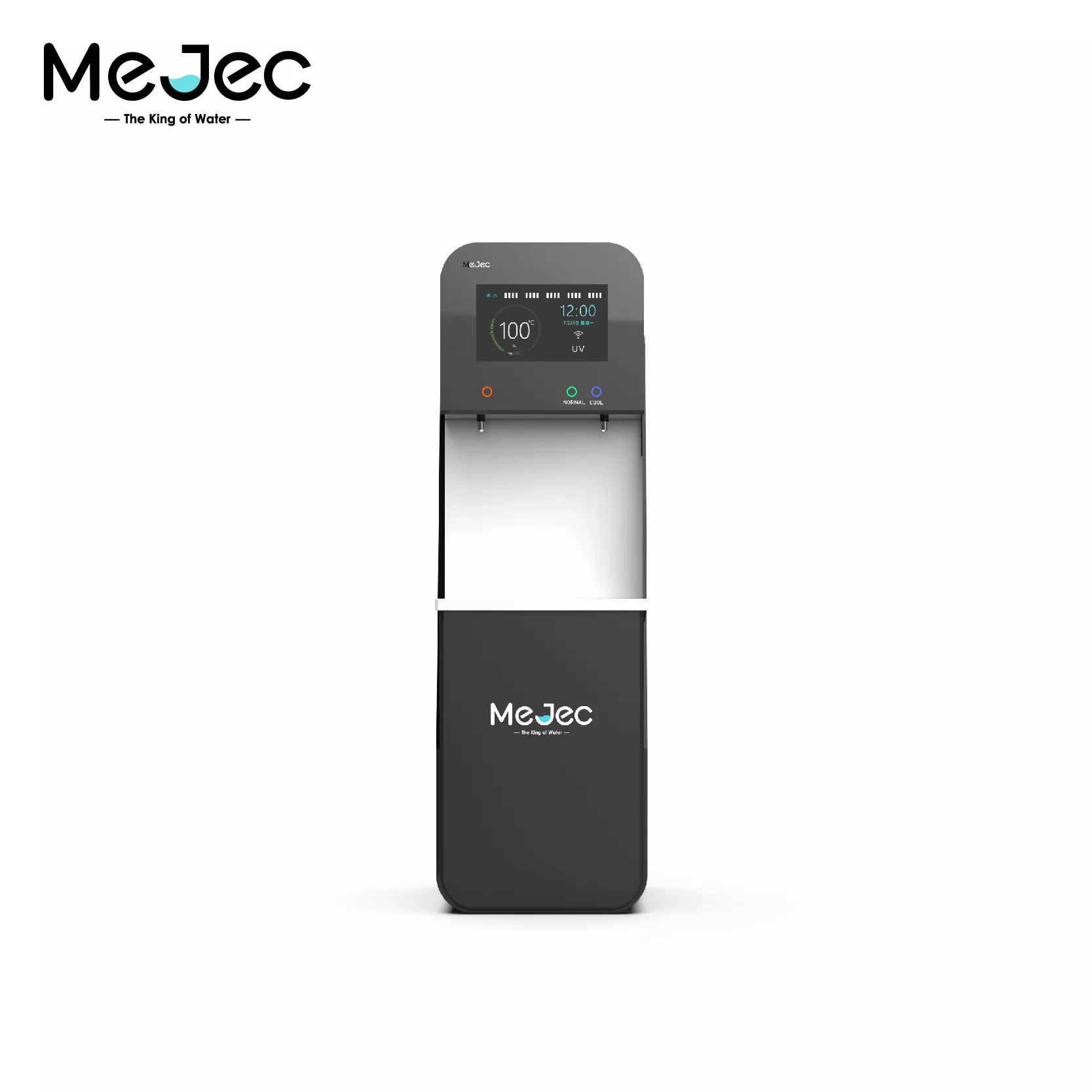
The Mejec commercial drinking machine features a l...
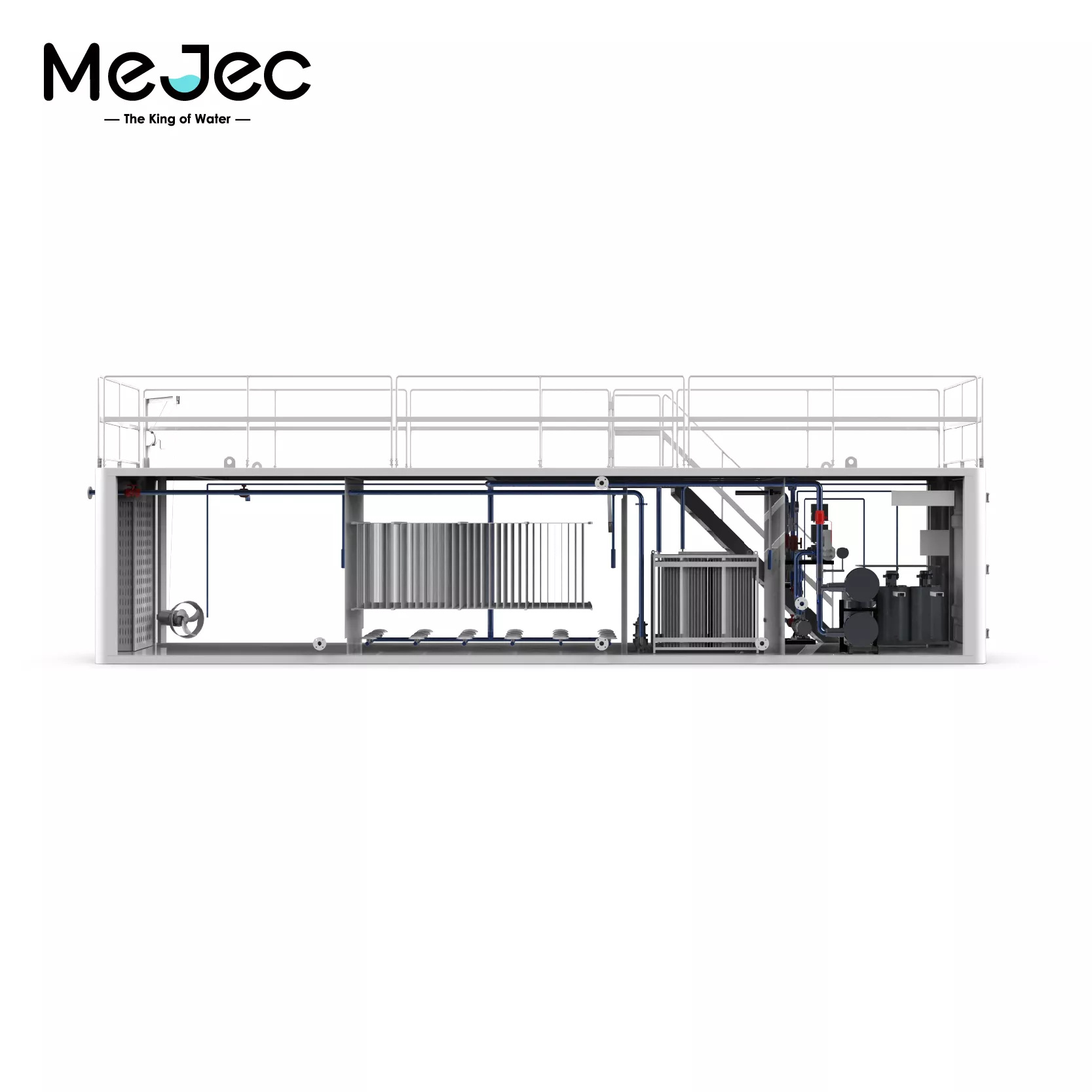
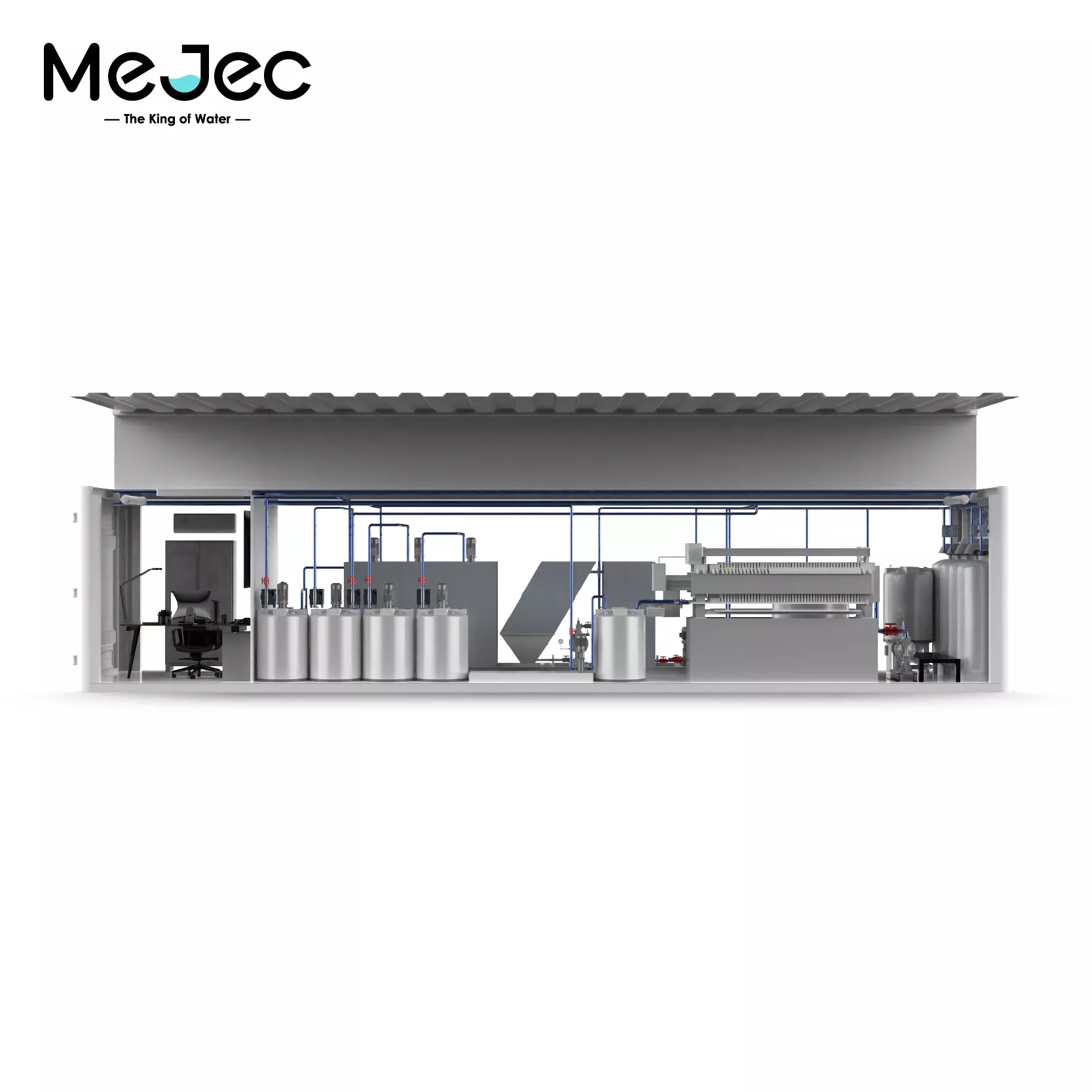
Mejec containerized sewage treatment system incorp...
Select the most popular foreign trade service products to meet your diverse needs
Select the most popular foreign trade service products to meet your diverse needs






User Comments
Service Experience Sharing from Real Customers
Michael Chen
Office ManagerThis free-standing water dispenser has been a game-changer for our office. It's sleek, easy to use, and the hot/cold water function is perfect for coffee and quick refreshments. Highly recommend for any workplace.
Sarah Johnson
Elementary School TeacherWe purchased this for our school's staff room. It's very sturdy and safe, which is crucial around children. The water flow is great and it was simple to set up. A reliable addition to our educational environment.
David Rodriguez
Fitness CoachPerfect for my gym! The free-standing design saves counter space, and clients love the instant cold water after workouts. It's durable, hygienic with its no-touch dispensing option, and looks very professional.
Emily Watson
Dental HygienistIn our dental clinic, hygiene is paramount. This water dispenser is fantastic—easy to clean, doesn't harbor bacteria, and provides consistent temperature control. It's an essential piece of equipment for our medical practice.