


.webp)


How to choose the best commercial water dispensers for restaurants
Find the best commercial water dispenser for your ...
More


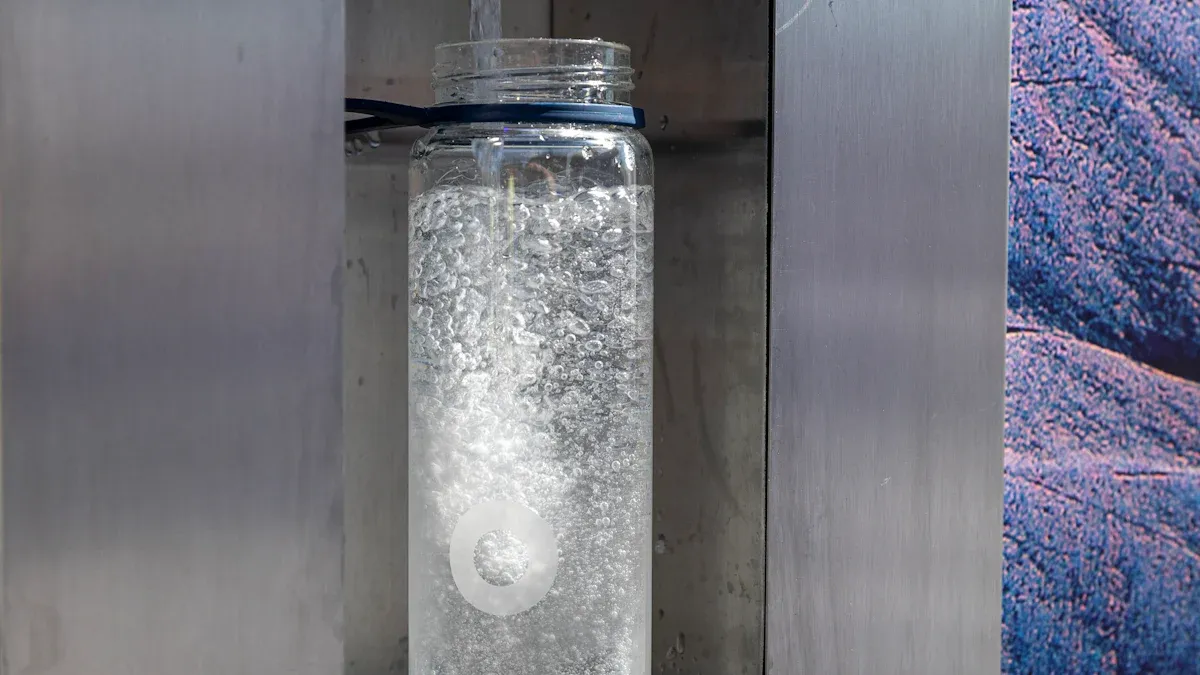
An importer’s journey involves six crucial steps. You first define your commercial needs. Next, you find reliable horeca water dispenser exporters. Then, you calculate the total investment. You must also handle customs paperwork. Managing shipping gets your products delivered. Finally, you will plan for installation and long-term support.
Plan your import carefully. Define your needs, find good suppliers, and know all costs.
Handle customs and shipping well. Use the right codes and choose between sea or air freight.
Prepare for installation and upkeep. Make sure you have a warranty and spare parts.
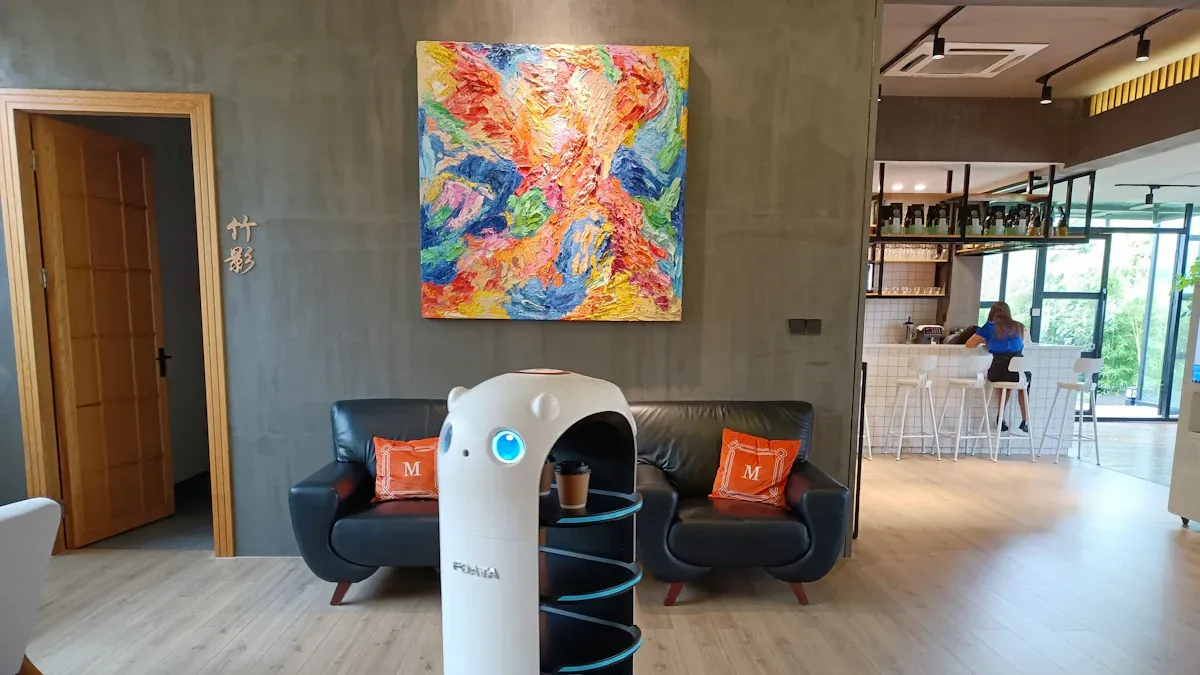
Your first step is to match a water dispenser to your business needs. You must consider the dispenser type, its capacity, and its technical features. This ensures you import a product that serves your customers effectively.
You need to choose a dispenser type that fits your space and service style. Each model offers unique benefits for different HORECA environments.
Countertop Dispensers: These units sit on a counter. They work well in smaller areas like bars or office break rooms.
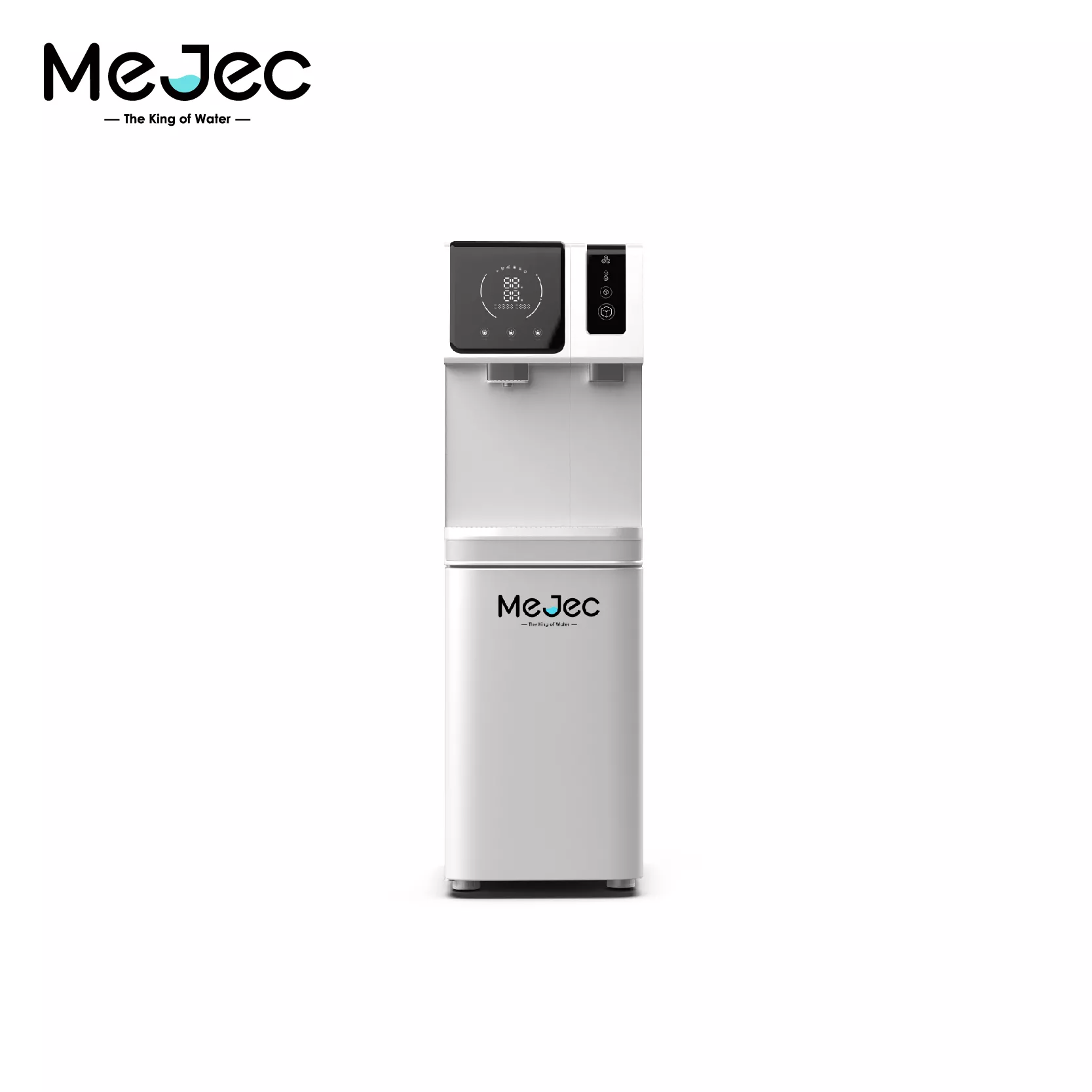
Freestanding Dispensers: These models stand alone. They offer flexible placement in hotel lobbies or dining areas.
Integrated Tap Dispensers: These systems hide components under the counter. They provide a sleek, modern look for high-end restaurants.
Next, you must decide between a bottle-fed unit or a Point-of-Use (POU) system. Bottle-fed units are simple to set up but require you to lift and store heavy water jugs. POU systems connect to your water line for an unlimited supply, making them more economical over time.
Finally, evaluate your capacity needs. A small cafe may only need a low-volume unit. A large hotel buffet requires a high-volume system that can deliver 30 to 150 liters of chilled water per hour to meet peak demand.
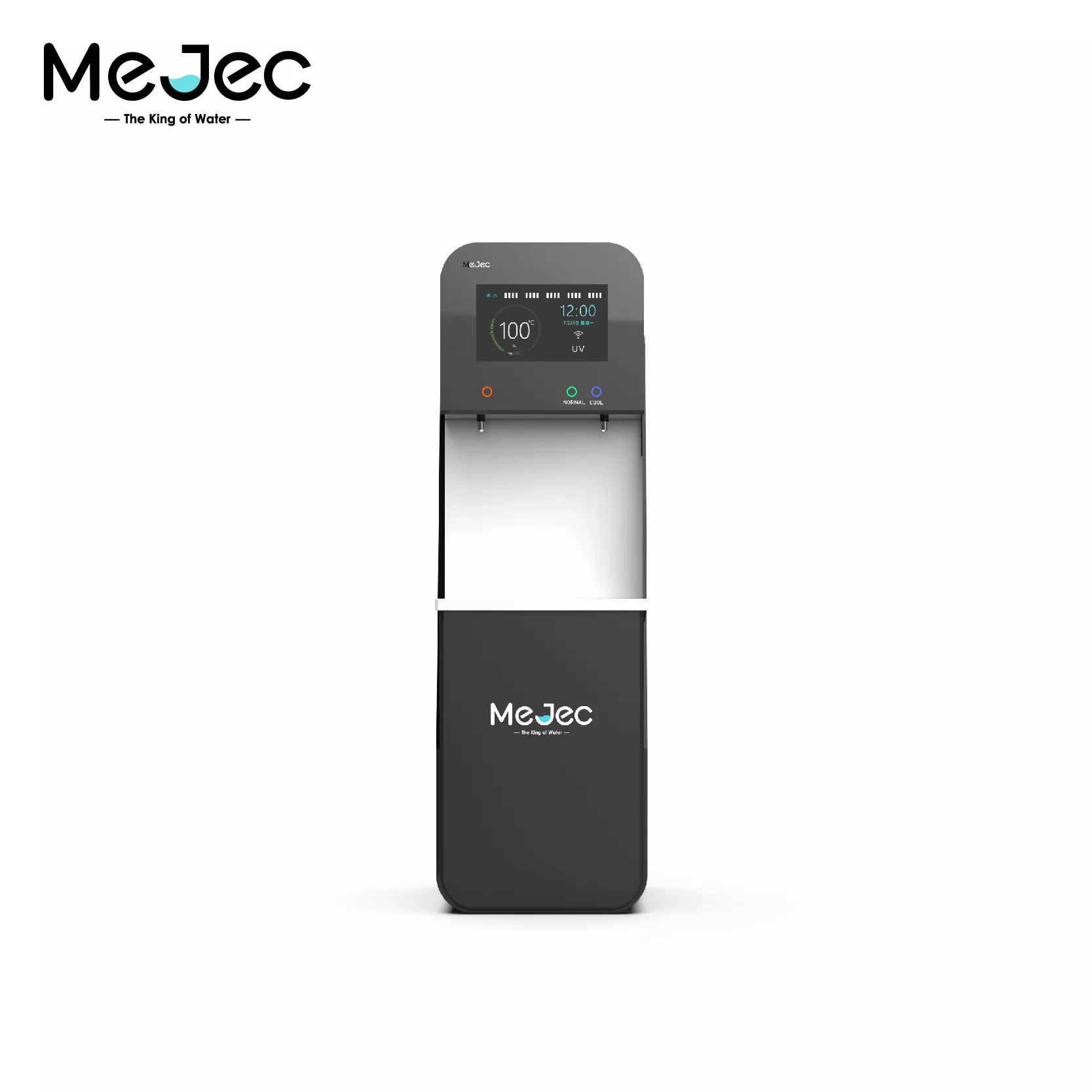
You should check the technical details to guarantee performance and safety. Look for dispensers with advanced multi-stage filtration to ensure clean water. For cooling, ice bank technology provides a consistent supply of chilled water during busy hours. Some models also use eco-friendly R290 refrigerant.
Pro Tip: Prioritize dispensers with UV purification systems. This technology reduces bacteria and keeps the dispense point sanitized, giving your customers extra peace of mind.
Also, verify that the manufacturer holds key international quality certifications. These seals confirm the product meets health and safety standards.
NSF: Certifies that the product performs as the manufacturer claims.
CE: Required for products sold within the European Economic Area.
WaterMark: A mandatory certification for plumbing products in Australia.
Other important certifications include WRAS, ETL, and WQA. They show a commitment to quality and safety.
After defining your needs, you must find a trustworthy supplier. The right partner ensures product quality and reliable delivery. Your search for horeca water dispenser exporters begins with thorough research and careful vetting.
You can start your search on large B2B online platforms. Websites like Alibaba and Global Sources list thousands of manufacturers. These sites help you compare initial offerings and prices. However, meeting suppliers in person builds stronger relationships. You should consider attending international trade shows. These events let you see products firsthand and speak directly with company representatives.
Key trade shows in the United States include:
National Restaurant Association Show: This Chicago event showcases a vast range of HORECA equipment. It is a prime opportunity to connect with established horeca water dispenser exporters.
American Water Summit: Held in San Diego, this summit focuses on water technology and sustainability. You can find suppliers specializing in advanced purification systems here.
Once you have a shortlist of potential horeca water dispenser exporters, you must verify their capabilities. Asking the right questions is essential to avoid future problems. Use this checklist to guide your conversations.
Production Capacity: Ask, "What is your monthly production capacity and can you scale up for large orders?" This helps you understand if they can meet your demand.
Quality Control: Inquire, "What quality control systems do you use?" Look for suppliers who follow ISO 9001 standards and perform inspections on incoming materials and finished products.
Delivery Assurance: Ask, "How do you ensure timely delivery during peak seasons?" A good supplier has contingency plans for unexpected disruptions.
Certifications: Request copies of all relevant product and factory certifications. This proves their commitment to safety and quality standards.
Pro Tip: Always ask if you can visit their facility or arrange a third-party audit. A reputable manufacturer will welcome this transparency. A refusal is a significant red flag.
Knowing your full investment is key to ensuring profitability. The price on your supplier’s invoice is only one part of the equation. You must calculate the total landed cost to understand the true price of each water dispenser delivered to your door.
The final cost includes more than just the product itself. You need to account for several other expenses to avoid surprises. The complete formula is: Landed Cost = Product Cost + Shipping + Customs + Insurance + Operating Costs.
Be aware of these common, and often hidden, fees:
Shipping and Freight: This includes the primary transport cost plus potential fuel surcharges or container fees.
Customs and Duties: You will pay customs brokerage fees to your agent on top of official duties.
Insurance: Cargo insurance protects your investment against damage or loss during transit.
Handling and Logistics: These are fees for port services, warehouse storage, and final delivery to your business.
Currency Exchange: Banks charge fees to convert your money, and exchange rate changes can affect your total cost.
Don't Forget Insurance! Many importers overlook cargo insurance. This small expense, often 1-3% of the product's value, protects you from significant financial loss if your shipment is damaged or lost.
Follow these steps to get an accurate landed cost. This process helps you budget correctly and price your services effectively.
Get Detailed Quotes. Ask your exporter and a freight forwarder for complete quotations. These documents should list the product price, shipping charges, and all local import fees.
Convert All Currencies. Change all foreign currency costs, like the supplier’s USD price, into your local currency using the actual exchange rate you get.
Add Local Import Costs. Include all charges from your freight forwarder, such as port handling, documentation, and domestic trucking.
Calculate Duties and Taxes. Add the import duty, which is based on the product’s value. Then, add any applicable import tax (like VAT or GST) to find your final landed cost.
Clearing customs is a critical step in the import process. You must classify your products correctly and prepare all required paperwork. This ensures your shipment avoids costly delays at the port.
Every imported product needs a Harmonized System (HS) code. This code tells customs officials what you are importing and determines your duty rate. Using the wrong code can lead to fines or seizures. Electric water dispensers with heating and cooling functions fall under HS code 8419.81. You should not confuse this with the code for simple water filters, which is 8421.21. Always confirm the correct code for your specific product.
You must prepare several key documents for a smooth customs clearance. Your freight forwarder or customs broker will need these to process your shipment.
Commercial Invoice: This document must be in English and detail the buyer, seller, country of origin, and a clear description of the dispensers. It must also show the total purchase price.
Packing List: This list shows the contents, weight, and dimensions of each package in your shipment.
Bill of Lading (BOL): The BOL is a legal document that acts as a receipt for your goods, a contract with the carrier, and a title to claim your cargo. Customs will not release your shipment without it.
Navigating customs regulations can be complex. A licensed customs broker acts as your expert agent. They handle the technical aspects of importing for you.
Expert Tip: A customs broker ensures your paperwork is accurate and submitted on time. Their expertise in classifying goods and managing documentation helps you avoid penalties and keeps your shipment moving.
Brokers communicate directly with customs agencies to resolve any issues that arise. They streamline the entire clearance process, saving you time and preventing expensive delays at the border. Hiring a broker is a smart investment for a hassle-free import experience.
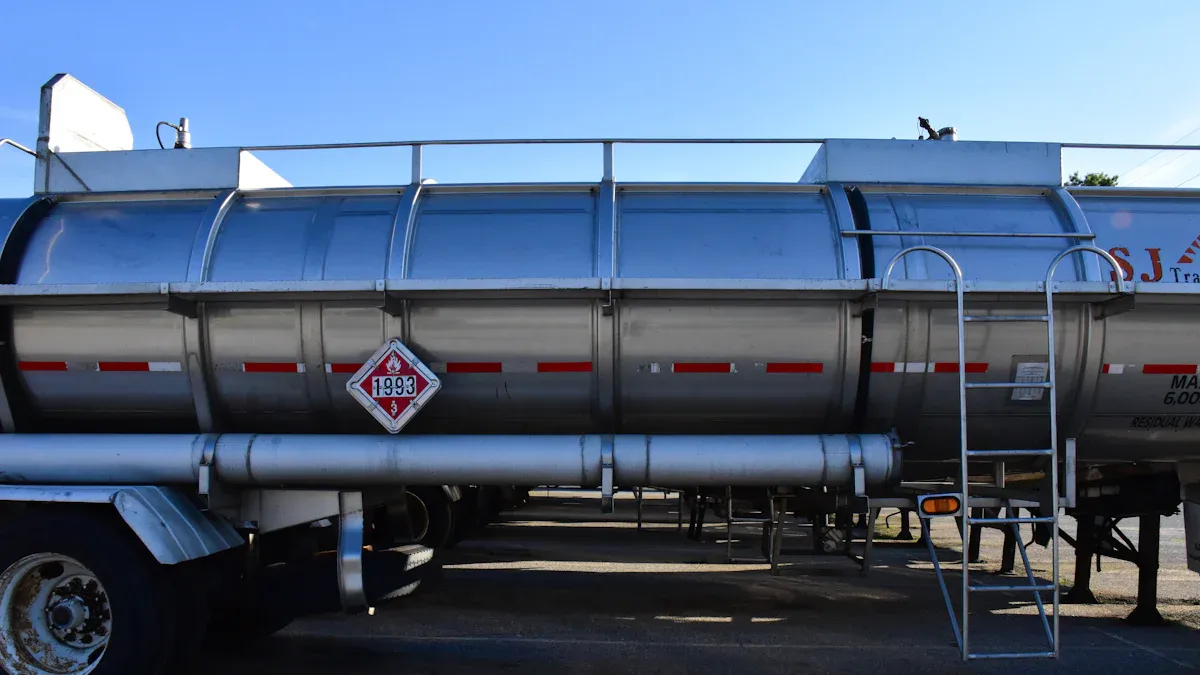
You must get your water dispensers from the factory to your business. This requires choosing a shipping method, understanding trade terms, and preparing for delivery. Proper logistics management prevents delays and protects your investment.
You need to decide between shipping by sea or by air. Your choice depends on your budget and timeline. Sea freight is much cheaper but takes longer. Air freight is faster but costs significantly more. This is a good option for urgent orders.
| Feature | Air Freight | Sea Freight |
|---|---|---|
| Transit Time | 1 to 7 days | 3 to 6 weeks |
| Cost | 5-10 times more expensive | More cost-effective for large shipments |
| Best For | Urgent, time-sensitive orders | Large, heavy, less urgent goods |
Most importers choose sea freight for heavy equipment like water dispensers to keep costs low.
Incoterms are international trade rules. They define the responsibilities of the seller and the buyer. Understanding them helps you know who pays for shipping and insurance.
Pro Tip for New Importers: Ask your supplier for a Delivered Duty Paid (DDP) price. With DDP, the manufacturer handles all shipping, insurance, and customs duties. This gives you a clear final price and a hassle-free experience.
Here are some common Incoterms:
| Incoterm | Manufacturer Responsibility | Your Responsibility |
|---|---|---|
| EXW | Packages the goods for pickup. | All shipping, insurance, and customs. |
| FOB | Gets goods onto the ship. | Main shipping cost, insurance, import duties. |
| DDP | All shipping, insurance, and duties. | Receiving the equipment at your door. |
You must track your shipment after it leaves the port. Your freight forwarder will give you a Bill of Lading (BOL) or container number. You can use this number on tracking websites like SeaRates to see your container's location in real-time.
Prepare for the container's arrival to ensure a smooth unloading process.
Plan the Unloading Area. Make sure the space is clear and accessible for a large truck.
Get Equipment Ready. Have forklifts or pallet jacks available and ready to use.
Check the Container. Before opening, check that the container seal number matches your documents.
Use Safety Gear. Ensure anyone helping has proper safety gear, like gloves and steel-toed boots.
Your dispensers have arrived. Now you must focus on installation and long-term support. Proper planning at this stage ensures your new equipment operates smoothly for years to come.
You should prepare your site before the dispensers are delivered. A pre-installation check prevents last-minute problems. This makes the setup process quick and efficient.
Use this checklist to get your space ready:
Check Water Availability and Quality: Verify a water source is close to the installation point. You need to confirm it has adequate pressure.
Confirm Utility Requirements: Ensure you have the correct electrical outlets and water connections ready for the technicians.
Ensure Proper Drainage: Confirm a drain is easily accessible from the installation site. Know if you need a specific pipe type, like PVC or copper.
You need a clear plan for maintenance and repairs. Before you buy, ask your supplier about their warranty policy. Understand what it covers and for how long. You should also discuss their strategy for providing spare parts.
Pro Tip: 📝 Ask your supplier if you can order a starter kit of essential spare parts, like filters and faucets, with your main shipment. This prepares you for routine maintenance.
A good supplier has a strong global sourcing network. This allows them to find and ship any component you need quickly. Their commitment ensures you get the right parts at the right time, keeping your dispensers running without interruption.
You can import with confidence. Follow this guide's checklist to partner with the best horeca water dispenser exporters.
Define your needs.
Vet your suppliers.
Calculate total costs.
Manage customs.
Arrange logistics.
Plan for maintenance. A systematic approach protects your investment and ensures profitability for your HORECA business.
The Bill of Lading (BOL) is essential. It proves you own the goods. You need it to claim your shipment from customs and the shipping carrier.
Sea freight usually takes three to six weeks to arrive. Your final transit time depends on the shipping route and port schedules.
Yes, you should. Ordering essential parts like filters with your main shipment saves time. It also reduces future shipping costs for routine maintenance needs.

We provide you with comprehensive foreign trade solutions to help enterprises achieve global development
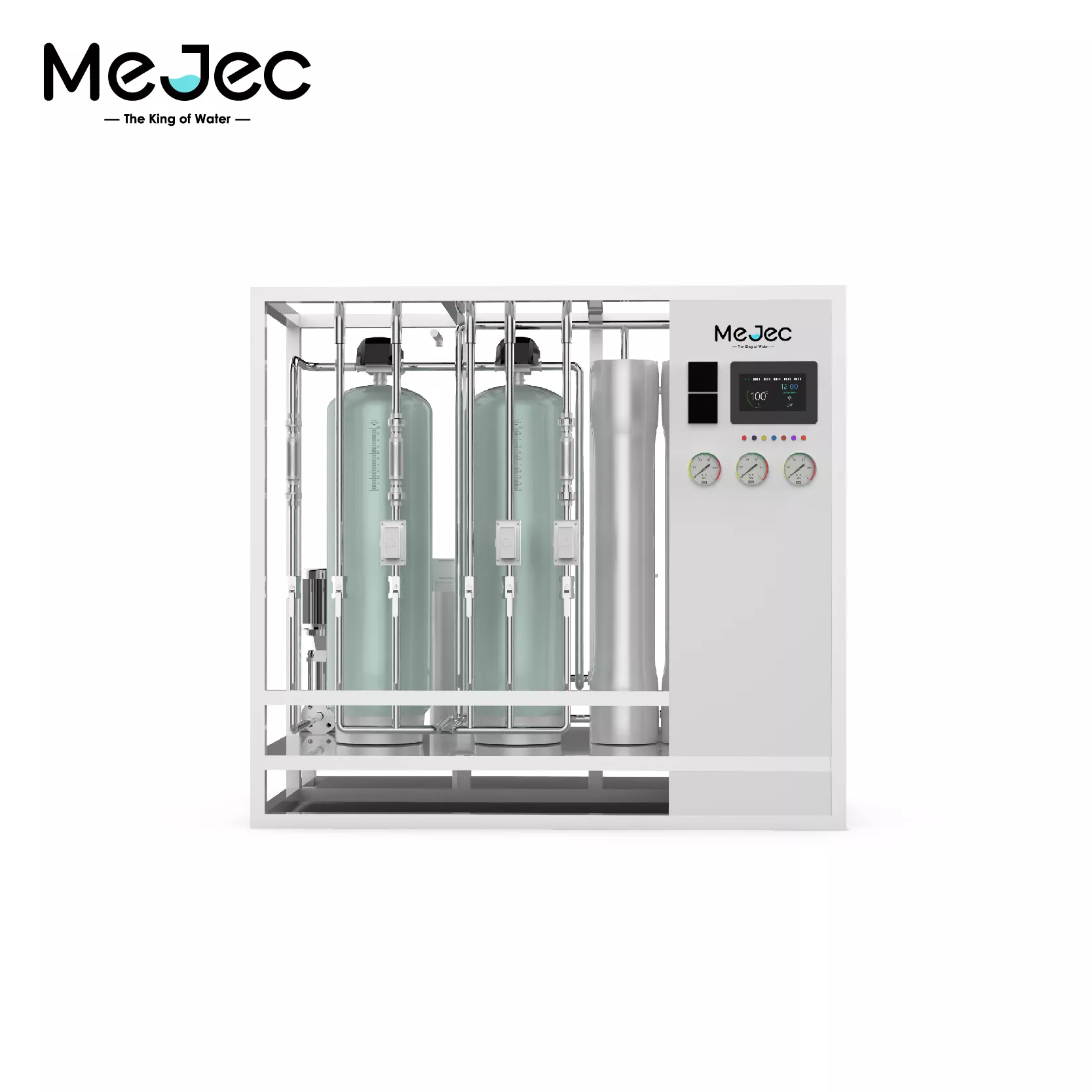
The Mejec industrial water purifier and dedicated ...
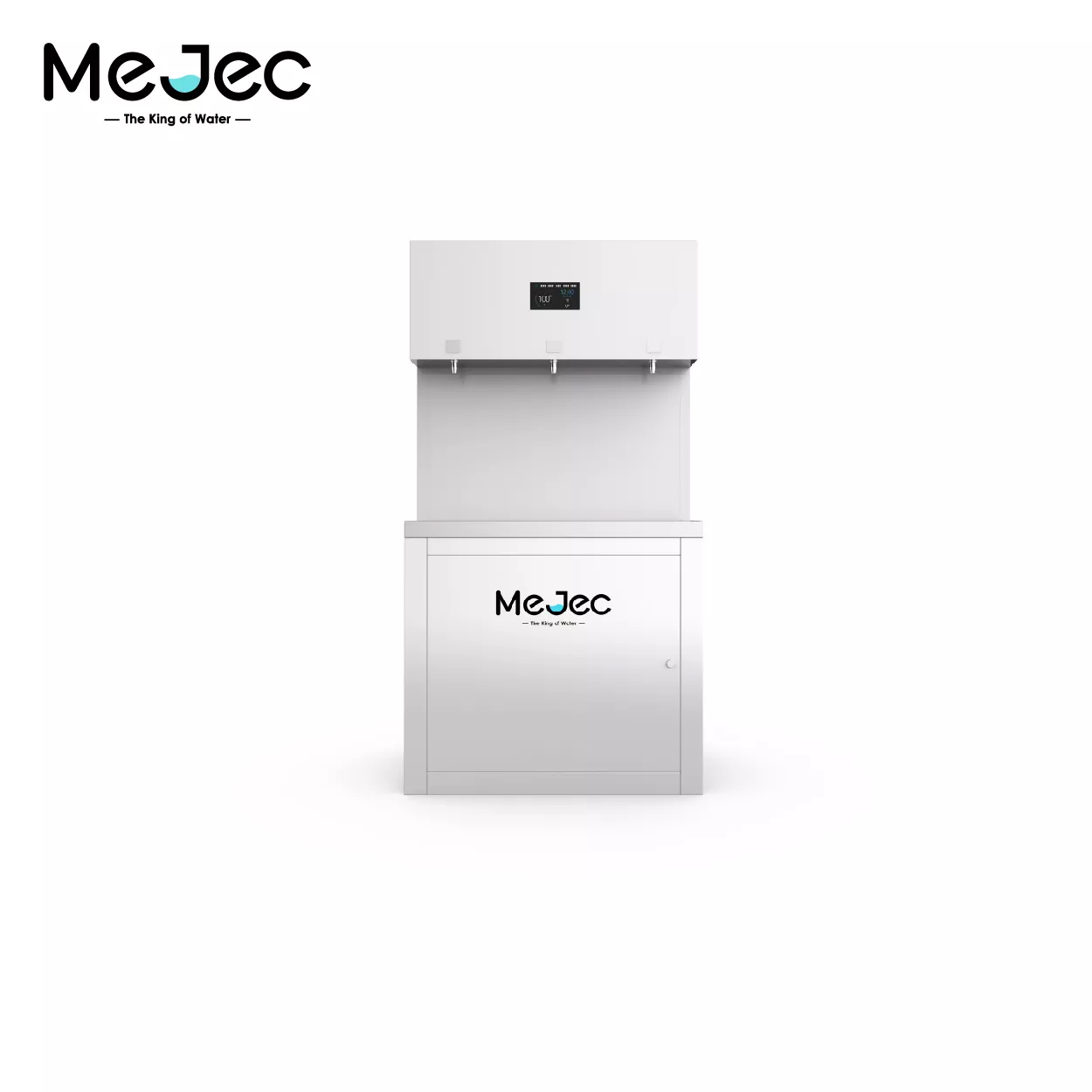
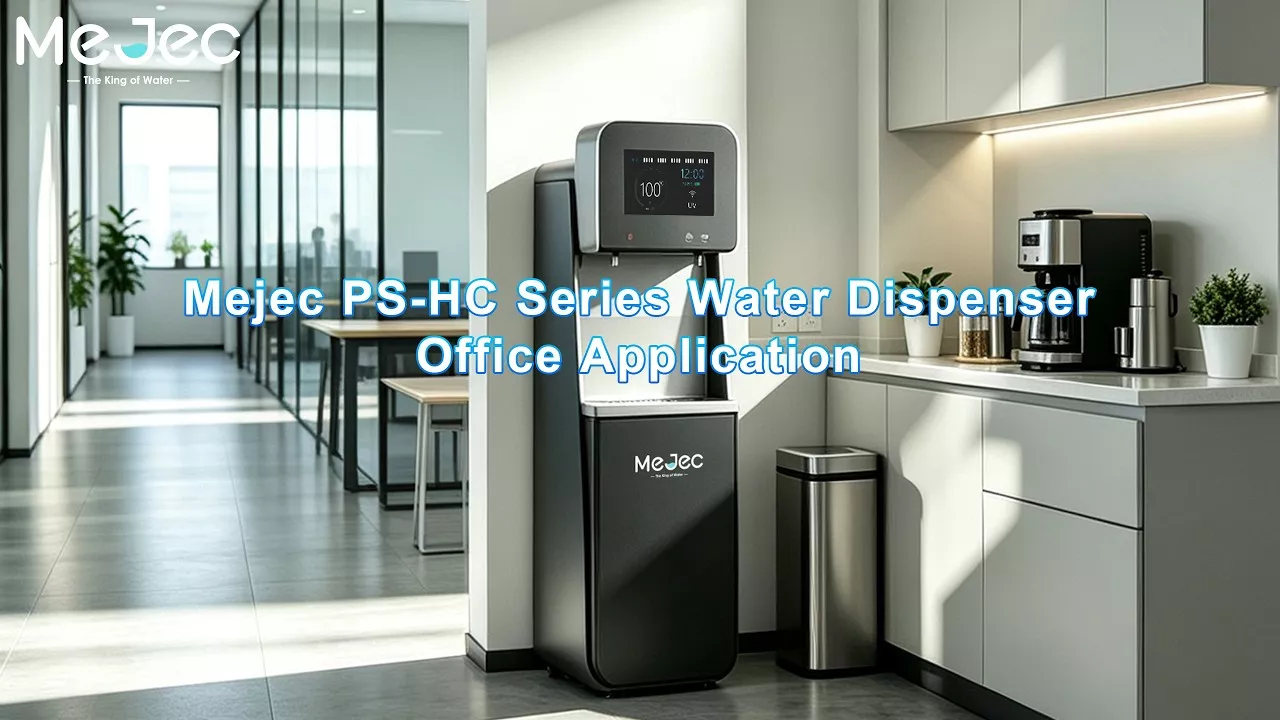
Upgrade your commercial hydration station with our...
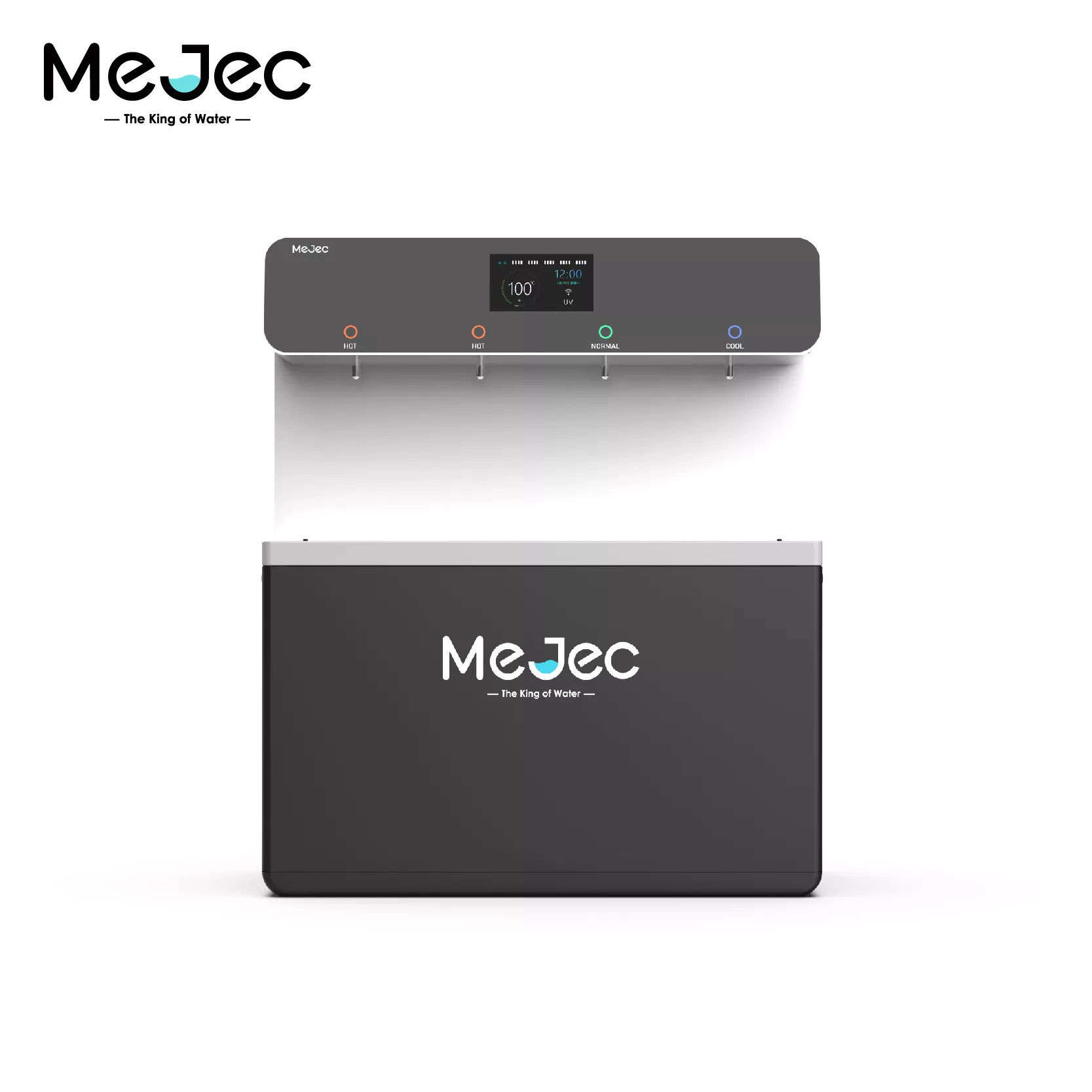
Designed for high-traffic public areas, the Mejec ...
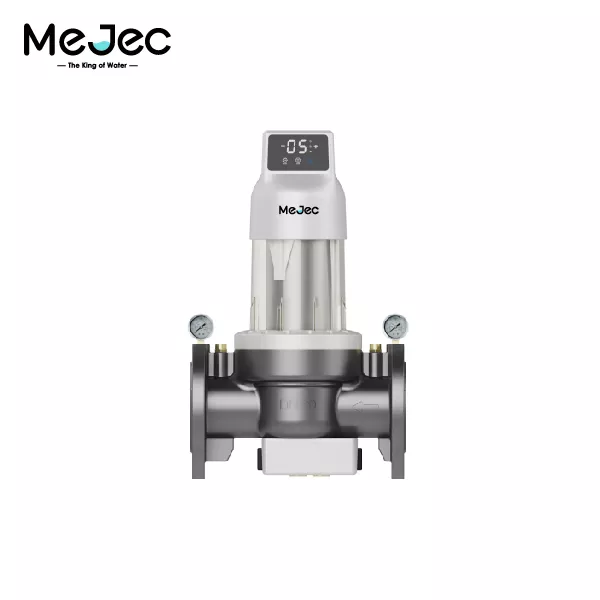
Engineered as the essential first barrier for wate...
Select the most popular foreign trade service products to meet your diverse needs
Select the most popular foreign trade service products to meet your diverse needs




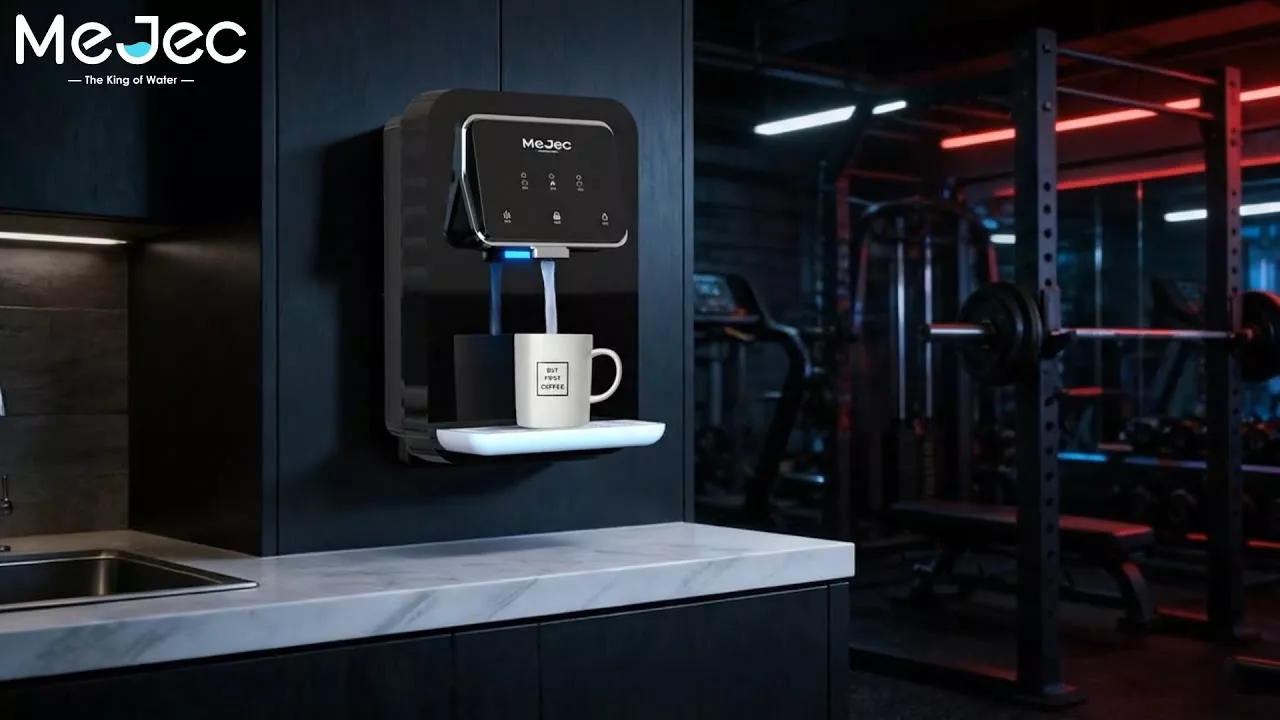

User Comments
Service Experience Sharing from Real Customers
Michael Chen
Procurement ManagerAs a procurement manager for a hotel chain, finding reliable HORECA water dispenser exporters was crucial. This supplier exceeded expectations with their durable, high-capacity dispensers perfect for our lobby and banquet halls. The after-sales support is exceptional.
Sarah Johnson
Restaurant OwnerWe ordered three commercial water dispensers for our restaurant group. The exporter was professional, and the units are energy-efficient and sleek, fitting our modern decor. Minor shipping delay, but overall a great partner for HORECA equipment.
David Müller
Facility DirectorOutstanding quality and service. As a facility director for a large convention center, we needed robust dispensers that could handle high traffic. These units have been running flawlessly for months. A top-tier exporter for the HORECA sector.
Elena Rossi
Catering Operations ManagerPerfect solution for our mobile catering business. The exporter provided compact yet powerful dispensers that are easy to transport and set up. Water quality and flow rate are excellent. Highly recommended for any catering professional in the HORECA industry.