


.webp)
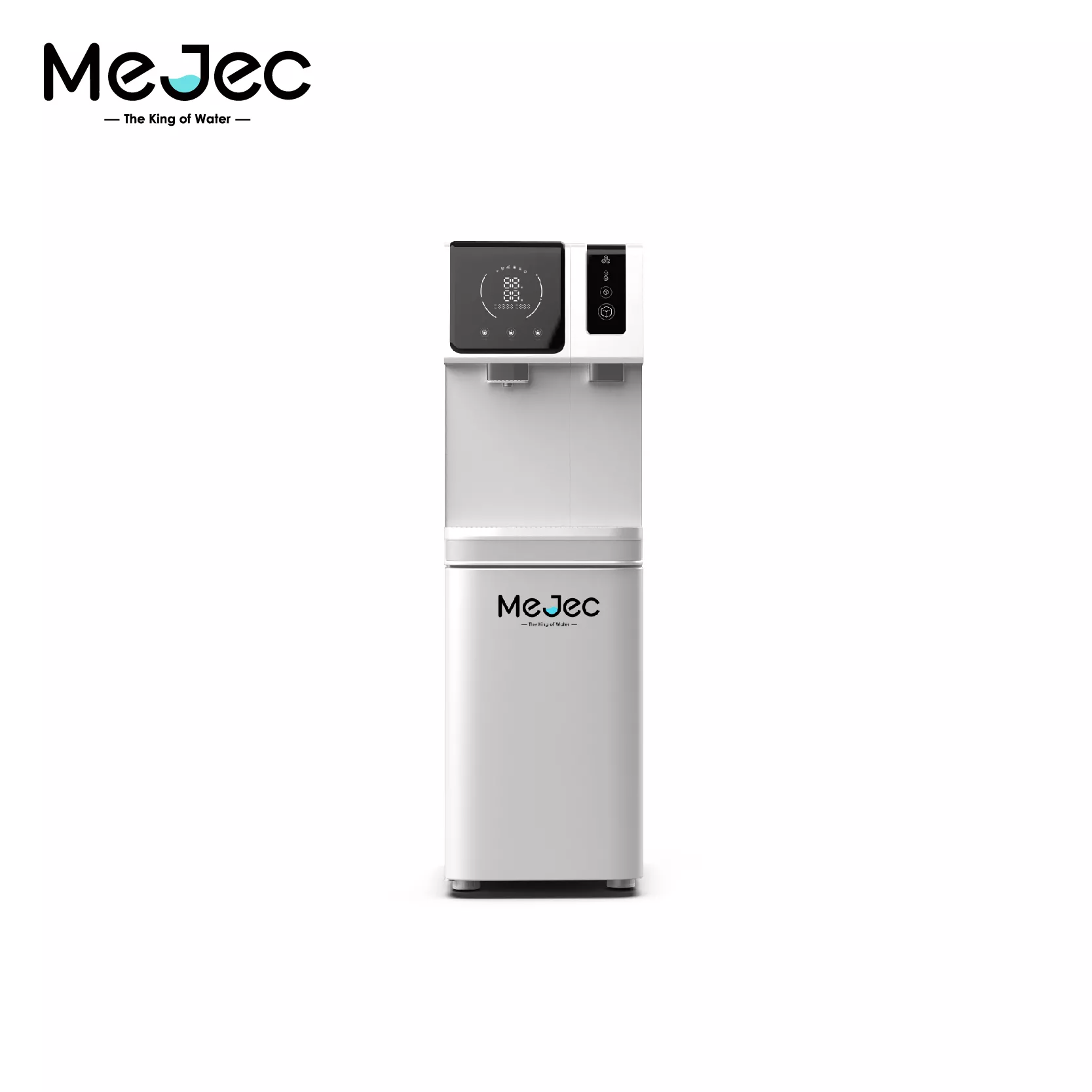
Office Hydration Is Evolving: Why More Workplaces Are Choosing Water Dispensers with Ice Makers
Discover the Mejec office water dispenser with int...
More

Your quick hot water dispenser gives you filtered, near-boiling water almost instantly. It uses a powerful heating element and a compact water chamber to heat water on demand. This internal system is highly efficient, saving you significant energy compared to a traditional kettle.
| Metric | Kettle (per 180ml) | Hot Water Dispenser (per 180ml) |
|---|---|---|
| Energy Consumption | 0.1 kWh | 0.0083 kWh |
Quick hot water dispensers heat water fast. They use a strong heating part and a small water tank or no tank at all. This saves energy compared to a regular kettle.
These dispensers have a filter. The filter cleans the water. It removes dirt and bad tastes. This makes your drinks taste better and keeps the water healthy.
Safety features are built in. They have special locks to stop hot water from coming out by accident. This makes them safe to use, especially for families.
You see the sleek faucet on your counter, but the real work happens inside the unit. A few key parts work together to give you hot water instantly. Let's look at the main components that make your quick hot water dispenser a modern kitchen essential.
The heating element is the most critical part of your dispenser. It is the engine that rapidly heats the water. These elements are powerful, typically using between 500 and 1,500 watts. Some high-power models can even reach 2000 watts to ensure your water is near-boiling in seconds.
Manufacturers use several different materials for heating elements. Each material has unique properties.
Stainless Steel (SS304): This is a very common and reliable choice. It is a metal tube that contains a heating alloy wire. Stainless steel elements have a long lifespan and resist corrosion well.
Quartz: These elements use a special milk quartz glass tube. They heat up very quickly but can have a shorter lifespan, as the glass is more fragile than steel.
Ceramic: Some dispensers use ceramic infrared heaters. These are known for their efficient heat transfer.
A faulty heating element is a common reason a dispenser stops working. Over time, mineral buildup from hard water can coat the element. This forces it to work harder and can cause it to burn out. Regular maintenance helps prevent these issues and extends the life of your unit.
After the water enters the unit, it goes to a water chamber. Your quick hot water dispenser will have one of two designs: a small tank or a tankless system.
1. Tank-Based DispensersThese models hold a small amount of water in an insulated tank, keeping it constantly hot and ready. The tanks are compact, usually holding between 1/3 gallon and 0.8 gallons (about 3 liters). This design gives you hot water instantly because it is already heated.
2. Tankless DispensersTankless models heat water as it flows through the unit. They do not store any hot water. This on-demand method offers two major benefits:
Energy Efficiency: You do not waste energy keeping a tank of water hot all day. Tankless systems only use power when you need hot water, which can be 24% to 34% more efficient.
Water Freshness: The water is heated right before it comes out of the tap. This means you always get a fresh-tasting cup, as the water has not been sitting in a tank.
A Note on Hard WaterIf you live in an area with hard water, mineral deposits (limescale) can build up inside any water heater. This buildup forms a layer on the heating element, forcing it to use more energy. It can also clog pipes and reduce the lifespan of your dispenser. Regular descaling is important for both tank and tankless models.
Most dispensers include a built-in filtration system. This component is essential for improving the taste, smell, and safety of your water. The filter sits between the water supply line and the heating chamber, cleaning the water before it gets heated.
A multi-stage filter removes a wide range of impurities from your tap water.
Sediment: Dirt, rust, and silt.
Chemicals: Chlorine, lead, pesticides, and other volatile organic compounds (VOCs).
Microorganisms: Some advanced filters can remove bacteria and cysts.
Taste and Odor: It eliminates compounds that cause unpleasant tastes, like the "rotten egg" smell from hydrogen sulfide.
By removing these contaminants, the filter provides cleaner, healthier water. You will notice a significant improvement in the flavor of your drinks.
"Since the installation of the filter system I have noticed that coffees and teas taste better, there is little or no buildup of precipitates in vessels in which water has been boiled..."
Filtered water is often described as crisp and refreshing. It lacks the chlorine or metallic aftertaste common in unfiltered tap water, allowing the true flavor of your coffee or tea to shine through.
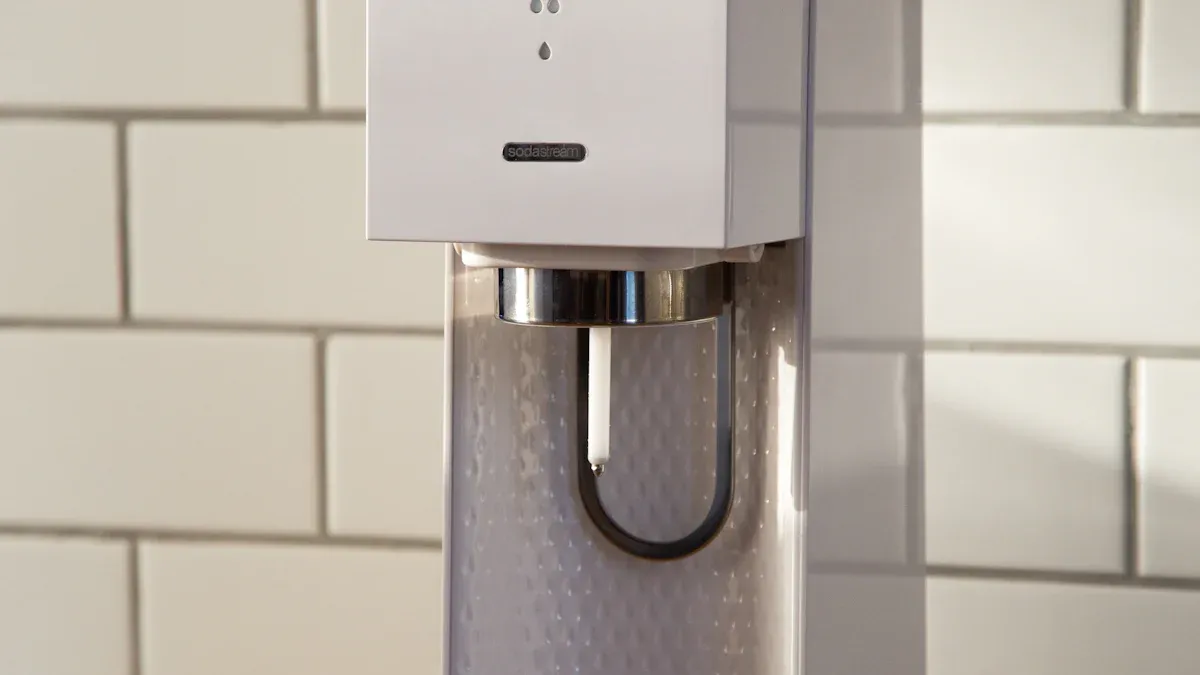
You now know the main components inside your dispenser. But how do they work together to give you instant hot water? Understanding this process shows you just how efficient and safe this appliance is. Let's walk through the journey your water takes from the pipe to your cup.
The magic of instant hot water happens in a few quick steps. The moment you activate the tap, the system springs into action.
Water Enters the Unit: Cold water flows from your supply line into the dispenser. It first passes through the filter to remove impurities.
Heating Begins: The water then moves into the heating chamber. In a tankless model, a flow sensor detects the moving water and activates the powerful heating element. For a tank-based model, you are simply dispensing water that is already hot.
Rapid Temperature Rise: The heating element, often a powerful 3kW unit, heats the water to your desired temperature in just seconds. Some models can bring water to about 96ºC (205ºF) faster than a kettle. This speed allows you to get up to 60 cups of hot water per hour.
The power of the heating element directly impacts how much hot water you get. A higher kilowatt (kW) rating means the unit can heat more water faster. This is measured in Gallons Per Minute (GPM). If a unit is not powerful enough for your needs, you might notice:
Inconsistent water temperatures.
A "cold water sandwich," where a burst of cold water comes through.
The inability to run hot water from multiple faucets at once.
Your dispenser uses a thermostat to manage the water temperature. This small device acts as the brain of the heating system. It constantly monitors the temperature and tells the heating element when to turn on or off. This ensures your water is always at the perfect temperature without overheating.
Most modern dispensers use electronic thermostats for precise control. You can often set the exact temperature you want.
| Feature | Electronic/Digital Thermostat | Mechanical Thermostat |
|---|---|---|
| User Interface | Digital displays and touch controls | Analog dials or switches |
| Accuracy | Very precise and programmable | Simple but less accurate |
| Ease of Reading | Clear digital temperature readings | Dials can be hard to read |
Overheat Protection: The Thermal Cutoff (TCO)Your dispenser has a vital safety feature called a thermal cutoff, or TCO. This device monitors the internal temperature. If the unit starts to overheat due to a malfunction, the TCO immediately cuts power to the heating element. This action prevents damage and reduces the risk of fire, ensuring your appliance operates safely.
If you have a tank-based dispenser, insulation is key to its efficiency. The small storage tank is wrapped in a layer of high-quality insulating material. This layer works just like the insulation in your home's walls. It traps heat inside the tank, keeping the water hot and ready for you.
Common insulation materials include:
Fiberglass
Mineral wool
Basalt-based materials
By minimizing heat loss, the insulation reduces how often the heating element needs to turn on. This saves energy and lowers your electricity bill.
Hot water demands respect. Manufacturers build multiple safety features into every quick hot water dispenser to prevent accidents, especially in homes with children. Traditional kettles are a factor in many household burns, but dispensers are designed to minimize these risks.
You will find several types of safety locks on the faucet. These mechanisms make it nearly impossible to dispense hot water by accident.
| Safety Lock Type | How It Works | Main Advantage |
|---|---|---|
| Button Lock | You must press a button while pushing the lever. | Prevents accidental bumps from dispensing water. |
| Lever Lock | You have to lift or slide a part of the lever first. | Offers simple and durable mechanical protection. |
| Dual-Step System | You press a safety switch before engaging the lever. | Provides enhanced electrical and mechanical safety. |
Many models also feature a spring-loaded handle. The moment you let go of the lever, it springs back into the off position, instantly stopping the flow of water. This automatic shut-off prevents overflows and spills. For added peace of mind, look for appliances with UL certification. This mark means the product has passed strict safety tests, including those for childproof features.
Your quick hot water dispenser combines a powerful heating element, a compact water chamber, and a filter into one efficient system. These parts work together to deliver safe, filtered hot water instantly. This makes the appliance a convenient and modern choice for your kitchen, and it is also a durable investment.
| Appliance | Lifespan |
|---|---|
| Traditional Electric Kettle | Shorter lifespan |
| Hot Water Dispenser | Longer-lasting |
No, they are very efficient. Tankless models only use power when you need hot water. Insulated tank models also use minimal energy, saving you money on electricity bills.
You should change the filter every six months. This ensures your water stays clean and tastes great. It also protects the unit from mineral buildup, extending its lifespan.
Yes, most modern dispensers have an adjustable thermostat. You can set the temperature to your liking, from hot enough for tea to near-boiling for coffee or cooking needs.

We provide you with comprehensive foreign trade solutions to help enterprises achieve global development

Choose Mejec and say goodbye to manual maintenance...

Whether your venue is a specialty café in pursuit ...
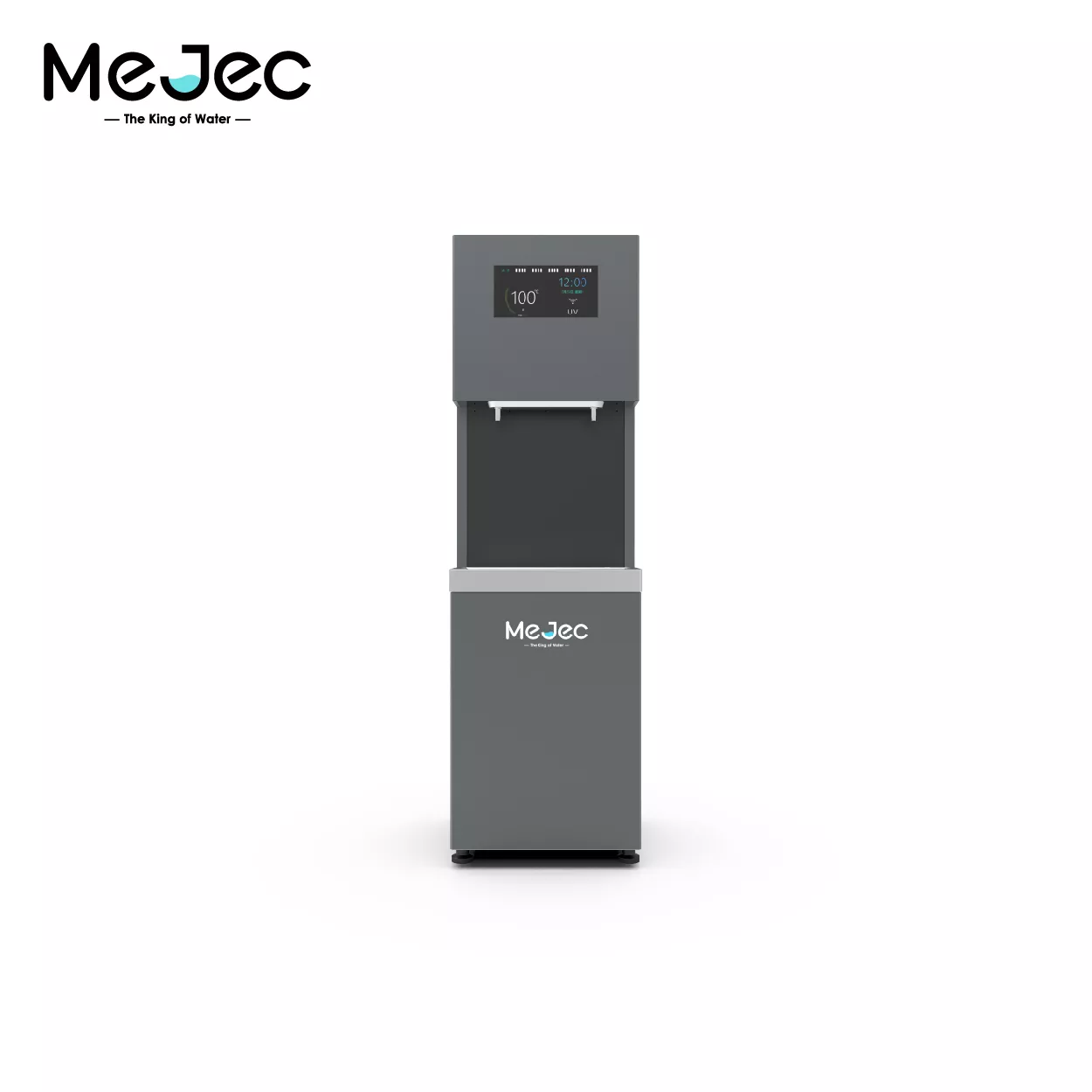
The Mejec commercial energy-saving water dispenser...
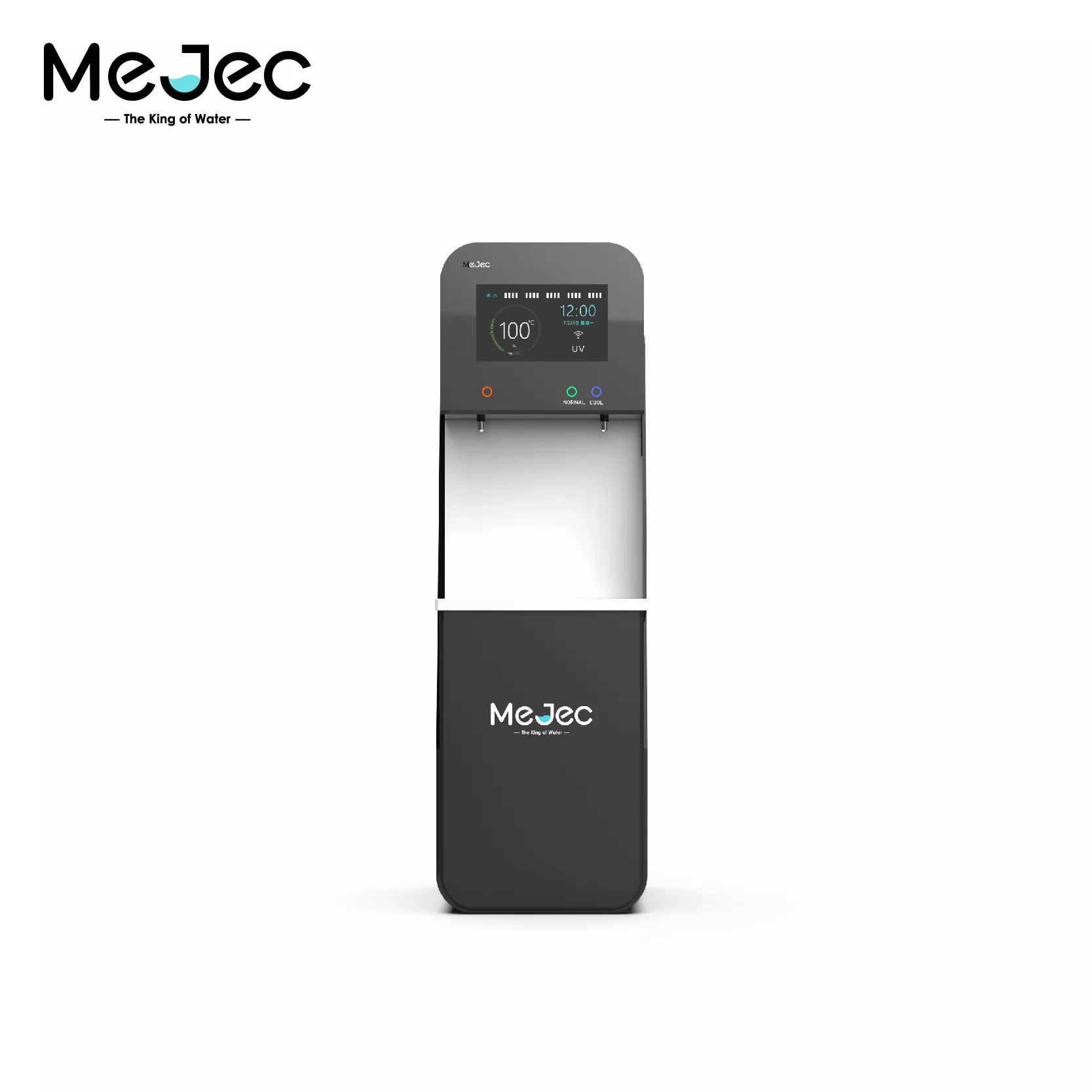
The Mejec Commercial Drinking Water Dispenser is d...
Select the most popular foreign trade service products to meet your diverse needs
Select the most popular foreign trade service products to meet your diverse needs





User Comments
Service Experience Sharing from Real Customers
Michael Chen
Software EngineerThis quick hot water dispenser is a game-changer for my morning routine. It heats water to the perfect temperature for tea in seconds, saving me so much time before work. The safety lock feature is also great for my household with kids.
Sarah Johnson
Registered NurseAs someone who works long shifts, coming home to instant hot water for soup or coffee is a lifesaver. It's efficient and well-built. One star off because the initial setup instructions could be clearer, but overall, highly recommended for busy professionals.
David Miller
High School TeacherI use this dispenser multiple times a day for quick teas, instant noodles, and even to pre-heat water for cooking. It's incredibly reliable and fast. It has held up perfectly in our busy teachers' lounge for months now.
Jessica Williams
Freelance Graphic DesignerWorking from home, this appliance has become indispensable. It delivers boiling water instantly, which is perfect for my endless cups of herbal tea during work hours. It's compact, stylish, and the energy efficiency is a noticeable plus on my utility bill.