


.webp)

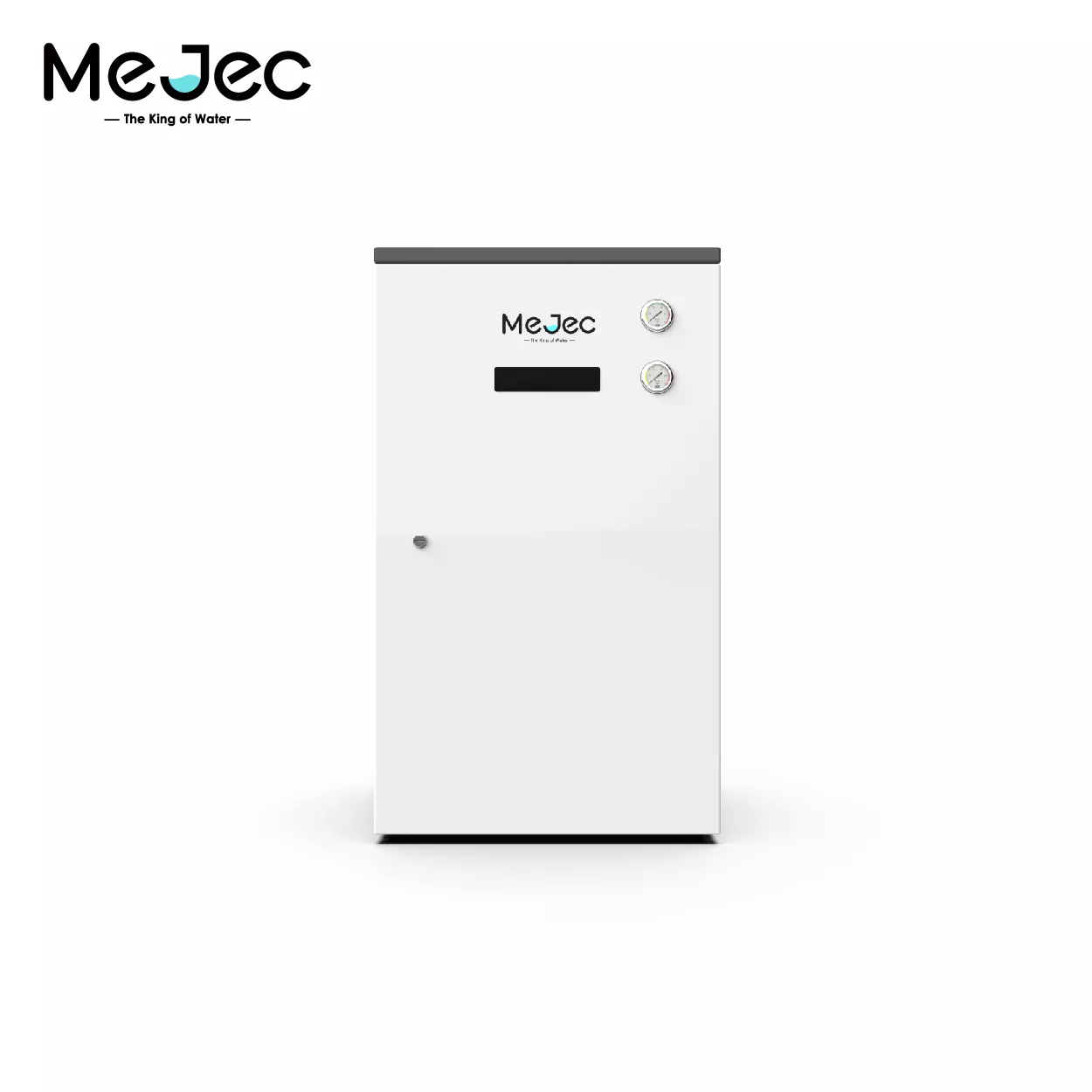
International Workers' Day Greetings from Mejec
Mejec celebrates May Day by honoring water treatme...
More


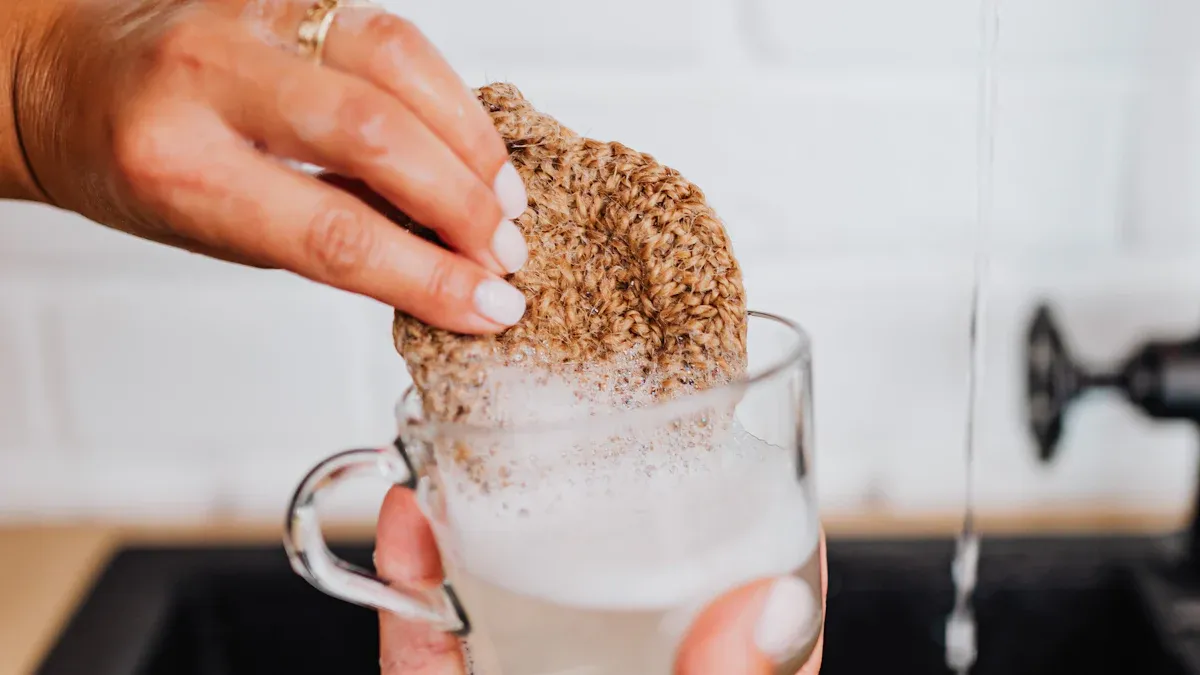
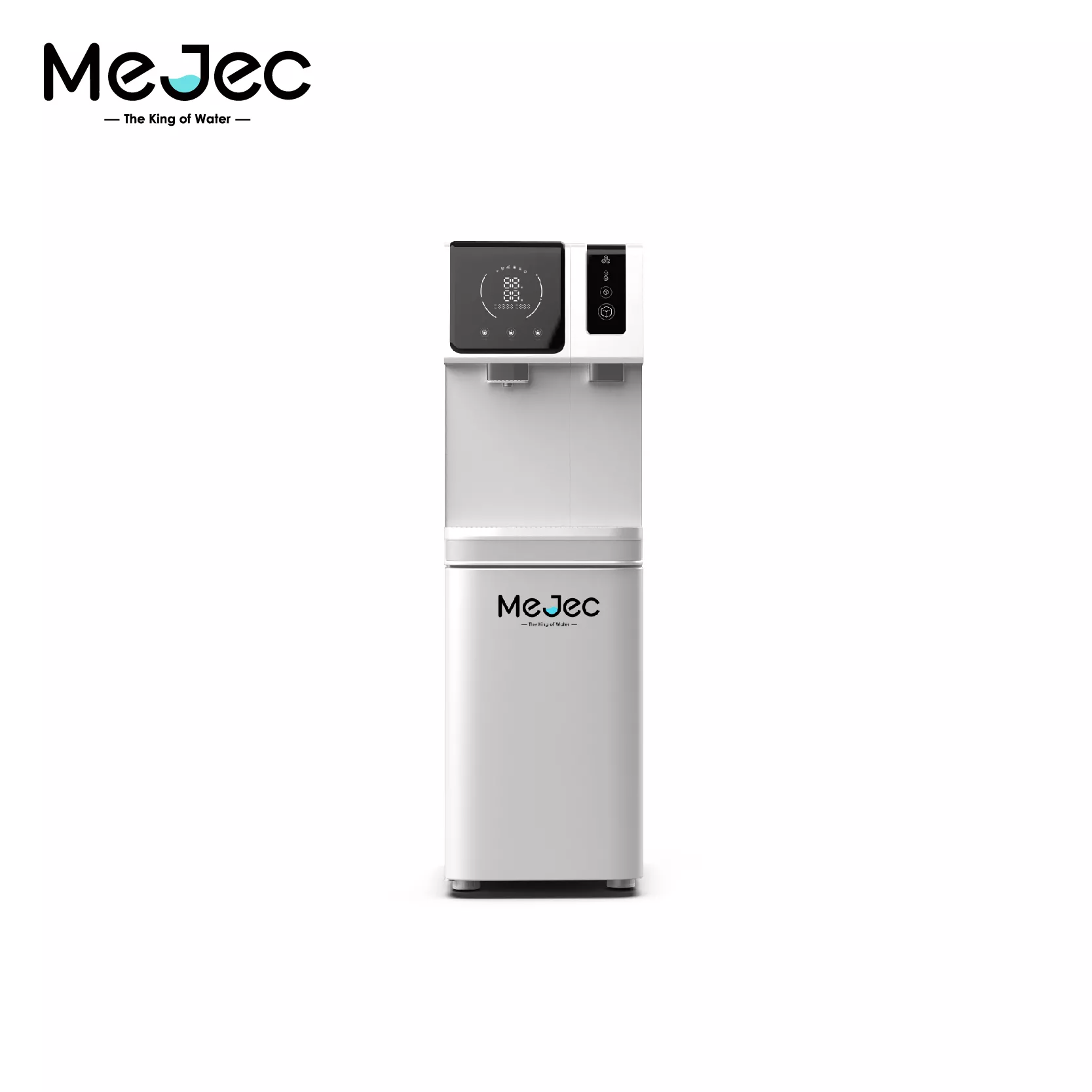
You must perform regular descaling for your stainless steel hot water dispenser. This action is essential for its performance and lifespan. For the best results, you should descale it every 3-6 months. Hard water areas require more frequent descaling. You can also clean the exterior weekly to keep it looking new.
Descale your hot water dispenser every 3-6 months. This keeps it working well and makes it last longer.
Use white vinegar or a safe descaler to clean inside. Always rinse it well after cleaning.
Clean the outside weekly. This keeps your dispenser looking good and prevents germs.
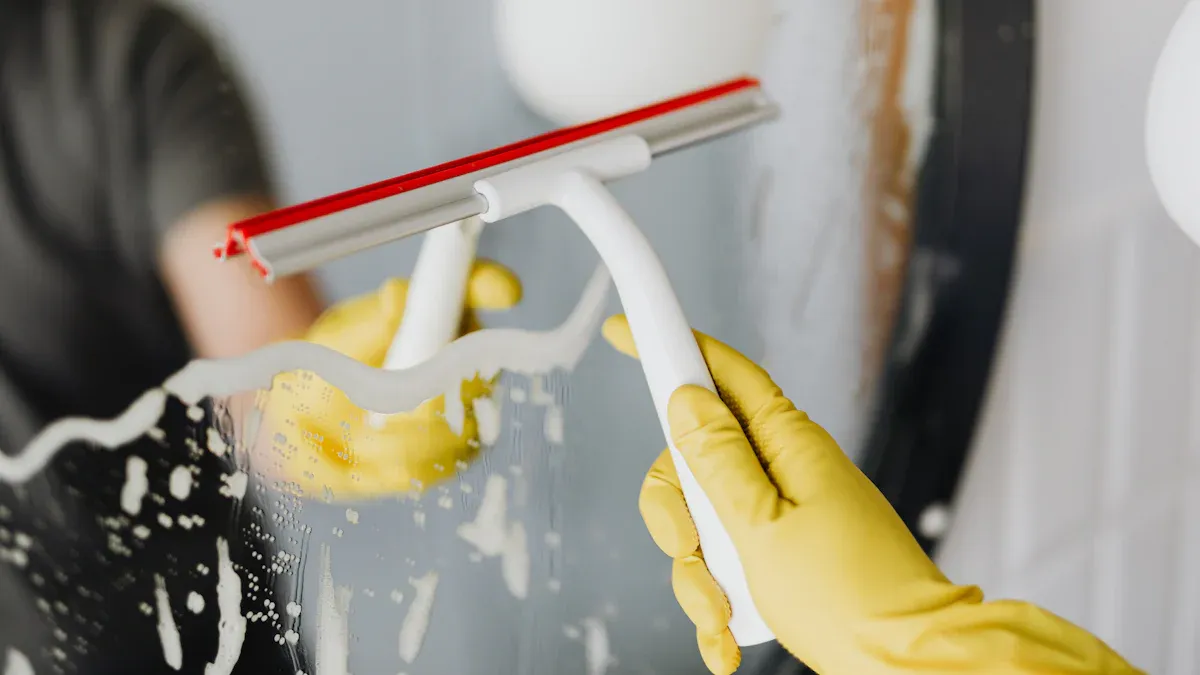
Proper cleaning keeps your dispenser working efficiently. It also ensures your water tastes fresh. This guide will walk you through the entire process. You can keep your appliance in top condition with these simple steps.
You must first gather your supplies. This preparation makes the process smooth and safe. You will need a descaling agent and a few basic tools.
Descaling Agents (Choose one):
White Vinegar and Water: A simple mix of equal parts white vinegar and water is very effective. The acetic acid in vinegar easily dissolves mineral buildup.
Commercial Descaler: You can also use a commercial descaling solution. Look for products with NSF approval, as this indicates they are safe for potable water systems.
Baking Soda or Lemon: You can create a paste from baking soda and water for tough spots. A lemon half dipped in baking soda also works well for scrubbing.
Safety and Cleaning Tools:
Protective gloves and goggles
A soft sponge or brush
Clean microfiber cloths
Safety First! ⚠️Always wear protective gear like gloves and goggles when you handle chemical descalers. You should also work in a well-ventilated area. Your safety is the most important step.
Descaling removes the mineral deposits, called scale, from inside your machine. Follow these instructions for a deep clean of your stainless steel hot water dispenser.
Unplug and Empty: Disconnect your dispenser from the power source. Let any hot water inside cool down completely. Then, drain all the water from the reservoir.
Add the Descaling Solution: Pour your chosen descaling solution into the water reservoir. If you use vinegar, a 1:1 ratio of white vinegar to water works best.
Let It Sit: You should let the solution sit inside the dispenser for about 20 minutes. This time allows the solution to dissolve the tough mineral buildup effectively.
Cycle and Rinse: Plug the dispenser back in and run the solution through the tap until the reservoir is empty. Unplug the unit again. Refill the reservoir with fresh, clean water and run it through the tap to rinse everything out. Repeat the rinse process two or three times to remove any leftover cleaning solution.
Wipe and Reassemble: Use a soft sponge to wipe down the inside of the reservoir. Then, you can refill your dispenser with fresh water and plug it in.
A clean exterior makes your whole kitchen look better. You should clean the outside of your stainless steel hot water dispenser weekly.
Use a clean microfiber cloth for the best results. You can dampen it with a simple solution of vinegar and water. The vinegar’s acetic acid cuts through grease and fingerprints without just spreading them around. Wipe in the direction of the steel's grain to avoid streaks. Use a second, dry microfiber cloth to buff the surface to a shine.
Many specialty stainless steel cleaning products exist. They are gentle and non-abrasive. These cleaners often leave a protective finish that helps repel fingerprints and water spots. For a long-term solution, you can apply a transparent coating treatment. These products create a barrier that repels both water and oil, keeping your appliance looking spotless.
Staying on a schedule is the easiest way to keep your dispenser in top shape. A consistent routine prevents major problems and ensures you always have clean, hot water.
You can follow a simple schedule to stay on track. This checklist covers the most important tasks for your dispenser.
Weekly: Wipe the nozzle and tap area with a food-safe sanitizer. This simple step prevents bacteria from growing.
Monthly: Replace the water filter if your model has one. This keeps your water tasting fresh.
Quarterly (or as needed): Descale the internal tank. Your water hardness determines how often you should descale.
Tip: Know Your Water! 💧 Hard water contains more minerals and requires more frequent descaling. Soft water areas can go longer between cleanings.
| Water Hardness | Recommended Descaling Frequency |
|---|---|
| Soft (0-60 ppm) | Every 3-4 months |
| Moderate (61-120 ppm) | Every 2-3 months |
| Hard (121+ ppm) | Every 1-3 months |
Your dispenser will give you signs when it needs attention. You should watch for these common issues.
Slow Water Flow: Mineral buildup can narrow the internal pipes, reducing water pressure.
Unusual Noises: Knocking or hissing sounds often mean the heating element is struggling with scale.
Odd Taste or Smell: A metallic or musty taste indicates a buildup of minerals or microbes.
White Flakes: Seeing white particles in your water is a clear sign of limescale that needs to be removed.
Regular upkeep is more than just cleaning. It is a crucial part of owning your appliance. Proper care extends the life of your stainless steel hot water dispenser. It also ensures the machine operates safely and efficiently, saving you energy. Most importantly, many manufacturers can void your warranty if you neglect basic maintenance like descaling. Protecting your investment starts with this simple cleaning schedule.
You ensure your dispenser runs efficiently for years with consistent maintenance. Following this simple schedule protects your investment. It also guarantees clean, great-tasting water every time.
Your care can extend the life of your stainless steel hot water dispenser from less than 8 years to more than 12 years.
Here are answers to some common questions about maintaining your hot water dispenser.
Yes, you can use other descaling agents.
Citric Acid: Mix one or two tablespoons with a full reservoir of water.
Commercial Descaler: Follow the package directions for the best results.
You risk permanent damage to your machine. Scale buildup causes slow water flow, bad-tasting water, and higher energy use. Your dispenser will not last as long.
No, you should not leave the solution in for too long. Extended exposure can damage your dispenser's internal parts. Follow the recommended 20-minute timeframe for a safe, effective clean.

We provide you with comprehensive foreign trade solutions to help enterprises achieve global development
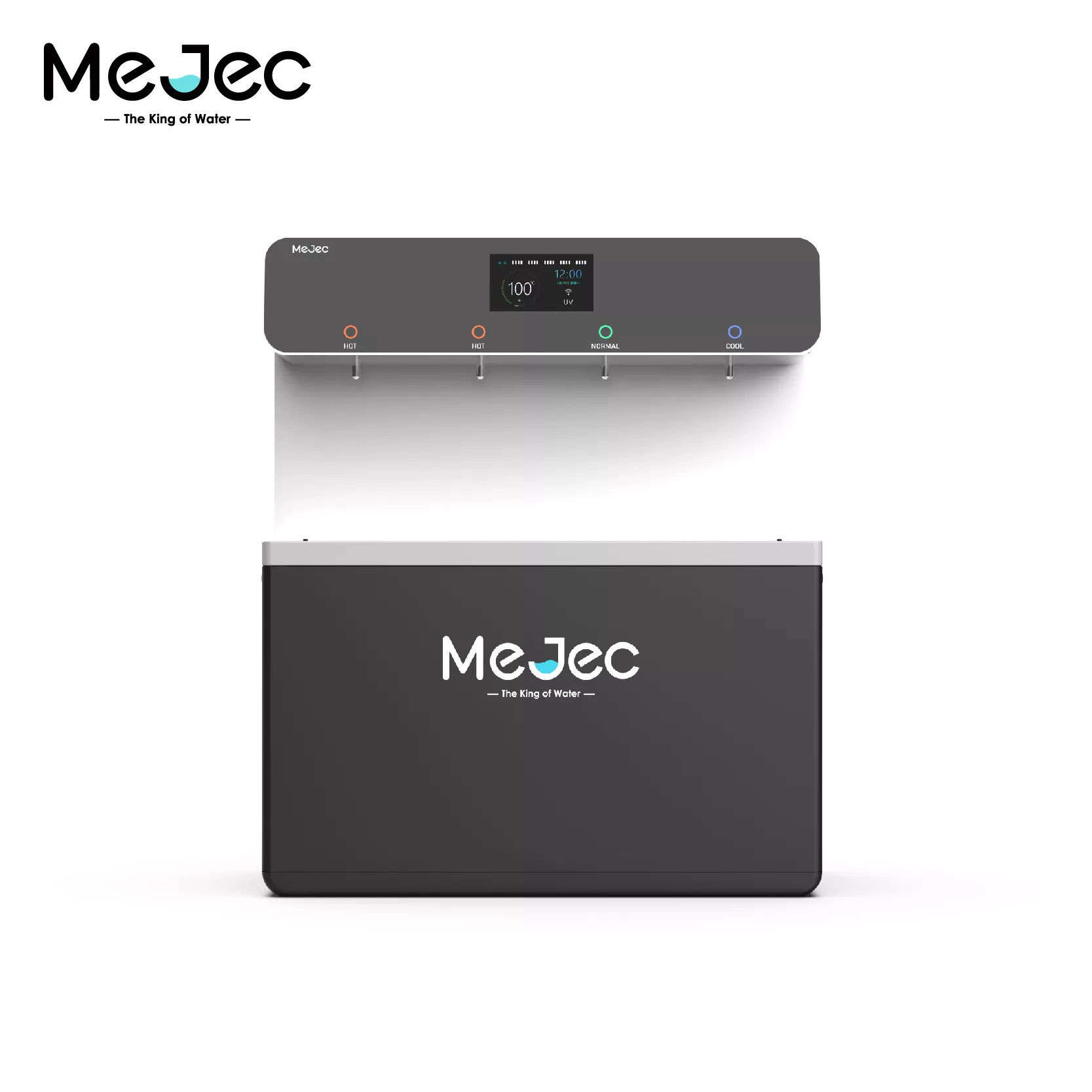
Designed for high-traffic public areas, the Mejec ...
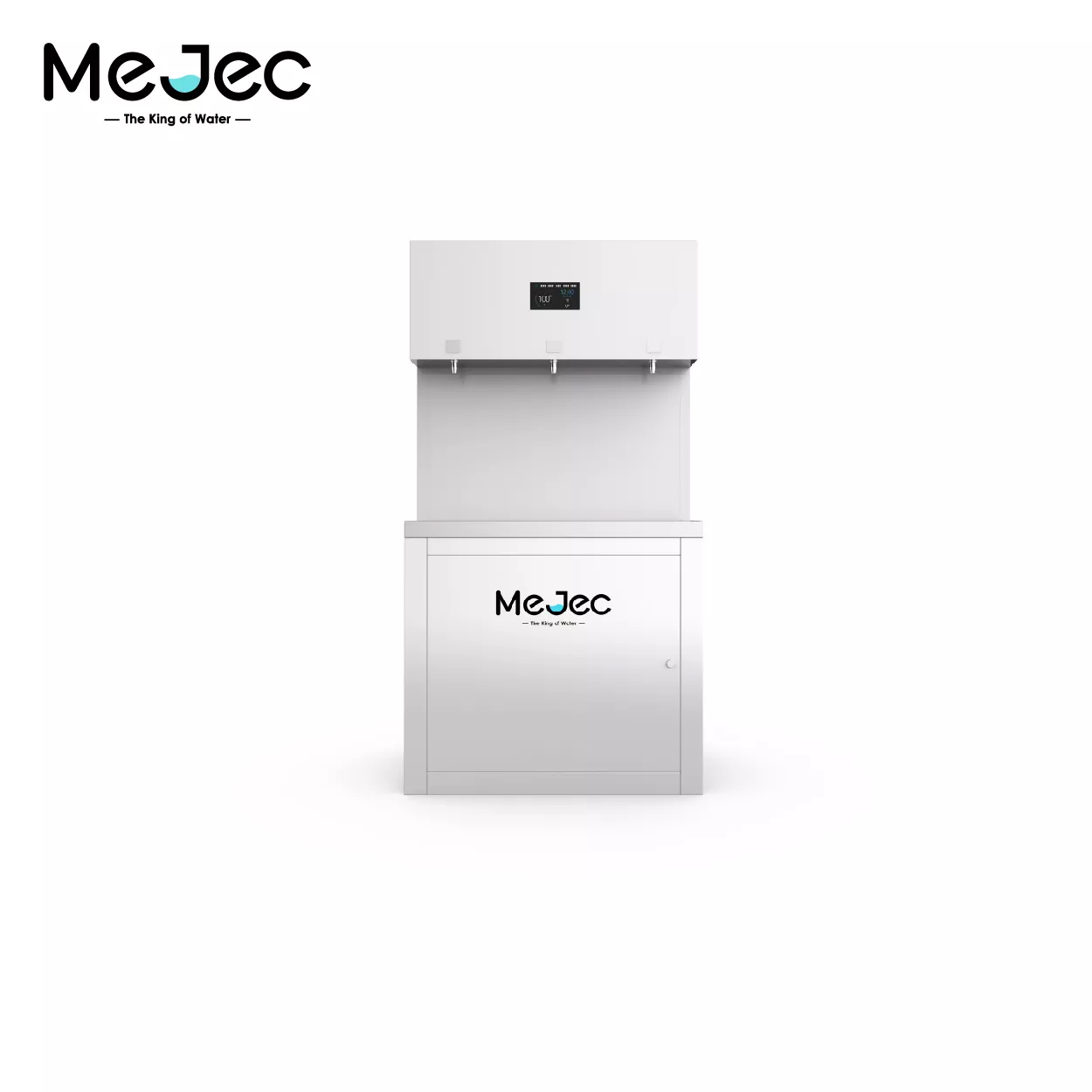
Upgrade your commercial hydration station with our...
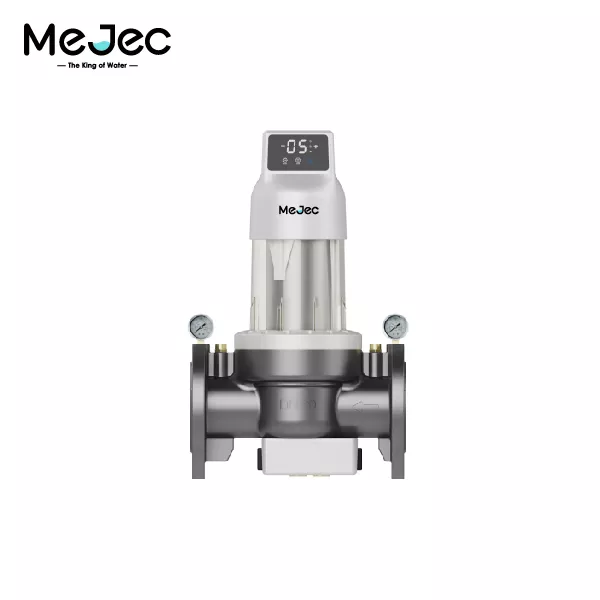
Engineered as the essential first barrier for wate...

Whether your venue is a specialty café in pursuit ...
Select the most popular foreign trade service products to meet your diverse needs
Select the most popular foreign trade service products to meet your diverse needs








User Comments
Service Experience Sharing from Real Customers
James Wilson
Office ManagerThis stainless steel hot water dispenser has been a game-changer for our office. It's durable, heats water incredibly fast, and the temperature control is perfect for everyone's tea and coffee. Highly recommend for any busy workplace.
Sarah Chen
Cafe OwnerAs a small cafe owner, reliability is key. This dispenser provides a constant supply of hot water with precise temperature settings, which is essential for brewing different types of tea. The stainless steel build is also very easy to clean and looks professional.
David Miller
Lab TechnicianWe use this in our clinic's staff room. It's efficient and safe, with no plastic taste in the water. The one-touch operation is convenient. The only minor drawback is the size, but the performance and build quality are excellent for the price.
Emily Rodriguez
TeacherPerfect for our school's faculty lounge. It saves so much time compared to a kettle. The kids can't accidentally operate it, which is a great safety feature. The stainless steel exterior wipes clean easily and has held up well with daily use.