


.webp)
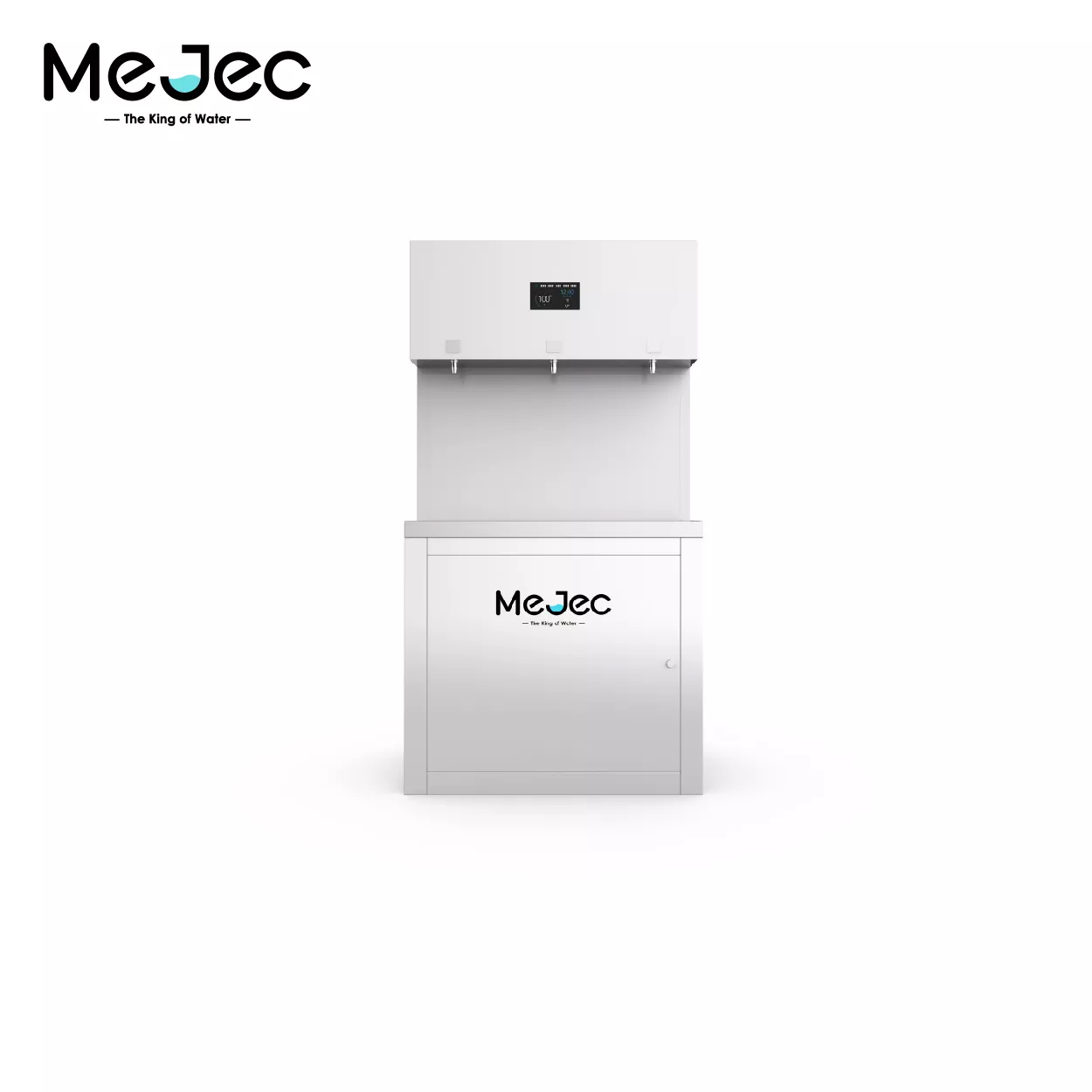
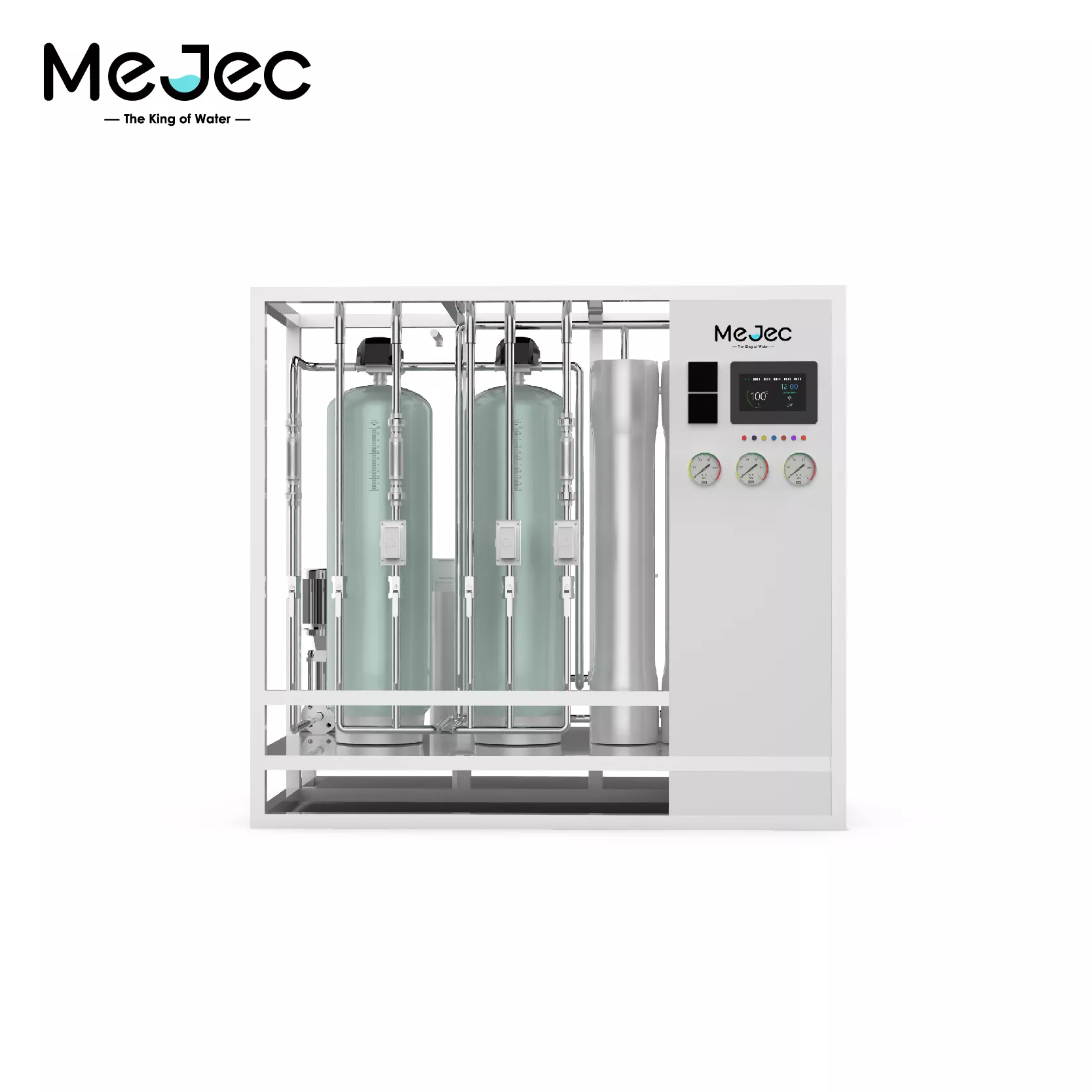


How to choose the best commercial water dispensers for restaurants
Find the best commercial water dispenser for your ...
More

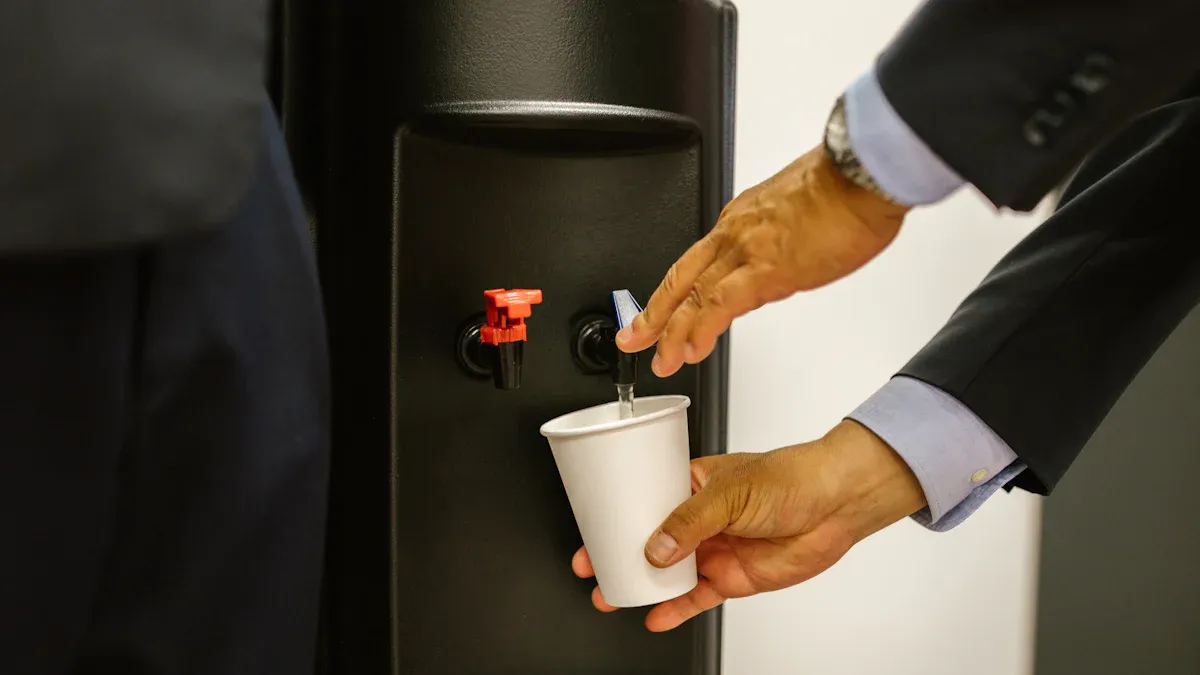
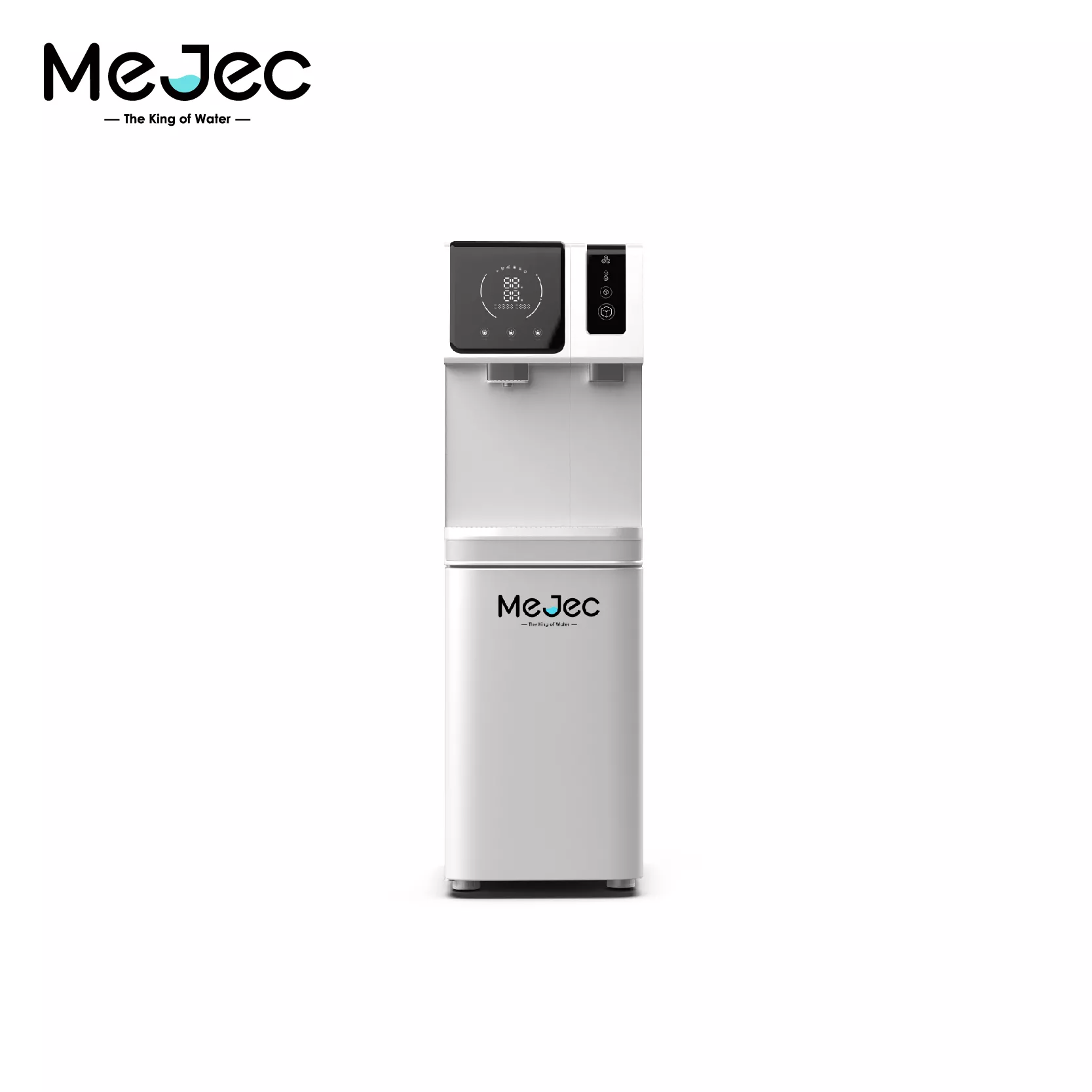
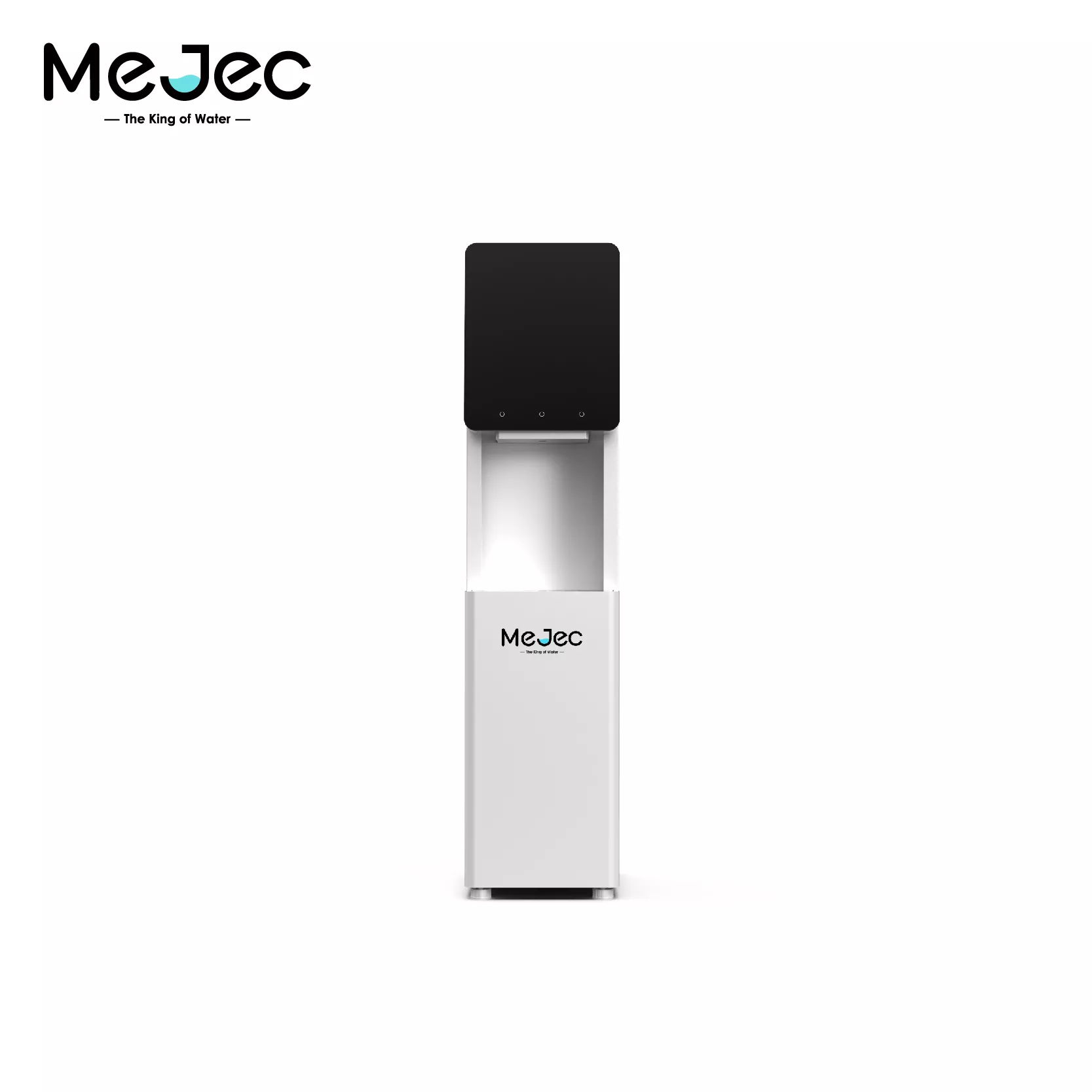
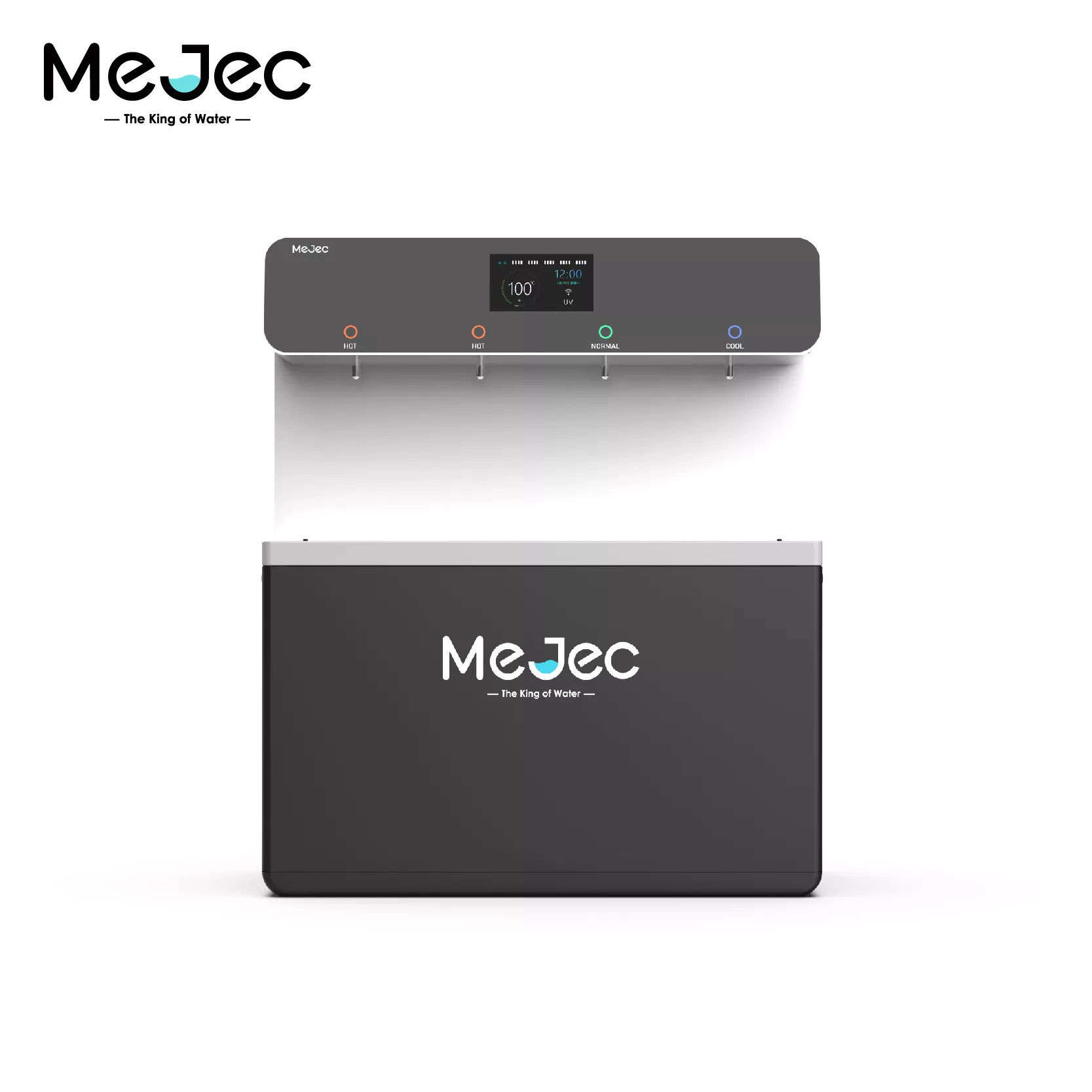
A countertop water dispenser cold and hot offers you unmatched convenience, providing instant hot water for coffee and chilled water on warm days. This popularity is reflected in the growing global market for these appliances.
| Metric | Value |
|---|---|
| Revenue in 2023 | USD 2,983.7 million |
| Projected Revenue by 2030 | USD 5,349.9 million |
| CAGR (2024-2030) | 8.7% |
Note: This convenience involves an initial purchase, ongoing costs for filters, and dedicated counter space.
Water dispensers offer great convenience. They give you instant hot or cold water. This saves time and makes daily tasks easier.
These dispensers improve water quality. They filter out bad things from tap water. This makes your water safer and taste better.
Consider the costs and space needed. Dispensers have an upfront cost. They also need regular filter changes and counter space.

You may wonder if a water dispenser is a worthwhile addition to your kitchen. These appliances offer several compelling advantages that can enhance your daily routine, improve your health, and even save you money. Let's explore the key benefits.
Imagine you want a cup of tea. You no longer need to fill a kettle and wait. A water dispenser gives you instant access to hot, cold, or room-temperature water. This on-demand service saves you valuable time every day. The difference is significant when you compare it to traditional methods.
| Method | Time to Heat Water |
|---|---|
| Instant Hot Water Dispenser | Immediately |
| Electric Kettle | 3-5 minutes |
This immediate access streamlines your morning coffee routine and makes preparing oatmeal or instant noodles a breeze. Many models also offer multiple temperature settings. You can get perfectly chilled water for a hot day or precisely heated water for delicate green teas without any guesswork.
Your tap water may look clean, but it can contain various impurities that affect its taste and quality. A high-quality water dispenser cold and hot uses advanced filtration systems to tackle this problem. These multi-stage filters effectively remove a wide range of common contaminants.
What do filters remove?
Sediment and Debris: They catch rust flakes, silt, and dirt from old pipes.
Chemicals: They reduce chlorine, pesticides, and other volatile organic comdollars (VOCs).
Heavy Metals: They filter out harmful metals like lead and mercury.
Microorganisms: They can remove chlorine-resistant cysts, bacteria, and other microbes.
Removing these substances results in water that is not only safer but also tastes and smells much cleaner and more refreshing.
Buying bottled water seems convenient, but the costs add up quickly. Switching to a water dispenser can lead to substantial savings. For example, a family of four can save approximately $1,416 annually by using a filtration system instead of purchasing bottled water. While there is an initial investment, the long-term savings are significant.
Beyond saving money, you also help the environment. 🌎 Using a dispenser dramatically reduces your household's consumption of single-use plastic bottles. This simple change helps decrease plastic waste in landfills and oceans, making it a responsible and eco-friendly choice for your home.
Having clean, great-tasting water readily available encourages you and your family to drink more of it. Proper hydration is essential for your overall health. Increased water intake offers numerous benefits.
It helps prevent dehydration and overheating.
It aids digestion and can prevent constipation.
It supports kidney function and helps prevent kidney stones.
Staying hydrated does more than just support your physical health. It also directly impacts your mental performance. Good hydration can lead to improved mental clarity, higher energy levels, and better cognitive function. This helps you feel more focused and reduces fatigue throughout the day.
While the benefits are clear, you should also understand the potential drawbacks. A water dispenser cold and hot requires an investment of money, space, and time. Considering these factors will help you make a fully informed decision.
Your first expense is the initial purchase of the unit. Prices can vary widely based on brand, features, and filtration technology. However, the costs do not stop there. You must also budget for regular maintenance and replacement parts.
Annual filter maintenance is a recurring expense. For a typical home system, you can expect to spend between $150 and $300 per year just on replacement filters. Broader maintenance costs, which might include professional servicing, can range from $150 to over $1,000 annually depending on your system's complexity and usage. These ongoing costs are essential to keep your dispenser functioning correctly and providing clean water.
A countertop water dispenser needs a dedicated spot in your kitchen. This can be a significant issue in smaller homes or apartments where counter space is already limited. You need to measure your available area carefully before buying one.
Typical models have a noticeable footprint.
| Model | Height | Width | Depth |
|---|---|---|---|
| Countertop 1.0 & 1.5 | 18.5” | 10” | 11” |
Installation Note: Some models require more than just counter space. You may need to drill a hole in your countertop and ensure you have enough clearance in the cabinet below for the filtration unit and tanks.
Drill Hole: Some units require a 1-1/4” to 4” diameter cutout in your counter.
Cabinet Space: You will need adequate interior cabinet clearance, often around 18” W × 22” D × 22” H, to fit the system components.
You must clean your water dispenser regularly to ensure it remains hygienic. Neglecting this task can turn a source of clean water into a health hazard. An improperly maintained dispenser can become a breeding ground for harmful contaminants.
Bacterial Growth: Pathogens like E. coli can grow in the water lines and reservoir.
Mold and Slime: This buildup can cause respiratory issues and digestive problems.
Chemical Leaching: Old or damaged plastic parts can leach chemicals like BPA into your water.
To prevent these risks, you need a consistent cleaning routine.
| Frequency | Recommended Cleaning Task |
|---|---|
| Daily/Weekly | Wipe down all outer surfaces, taps, and the drip tray. |
| Monthly | Perform the weekly tasks, then drain and flush the system with fresh water. |
| Every 3-6 Months | A full internal sanitization is recommended, often by a professional. |
Following a simple cleaning procedure ensures your water stays safe.
Turn Off and Unplug: First, unplug the dispenser from the wall.
Drain Water: Empty any remaining water from the internal reservoir through the taps.
Clean Outside: Wipe all external surfaces and high-touch areas like buttons and taps.
Remove Drip Tray: Wash the drip tray with warm, soapy water and dry it completely.
Flush System: Refill the system and drain about five liters of fresh water through it.
Turn On: Plug the unit back in and allow it to heat or cool the water.
A hot and cold water dispenser constantly uses electricity to keep water at the desired temperatures. This continuous power draw contributes to your monthly utility bill. An Energy Star certified model offers a good benchmark for efficiency, as it must consume less than 1.2 kWh per day.
The appliance's standby power usage is a key factor. Unlike an electric kettle that only uses power when boiling, a dispenser draws energy throughout the day to maintain temperature. This standby consumption can account for 5-10% of a household's total electricity use.
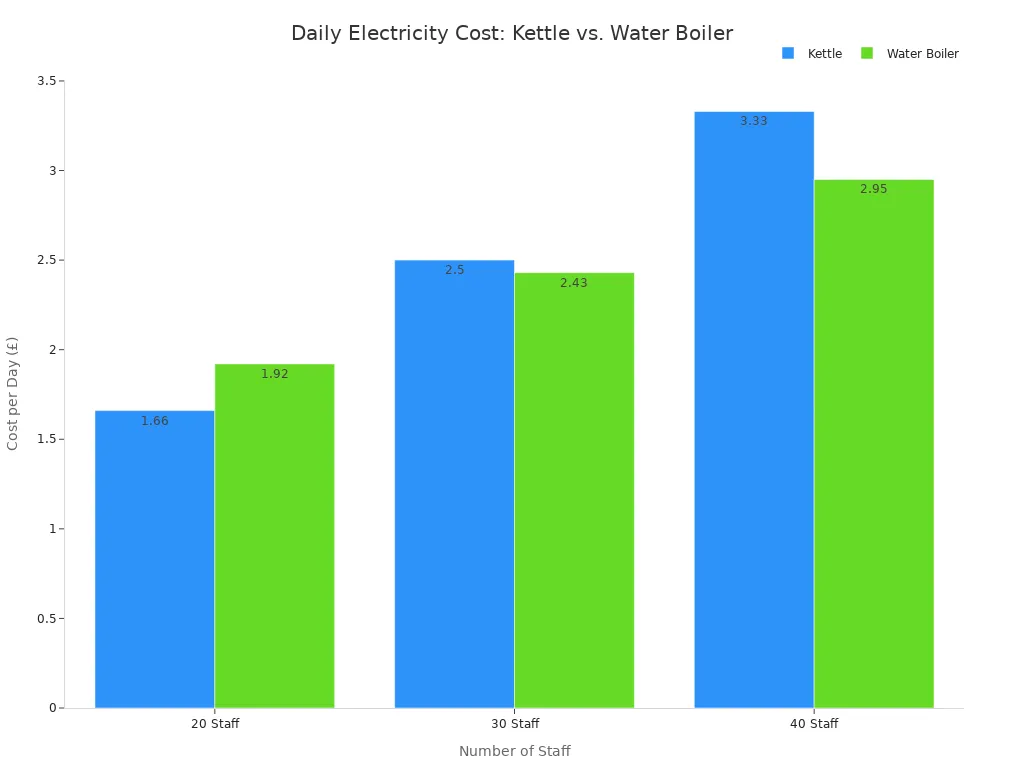
However, for frequent users, a dispenser can be more efficient than repeatedly boiling a kettle. The best choice depends on your habits. The chart below shows how costs compare in an office setting. A kettle is cheaper for a small group, but a water boiler (dispenser) becomes more economical as the number of users increases.
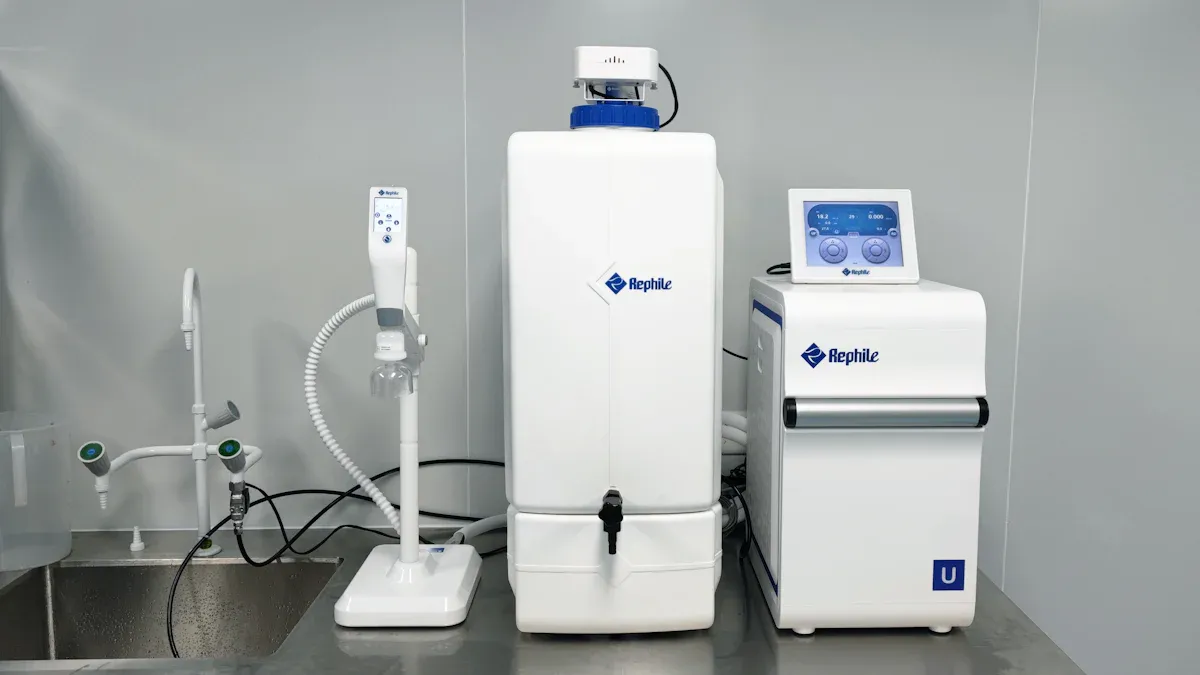
Choosing the right appliance means looking at a few key features. You should consider the filtration system, temperature settings, and overall size to find the perfect fit for your home.
Different dispensers use different methods to clean your water. The three main types are Activated Carbon, Reverse Osmosis (RO), and UV Filtration. Each one targets specific contaminants. Understanding their strengths helps you pick the best system for your needs.
| Feature | Reverse Osmosis | UV Filtration | Activated Carbon |
|---|---|---|---|
| Contaminant Removal | High | Microbial Only | Chemicals/Impurities |
| Microbial Safety | Moderate | High | Low |
| Cost | Higher Initial Investment | Moderate Initial Investment | Low Initial Investment |
An RO system is great for removing heavy metals, while UV filtration excels at killing bacteria and viruses. Activated carbon filters improve taste by removing chlorine.
A water dispenser cold and hot offers a range of temperatures for your drinks. Most models provide consistently chilled and hot water.
Cold Water: Usually between 43°F and 50°F.
Hot Water: Typically ranges from 165°F to 194°F.
Some advanced units let you adjust the temperature. This feature gives you precise control for different beverages. You can set the heat lower for delicate teas or higher for coffee, ensuring the perfect cup every time.
The size of the dispenser often relates to its water capacity. You need to match the unit to your household's daily water consumption and available space.
Small Households: A compact tabletop model holding 2 to 3 gallons is usually enough.
Large Families or Offices: A larger, freestanding unit with a 5-gallon capacity is better for higher demand.
Measure your counter or floor space before you buy to ensure the dispenser will fit comfortably in your kitchen.
Deciding on a water dispenser cold and hot depends on your specific needs. You should weigh the convenience against the costs and space requirements to see if it fits your lifestyle.
This appliance is a perfect match for certain households. You will find it incredibly useful if you are part of a busy family that needs instant hot water for baby formula, oatmeal, or tea. It is also ideal for home offices, where quick access to chilled or hot drinks can boost productivity. Health-conscious individuals who want to encourage their family to drink more clean, filtered water will also see great benefits.
A dispenser is not for everyone. You might want to skip it if you have a small kitchen with limited counter space or if you are on a strict budget. The upfront cost and ongoing filter replacements can be a significant expense. Luckily, you have other options.
Water pitchers with filters: These are affordable and improve water taste, but you must refill them manually.
Bottled water: This is a convenient choice but creates plastic waste and costs more over time.
Drinking fountains: These offer free public access, though water quality and hygiene can vary.
When you shop for a dispenser, you should compare several key features to find the best model. Safety is a top priority, especially with children around.
Look for a child safety lock on the hot water tap to prevent accidental burns.
Modern units also offer innovative features that add convenience and improve hygiene.
Self-Cleaning Cycles: Some models use UV light or automated flushes to keep the water lines sanitary.
Smart Connectivity: Wi-Fi-enabled units can send filter replacement reminders to your phone.
Customizable Temperatures: Advanced dispensers let you set precise temperatures for different drinks.
Energy-Saving Modes: Eco-modes reduce electricity use when the dispenser is idle.
A water dispenser can be a game-changer for your home. It offers significant daily convenience for busy families and home offices. You might want to skip it if your kitchen space is limited or you have a strict budget. Carefully weigh the pros and cons to find the right choice for you.
You should replace filters every 6 to 12 months. Your user manual provides the exact schedule for your specific model to ensure optimal performance.
Yes, most models have separate switches. You can turn off the heating or cooling functions independently. This feature helps you save electricity when needed.
Most dispensers are quiet. You might hear a low hum from the cooling compressor, similar to a refrigerator. The sound should not be disruptive.

We provide you with comprehensive foreign trade solutions to help enterprises achieve global development
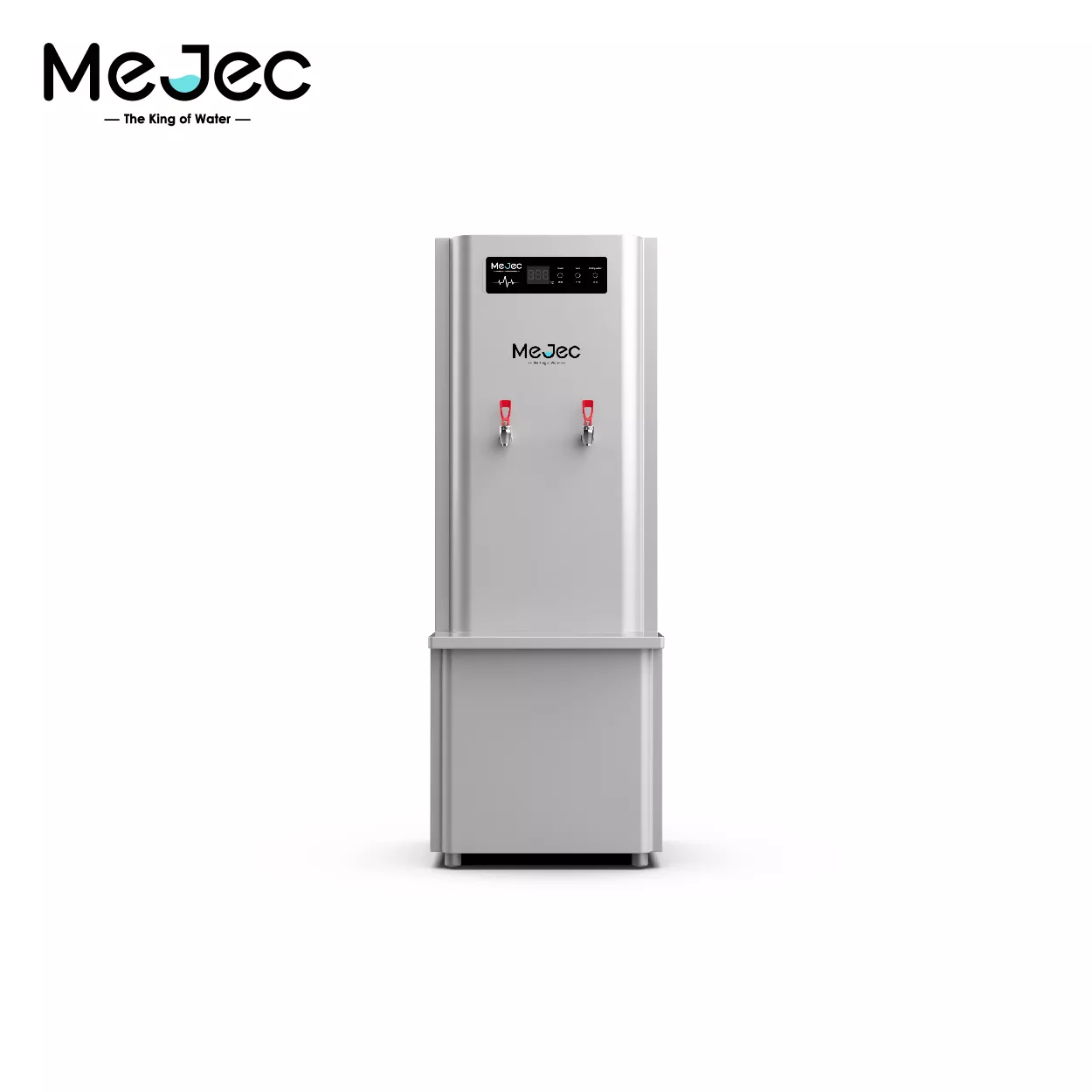
The Mejec dual-faucet boiling water dispenser is b...
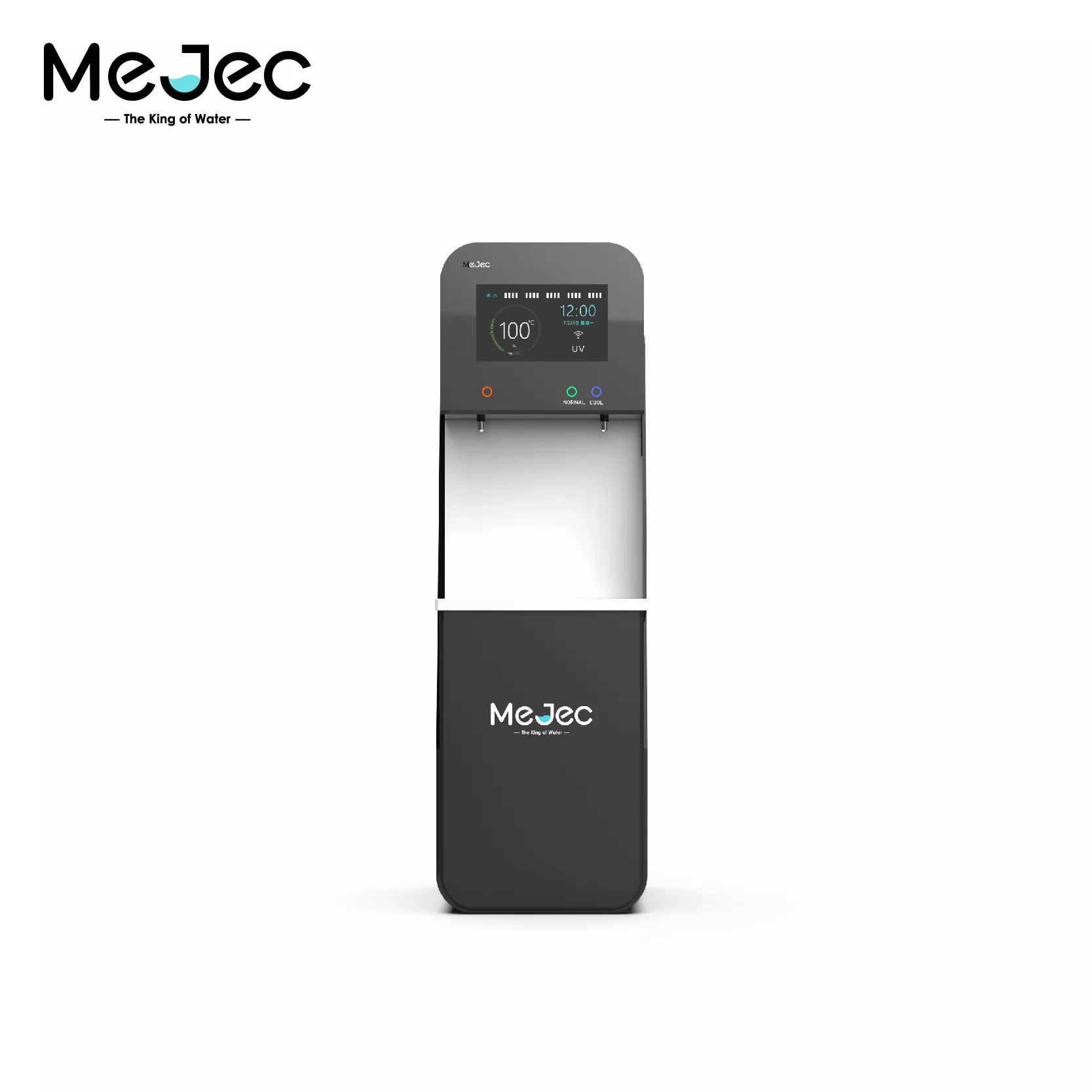
The Mejec Commercial Drinking Water Dispenser is d...
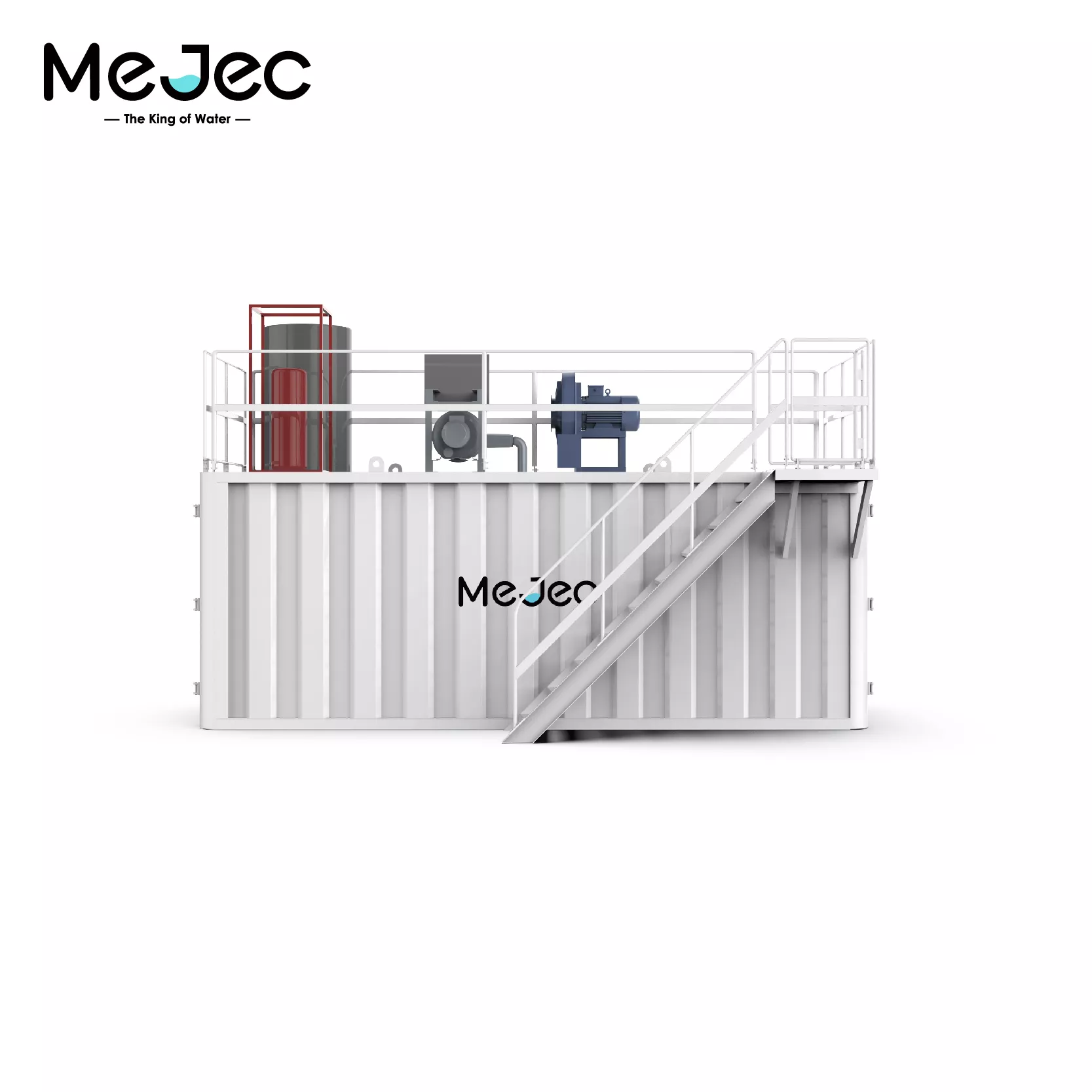
Mejec Containerized MABR Equipment is an innovativ...
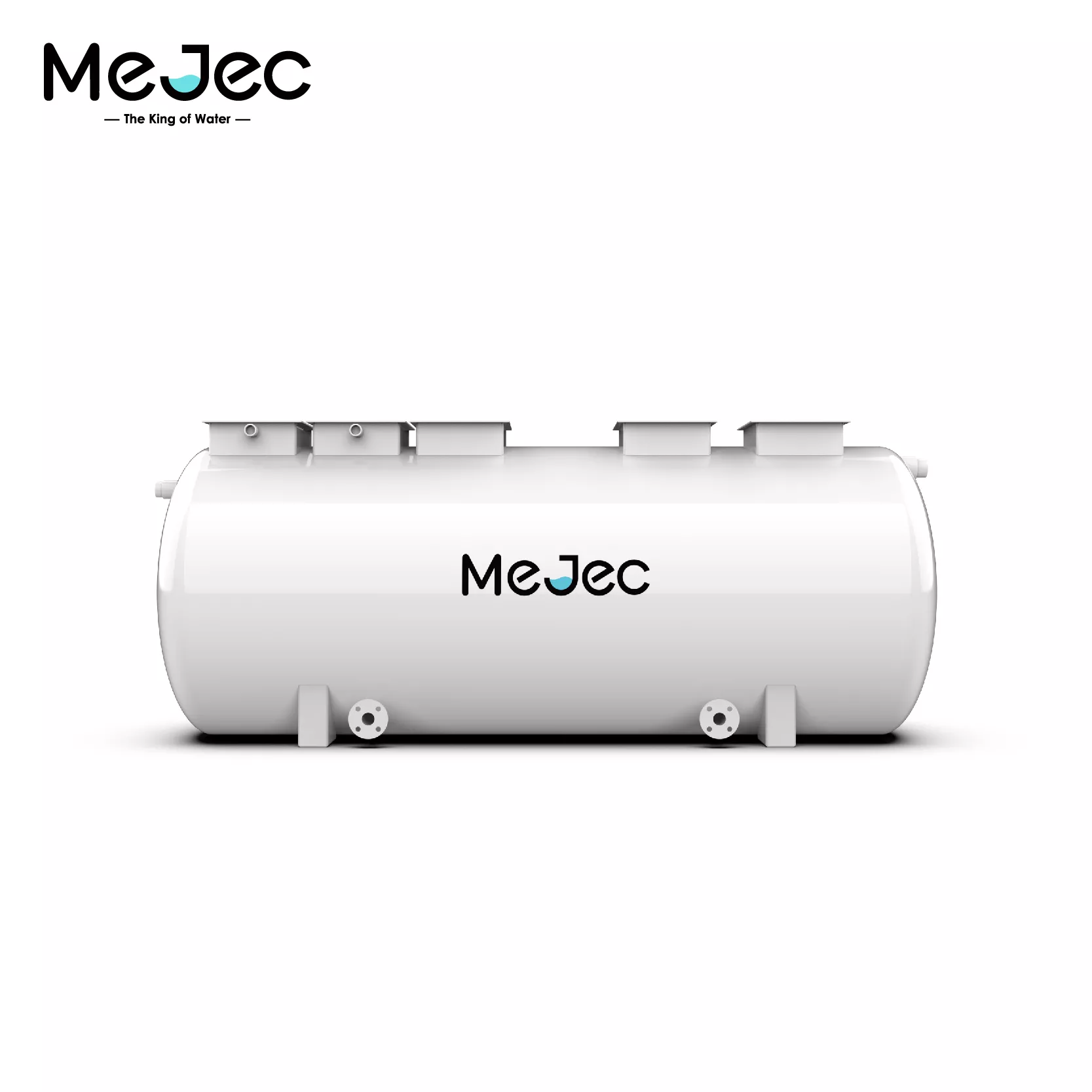
Mejec-Johkasou-SB adopts an AAO + MBBR combined bi...
Select the most popular foreign trade service products to meet your diverse needs
Select the most popular foreign trade service products to meet your diverse needs





User Comments
Service Experience Sharing from Real Customers
James Wilson
Office ManagerThis water dispenser is a game-changer for our office. The hot water is instantly ready for tea and coffee, and the cold water is refreshingly chilled. It's reliable, easy to use, and has significantly reduced our plastic bottle waste.
Sarah Chen
TeacherPerfect for our school's staff room. The children-safe hot water tap gives us peace of mind, and the cold water function is heavily used during breaks. It's sturdy, energy-efficient, and meets all our needs. One star off as the installation instructions could be clearer.
Michael Rodriguez
Clinic ReceptionistAn essential appliance for our medical clinic. The consistent hot water is perfect for preparing warm compresses or instant soups for patients, while the cold water is always in demand. It's hygienic, low-maintenance, and fits perfectly in our waiting area.
Emily Park
Software DeveloperI bought this for my home office, and it's fantastic. No more trips to the kitchen! The hot water feature is ideal for my endless cups of herbal tea during coding sessions, and the cold water is great for staying hydrated. Quiet operation and sleek design.