


.webp)

How to choose the best commercial water dispensers for restaurants
Find the best commercial water dispenser for your ...
More


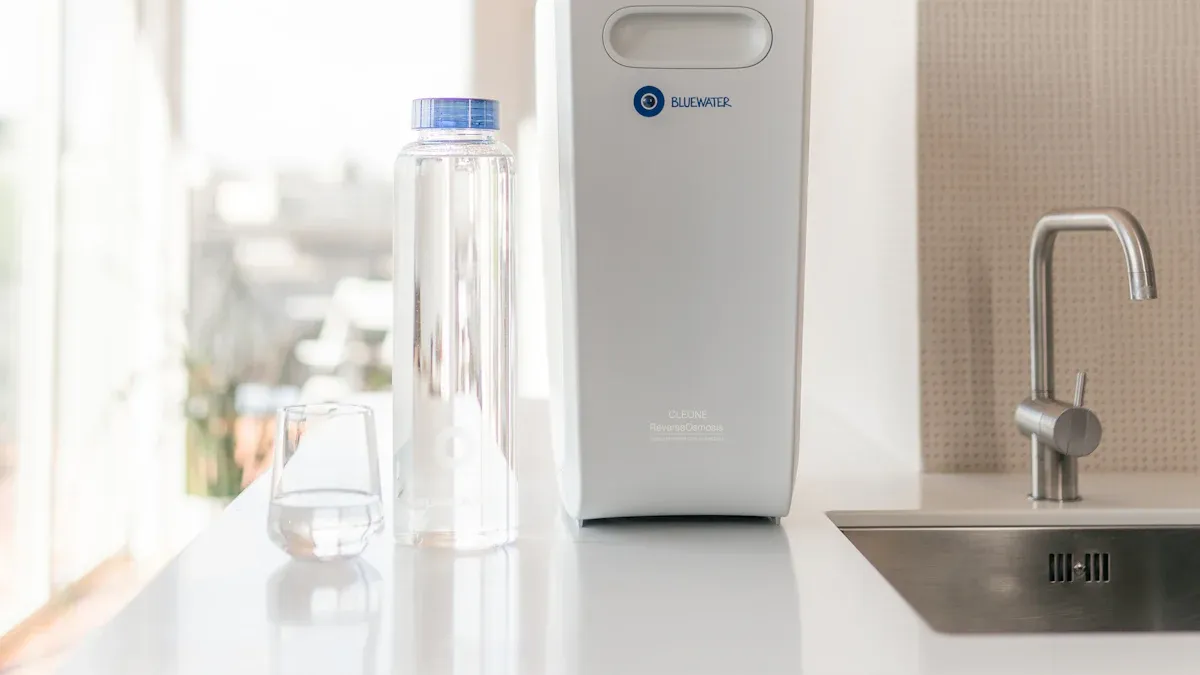
A water dispenser for countertop use is an excellent choice for many homes. The global market for these devices reached over $3 billion in 2024, showing their rising popularity. You must decide if a water dispenser for countertop placement truly fits your lifestyle. This guide helps you weigh the benefits against the drawbacks.
Countertop water dispensers offer clean, great-tasting water and save money over buying bottled water.
They are easy to set up and good for the environment by reducing plastic waste.
Consider the space it takes, the need for regular cleaning, and the initial cost before buying one.
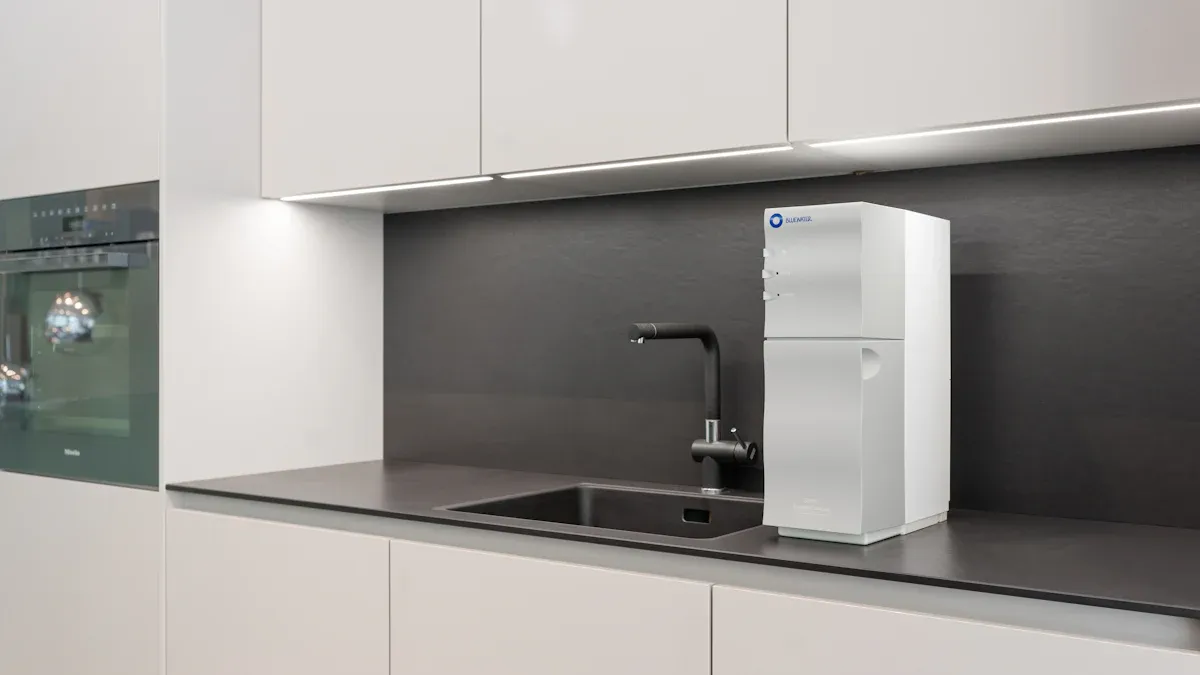
A countertop water dispenser offers significant advantages for your home. You gain access to high-quality water with incredible ease. These benefits often make it a smart and practical addition to any kitchen.
You can greatly improve the quality of your drinking water. Many municipal water systems in the U.S. contain contaminants you may want to avoid. A good dispenser filters these out, giving you cleaner, safer water. Advanced filters can remove many harmful substances.
Chromium-6: A chemical that may cause cancer.
“Forever chemicals” (PFAS): These are linked to liver damage and other health issues.
Arsenic: A cancer-causing element from various sources.
TTHMs (Trihalomethanes): These byproducts form during water treatment and can cause cancer.
Nitrate: A chemical from fertilizer that is harmful to infants.
Radon: A radioactive element that can enter tap water.
Beyond safety, you will notice a major improvement in taste and smell. Consumer Reports tests show that countertop filters are very effective. Their expert tasters found that these filters successfully remove unpleasant flavors like chlorine, metal, and soil from water. Interestingly, a past study also found that New York City's tap water tasted better than many popular bottled water brands. A filter simply elevates your good tap water to great water.
Imagine getting perfectly chilled or piping hot water instantly. A water dispenser for countertop placement puts this luxury right at your fingertips. You no longer need to wait for the kettle to boil for your morning tea or coffee. You do not have to chill water bottles in the fridge for hours to get a cold drink. This immediate access encourages you and your family to drink more water throughout the day. It simplifies daily routines and makes hydration effortless.
You might worry about the initial price, but a dispenser saves you money in the long run. Buying bottled water adds up quickly. A family can spend a large amount on single-use bottles each year. A countertop dispenser is a one-time purchase with small ongoing costs for filter replacements. This comparison shows the clear financial benefit.
| Item | Annual Cost |
|---|---|
| Bottled Water (family spending approx. $2.50/day) | Over $900 |
| Countertop Water Dispenser (initial investment) | $50–$200 |
| Countertop Water Dispenser (annual filter replacements) | $30–$100 |
The numbers show that you can recover the initial cost in just a few months. After that, the savings continue to grow year after year.
You do not need to be a DIY expert to set up your dispenser. Most models are designed for extreme simplicity. The installation process is straightforward and requires no special tools or professional help.
Installation is a breeze—no need for a professional plumber or complicated setup.
Most units feature a simple, plug-and-play design.
You just unbox the unit.
You fill its refillable tank.
You plug it into a standard electrical outlet.
Because there is no plumbing required, you can place your water dispenser for countertop use almost anywhere in your home or office.
Choosing a countertop dispenser is a great decision for the planet. Single-use plastic bottles create enormous waste and have a large carbon footprint. The production and transportation of bottled water use a massive amount of energy. In fact, bottled water can have a carbon footprint up to 2,000 times greater than tap water. A bottleless system uses significantly less energy than producing a single bottle of water. By filtering your own tap water, you directly reduce plastic pollution and lower your environmental impact.
While countertop dispensers offer many perks, you should also look at the potential drawbacks. Understanding these downsides helps you make a fully informed decision and avoid any surprises after your purchase.
You must consider the initial price of the unit. A countertop water dispenser is an investment. The cost can range from affordable to several hundred dollars for high-end models. While generally more budget-friendly than under-sink filtration systems, the upfront expense is more than a simple water pitcher. You need to be sure the price fits within your household budget before you commit to buying one.
Kitchen counter space is often prime real estate. These appliances are not small and will occupy a permanent spot in your kitchen. You need to measure your available space carefully. Many popular models have dimensions that require significant room.
Think Before You Buy 📏Always check the product's dimensions and compare them to your counter space. A typical unit might be:
Height: Around 17.6 inches (44.7 cm)
Width: Around 14.6 inches (37.1 cm)
Depth: Around 22.1 inches (56.2 cm)
Losing this much space can be a major issue in smaller kitchens.
You cannot just set up your dispenser and forget about it. Regular cleaning is essential for both performance and your health. Manufacturers often recommend you clean the unit every three to six months. This process involves emptying the reservoirs, cleaning them with a solution like vinegar and water, and wiping down all components.
Failing to maintain your dispenser can lead to serious health risks. The damp environment inside is a perfect breeding ground for mold and bacteria. A study of water dispensers found that 86.8% of samples contained mold and yeast, with many being highly contaminated. Ingesting or inhaling these microbes can cause:
Throat irritation
Coughing and sneezing
Headaches
Respiratory infections
Poorly maintained filters can also trap algae and sediment, creating a home for harmful bacteria like E. coli or salmonella. A strange taste or musty smell is a clear warning sign that your dispenser needs immediate cleaning.
Countertop dispensers hold a finite amount of water in their internal tanks. This capacity is usually just a few liters. An average person can use between 50 and 100 liters of water per day for all activities, so a dispenser's tank is only meant for drinking. For a large family or a household that drinks a lot of water, you will find yourself refilling the tank frequently. This can become a daily chore. If you want a large, uninterrupted supply of filtered water, an under-sink system connected directly to your plumbing might be a better fit.
Your water dispenser for countertop use needs electricity to work. The heating and cooling functions are the main power consumers. A heating element can use between 400 and 700 watts, while a cooling compressor uses around 100 to 120 watts. This continuous power draw will add a small but noticeable amount to your monthly energy bill. More importantly, if you experience a power outage, your dispenser will not be able to provide hot or cold water. You will only have access to room-temperature water if the tank has any left.
You have many ways to filter your water at home. Understanding how a countertop dispenser stacks up against other popular choices helps you pick the best option for your needs. Each system offers a unique balance of convenience, cost, and performance.
Water filter pitchers are a common starting point for many people. They are inexpensive and simple. However, you will quickly notice their limitations. A countertop dispenser offers a significant upgrade in both speed and capacity. You get filtered water instantly without the wait.
| Feature | Countertop Dispenser | Standard Water Filter Pitcher |
|---|---|---|
| Filtration Speed | Fast, on-demand | Slow, requires waiting |
| Capacity | Larger overall volume | Restricted capacity |
| Water Availability | Instant hot or cold | Room temperature only |
Under-sink systems are powerful, permanent solutions. When comparing filtration, many high-end countertop and under-sink systems use similar reverse osmosis (RO) technology.
Both can remove 95-99% of pollutants like lead, fluoride, bacteria, and PFOA.
Both provide excellent water quality for daily household use.
The main difference is installation and permanence. An under-sink system is hidden away and connects to your plumbing, making it ideal for homeowners. A countertop unit is portable and requires no installation, which is perfect if you rent or move often. You trade counter space for portability.
Your refrigerator may offer filtered water and ice. This feature is convenient, but its filtration power is very limited. A high-quality water dispenser for countertop use provides far superior purification.
Refrigerator filters mainly improve taste and smell by removing chlorine.
They are too small to remove serious contaminants like lead or chromium-6.
Countertop RO systems are certified to remove these dangerous pollutants.
If your main goal is simply better-tasting water, a fridge filter might be enough. For true purification and safety, a dedicated dispenser is the better choice.
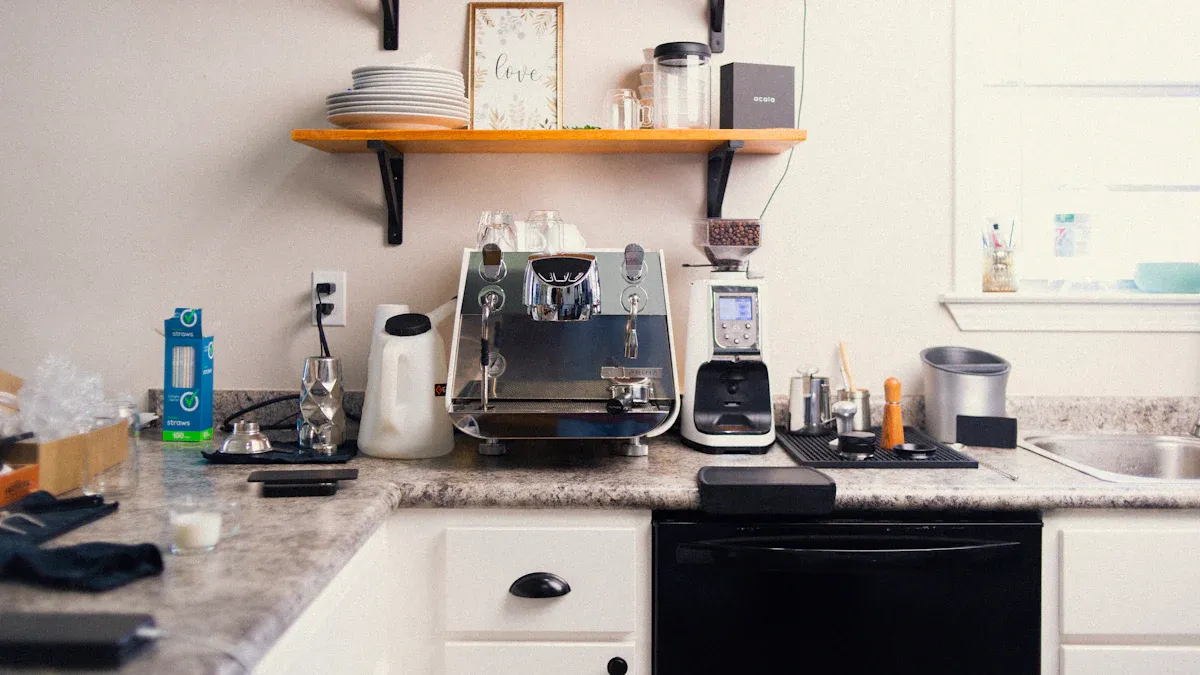
You need to select the right features for your home. Key factors like filtration type, temperature options, and size will determine how happy you are with your purchase. Thinking about these details helps you find the perfect match.
You have two main choices for filtration: activated carbon and reverse osmosis (RO). Carbon filters are great for improving taste and removing chlorine. RO systems provide a higher level of purification.
| Contaminant Type | Activated Carbon Filters | Reverse Osmosis (RO) Systems |
|---|---|---|
| Taste and Odor | Effective | Effective |
| Chlorine | Effective | Effective |
| Dissolved Solids (TDS) | Less Effective | Highly Effective |
| Heavy Metals | Less Effective | Highly Effective |
| Bacteria & Viruses | Less Effective | Highly Effective |
| Fluoride | Less Effective | Highly Effective |
You should also consider water usage.
Carbon filtration does not waste any water.
Traditional RO systems can create wastewater, but newer models are much more efficient.
Many dispensers offer instant hot and cold water. This feature adds incredible convenience to your daily routine. You can make tea, coffee, or a chilled drink without any waiting. You should decide if this added luxury is a priority for you.
The size of the water dispenser for countertop use matters. You must consider both the unit's footprint and its water tank capacity. Tank sizes vary, with hot tanks often holding around 0.5 gallons and cold tanks holding up to 1 gallon. A larger capacity is better for big families or even small offices, as some models can serve up to 40 people.
You must account for the ongoing cost of filters. The lifespan of a filter can range from six months to two years, depending on the model. A replacement RO filter set might cost you around $103.50. You should check the manufacturer's recommendations to understand the long-term financial commitment before you buy.
A countertop water dispenser is an excellent investment if you value convenience and water quality. You should ask yourself a few final questions before buying one.
Is filtered water a daily necessity?
Do you have the counter space?
Does the cost fit your budget?
If the benefits match your needs, it is a worthwhile addition to your kitchen.
You should clean your dispenser every three to six months. This regular cleaning prevents mold and bacteria buildup. It keeps your water safe and tasting fresh.
Some models can remove fluoride. You must choose a dispenser with a reverse osmosis (RO) filter for this task. Standard carbon filters do not remove fluoride from water.
Yes, you can use well water. You should select a powerful reverse osmosis (RO) system. It will effectively remove the bacteria and heavy metals often found in well water.

We provide you with comprehensive foreign trade solutions to help enterprises achieve global development

Choose Mejec and say goodbye to manual maintenance...
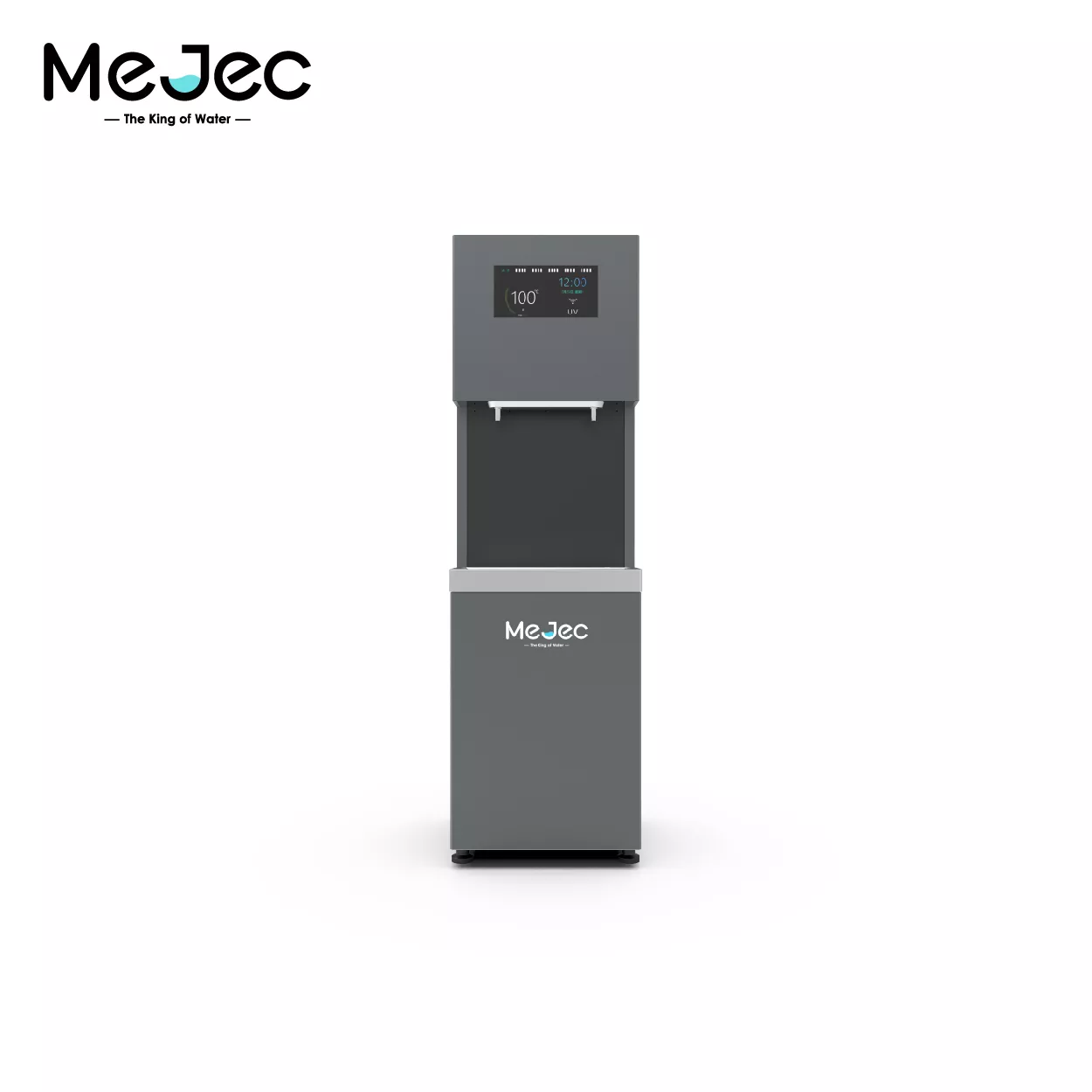
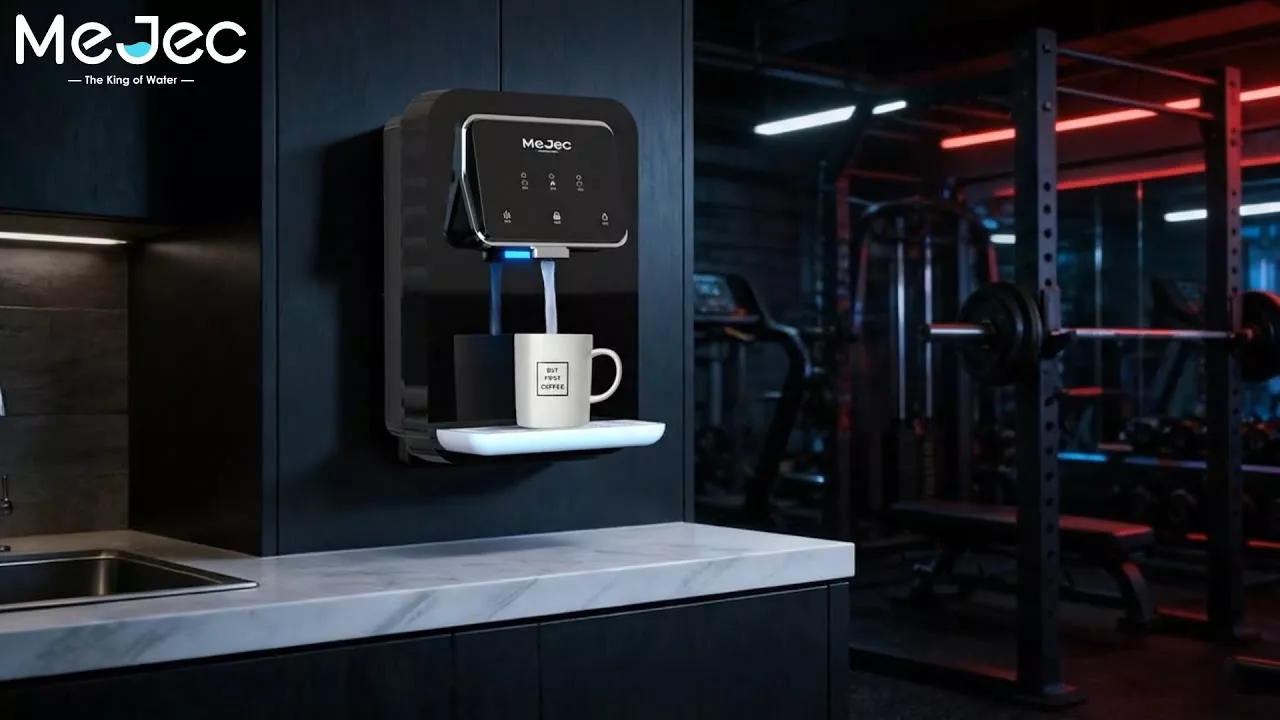
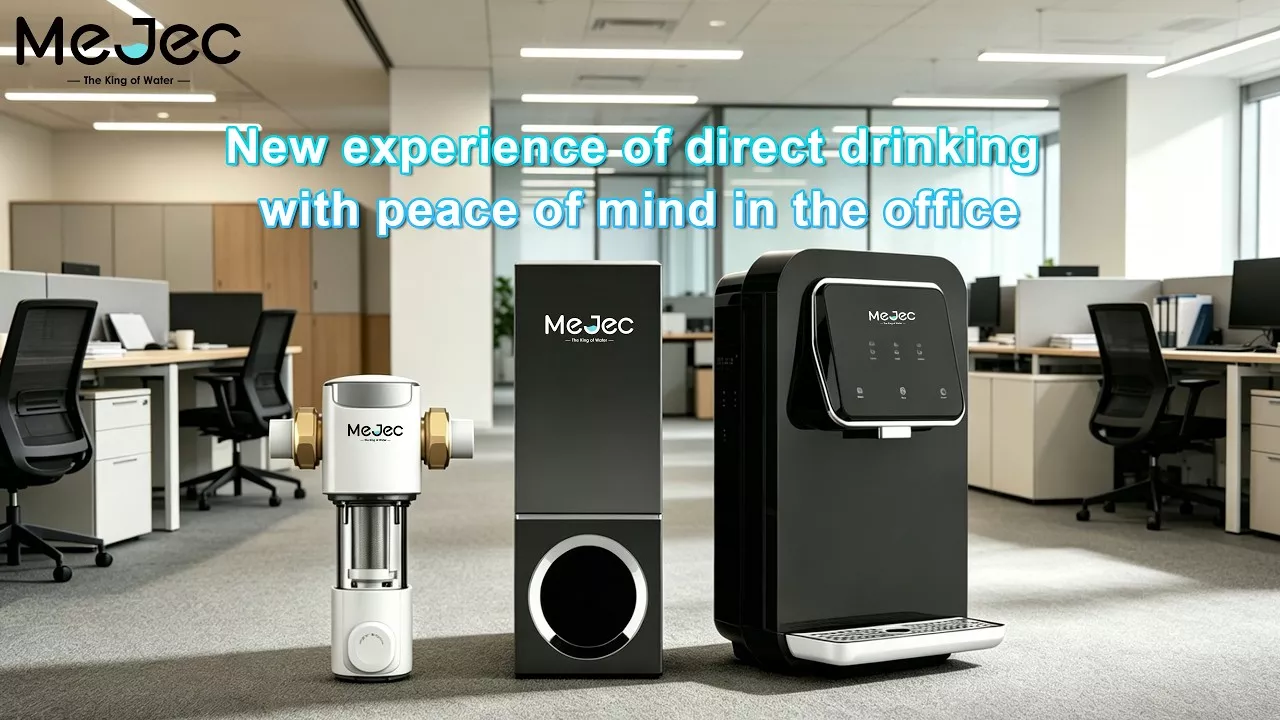
The Mejec commercial energy-saving water dispenser...
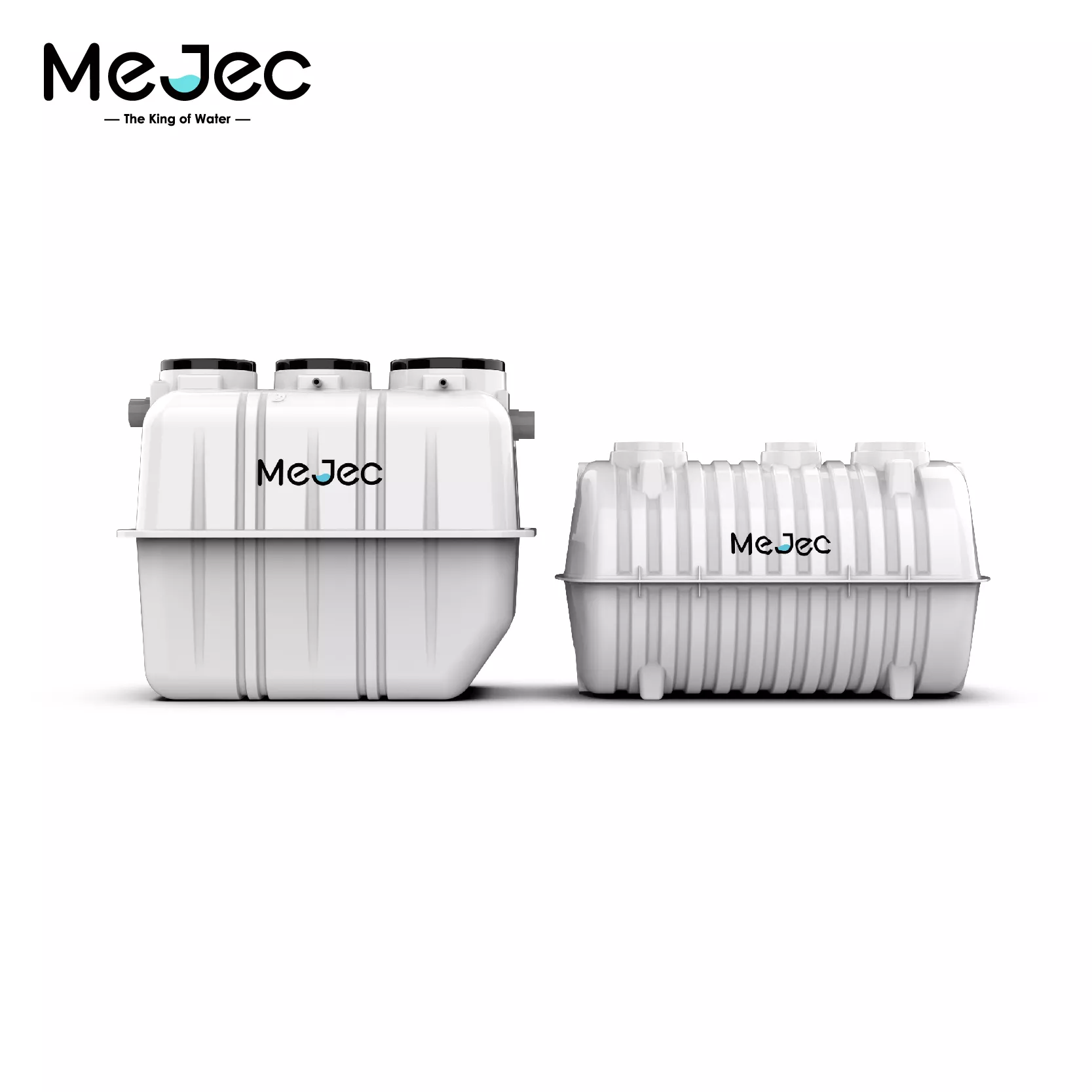
Mejec-Johkasou-SA is a small buried sewage treatme...
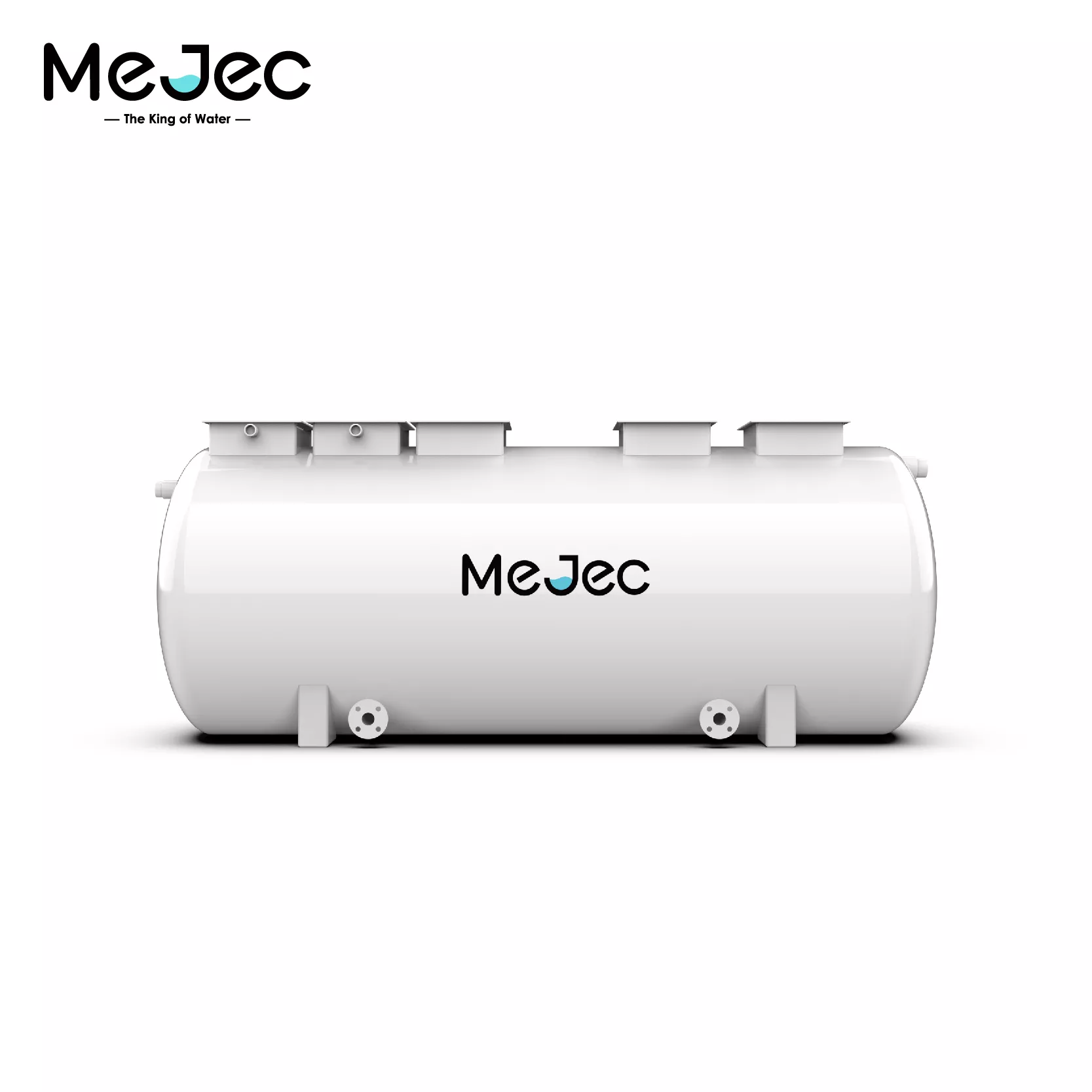
Mejec-Johkasou-SB adopts an AAO + MBBR combined bi...
Select the most popular foreign trade service products to meet your diverse needs
Select the most popular foreign trade service products to meet your diverse needs





User Comments
Service Experience Sharing from Real Customers
James Wilson
Office ManagerThis countertop water dispenser is a game-changer for our small office kitchen. It's compact, heats water incredibly fast, and the kidsafe lock is a great feature. No more waiting for the kettle!
Sarah Chen
Graphic DesignerPerfect for my home studio! Saves me countless trips to the kitchen. Love the adjustable temperature settings for my tea and the sleek design fits my countertop perfectly. One star off because the water tank could be slightly larger.
Michael Rodriguez
Dental HygienistAs a healthcare professional, I appreciate how easy it is to keep clean. The touch-free dispensing is hygienic and convenient. It provides instant hot and cold water, which is fantastic for my family's busy mornings. Highly recommend!
Emily Foster
TeacherI bought this for my classroom, and it's been wonderful. The students can easily get a drink of cold water, and I have instant hot water for my tea between classes. It's quiet, efficient, and very reliable. A great investment!