

.webp)
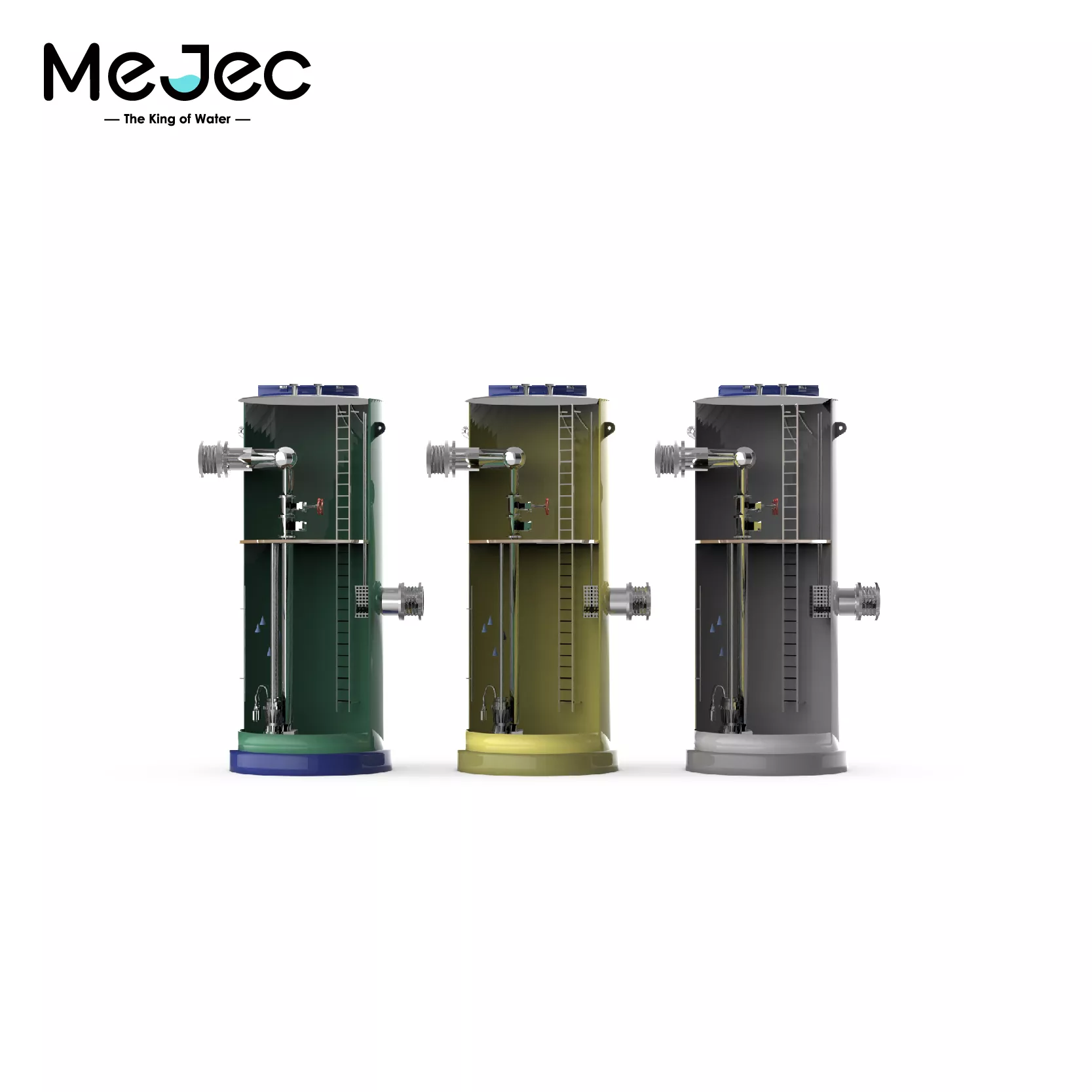


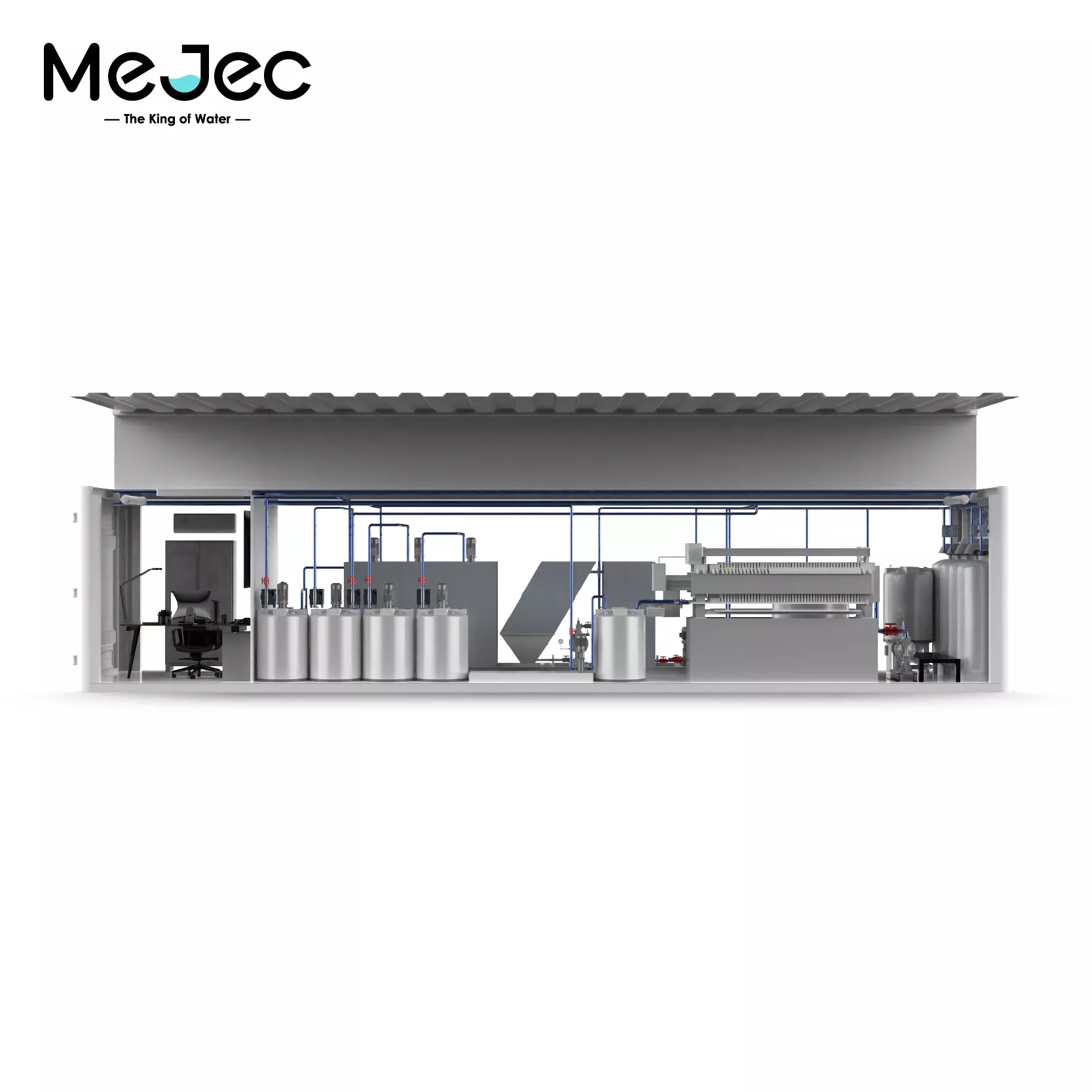
How to Choose the Best Residential Wastewater Treatment System
Have you ever wondered what happens to the wastewater from your home after it goes down the drain? Many homeowners face challenges with managing wastewater safely and efficiently. Choosing the right wastewater treatment system protects your family’s health, preserves the environment, and adds value to your property. Mejec offers advanced solutions for residential wastewater treatment, giving you peace of mind at home.
Key Takeaways
Choosing the right wastewater treatment system protects your family's health and the environment.
Modern systems, like those from Mejec, reduce pollutants and greenhouse gas emissions, promoting eco-friendly living.
Regular maintenance is crucial for system efficiency; schedule inspections to prevent costly repairs.
Consider local regulations and soil conditions when selecting a system to ensure compliance and effectiveness.
Investing in advanced systems can save money over time and increase your property's value.
Why the Right Wastewater Treatment System Matters
Health and Safety
A reliable wastewater treatment system protects families from harmful substances. When wastewater is not treated properly, it can carry dangerous bacteria, viruses, and chemicals into the environment. These hazards can cause sickness and other health problems. The table below shows common risks found in untreated residential wastewater.
Type of Hazard | Description |
|---|---|
Biological Hazards | Exposure to pathogens like bacteria (E. coli, Salmonella), viruses (Hepatitis A), and protozoa (Giardia) that can cause illnesses. |
Chemical Hazards | Risks from disinfectants (chlorine, ozone) and heavy metals (lead, mercury) that can lead to serious health issues. |
Bioaerosols | Inhalation of airborne particles containing pathogens and allergens, leading to respiratory problems. |
Modern residential wastewater treatment systems, such as those from Mejec, use advanced processes to remove these hazards. This keeps the home safe and helps prevent disease.
Environmental Impact
Wastewater can harm the environment if not managed correctly. Old systems may only contain waste, while new systems remove more pollutants and reduce greenhouse gas emissions. The table below compares the environmental benefits of modern systems and traditional septic tanks.
Environmental Benefit | Modern Systems | Traditional Septic Tanks |
|---|---|---|
Pollutant Removal | Higher percentage of pollutants removed | Basic waste containment |
Greenhouse Gas Emissions | Reduced methane emissions | Methane production due to anaerobic processes |
Water Reuse Potential | Safe for landscape irrigation | Limited reuse options |
Nutrient Recovery | Technologies for reclaiming phosphorus | No nutrient recovery |
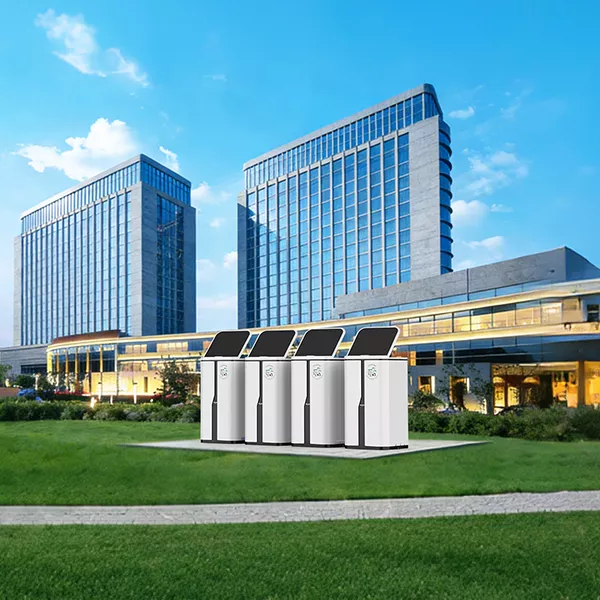
Mejec’s residential wastewater treatment system uses smart operation and solar energy. This helps protect local water sources and supports eco-friendly living at home.
Cost and Value
Choosing the right wastewater treatment system saves money over time. Efficient systems need less maintenance and use less energy. Homeowners avoid fines and repairs by meeting local standards. Mejec offers solutions that lower operating costs and add value to the property. A good system also makes the home more attractive to future buyers.
Tip: Investing in a modern wastewater treatment system can increase property value and reduce long-term expenses.
Types of Residential Wastewater Treatment Systems
Mejec Residential Wastewater Treatment System
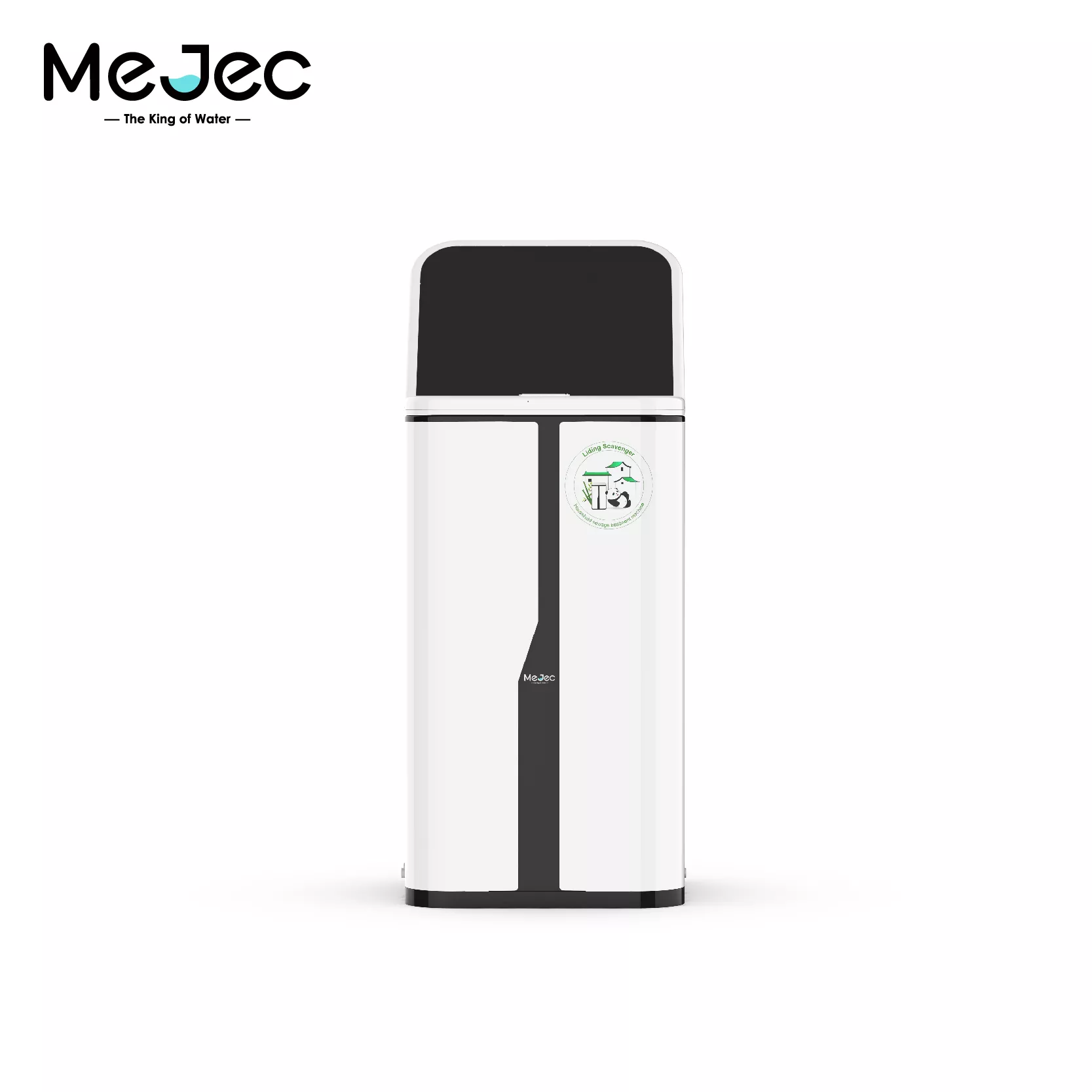
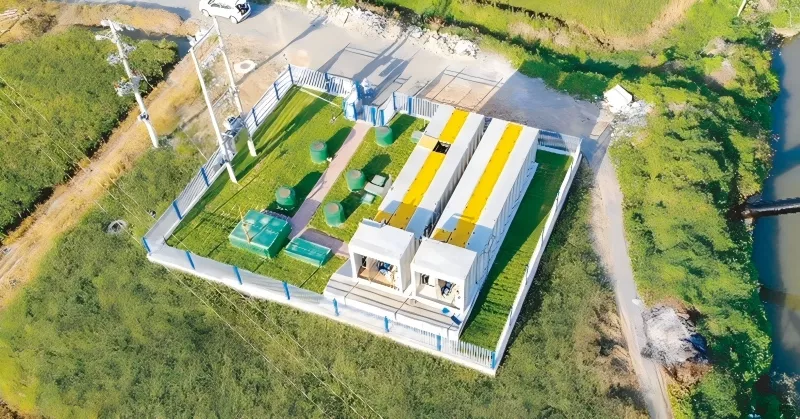
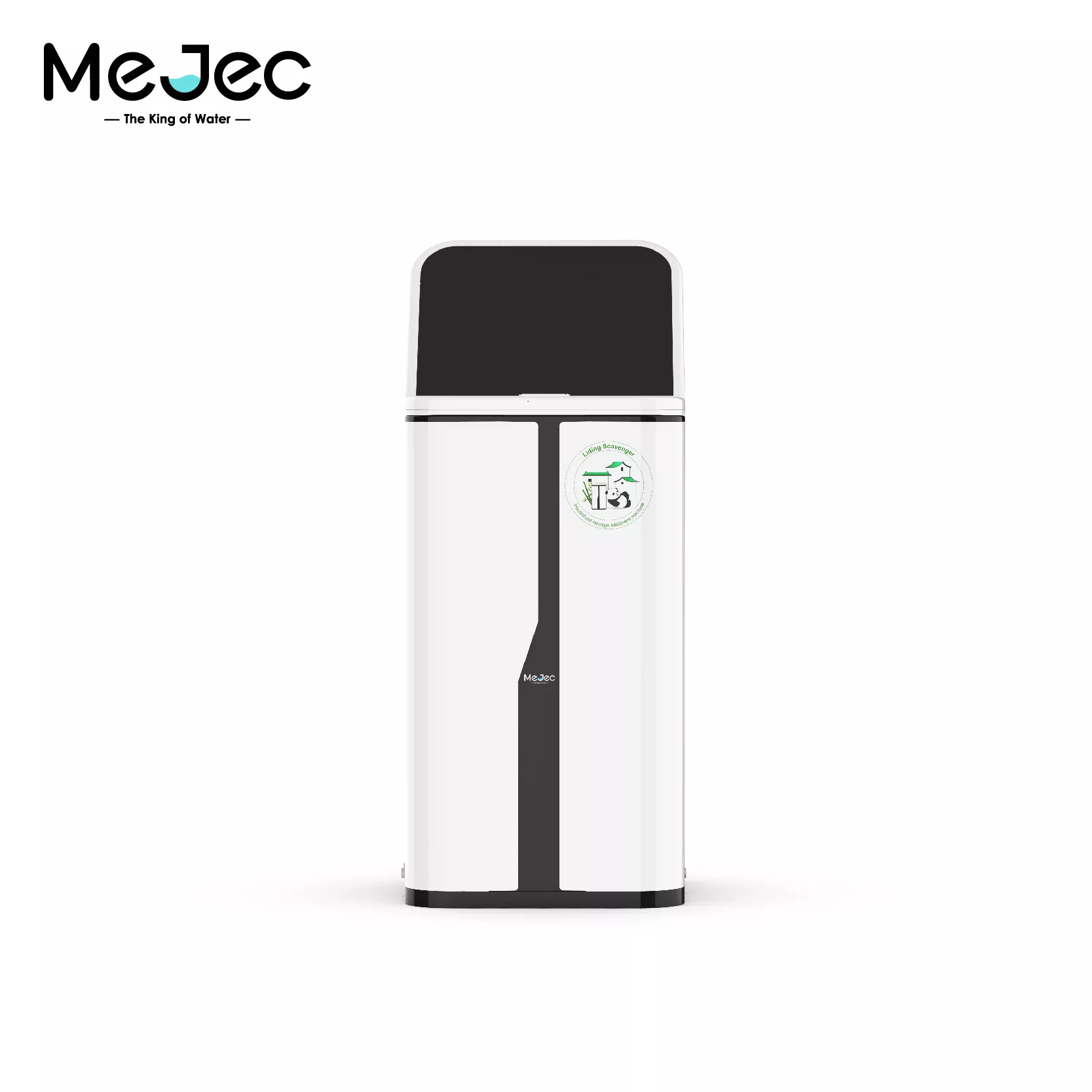
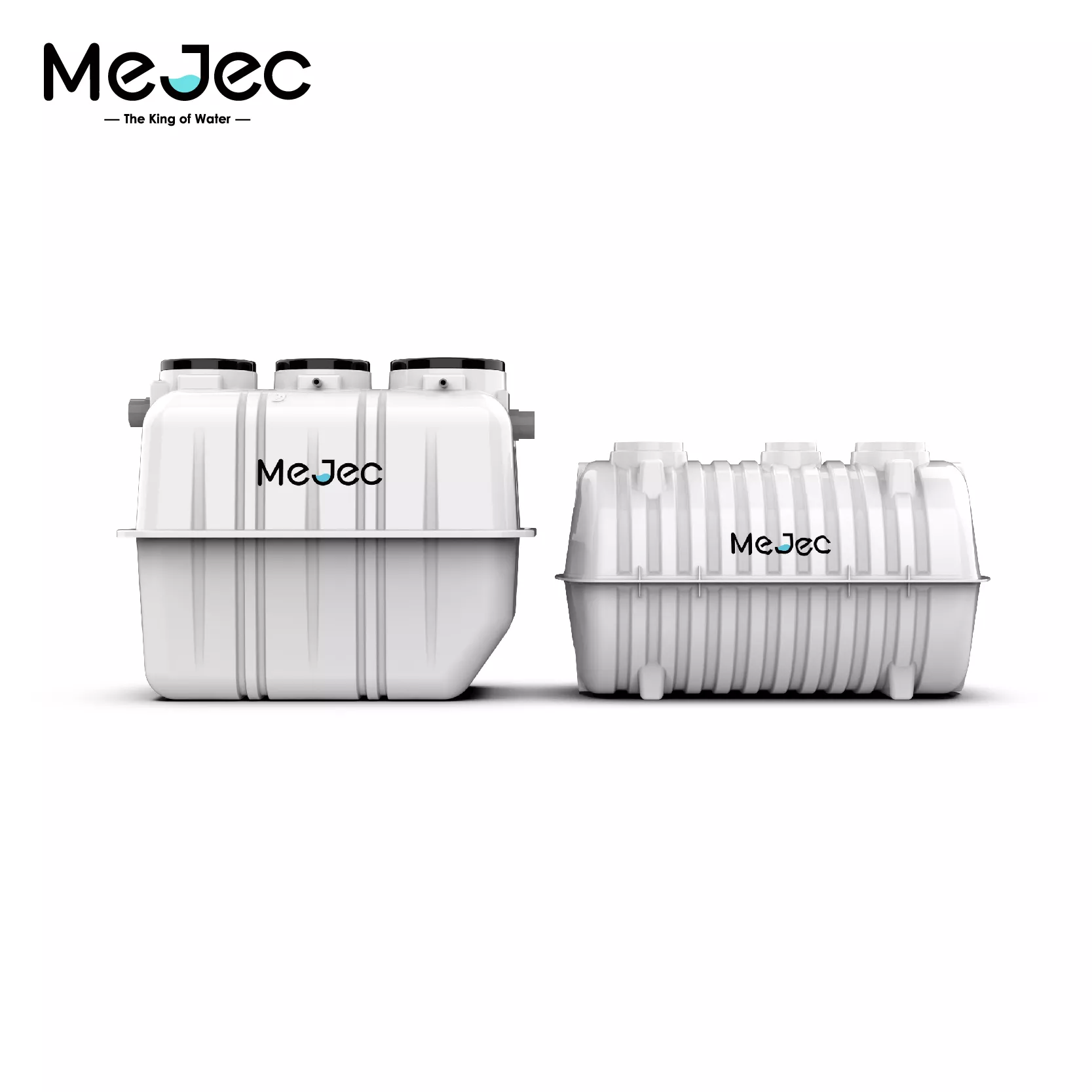
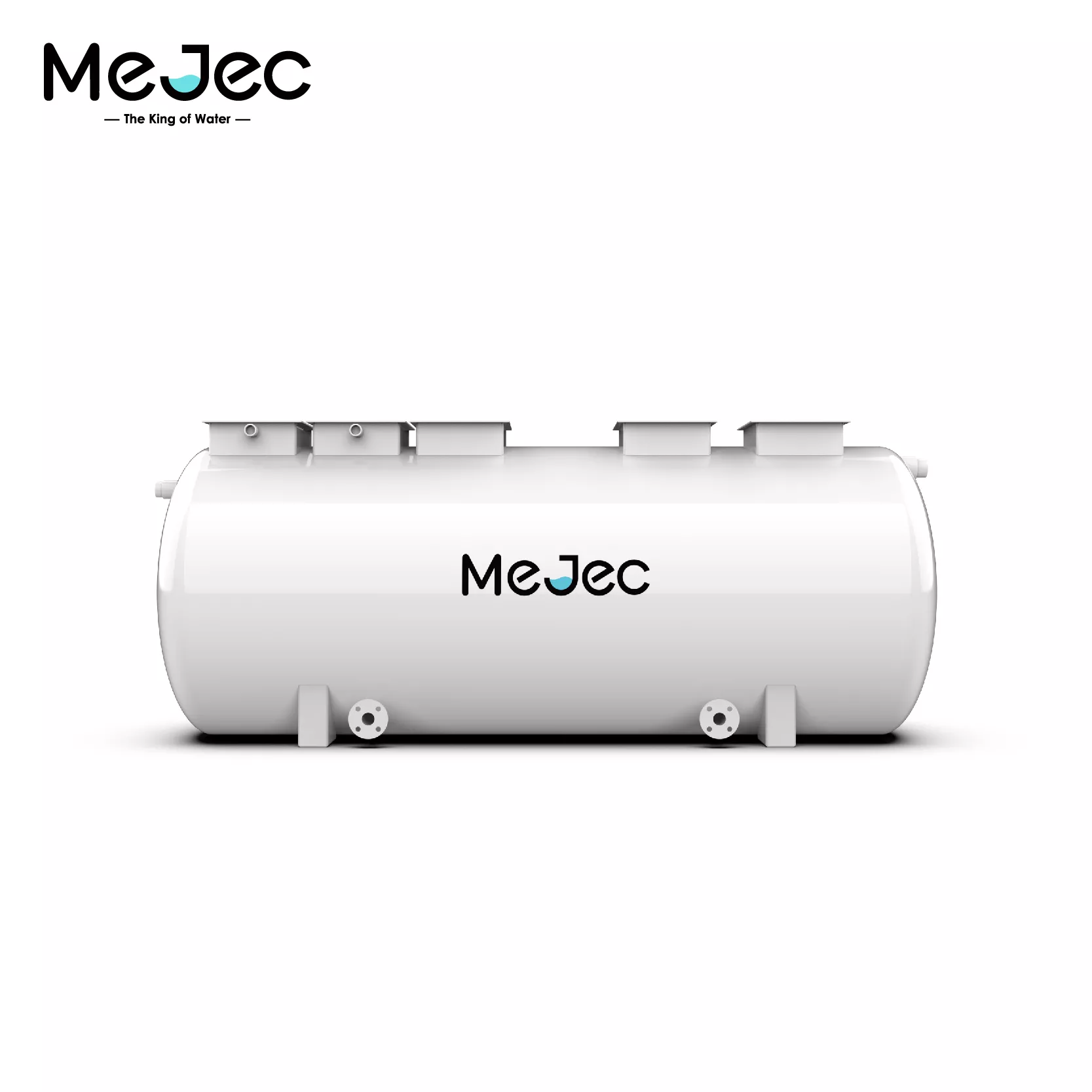
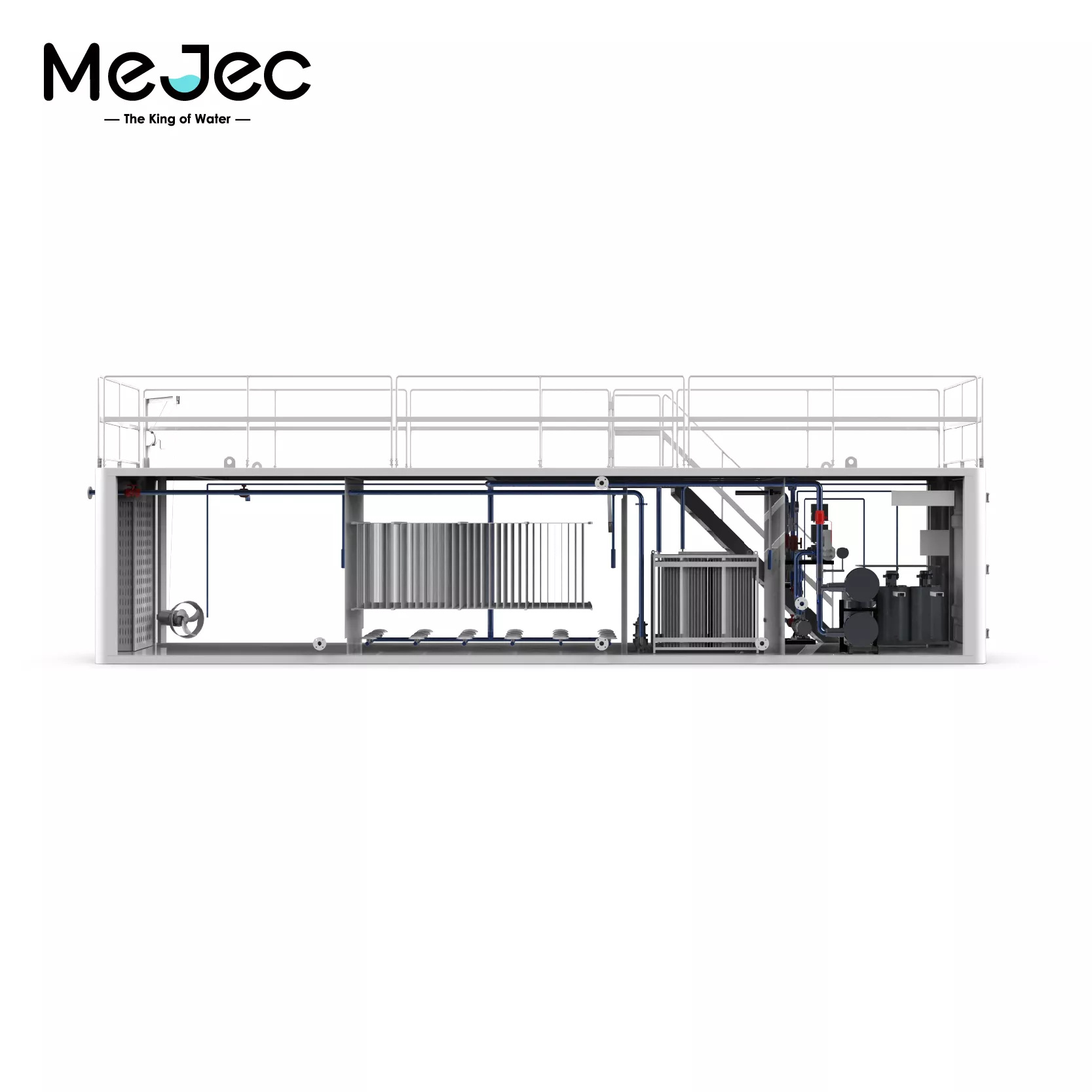
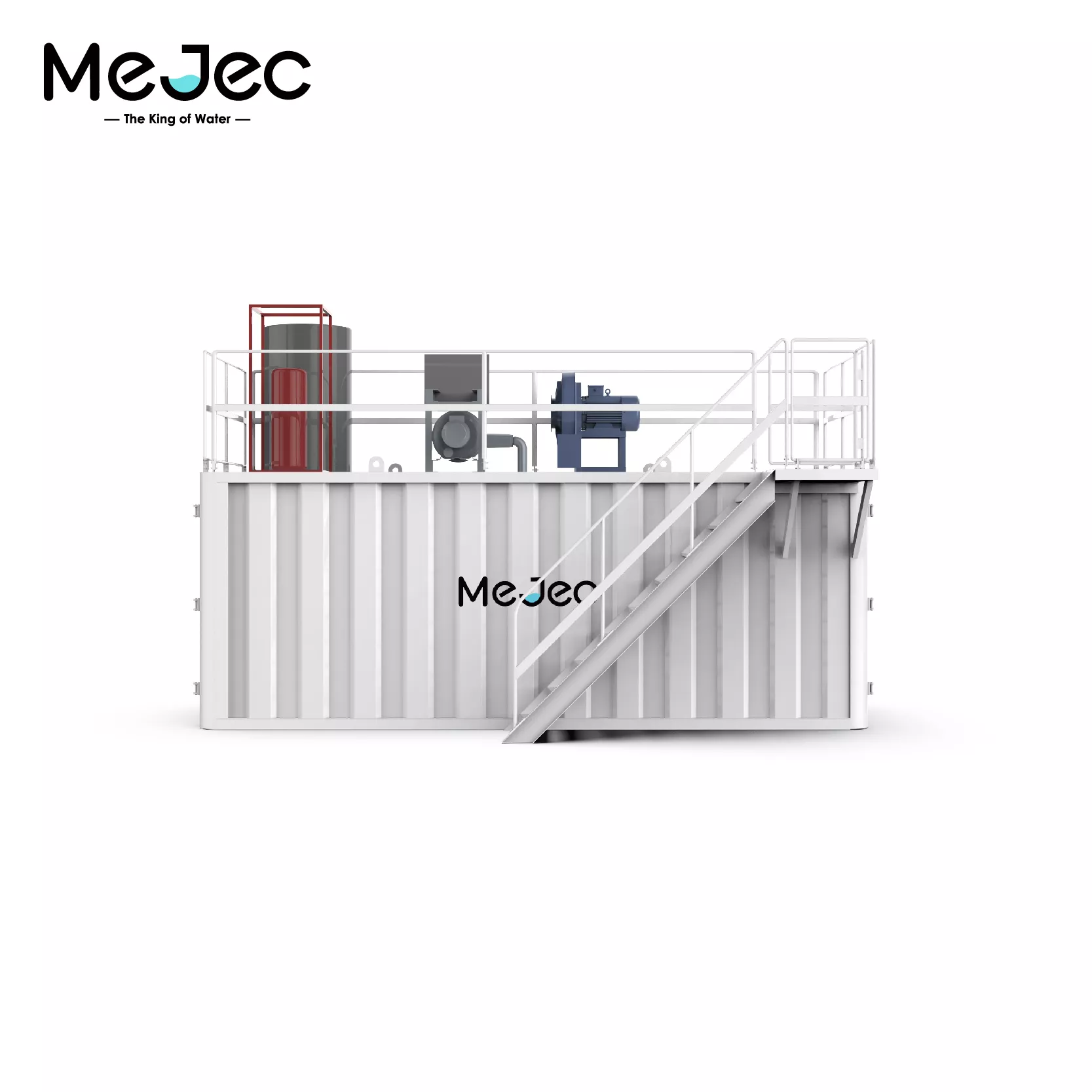
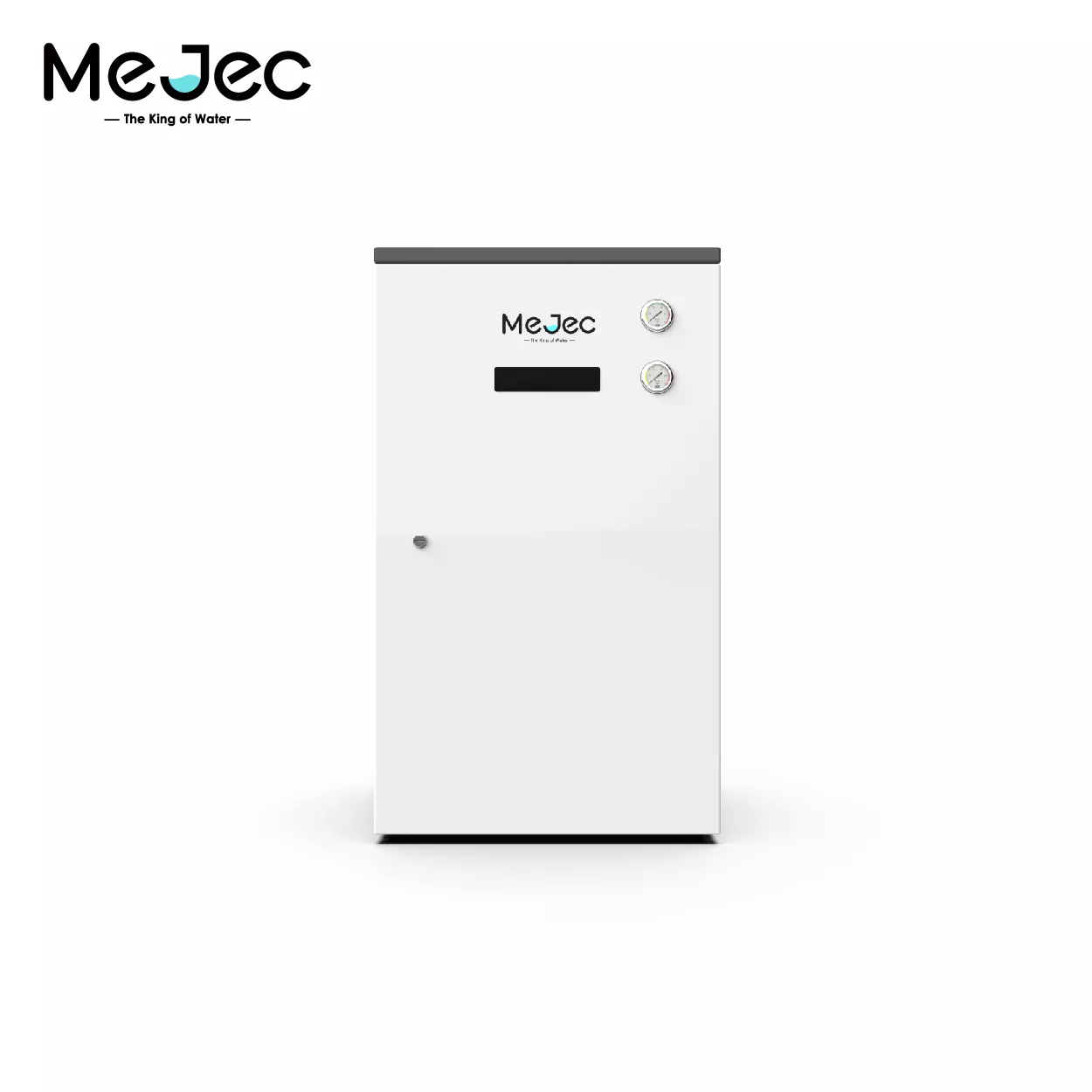
Mejec offers an advanced residential wastewater treatment system designed for modern homes and developments. The system uses the MHAT+ multi-stage contact oxidation process to treat both blackwater and greywater. It features solar energy integration, smart operation, and remote services for easy management. The compact design fits well in villas, hostels, and scenic spots. Mejec’s system operates quietly and uses less energy than traditional septic systems.
Feature | Mejec Scavenger | Traditional Systems (e.g., Septic Tanks) |
|---|---|---|
Treatment Process | Multi-stage treatment | Single-stage treatment |
Design | Compact (0.7m x 0.7m x 1.26m) | Larger footprint |
Energy Consumption | Low (less than 40W) | Typically higher |
Smart Operation Capabilities | Yes (remote control, modes of operation) | No smart features |
Noise Level | Less than 45dB | Generally noisier |
Solar Energy Integration | Yes | No |
Reuse Capability | Yes (for irrigation) | Limited reuse options |
Mejec provides specialized solutions for healthcare, education, hospitality, and real estate sectors. The proprietary DeepDragon™ smart operation technology and high-precision manufacturing ensure compliance, efficiency, and ecological harmony. Mejec’s wastewater treatment system supports reliable water infrastructure, long-term operation, and low maintenance. It manages wastewater from diverse sources and protects investments for property owners.
Conventional Septic Systems
Conventional septic systems are common in many homes. These systems use a septic tank and a drain field to treat wastewater. Wastewater flows into the tank, where solids settle and bacteria break down organic matter. The liquid then moves to the drain field for further treatment in the soil. These systems work best in areas with well-draining soil and low water tables.
Feature | Conventional Systems | Aerobic Treatment Units |
|---|---|---|
System Components | Fewer components: septic tank and drain field | More components: aeration chamber, air pump, disinfection unit |
Maintenance Requirements | Regular pumping every 3 to 5 years | More frequent checks on air pump and aeration chamber |
Environmental Impact | Higher risk of groundwater contamination | Cleaner effluent, lower risk of contamination |
Cost | Lower initial installation costs | Higher upfront costs, but potential long-term benefits |
Traditional septic systems have lower installation costs but may pose a higher risk of groundwater contamination. Regular maintenance is important to keep these systems working well.
Aerobic Treatment Units
Aerobic treatment units use oxygen to help bacteria break down wastewater. These systems include an aeration chamber, air pump, and a disinfection unit. The process produces cleaner effluent than residential septic systems. Aerobic units require more frequent maintenance, especially for the air pump and aeration chamber. They are suitable for homes needing advanced secondary treatment systems and for properties with challenging soil conditions.
Mound and Sand Filter Systems
Mound and sand filter systems treat wastewater in areas with high water tables or poorly draining soil. Mound systems use a raised bed of sand and gravel to filter and treat the water before it enters the soil. Sand filter systems use a layer of sand to remove contaminants. These systems are effective in locations where conventional systems do not work.
System Type | Installation Complexity | Soil Requirements |
|---|---|---|
Mound Septic System | More complex | High water tables, poorly draining soil |
Conventional System | Simpler | Well-draining soil, low water tables |
System Type | Effectiveness Factors |
|---|---|
Mound Septic System | Effective in high water table areas |
Conventional System | Effective in standard soil conditions |
Note: Choosing the right wastewater treatment system depends on your property’s needs and local conditions. Mejec offers advanced options for sustainable living.
How Wastewater Treatment Systems Work
Biological Treatment
Biological treatment is the heart of most wastewater treatment systems. Microorganisms break down organic matter in wastewater, making it safer for the environment. These tiny organisms include bacteria, fungi, and protozoa. They consume pollutants and help keep the system healthy. Different biological processes work together to clean the water. Aerobic processes use oxygen to convert waste into harmless products. Anaerobic processes work without oxygen and produce biogas, such as methane. Anoxic processes remove nitrogen by using nitrate instead of oxygen. The table below shows how each process works.
Biological Process | Description |
|---|---|
Role of Microorganisms | Microorganisms, including bacteria, fungi, and protozoa, consume organic pollutants and maintain system health. |
Aerobic Processes | Reactions occur in the presence of dissolved oxygen, converting organic matter into harmless products. |
Anaerobic Processes | Reactions occur without oxygen, converting complex organic matter into biogas, mainly methane. |
Anoxic Processes | Reactions occur in the absence of oxygen but with nitrate, removing nitrogen through denitrification. |
Filtration and Disinfection
Filtration and disinfection remove harmful contaminants from wastewater. Physical, chemical, and biological filtration methods are used to trap and eliminate pollutants. Disinfection kills bacteria and viruses, making the water safe for reuse or discharge. Some systems use ultraviolet (UV) light to destroy germs. Others use activated sludge or reverse osmosis to remove pesticides and other chemicals. The table below highlights how different methods work and their effectiveness.
Treatment Method | Contaminants Removed | Effectiveness |
|---|---|---|
UV Disinfection | Total coliforms, Fecal coliforms, Fecal streptococci | Complete elimination |
Activated Sludge Systems | Total coliforms, Fecal coliforms | More effective than other systems |
Reverse Osmosis | Pesticides | 100% removal |
Activated Carbon | Pesticides | 100% removal |
Smart and Eco-Friendly Features
Modern wastewater treatment systems offer smart and eco-friendly features. These features make operation easier and help protect the environment. Many systems use advanced resource recovery technologies to reuse water and extract valuable materials. Adaptive designs allow systems to fit different homes and locations. User-friendly controls make maintenance simple. Efficient organic matter processing reduces waste. Sustainable practices lower operating costs and save energy. The list below shows some popular features.
Advanced resource recovery technologies
Adaptive and flexible system designs
User-friendly operation and maintenance
Efficient organic matter processing
Sustainable waste management practices
Tip: Choosing a system with smart features can help homeowners save money and support a cleaner environment.
Pros and Cons of Each System
Mejec System
The Mejec household wastewater treatment system uses advanced technology to process wastewater efficiently. The system minimizes energy consumption and helps reduce carbon footprints. Solar integration and smart operation features support sustainable living. Mejec’s design allows for cost savings and compliance with environmental regulations. The system fits well in villas, hostels, and scenic spots, offering reliable performance and remote management.
Designed for energy efficiency, reducing operating costs
Supports eco-friendly practices and lowers carbon emissions
Smart operation and remote services for easy management
Suitable for diverse property types and decentralized treatment scenarios
Septic Systems
Traditional septic systems remain popular for many homes. These systems use a simple design and do not require pumps, which reduces the risk of mechanical failure. Many contractors know how to install and maintain them. However, not all locations suit this type of system. Problems can occur if there is not enough space for a drainfield or if the soil does not drain well. Neglecting maintenance can lead to clogs and expensive repairs.
Advantages | Disadvantages |
|---|---|
Lower cost | Not all locations are suitable for conventional septic systems. |
Simple design, no pumps to clog up | Issues can arise from inadequate space for a drainfield, high water table, or poor percolation. |
Familiarity among contractors | Maintenance neglect can lead to clogs and costly repairs. |
Aerobic Units
Aerobic treatment units offer advanced performance for wastewater treatment systems. These units provide enhanced treatment and greater reliability than traditional septic systems. They work well in remote locations and can be customized for different needs. Aerobic units require a higher initial investment and more frequent maintenance, usually every three to six months. Their long-term benefits include improved environmental protection and increased wastewater capacity.
Aspect | Aerobic Treatment Units (ATUs) | Conventional Septic Systems |
|---|---|---|
Reliability | High | Moderate |
Maintenance Frequency | Every 3-6 months | Less frequent |
Initial Investment | Higher | Lower |
Long-term Benefits | Enhanced treatment, greater reliability | Standard treatment |
Enhanced treatment performance
Increased wastewater capacity
Flexibility and modularity for customization
Ideal for remote locations
Mound and Sand Filters
Mound and sand filter systems suit properties with challenging soil conditions. Mound systems work well in shallow, rocky, or wet soil. They use engineered designs for better drainage and reduce contamination risks. These systems are visually noticeable because of the raised mound and tend to be among the most expensive options. Careful long-term maintenance is necessary. Recirculating sand filter systems provide excellent purification and perform well in difficult soils. They require pumps and periodic sand replacement, which increases energy costs.
Mound Type Septic Systems | Pros | Cons |
|---|---|---|
Ideal for shallow, rocky, or wet soil | Visually noticeable (raised mound) | |
Highly engineered for better drainage | Among the most expensive options | |
Reduces contamination risks | Requires careful long-term maintenance |
Recirculating Sand Filter System | Pros | Cons |
|---|---|---|
Excellent purification | Requires pumps | |
Performs well in difficult soils | Needs periodic sand replacement | |
Reduces nitrogen output | Higher energy cost |
Choosing the right system depends on property needs, soil conditions, and long-term goals. Mejec provides a modern solution for homeowners seeking sustainability and reliability.
Key Factors in Choosing a Residential Wastewater Treatment System
Choosing the right wastewater treatment system involves several important factors. Each property has unique characteristics, and local rules can affect which system works best. Maintenance, energy use, cost, and environmental impact also play a role. Mejec offers solutions that address these needs with advanced technology and reliable support.
Property Size and Soil
The size of your property and the type of soil present are critical when selecting a wastewater system. Soil depth, texture, and structure affect how well the system can treat and filter wastewater. Some systems need a minimum distance from the water table to work properly. Different soil types, such as clay or sand, require specific designs. These factors can influence installation costs and the amount of space needed for the system.
Soil depth and structure determine system effectiveness.
Minimum separation from the water table is needed for proper filtration.
Clay and sandy soils require different system designs.
Larger properties may allow for more flexible system placement.
A professional site evaluation helps ensure the chosen system will work well for your home.
Local Regulations
Local regulations guide the installation and operation of residential wastewater treatment systems. These rules protect public health and the environment. Homeowners must follow specific standards and procedures.
Regulation Element | Description |
|---|---|
Preliminary Site Evaluation | Detailed soil analysis to assess site suitability. |
Performance-Based Design Standards | Systems must meet specific criteria and certification. |
Installation Oversight | Registered and licensed contractors required. |
Operational Assessments | Routine maintenance by qualified technicians. |
Testing and Approval Process | Established process for testing and approving new systems. |
Inspection Frequency | Non-mechanical systems: every two years; mechanical systems: annually. |
Tip: Always check with local authorities before installing a new system to avoid fines or delays.
Mejec Support and Warranty
Reliable support and warranty coverage are important for peace of mind. Mejec provides remote services and smart operation technology, making it easy for homeowners to monitor and manage their systems. The company offers dependable warranty plans, ensuring long-term protection and assistance.
Remote monitoring and support for quick problem-solving.
Smart operation features for easy management.
Comprehensive warranty plans for lasting reliability.
Mejec’s commitment to customer service helps homeowners feel confident in their choice of residential wastewater treatment system.
Consult Mejec or Experts
Talk to a professional if you have questions. Experts can help you understand which system fits your home best. Mejec offers advice and support for choosing the right wastewater solution. They can also explain how their technology works and what benefits it brings.
Make Your Choice
Think about these important factors before you decide:
Property location
Household size and water usage
Long-term costs
Soil conditions
Local regulations
Choose the system that matches your needs and meets all rules. A good choice will keep your home safe and protect the environment for years.
Choosing the right residential wastewater treatment system involves several key steps:
Assess different system options to match your needs and recycling goals.
Test your soil to check absorption and prevent flooding.
Calculate daily wastewater flow based on your water use.
Place the system away from water sources to avoid contamination.
Learn about local regulations for safe operation.
Consulting experts like Mejec can help you understand technology choices and ensure your system works efficiently. Reach out for a professional assessment to make a confident, informed decision.
FAQ
What is the difference between blackwater and greywater?
Blackwater comes from toilets and contains human waste. Greywater comes from sinks, showers, and washing machines. Mejec systems treat both types, making water safe for reuse or discharge.
How often should I maintain my wastewater treatment system?
Most systems need inspection every one to two years. Mejec systems offer smart operation and remote support, which help reduce maintenance needs and make checks easier.
Can treated water be reused for irrigation?
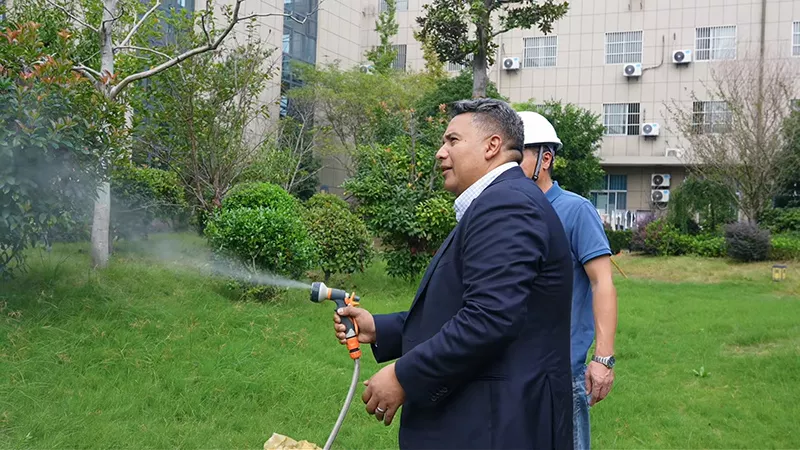
Yes. Many advanced systems, including Mejec, produce water clean enough for irrigation. This helps save water and supports eco-friendly living.
What are the main benefits of choosing a smart wastewater system?
Smart systems offer remote monitoring, energy savings, and easy management. Homeowners can track performance and receive alerts for maintenance, improving reliability and safety.
Does Mejec provide support after installation?
Mejec offers remote services and warranty plans. Homeowners get help with monitoring, troubleshooting, and regular maintenance, ensuring long-term system performance.