


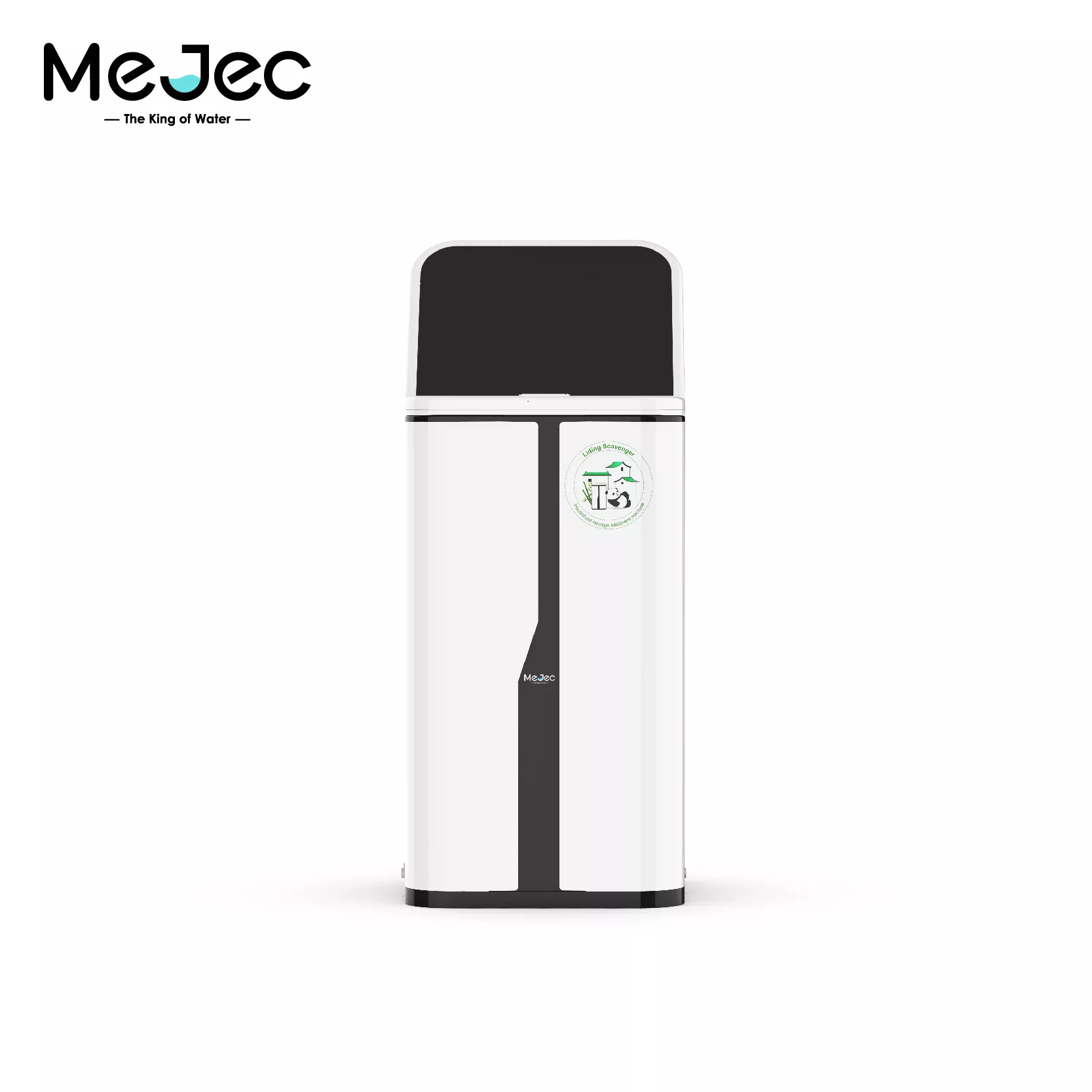
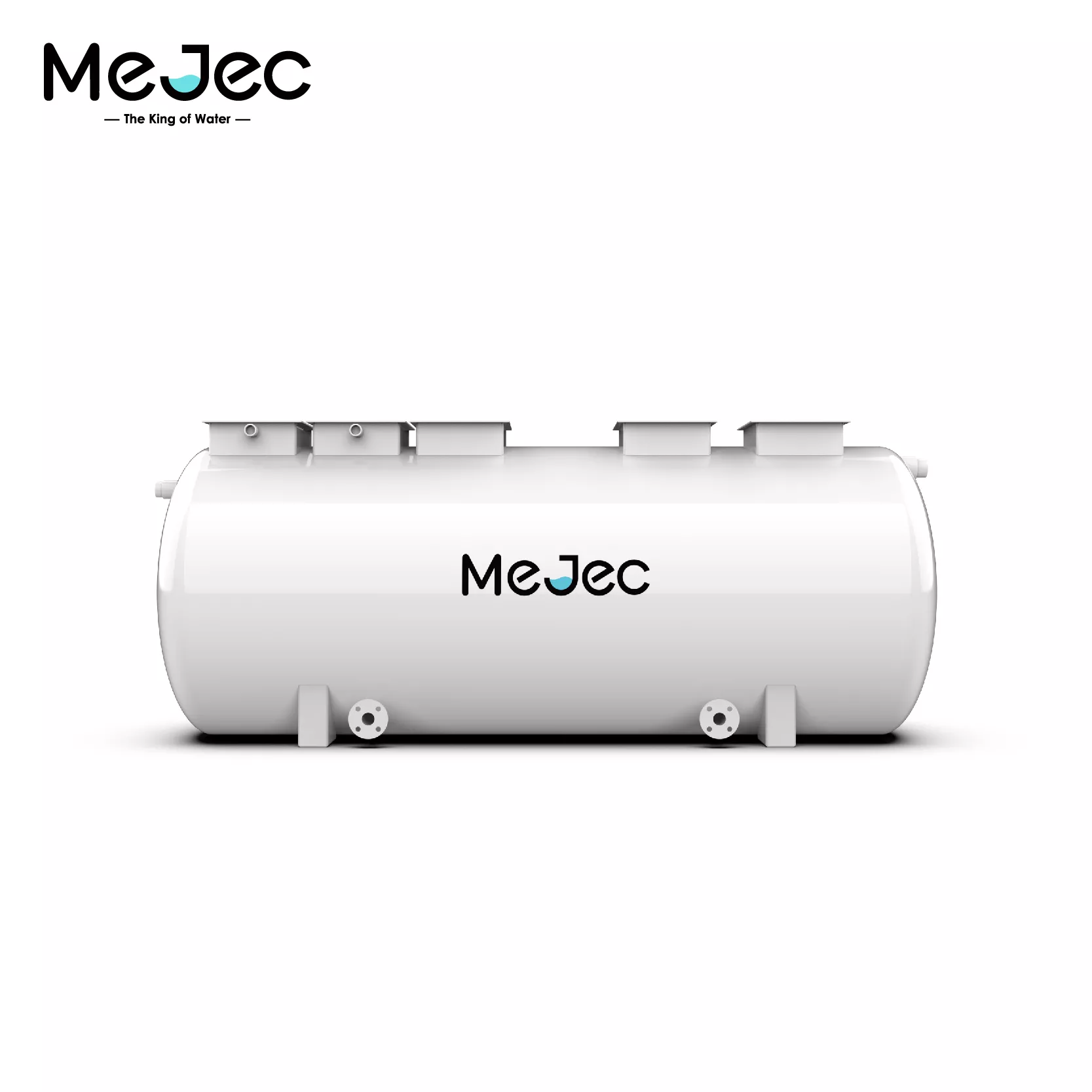
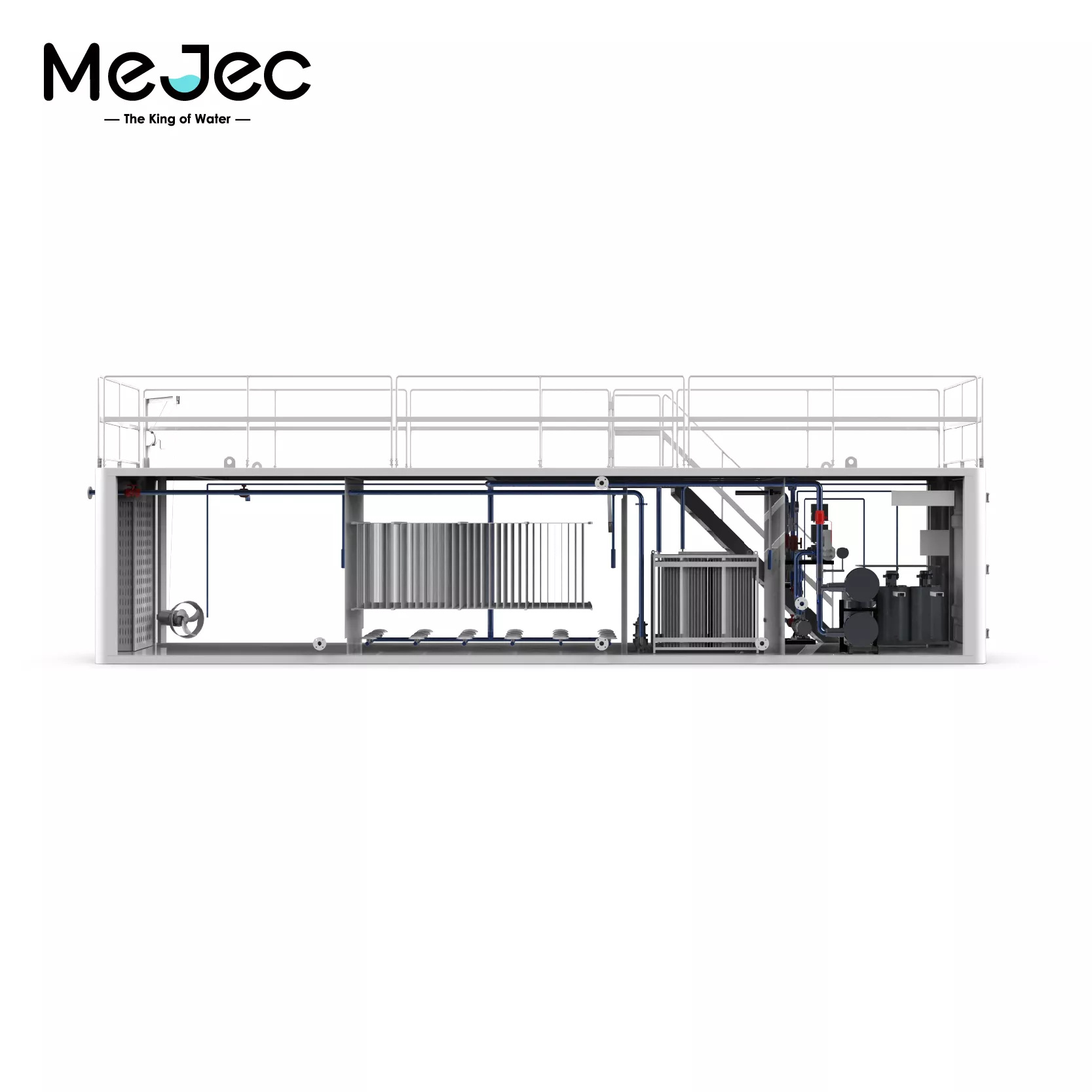
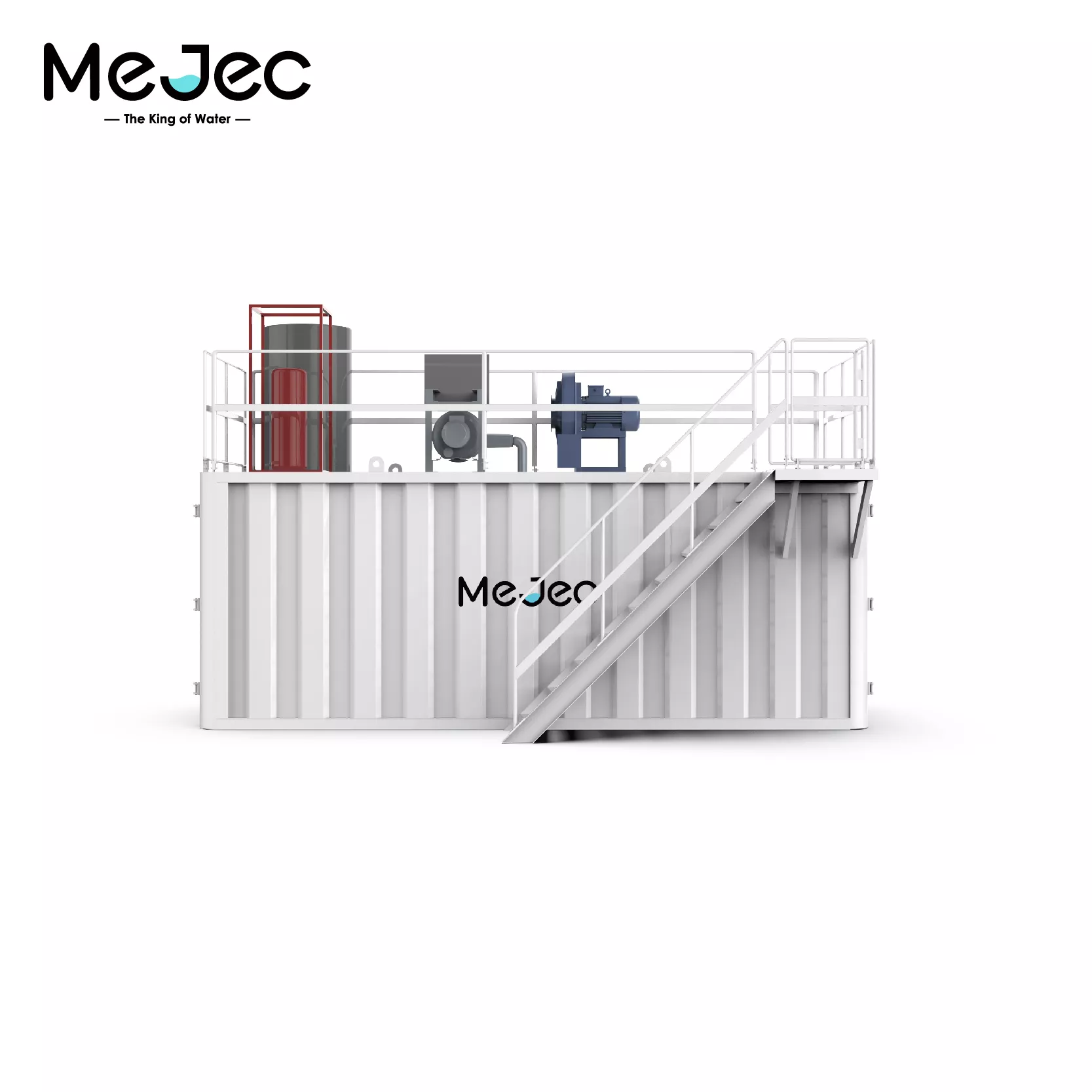


UK Partner Verifies Mejec Household Sewage Treatment Plant Performance
Mejec household sewage treatment plant passes on-s...
More


More than 21 million households in the United States use private systems instead of public sewers. You have two main options for household sewage treatment: a septic tank or a home sewage treatment plant (HSTP). Your property's soil, local rules, and budget will guide your choice.
Note: Proper care is vital. It protects your investment and prevents groundwater contamination from pollutants like E. coli.
Homeowners can choose between a septic tank or a home sewage treatment plant (HSTP). Each system treats wastewater differently.
Septic tanks are cheaper to install and do not need electricity. HSTPs cost more but clean water better and fit smaller spaces.
Choosing the right system depends on your property, local rules, and budget. Regular maintenance keeps your system working well.
When you manage wastewater on your property, you have two primary choices. You can install a traditional septic tank system or a more modern home sewage treatment plant. Each system treats wastewater differently and has unique benefits.
A septic tank system is a passive, underground wastewater treatment structure. It is a common choice for rural properties. These systems use natural processes to treat the wastewater from your home.
A conventional septic system has a few key parts:
An underground septic tank
A distribution box
A soil absorption system, also called a drain field or leach field
The treatment process is simple and relies on gravity.
Wastewater from your home flows into the septic tank.
Heavy solids settle to the bottom, forming a layer of sludge.
Lighter materials like grease and oil float to the top, creating a layer of scum.
A middle layer of relatively clear liquid, called effluent, forms.
This effluent flows out of the tank and into the drain field.
The drain field completes the treatment process. The soil acts as a natural filter. It removes harmful bacteria and pathogens as the effluent slowly seeps through it. This purifies the water before it returns to the groundwater supply.
Advantages of Septic Systems ✅
Lower Cost: These systems are generally less expensive to install.
No Power Needed: They operate without electricity, saving you money on energy bills.
Durability: A well-maintained system can last for decades.
Disadvantages of Septic Systems ❌
Less Efficient Treatment: The effluent is not as clean as that from an HSTP.
Larger Space Required: The drain field can take up a significant amount of yard space.
Site Limitations: They may not work well on properties with poor soil or a high water table.
A home sewage treatment plant (HSTP), sometimes called an aerobic treatment unit (ATU), is a more advanced system. It functions like a miniature municipal treatment facility for your property. This type of household sewage treatment actively treats waste instead of passively separating it.
HSTPs introduce oxygen into the treatment process. This oxygen encourages the growth of aerobic bacteria. These bacteria break down waste much faster and more thoroughly than the anaerobic bacteria in a septic tank. The result is a higher-quality effluent that is clear and safe for the soil. This significantly reduces the risk of groundwater contamination.
The table below shows a direct comparison.
| Feature | Septic Tank | Home Sewage Treatment Plant (HSTP) |
|---|---|---|
| Primary Mechanism | Natural bacterial decomposition (anaerobic) | Mechanical process with oxygen (aerobic) |
| Effluent Quality | Partially treated; requires soil for final filtering | Highly treated; suitable for surface discharge or reuse |
| Space Requirements | Large, due to the drain field | Often more compact |
| Environmental Impact | Higher potential impact if system fails | Lower environmental impact |
Advantages of HSTPs 👍
Superior Treatment: Produces much cleaner water, protecting the local environment.
Compact Size: HSTPs are ideal for smaller lots where a large drain field is not possible.
Flexible Installation: You can install them in various locations, even above ground.
Disadvantages of HSTPs 👎
Requires Electricity: The system needs a constant power supply to run the aerator, adding to your utility costs.
Higher Upfront Cost: Installation and equipment costs are typically higher than for septic systems.
Not for Intermittent Use: They are not ideal for vacation homes, as long periods without use can disrupt the bacterial environment.
Selecting the right system involves more than just price. You must evaluate your property, understand local laws, and consider your family's needs. This ensures your system works efficiently for years to come.
Your property's physical traits are the most important factor. The soil must properly filter wastewater from a septic system. An HSTP is often necessary for sites with poor soil conditions.
| Characteristic | Ideal for Septic System | May Require an HSTP |
|---|---|---|
| Soil Type | Mix of sand, gravel, and silt | High clay content or solid rock |
| Percolation Rate | 5–60 minutes per inch (MPI) | Too fast (<5 MPI) or too slow (>60 MPI) |
| Groundwater | At least 3 feet below drain field | High water table |
Your property size and its proximity to water also matter. A septic system needs a large, clear area for its drain field and must be a safe distance from wells or lakes to prevent contamination.
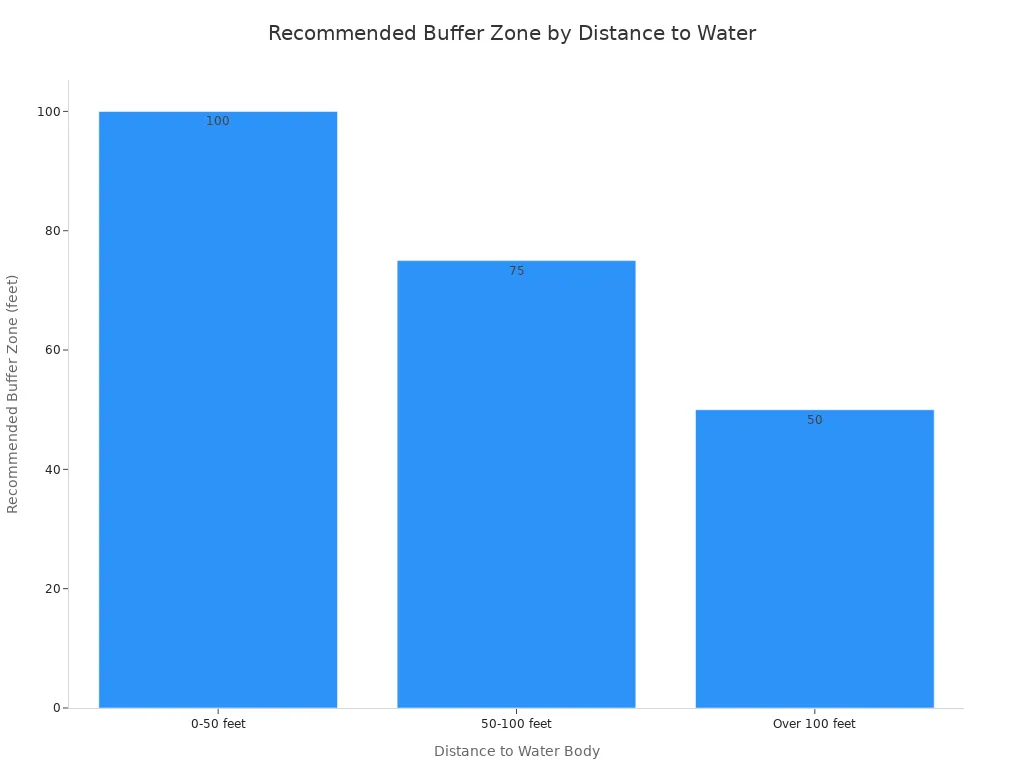
Local rules dictate what type of household sewage treatment system you can install. Your local health department sets these regulations. They specify minimum distances from property lines, buildings, and water sources. Contact your county's health department to get information on permits and requirements before you start your project.
Your budget plays a big role. Septic systems have a lower initial cost, typically ranging from $3,000 to $8,000. HSTPs are more expensive upfront, often costing between $10,000 and $20,000. However, you should also consider long-term expenses. HSTPs require electricity to run, which adds to your monthly utility bills.
The size of your system depends on your family's water consumption. System designers often plan for 150 gallons of wastewater per day for each bedroom in your home. If you have a large family or use a lot of water, you will need a larger, more robust system to handle the load.
Installing a new sewage system is a multi-step process that requires careful planning and professional expertise. You must follow each step to ensure your system functions correctly and meets local codes.
A professional engineer first evaluates your property. This evaluation includes critical soil tests to determine if your site is suitable for a septic system.
Soil Boring Tests: An engineer examines soil layers from deep test pits. This helps find the water table level and any restrictive layers like rock.
Percolation Tests: This test measures how quickly water drains through your soil. The results directly impact the design of your drain field.
The engineer uses the soil test data to create a detailed system design. This design is a required part of your permit application. You will submit the engineer's report and other forms to your local health department for approval before any work begins.
Once you have a permit, a certified installer begins the physical work. The installer excavates the area for the tank and drain field. They carefully place the tank, pipes, and other components according to the engineer's approved design.
After placing the components, the installer connects the plumbing from your house to the system. Before the system is buried, a local inspector must perform a final inspection.
What an Inspector Checks 🧐 The inspector verifies that the installation matches the permit. They check for watertight tank seals, proper pipe connections, and signs of potential leaks or backups. This step is essential for official approval.
Hiring an uncertified person to install your system is a major risk. Certified installers have the training to do the job safely and correctly. An improper installation can lead to system failure, environmental contamination, and costly fines. Always verify your installer's license to protect your property and health.
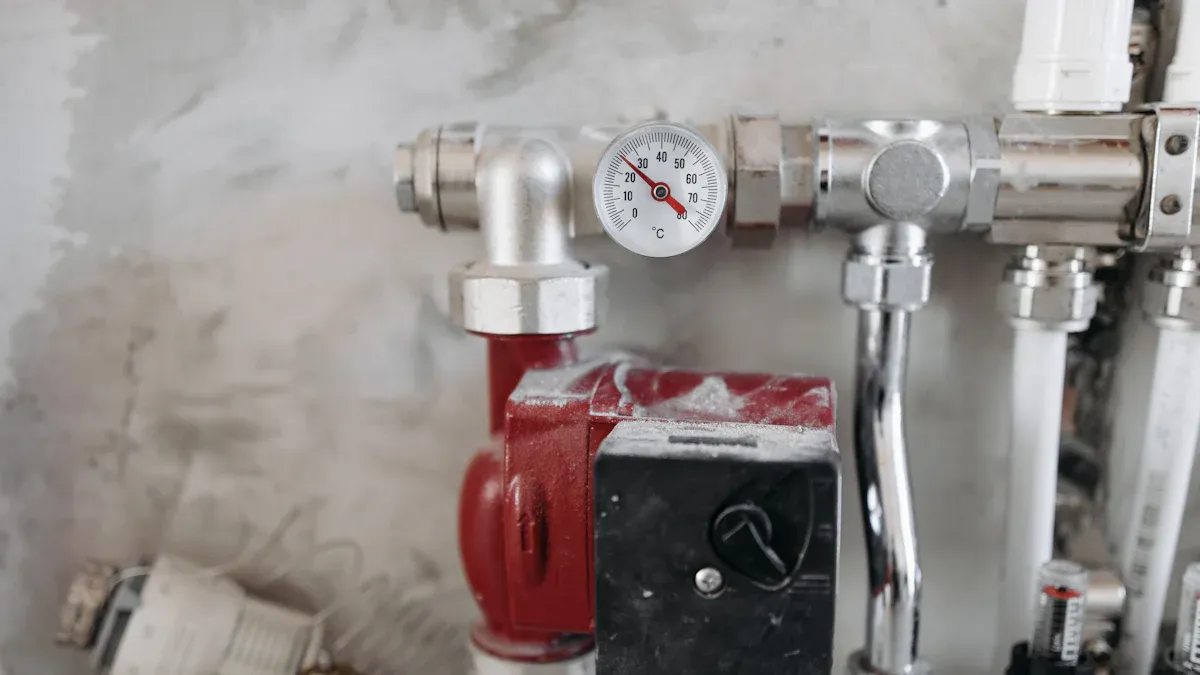
Proper maintenance protects your system and the environment. You can extend the life of your household sewage treatment system with a few key habits. These practices ensure everything runs smoothly.
Whether you have a septic tank or an HSTP, some rules always apply. Conserving water is the most important step. Less water flow means better treatment and a longer system life.
Water-Saving Tips 💧
Install low-flow fixtures and appliances in your home.
Fix plumbing leaks right away to prevent constant water flow.
Spread out laundry and dishwashing tasks to avoid overloading the system.
You must also be careful about what goes down your drains. Your system contains living bacteria that break down waste. Harsh chemicals can kill these helpful bacteria.
Never dispose of these items in your system:
Crystal drain cleaners, oven cleaners, or large amounts of disinfectant
Petroleum-based products like fuels, antifreeze, or paint thinners
Oily polishes or excessive laundry powder fillers
Each system type also has unique maintenance needs. Septic tanks are more passive, while HSTPs require attention to their mechanical parts. The table below outlines the primary tasks for each.
| System Type | Key Maintenance Task | Frequency |
|---|---|---|
| Septic Tank | Pump the tank to remove sludge and scum. | Every 3 years (or annually with a garbage disposal). |
| HSTP | Get a professional inspection. | Every 3–6 months. |
| HSTP | Refill septic chlorine tablets. | Every 1–3 months, as needed. |
| HSTP | Clean or replace the aerator air filter. | Every 6 months. |
Regularly pumping your septic tank prevents solids from clogging the drain field. For an HSTP, professional inspections ensure the aerator and other mechanical parts are working correctly. This active maintenance is essential for the advanced treatment process.
Choosing your household sewage treatment system requires balancing site conditions, local laws, and your budget. Professional installation is your first step toward a system that can last over 30 years. Consistent care is essential. It protects your property value and helps you avoid replacement costs that can exceed $20,000.
A well-maintained septic system can last over 30 years. An HSTP's lifespan depends on its mechanical parts. Proper care helps both systems last longer and avoid costly replacements.
Yes, but you must pump your septic tank more often, usually annually. Garbage disposals add extra solids that fill the tank much faster and increase the need for maintenance.
Watch for slow drains, sewage odors, or soggy spots in your yard. These signs often point to a failing system that needs immediate professional attention to prevent further damage.

We provide you with comprehensive foreign trade solutions to help enterprises achieve global development
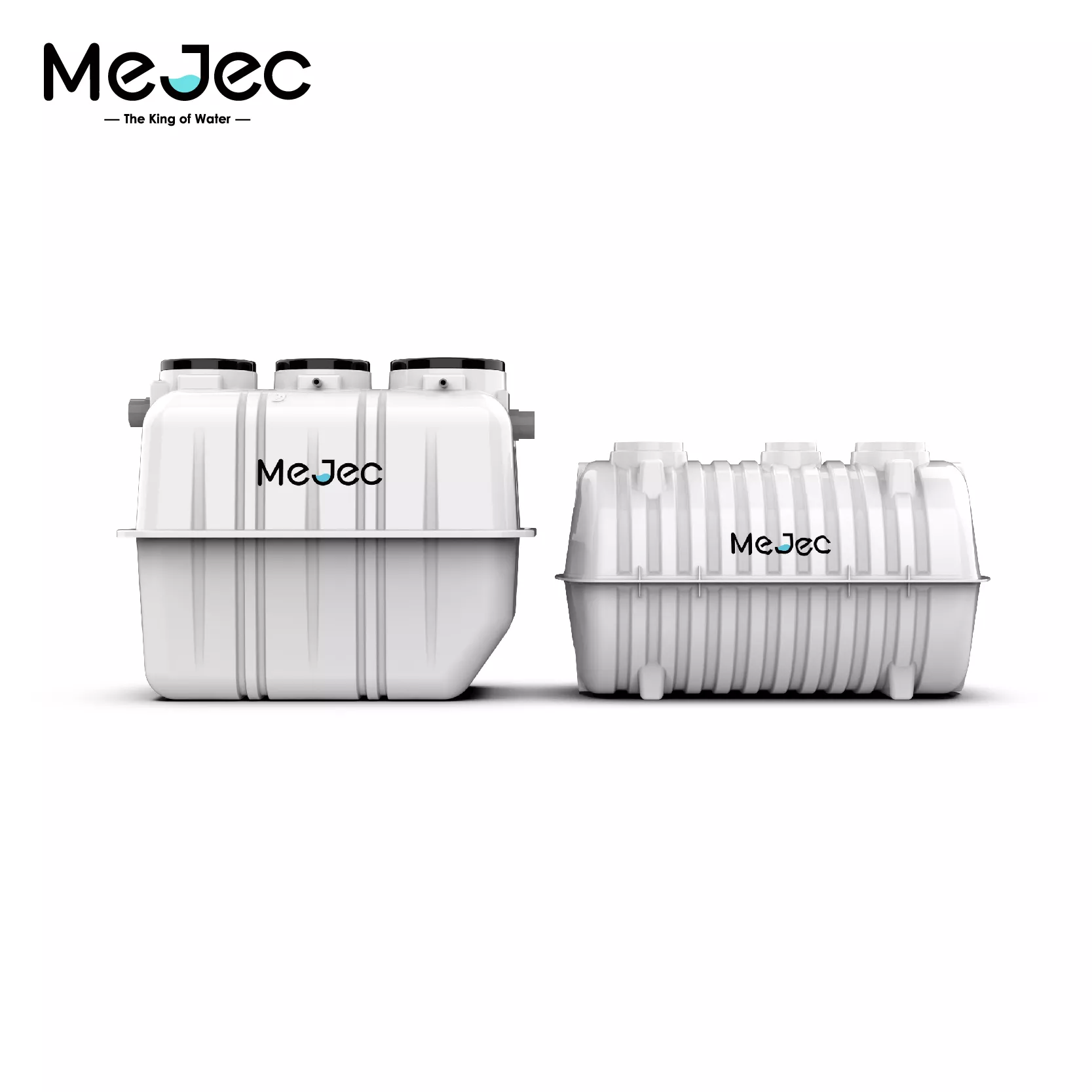
Mejec-Johkasou-SA is a small buried sewage treatme...
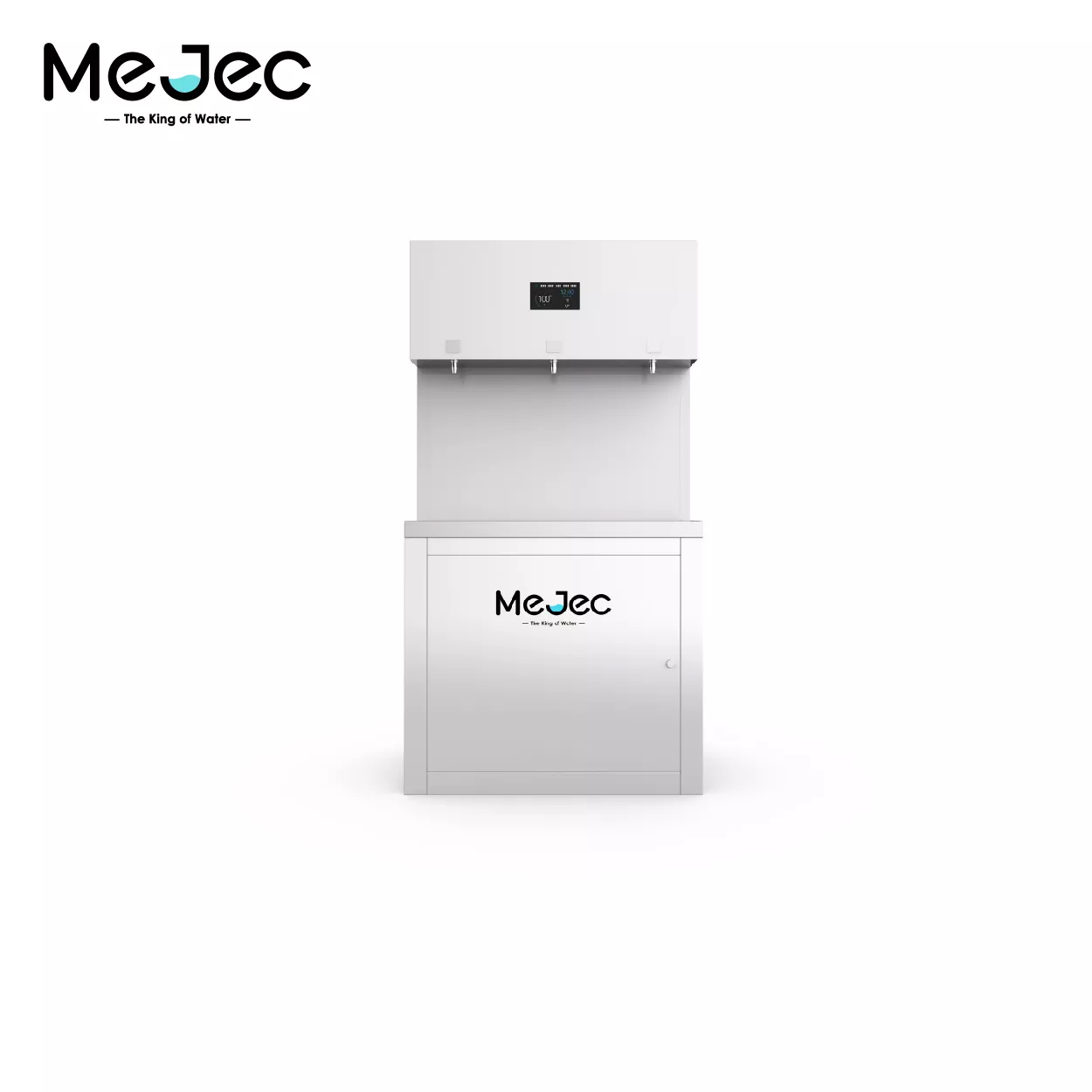
Upgrade your commercial hydration station with our...
.webp)
Mejec containerized seawater desalination system i...
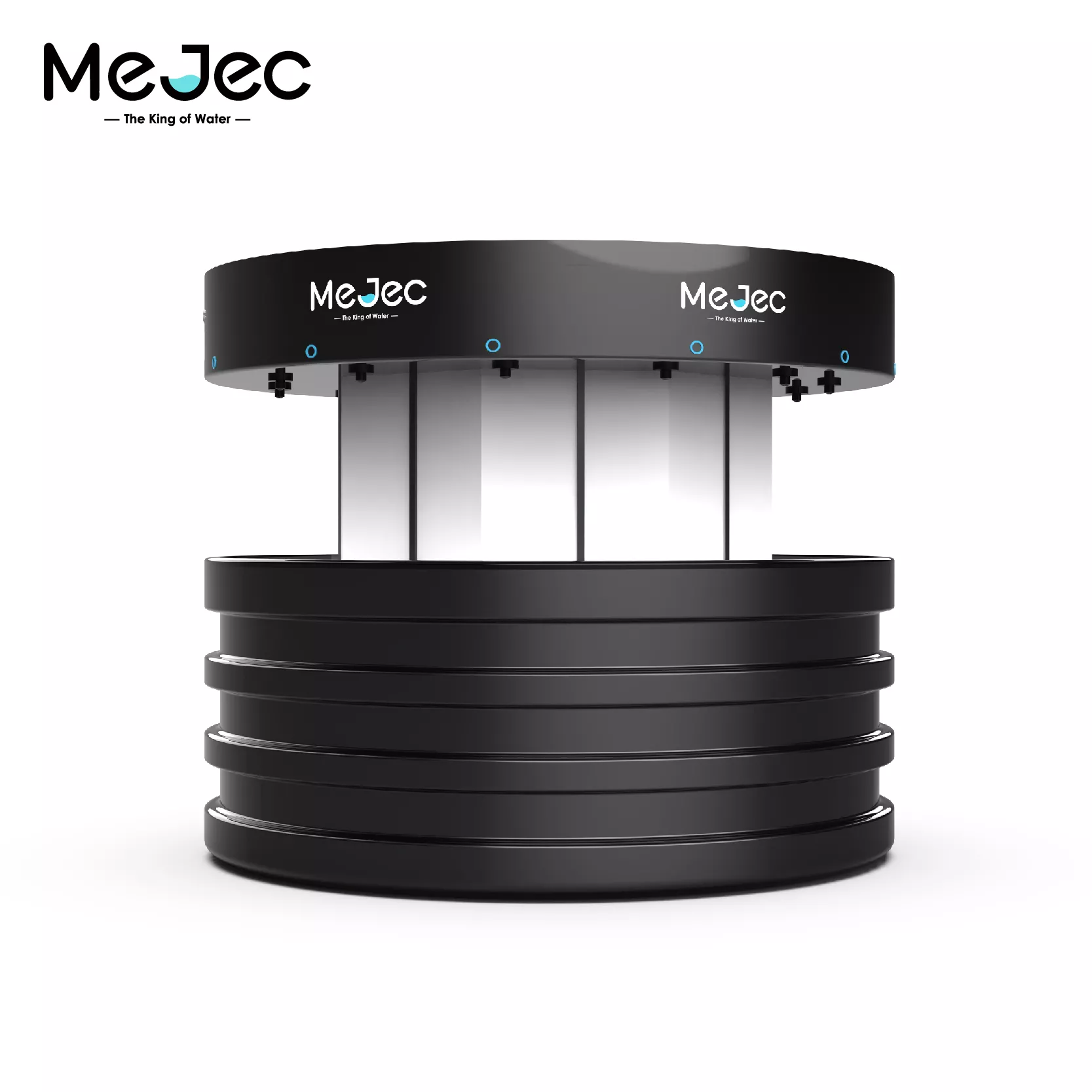
Mejec Redefines the Outdoor Hydration Experience. ...
Select the most popular foreign trade service products to meet your diverse needs
Select the most popular foreign trade service products to meet your diverse needs






User Comments
Service Experience Sharing from Real Customers
Michael Chen
Environmental EngineerThis compact household sewage treatment unit has been a game-changer for our off-grid property. The anaerobic-aerobic process is highly efficient, reducing BOD by over 95%. Maintenance is straightforward, and the system runs quietly. Excellent for environmentally conscious homeowners.
Sarah Johnson
Property ManagerWe installed this system across a small residential community. It reliably handles fluctuating loads and the water quality meets discharge standards. The automated controls are user-friendly. A point deducted for the initial setup complexity, but overall performance is outstanding.
David Rodriguez
Public Health InspectorFrom a public health perspective, this treatment system effectively eliminates pathogens and prevents groundwater contamination. The sludge production is minimal, which reduces disposal hassles. A robust and reliable solution for rural households without municipal sewer access.
Lisa Wang
Sustainability ConsultantImpressed with the system's energy efficiency and the option for reclaimed water irrigation. It integrates perfectly with our green home designs. The manufacturer's support was excellent during installation. A top-tier product for sustainable living and reducing household environmental footprint.