


.webp)
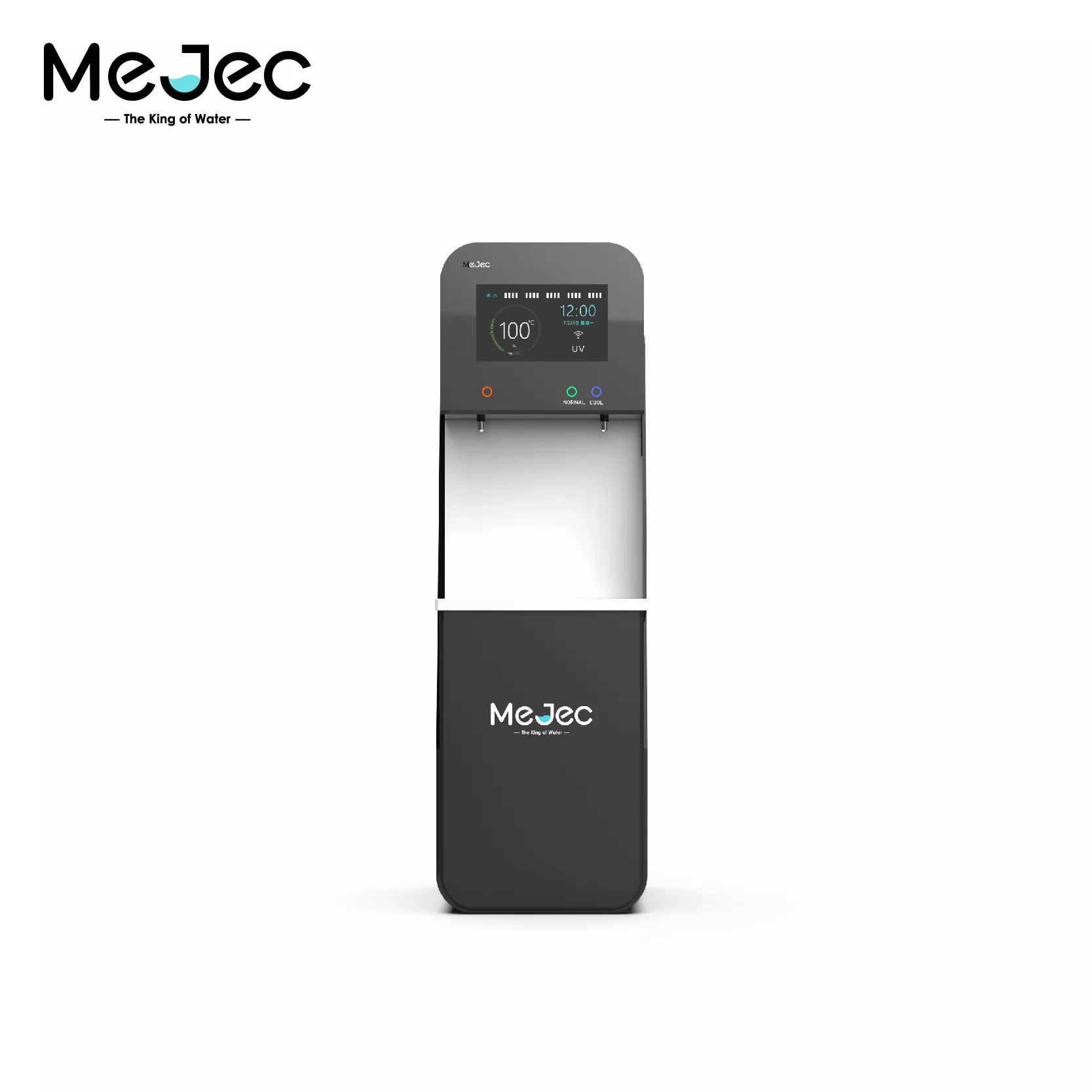
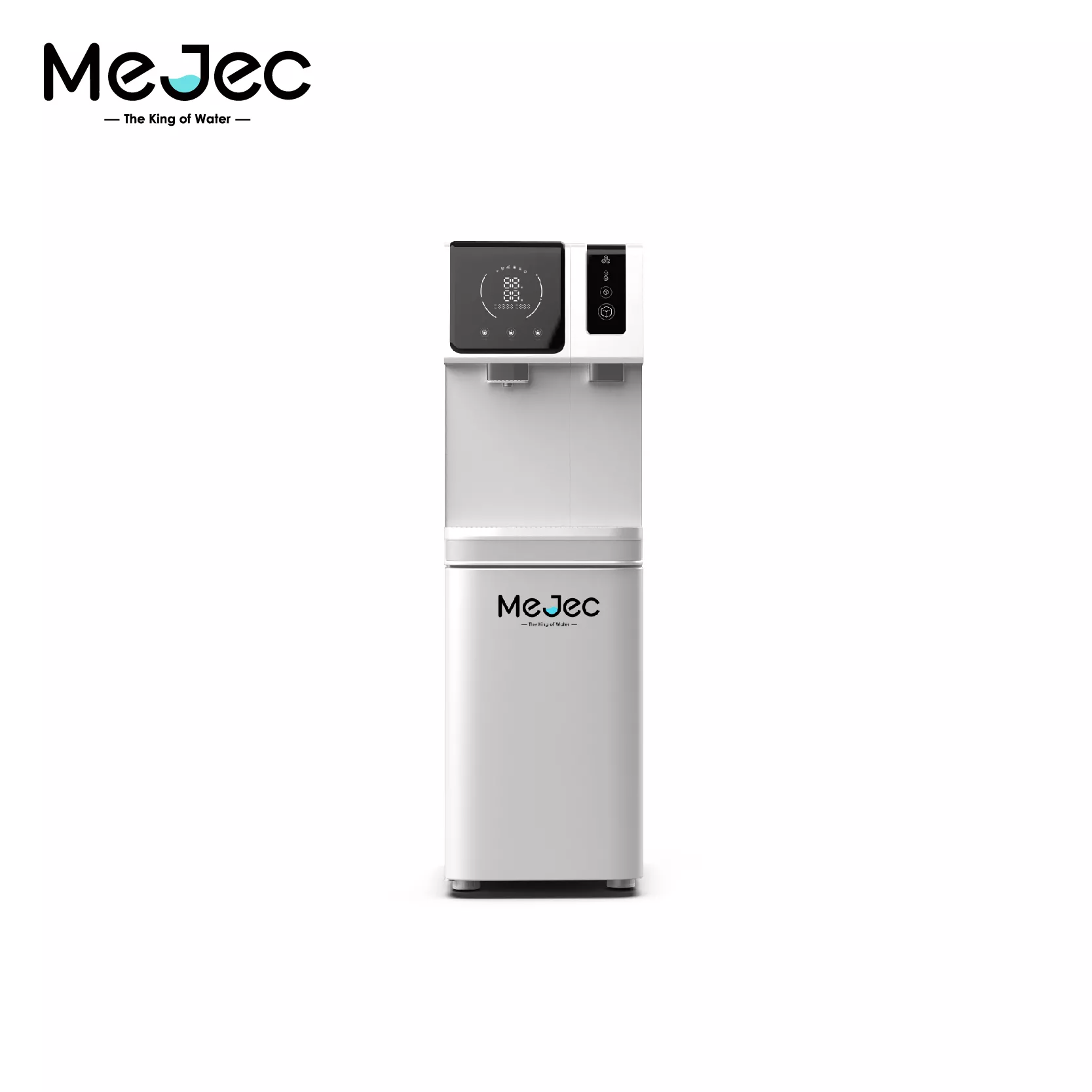
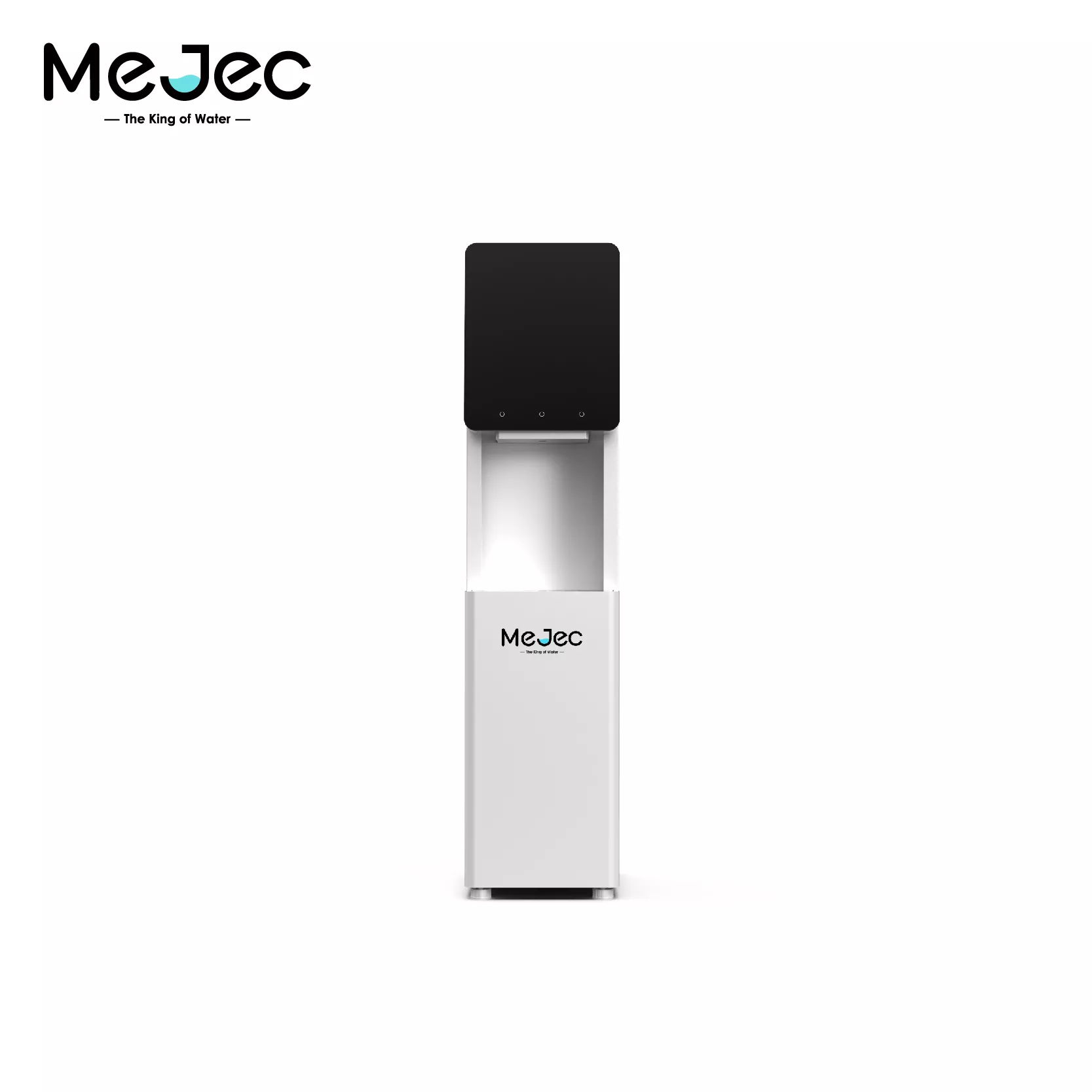

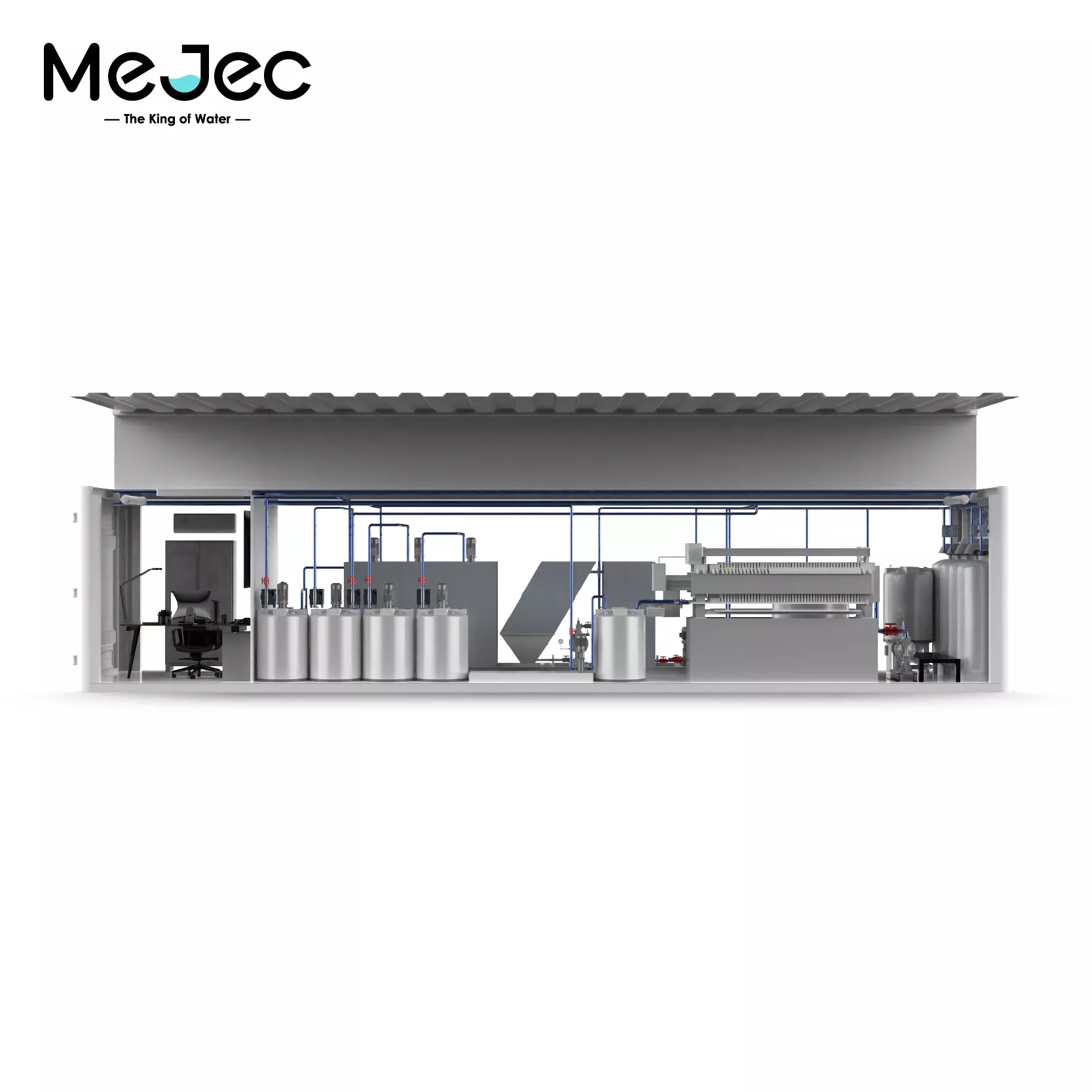
Mejec to Exhibit at AQUATECH MEXICO 2026 with Wastewater Treatment and Drinking Water Solutions
Mejec will exhibit at AQUATECH MEXICO 2026 in Mexi...
More

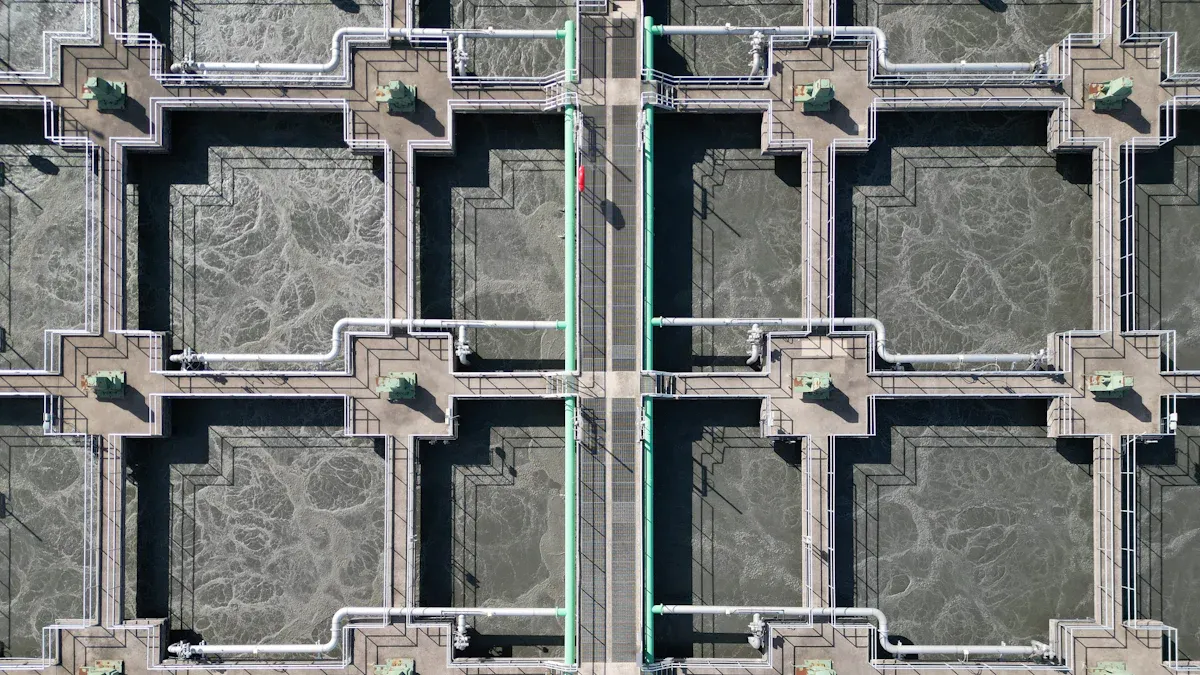
You see water treatment plants in 2026 use smart sensors, AI, and real-time monitoring to clean water more efficiently.
Check out the latest trends:
| Trend | Description |
|---|---|
| AI Deployment | Smart sensors and digital twins boost process efficiency. |
| Sustainability Focus | New tech supports water reuse and resource recovery. |
| Efficiency | Real-time monitoring reduces downtime and costs. |
Digital transformation in water treatment plants uses smart technology to improve efficiency and water quality.
Real-time monitoring and AI help detect issues early, saving money and resources while ensuring safe water supply.
Modular treatment systems allow for quick setup and scalability, making clean water accessible in both urban and rural areas.

You see digital transformation changing how water treatment plants work every day. This shift means you use smart tools and data to make better choices. Experts describe digital transformation in several ways:
| Source | Definition |
|---|---|
| Water Online | Minimizes costs while increasing productivity and efficiency, especially with population growth and climate change. |
| Schneider Electric | Achieves more efficient and sustainable water operations through integrated technology that supports data-driven decisions. |
| Machine Astro | Involves adopting smarter water management practices, enhancing resilience, innovation, and efficiency in utilities. |
You can see that digital transformation is not just about new gadgets. It is about using technology to solve real problems in water treatment plants. You gain better control, save resources, and keep water safe for everyone.
Many factors push you to adopt digital tools in water treatment plants. These drivers help you meet new challenges and improve your daily work.
| Factor | Description |
|---|---|
| Real-time monitoring of water quality | Ensures safe and compliant water supply. |
| Connected leak detection solutions | Identifies and addresses leaks quickly, reducing water loss. |
| Predictive maintenance of aging infrastructure | Enables proactive repairs and upgrades, extending facility lifespan. |
| Integration of advanced technologies | Uses cloud computing, big data, and analytics for better decisions and operations. |
| Sustainability and emission reduction | Addresses environmental concerns and regulatory pressures. |
You benefit from streamlined operations through data-driven decision-making.
You manage water resources more proactively.
You improve infrastructure management and engage your community.
These changes help you keep water treatment plants ready for the future.
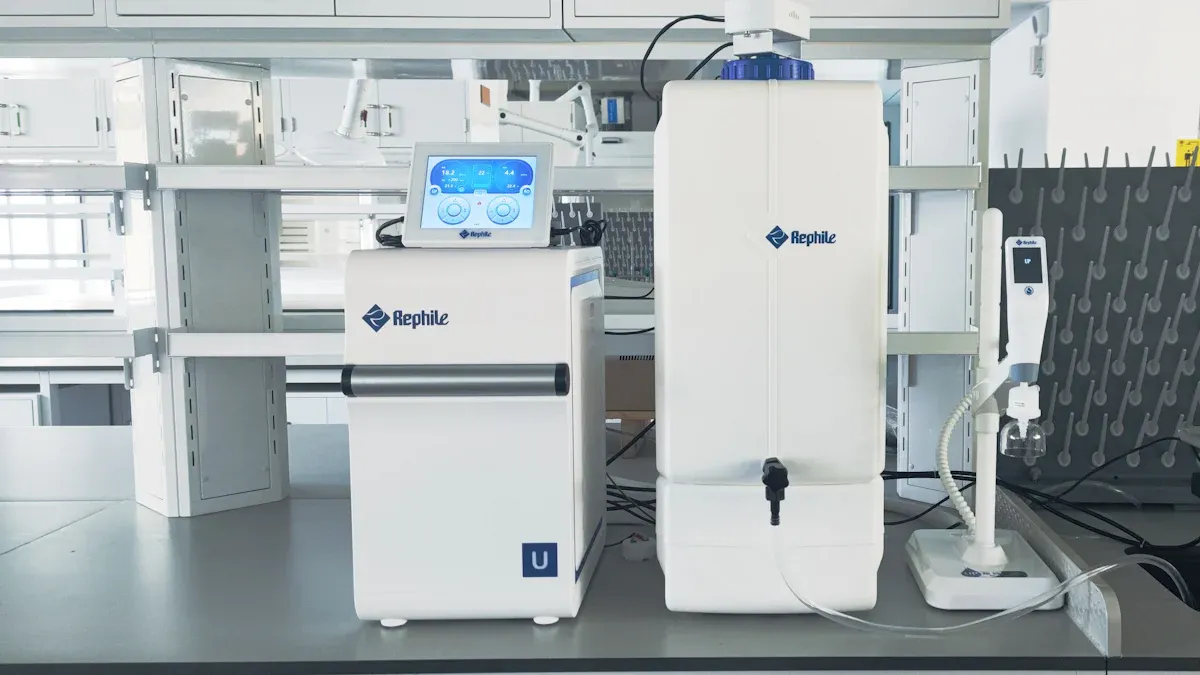
You now use artificial intelligence (AI) and machine learning (ML) to make water treatment plants smarter and more reliable. These technologies help you predict problems, optimize processes, and monitor water quality every second. AI systems can even make decisions in real time, so you respond faster to changes in water quality or equipment performance.
| Application Type | Description |
|---|---|
| Smart Water Management Systems | Integration of AI for efficient water resource management and monitoring. |
| Predictive Maintenance | Use of AI to forecast equipment malfunctions and optimize maintenance schedules. |
| Process Optimization | AI-driven methods to enhance treatment processes and reduce energy consumption. |
| Real-time Decision-making | AI applications that enable immediate responses to changes in water quality and treatment needs. |
| Chemical Dosage Control | ML techniques to optimize chemical usage in treatment processes. |
| Automated Control Systems | AI-supported systems that reduce manual oversight and improve operational efficiency. |
| Continuous Quality Monitoring | AI-powered sensors for real-time monitoring of wastewater quality. |
You see many benefits from these tools:
You improve water quality monitoring.
You optimize treatment processes.
You reduce energy use.
You adapt quickly to new challenges.
You use predictive analytics to prevent equipment failures.
You control chemical dosing more precisely.
You rely less on manual checks.
You rely on the Internet of Things (IoT) and smart sensors to keep track of every part of your water treatment plant. These sensors collect data about water quality, flow, and equipment health. You can spot leaks, measure turbidity, and respond to contamination right away.
In Barcelona, a smart water grid uses sensors for real-time monitoring. This helps you detect leaks quickly and save water.
In Lahore, real-time turbidity monitoring improved filter backwash efficiency by 20%.
IoT-enabled plants often see a 30-40% drop in chemical and energy costs.
| Case Study | Impact on Water Quality and Efficiency |
|---|---|
| Barcelona’s Smart Water Grid | Enabled rapid leak detection, reducing water losses and conserving resources. |
| IBM’s Smarter Water Solution | Provided predictive insights to prevent infrastructure failures, saving millions in maintenance costs. |
| Real-Time Monitoring in Pakistan | Improved response times to contamination, leading to a 20% increase in filter backwash efficiency in Lahore's treatment plant. |
You use these networks to:
Respond immediately to contamination.
Make better decisions with real-time data.
Save money and resources.
You now use advanced membrane filtration to remove more contaminants and produce cleaner water. New materials like graphene and ceramics make membranes stronger and less likely to clog. Membrane bioreactors (MBRs) combine biological treatment with filtration, making them perfect for cities and factories.
Semi-permeable membranes remove even tiny pollutants, so you get high-quality water for reuse.
Graphene and ceramic membranes last longer and resist fouling.
MBRs save space and energy, and their treated water can be used for irrigation or industry.
Electrochemical treatments offer a chemical-free way to clean water.
You find that these systems:
Use less energy.
Last longer than old filters.
Work well in small spaces.
Operate at higher sludge concentrations, which boosts efficiency.
You can now turn waste into energy and recover valuable resources. Technologies like anaerobic digestion and biogas recovery help you generate power from organic waste. You also reuse treated water and recover nutrients like phosphorus.
| Technology | Contribution to Energy-Positive Systems |
|---|---|
| Advanced Anaerobic Digestion | Converts organic matter into biogas, reducing energy needs. |
| Biogas Recovery | Captures and utilizes biogas for energy generation. |
| Energy-Efficient Aeration | Reduces energy consumption in the aeration process. |
| Treated Wastewater Reuse | Provides alternative water sources, reducing demand. |
| Phosphorus Recovery | Extracts nutrients for reuse, minimizing waste. |
| Sludge-to-Energy Solutions | Converts waste sludge into usable energy. |
You see real results:
Biogas energy helps fight climate change and saves money.
Reusing water protects natural habitats and saves fresh water.
In India, clean cooking fuel from biogas helped 105,000 homes and saved forests.
Waste-to-energy models reduce firewood use and cut CO2 emissions.
You use digital twins to create a virtual copy of your water treatment plant. This digital model lets you test changes, predict problems, and improve operations without risking real equipment. Predictive analytics help you spot equipment wear early and plan maintenance before breakdowns happen.
| Application Area | Description |
|---|---|
| Data Collection and Management | Sensors collect real-time data for analysis. |
| Building Information Modeling (BIM) | 3D digital models help you plan and maintain infrastructure. |
| Machine Learning and Predictive Analytics | Algorithms predict failures and optimize processes. |
| Digital Twin Implementation | Simulations help you test scenarios and improve performance. |
| Integration of IoT Technologies | Sensors and controls work together for better data flow. |
| Cybersecurity Measures | Protects your digital systems from threats. |
| User Interface and HMI | Easy-to-use screens give you insights and control. |
| Feedback Loops and Continuous Improvement | Ongoing monitoring helps you keep improving the system. |
You benefit from:
Predictive maintenance that prevents shutdowns.
Simulations that help you meet flow and quality standards.
Real-time monitoring that cuts costs and boosts reliability.
| Evidence Description | Key Findings |
|---|---|
| Digital Twin Platform for Water Treatment Plants | Reduction of up to 50% in untreated water discharges, totaling 1.5 billion liters, and improved process efficiency through predictive algorithms. |
| Predictive Maintenance Strategies | Minimized unplanned failures and extended equipment life, leading to lower operational costs. |
| Real-time Monitoring and Machine Learning | Enhanced accuracy of maintenance schedules and operational optimization, contributing to cost savings. |
You can now build water treatment plants that are smaller, faster to set up, and closer to where water is needed. Decentralized and modular systems let you add capacity as your community grows. You avoid long pipelines and can respond quickly to new demands.
| Feature/Advantage | Description |
|---|---|
| Faster Implementation | Prefabricated systems arrive quickly, so you start sooner. |
| Scalability | Add more units as demand grows, without overbuilding. |
| Proximity to Point of Use | Place systems near users for better efficiency. |
| Cost Efficiency | Phase investments and avoid long pipelines. |
| Adaptability to Demand Growth | Respond to water stress or population changes with ease. |
| Case Study Description | Treatment Capacity | Key Features |
|---|---|---|
| Costa Rica resort | 1,500 m³/d | High recovery rate, low energy use, minimal chemicals, quiet operation |
| Solar power plant in Israel | N/A | Cut fresh water use by 50%, ultrafiltration, reverse osmosis |
| Taiwan islands | 2,600 m³/d | Quick manufacturing, energy-recovery devices |
| Egyptian power plant | N/A | Fast delivery of ultrapure water, works with low-quality feed water |
Modular designs let you use different treatment methods.
You can scale up or down as needed.
These systems work for both small towns and big factories.
You use precision chemical dosing to keep water safe and lower costs. Smart systems add the right amount of chemicals at the right time. This prevents problems like scale in cooling towers or corrosion in boilers. In wastewater treatment, correct dosing removes harmful substances and keeps you in line with regulations.
Scale inhibitors stop calcium buildup in cooling towers.
Oxygen scavengers protect metal parts in boilers.
Proper dosing neutralizes contaminants in wastewater.
You see these advantages:
You use fewer chemicals because sensors give accurate feedback.
Real-time data lets you fine-tune dosing, so you waste less.
You save money and reduce your impact on the environment.
You can see big improvements in how you run your plant. Real-time data helps you make better choices every day. Predictive maintenance lets you fix equipment before it breaks. You save money and avoid downtime. Digital tools also help you follow rules and keep your plant running smoothly.
Real-time data acquisition improves decision-making.
Predictive maintenance reduces operational costs.
Enhanced regulatory compliance increases reliability.
Digital transformation gives you more control. You can watch every part of your system and act fast when something changes. You use data from many sources in one place. This makes your work easier and more reliable.
You use digital twins and smart sensors to keep water safe. These tools help you spot problems before they grow. You can fix issues quickly and keep water clean for everyone. Digital twins let you test changes without risk.
Digital Twin technology improves your ability to solve problems with predictive control.
Investing in digital tools raises water quality and safety.
The Digital Twin model cut untreated water discharges by 50%, saving 1.5 billion liters.
Predictive algorithms make your processes more stable and efficient.
You help the planet by using less water and energy. Smart systems track your impact and help you make better choices. Some cities, like Singapore, use smart meters and alert systems to save water and improve quality. In Gothenburg, digital twins cut untreated wastewater by half.
| City | Digitization Measures | Environmental Impact |
|---|---|---|
| Singapore | Smart water meters, SCADA, flood alerts | Less water use, better quality, stronger reserves |
| Gothenburg | Digital Twin for sewage network | 50% less untreated water released, lower environmental footprint |
You see that predictive models and real-time data help you manage your plant with less harm to nature.
You meet strict rules with help from digital tools. Digital twins adjust to real-time changes and keep your treatment accurate. Continuous tracking warns you before you break any limits. This keeps your plant safe and in line with the law.
Digital twin technology improves accuracy and control.
Continuous system tracking ensures you meet environmental rules and get alerts before problems happen.
You stay ahead of new standards and protect your community.
You can see how cities around the world use digital tools to solve water challenges. Many urban water treatment plants now use smart systems to save water, cut costs, and improve service. The table below shows how some major cities have succeeded:
| City | Success Story Description | Benefit Highlighted |
|---|---|---|
| London | Utilized smart leak detection systems to reduce water loss by up to 15%. | Advanced Leak Detection |
| Los Angeles | Implemented smart irrigation systems saving an estimated 1 billion gallons of water annually. | Smart Irrigation Systems |
| New York City | Reduced operational costs by 30% through predictive analytics. | Predictive Maintenance |
| Singapore | Integrated digital twin technology for resource optimization. | Predictive Maintenance |
| Barcelona | Leveraged smart city water management tools for efficient leak detection. | Predictive Maintenance |
These examples show that you can use technology to make your city’s water safer and more reliable.
You can bring clean water to remote areas with new digital solutions. Small towns and villages now use modular treatment units and smart sensors. These systems work close to where people live. You can set them up quickly and add more units as your community grows. Many rural areas now enjoy safe water without waiting for large infrastructure projects.
Tip: You can use solar-powered sensors and mobile alerts to monitor water quality in real time, even in places far from big cities.
You can learn important lessons from those who started digital transformation early. Here are some key takeaways:
The Jordan Valley Conservancy District in Utah created a Digital Twin to improve decision-making and efficiency.
You can use technology to help your team learn new skills and manage resources better.
Digital Twins give you better data and help you respond quickly to new challenges, like the COVID-19 pandemic.
You see that early action helps you stay ahead and keep your water treatment plants running smoothly.
You need to check if your plant is ready for digital tools. Start by looking at your current equipment and systems. Ask yourself if your data is easy to access and if your team can use new technology. Make a checklist to see what you have and what you need. This helps you spot gaps and plan your next steps.
| Step | What to Check |
|---|---|
| Data Availability | Can you collect and use real-time data? |
| Equipment Age | Are your machines ready for upgrades? |
| Staff Skills | Does your team know digital basics? |
| Network Security | Is your system safe from cyber threats? |
You need a clear plan to guide your digital journey. Set goals for what you want to achieve, like saving water or cutting costs. Break your plan into small steps. Assign tasks to team members and set deadlines. Review your progress often and adjust your plan as needed.
Tip: Start with small projects that show quick results. This builds confidence and support for bigger changes.
Your team must learn new skills to use digital tools well. Offer training on new software and equipment. Use team collaboration tools to keep everyone informed and motivated.
"Another key is getting employees to see the benefits of modernization, Campbell says. Team collaboration tools — common in IT workplaces, less so in utilities — allow 'everybody to understand what the plan is — the roadmap for the day, week and month. That’s the beginning of improving employee morale.'"
You do not have to do everything alone. Work with technology companies, universities, and other water plants. These partners can share knowledge and help you solve problems faster. Look for partners who understand your needs and can support your goals.
You see digital transformation making water treatment plants smarter and more efficient.
You improve water quality and save resources with new technology.
You build stronger, safer systems for the future.
Embrace innovation today to keep your water systems ready for tomorrow’s challenges.
A digital twin is a virtual copy of your plant. You use it to test ideas, predict problems, and improve how your plant works.
AI helps you spot issues early. You use it to control equipment, save energy, and keep water safe.
Tip: AI can predict equipment failures before they happen.
Yes! You can set up modular systems quickly. These work well for small towns and remote areas.
Easy to install
Scalable as your needs grow
Innovative Materials Transforming Heat Exchanger Supply Chain
Comprehensive 2025 Overview of Semi-welded Plate Heat Exchangers
Understanding Advantages of Commercial Heat Exchangers for 2025
Advancements in Heat Exchanger Manufacturing Boost Industrial Efficiency
Ways to Reduce Environmental Impact Using Plate Heat Exchangers

We provide you with comprehensive foreign trade solutions to help enterprises achieve global development

Whether your venue is a specialty café in pursuit ...
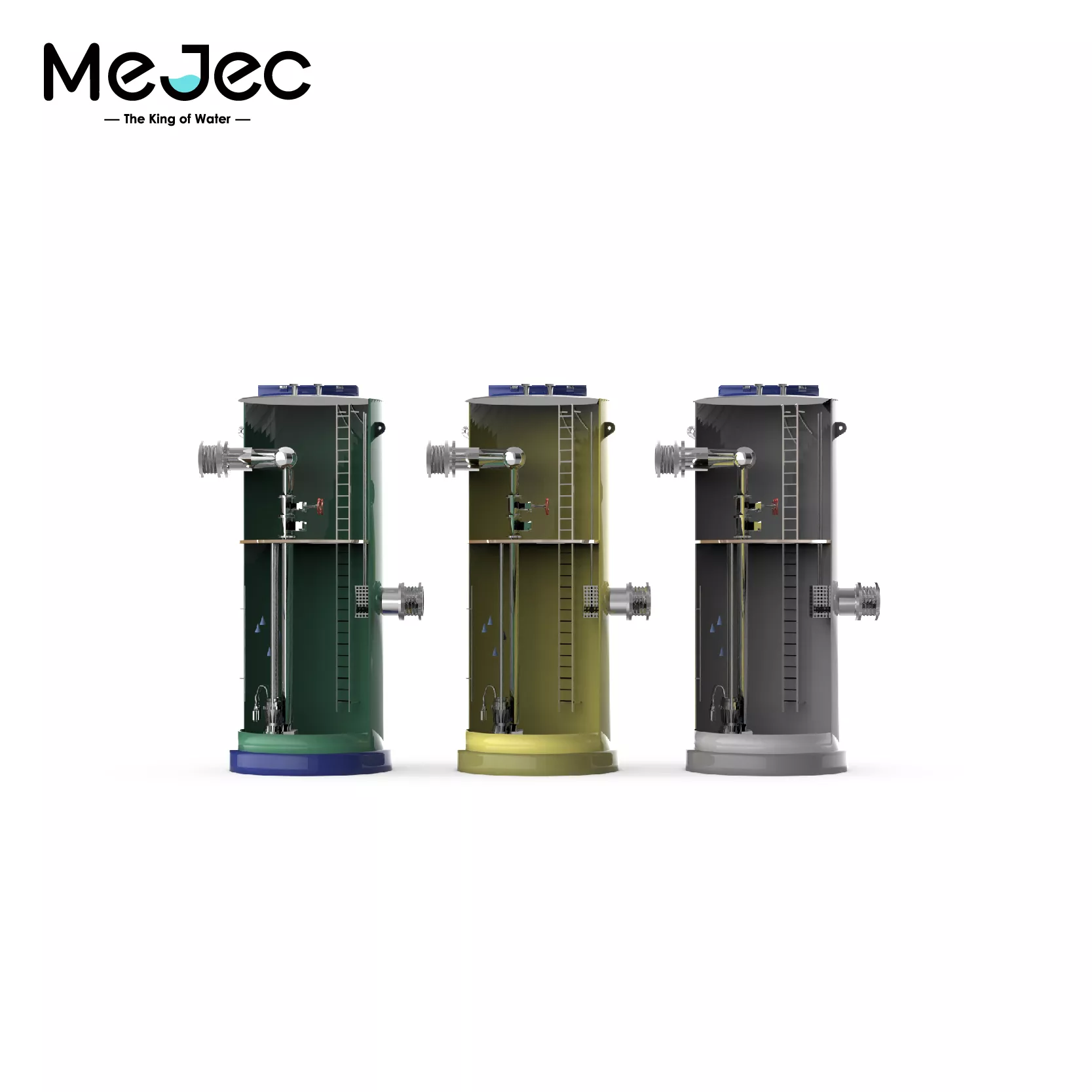
LD-BZ, The series of integrated prefabricated pump...
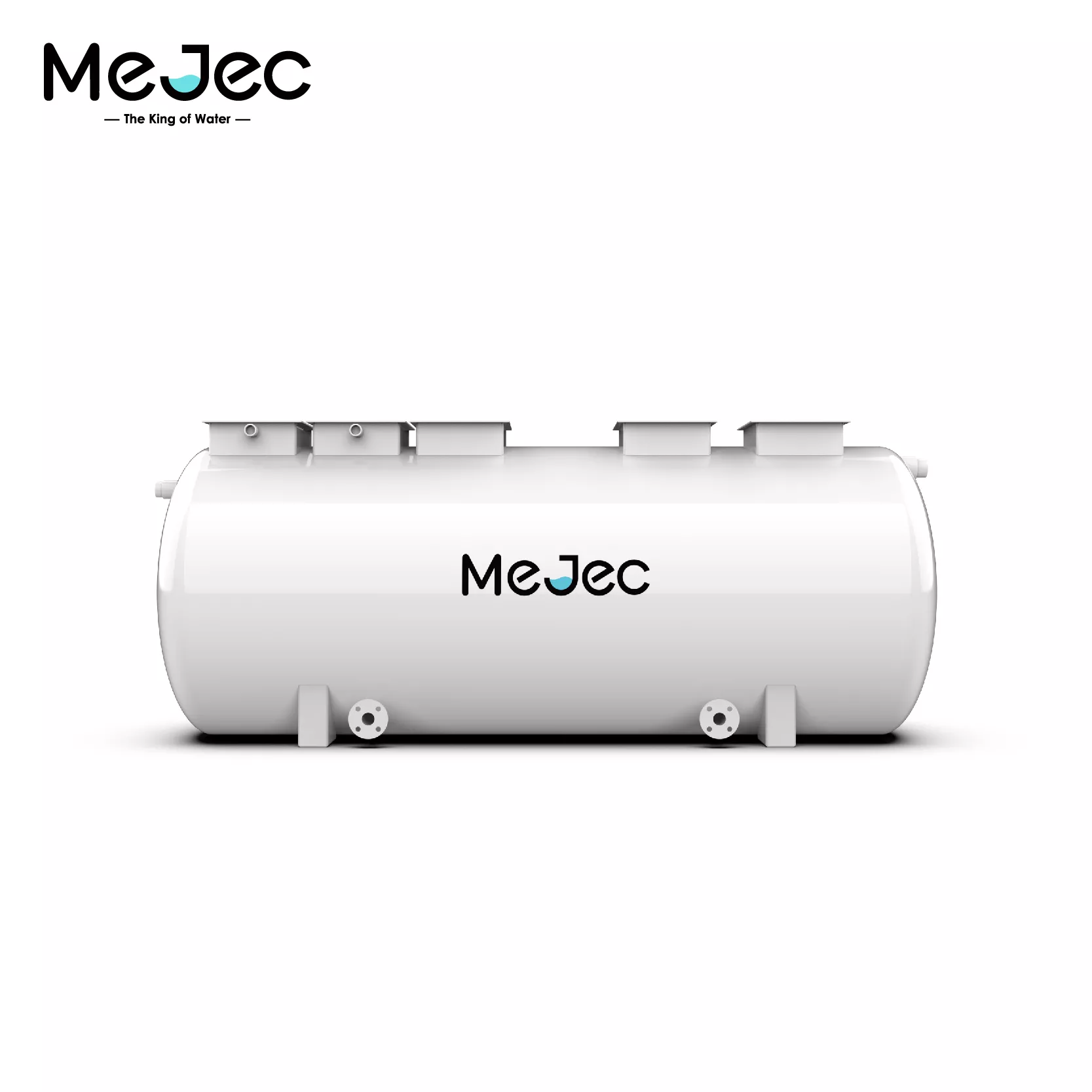
Mejec-Johkasou-SB adopts an AAO + MBBR combined bi...
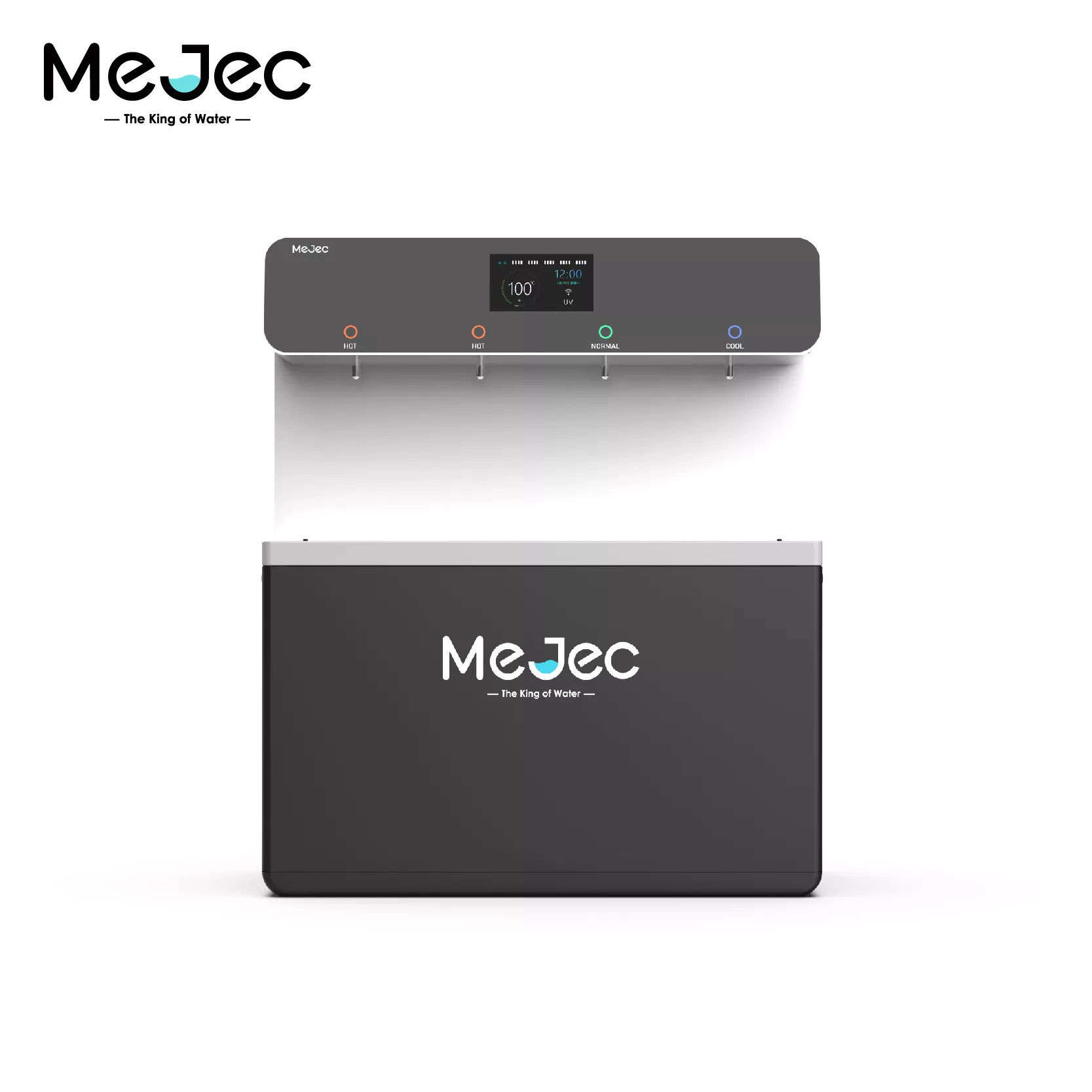
Designed for high-traffic public areas, the Mejec ...
Select the most popular foreign trade service products to meet your diverse needs
Select the most popular foreign trade service products to meet your diverse needs





User Comments
Service Experience Sharing from Real Customers
Michael Rodriguez
Plant ManagerThe ultrafiltration system has revolutionized our tertiary treatment process. Water clarity and consistency have improved by 40%, significantly reducing our chemical dosing costs. The automated backwash feature is a game-changer for operational efficiency.
Sarah Chen
Environmental EngineerAs an engineer in the industrial sector, I'm impressed with the robust dissolved air flotation (DAF) unit. It handles our high-load wastewater with remarkable oil and grease removal rates. The only minor drawback is the initial learning curve for the control interface.
David Kowalski
Chief OperatorThe smart PLC and SCADA system integration for our entire plant has been outstanding. Real-time monitoring and predictive maintenance alerts have reduced unplanned downtime by over 30%. The support team is highly responsive and knowledgeable.
Jessica Williams
Water Quality AnalystImplementing the advanced oxidation process (AOP) system for micropollutant removal has been a success. Our effluent now consistently meets the strictest regulatory standards for pharmaceutical residues. The system's reliability and low energy consumption are exceptional.