


.webp)

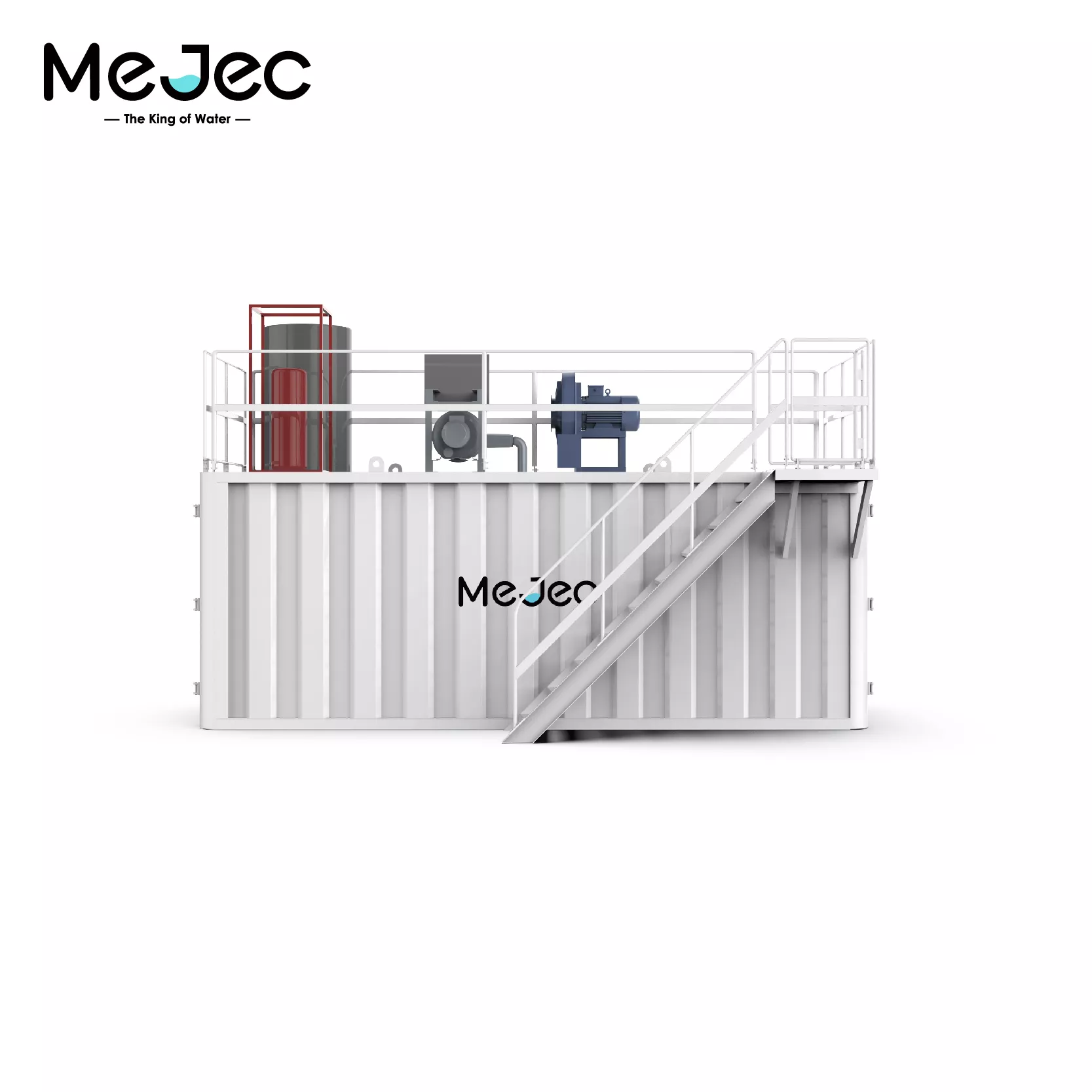
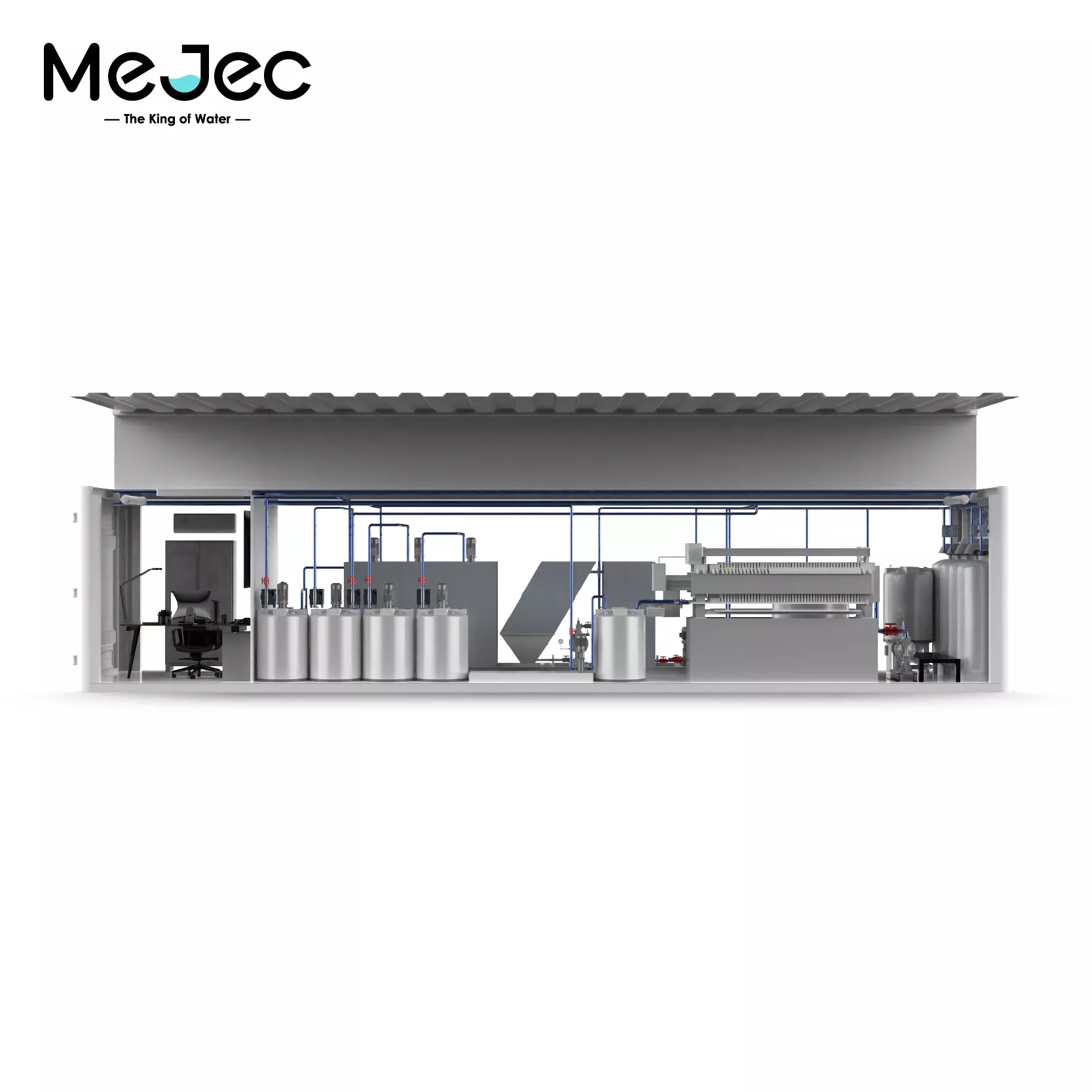
Airport Wastewater Treatment Project in Africa | Mejec SB Integrated Sewage Treatment System
Discover how the Mejec SB Integrated Wastewater Tr...
More


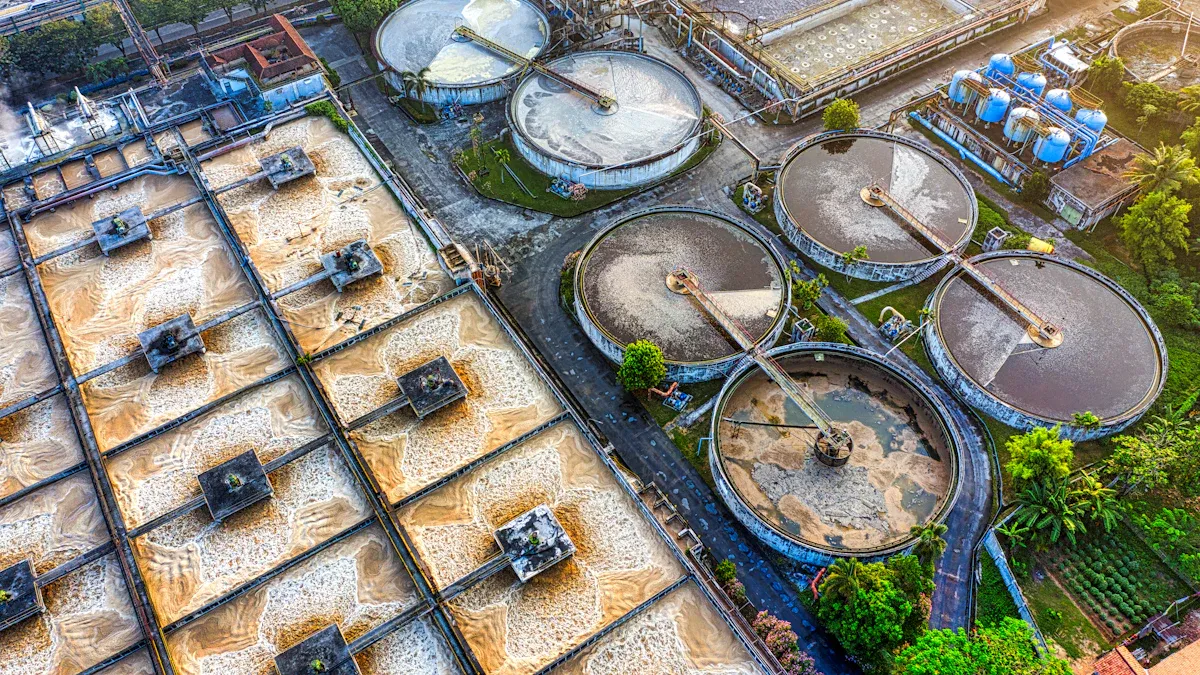
You will find several types of domestic sewage system options for your home. These include traditional septic systems, advanced treatment units, soil-based systems, and alternative systems. Over 20% of U.S. households use septic systems, especially in rural areas. Choosing the right system helps protect your property and the environment.
Choosing the right sewage system protects your property and the environment. Consider factors like soil type and local regulations before making a decision.
Regular maintenance of septic systems, such as pumping every 3 to 5 years, helps prevent costly repairs and extends the system's lifespan.
Advanced treatment systems, like aerobic treatment units, offer better water quality and are ideal for sensitive areas, but they require more maintenance and higher initial costs.
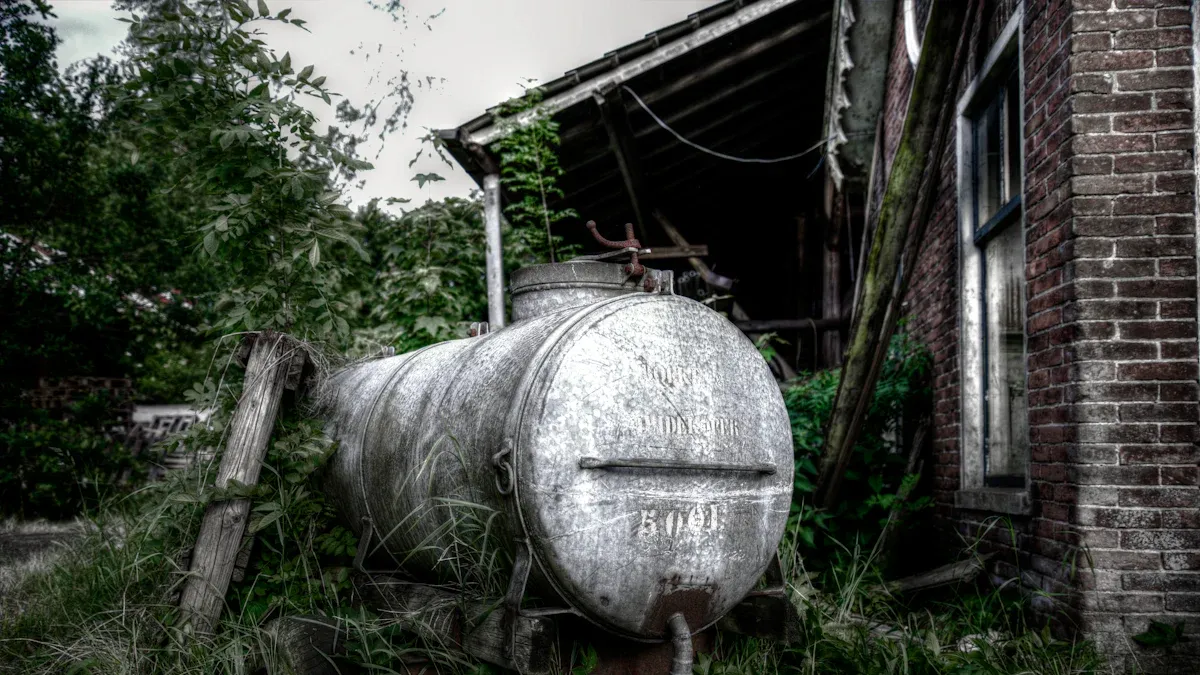
You will find that a traditional septic system uses a simple process to treat household wastewater. When you flush water from your home, it enters the septic tank. Inside the tank, solids settle at the bottom and form sludge. Grease and lighter materials float to the top as scum. The liquid in the middle, called effluent, flows out to the drain field. The soil in the drain field acts as a natural filter, cleaning the water before it returns to the environment.
A typical traditional septic system includes these main parts:
Septic tank
Distribution box
Drainfield
Here is a table showing the main components and their functions:
| Component | Function |
|---|---|
| Septic Tank | Temporarily holds wastewater, separates solids, liquids, and grease for further processing. |
| Drain Line | Transports effluent from the septic tank to the drain field for natural filtration. |
| Drain Field | Filters wastewater through soil layers, allowing natural treatment as effluent disperses. |
This type of domestic sewage system works best when you have good soil that can absorb and filter water.
You can benefit from several advantages when you choose a traditional septic system for your property. These systems usually cost less to install than other options. You do not need electricity to run them, so you avoid extra energy costs. The design is simple, which means fewer things can break. With regular care, a septic system can last 25 to 40 years or more.
Here are some key benefits:
| Advantage | Description |
|---|---|
| Low installation cost | Typically less expensive upfront than alternative technologies. |
| Minimal maintenance | Requires periodic tank pumping every few years, making upkeep simple. |
| No electricity | Gravity-fed design means no electricity costs and no vulnerability to outages. |
| Long service life | Can last 25 to 40 years or more with proper care. |
| Robust and reliable design | Fewer moving parts mean fewer potential points of failure. |
| Cost-effectiveness | Lower maintenance and operational expenses compared to municipal systems. |
| Self-sufficiency | Greater control over waste management without reliance on external utilities. |
You also save money over time because you do not pay monthly sewer bills. Maintenance costs stay low if you pump the tank every few years.
💡 Tip: Regular maintenance helps your septic system last longer and prevents costly repairs.
You should know about some challenges with traditional septic systems. If you use too much water at once, the system can become overloaded. Leaky faucets or extra guests can add more water than the system can handle. Poor drainage or heavy rain can saturate the drain field, causing problems.
Common issues include:
Wet spots or pooling water above the tank or drain field
Unusual green patches or dead grass over the system
Gurgling sounds in plumbing lines
Toilets, tubs, or sinks draining slowly
Strong sewage odors inside or outside the home
Sewage backup into the house
Poor maintenance can lead to environmental risks. Failing systems may leak harmful bacteria, chemicals, or nutrients into groundwater. This can pollute drinking water and harm wildlife. Over 2 million septic systems fail each year, causing pollution in rivers, lakes, and beaches.
⚠️ Note: Always fix leaks and avoid flushing chemicals to protect your system and the environment.
You will find traditional septic systems work best in rural areas without access to municipal sewers. These systems suit properties with good soil that can absorb and filter water. Loamy soil is ideal because it balances drainage and filtration. Sandy soil drains quickly but may not filter well, while clay soil drains slowly and can cause backups.
Choose a traditional septic system if:
Your property has enough space for a drain field
The soil type supports proper drainage and filtration
You live in an area with no centralized sewer service
This type of domestic sewage system is not suitable for places with high groundwater or frequent flooding. In these cases, you may need a different system.
🏡 Tip: Test your soil before installing a septic system to make sure it will work well for your property.
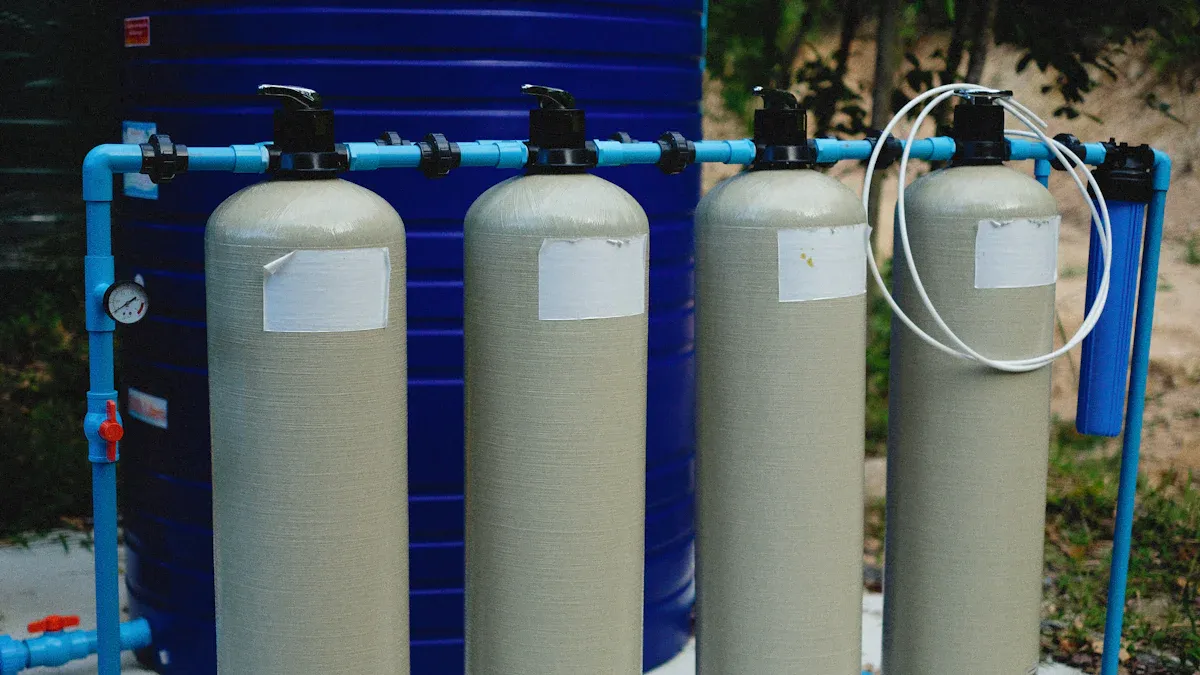
Advanced treatment systems give you more options when a traditional septic tank will not work. These systems use extra steps to clean wastewater before it returns to the environment. You can choose from several types, including aerobic treatment units and media filter systems. These systems help protect water quality, especially in sensitive areas.
Aerobic treatment units (ATUs) use oxygen to break down waste. You will find that these units work faster and produce cleaner water than traditional septic tanks. ATUs add air to the wastewater, which helps aerobic bacteria grow. These bacteria eat the waste and clean the water.
Here is a table that shows how ATUs compare to traditional septic systems:
| Feature | Aerobic Treatment Units (ATUs) | Traditional Septic Systems |
|---|---|---|
| Bacteria Type | Aerobic bacteria | Anaerobic bacteria |
| Treatment Efficiency | Higher, due to oxygen-rich environment | Lower, relies on slower anaerobic processes |
| Effluent Quality | Cleaner, safe for discharge | Less clean, may require further treatment |
| Environmental Suitability | Ideal for sensitive areas | May struggle in challenging conditions |
| Versatility | Can be tailored to site conditions | Limited adaptability |
You can use ATUs in places where the soil is not good for a regular domestic sewage system. The cleaner water from ATUs is safer for the environment. These units also work well if you live near lakes, rivers, or other sensitive areas.
💡 Tip: ATUs need regular checks and maintenance to keep working well. You should schedule inspections every few months.
Maintenance for ATUs is different from traditional systems. Look at this table to see the main differences:
| Maintenance Aspect | Traditional System | Aerobic System |
|---|---|---|
| Pumping Frequency | Every 2-3 years | Every 1-3 years |
| Professional Inspections | Annual recommended | Quarterly to bi-annual |
| Component Checks | Minimal | Pumps, aerators, controls |
Media filter systems use layers of special materials to clean wastewater. You will find different types of filters, such as sand, gravel, or activated carbon. Wastewater passes through these layers, which trap dirt, germs, and chemicals.
Here are some ways media filter systems improve water quality:
Filtration removes most contaminants from wastewater.
Filters can work as the main cleaning step or as an extra step after other treatments.
Physical, chemical, and biological processes all help clean the water.
Common filters include sand, activated carbon, and membranes.
Chemical treatments like chlorination or ozonation can kill germs and make water safer.
This table shows some common filter materials and their uses:
| Filter Media | Applications | Features |
|---|---|---|
| Silica Sand | Residential water treatment | Removes solids and turbidity, affordable |
| Activated Carbon | Odor and chlorine removal | Adsorbs chemicals, improves taste and smell |
| Zeolite | Ammonia and nitrogen removal | High exchange capacity, good for pools |
| Garnet | Industrial wastewater treatment | High density, good for layered filters |
| Anthracite Coal | Municipal water treatment | Deep-bed filtration, supports other media |
| Gravel | Support layer in filters | Keeps flow even, prevents media movement |
| Calcite | Groundwater pH neutralization | Raises low pH, safe for drinking water |
| Walnut Shell | Oil and grease removal | Durable, removes hydrocarbons |
🛠️ Note: Media filter systems need regular cleaning or replacement of filter materials to keep working well.
Advanced treatment systems offer many benefits, but you should also know about their challenges.
Benefits:
High structural stability reduces leaks and cracks.
Materials resist chemical damage, so the system lasts longer.
Low permeability means water does not damage the system.
Cleaner water protects the environment.
These systems can lower air pollution by reducing CO2, SO2, NOX, and particulate matter.
Drawbacks:
Some systems need more time to treat wastewater.
Large tanks may require more space.
The process creates more sludge, which you must dispose of safely.
You need expert help to run and check the system.
Changes in the amount or type of sewage can cause problems.
Advanced systems cost more to install and maintain.
⚠️ Alert: Advanced systems are more complex. You must follow a maintenance schedule and may need professional help.
You should consider an advanced treatment domestic sewage system if your property has special needs. Here are some situations where these systems work best:
| Circumstance | Description |
|---|---|
| Inadequate Soil Conditions | Soil does not support a regular septic system. |
| Steep Slopes | Land is too steep for standard systems. |
| High Water Tables | Water table is too high for traditional systems. |
| No Public Sewer | No access to city sewer services. |
| Failing Existing Systems | Current system cannot handle your household’s wastewater. |
You may also need advanced treatment if you live in an area with strict environmental rules. Laws like the Clean Water Act require better wastewater treatment. These rules focus on removing nutrients, germs, and chemicals from water. You must keep up with new technology to meet these standards.
📋 Tip: Always check local regulations before choosing a system. You may need a permit or special design.
By understanding advanced treatment options, you can choose the best system for your property and protect the environment.
You will find that conventional drainfields are the most common type of soil-based domestic sewage system. These systems use a network of trenches filled with gravel and perforated pipes. Here is how they work:
Effluent flows from the septic tank into the soil absorption area.
The trench contains media, such as gravel, with at least half below the pipe.
A geotextile fabric may cover the media to keep soil from moving into the trench.
Native soil is placed on top, and the area is mounded to manage rainwater.
Perforated pipes distribute wastewater evenly.
Soil acts as a natural filter, where microorganisms break down contaminants.
An inspection port allows you to monitor the system.
For these systems to work well, you need well-drained soils. Soils that are too clayey or too sandy can cause problems. Always check for uniform brown or red soil colors, which show good drainage.
Mound systems help you treat wastewater when the soil is not suitable for a regular drainfield. These systems use an engineered mound made of sand and gravel. The main parts include:
| Component | Description |
|---|---|
| Septic Tank | Collects wastewater and lets solids settle. |
| Dosing Chamber | Sends treated water to the mound at a steady rate. |
| Mound | Filters wastewater through layers of sand and gravel. |
| Layering | Built in layers to match soil needs and ensure good treatment. |
| Vegetation | Plants on top help control erosion and improve function. |
You should choose a mound system if your property has dense soil, a high water table, or shallow bedrock.
Drip distribution systems use small tubes to spread wastewater evenly through the soil. These systems work well in many climates, but you must protect them from freezing. You also need to keep livestock away from the treatment area. A good management plan helps keep the system working for many years.
You must consider several factors before choosing a soil-based domestic sewage system:
Soil composition, texture, and density
Moisture content and soil depth
Drainage and slope of the land
Presence of restrictive layers or high water tables
Some soils, like silty clay loam, have very low permeability and can cause surface ponding. Others, like silt loam, drain better but still have some limits. Always test your soil before installing a system.
💡 Tip: Good soil means better treatment and fewer problems for your domestic sewage system.
You can choose constructed wetlands as a natural way to treat household wastewater. These systems use plants, soil, and helpful microbes to clean water. Unlike mechanical systems, constructed wetlands rely on nature to do the work. You will find several benefits when you use this type of domestic sewage system:
You spend less money building and maintaining these systems.
Wetlands support birds, insects, and other wildlife.
Plants and soil filter out harmful substances and absorb nutrients.
Wetlands help recharge groundwater and reduce runoff.
Wetland plants capture carbon, which helps fight climate change.
You help protect streams and lakes from pollution when you use constructed wetlands. These systems also make your property more attractive to wildlife.
Sand filter systems use layers of sand to clean wastewater. You send water from your home into a tank, then it flows through sand beds. The sand traps solids and bacteria break down waste. You can use sand filter systems above or below ground. These systems work well if your soil does not drain well or if you have a small yard.
Recirculating gravel filters use gravel beds to treat wastewater. Water moves through the gravel several times, which helps remove more pollutants. Bacteria living on the gravel break down waste. You can use these filters in places with poor soil or high water tables. They need pumps and regular checks to keep working well.
You may also find other options, such as peat filters, textile filters, or composting toilets. Each system has special features for different needs. Always check local rules before you choose an alternative system.
When you compare different sewage systems for your home, you need to look at several important factors:
Maintenance requirements: You must keep up with regular care. Septic systems need pumping every 3-5 years. Sewer systems require professional inspections.
Installation process: Septic systems are easier to install in rural areas. Sewer systems work better in cities but can cost more to connect.
Suitability for rural areas: Septic systems give you more independence and often cost less. Sewer systems may raise your property value but are harder to access in remote places.
Health and safety: Both systems have risks. Septic systems can leak and cause contamination. Sewer overflows can harm the environment.
Regulations and compliance: You must follow local rules, get permits, and schedule inspections.
Odor and aesthetics: Septic systems need good maintenance to control smells. Sewer systems are built to keep odors low.
📝 Tip: Always check your local rules before choosing a domestic sewage system.
You should know the costs before you decide. Here is a table that shows the average installation costs for different systems:
| System Type | Installation Cost Range |
|---|---|
| Traditional | $5,000 - $10,000 |
| Advanced | $19,200 - $30,000 |
| Cesspool | $2,000 |
Traditional systems usually cost less to install. Advanced systems can be much more expensive, especially if your property has tough site conditions. Cesspools are the cheapest but may not meet modern standards.
You want to protect your land and water. Traditional systems can pollute groundwater if they fail. Advanced systems clean water better and help in sensitive areas. Alternative systems, like wetlands, support wildlife and reduce runoff. Always choose the system that fits your land and keeps the environment safe.
You need to understand each domestic sewage system before you choose one for your home. Check your soil, property size, and local rules. Ask a professional for advice. This helps you protect your health and the environment.
📝 Tip: The right system saves money and prevents problems.
You should pump your septic tank every 3 to 5 years. Regular pumping keeps your system working well and prevents costly repairs.
You should avoid planting trees or large shrubs near your drain field. Roots can damage pipes and block the flow of wastewater.
Never flush wipes, grease, chemicals, or medications. These items can clog pipes, harm bacteria, and pollute water.
Exploring How Sterile Filter Devices Function Effectively
Benefits of Using Self-Priming Water Pumps in Systems
Comparing EHEDG Guidelines With 3A SSI Standards for Hygiene
A Comprehensive Guide to Understanding Plate Heat Exchangers
Enhancing Metering System Precision With Manganin Copper Shunts

We provide you with comprehensive foreign trade solutions to help enterprises achieve global development
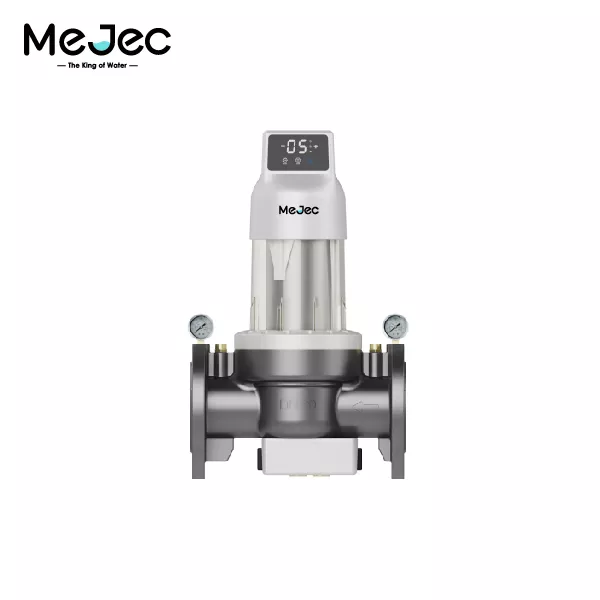
Engineered as the essential first barrier for wate...
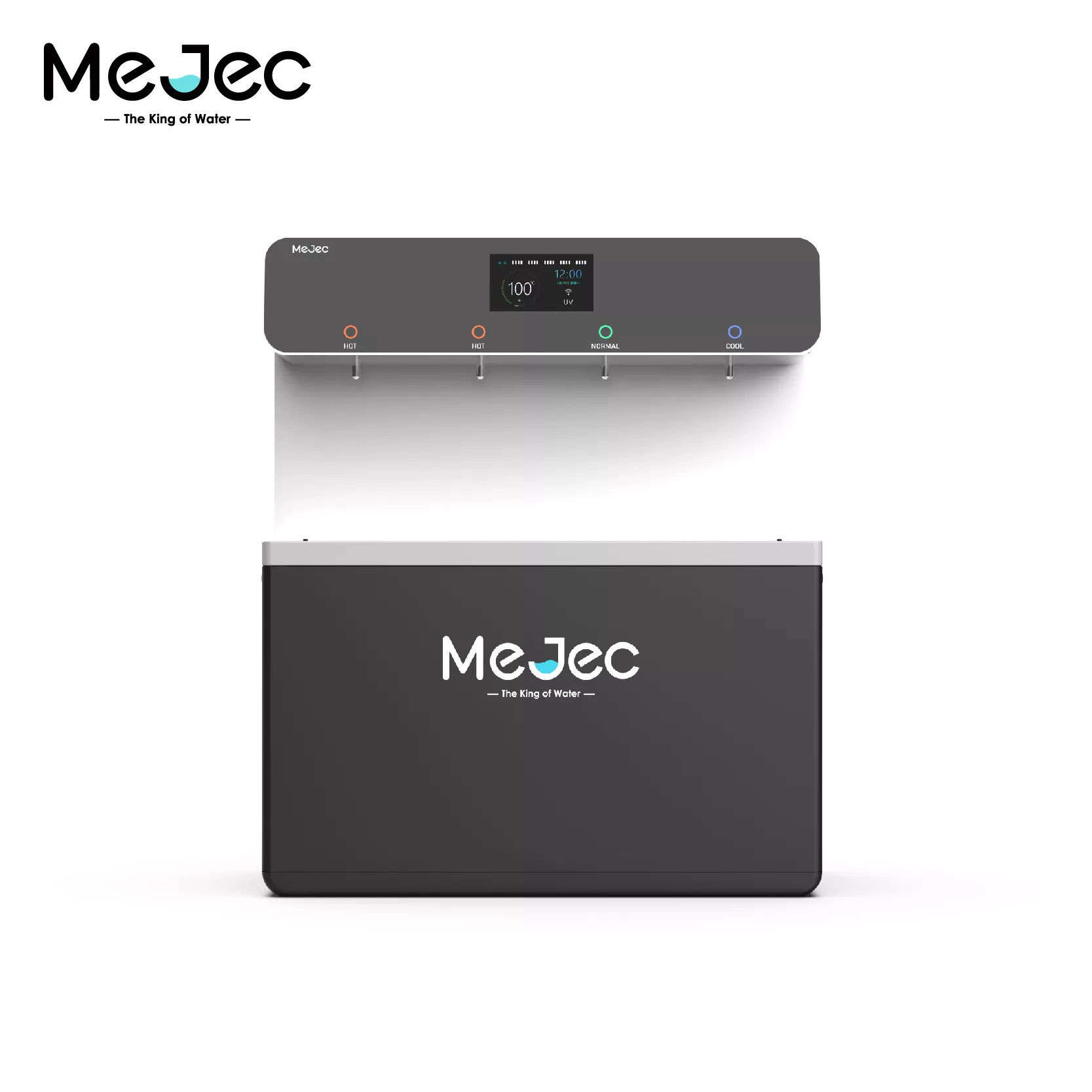
Designed for high-traffic public areas, the Mejec ...

Whether your venue is a specialty café in pursuit ...
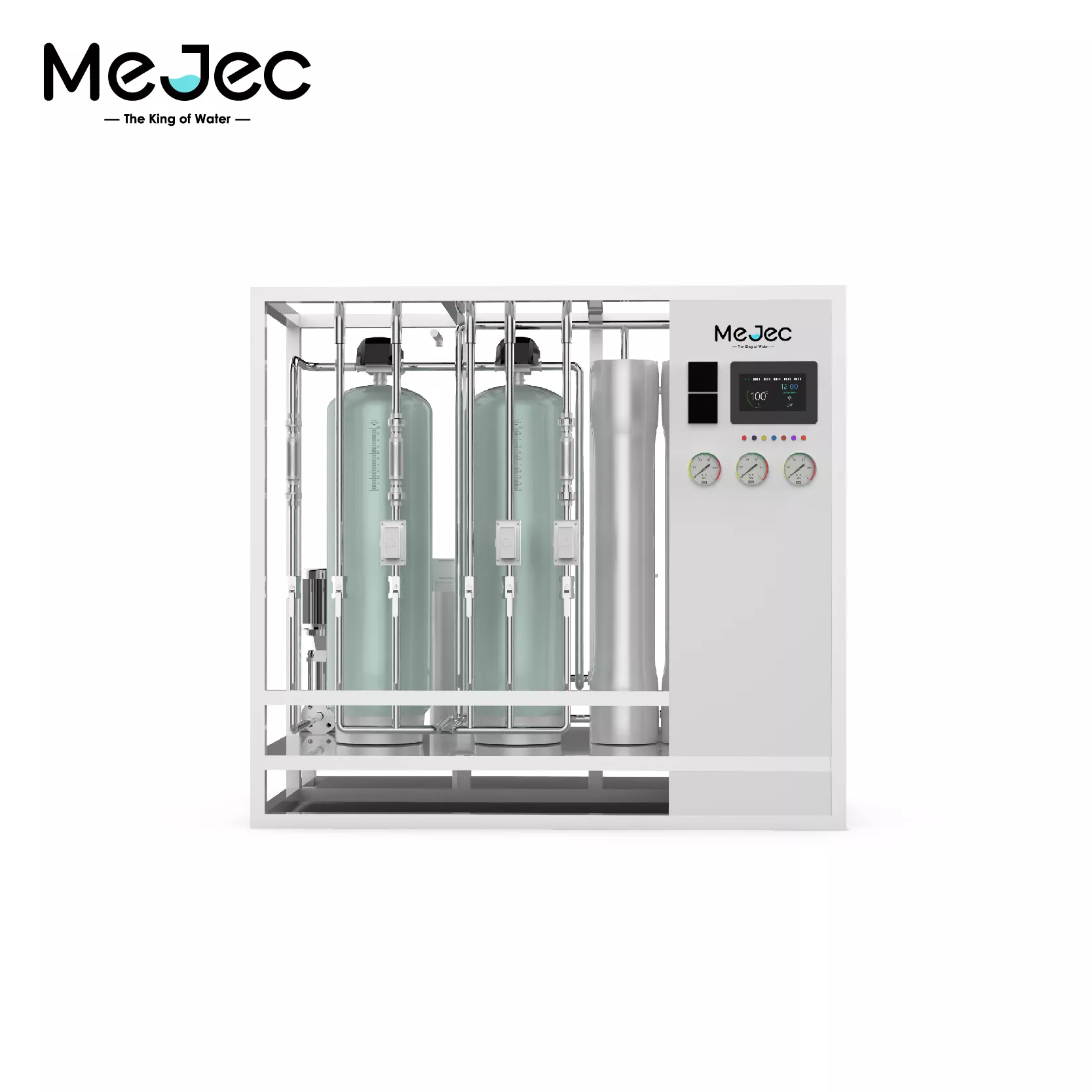
The Mejec industrial water purifier and dedicated ...
Select the most popular foreign trade service products to meet your diverse needs
Select the most popular foreign trade service products to meet your diverse needs






!.webp)
User Comments
Service Experience Sharing from Real Customers
Michael Rodriguez
Facilities ManagerThe EcoFlow domestic sewage system has been a game-changer for our apartment complex. Installation was smooth, and its efficiency in handling peak loads is remarkable. Odor control is excellent, and maintenance alerts are very helpful.
Sarah Chen
Civil EngineerAs an engineer, I appreciate the robust design and modularity of the AquaGuard system. It integrated seamlessly with our existing infrastructure. Minor initial calibration was needed, but overall performance for wastewater separation and treatment is top-notch.
David Miller
Hotel General ManagerWe installed the ClearStream system across our resort. Its compact footprint and quiet operation are perfect. Most importantly, it has significantly reduced our environmental impact and utility costs. Highly reliable and customer support is responsive.
Jessica Williams
Public Health InspectorThis advanced domestic sewage system meets and exceeds current health code standards. The automated monitoring features provide great data for compliance reporting. It's a solid, future-proof investment for any community-focused development.