Sewage Equipment
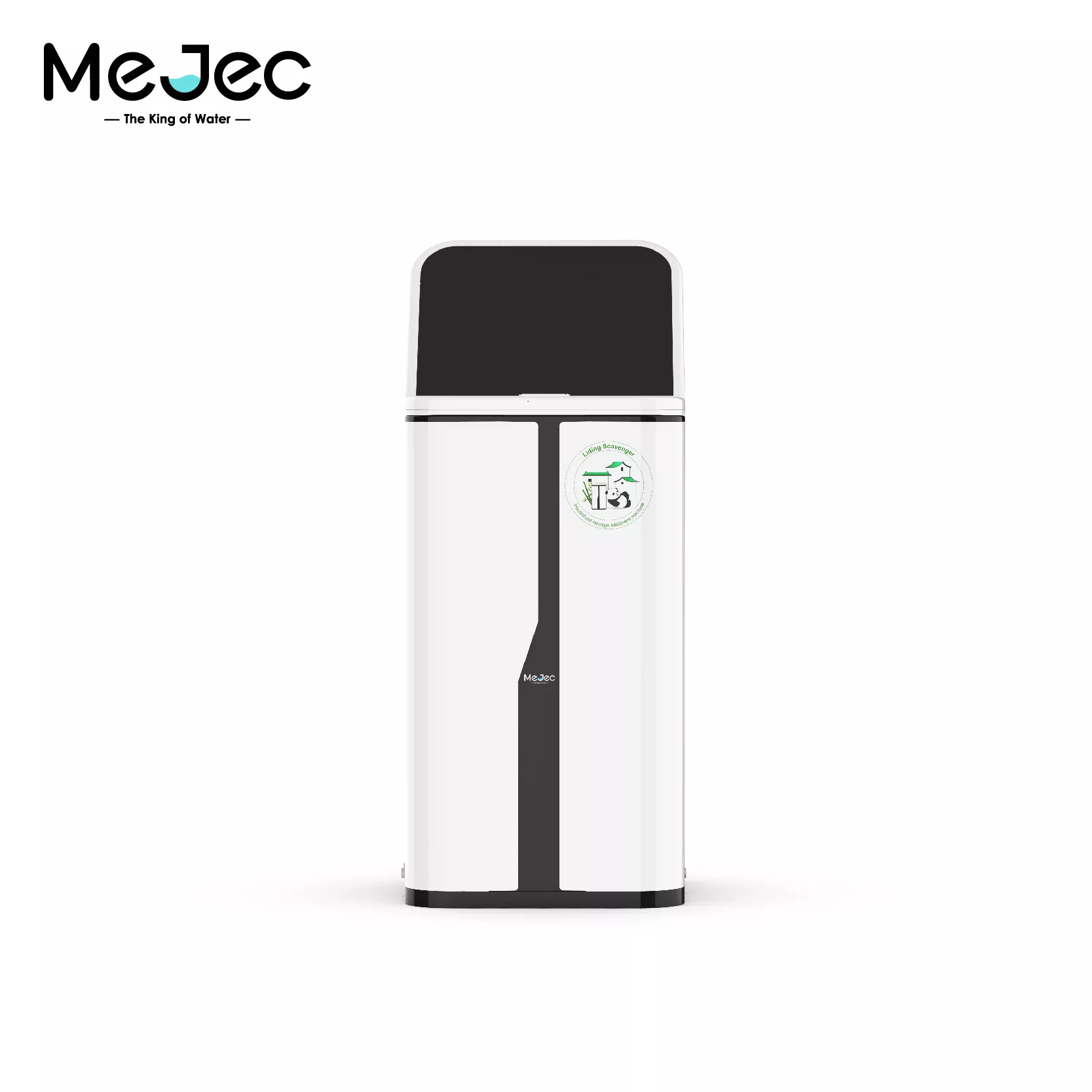
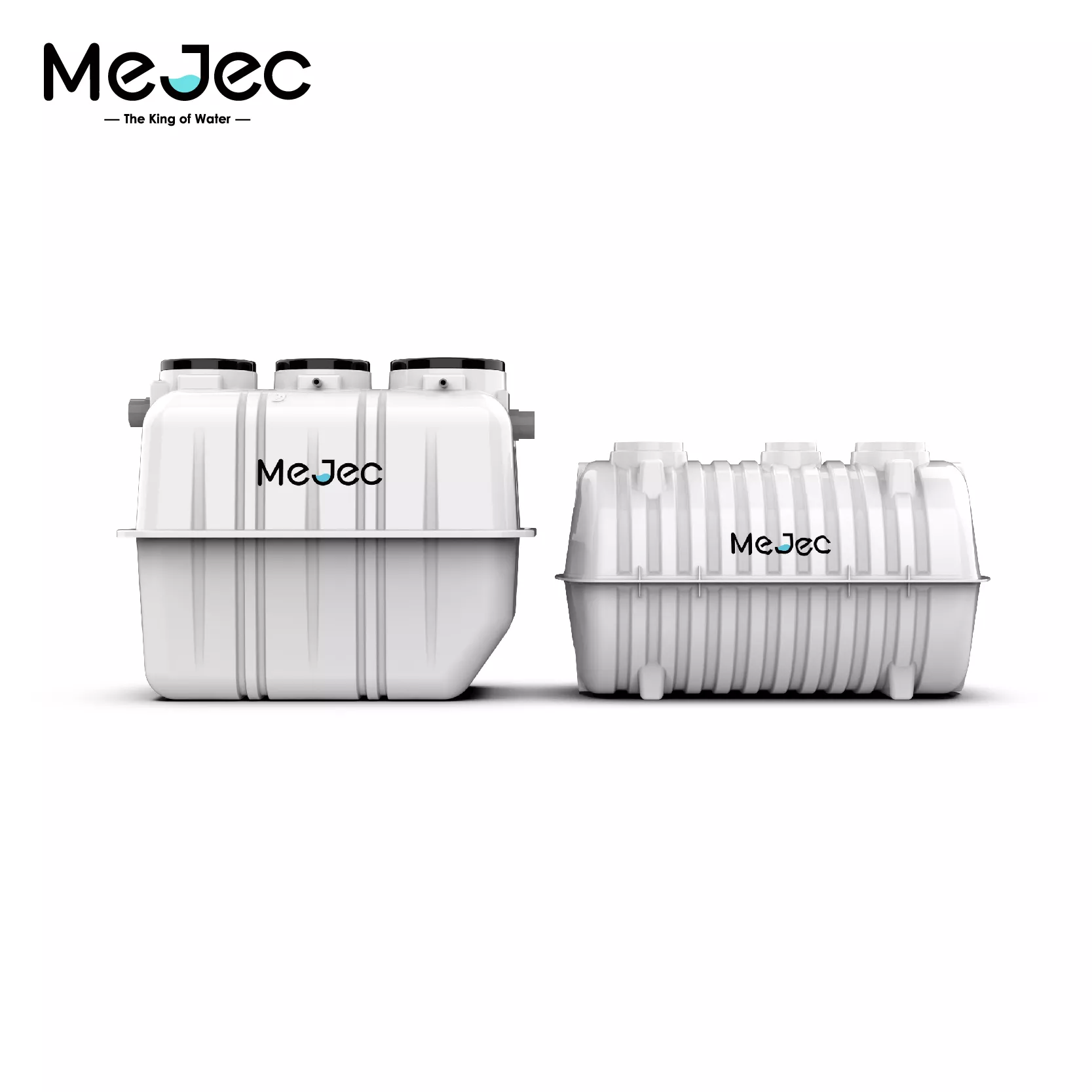
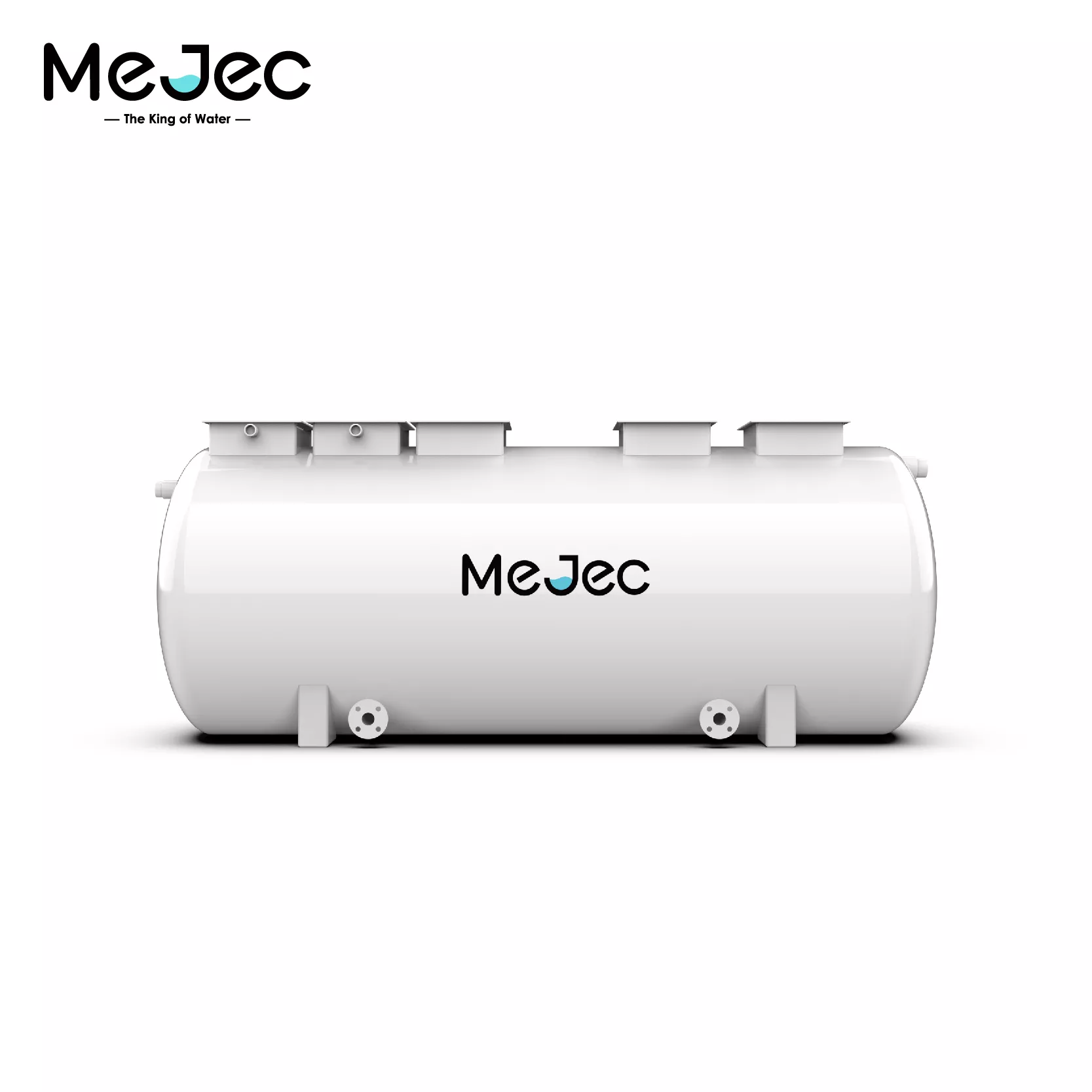
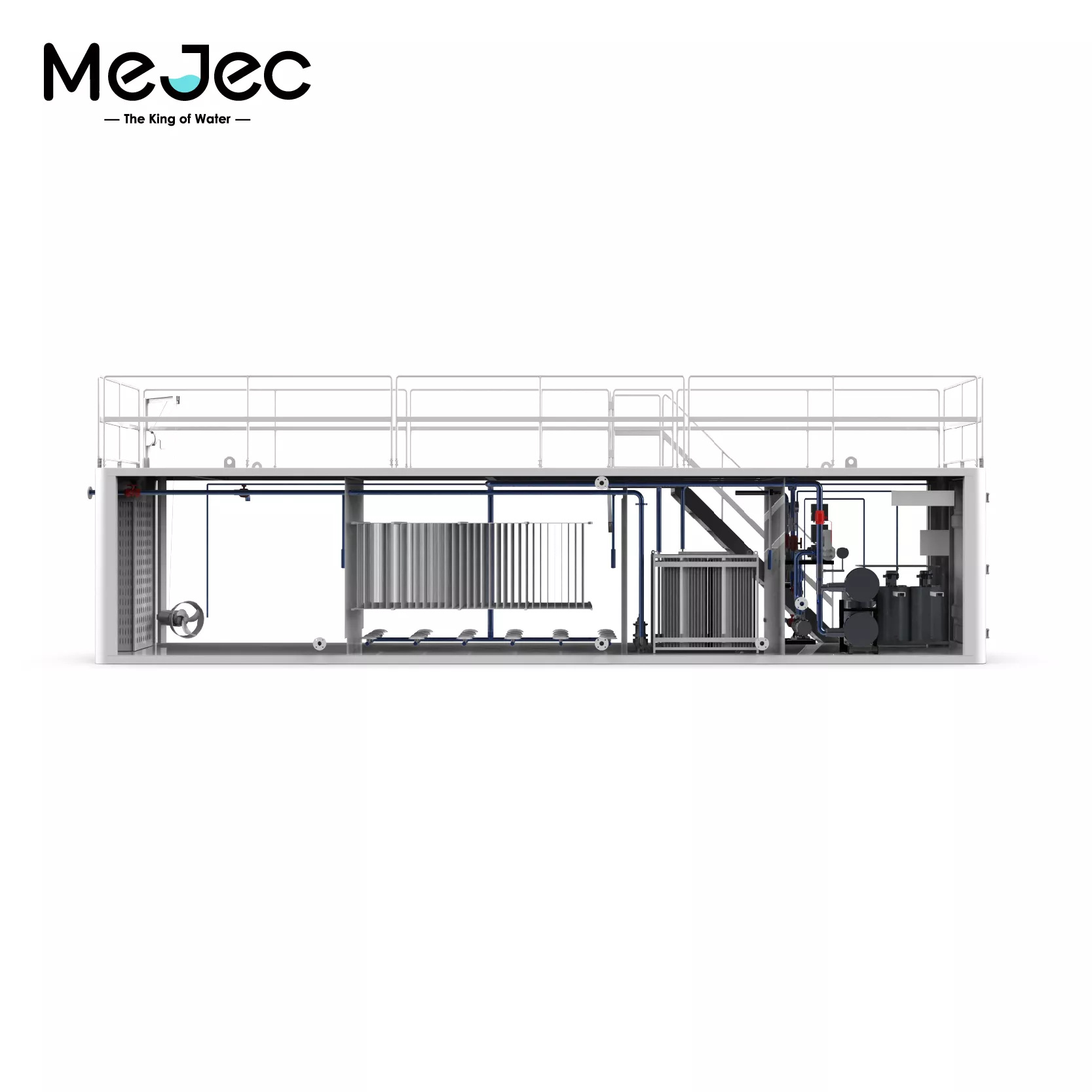
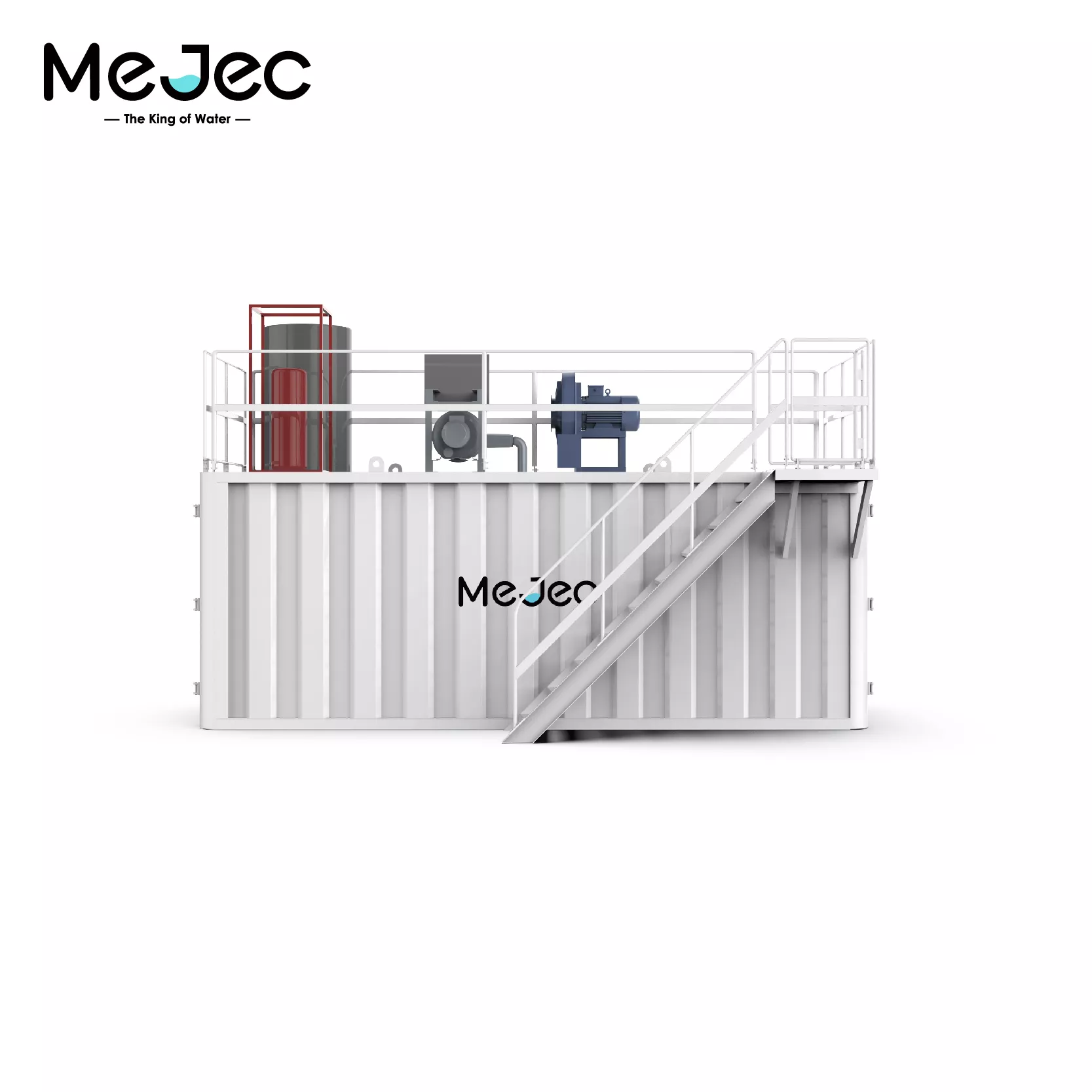
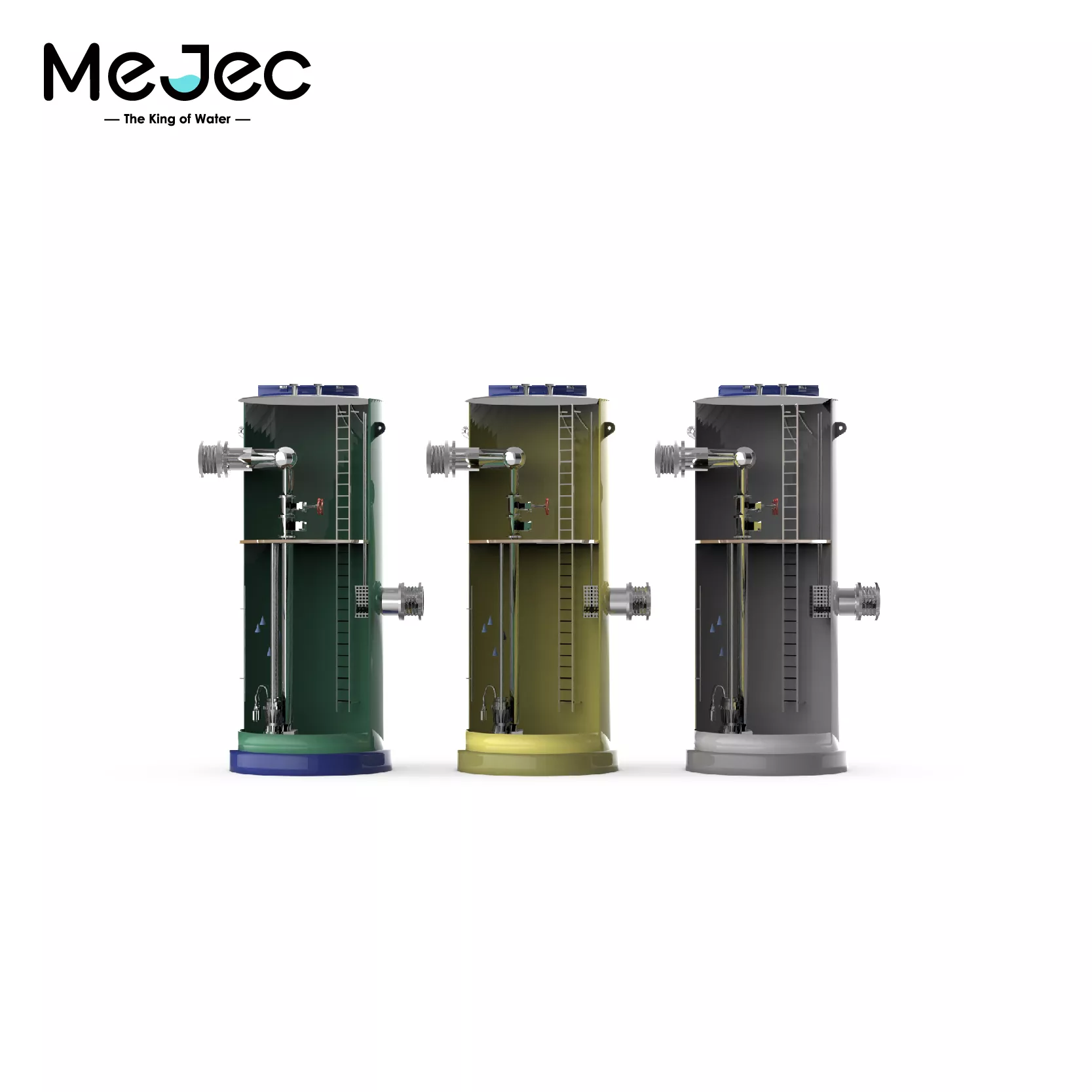
Sewage equipment encompasses the specialized machinery and systems designed for the collection, conveyance, treatment, and disposal of wastewater from municipal, industrial, and commercial sources. This critical infrastructure includes pumps, screens, clarifiers, aerators, digesters, dewatering units, and advanced control systems, forming the backbone of public health and environmental protection.
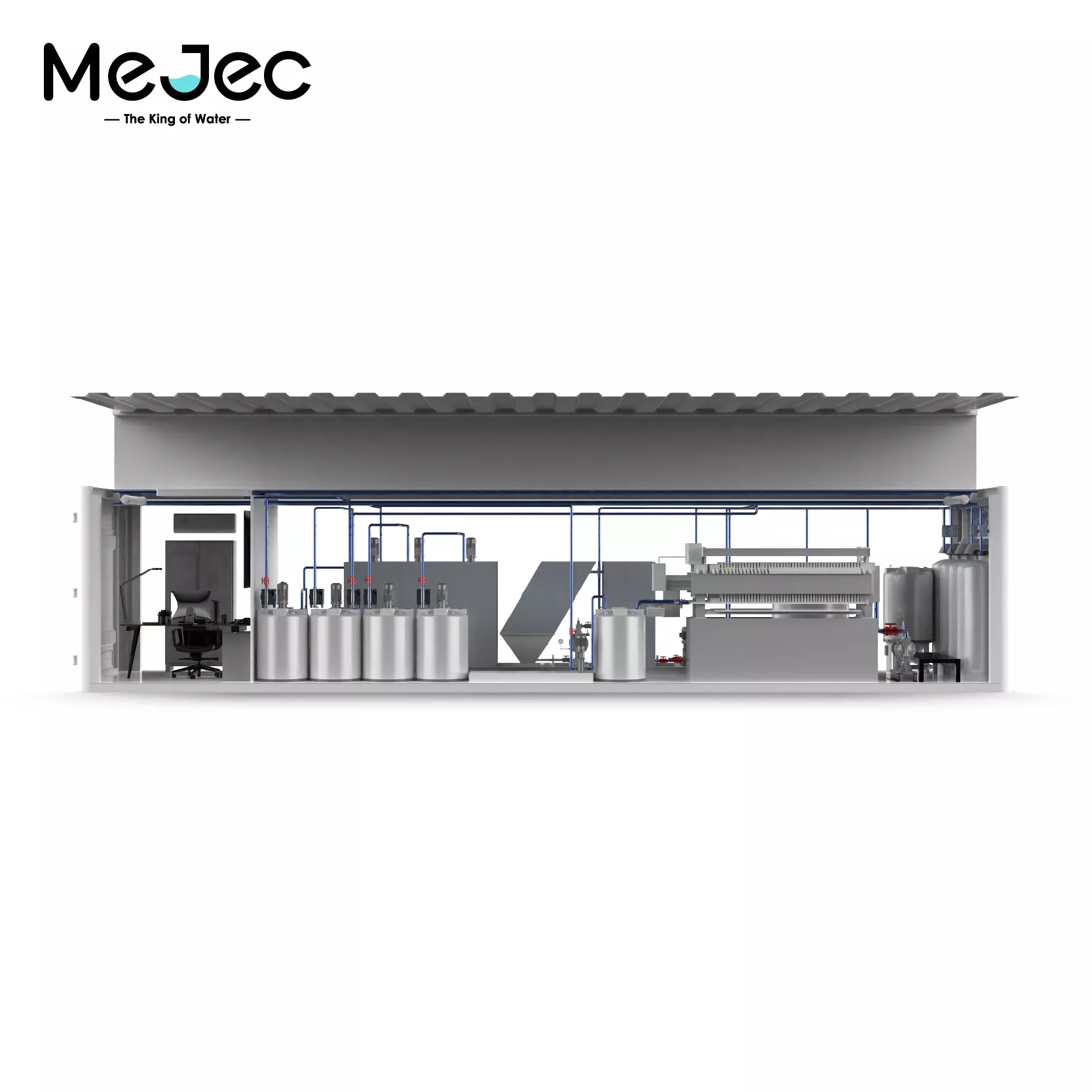
The global market for sewage treatment equipment is driven by stringent environmental regulations, rapid urbanization, and increasing water scarcity. According to industry reports from sources like Grand View Research and MarketsandMarkets, the wastewater treatment equipment market size was valued at over USD 70 billion in 2023 and is projected to grow at a compound annual growth rate (CAGR) of approximately 5-6% from 2024 to 2030. This growth is substantiated by real-world infrastructure projects. For instance, municipal upgrades in regions like North America and Europe focus on replacing aging pipelines and retrofitting plants with energy-efficient aeration systems and membrane bioreactors (MBRs). Data from the U.S. Environmental Protection Agency (EPA) indicates that billions of gallons of wastewater are treated daily across the country, relying on robust primary equipment like grit removal systems and sedimentation tanks, followed by secondary treatment processes utilizing activated sludge or fixed-film reactors. In developing economies across Asia-Pacific and Latin America, government initiatives for sanitation expansion, such as India's National Mission for Clean Ganga, have led to significant procurement of sewage pumps, screening equipment, and decentralized treatment units. Industrial sectors, particularly food and beverage, pharmaceuticals, and chemicals, are major adopters of specialized equipment like dissolved air flotation (DAF) units, ultrafiltration systems, and sludge dryers to meet pre-discharge effluent standards. Operational data from plant case studies frequently highlights the performance metrics of key equipment. For example, modern centrifugal pumps with variable frequency drives (VFDs) can reduce energy consumption by up to 30% compared to fixed-speed models, a critical factor as energy can constitute 25-40% of a plant's operational expenditure. Similarly, automated bar screens and grit classifiers show removal efficiencies exceeding 95% for large solids, protecting downstream processes. The integration of IoT sensors and SCADA systems for monitoring parameters like flow rate, pressure, dissolved oxygen, and sludge blanket level is now a standard feature in new equipment offerings, enabling predictive maintenance and regulatory compliance reporting. The push for resource recovery is shaping equipment demand, with technologies like anaerobic digesters generating biogas—data from the Water Environment Federation notes that some large facilities produce enough biogas to meet their own power needs—and advanced sludge dewatering equipment, such as high-pressure diaphragm filter presses, achieving dry solids content of 30-40%, significantly reducing disposal costs. Real-world search trends and procurement data reflect a strong demand for durable, low-maintenance materials like stainless steel for components in corrosive environments and for packaged treatment plants for smaller communities. The performance of sewage equipment is directly measured against regulatory benchmarks for effluent quality, including levels of BOD (Biochemical Oxygen Demand), TSS (Total Suspended Solids), and nutrients like nitrogen and phosphorus, with equipment selection being paramount to achieving these discharge limits consistently.


.webp)










User Comments
Service Experience Sharing from Real Customers
Michael Chen
Facilities ManagerThe automated sludge dewatering system has revolutionized our plant's operations. Its energy efficiency and low maintenance requirements have cut our operational costs by an estimated 18%. Reliability is exceptional.
Sarah Johnson
Environmental EngineerAs an engineer specifying equipment, I'm impressed with the robust construction and smart monitoring features of these submersible mixers. They've performed consistently in a demanding industrial setting, with great technical support.
David Rodriguez
Plant OperatorThe new progressive cavity pumps for sludge transfer are outstanding. Quiet, powerful, and haven't clogged once in six months of heavy use. They've made my daily rounds much smoother and more predictable.
Lisa Wang
Project ConsultantDeployed their advanced membrane bioreactor (MBR) units for a compact residential development project. The effluent quality consistently exceeds regulatory standards, and the modular design made installation straightforward. Very satisfied.