


.webp)
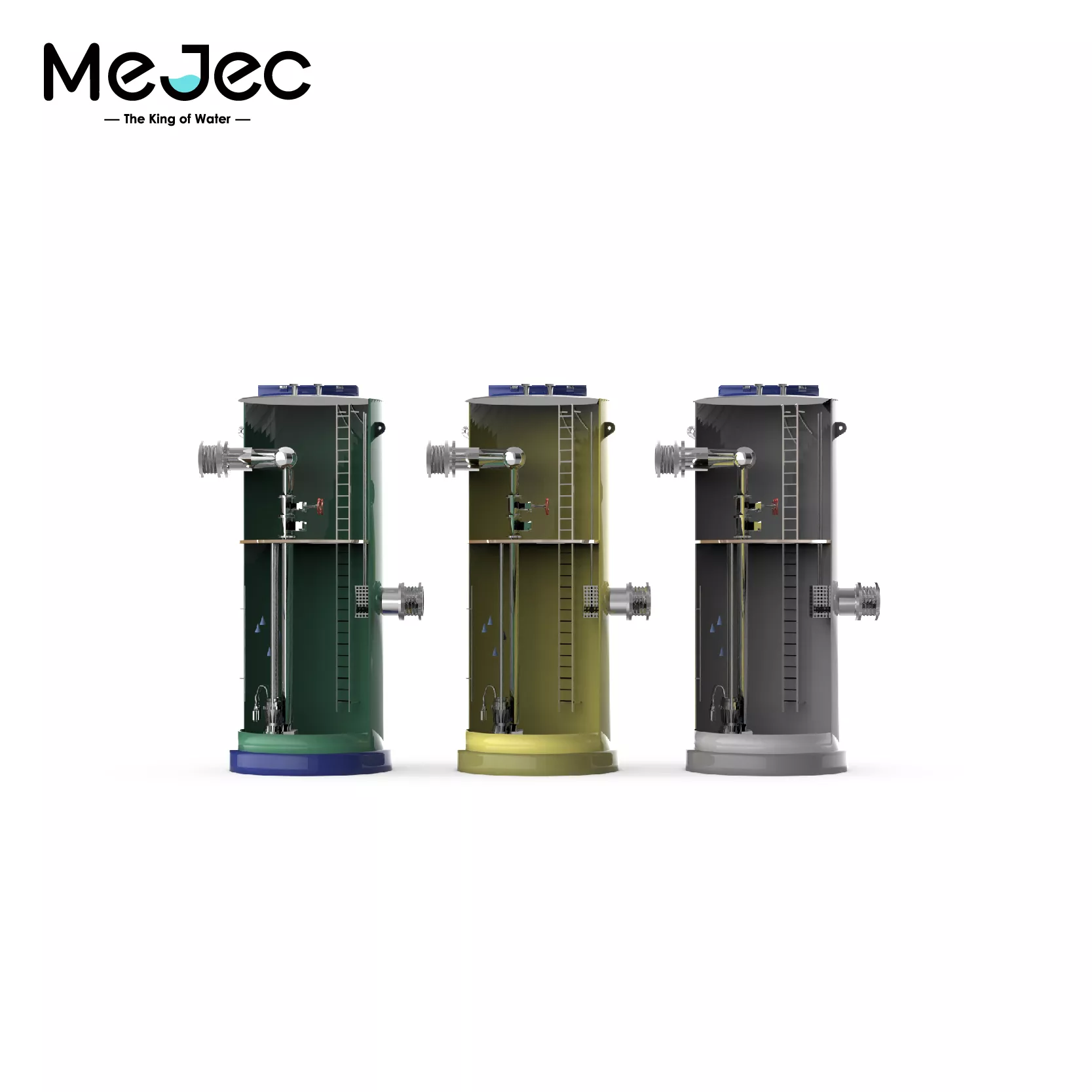


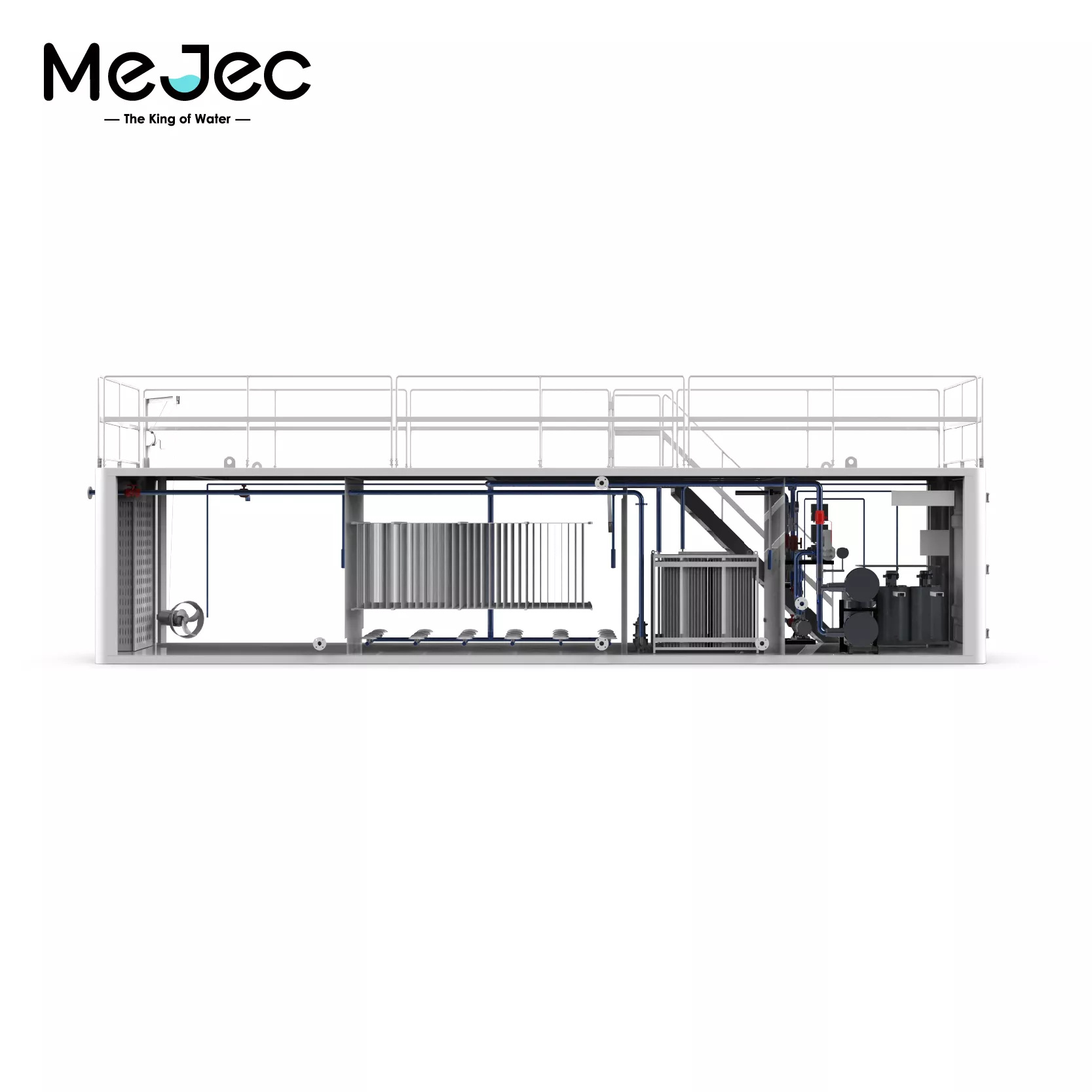
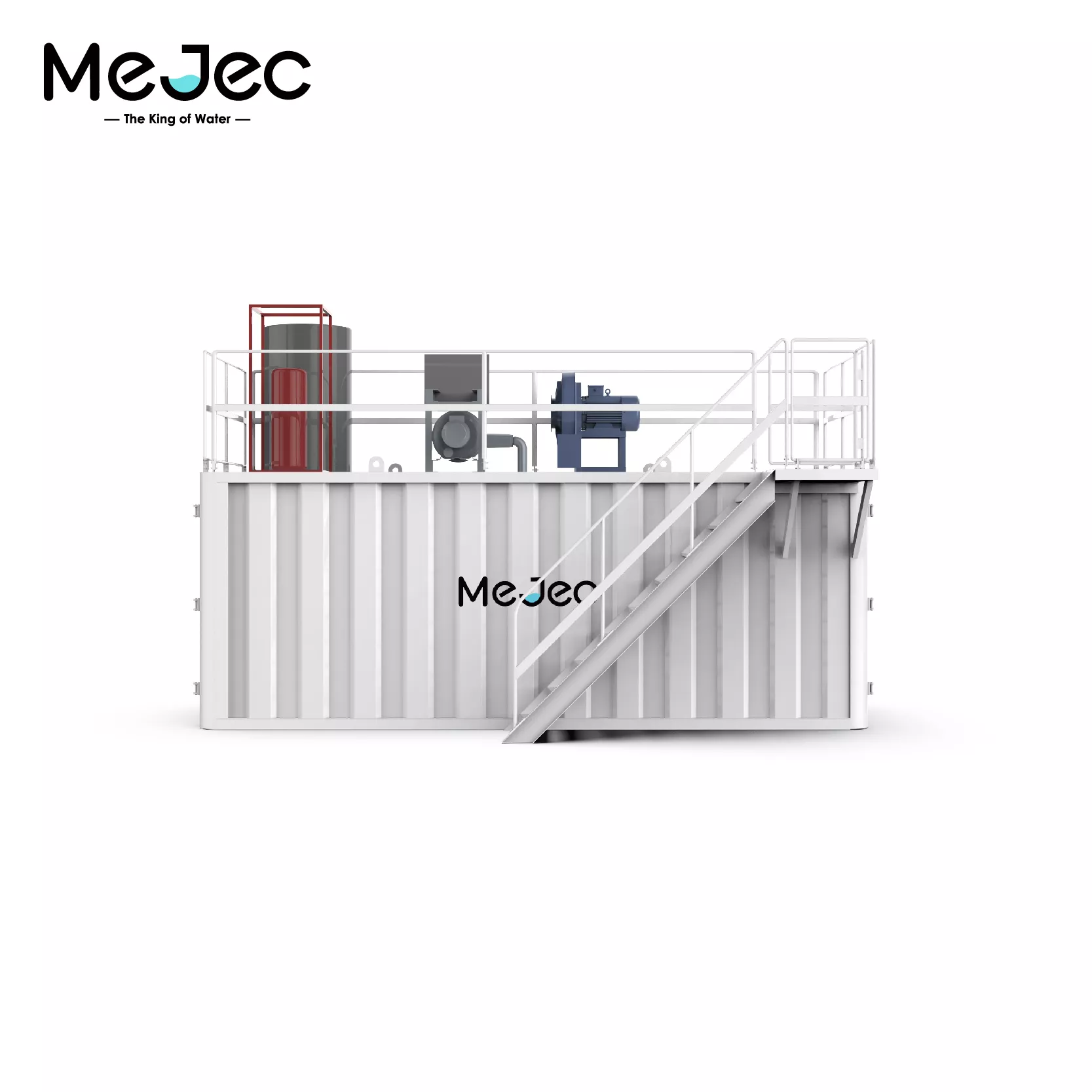
Middle East Domestic Wastewater Treatment Project: 60 m³/day Containerized MBR System
Explore Mejec’s 60 m³/day containerized MBR wastew...
More


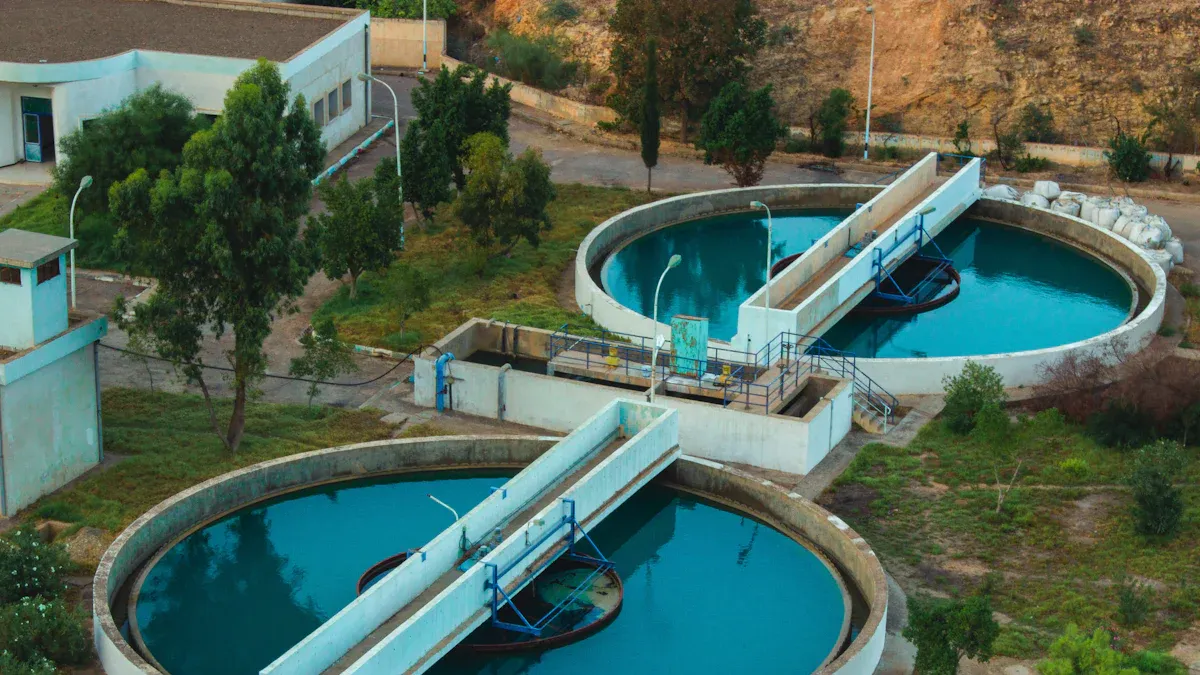
You can make a big difference by recycling hotel wastewater. This action helps you reduce water bills and support the environment. Guests notice when you care about sustainability. You also create a safer place for everyone. Simple changes lead to quick results and long-term savings.
Identify key water usage areas in your hotel, such as guest rooms and kitchens, to target recycling efforts effectively.
Implement greywater reuse systems to save up to 50% of your hotel's total water use for non-drinking purposes.
Engage your staff in training programs to ensure they understand and support hotel wastewater recycling initiatives.
You can start by looking at the main areas where your hotel uses water. Guest rooms, kitchens, laundry facilities, and outdoor spaces often use the most water. In many hotels, cleaning rooms and laundry account for about 15% of water usage and 20% of energy use. Kitchens and restaurants also use large amounts of water for cooking and cleaning. You may notice that each occupied guestroom uses between 100 and 200 gallons of fresh water per day. This adds up to thousands of gallons per room every year.
You should map out all the places where hotel wastewater is generated. Common sources include:
Bathing, laundry, and toilets in guest rooms
Food preparation and cleaning in kitchens
Washing bed sheets, towels, and other guestroom items
Cooking in hotel restaurants
Tourism can increase wastewater, especially during busy seasons. In regions with high tourist activity, pollutant levels in wastewater rise sharply. For example, during peak seasons, pollutant emissions can increase by 37%, and total suspended solids can rise by 75%.
You can compare your hotel’s water use to industry averages. Hotels in water-saving programs use about 167.88 liters per guest per night, while others use up to 250 liters. Frontrunner hotels reach as low as 140 liters per guest. On average, a hotel room uses 1,500 liters of water per day. Seasonal changes affect water use and wastewater characteristics. Tracking these patterns helps you plan better recycling strategies.
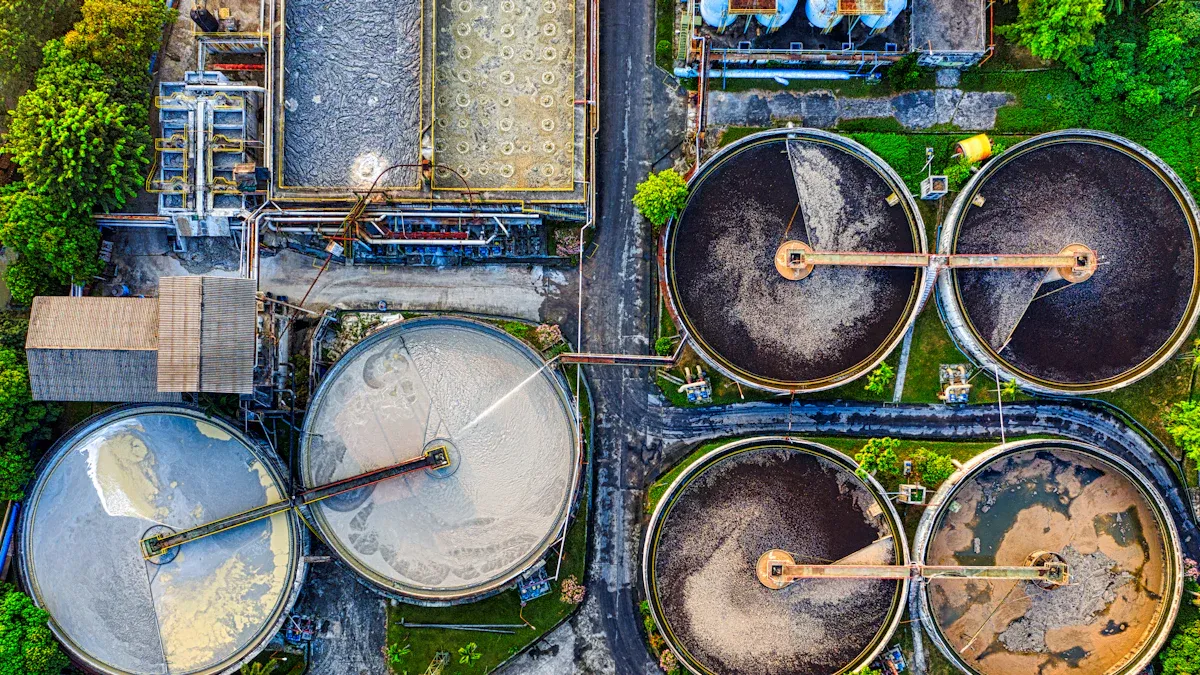
You can choose modular treatment systems to manage hotel wastewater efficiently. These systems work well for motels and hotels of different sizes. You do not need to rely only on traditional sewage systems. Modular systems offer flexible installation, including pad-mounted options that fit many locations.
These systems use advanced technology to treat wastewater.
They help you meet regulatory standards.
You can reduce your environmental impact and save money.
They provide reliable performance for daily hotel operations.
Many hotels use Infiltrator Package Treatment Plants. These units are self-contained and process wastewater to produce clear, high-quality water. You can install them in different site conditions, which makes them a versatile choice for hotels.
Tip: Modular systems can grow with your hotel. You can add more units as your water needs increase.
You can recycle greywater from showers, sinks, and laundry. This water is not safe to drink, but you can use it for other tasks. Greywater reuse can offset about 40-50% of your hotel’s total water use for non-potable purposes.
Use recycled greywater for flushing toilets.
Clean outdoor areas with greywater.
Water your gardens and landscaping.
By reusing greywater, you reduce the amount of fresh water your hotel needs. You also lower the volume of hotel wastewater that enters the sewer system. This step helps you save money and protect the environment.
You can collect rainwater from your hotel’s roof and outdoor surfaces. Store this water in tanks for later use. Rainwater harvesting gives you an extra water source, especially during dry seasons.
Use harvested rainwater for irrigation.
Fill water features and fountains.
Clean walkways and outdoor furniture.
Rainwater harvesting reduces your demand for city water. It also helps you manage stormwater runoff. You make your hotel more resilient to water shortages.
You can install decentralized water recycling units to treat hotel wastewater on-site. These systems, such as Hydraloop and Epic Cleantec, offer several advantages:
Lower your water bills.
Meet water reuse standards.
Treat different types of wastewater streams right at your hotel.
These units can help you comply with local rules and reduce your environmental footprint. You do not need to send all wastewater to a central treatment plant. However, you should know that these systems need careful operation to work well. Some studies show that decentralized units may have a higher global warming potential than large, centralized systems. You can still benefit from their flexibility and positive environmental profile, especially when you optimize their use.
Note: Decentralized systems work best when you monitor and adjust them regularly. You can get the most value by training your staff and checking system performance often.
You can use recycled water for outdoor cleaning tasks around your hotel. This practice helps you save fresh water and supports sustainability. Many hotels use greywater from showers, sinks, and laundry for non-potable applications. Here are some best practices:
Install greywater recycling systems to treat and reuse water for cleaning.
Adopt sustainable landscaping, such as xeriscaping, to reduce water needs.
Use efficient irrigation systems like drip irrigation to minimize evaporation.
Employ smart controllers that adjust watering based on weather and soil moisture.
You can irrigate hotel gardens and landscapes with recycled water. This step reduces your use of potable water and keeps your grounds healthy. Programs like the Coastal Recycled Water Expansion have shown that switching to recycled water for irrigation can save millions of gallons each year. For example, converting large sites, including hotels, can save over 45 million gallons of potable water annually.
You can safely use recycled water in outdoor water features and fountains. Treated water meets strict standards, so it does not harm plants or animals. Water treated with advanced systems, such as Aspiral™, is safe for fountains and lagoons.
You can integrate recycled water into your hotel’s HVAC system. The table below shows how this helps your operations:
| Application | Benefits |
|---|---|
| Cooling tower make-up water | Reduces overall water consumption, lowers operational costs, and alleviates pressure on municipal water supplies. |
You can recycle laundry water to cut down on fresh water use. Greywater recycling systems treat wastewater from laundry for reuse in non-potable tasks. Some hotels have reduced water use by up to 50% per guest with these systems. Tunnel washers also help, using only 0.5 gallons of water per pound, compared to 7-8 gallons in conventional machines.
Tip: Start with one application and expand as you see results. Each step helps you manage hotel wastewater more efficiently.
You need to keep your hotel wastewater system in good shape. Regular checks help you spot problems early and keep everything running smoothly. Follow these steps to maintain your system:
Learn how your system works and review its maintenance history.
Fix small issues right away to avoid bigger problems.
Clean the system every 3 to 6 months, based on how much you use it.
Keep harmful chemicals and substances out of the system.
Test the treated water often to make sure it is safe.
Schedule a professional cleaning at least once a year, or more if your system gets heavy use.
Use monitoring tools to track how well your system works.
Tip: Keeping a logbook of all maintenance activities helps you stay organized and spot patterns over time.
Your staff plays a big role in keeping your system safe and efficient. Make sure everyone understands the basics of hotel wastewater recycling. Training should cover:
How the treatment process works
Ways to save water every day
What to do in an emergency
Rules and reporting requirements
You can also enroll your team in special training programs. Here are some options:
| Program Name | Description |
|---|---|
| Water/Wastewater Program | Offers training on water and wastewater management, including techniques for understanding systems and ensuring safe drinking water. |
| Wastewater Certified Professional Operator Program | Provides certification and continuing education for professionals in the wastewater field. |
| Course Offerings | Lists various available courses related to water and wastewater management. |
You should track how much water you save and how well your system works. Use meters and monitoring tools to collect data. Review this information often to find ways to improve. Share your results with your team to keep everyone motivated. When you see progress, you know your efforts are making a difference.

You can lower your hotel’s operating costs by recycling water. Many hotels see big savings after installing water-recycling systems. For example, Hilton Americas-Houston saved about $500,000 in just two years by using a water-recycling system. When you recycle water, you use less fresh water and pay less for water bills. You also spend less on wastewater disposal. These savings help you invest in other areas of your hotel.
Tip: Track your water bills before and after starting a recycling program. You will see the difference in your monthly expenses.
When you recycle hotel wastewater, you help protect the environment. You use less fresh water, which saves local water supplies. You also send less dirty water to treatment plants. This means fewer chemicals and less energy are needed to clean water. You help keep rivers and lakes cleaner. Your hotel becomes part of the solution to water shortages and pollution.
Reduce water waste
Lower energy use
Support a cleaner community
Guests notice when you care about the planet. Research shows that hotels with water recycling attract guests who want to support green practices. Many guests will even pay more to stay at a hotel that uses eco-friendly systems. When you recycle water, you improve your hotel’s image and boost guest satisfaction. You can also earn higher sustainability ratings and stand out from other hotels.
| Benefit | Guest Response |
|---|---|
| Water recycling | Higher satisfaction, loyalty |
| Green certifications | Willingness to pay a premium |
You do not need to change everything at once. Begin with one area, such as laundry or garden irrigation. Track your results and see how much water you save. As you gain confidence, add more recycling systems. This approach helps you manage costs and learn what works best for your hotel. Many hotels start with simple greywater reuse before moving to larger projects. You can always expand your efforts as your team becomes more comfortable.
Your team plays a key role in making hotel wastewater recycling successful. You can follow these steps to get everyone involved:
Learn how your hotel uses water now and in the future.
Set clear goals and make a plan for action.
Manage water use in daily operations and recycle where possible.
Work with suppliers to support water-saving efforts.
Prepare for water shortages by building strong systems.
Join local groups that focus on water management.
When your team understands the plan, they can help you reach your goals faster.
You may need help from professionals when starting a recycling project. Experts can guide you through important steps. The table below shows how expert advice can support your hotel:
| Step | Action | Benefit |
|---|---|---|
| 1 | Assess water use and wastewater volume | Right-size your system |
| 2 | Monitor seasonal changes | Keep your system working all year |
| 3 | Check local rules | Avoid fines and protect your hotel’s name |
| 4 | Meet water quality standards | Protect the environment and follow the law |
| 5 | Install grease traps | Prevent blockages in your system |
| 6 | Compare recycling options | Choose the best fit for your hotel |
| 7 | Consult experts | Get professional advice |
| 8 | Consider decentralized solutions | Good for small or remote hotels |
| 9 | Train your staff | Keep your system running well |
| 10 | Add greywater recycling | Save water and lower costs |
You can make better decisions with expert support. This will help you get the most value from your hotel wastewater recycling system.
You can start hotel wastewater recycling with simple steps. Use greywater systems for irrigation and toilet flushing. Train your staff and involve guests in sustainability programs. Overcome challenges by using new technology and education. Take action now. You help your hotel and the environment for years to come.
You can recycle greywater from showers, sinks, and laundry. You can also reuse rainwater for gardens and cleaning outdoor areas.
You must treat recycled water with approved systems. Test water often to meet safety standards. Staff training helps prevent mistakes.
| Benefit | Savings |
|---|---|
| Water bills | Lower monthly |
| Disposal | Reduced costs |
| Operations | More efficient |
You see savings in water bills and disposal costs.
Best Precoating Materials for Filtration Systems in 2025
Ways to Reduce Environmental Impact Using Plate Heat Exchangers
Comprehensive Guide on the Functionality of Plate Heat Exchangers
Explore 5 Effective Uses for Rotary Vane Vacuum Pump Sets
Unexpected Tips for Troubleshooting Sulfur Recovery Catalysts

We provide you with comprehensive foreign trade solutions to help enterprises achieve global development
Engineered as the essential first barrier for wate...
Mejec containerized wastewater treatment system ad...
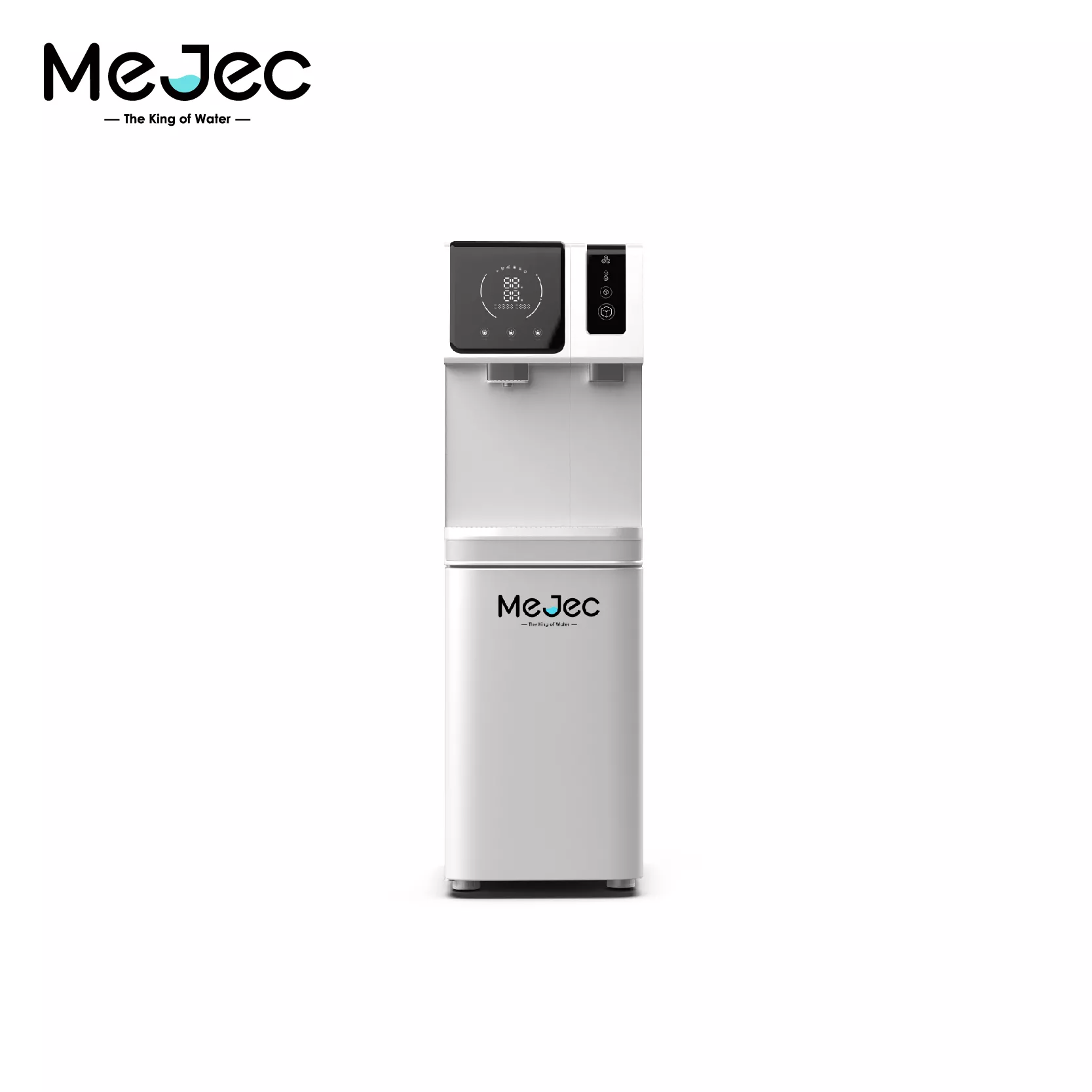
Imagine an office where the simple act of getting ...
Mejec Redefines the Outdoor Hydration Experience. ...
Select the most popular foreign trade service products to meet your diverse needs
Select the most popular foreign trade service products to meet your diverse needs





User Comments
Service Experience Sharing from Real Customers
Michael Chen
Facilities ManagerThis treatment system has revolutionized our hotel's sustainability program. It handles our high-volume, variable-load wastewater efficiently, significantly reducing our environmental footprint and utility costs. Highly recommended for the hospitality industry.
Sarah Johnson
Environmental Compliance OfficerAs a large resort, our wastewater contains soaps, kitchen grease, and laundry discharge. This compact, modular system has been exceptionally reliable in meeting strict local discharge regulations. It's a robust solution for complex hotel wastewater streams.
David Rodriguez
Chief EngineerInstallation was straightforward, and the automated controls make operation simple for our maintenance staff. It effectively treats our greywater and blackwater mix, allowing us to safely reuse water for landscape irrigation. A game-changer for water conservation in hotels.
Lisa Wang
Sustainability DirectorWe needed a system to handle peak loads from our banquet halls and spas. This product's scalability and efficient removal of organic contaminants from our hotel wastewater have been impressive. Excellent customer support and it integrates well with our green certification goals.