


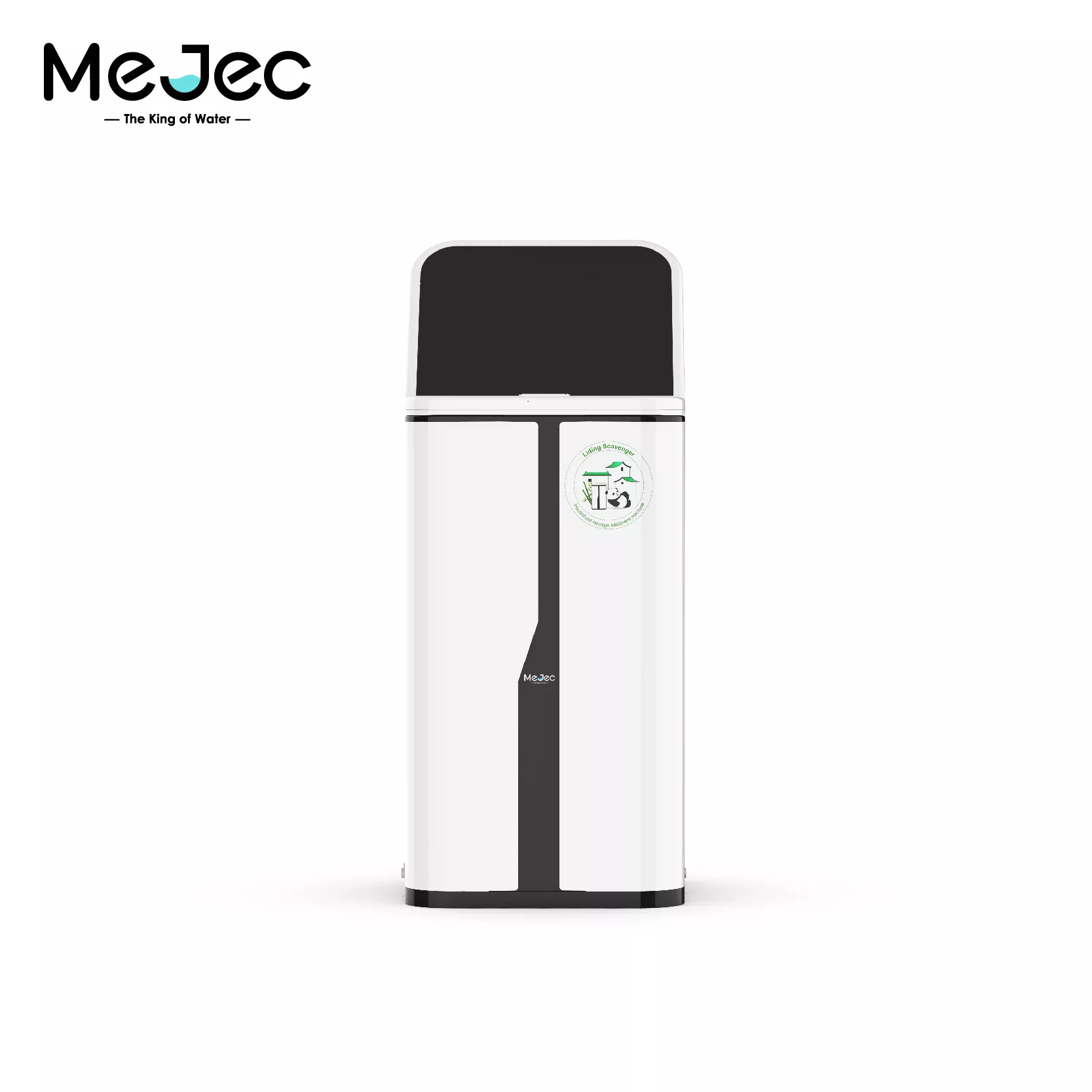
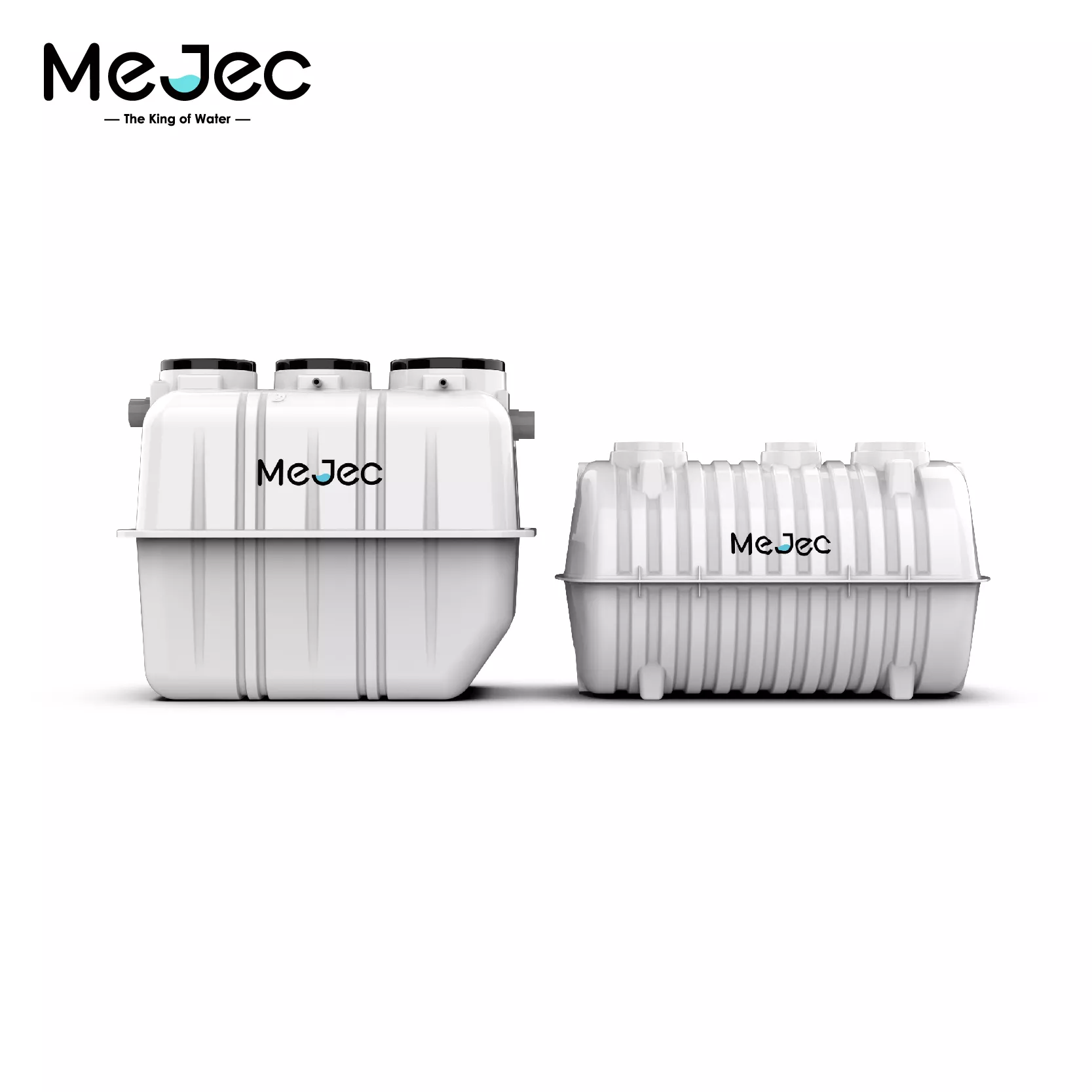
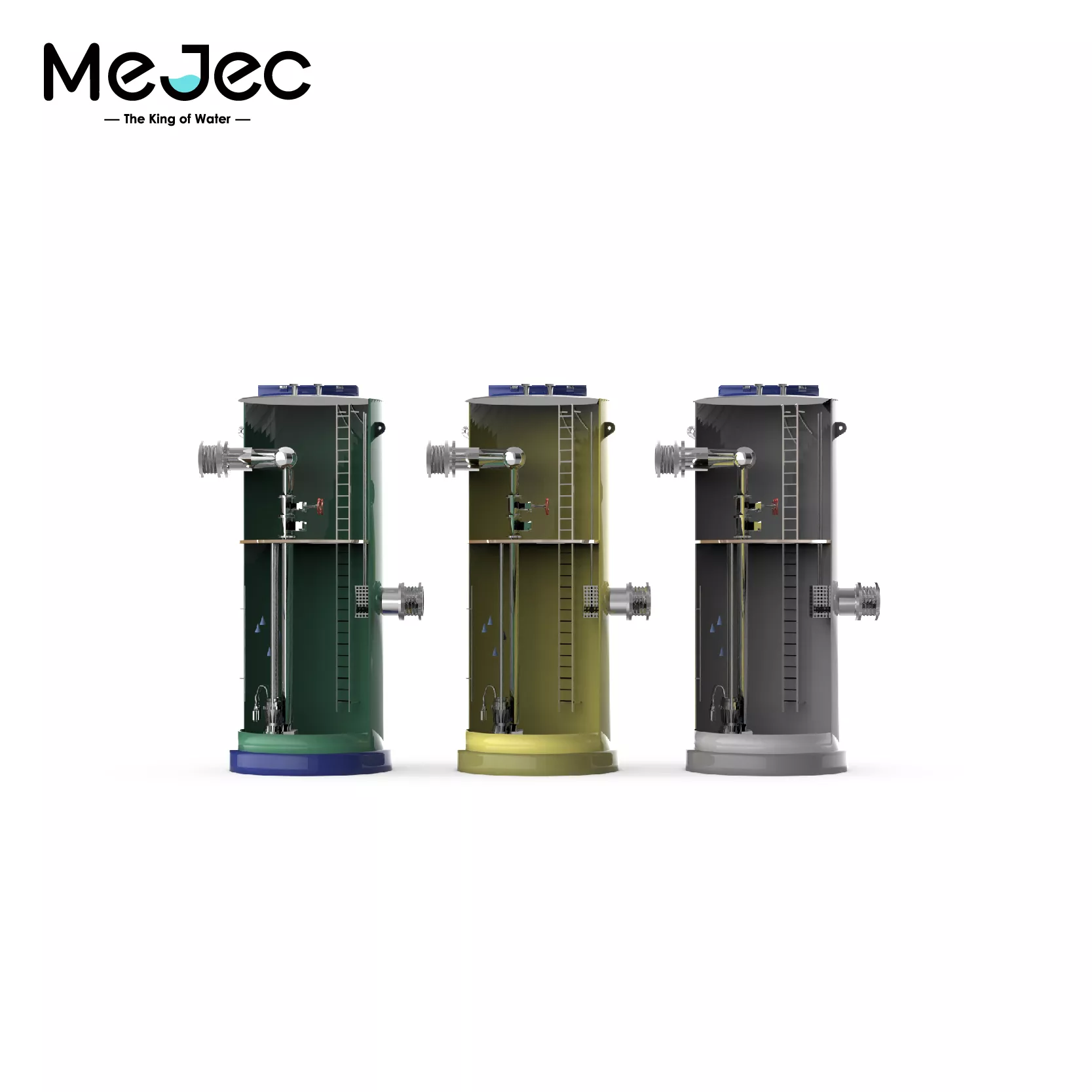
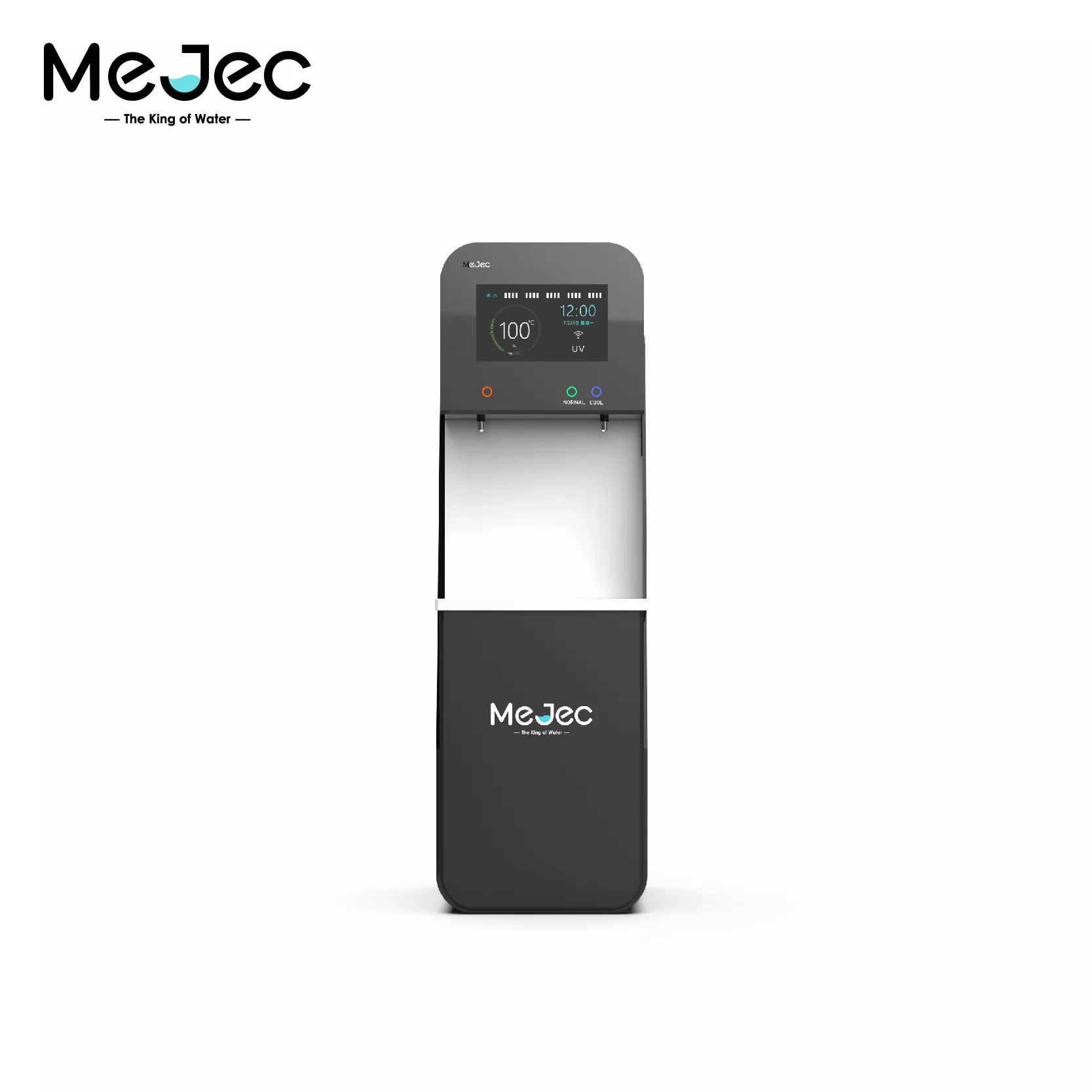
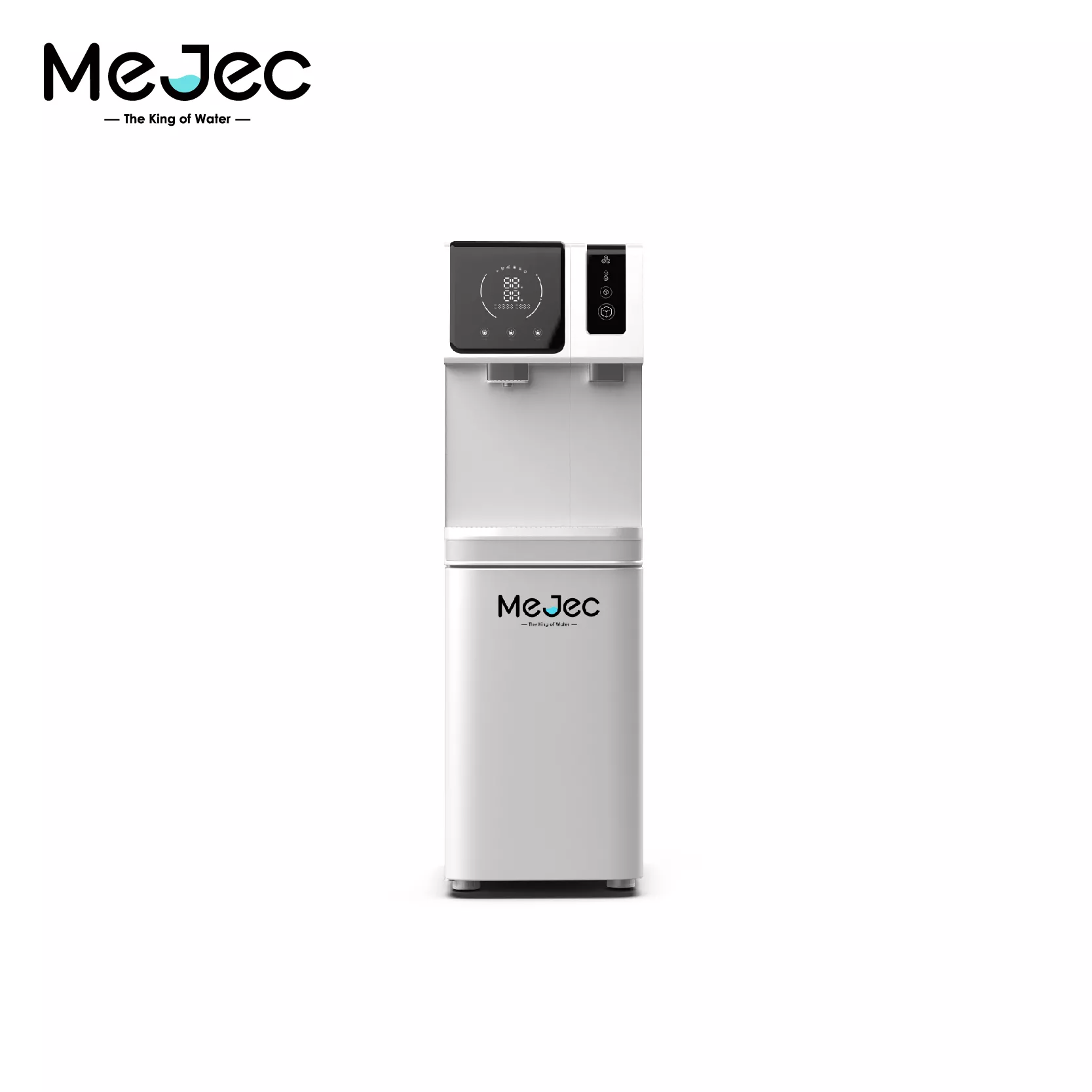
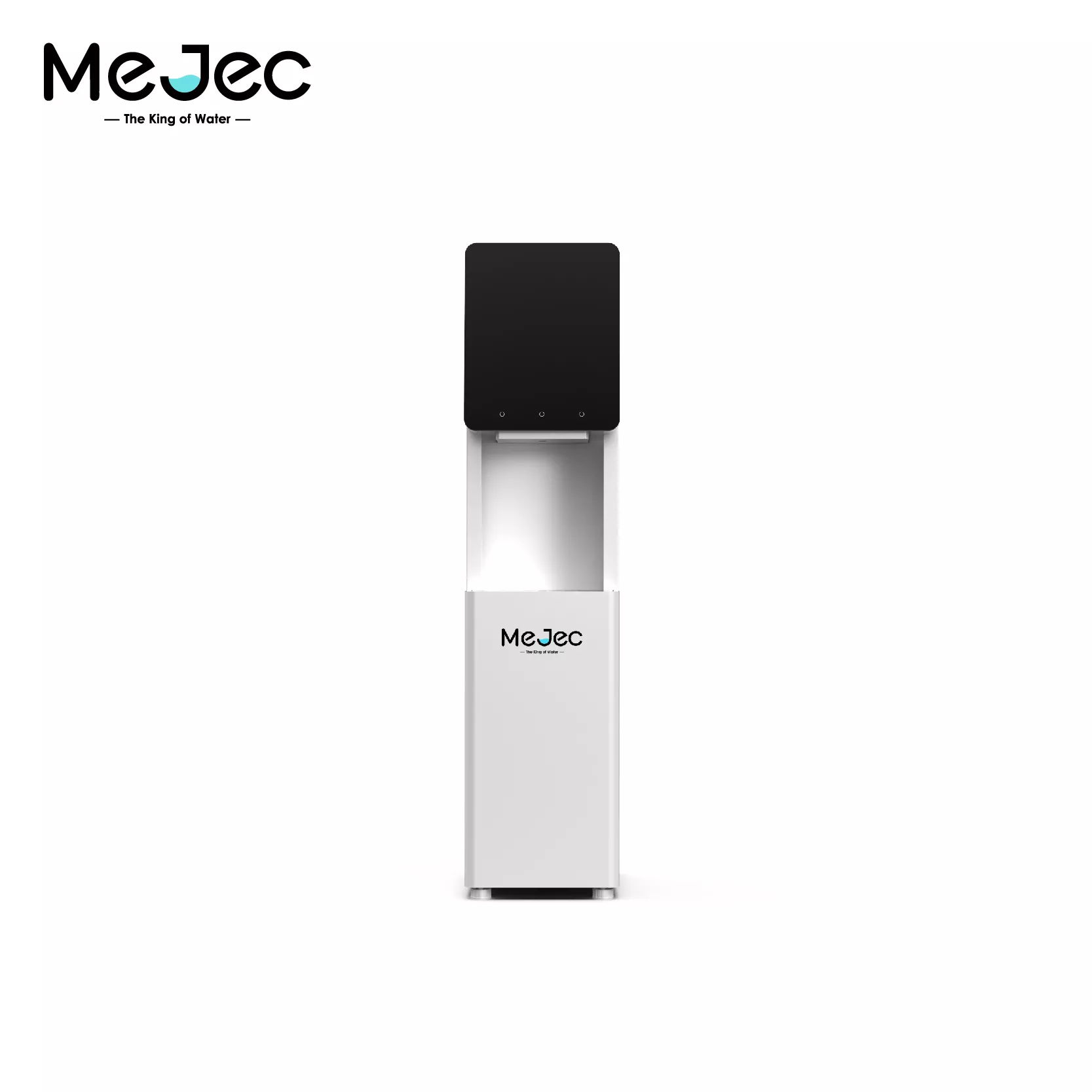


Household Sewage Treatment plant makes eco-friendly living simple
Household Sewage Treatment plant enables water reu...
More

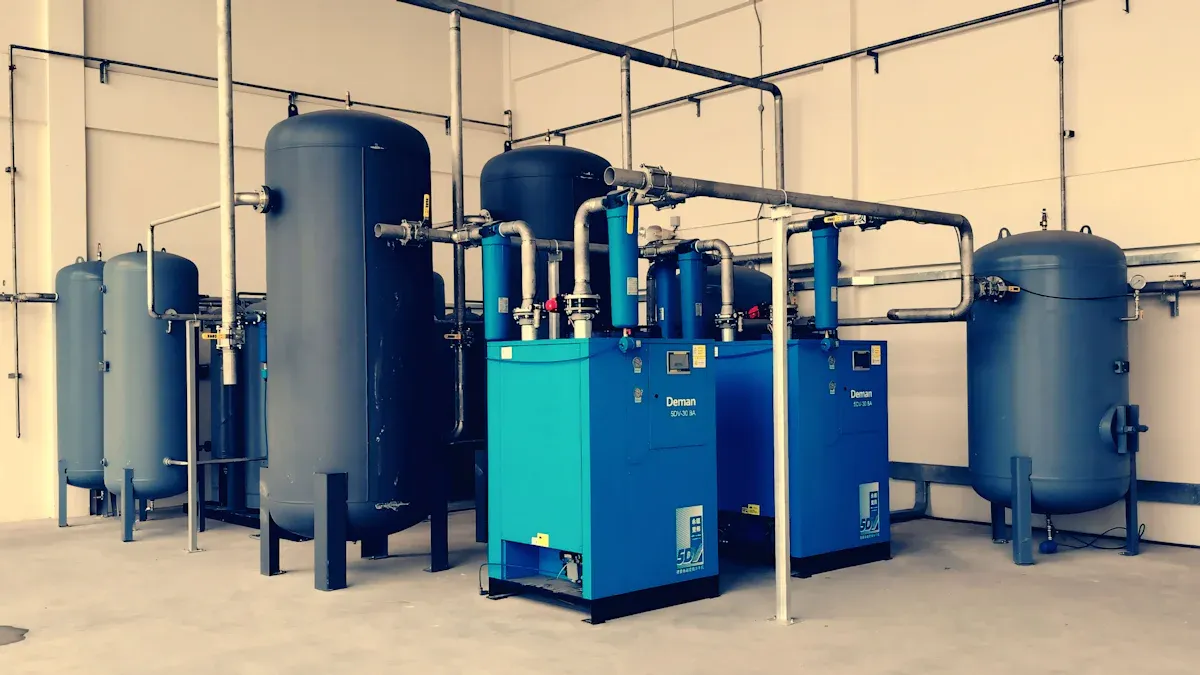
You see a portable wastewater treatment plant as a powerful tool for clean water. These systems use advanced technology and resource recovery to help cities and industries manage water more efficiently. AI-based solutions make treatment smarter and more sustainable. Public trust grows as you learn about the benefits of hygiene and cost-effectiveness.
Modular and scalable designs allow for quick adjustments to water treatment needs, providing flexibility and cost savings.
Containerized solutions enable rapid deployment, making clean water accessible in emergencies and remote areas.
AI-driven monitoring enhances efficiency by allowing real-time adjustments and predictive maintenance, reducing downtime and costs.
You can now see how modular and scalable designs change the way you manage water. These systems let you add or remove modules as your needs change. This flexibility helps you respond quickly to new challenges. Companies like FCT Water Treatment and Filtra Systems create custom modular solutions that fit many situations. You benefit from faster setup, lower costs, and easier maintenance compared to traditional systems.
| Feature | Description |
|---|---|
| Fast Commissioning | Ensures quick access to clean water and wastewater treatment. |
| Scalability | Modular systems can expand as capacity requirements change. |
| Reduced On-Site Construction | Pre-plumbed and pre-wired systems allow for fast installation and minimal on-site work. |
| Flexibility | Completely modular systems can be expanded or integrated with other technologies as needed. |
Modular systems give you more control and make it easier to keep your water treatment running smoothly.
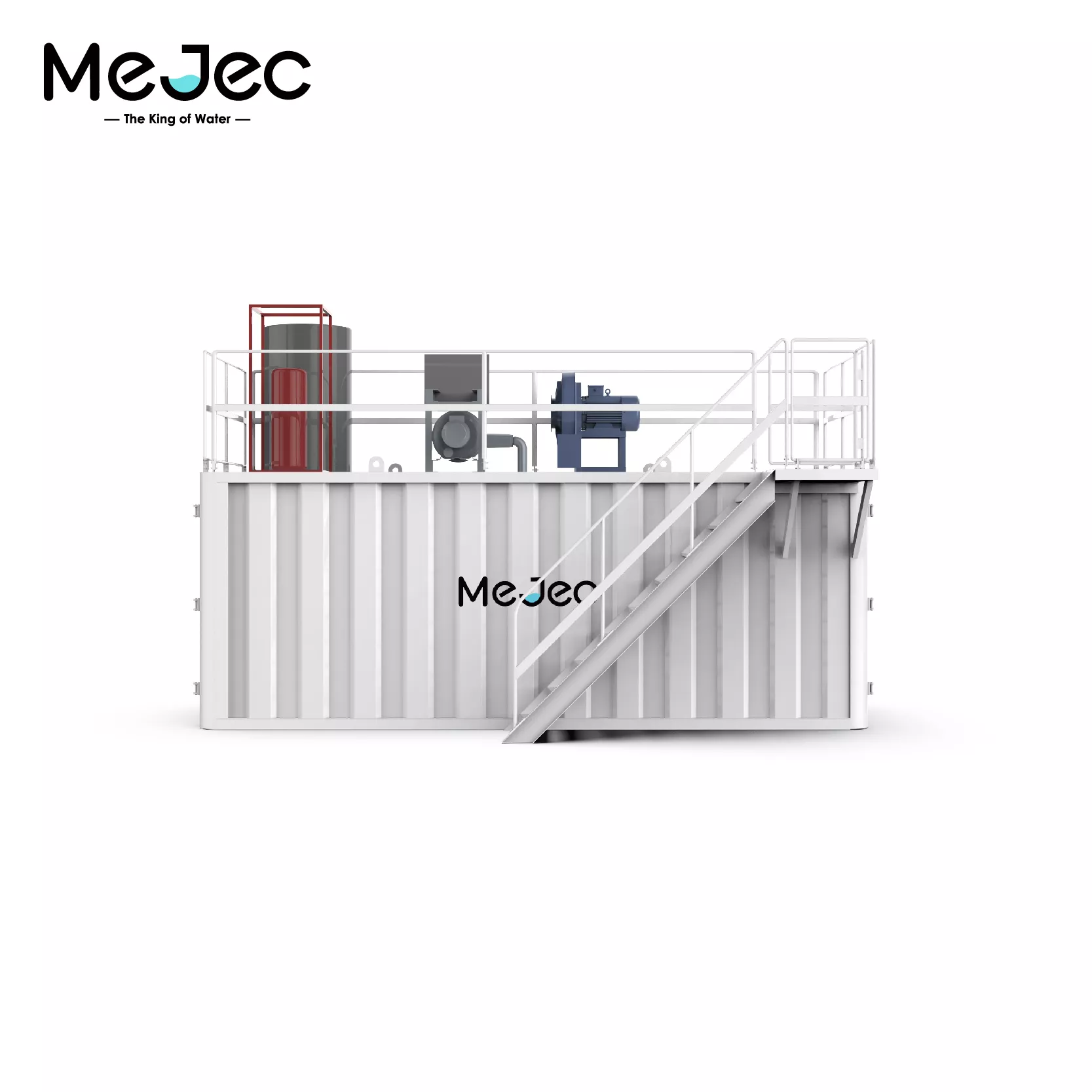
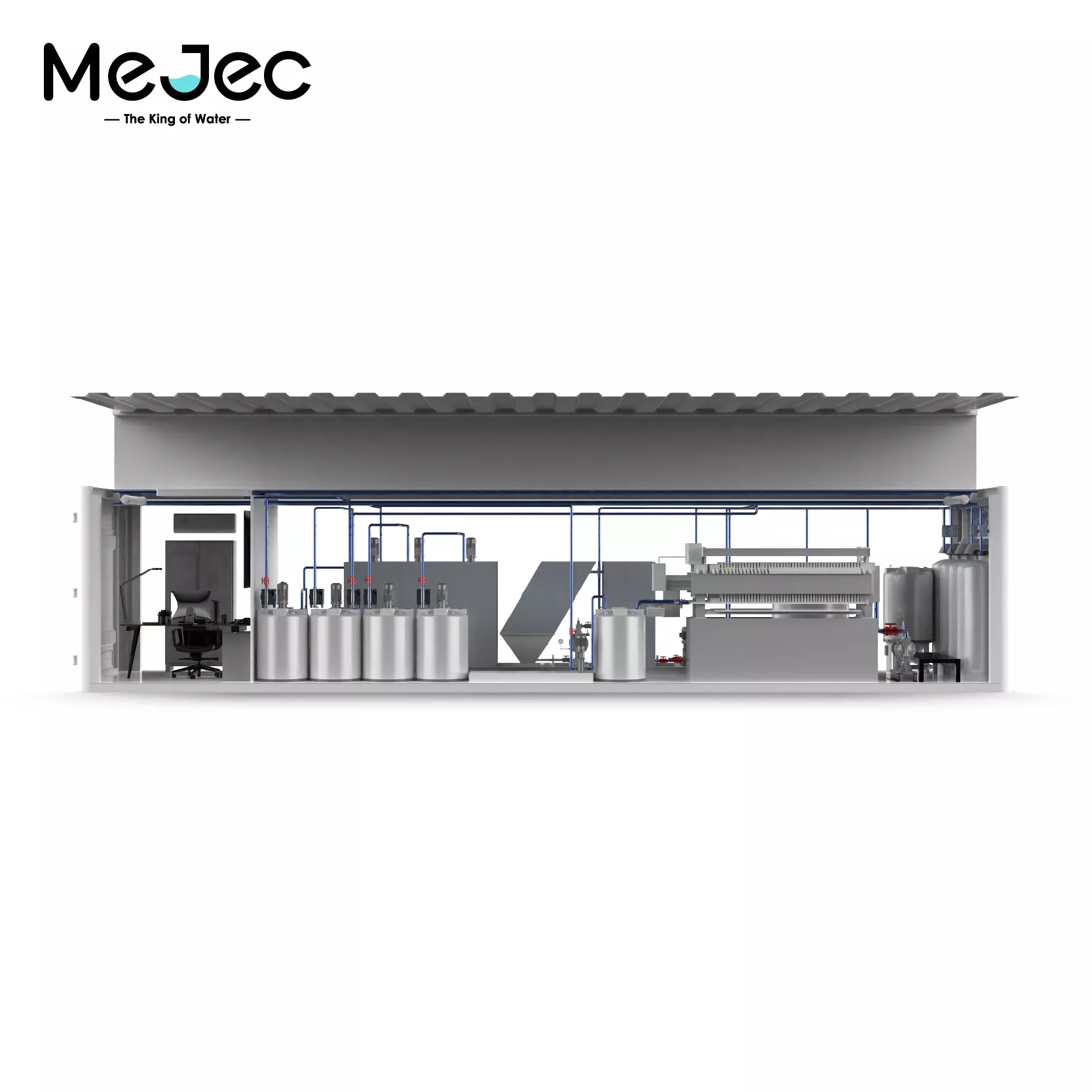
Containerized solutions make it possible for you to deploy a portable wastewater treatment plant almost anywhere. These systems arrive ready to use and can be set up in days instead of months. You can move them from one site to another, which saves time and money. This approach works well in emergencies, remote areas, and temporary sites.
| Feature/Application | Description |
|---|---|
| Modularity | High modularity and flexible configuration capabilities allow for easy modification of components to meet specific needs. |
| Rapid Deployment | Compact structure enables quick setup, making it suitable for emergency situations. |
| Applications | Effective in residential areas, temporary sites, and emergency water supply scenarios, particularly in remote locations with limited resources. |
| Benefit | Description |
|---|---|
| Ultimate Deployment Speed | Reduces deployment time from months to days. |
| Capital Efficiency | Lowers fixed construction costs. |
| Portability | Allows for relocation and reuse in various projects. |
Containerized solutions like Aspiral™ Flex provide immediate capacity and keep projects on schedule.
BIC's containerized plants are ready for immediate operation, making them ideal for rapid deployment.
You can now use advanced oxidation processes (AOPs) to treat water more effectively. New materials for catalytic and electrolytic oxidation improve how well these systems work. Researchers are testing innovative methods like vacuum UV and plasma treatment. The Modified Advanced Oxidation Process (M-AOP) uses gas nanobubble technology and a multi-component oxidative system. This method removes up to 97.9% of chemical oxygen demand (COD), which is much better than older systems. In the first five hours, M-AOP can remove 85.5% of COD, showing strong and fast results.
New materials for catalytic and electrolytic oxidation are being developed.
Innovative AOPs such as vacuum UV and plasma treatment are under investigation.
The Modified Advanced Oxidation Process (M-AOP) integrates gas nanobubble technology with a multi-component oxidative system, enhancing treatment efficiency.
M-AOP achieved a chemical oxygen demand (COD) removal rate of 97.9%, significantly outperforming conventional AOP systems.
The system demonstrated a rapid initial removal rate of 85.5% within the first 5 hours, indicating its potent oxidative capability.
AI-driven monitoring helps you keep your portable wastewater treatment plant running at its best. Real-time data analysis lets you track flow rates, pH levels, and chemical dosing. You can spot problems early and make quick adjustments. This approach also supports predictive maintenance. By watching equipment performance, you can fix issues before they cause failures. Remote monitoring systems give you accurate information, so you can plan maintenance and use resources wisely.
Real-time data analysis enables you to continuously monitor wastewater treatment performance, identifying inefficiencies and optimizing operations.
Monitoring parameters like flow rate, pH levels, and chemical dosing allows for timely adjustments, maintaining optimal treatment conditions.
Predictive maintenance is facilitated by tracking equipment performance, helping to prevent costly failures through early detection of issues.
Continuous monitoring helps detect equipment issues before they escalate, allowing for timely maintenance interventions.
Remote monitoring systems provide accurate information on equipment usage, helping to optimize maintenance schedules.
Digital analytics and smart control systems give you more power to manage your plant. These tools help you optimize processes like aeration and chemical dosing, which lowers energy costs. You can monitor water quality in real time and make sure your plant meets all regulations. Predictive maintenance becomes easier because you can analyze trends and prevent failures. Automation reduces labor needs and saves money. The data you collect supports better decisions for the future.
| Benefit | Description |
|---|---|
| Enhanced Operational Efficiency | Smart systems optimize processes like aeration and chemical dosing, significantly reducing energy costs. |
| Improved Water Quality and Compliance | Continuous monitoring ensures treatment processes meet regulatory standards through real-time adjustments. |
| Predictive Maintenance and Reduced Downtime | Analyzing trends helps prevent failures, extending equipment life and reducing emergency maintenance. |
| Operational Cost Savings | Automation lowers labor needs and optimizes resource usage, leading to significant cost reductions. |
| Data-Driven Decision Making | The data generated supports advanced analytics, enabling informed decisions for long-term performance. |
| Aspect | Contribution to Predictive Maintenance |
|---|---|
| Comprehensive Data Analysis | Enhances operations through tighter integration across multiple functions, optimizing asset management. |
| Control-Oriented Data Management | Facilitates real-time monitoring and access to data, improving responsiveness to process variations. |
| Data-Driven Decision-Making | Provides insights for informed decisions, anticipating process trends and potential issues. |
| Predictive Analytics | Helps optimize maintenance schedules and minimize unexpected equipment failures. |
You can help the environment by using energy-efficient and low-carbon technologies in your portable wastewater treatment plant. Modular systems use less energy and produce fewer emissions than traditional plants. You also get the benefit of lower operating costs. These innovations support your efforts to create a cleaner and more sustainable future.
By choosing these new technologies, you make water treatment smarter, faster, and better for the planet.
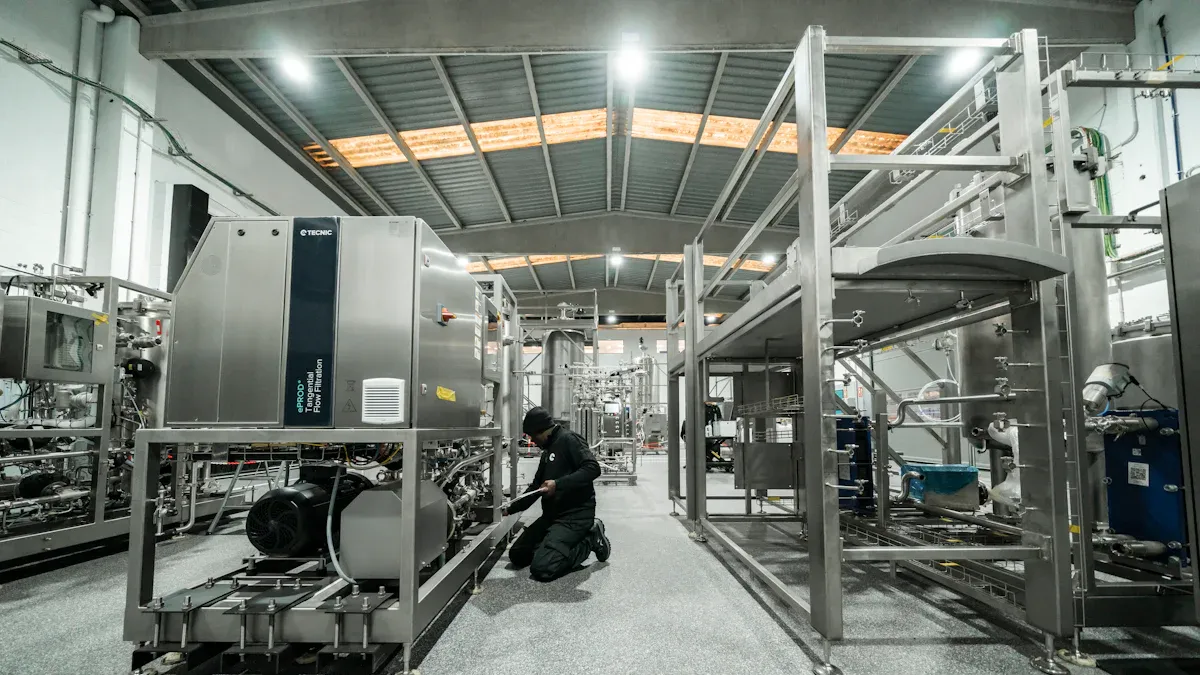
You can improve water treatment results with precision chemical dosing. Automated systems use sensors to check water quality in real time. These systems add the right amount of chemicals based on what the water needs. This method helps you avoid using too much or too little. You save money because you do not waste chemicals. You also protect the environment by reducing chemical runoff. Companies like Ecologix and Advantech design systems that keep your portable wastewater treatment plant running smoothly and efficiently.
Automated dosing prevents overdosing and underdosing.
Real-time monitoring ensures only necessary chemicals are used.
You meet environmental rules and lower costs.
You can rely on advanced filtration to remove harmful particles from water. Membrane Bioreactors (MBR) combine biological treatment with strong filters. The LD-JM MBR Membrane Bioreactor uses reinforced hollow fibers that resist pollution and chemicals. This system cuts energy use by about 40% compared to older methods. You also see other options like microfiltration and reverse osmosis. These systems help you get clean water for many uses.
| Technology Type | Key Features | Applications |
|---|---|---|
| Microfiltration | Removes large particles and bacteria | First step in wastewater treatment |
| Reverse Osmosis | Filters heavy metals and salts | Industrial and municipal water needs |
| Aria FAST | Mobile and fast setup | Emergencies and industrial wastewater |
You can use renewable energy to power your portable wastewater treatment plant. Solar panels heat water, dry sludge, and run machines. This reduces your electricity bills. Solar power can cover over 30% of the energy costs in some plants. You help the planet by using less fossil fuel and lowering carbon emissions.
Tip: Solar energy makes your plant more sustainable and cost-effective.
You can set up a portable wastewater treatment plant quickly when you need it most. These plants move easily to new locations. After a natural disaster, you can have clean water in just 48 hours. The system also recovers resources like clean water and biogas. You stay ready for emergencies and changing needs.

You can help your city manage water better with a portable wastewater treatment plant. Cities often face growing populations and aging infrastructure. These systems let you add extra treatment capacity fast. You can place them near construction sites or during repairs. This keeps water clean and safe for everyone. Many cities use these plants to meet strict water quality rules and avoid service interruptions.
Factories and industrial sites create large amounts of wastewater. You can use a portable wastewater treatment plant to treat this water right at the source. This helps you meet environmental standards and avoid fines. You also save money by reusing treated water in your processes. Many industries, like food processing and mining, use these systems to protect local rivers and lakes.
When disasters strike, you need clean water quickly. Portable wastewater treatment plants can arrive at the scene fast. In a recent hurricane in the Caribbean, AMPAC USA brought mobile seawater desalination units. These units made 5,000 gallons of safe water each day from the ocean. Within 24 hours, hundreds of people had clean water, which stopped the spread of diseases like cholera. The EPA and WaterStep also created a mobile system called Water on Wheels. This system brings safe water and sanitation to communities during emergencies.
Portable Reverse Osmosis Units work well for quick setups.
Mobile Trailer Water Treatment Systems handle large needs.
Seawater Desalination Units help in coastal areas.
Solar-Powered Portable Systems work in remote places.
Quick access to clean water saves lives and keeps communities healthy during disasters.
You can bring safe water to remote villages and off-grid communities with these systems. Many places do not have access to large treatment plants. A portable wastewater treatment plant gives you a simple way to provide clean water. Solar-powered options work even where there is no electricity. This helps people stay healthy and supports local growth.
You face many rules when you operate a portable wastewater treatment plant. Regulations change often, so you must update your compliance strategies. You deal with strict discharge limits and must treat many types of pollutants. Some substances can harm the treatment process. You also work with limited space, which means you need compact solutions. If you do not follow the rules, you risk fines or even jail time.
Pollutants vary in type and concentration
Toxic substances can disrupt treatment
Space for installation is often limited
Regulations keep changing
Discharge limits are strict
Non-compliance can lead to heavy penalties
Variable flows and concentrations affect efficiency
High operational costs for compliance
You need systems that work well in all weather. Technology now adapts to wet or dry conditions. You can insulate digesters to keep the right temperature. Real-time monitoring helps you adjust to changes in water flow and quality. You can raise or line pits to handle floods or droughts. Wetland systems help during heavy rain.
Technology adapts to changing environments
Insulation keeps treatment steady
Real-time monitoring supports quick adjustments
Adjustable outlets help with changing inflows
Wetland systems manage high rainfall
Drought-tolerant plants increase water storage
You must balance costs with performance. Maintenance can be hard, especially in remote areas. You need systems that scale up or down as needed. High operational costs can strain your resources. You save money by choosing energy-efficient designs and planning regular maintenance.
You will see more advanced technology in the future. The market for mobile treatment solutions is growing fast. New trends include membrane bioreactors, reverse osmosis, and mobile desalination. Future systems will focus on energy efficiency, easy setup, and meeting environmental standards.
Stay informed about new research and trends to keep your water treatment effective and up to date.
You see big changes in water management in 2026. New systems bring clean water to more people.
Modular units reach remote places fast
Plug-and-play designs help in emergencies
Smart sensors and cloud tools keep water safe
Recent expert studies show these plants help communities reuse water and protect the environment.
| Technology Type | Description |
|---|---|
| Rapid Detection Technologies | Give real-time results on-site, making water testing faster. |
| High-Throughput Analysis Methods | Handle many samples quickly, so you get answers sooner. |
| IoT Integration | Uses real-time data to improve how plants work and save money. |
Stay curious and keep learning about new water technologies. You help build a safer, cleaner future.
You use a portable wastewater treatment plant to clean dirty water at different locations. These plants arrive ready to use and help you get safe water fast.
You check filters, monitor sensors, and clean tanks often. You follow the maintenance guide. This keeps your plant working well and helps you avoid problems.
Yes! You can set up these plants quickly after floods or storms. They give you clean water when you need it most.
The Benefits of Using Self-Priming Water Pumps Today
Innovative Materials Transforming Heat Exchanger Manufacturing Process
Reducing Environmental Impact Through Plate Heat Exchanger Use
Advancements in Heat Exchanger Production Boost Industrial Efficiency
A Comprehensive 2025 Overview of Semi-Welded Heat Exchangers

We provide you with comprehensive foreign trade solutions to help enterprises achieve global development
.webp)
Mejec containerized seawater desalination system i...
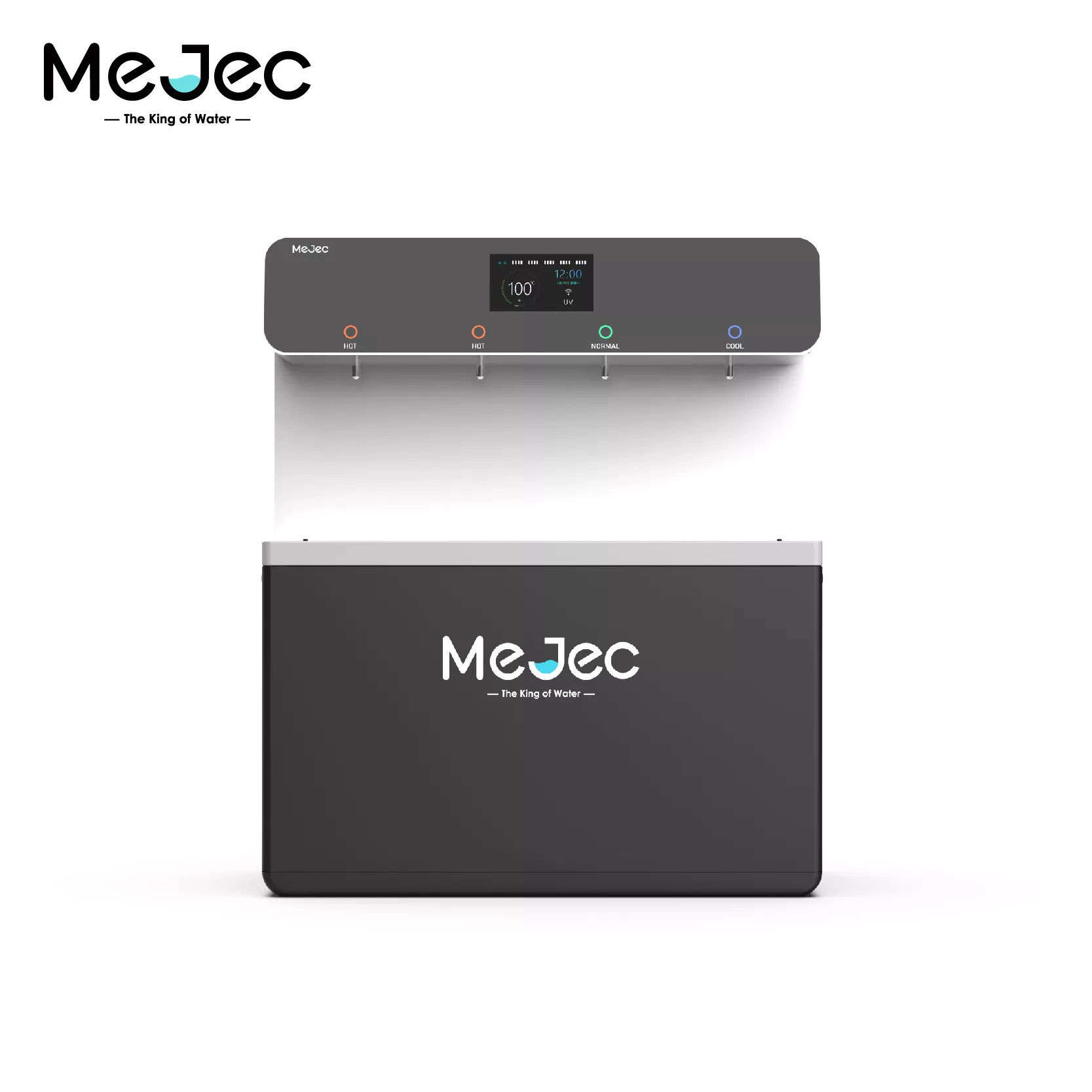
Designed for high-traffic public areas, the Mejec ...
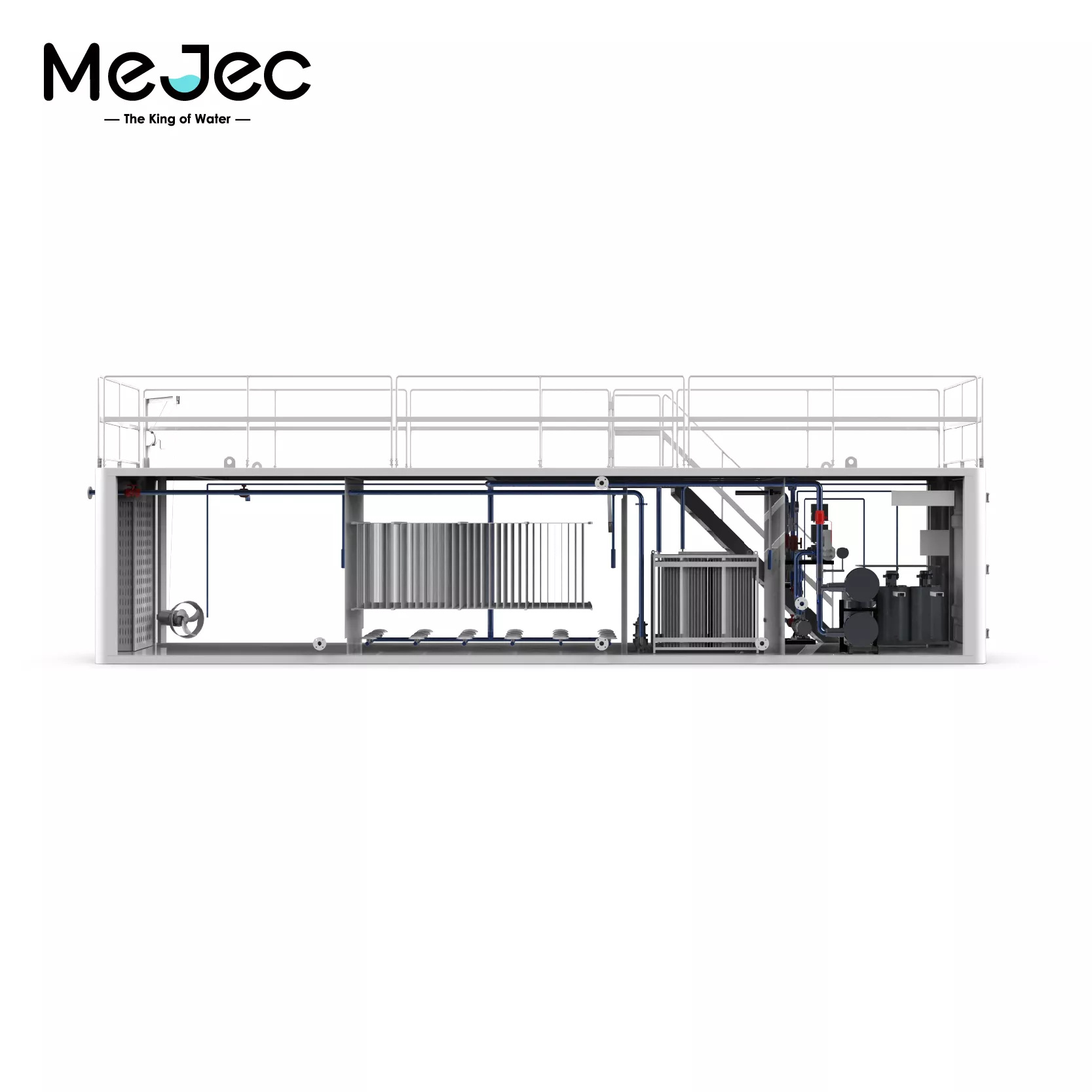
Mejec containerized sewage treatment system incorp...
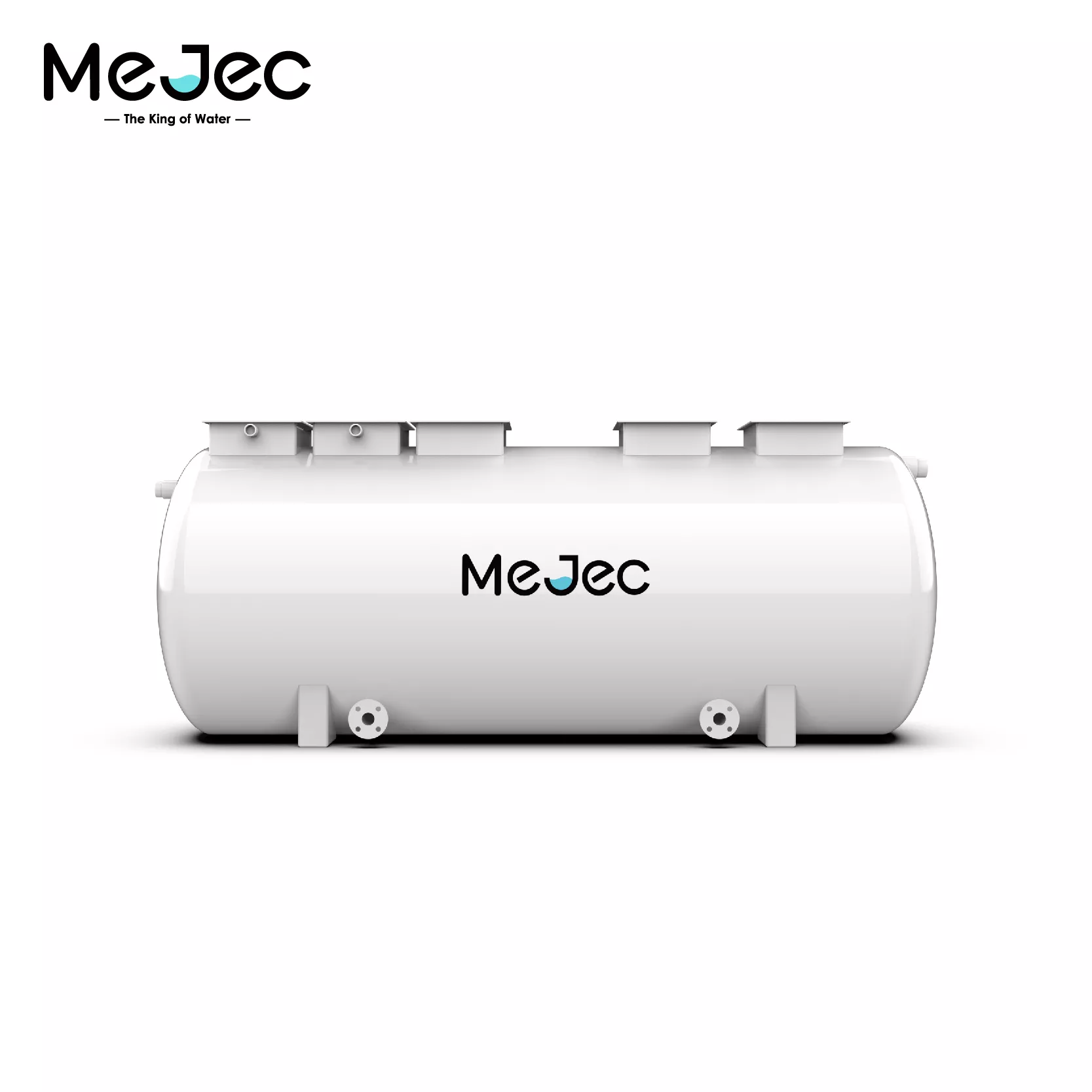
Mejec-Johkasou-SB adopts an AAO + MBBR combined bi...
Select the most popular foreign trade service products to meet your diverse needs
Select the most popular foreign trade service products to meet your diverse needs






User Comments
Service Experience Sharing from Real Customers
Michael Chen
Construction Site ManagerThis portable treatment plant was a game-changer for our remote highway project. Setup was straightforward, and it handled the variable wastewater load reliably. Excellent for temporary sites where connection to municipal systems is impossible.
Sarah Johnson
Environmental CoordinatorDeployed this unit for a 6-month mining exploration camp. It's robust, efficient, and met all our compliance standards for effluent quality. The mobility is its biggest strength—just wish the operational manual was a bit clearer.
David Rodriguez
Disaster Relief CoordinatorIncredibly vital for our emergency response after the hurricane. We had clean water processing within hours of arrival. The compact design and quick deployment literally saved lives in the affected community. Highly recommended for humanitarian work.
Jennifer Park
Event Operations DirectorRented this system for a large 3-day outdoor music festival. It efficiently managed high-volume sanitation wastewater from temporary facilities. Performance was flawless, and the service team was very responsive. A must-have for large-scale temporary events.