


.webp)

How to Choose the Best Residential Wastewater Treatment System
Find the best residential wastewater treatment sys...
More

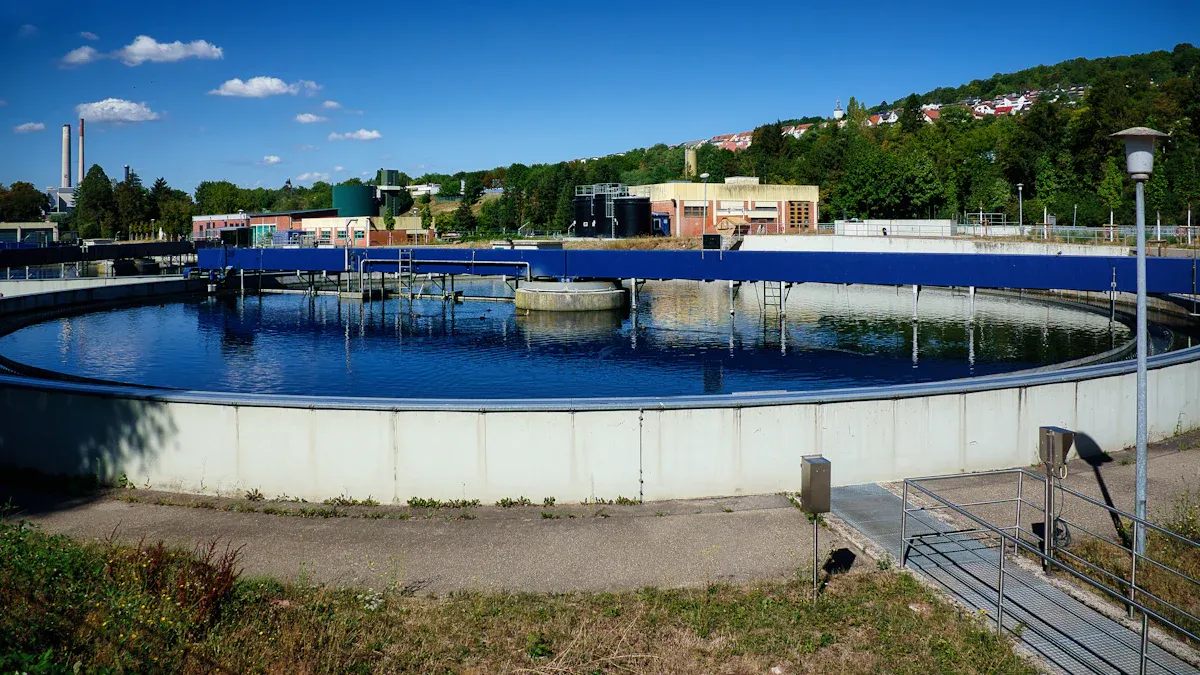
You want a mini sewage treatment plant for home that fits your budget and saves money over time. Check out this quick table to see how these systems stack up against traditional options:
| Benefit | Mini Sewage Treatment Plants | Traditional Sewage Solutions |
|---|---|---|
| Emergency Repairs | Fewer | More |
| Property Value | Increased | Standard |
| Long-term Maintenance | Lower | Higher |
| Compliance | Ensured | Potentially Non-compliant |
Mini sewage treatment plants save money on long-term maintenance compared to traditional systems.
Choosing the right size and type of system is crucial for efficiency and cost savings.
Regular maintenance and monitoring can prevent costly repairs and ensure optimal performance.
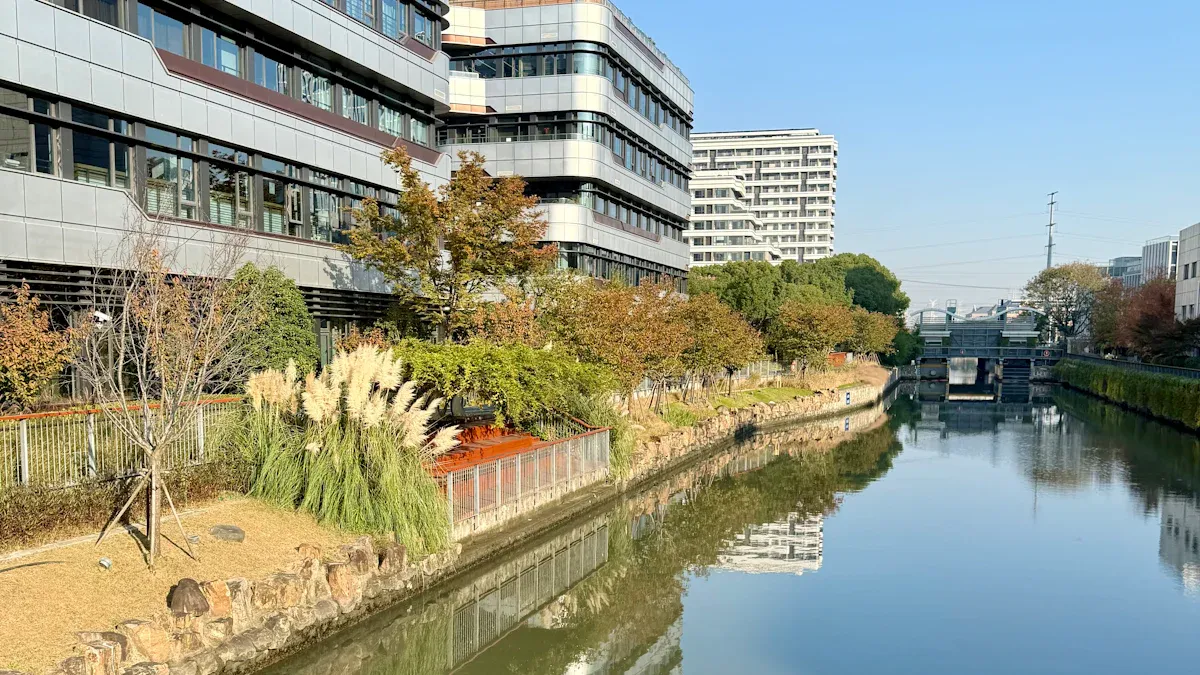
Choosing the right mini sewage treatment plant for home can feel overwhelming. You want something that fits your budget, works well, and lasts for years. Let’s break down the top options for 2026 so you can see which one matches your needs.
If you want a reliable system with flexible capacity, BioClean stands out. You get a range of treating capacities, so you can pick what fits your household size. The price depends on how much wastewater you need to treat. Here’s a quick look:
| Treating Capacity | Price Range (USD) |
|---|---|
| 5m³/h | $4,000 |
| 10m³/h | $5,000 |
| 15m³/h | $6,000 |
| 20m³/h | $7,000 |
| 40m³/h | $8,000 |
| 50m³/h | $9,000 |
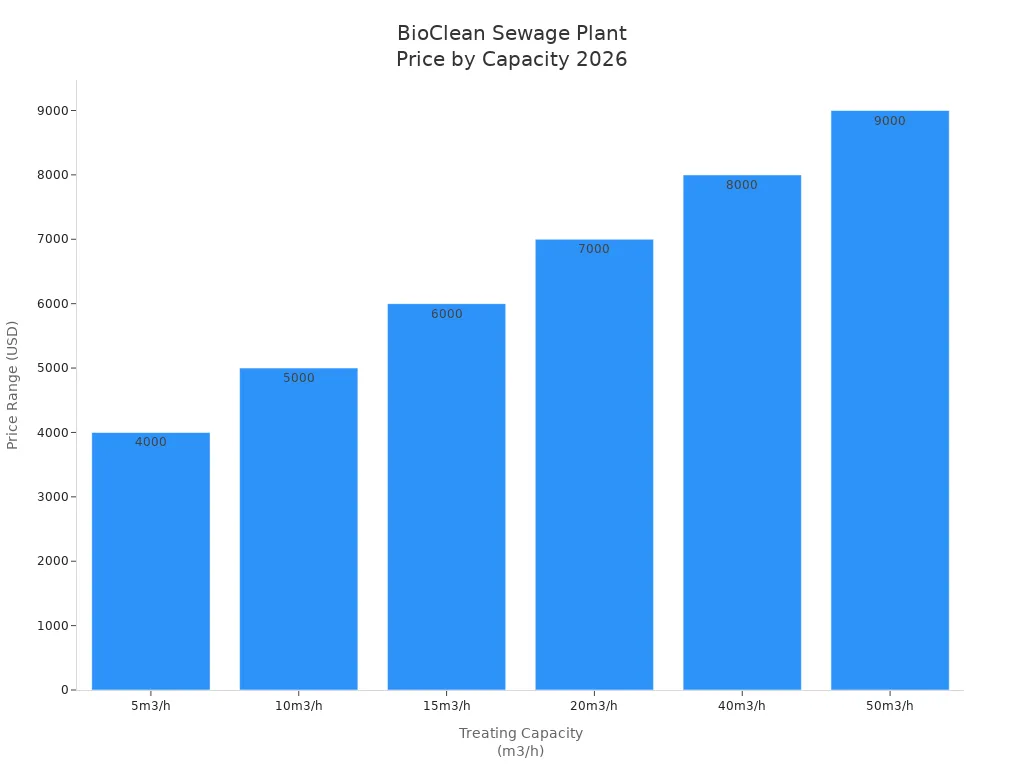
You get more than just a good price. BioClean uses modular platforms, so you can expand or upgrade easily. The system meets strict international standards, including those from the EU and U.S. EPA. You also benefit from strong materials like 316L stainless steel, which means less worry about repairs. If you care about water reuse and staying compliant, this option makes sense.
Tip: If you live in a rural area, you might qualify for grants or loans to help cover the cost. Programs like the Rural Home Loans Program and Single-Family Housing Repair Loans and Grants can make installation more affordable.
Quantum offers a compact design that fits small spaces. You don’t need a huge yard or basement. The system uses advanced filtration and biological treatment, so you get clean water and fewer odors. Maintenance stays simple, and you can check the system with a mobile app. If you want a mini sewage treatment plant for home that’s easy to manage, Quantum gives you peace of mind.
Ecomotive® by Jets brings Scandinavian engineering to your doorstep. You get a system that uses air-driven technology, which means lower energy bills. The plant works quietly and handles household wastewater efficiently. You can install it above or below ground, so it fits almost any property. Ecomotive® supports water reuse, which helps you save money and protect the environment.
Singulair Model TNT focuses on high performance and low maintenance. You get a system that treats wastewater in three stages, so the water comes out cleaner. The plant uses smart controls to adjust to your water use. You don’t need to worry about frequent repairs or complicated upkeep. If you want a mini sewage treatment plant for home that works with little effort, Singulair Model TNT is a strong choice.
You might consider traditional systems like septic tanks, constructed wetlands, or anaerobic lagoons. These options cost less upfront and use natural processes. Here’s how they compare:
| Treatment System | Advantages | Efficiency Notes |
|---|---|---|
| Constructed Wetlands | Low construction and operational costs, uses natural energy | Effective for mineralization of biodegradable organic matter, better oxygen transport in SSF systems. |
| Septic Tanks | Low cost, decentralized process | Generally effective for small-scale treatment but less efficient compared to modern systems. |
| Anaerobic Lagoons | Low energy input, low operational cost | Good for organic matter breakdown but may require larger land area. |
| Modern Mini Sewage Plants | Higher efficiency, advanced technology | Typically more effective in removing pollutants compared to natural systems, but at a higher cost. |
You save money with these systems, but you might not get the same level of treatment as a modern mini sewage treatment plant for home. If you want higher efficiency and better water quality, newer options are worth considering.
Note: Government programs like the Rural Decentralized Water Systems Grant Program can help you pay for septic tanks or mini sewage treatment plants. You could get up to $15,000 in grants for your project.
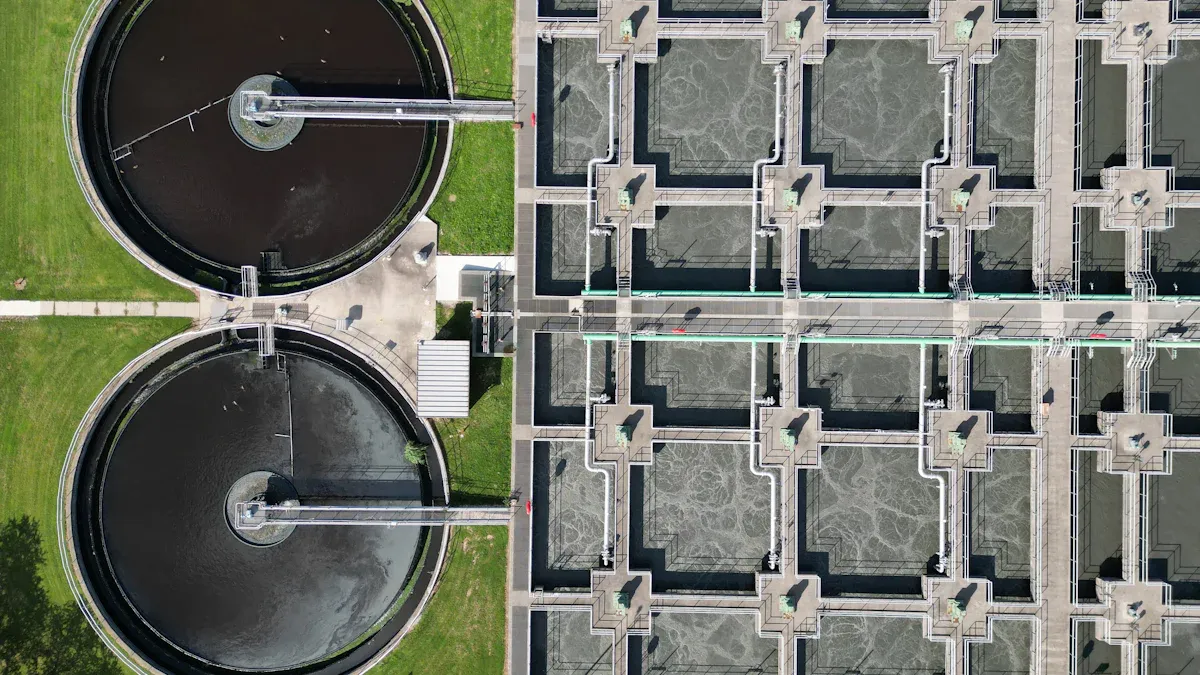
You might wonder how a mini sewage treatment plant for home actually works. The process is simple and happens in three main stages:
Primary Stage: The system removes things you can see, like grease and large particles. This step keeps the pipes clear and makes the next stages easier.
Secondary Stage: Microorganisms get to work here. They break down organic pollutants in the wastewater. You end up with cleaner water because these tiny helpers eat away the bad stuff.
Tertiary Stage: The final step uses filtration and disinfection. The water passes through special filters and gets disinfected before it leaves the system. This makes sure the water is safe for the environment.
Tip: If you keep an eye on each stage, you can spot problems early and avoid costly repairs.
When you look for a mini sewage treatment plant for home, you want features that make your life easier. Here are some things you should expect:
Decentralized technology handles wastewater from just your house, so you don’t need a big city system.
Advanced filtration, like MBR membranes, helps remove more pollutants and keeps water cleaner.
Easy maintenance means you can check performance and remove sludge without much hassle.
Automation and remote monitoring let you track the system from your phone or computer.
Regular maintenance by skilled technicians keeps everything running smoothly.
The system prevents contamination around your home, making your property safer.
These plants are built for household waste, not heavy industrial stuff, so they fit perfectly in residential areas.
If you choose a system with these features, you get peace of mind and a cleaner home environment.
You get a lot of benefits when you install a mini sewage plant at home. These systems help protect the environment because they remove more pollutants from your wastewater. You also save space since the design is compact and fits almost anywhere, even if your yard is small or the land is uneven. If you want to boost your property value, these plants can help by making your outdoor space more usable.
Here’s a quick table showing the main benefits:
| Benefit | Description |
|---|---|
| Environmental Protection | Advanced treatment removes more pollutants, lowering your impact on nature. |
| Maintenance Efficiency | Smart monitoring alerts you to problems, so you can fix things before they get worse. |
| Space Efficiency | Compact design fits tight spaces and tricky landscapes. |
| Increased Property Value | More usable space can make your home worth more, especially in crowded areas. |
You also get peace of mind because the system tells you when something needs attention. You don’t have to guess or worry about hidden problems.
You should know about some challenges before you decide. These systems need regular care to keep working well. If you skip maintenance, you risk system failure and possible water contamination. Flooding or high groundwater can overwhelm the system, causing trouble for your home.
Here are some common issues:
You must do regular maintenance to avoid breakdowns.
Floods or high groundwater can cause problems.
Poor management can lead to contamination of nearby water.
Some homeowners report strange smells or changes in water color. Others notice health problems like blocked noses or stomach issues. Take a look at the chart below to see how often these problems happen:
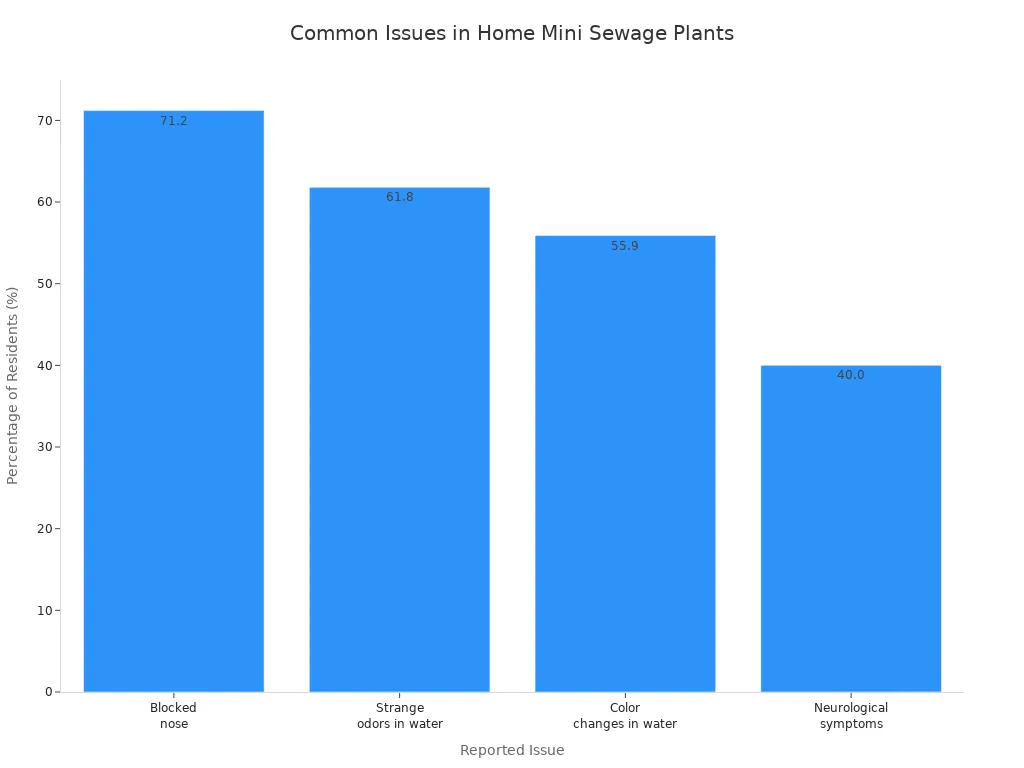
Living near a treatment plant can also affect your finances. Homes close to these systems sometimes sell for less, and you might pay higher insurance premiums. Repairs can get expensive if moisture or chemicals cause damage.
Tip: If you keep up with maintenance and choose the right system, you can avoid most problems and enjoy the benefits.
Getting a mini sewage treatment plant for home set up takes some planning. You start with soil testing. Experts check the ground to see if it drains well and supports the system. Next, crews plan the site and handle permits. They look at your property’s layout and any challenges. After that, workers dig up the soil to make space for the tank. The tank and drain field go in once the area is ready. Before you use the system, inspectors do a final check to make sure everything works right.
Here’s a quick look at the steps:
Soil testing
Site planning and permits
Excavation
Tank and drain field installation
Final inspection
Most installations take six to eight weeks. The timeline can change if your property has special needs or if weather slows things down. You also need to follow local rules. Many places ask you to register your system with the Environment Agency. You might need a permit, especially if you live near water. Local health departments set rules about where you can put the tank. Always check with local authorities before you start.
Keeping your system healthy is easy if you follow a few steps. Schedule regular inspections every one to three years. Pump and clean the tank every three to five years. Watch what you flush—never send wipes, chemicals, or non-biodegradable items down the drain. Use water wisely. Fix leaks and spread out laundry loads to avoid overloading the system. Protect the area by keeping trees and cars away from the tank. You can add natural bacteria to help break down waste. Learn the warning signs, like slow drains or bad smells. Teach everyone in your home how to care for the system. Good habits keep your system running for years.
You want a system that fits your home and your budget. If you pick a unit that’s too big, you waste money on installation and energy. If you go too small, you risk overloading the system. Start by counting the number of people in your house and how much water you use each day. Most families need a plant that handles between 5 and 10 cubic meters per hour. Ask your installer for help with sizing. They can look at your water bills and daily habits. Some systems offer modular designs, so you can add more capacity later if your family grows. You also need to think about the type of treatment. Some plants use advanced membranes, while others rely on natural processes. Choose a system that matches your local climate and soil conditions. If you live in a cold area, pick a unit that works well in low temperatures.
Tip: Modular systems let you expand without replacing the whole setup. That saves money and keeps things simple.
You can lower your bills and help the environment with a few smart changes. Try these easy steps:
Take shorter showers.
Fix leaks right away.
Run full loads in your washing machine.
Install low-flow toilets, showerheads, and faucets.
Use rainwater harvesting systems.
Set up greywater recycling.
If you want to save even more, look at your equipment. The right pump makes a big difference. Check out this table for ways to cut energy use:
| Method | Description |
|---|---|
| Pump Selection | Choose pumps with the right size and head to use less energy. |
| Submerged Outflow | Change water inflow design to reduce head loss. |
| Variable Frequency Drive | Use pumps that adjust speed for better efficiency during changing inflow. |
Small changes add up. You get lower bills and a system that lasts longer.
You have great choices for affordable mini sewage treatment plants. Before you decide, look at these key factors:
Site assessment and soil type
System selection and local codes
Regular maintenance
| Benefit | Why It Matters |
|---|---|
| Environmental Protection | Keeps your water and land safe |
| Water Reuse | Saves money and resources |
Pick a solution that fits your budget and keeps your home healthy.
You should schedule a professional inspection every 1–3 years. Pump and clean the tank every 3–5 years for best results.
You need a licensed installer. Local rules require permits and inspections. DIY installation can cause problems and may void your warranty.
The system can overload.
You might see slow drains or bad smells.
Try to spread out laundry and showers to avoid issues.
Top 6 Industrial Vacuum Cleaners For Every Business
Choosing Between Silent And Open Frame 6kW Generators
Benefits Of Using A Self-Priming Water Pump
Reducing Environmental Impact With Plate Heat Exchangers
Understanding Nozzle Solutions For Various Professional Needs

We provide you with comprehensive foreign trade solutions to help enterprises achieve global development
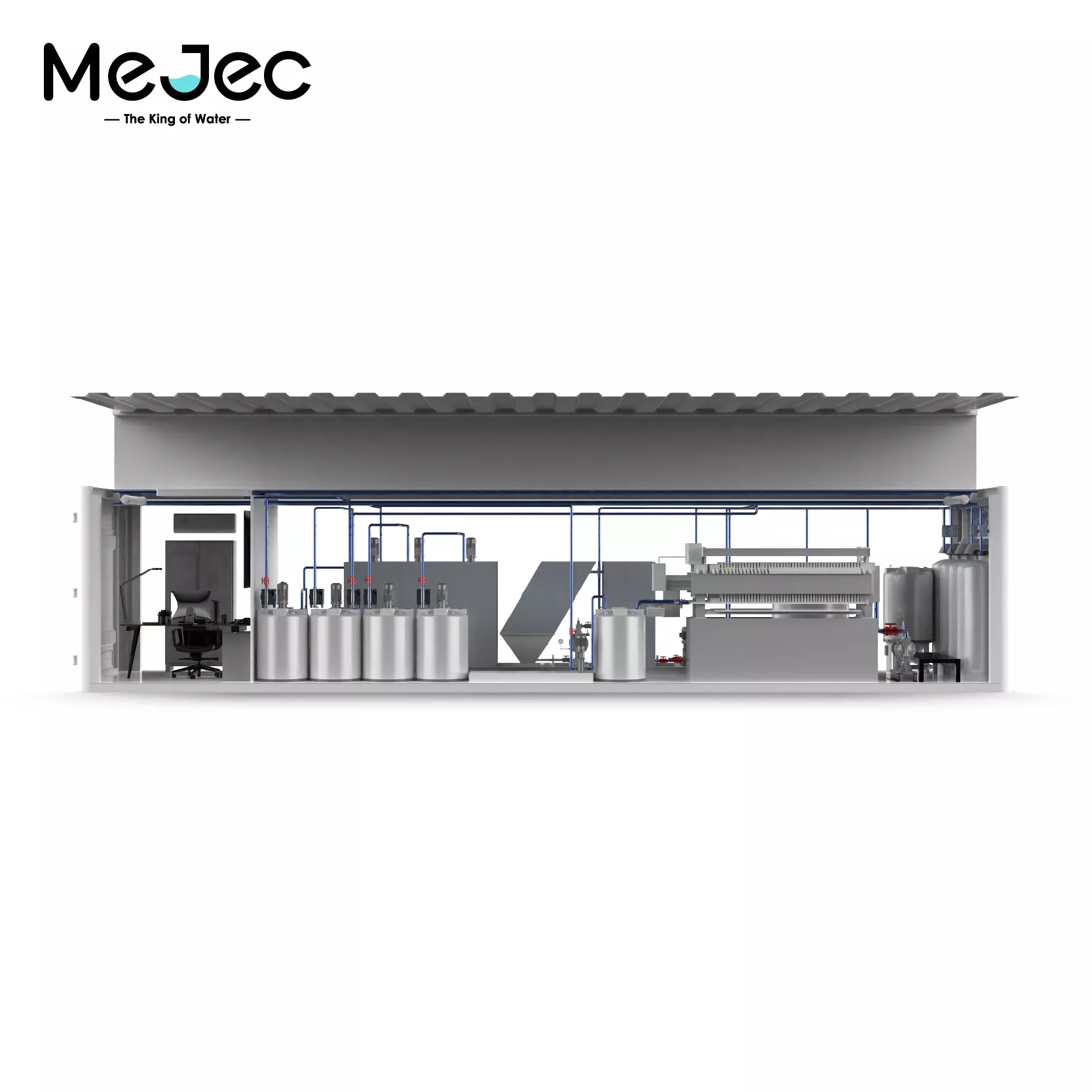
Mejec Containerized MABR Equipment is an innovativ...
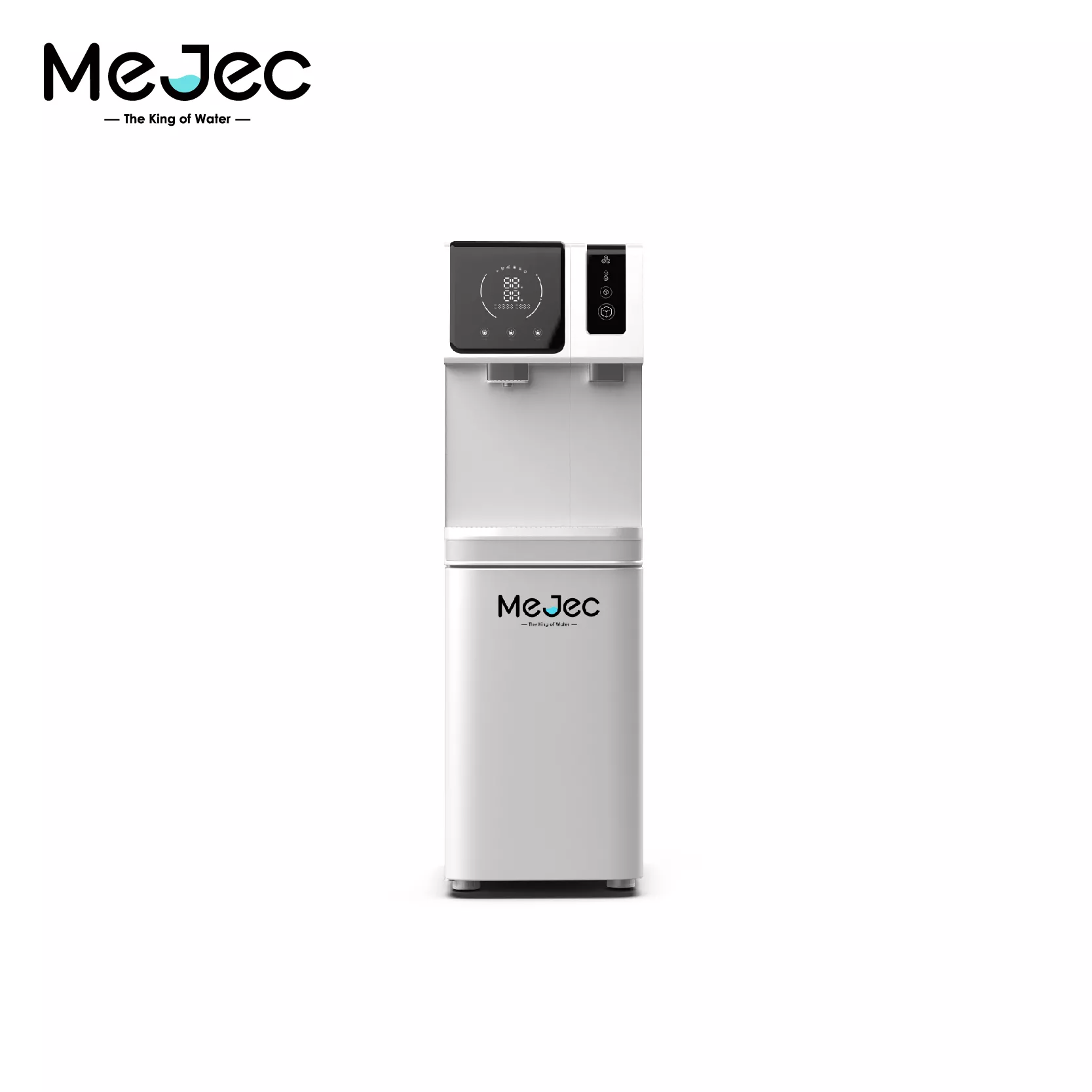
Imagine an office where the simple act of getting ...
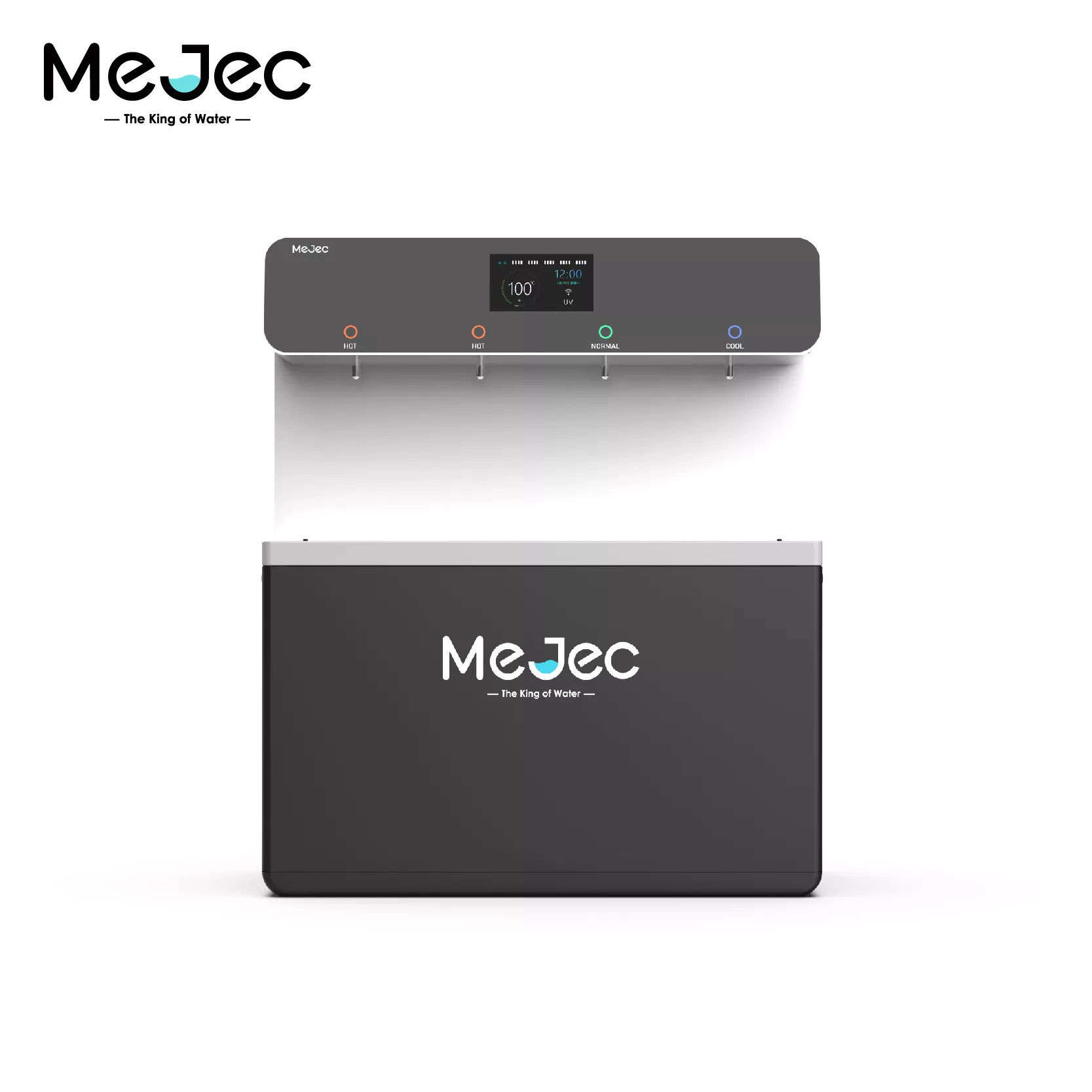
Designed for high-traffic public areas, the Mejec ...

Choose Mejec and say goodbye to manual maintenance...
Select the most popular foreign trade service products to meet your diverse needs
Select the most popular foreign trade service products to meet your diverse needs






User Comments
Service Experience Sharing from Real Customers
James Wilson
Civil EngineerAs a professional in water management, I'm thoroughly impressed. This mini plant handles our household wastewater efficiently, with remarkably clear effluent. The compact design is perfect for our suburban home.
Sarah Chen
Environmental ConsultantInstalled this system at our lakeside cabin. It's reliable, energy-efficient, and significantly reduces our environmental footprint. The setup was straightforward, and it requires minimal maintenance.
Robert Garcia
Retired PlumberHaving worked with large-scale systems, I appreciate the engineering in this home unit. It's quiet, odorless, and solved our septic issues perfectly. Great for remote properties without municipal sewer access.
Emily Foster
HomesteaderThis has been a game-changer for our off-grid homestead. We now safely reuse treated water for irrigation. The system is robust, and customer support was very helpful during installation.