


.webp)


What is MBBR for sewage treatment plant?
MBBR sewage treatment plant uses biofilm carriers ...
More


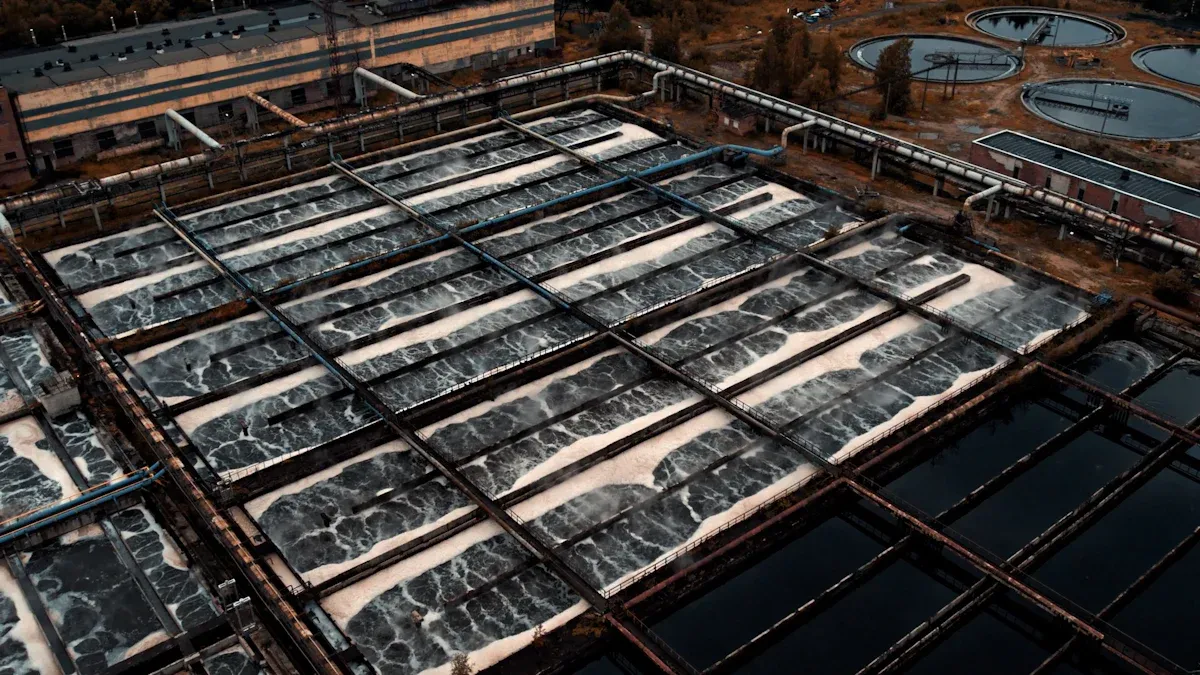
You see dirty water leave your home every day. A domestic sewage water treatment plant uses science to turn that waste into clean water. You find these plants rely on steps like screening, microbial action, and sand filtration. This process protects you from diseases caused by harmful germs in untreated water.
Domestic sewage water contains harmful contaminants that can pose serious health risks. Proper treatment is essential to protect public health.
The sewage treatment process involves multiple stages: primary treatment for physical separation, secondary treatment using microorganisms, and tertiary treatment for advanced purification.
Using treated sewage water for irrigation and industrial purposes helps conserve fresh water and supports sustainable practices in communities.
You create domestic sewage water every day through simple activities at home. When you flush the toilet, take a shower, wash dishes, or do laundry, you send water down the drain. This water carries waste from toilets, soap from showers, food scraps from kitchen sinks, and dirt from laundry. All of this waste travels through pipes and enters the sewer system.
You might hear the terms "greywater" and "blackwater." Greywater comes from sinks, showers, and washing machines. It usually contains soap, dirt, and food particles. Blackwater comes from toilets and contains human waste. Blackwater needs more treatment because it carries more germs and harmful substances. In some places, sewage water also includes liquid waste from small businesses or shops near homes.
Note: Sewage water does not just contain water and waste. It often mixes with household chemicals, personal hygiene products, and even leftover medicines that you pour down the drain.
Domestic sewage water contains many different contaminants. These can harm your health and the environment if not treated properly. You can see the main types of contaminants and some examples in the table below:
| Contaminant Type | Examples |
|---|---|
| Inorganic Chemicals | Calcium, sodium, magnesium, potassium, bicarbonates, chlorides, sulfates, nitrates, boron |
| Organic Chemicals | Pesticides, insecticides, herbicides, pharmaceuticals, personal care products |
| Microbiological | Bacteria, viruses, protozoans, algae, helminths |
You need to remove these contaminants to make water safe again. Each type requires a different treatment step, which you will learn about in the next sections.
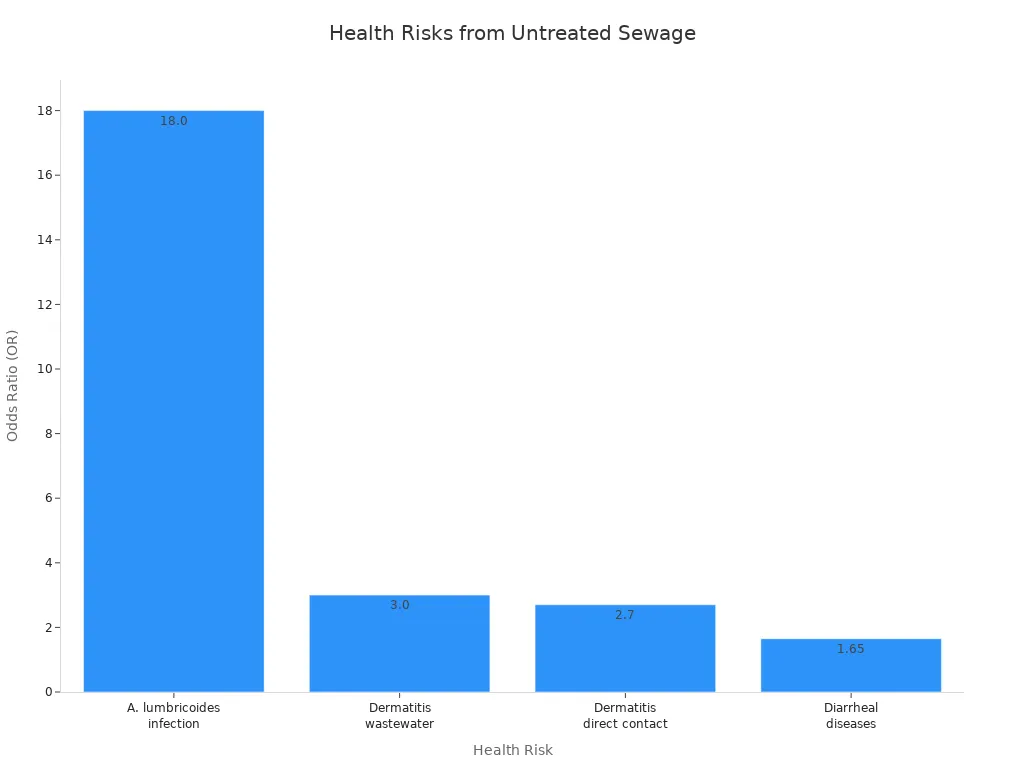
You face serious health risks when domestic sewage water goes untreated. Harmful germs and chemicals in the water can cause infections and diseases. Children are especially vulnerable. For example, the odds of children getting infected with Ascaris lumbricoides, a type of intestinal worm, are much higher when exposed to untreated sewage. Workers who handle wastewater also have a greater chance of developing skin problems and diarrheal diseases. You can see the risks in the table below:
| Health Risk | Odds Ratio (OR) | Confidence Interval (CI) |
|---|---|---|
| A. lumbricoides infection in children | 18.0 | N/A |
| Dermatitis from wastewater exposure | 3.0 | 1.1–7.7 |
| Dermatitis from direct contact | 2.7 | 1.3–5.8 |
| Diarrheal diseases among workers | 1.65 | 1.31, 2.06 |
Tip: You can protect yourself and your community by supporting proper sewage treatment. Clean water means fewer diseases and healthier families.
Untreated domestic sewage water harms local ecosystems. When you let sewage flow into rivers or oceans, it brings nutrients, germs, and heavy metals. These pollutants damage coral reefs and fish habitats. You may notice fewer fish and unhealthy plants in contaminated areas. Biodiversity drops when habitats suffer. Sewage hotspots often overlap with places that need protection. You help preserve nature when you treat sewage water before releasing it. Healthy ecosystems support clean water, safe food, and strong communities.
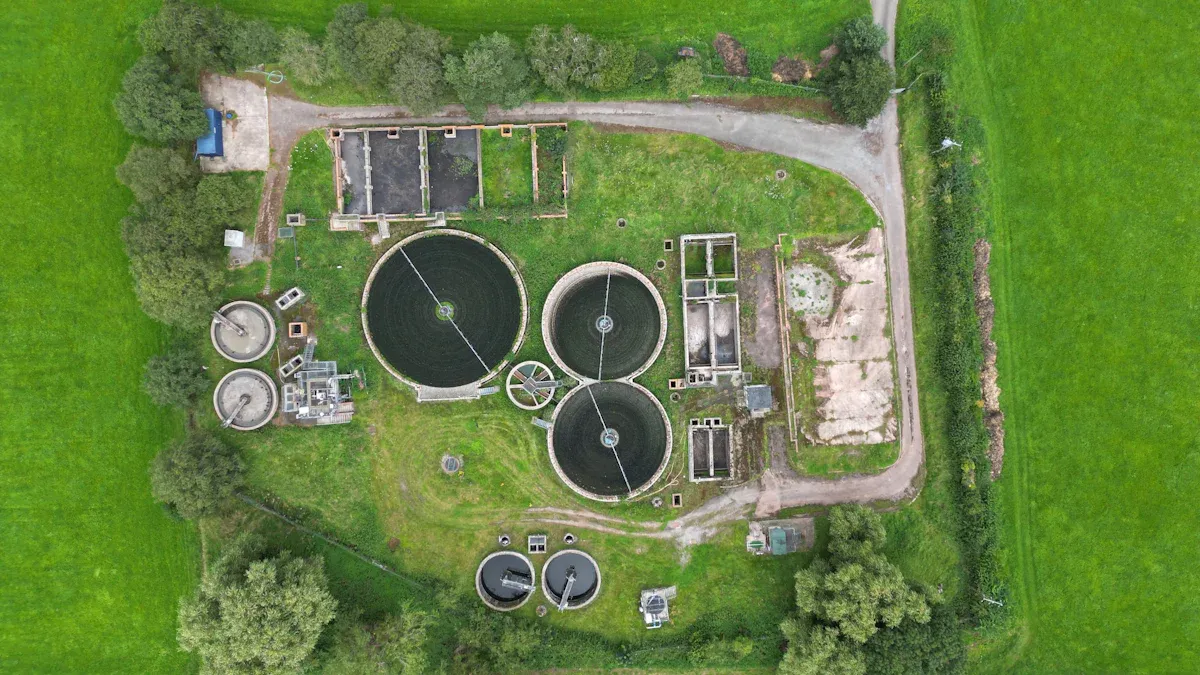
A domestic sewage water treatment plant uses several steps to clean water before it returns to nature or gets reused. Each stage removes different types of waste and makes the water safer for people and the environment. You can see the main stages in order below:
Primary Treatment: Physical Separation
Secondary Treatment: Biological Processes
Tertiary Treatment: Advanced Purification
Sludge Digestion and Management
When sewage first enters a domestic sewage water treatment plant, you see the process begin with physical separation. Large tanks hold the sewage and let gravity do the work. Heavy solids settle at the bottom, while lighter materials like oils float to the top. Workers remove both layers, leaving the middle liquid for the next stage.
Primary treatment can remove between 40% and 70% of suspended solids.
The process depends on how fast solids settle and how quickly water flows through the tanks.
Sedimentation is the main method used, where solids sink by gravity.
Note: This step does not remove dissolved chemicals or germs. It prepares the water for deeper cleaning in the next stage.
After physical separation, you move to the biological stage. Here, a domestic sewage water treatment plant uses living microorganisms to break down organic matter. These tiny helpers eat the waste and turn it into safer substances.
You find two main methods in this stage:
Activated Sludge Process: The plant mixes sewage with air and active sludge full of bacteria. The bacteria use oxygen to break down organic material.
Trickling Filtration Process: Water flows over rocks or plastic surfaces covered with a film of microorganisms. These organisms digest the waste as the water passes by.
This stage removes most of the remaining organic matter and reduces harmful germs. The water now looks much cleaner, but it still needs more treatment.
You reach the final cleaning step at the domestic sewage water treatment plant. Tertiary treatment, also called "effluent polishing," removes any leftover contaminants. This stage uses advanced methods like sand filters, chemical treatments, or special membranes.
The plant may add chemicals to remove nutrients like nitrogen and phosphorus.
Filters catch tiny particles that escaped earlier steps.
Sometimes, the plant uses ultraviolet light or chlorine to kill any remaining germs.
Tertiary treatment makes the water clean enough to return to rivers, lakes, or even for reuse in irrigation and industry. Sensitive ecosystems benefit from this extra level of care.
Tip: Advanced purification protects both people and wildlife by removing pollutants that earlier stages might miss.
Every domestic sewage water treatment plant must handle the solid waste, or sludge, left behind. You see several methods used to treat and manage this sludge:
| Method | Description |
|---|---|
| Aerobic Digestion | Uses oxygen to break down organic matter in the sludge. |
| Anaerobic Digestion | Breaks down sludge without oxygen, producing methane and carbon dioxide. |
| Sludge Thickening | Concentrates the solids, making the sludge easier to handle. |
| Sludge Dewatering | Removes water from the sludge using machines like filter presses. |
| Ultimate Disposal | The plant may spread treated sludge on land, burn it, or reuse it in other ways. |
These steps reduce the volume of sludge and make it safer for disposal or reuse. Some plants even capture methane gas from anaerobic digestion to produce energy.
Alert: Proper sludge management prevents pollution and supports recycling efforts.
A domestic sewage water treatment plant relies on all these stages to protect your health and the environment. Each step plays a key role in turning dirty water into a valuable resource.
You start the journey of cleaning water with screening and sedimentation. When water enters a domestic sewage water treatment plant, large screens catch items like sticks, rags, and plastic. These objects can block pipes and damage equipment. After screening, the water flows into large tanks. Here, gravity helps heavy particles settle to the bottom. Lighter materials, such as oils, float to the top.
In some cases, the plant adds special chemicals called coagulants. These chemicals help tiny particles stick together and form larger clumps, known as flocs. Flocs settle more easily, making sedimentation more effective. This process removes many solids before the water moves to the next stage.
Note: Screening and sedimentation protect the rest of the treatment process by removing materials that could cause problems later.
You see the power of nature at work in the next stage. A domestic sewage water treatment plant uses microorganisms to break down waste. These tiny living things eat organic matter in the water. They turn harmful substances into safer forms.
The plant creates an oxygen-rich environment to help these microorganisms grow. In the activated sludge process, air bubbles mix with the water. Microbes gather into clumps called biological flocs. As the water swirls around, the microbes digest organic pollutants. They build new cells and change waste into simple compounds like carbon dioxide and water.
This biological action removes most of the remaining organic material. The water becomes much cleaner and safer for the environment.
Tip: Microorganisms work best when you keep the right balance of oxygen, food, and time in the tanks.
You reach the final cleaning steps with chemical disinfection and filtration. Even after biological treatment, some germs and tiny particles may remain. The plant often adds disinfectants like chlorine or uses ultraviolet light. These methods kill bacteria and viruses that could make you sick.
Filtration gives extra protection. The water passes through layers of sand, gravel, or special membranes. Filters trap small particles that escaped earlier steps. This stage ensures the water meets safety standards before it leaves the domestic sewage water treatment plant.
Alert: Proper disinfection and filtration stop the spread of disease and protect public health.
You might wonder what happens to the solid waste collected during treatment. A domestic sewage water treatment plant uses anaerobic digestion to manage this sludge. In this process, bacteria break down organic matter without oxygen. The tanks stay sealed to keep air out.
Anaerobic digestion reduces the volume of sludge and makes it safer to handle. It also produces biogas, mainly methane and carbon dioxide. Some plants capture this gas and use it to generate energy for the facility.
Note: Anaerobic digestion turns waste into a resource, helping the plant save energy and reduce pollution.
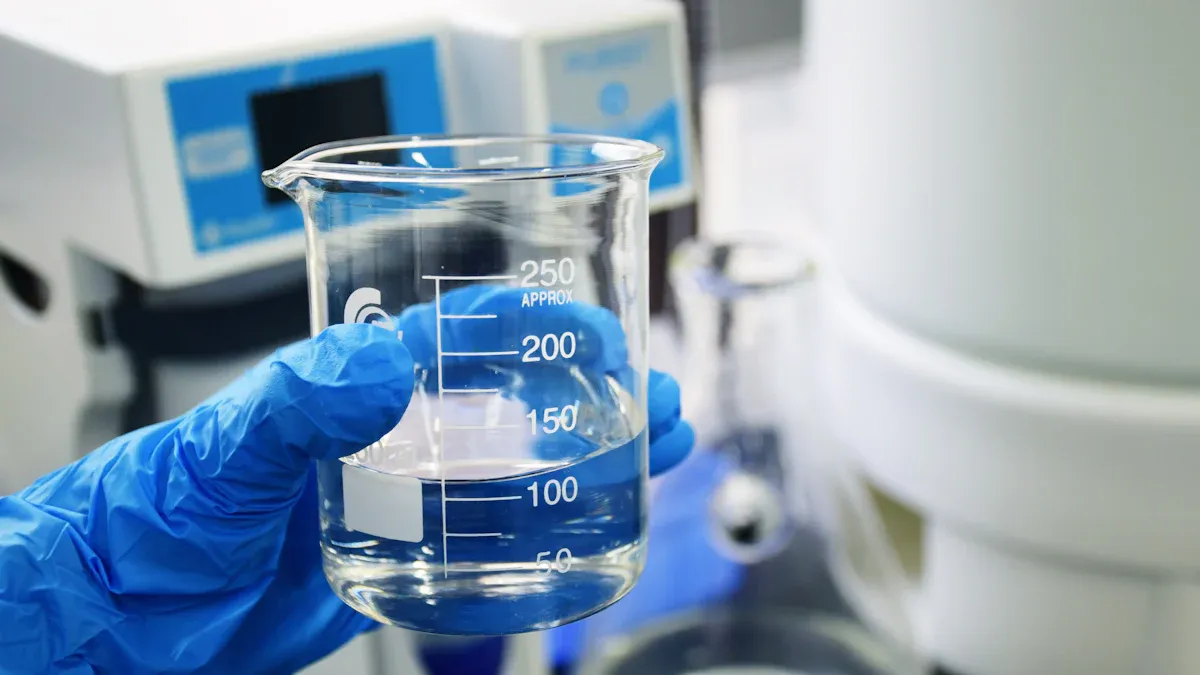
You can see how treated water supports agriculture and green spaces. Many communities use reclaimed water to irrigate parks, golf courses, and farms. This water helps plants grow and keeps landscapes healthy. You help save fresh drinking water when you use reclaimed water for irrigation. In places with dry climates, this practice protects crops and supports local food supplies.
Industries need large amounts of water for cooling, cleaning, and processing. You find that many factories now use treated sewage water instead of fresh water. Cities also use reclaimed water to clean streets, flush toilets, and fill fountains. This approach reduces the demand for drinking water and lowers costs. You help your city become more sustainable when you support these uses.
You can learn from places around the world that use treated water wisely:
Orange County, California, has used reclaimed wastewater since 1976. The system treats 15 million gallons each day and protects underground water from seawater intrusion.
Lake Tahoe, California, runs an advanced plant that produces water cleaner than some city supplies. The treated water flows into the Truckee River, which provides water for Reno, Nevada.
You can see the benefits of water reuse in the table below:
| Project Location | Year Started | Measurable Benefits |
|---|---|---|
| St. Petersburg, Florida | 1977 | Uses 20 MGD of reclaimed water for parks, golf courses, and homes, meeting demand from a 10% population increase without new supplies. |
| Windhoek, Namibia | 1960 | During droughts, reclaimed water makes up to 30% of the drinking supply, improving water security. |
| Colorado Springs, Colorado | 1960 | Dual system reduces drinking water demand by supplying reclaimed water for irrigation. |
Tip: When you support water reuse, you help your community save resources and prepare for the future.
You rely on multi-stage sewage treatment to protect health and the environment. Each stage removes harmful substances and produces safe water. See how technology compares:
| Treatment Plant | Technology Type | BOD Removal Efficiency | TSS Removal Efficiency |
|---|---|---|---|
| Kotour WWTP | Oxidation Ditch Technology | Highest | Highest |
| Tanta Stage 2 WWTP | Conventional Activated Sludge | Lowest | Lowest |
Resource recovery boosts efficiency and reduces waste.
Clean water prevents illness and supports strong communities.
Workers treat solid waste, called sludge, using digestion and dewatering. You see some plants turn sludge into fertilizer or use it to produce energy.
You should not drink reclaimed water directly. Plants clean water for irrigation or industry. Drinking water needs extra purification and testing.
| Test Type | What It Checks |
|---|---|
| Microbial Test | Germs and bacteria |
| Chemical Test | Harmful substances |
| Clarity Test | Visible particles |
You rely on these tests for safety.
Innovations in Heat Exchanger Manufacturing Boost Industrial Efficiency
Ways to Reduce Environmental Impact Using Plate Heat Exchangers
Recent Developments in Nitric Acid Separation and Purification Methods
Comprehensive Guide to Understanding Plate Heat Exchanger Functionality

We provide you with comprehensive foreign trade solutions to help enterprises achieve global development
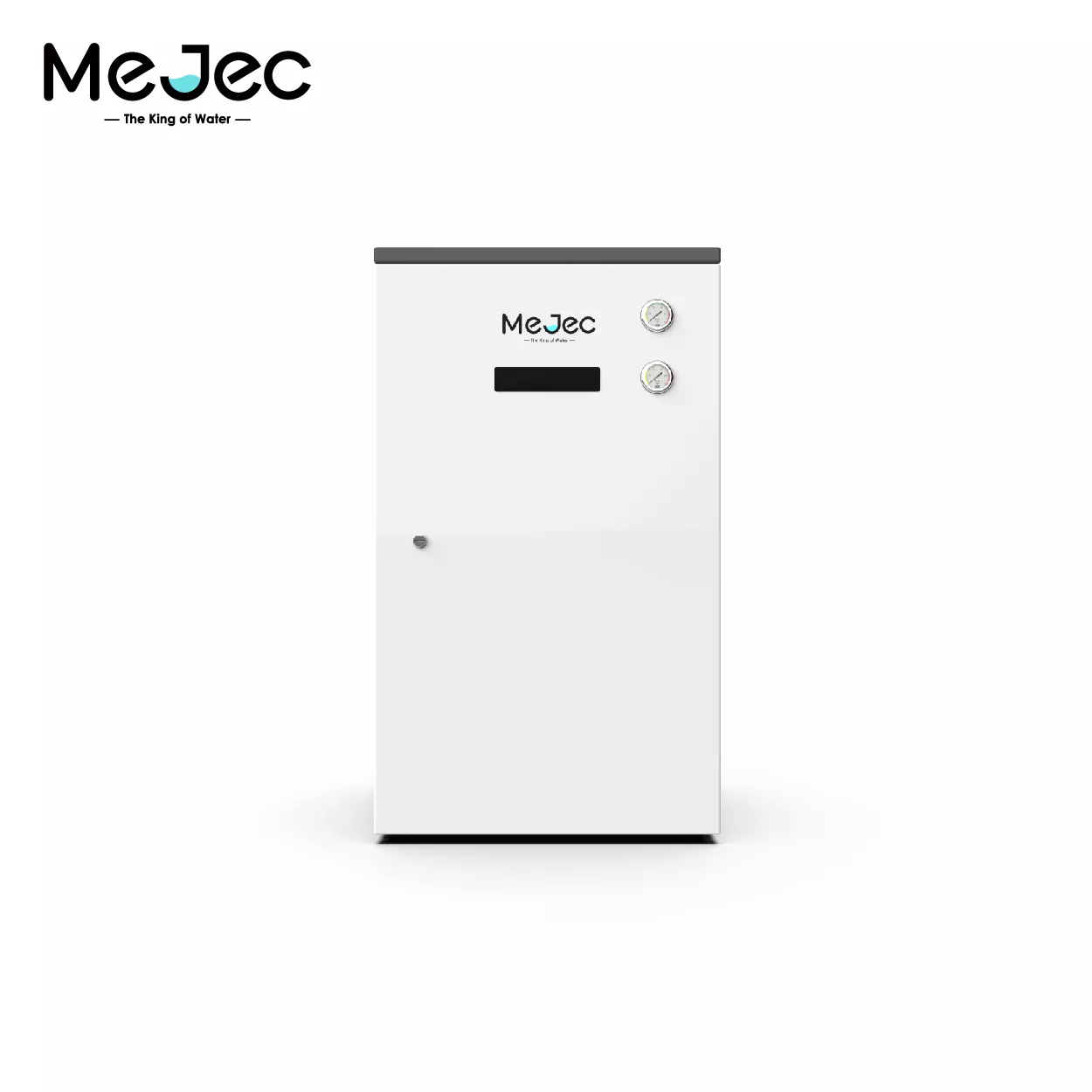
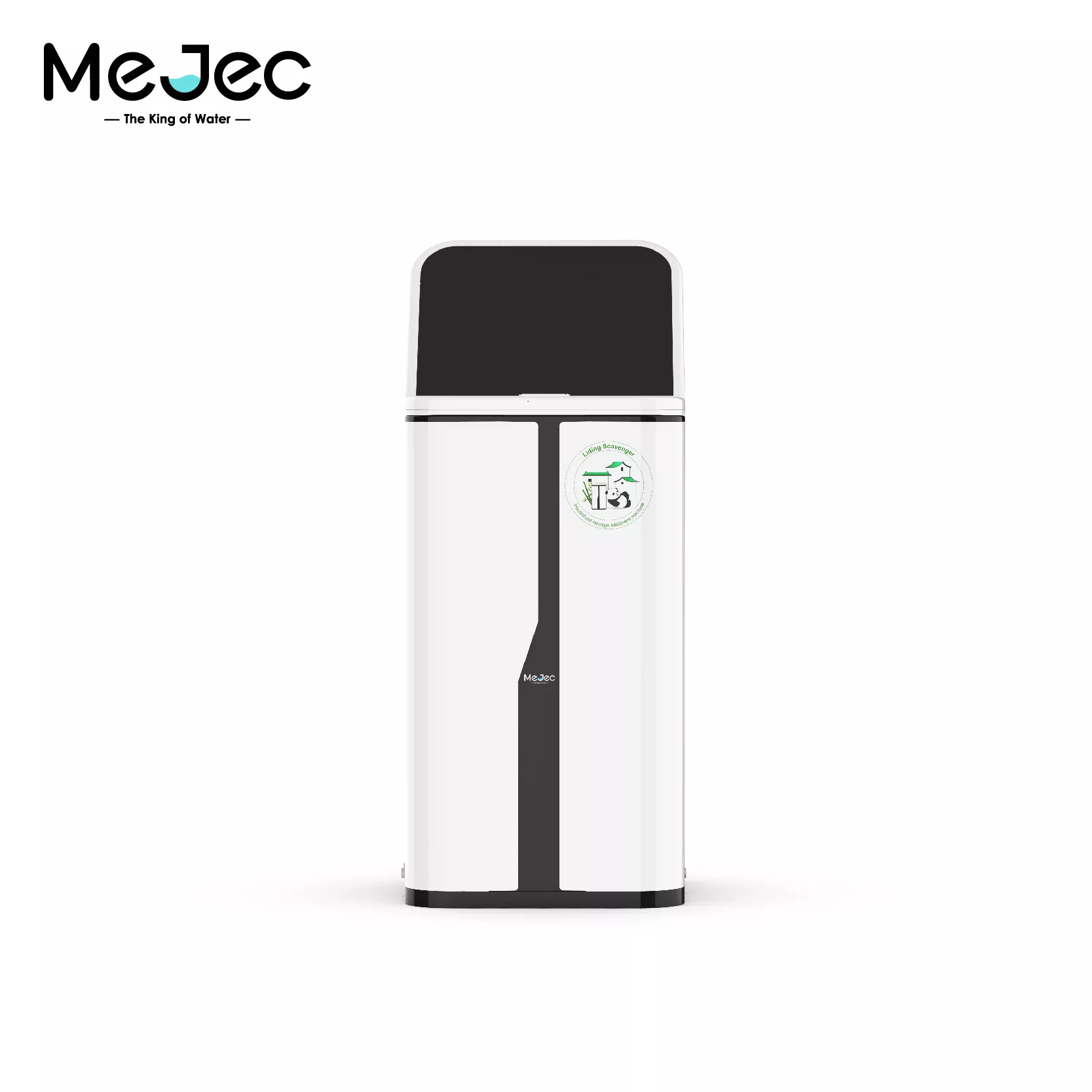
The Mejec commercial central pure water system is ...
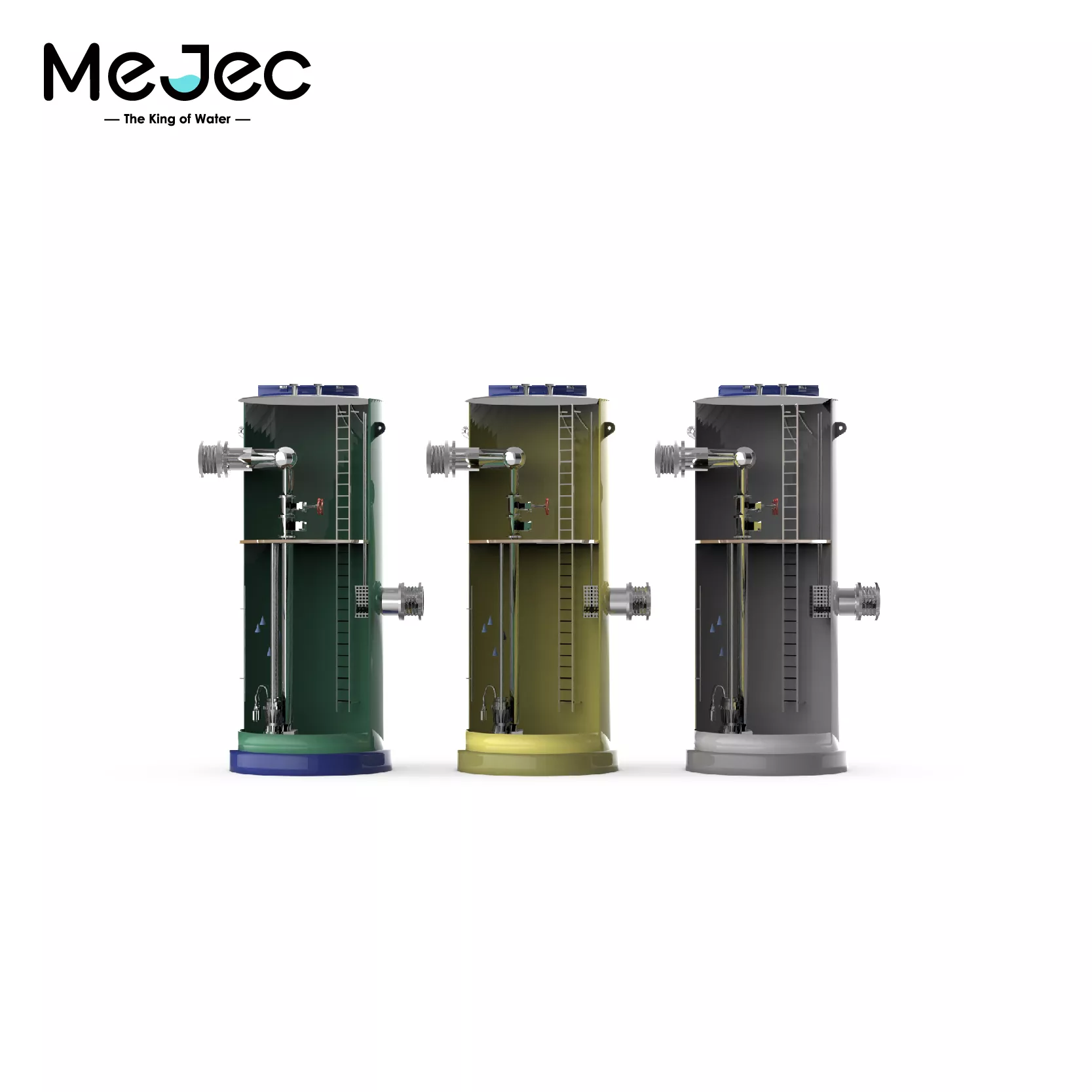
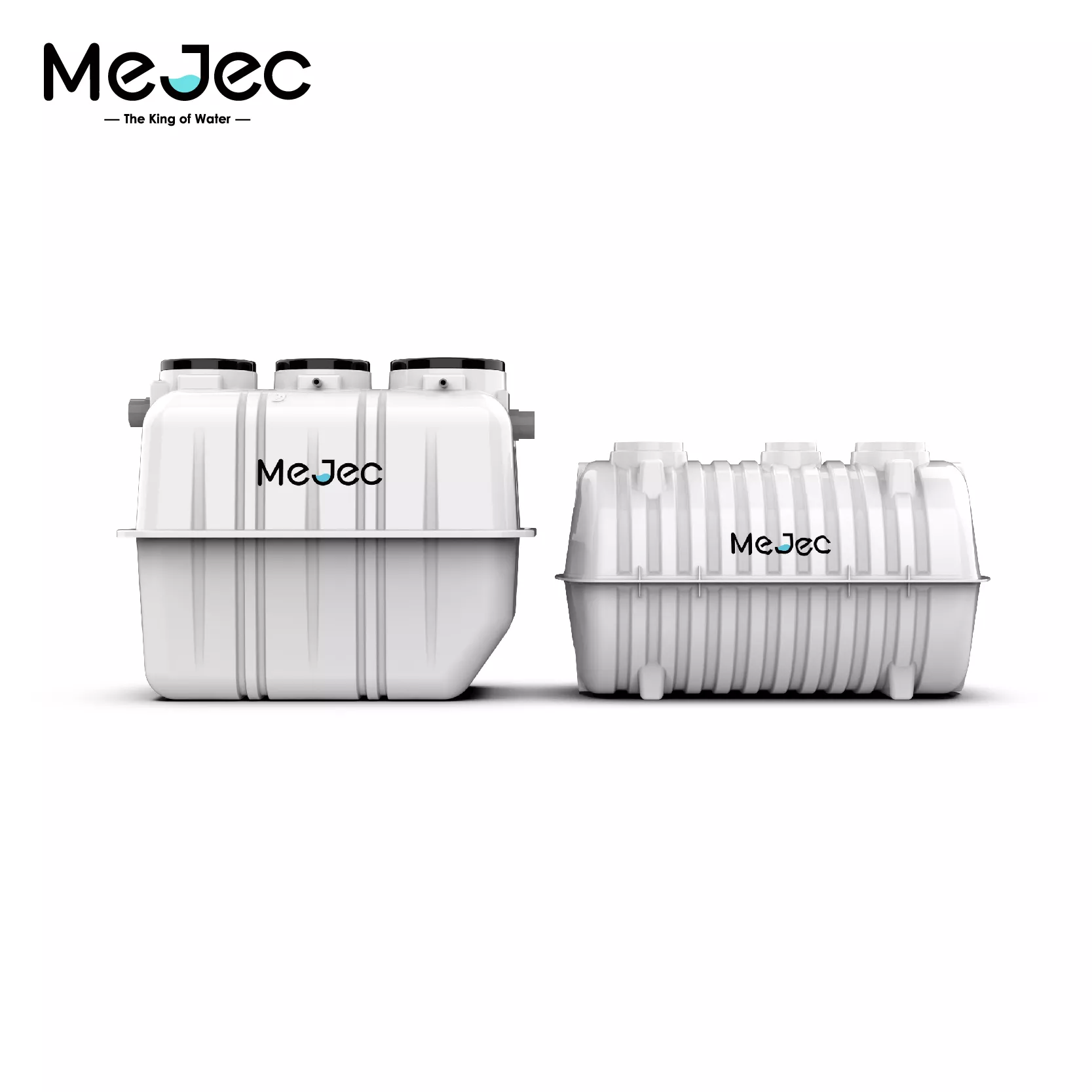
LD-BZ, The series of integrated prefabricated pump...
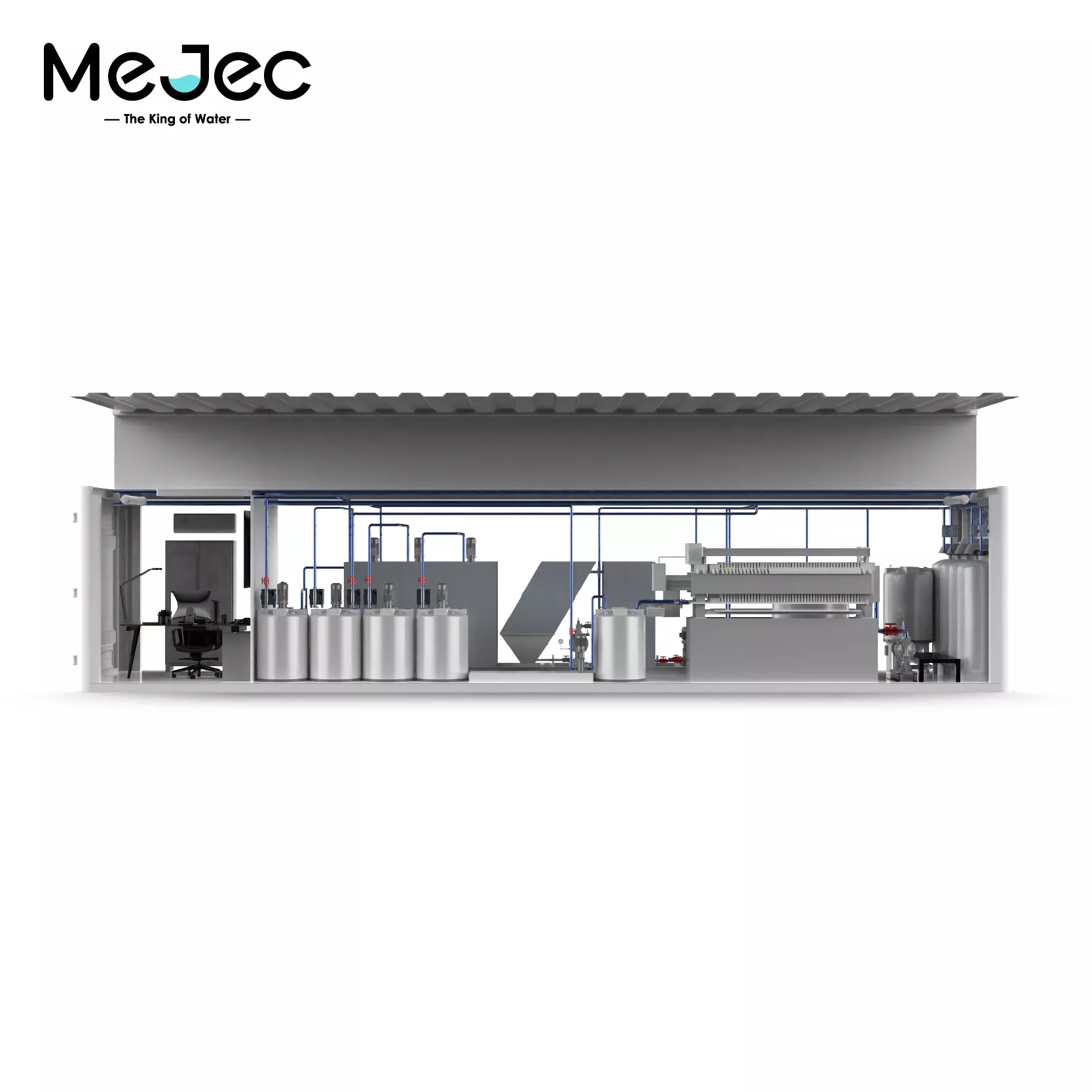
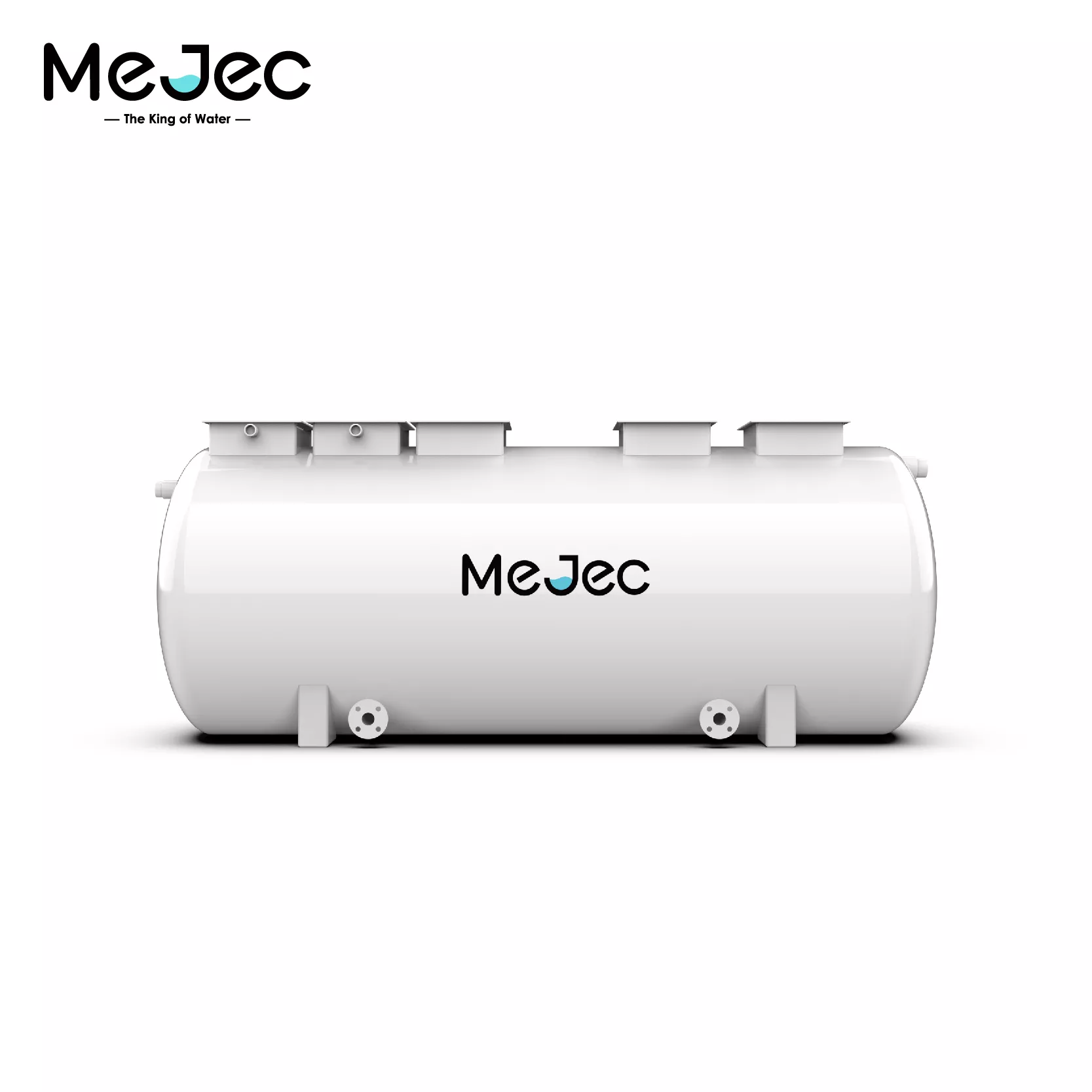
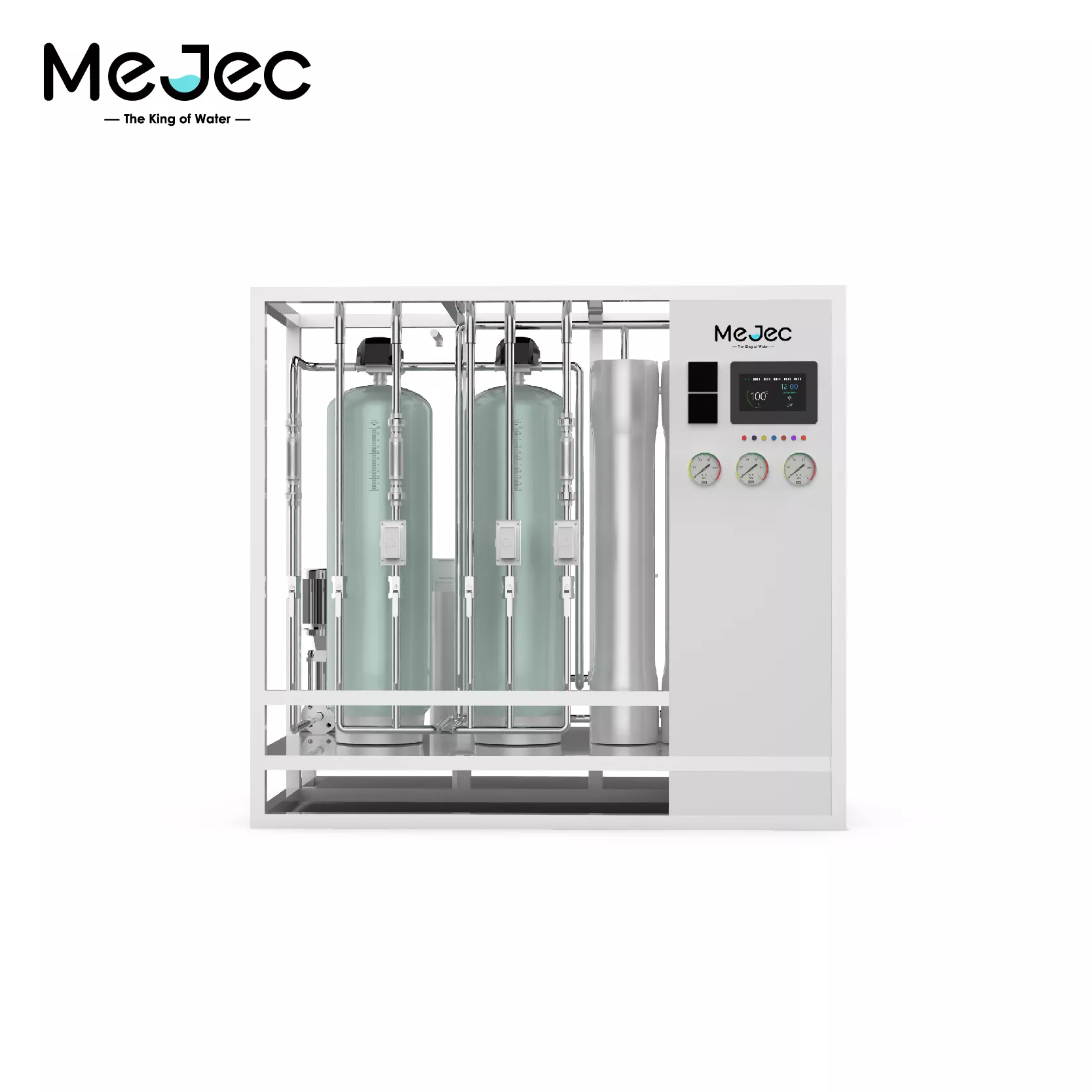
Mejec containerized wastewater treatment system ad...
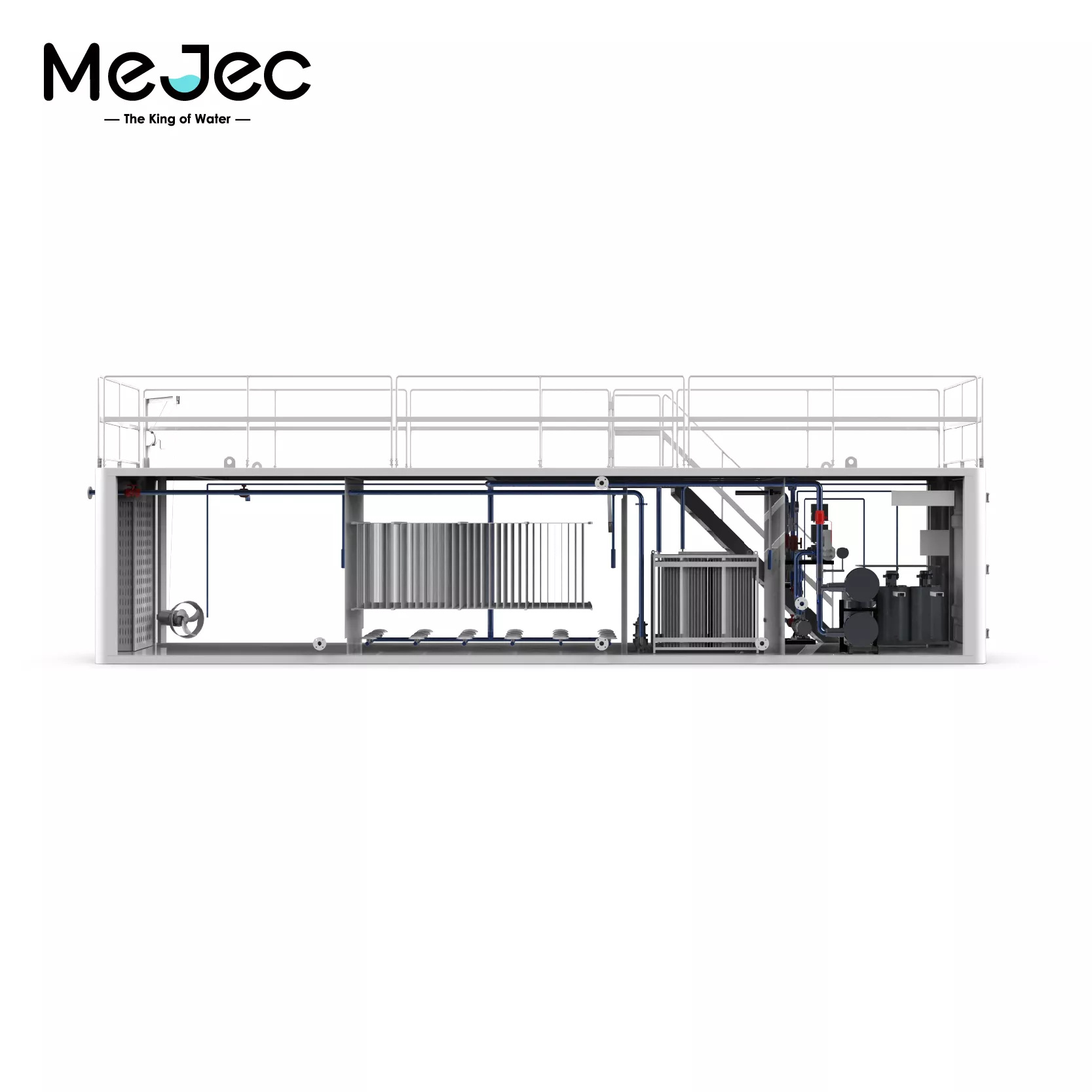
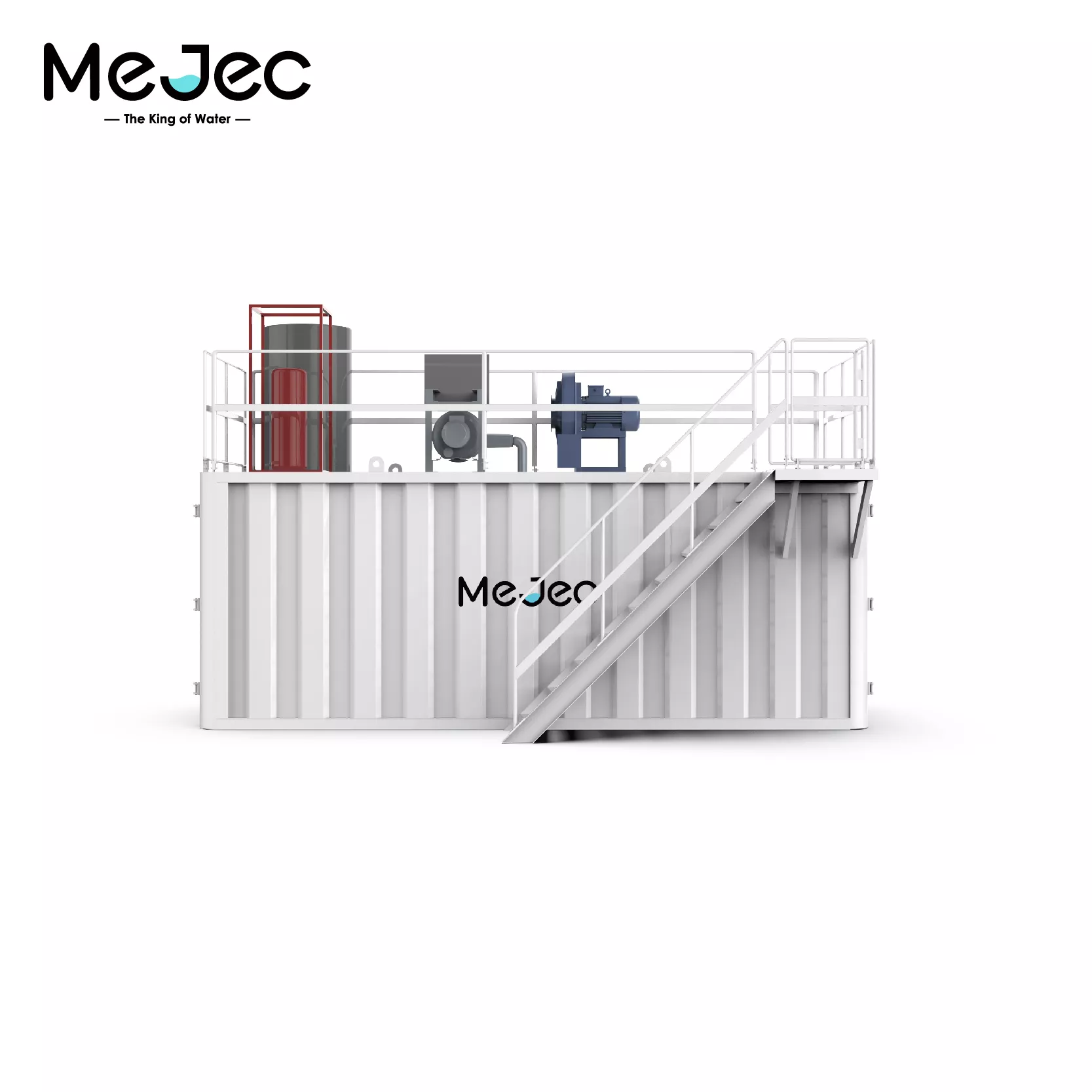
Mejec containerized sewage treatment system incorp...
Select the most popular foreign trade service products to meet your diverse needs
Select the most popular foreign trade service products to meet your diverse needs






User Comments
Service Experience Sharing from Real Customers
Michael Chen
Municipal EngineerThe modular design of this domestic sewage treatment plant significantly reduced our installation time and costs. The effluent quality consistently exceeds local discharge standards. Highly recommended for municipal projects.
Sarah Johnson
Environmental ManagerAs the environmental manager for our residential community, I'm impressed with the plant's low energy consumption and minimal odor. The automated control system makes daily operation very straightforward. One point off for the initial setup documentation, which could be clearer.
David Rodriguez
Plant OperatorHaving operated various systems for 15 years, this is one of the most reliable domestic sewage treatment plants I've worked with. The maintenance is simple, spare parts are readily available, and technical support is responsive. It handles fluctuating loads from our suburban township exceptionally well.
Lisa Wang
Project DirectorWe deployed this compact plant for a remote resort development. Its robust performance in varying conditions and efficient removal of BOD/COD have been crucial for our environmental compliance. The compact footprint was a decisive factor for our space-constrained site.