



What is MBBR for sewage treatment plant?
MBBR sewage treatment plant uses biofilm carriers ...
More

| Plant Name | Location | Capacity (people served) |
|---|---|---|
| Stickney Water Reclamation Plant | Stickney, Illinois | 2.4 million |
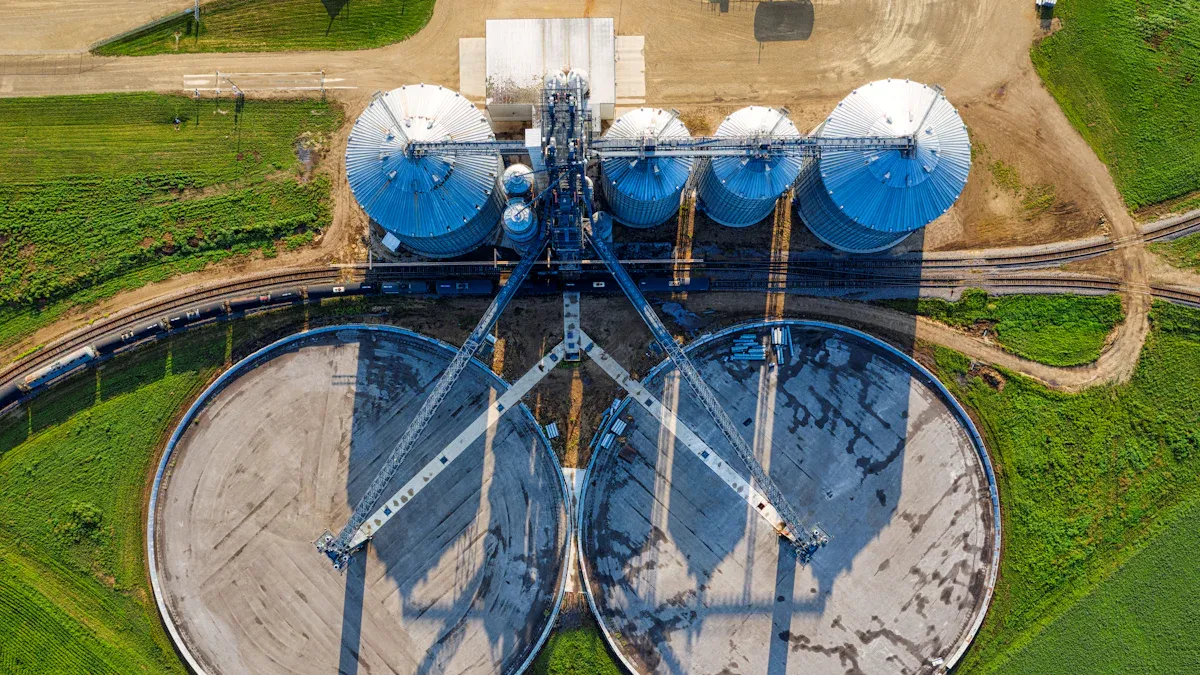
A large sewage treatment plant helps cities manage wastewater. These facilities protect public health and the environment. They reduce waterborne diseases and prevent pollution in rivers and lakes. Many urban centers depend on these plants as populations grow.
Large sewage treatment plants play a crucial role in protecting public health by reducing waterborne diseases and preventing pollution in local waterways.
Advanced technologies, such as membrane filtration and biological nutrient removal, enhance the efficiency of sewage treatment, ensuring cleaner water is released back into the environment.
These facilities serve millions of people, managing vast amounts of wastewater daily, which supports urban growth and sustainable agriculture.
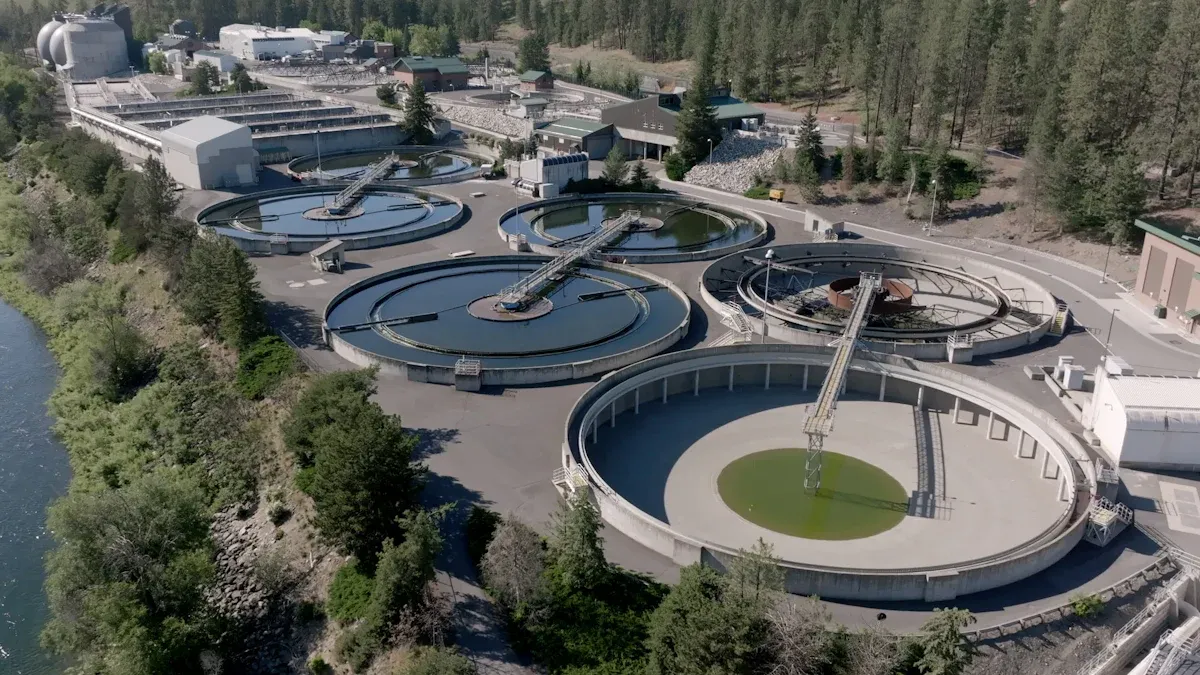
The Stickney Water Reclamation Plant stands as one of the largest sewage treatment plants in the world. It sits in Illinois and began operation in 1930. The plant treats an average of 700 million gallons of wastewater every day. This adds up to about 255.5 billion gallons each year. During peak times, the facility can handle up to 1.44 billion gallons per day, which means it could treat over 525 billion gallons in a year.
The plant serves a population of about 2.4 million people.
It helps protect the Chicago area from water pollution and disease.
The facility uses advanced treatment methods to clean water before releasing it into local rivers.
The Stickney Water Reclamation Plant is considering advanced treatment technologies such as membrane filtration and nutrient recovery to enhance its treatment capabilities.
This large sewage treatment plant plays a key role in keeping the region’s water safe and clean.
The Jean-R.-Marcotte Wastewater Treatment Plant is the largest in Canada. It began operating in 1984 and treats wastewater from 3.5 million people in Montreal.
| Treatment Type | Capacity (m³/day) |
|---|---|
| Dry-weather | 2,780,000 |
| Wet-weather | 7,600,000 |
The plant uses advanced technologies like ozone disinfection and biological nutrient removal. These methods help remove harmful substances from the water. The facility can handle large surges of water during heavy rain, processing over 3,000 Olympic-sized pools of water each day.
The plant ensures that almost no untreated water enters the St. Lawrence River, even during storms.
It supports public health and protects the environment in Montreal.
The Blue Plains Advanced Wastewater Treatment Plant is the largest advanced facility of its kind in the world. It treats about 300 million gallons of wastewater each day. The plant can handle up to 384 million gallons daily and over 780 million gallons during peak flow. It serves the District of Columbia and parts of Maryland and Virginia.
| Feature | Description |
|---|---|
| Advanced Treatment Capacity | The facility is the largest advanced wastewater treatment plant in the world. |
| Nutrient Pollution Control | Achieved significant reductions in phosphorus and nitrogen discharges, exceeding regulatory goals. |
| Thermal Hydrolysis Facility | It is the largest thermal hydrolysis facility globally, improving sludge treatment and energy recovery. |
This large sewage treatment plant uses advanced processes to remove nutrients and pollutants. It helps keep local rivers and the Chesapeake Bay clean. The plant also recovers energy from waste, making it more sustainable.
The Atotonilco Wastewater Treatment Plant is one of the largest in Latin America. It treats water for the Tula Valley irrigation districts and nearby communities.
| Treatment Capacity | Regions Served |
|---|---|
| 23 cu m/s (dry season) | Tula Valley irrigation districts |
| Up to 12 cu m/s (rainy season) | 300,000 people in the region |
| Maximum: 35 cu m/s (800 million gallons/day) | 80,000 hectares of irrigation area |
The plant prevents contamination of the Tula River.
It produces biogas for energy.
It supports irrigation for 110,000 hectares, helping farmers use water safely.
This facility shows how a large sewage treatment plant can support both cities and agriculture.
The Bahr El-Baqar Wastewater Treatment Plant is one of the newest and largest in the world. It started operating in 2021 and can process up to 5,600,000 cubic meters of water each day. The plant has four units, each handling 1,400,000 cubic meters daily.
The plant treats drainage from 10 governorates, covering 2.3 million feddans.
It uses physical, chemical, and biological methods to clean water.
The high-quality water produced is used for irrigation, which helps farmers and saves water in Egypt.
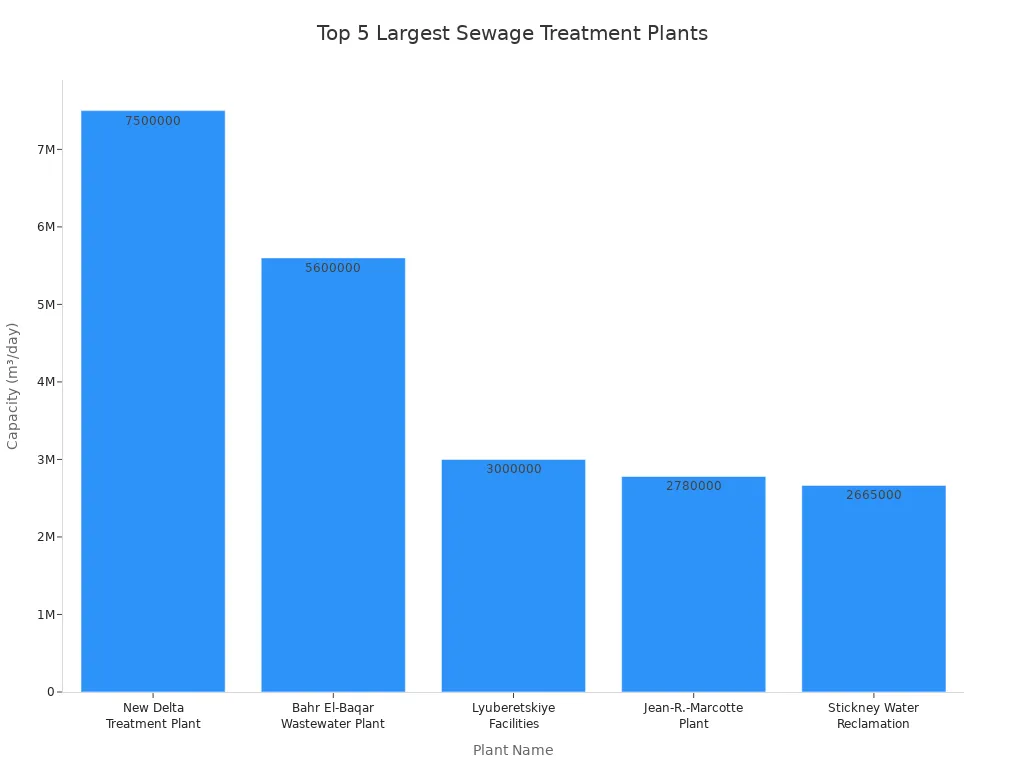
This large sewage treatment plant helps Egypt address water scarcity and supports sustainable agriculture.
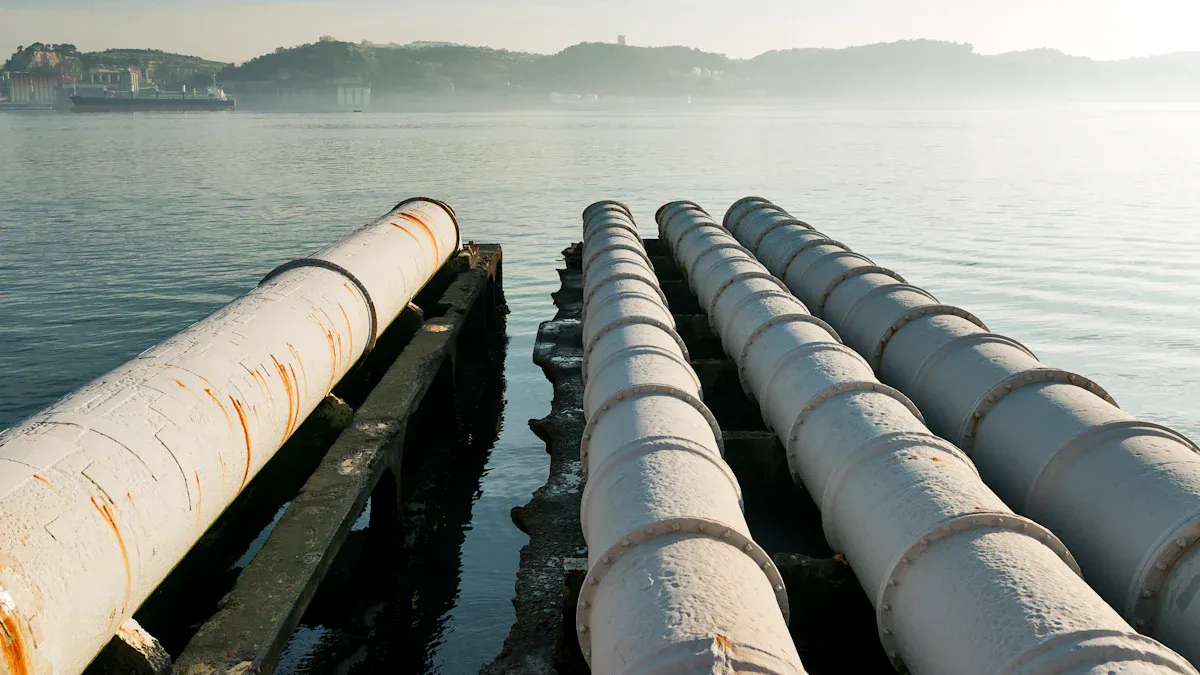
A large sewage treatment plant uses several steps to clean wastewater. The main treatment stages include physical, biological, and advanced processes. The table below shows how each stage works and what it removes:
| Treatment Stage | Description | Removal Efficiency |
|---|---|---|
| Primary Treatment | Physical removal of large solids and settleable matter through screening, grit removal, and sedimentation. | 50-70% TSS, 25-35% BOD |
| Secondary Treatment | Biological processes using microorganisms to degrade organic matter, typically through activated sludge or trickling filters. | 85-95% BOD, additional TSS reduction |
| Tertiary Treatment | Advanced polishing to remove remaining nutrients, fine particulates, and pathogens through filtration and disinfection. | Up to 99% BOD, 90-99% TSS, significant nutrient removal |
| Sludge Handling | Management of solid byproducts, including anaerobic digestion for energy recovery and stabilization. | Minimizes environmental impact |
Large sewage treatment plants serve millions of people in cities and regions. They handle huge amounts of wastewater every day. For example, some plants treat over 5 million cubic meters daily. This high capacity helps cities manage waste from homes, businesses, and industries.
These plants protect public health and the environment in many ways:
They reduce waterborne diseases by more than 90%.
They prevent pollution in rivers and lakes.
They remove extra nutrients, which stops harmful algae and protects fish.
Large sewage treatment plants help keep water safe for people and nature.
Many plants use new technologies to improve their work:
Membrane filtration systems, like nanofiltration and reverse osmosis, remove more contaminants.
Biological treatment methods, such as bioaugmentation, break down pollutants faster.
AI and automation monitor water quality and control processes, making plants more efficient.
Self-cleaning systems and compact designs reduce maintenance and fit into cities easily.
Large sewage treatment plants share advanced technologies and high capacities, yet each uses unique methods and serves different regions. These facilities protect public health and the environment by removing up to 99% of pollutants. Innovations like automation and nutrient recovery help cities reduce disease and safeguard aquatic life.
A large sewage treatment plant cleans wastewater. It protects public health. It keeps rivers and lakes safe for people and animals.
These plants remove harmful substances. They stop pollution. They help fish and plants survive in clean water.
| Technology | Benefit |
|---|---|
| Membrane Filtration | Removes tiny particles |
| Automation | Improves efficiency |
Modern plants use these technologies to clean water better.
Innovations in Heat Exchanger Manufacturing Boost Industrial Efficiency
New Materials Transforming Supply Chain for Heat Exchangers
Comprehensive 2025 Overview of Semi-welded Plate Heat Exchangers
Top Industry Experts Convene for 3-A SSI Hygienic Design Summit
Ways to Reduce Environmental Impact Using Plate Heat Exchangers

We provide you with comprehensive foreign trade solutions to help enterprises achieve global development

Choose Mejec and say goodbye to manual maintenance...
Designed for high-traffic public areas, the Mejec ...
.webp)
Mejec containerized seawater desalination system i...
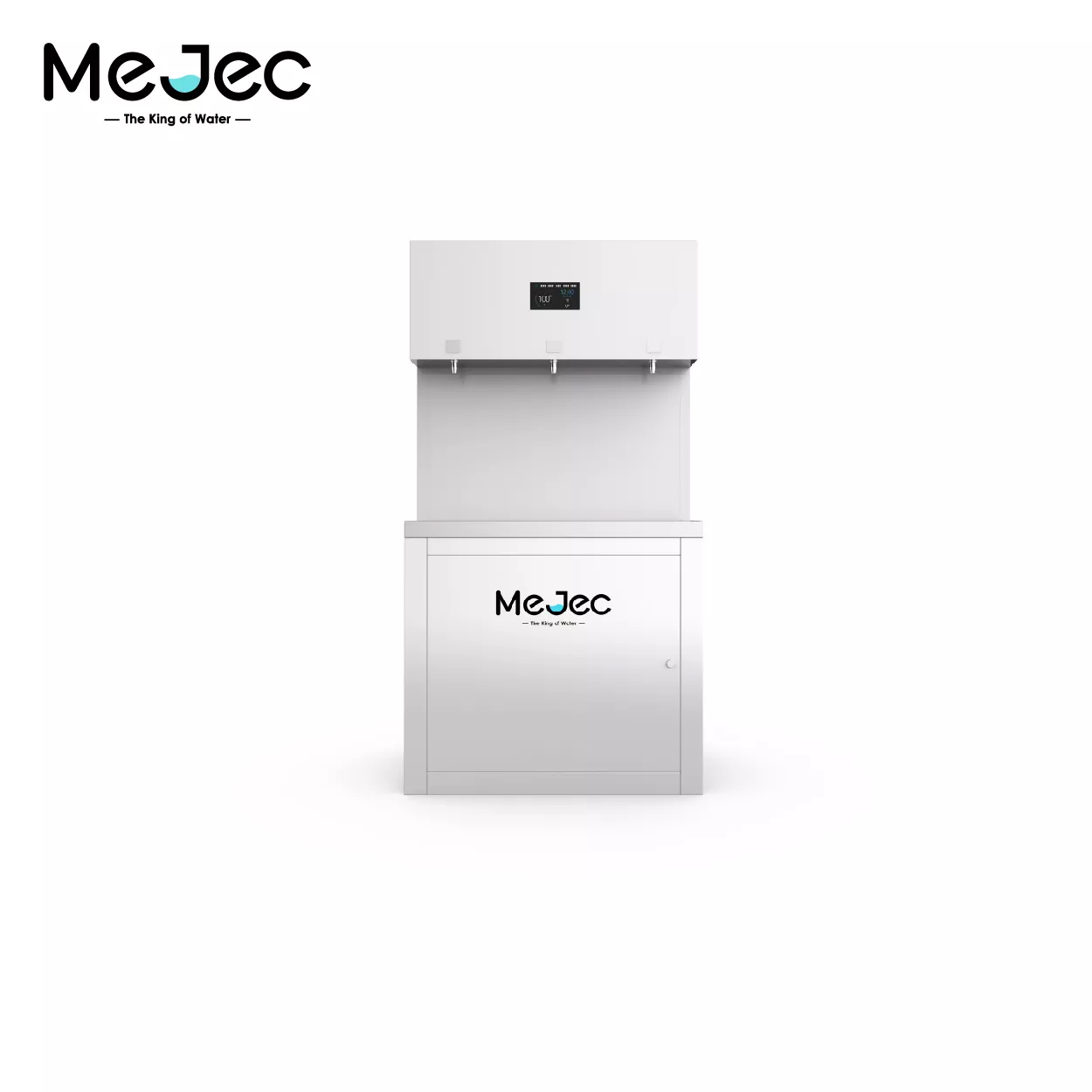
Upgrade your commercial hydration station with our...
Select the most popular foreign trade service products to meet your diverse needs
Select the most popular foreign trade service products to meet your diverse needs





User Comments
Service Experience Sharing from Real Customers
Michael Rodriguez
Plant Operations ManagerThe advanced membrane bioreactor system we installed has increased our treatment capacity by 30% while reducing energy consumption. The automated control panels are incredibly reliable for a plant of our scale.
Sarah Chen
Environmental EngineerAs the lead engineer for a major metropolitan plant, I appreciate the durability of the centrifugal blowers. They've handled continuous operation for over 18 months with minimal maintenance, crucial for our 24/7 flow requirements.
David Kowalski
Maintenance SupervisorThe sludge dewatering centrifuges have been a game-changer. They process high volumes efficiently, and the remote diagnostic feature allows for proactive maintenance, preventing costly downtime at our large regional facility.
Jessica Williams
Plant DirectorImplementing the comprehensive SCADA system transformed our operations. Real-time monitoring of all processes across our large plant ensures compliance and optimizes performance. The technical support team is exceptional.