


.webp)
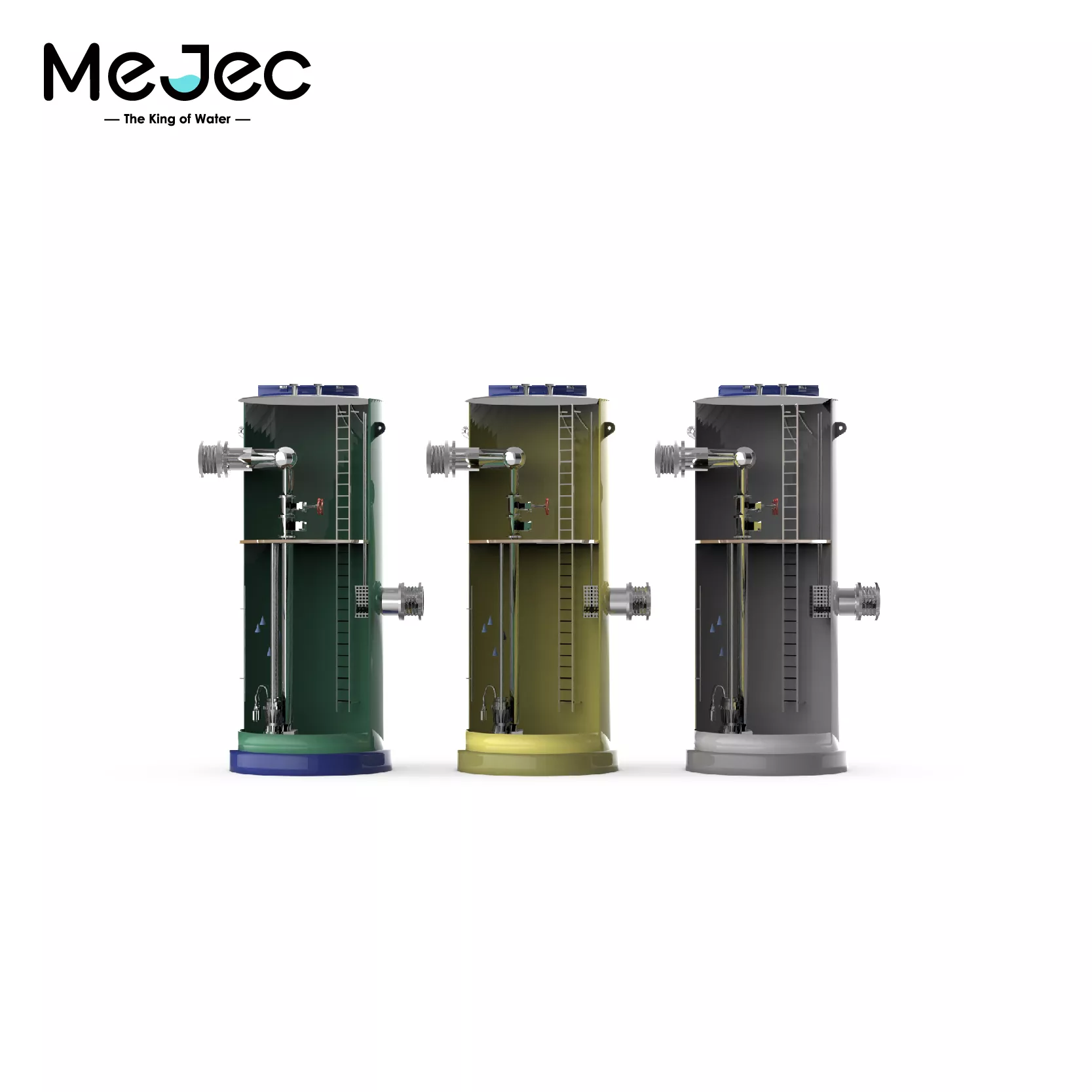

What is MBBR for sewage treatment plant?
MBBR sewage treatment plant uses biofilm carriers ...
More

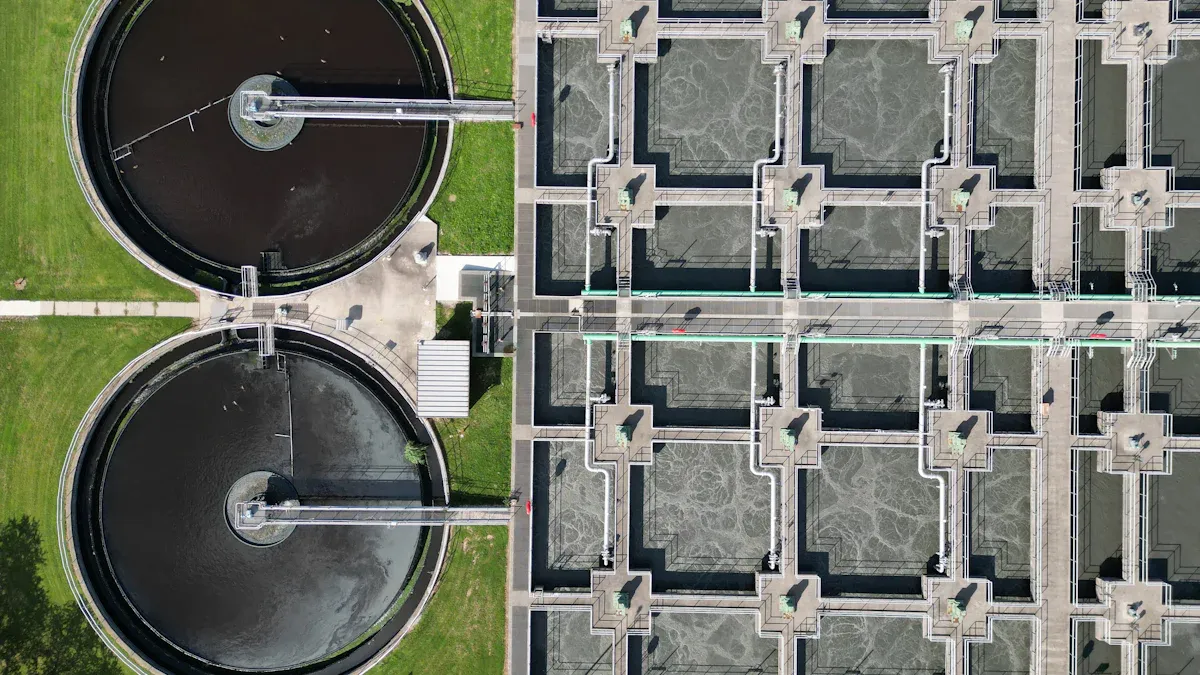
You see rapid changes in hotel sewage treatment plant technology as hotels focus on smarter and greener operations. Hotels now invest in digital monitoring, water recycling, and energy-efficient systems. The market is growing fast:
| Year | Market Size (in billion $) | CAGR (%) |
|---|---|---|
| 2025 | 271.74 | N/A |
| 2026 | 291.5 | 7.3 |
| 2030 | 392.82 | 7.7 |
Modern systems help you boost efficiency, meet tough regulations, and give guests cleaner water. Improved water treatment lowers maintenance costs and supports health-conscious travelers.
Invest in advanced sewage treatment technologies to improve water quality and reduce operational costs.
Utilize real-time data analytics and predictive maintenance to enhance system reliability and minimize downtime.
Choose modular and compact systems to easily adapt to your hotel's changing needs and save space.
You often face space limitations when planning a hotel sewage treatment plant. Many hotels, especially those in remote areas, cannot connect to central wastewater plants. You may need to use decentralized systems to solve this problem. Some modern solutions, like the Vulcan STP, use very little space. This makes them a good fit for hotels with limited land or tight building layouts.
Hotels in remote locations use decentralized treatment to avoid relying on distant central plants.
Compact systems like Vulcan STP fit into small spaces, helping you overcome area constraints.
You must keep up with new rules and standards for wastewater treatment. In 2026, hotels need to follow strict guidelines for measuring their environmental impact and making sustainability claims. The table below shows some of the main requirements:
| Standard/Requirement | Description |
|---|---|
| Environmental Footprint Measurement | Standardized measurement based on life-cycle analysis (PEFCR framework) |
| Sustainability Claims | Tighter rules requiring data and third-party verification for claims |
| Transparency Requirements | Stronger reporting under CSRD, no vague environmental marketing |
| Preparation Recommendations | Audit and verify claims, measure key metrics, adopt recognized certifications |
You should audit your systems, track key metrics, and use trusted certifications to stay compliant.
You need to balance the cost of upgrades with daily operations. Upgrading to advanced systems, like membrane bioreactor (MBR) technology, can save money over time. These systems use less energy and fewer chemicals. Onsite water reuse also helps you cut costs and supports global sustainability goals. These savings can offset the initial investment and improve your hotel's long-term performance.
MBR technology reduces energy use and chemical costs.
Onsite water reuse brings financial benefits and supports sustainability.
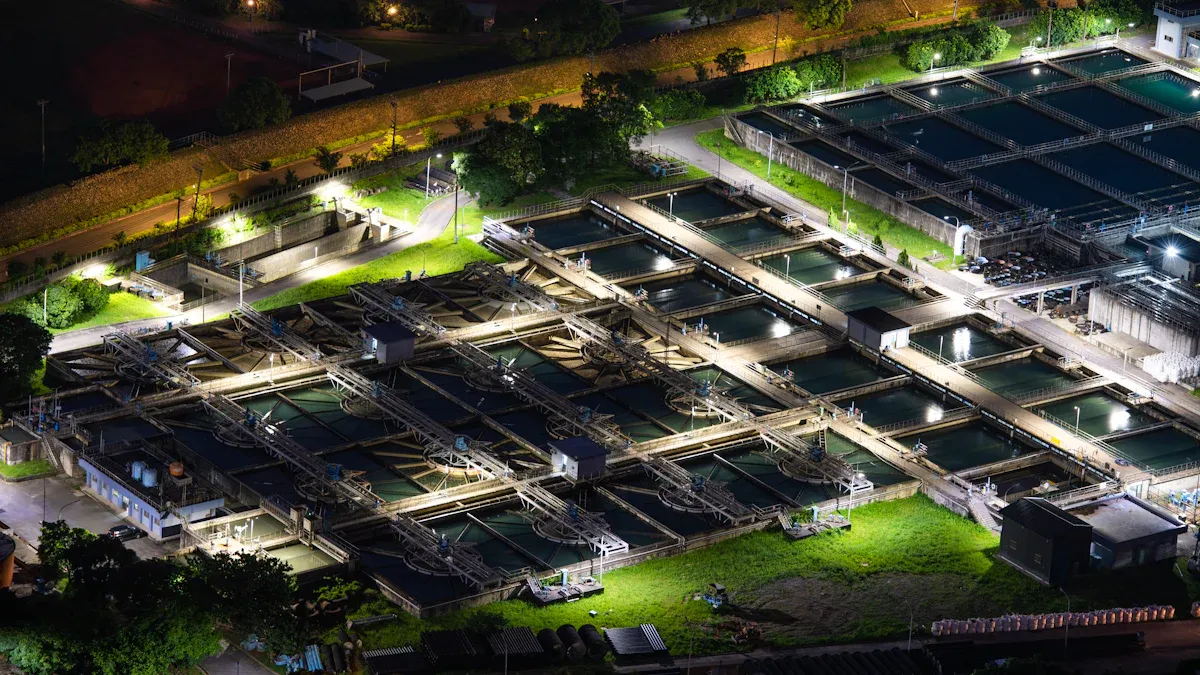
You can use real-time data analytics to track every stage of wastewater treatment. Sensors collect information about water quality, flow rates, and chemical levels. This data helps you spot problems before they grow. You see trends and patterns that guide your decisions. With instant alerts, you can act quickly if something goes wrong. Real-time analytics make your hotel sewage treatment plant more reliable and efficient. You also improve safety for your staff and guests.
Tip: Use dashboards to visualize data. This makes it easier for your team to understand and respond to changes.
You can avoid costly breakdowns by using predictive maintenance. Smart sensors and AI tools monitor equipment health. They warn you when a pump or filter needs attention. This helps you plan repairs before failures happen. Predictive maintenance brings big benefits:
You can see up to a 45% decrease in downtime events.
You may reduce maintenance costs by 30%.
Overall maintenance expenses can drop by 25-30%.
You can cut unexpected breakdowns by 70-75%.
You keep your hotel sewage treatment plant running smoothly. Guests enjoy a better experience because you prevent service interruptions.
Automated process control gives you steady results every day. The system adjusts itself to keep treatment levels safe and effective. You do not need to watch every step. Automation saves time and reduces errors. You also meet strict rules for water quality and safety.
| Evidence Type | Description |
|---|---|
| Automated Monitoring | Continuous monitoring of the treatment process to ensure optimal performance. |
| Advanced Treatment Tech | Utilizes efficient processes such as Membrane Bioreactors (MBR) for effective treatment. |
| Automated Controls | Integration of automation and monitoring systems for reliable operation. |
Modern hotel sewage treatment plant systems, like those from Unistar Aquatech, use automation to make operations easy. You get consistent performance with less manual work. This means you save time and use fewer resources.
You can improve your hotel's wastewater treatment by using high-efficiency membrane filtration. This technology is growing fast in the hotel industry. The market for hotel wastewater treatment is expected to reach $12.8 billion by 2030. This growth shows that more hotels want advanced solutions like membrane bioreactor (MBR) systems. MBR technology combines biological treatment with special membranes. These membranes separate clean water from solids and tiny organisms. You get better water quality and a smaller system that fits well in hotels with limited space. Many hotels choose MBR systems because they work well and save room.
You can lower your energy bills and reduce costs over time with advanced MBR systems. These systems use smart aeration methods that cut down on energy use. You also benefit from dynamic membrane structures. These structures help prevent clogging, so the system needs less cleaning and uses less power. Energy-saving devices inside the MBR system make the whole process more sustainable. Here are some ways MBR technology helps you save:
You use less energy because of optimized aeration.
You spend less on maintenance due to reduced membrane fouling.
You support green hotel operations with energy-saving devices.
You can reuse most of your treated water with modern MBR systems. Some hotels reuse up to 90% of their wastewater. This means you need less fresh water and save money. The treated water meets strict standards, with almost zero harmful substances left. Many hotels now aim for zero liquid discharge. This goal means no wastewater leaves the hotel, which helps protect the environment. The table below shows the main benefits you get from these systems:
| Benefit Type | Description |
|---|---|
| Water Reuse | Up to 90% reuse of treated wastewater, significantly reducing fresh water intake. |
| Water Quality | Treated water meets BOD at 0 mg/l and COD at 0 mg/l, indicating effective purification. |
| Economic Viability | Successful implementation of zero liquid discharge through proper monitoring and treatment systems. |
You can see that advanced MBR technology helps your hotel sewage treatment plant become more efficient, eco-friendly, and cost-effective.
You can choose plug-and-play packaged systems for your hotel. These systems make installation and operation much easier. You do not need a large space or long setup time. The compact design fits well in hotels with limited room. You also save money because you do not need much civil work. The table below shows how these systems help you:
| Feature | Description |
|---|---|
| Compact Design | Fits in small spaces, perfect for hotels |
| Reduced Installation Time | Quick setup and commissioning |
| Plug-and-Play Operation | Simple for you to use and manage |
| Easy Dismantling and Transport | Move or maintain the system with little effort |
Automated operations mean you do not need to check the system all the time.
The system works well even in tight spaces.
You can expand or reduce your hotel sewage treatment plant as your hotel grows or changes. Modular systems let you add or remove units based on your needs. This flexibility helps you avoid spending too much money at once. You can customize the system for small boutique hotels or large resorts. The table below shows the main advantages of decentralized and modular solutions:
| Advantage | Description |
|---|---|
| Cost-Effectiveness | Lowers your costs for building and transport |
| Scalability and Flexibility | Lets you expand or change the system easily |
| Environmental Benefits | Supports water reuse and cuts energy use |
| Improved Resilience | Keeps your system running during failures or bad weather |
| Faster Implementation | Lets you set up the system quickly, even in emergencies |
You can install and upgrade these systems quickly, which helps your hotel run smoothly. Fast installation means less time with noise or odors that could bother your guests. For example, one hotel faced problems with smells and noise during installation in a small basement. When they upgraded to a better system, water quality improved and guest comfort increased. You can avoid long disruptions and keep your hotel reputation strong.
Tip: Choose systems with ozone-based treatment to reduce odors and support your sustainability goals.
You can improve your hotel's efficiency by using integrated water and wastewater treatment systems. These systems combine advanced processes like AO, AAO, MBR, and MBBR. They remove harmful substances such as BOD5, COD, and ammonia. You get stable performance and easy maintenance. Many hotels choose these systems because they can be buried underground, which saves space and keeps green areas open.
| Component | Description |
|---|---|
| Treatment Processes | AO, AAO, MBR, MBBR, and others for effective wastewater treatment |
| Removal Efficiency | Removes BOD5, COD, and NH3-N |
| Advantages | Stable performance, low investment, automatic operation, easy maintenance |
| Applications | Hotels, hospitals, restaurants, and more |
| Environmental Impact | Minimal impact, can be buried underground for green space |
You also benefit from high water quality, lower costs, and better guest satisfaction.
| Benefit | Description |
|---|---|
| High Water Quality | Ensures water meets safety and quality standards, enhancing guest experience. |
| Reduced Operational Costs | Lowers expenses for water supply and wastewater management. |
| Sustainability through Water Reuse | Promotes recycling of water for non-drinking uses, reducing overall water consumption. |
| Compliance with Regulations | Helps you meet environmental standards and avoid penalties. |
| Flexibility in Demand Management | Adapts to changing water needs, ensuring efficient treatment during busy times. |
| Improved Guest Satisfaction | High-quality water and sustainable practices improve guest experience. |
You can recover valuable nutrients and energy from your hotel sewage treatment plant. Decentralized treatment lets you separate concentrated streams for nutrient recovery. This process supports sustainability and helps meet the demand for fertilizers. You can also use non-technological strategies, like working with stakeholders, to produce recycled fertilizers with low rejection rates.
| Innovation Type | Description |
|---|---|
| Decentralized Treatment | Uses separated streams for nutrient recovery, supporting sustainability and fertilizer demand. |
| SWOT Analysis | Reviews strengths, weaknesses, opportunities, and threats of nutrient recovery strategies. |
| Non-technological Strategies | Focuses on stakeholder acceptance and low rejection rates for recycled fertilizers. |
You can recycle water for non-potable uses and reduce your hotel's water consumption. Greywater recycling works well for toilet flushing, irrigation, and cooling towers. Advanced treatment methods, such as membrane filtration and UV disinfection, ensure the water meets quality standards.
| Evidence Type | Description |
|---|---|
| Greywater Recycling | Highly effective for non-potable uses, reducing overall water consumption. |
| Applications | Toilet flushing, irrigation, cooling tower make-up water. |
| Treatment Technologies | Membrane filtration and UV disinfection ensure quality standards are met. |
Tip: Use water recycling to save money and support your hotel's sustainability goals.
You can improve the quality of treated water in your hotel sewage treatment plant by using advanced oxidation processes. These methods use ozone, UV light, and hydrogen peroxide together. They break down organic pollutants and chemical residues that traditional systems often miss. You see better removal of contaminants, which means safer water for your guests and staff. This technology helps you meet strict water quality standards and keeps your operations running smoothly.
You support sustainability goals when you choose eco-friendly treatment methods. Advanced oxidation processes use powerful oxidants like hydroxyl radicals. These oxidants break down toxic and persistent organic pollutants. You find these pollutants in wastewater from spas and wellness centers. Hotels and resorts benefit from these methods because they treat resistant contaminants. You also help the environment by reducing your hotel's footprint.
You treat tough contaminants found in luxury resorts and wellness facilities.
You recover resources, such as water for irrigation, which supports sustainable hotel operations.
Tip: Use advanced oxidation processes to reclaim water for non-potable uses and reduce your reliance on fresh water.
You help your hotel support circular economy initiatives by using advanced oxidation processes. These methods let you reuse water and reduce the need for chemicals. You lower your environmental impact and meet water quality regulations. Guests appreciate your commitment to sustainability. You also improve customer satisfaction by providing clean water and eco-friendly services.
| Benefit | Description |
|---|---|
| Water Reuse | Enables recycling of treated water |
| Chemical Reduction | Minimizes use of harmful chemicals |
| Regulatory Compliance | Helps you meet water quality standards |
| Guest Satisfaction | Enhances your hotel's reputation |
You need to look at both the costs and the benefits before you choose a new hotel sewage treatment plant. Start by checking the capital cost, which is the money you spend to buy and install the system. Next, add the annual operating cost, which covers things like electricity, chemicals, and staff. You also save money by reusing treated water. The table below shows a sample cost and savings breakdown for a 100 KLD system:
| Description | Value |
|---|---|
| Capital cost (100 KLD) | ₹40 lakhs |
| Annual operating cost | ₹4.38 lakhs |
| Water saved annually | 25,550 KL |
| Savings at ₹330/KL | ₹84.31 lakhs |
| Net annual benefit | ₹79.93 lakhs |
| Payback period | 6 months |
You can see that the payback period is short. This means you recover your investment quickly.
You should pick a system that matches your hotel’s size. Boutique hotels often need smaller, modular systems. These systems let you add more units if your hotel grows. Large hotels may need bigger plants with higher capacity. Flexible designs help you avoid spending too much money at once. You can expand or upgrade your system as your needs change.
Tip: Choose a system that can grow with your hotel. This helps you save money and avoid future problems.
You must follow new rules for hotel sewage treatment plants in 2026. Many governments now require hotels to install these systems. You need to meet environmental laws and protect public health. The table below lists the main requirements:
| Regulatory Requirement | Description |
|---|---|
| Installation of STPs | Many governments require hotels to install sewage treatment plants. |
| Environmental Compliance | STPs help hotels follow environmental laws and avoid penalties. |
| Public Health Protection | Proper treatment prevents contamination and protects public health. |
You should check local laws and keep good records. This helps you stay compliant and avoid fines.

You can see how top hotels lead the way by using advanced systems in their hotel sewage treatment plant. Many properties now choose membrane bioreactor (MBR), sequencing batch reactor (SBR), or aerated lagoon technologies. These systems help you solve water challenges and improve guest satisfaction.
| Hotel/Resort | Technology Used | Benefits |
|---|---|---|
| Luxury Resort in Goa | 200 KLD MBR | 90% fewer guest complaints, full reuse of treated water for irrigation and HVAC |
| Star Hotel Chain | Modular SBR | Saved ₹ 8 Lakhs each year in municipal charges |
| Boutique Hill Resort | Aerated Lagoon | Lowered operational costs, achieved IGBC green certification |
You can measure the impact of these upgrades in many ways. Hotels report a big drop in Chemical Oxygen Demand (COD), from over 200 mg/L to below 50 mg/L. Biological Oxygen Demand (BOD) also falls from 30-40 mg/L to under 10 mg/L. You can cut operational costs by 20% because you use fewer chemicals and rely on automated monitoring. Treated water becomes safe for non-potable uses, such as toilet flushing and landscaping.
You save money and protect the environment.
You improve water quality for your guests and staff.
You learn important lessons from hotels that started early. Many see a return on investment in less than two years. You boost your eco-friendly image, which attracts more guests. You meet all pollution control rules and avoid fines. Staff work more safely because they do not handle harsh chemicals. You also reuse water for gardening and flushing, which helps conserve precious resources.
Note: Early adoption of advanced systems in your hotel sewage treatment plant can give you a strong advantage in sustainability and cost savings.
You can future-proof your hotel sewage treatment plant by choosing smart monitoring, advanced membranes, and modular systems. The table below shows top innovations for 2026. You should plan upgrades, train staff, and use digital twins to predict problems. These steps help you save money and protect the environment.
| Innovation Type | Benefit |
|---|---|
| Smart Monitoring | Cuts downtime and costs |
| Advanced Membranes | Improves water recovery |
| Modular Systems | Allows fast upgrades and scaling |
You can expand or reduce your system easily. This flexibility helps you match your hotel’s needs and save money.
You use less fresh water. You also lower your water bills and support your hotel’s sustainability goals.
You do not need many specialists. Modern systems use automation and smart monitoring, so your regular staff can manage daily operations.
Innovations in Heat Exchanger Manufacturing Boost Industrial Efficiency
Newly Developed Materials Transform Heat Exchanger Industry Supply
Comparing EHEDG Guidelines With 3A SSI Standards for Hygiene
A Comprehensive 2025 Guide to Semi-Welded Plate Heat Exchangers
Top Industry Experts Convene for 3-A SSI Hygienic Design Summit

We provide you with comprehensive foreign trade solutions to help enterprises achieve global development

Choose Mejec and say goodbye to manual maintenance...
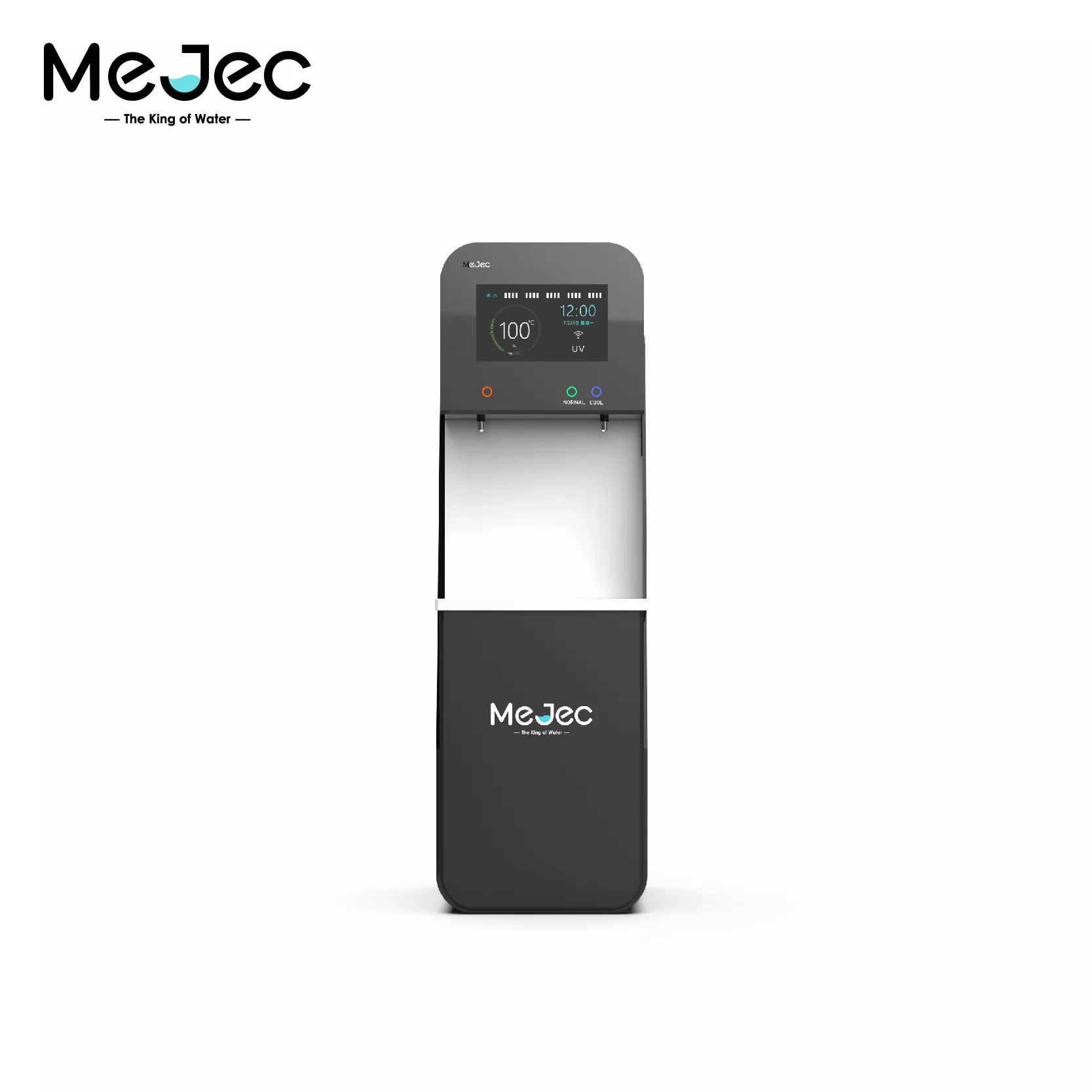
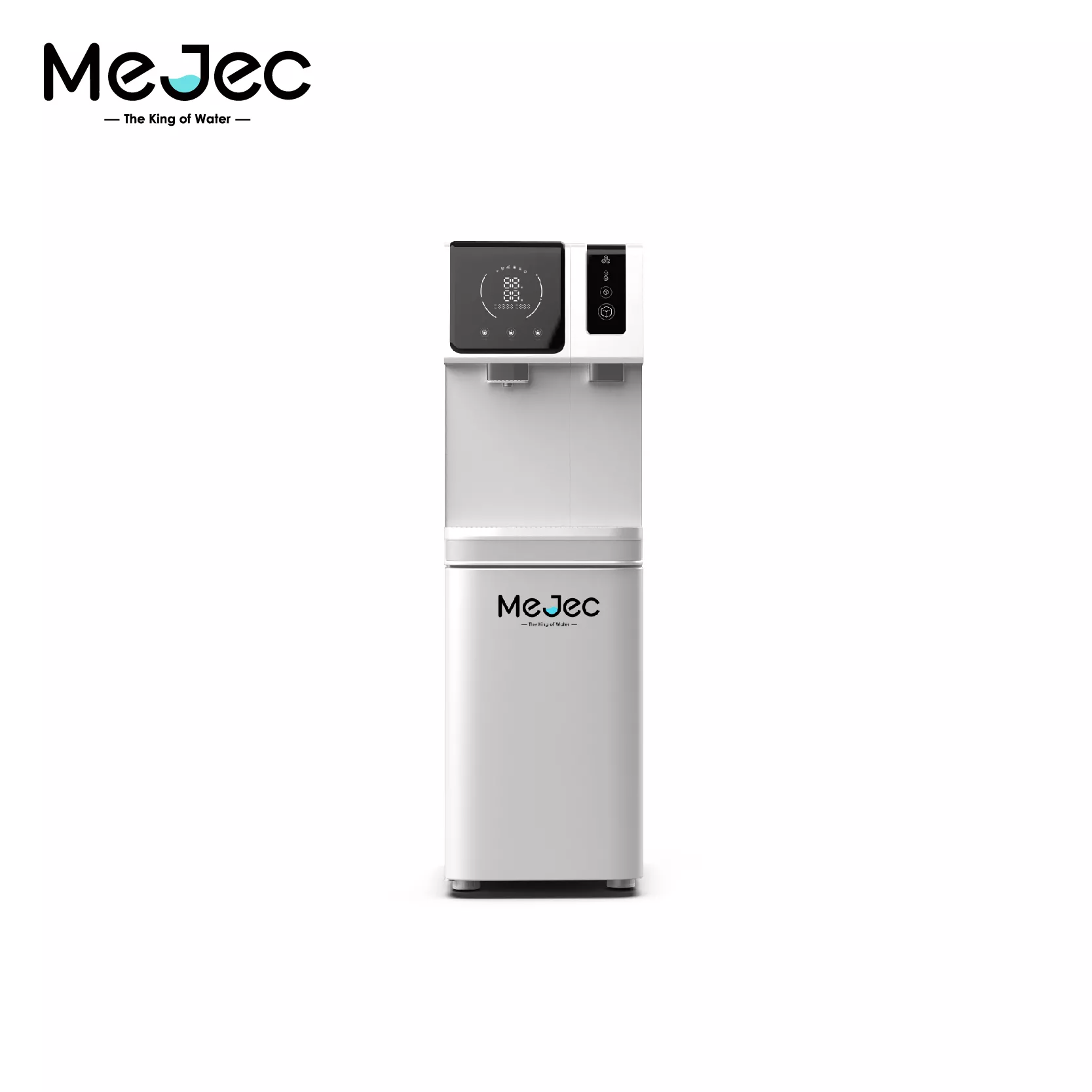
The Mejec Commercial Drinking Water Dispenser is d...
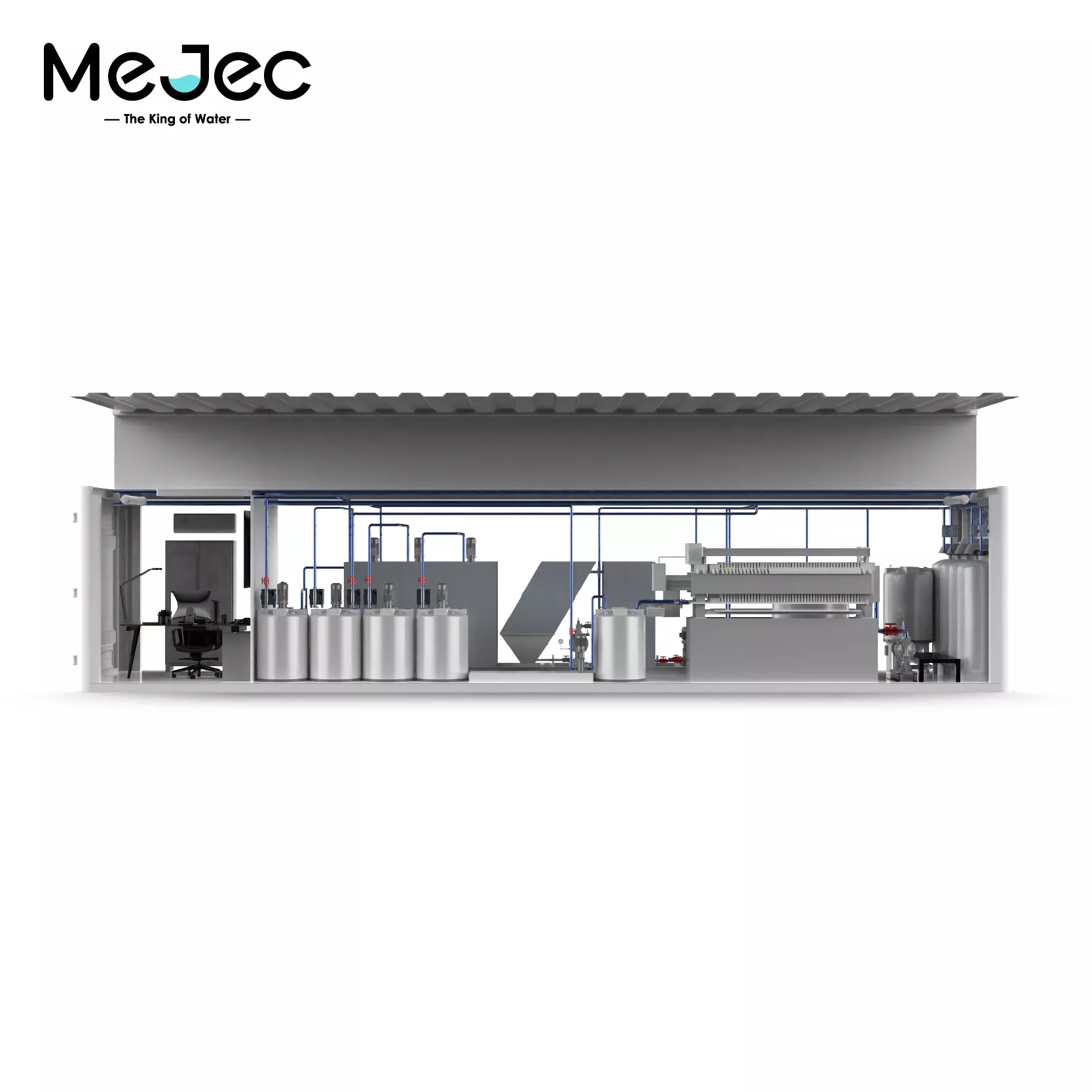
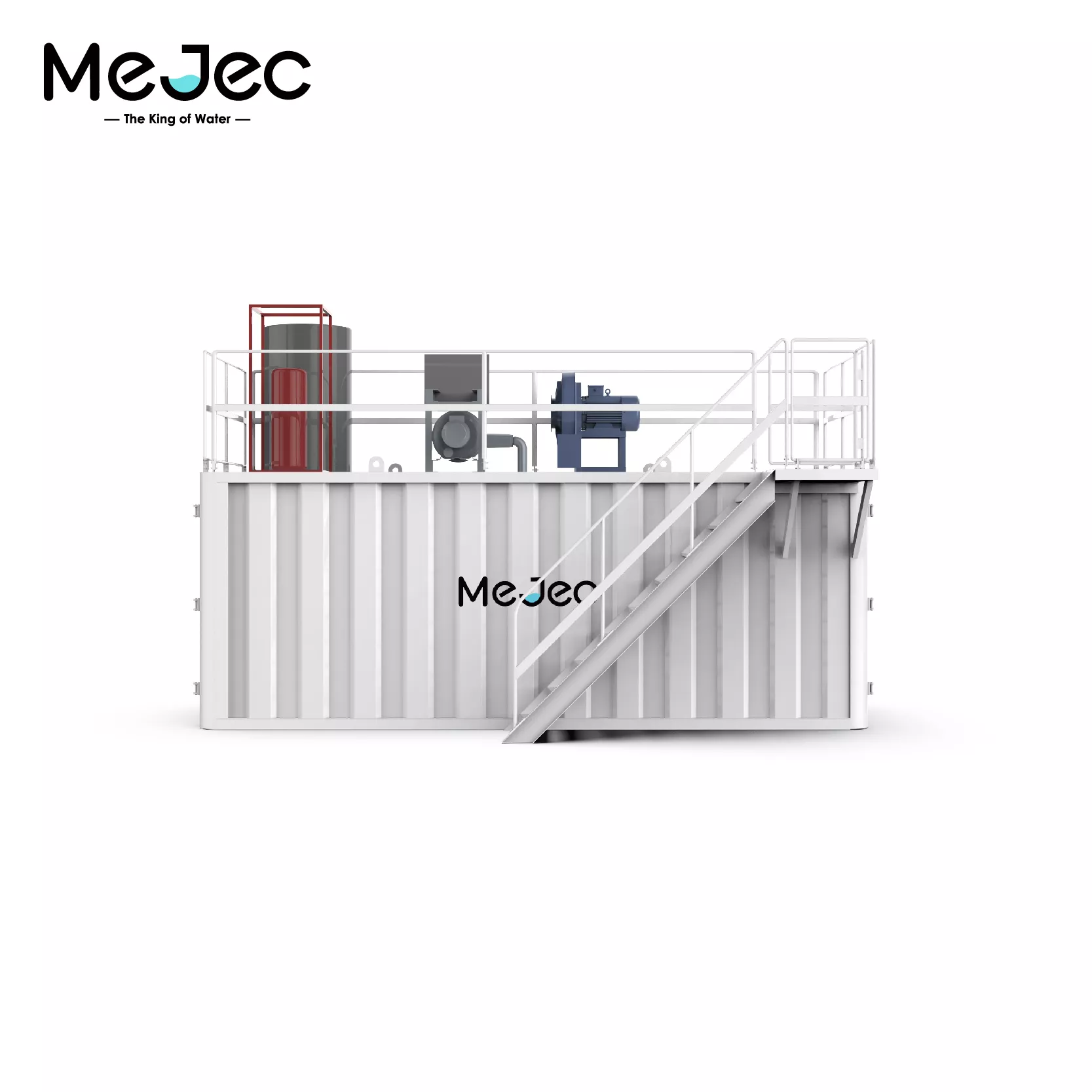
Mejec containerized wastewater treatment system ad...
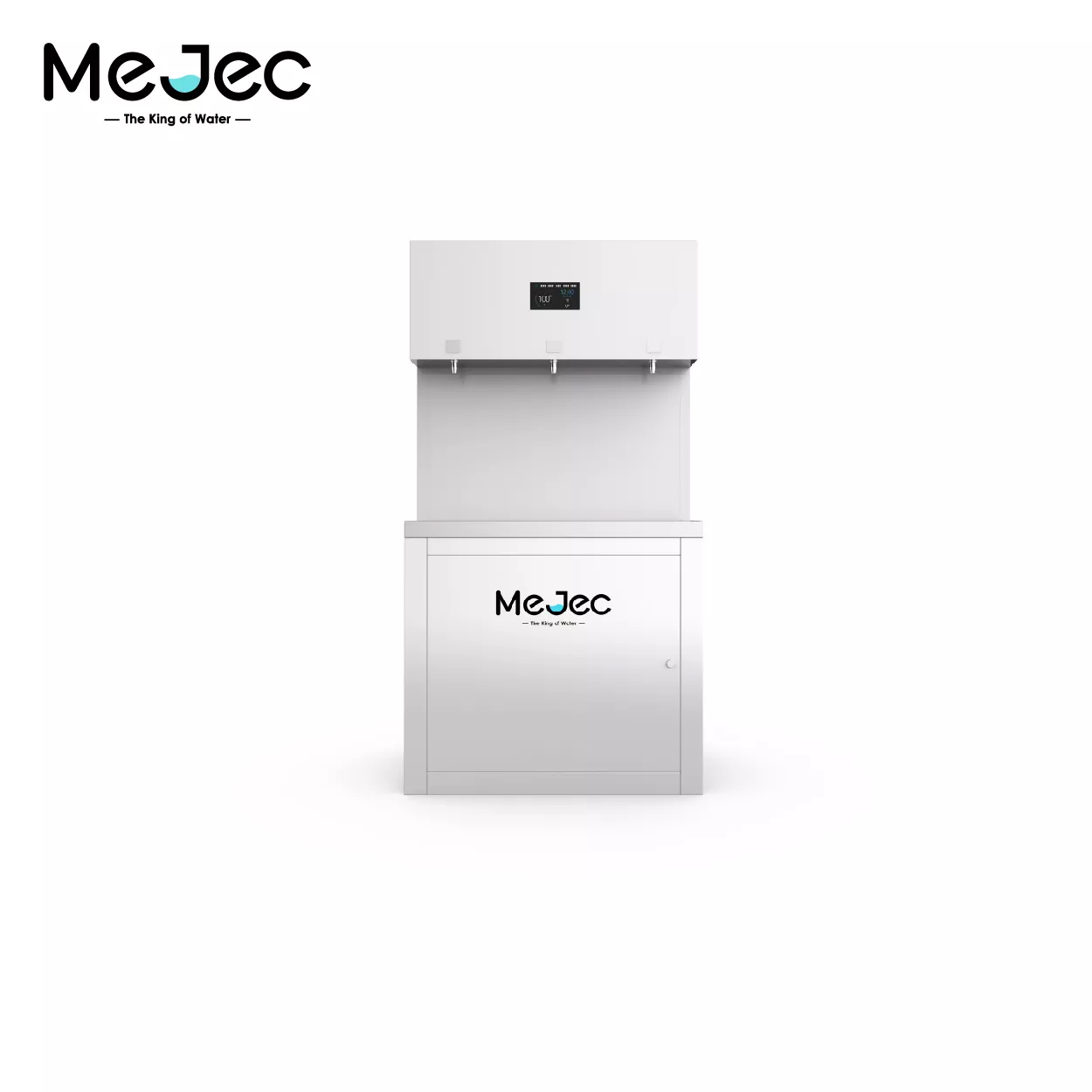
Upgrade your commercial hydration station with our...
Select the most popular foreign trade service products to meet your diverse needs
Select the most popular foreign trade service products to meet your diverse needs





User Comments
Service Experience Sharing from Real Customers
Michael Rodriguez
Hotel Operations ManagerThis sewage treatment plant has been a game-changer for our 200-room coastal resort. It's compact, odorless, and meets all environmental regulations effortlessly. The automated controls have reduced our maintenance labor by 60%. Highly recommended for any hospitality business.
Sarah Chen
Facility DirectorAs the director for a large hotel chain, I've overseen the installation of three of these plants. They are reliable, energy-efficient, and the customer support team is exceptional. The only minor point is the initial setup required precise planning, but the long-term performance is outstanding.
James Wilson
Chief EngineerAfter 25 years in hotel engineering, this is the most robust and efficient sewage treatment system I've worked with. It handles our peak season capacity without a hitch, and the water reuse feature for landscaping has significantly cut our utility costs. A solid investment.
Lisa Thompson
Eco-Resort OwnerFor our sustainable boutique eco-resort, finding an effective and environmentally sound treatment solution was critical. This plant not only processes all our wastewater to a high standard but also aligns perfectly with our green certifications. Our guests appreciate our commitment, and this system is the backbone of it.