


.webp)


How to choose the best commercial water dispensers for restaurants
Find the best commercial water dispenser for your ...
More

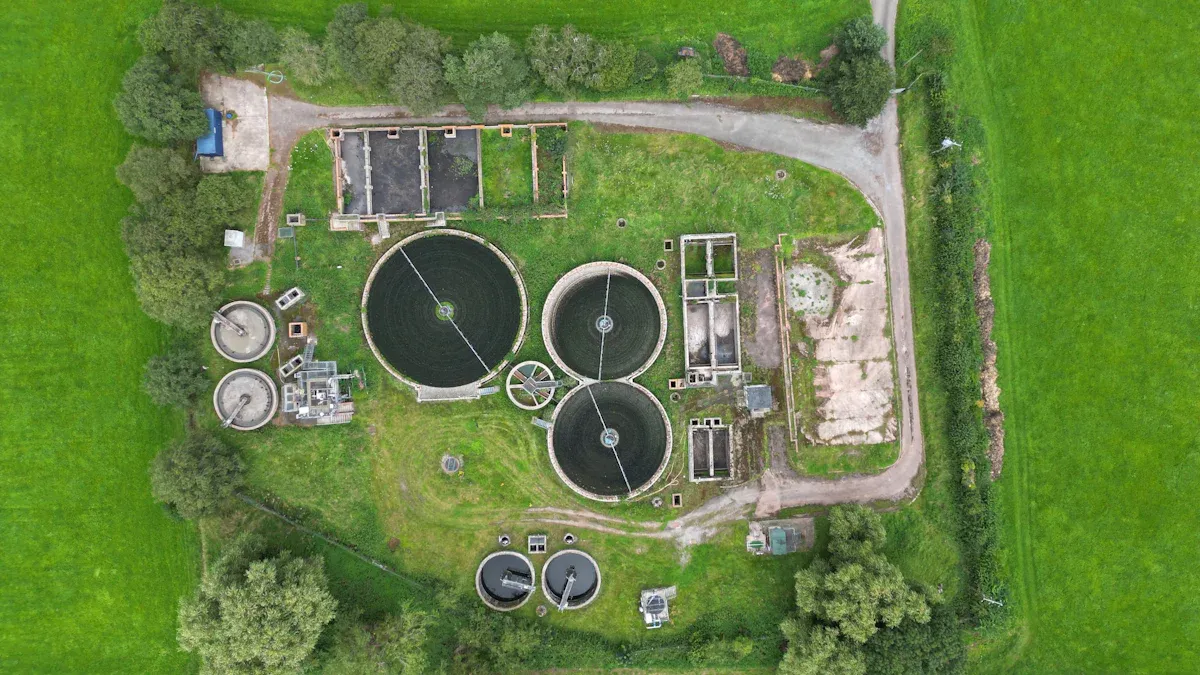
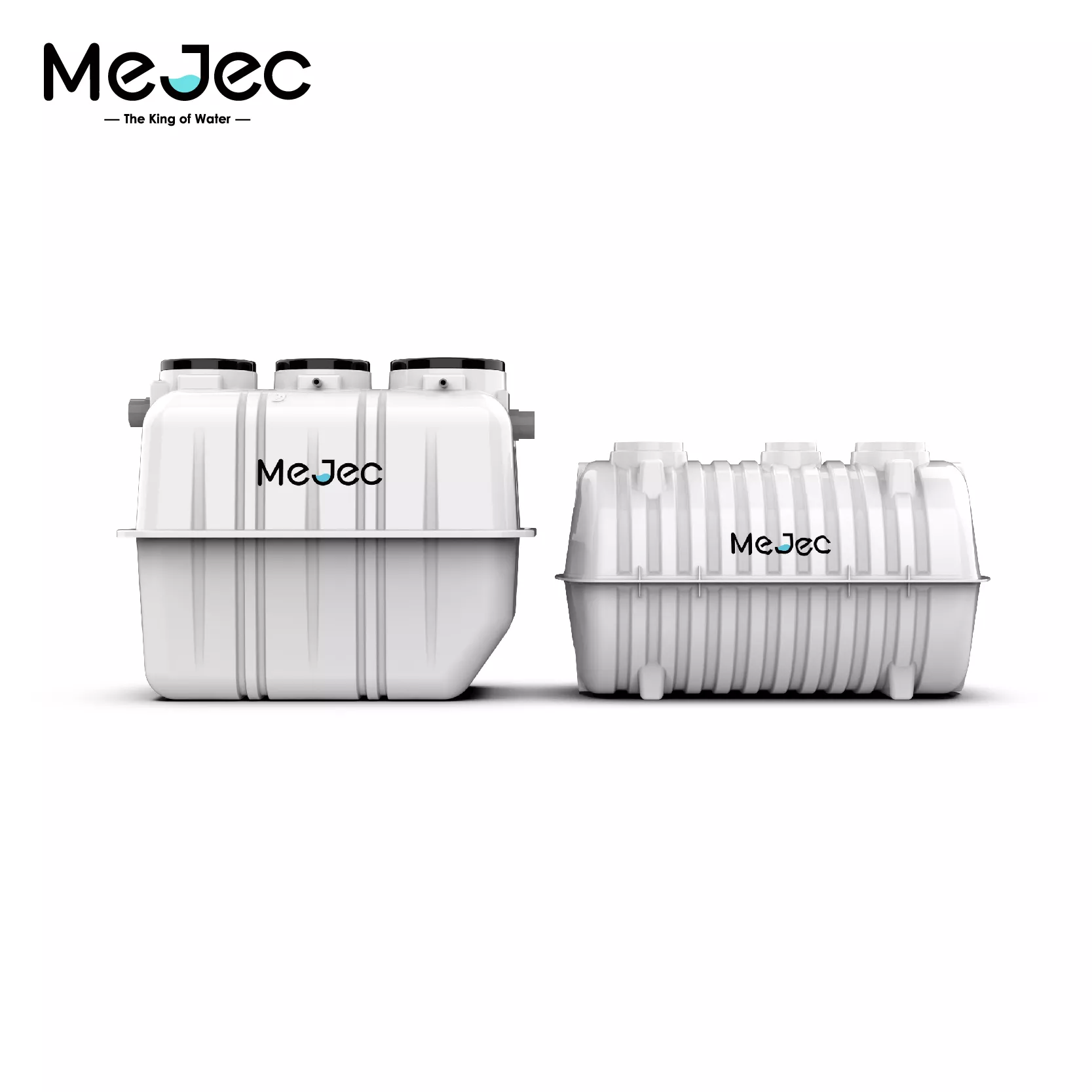
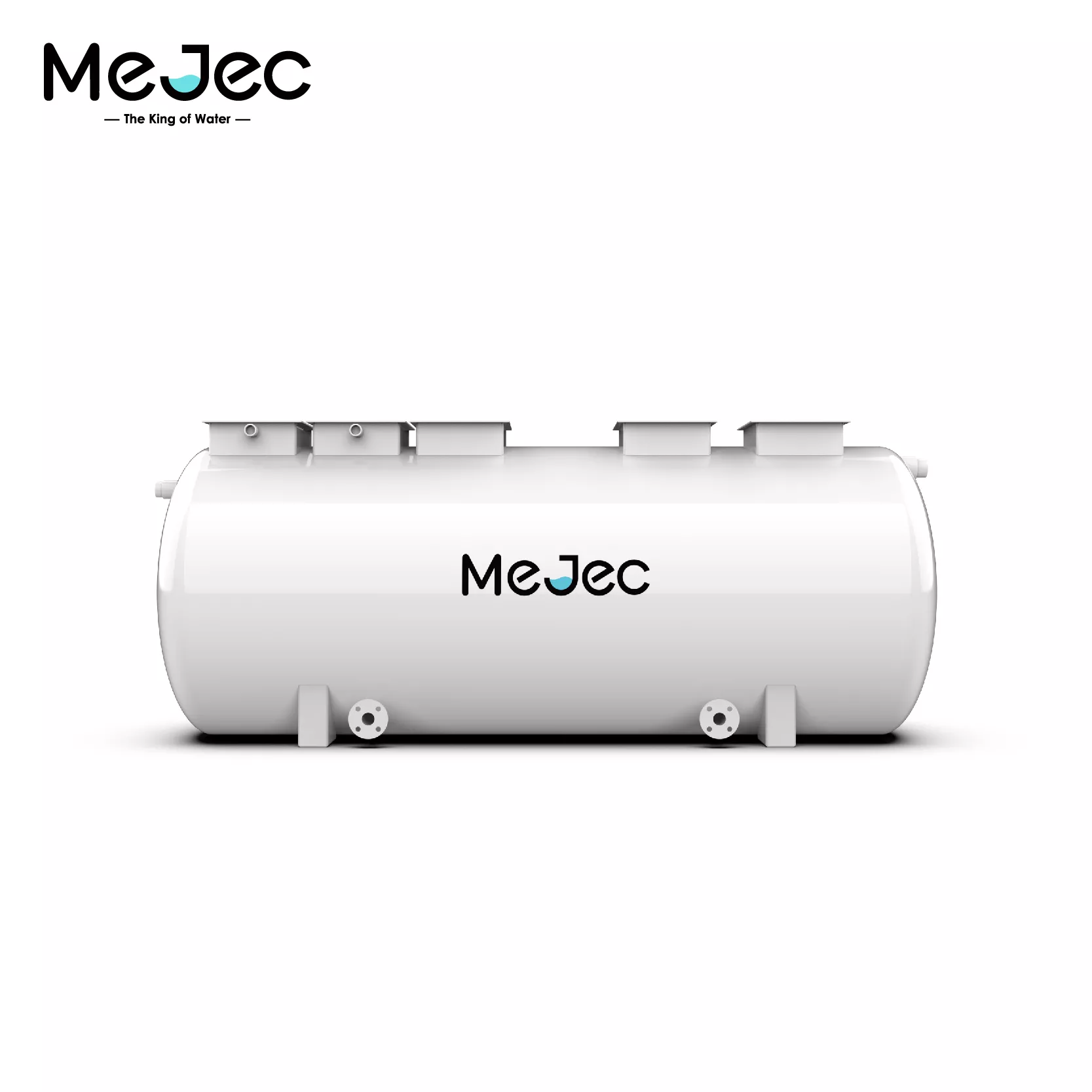
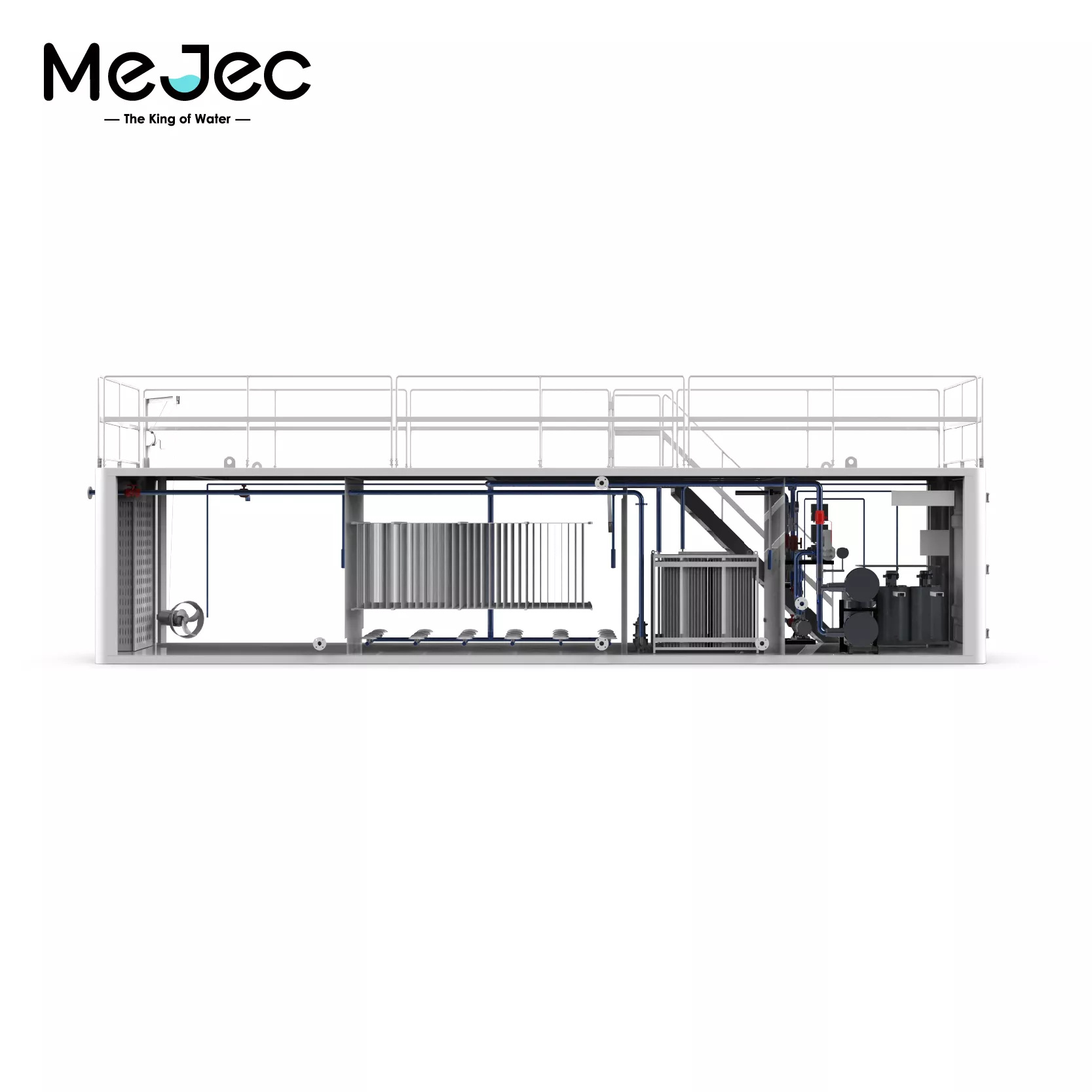
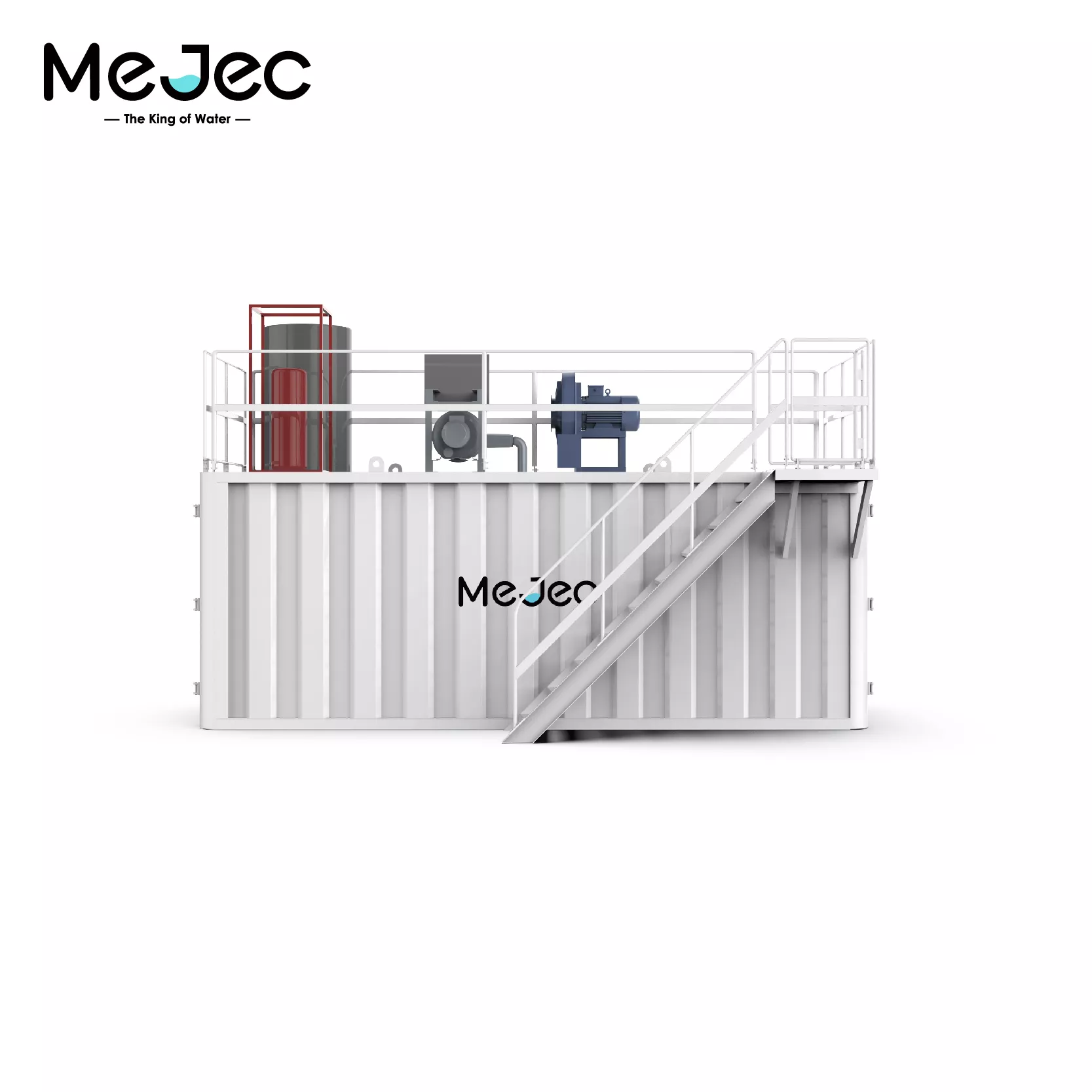
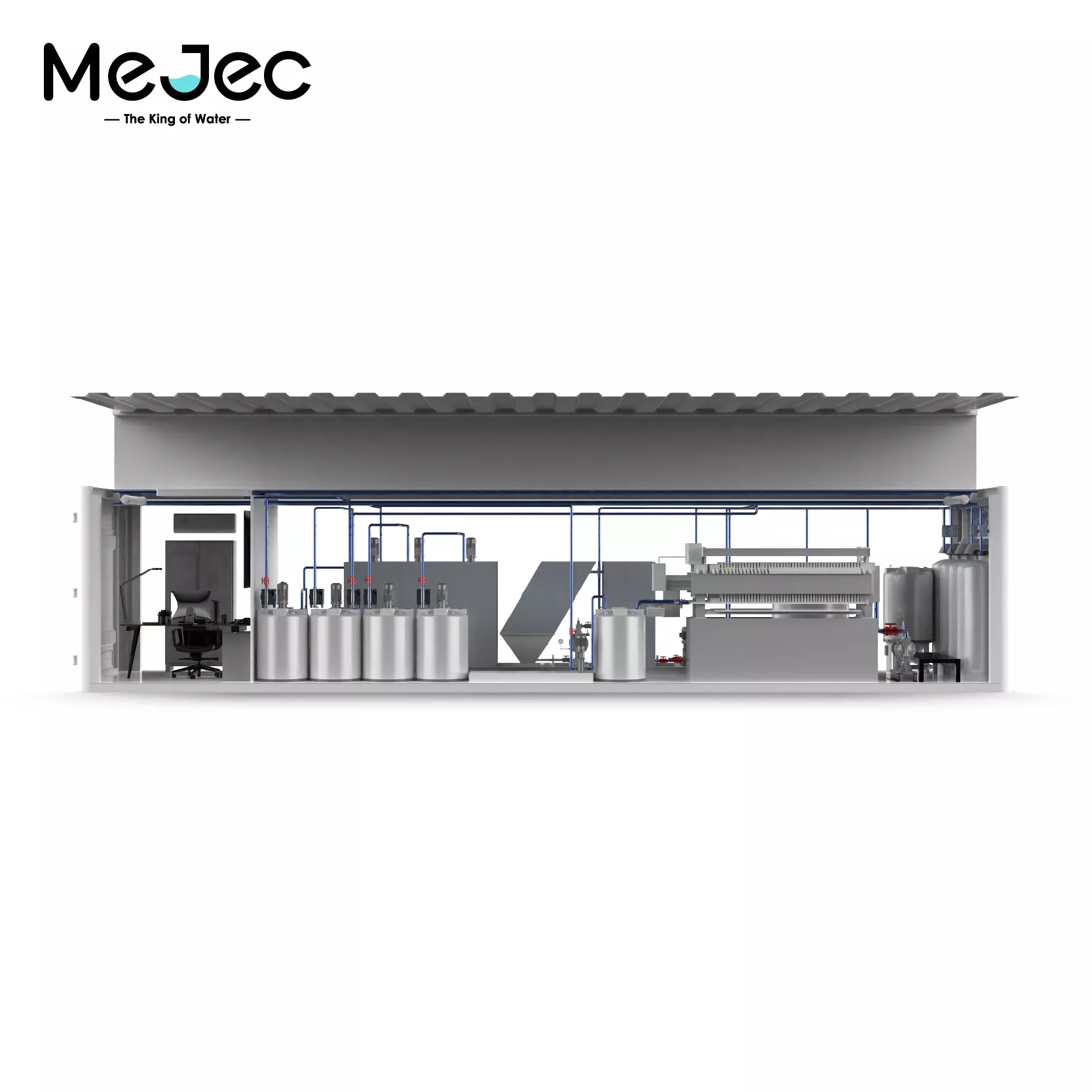
You see new technology change how you manage a mobile sewage treatment plant. These advances help you improve how you meet rules and save water. You stay ahead by learning about these changes. You make better choices for your team and your community.
Stay informed about regulatory changes to ensure compliance and protect public health. Understanding new rules helps you avoid penalties and improve water quality.
Utilize smart automation and IoT sensors for real-time monitoring. This technology allows you to detect issues early, reduce downtime, and save on maintenance costs.
Adopt modular designs for flexibility in deployment. Modular systems can be quickly set up and customized to meet specific site needs, enhancing efficiency and responsiveness.
You face new rules that shape how you operate a mobile sewage treatment plant. These rules focus on water quality, reuse, discharge, and emissions. You must follow stricter standards to protect the environment and public health. The table below shows the main regulatory changes in 2026:
| Regulatory Aspect | Description |
|---|---|
| Water Quality | Stricter regulations on the quality of treated water. |
| Reuse | Enhanced guidelines for the reuse of treated sewage. |
| Discharge | New limits on the discharge of treated effluents into water bodies. |
| Emissions | Tighter controls on emissions from mobile treatment plants. |
| Water Rights | Updated regulations regarding the rights to use water resources. |
| Incentives | Introduction of subsidies and tax credits for sustainable investments. |
| Noncompliance Risks | Increased penalties and risks associated with noncompliance, including fines and reputational damage. |
You also see differences in compliance across regions. The table below highlights how major regions approach these requirements:
| Region | Compliance Approach | Key Features |
|---|---|---|
| United States | Decentralized approach with baseline standards set by the EPA | States can impose stricter regulations, reflecting local environmental conditions and priorities. |
| European Union | Uniform standards enforced through the Water Framework Directive | Ensures consistency across member states, but may be challenging for diverse industrial landscapes. |
| China | Recently implemented strict wastewater regulations | Aims to combat severe pollution in rapidly industrializing areas. |
| Japan | Standards based on the intended use of the receiving water body | Unique approach that avoids blanket limits, focusing on specific environmental needs. |
You see water scarcity drive the need for mobile sewage treatment plant solutions. As the population grows, the demand for clean water rises. You use mobile systems to manage water more efficiently, especially in places with drought or poor infrastructure. These plants offer a quick way to treat and reuse water, helping you conserve resources.
Mobile sewage treatment plants help you manage resources in drought-prone areas. You can reuse treated wastewater for irrigation, which saves freshwater and supports agriculture. This approach gives you a reliable water source when traditional supplies run low.
You want to run your mobile sewage treatment plant with less cost and more efficiency. New designs and technologies help you meet operational demands. You save money by using systems that require less energy and fewer chemicals. You also reduce downtime and maintenance needs. These improvements let you deliver better service while protecting the environment.
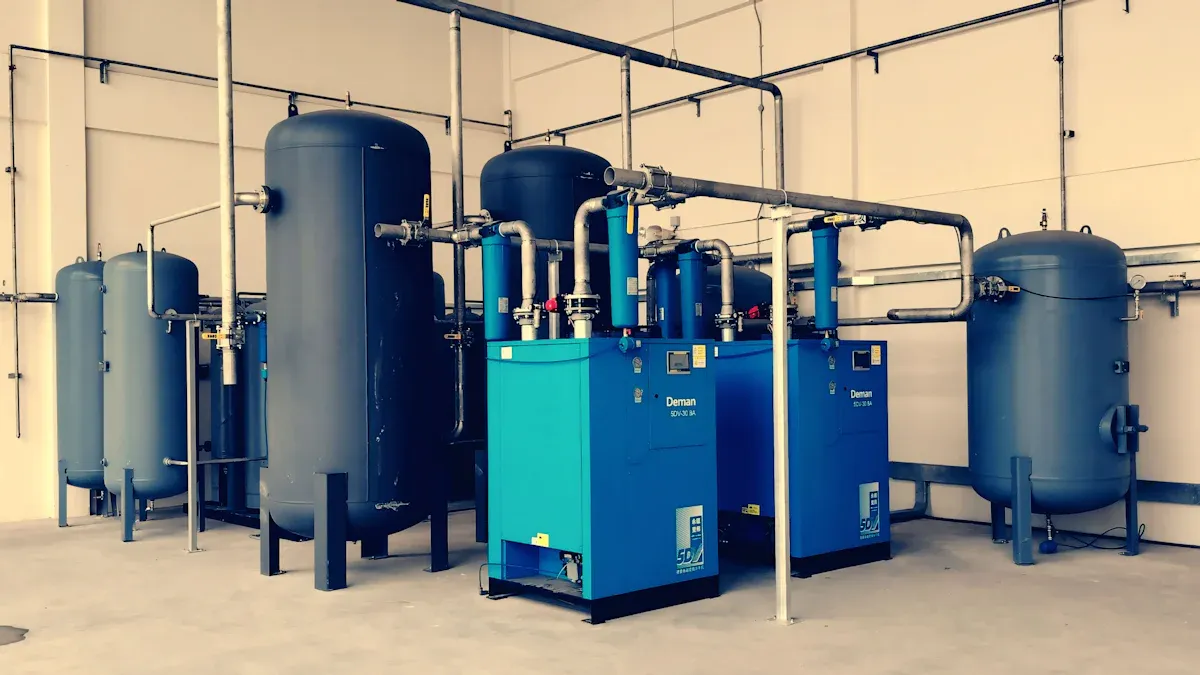
Smart automation changes how you manage a mobile sewage treatment plant. You use new tools to watch, control, and fix your systems faster and more accurately. These advances help you keep your plant running smoothly and save money.
You can use IoT sensors to track your plant’s performance every minute. These sensors collect data on water quality, flow rates, and equipment health. You see problems before they become serious. This helps you act quickly and avoid costly repairs.
You fix issues just before they fail, which lowers costs and keeps your plant running.
Fully digitized systems give you a complete view of your operations.
Real-time monitoring lets you track water quality and equipment status all the time.
Early detection of problems helps you make smart maintenance choices, so you have less downtime.
Proactive maintenance extends the life of your equipment and boosts efficiency.
Predictive maintenance schedules repairs only when needed, which means fewer surprises and lower costs.
Automated systems show you alerts and forecasts, so you can respond fast to emergencies.
You can spot harmful contaminants quickly and protect your community.
Tip: Real-time monitoring helps you make better decisions and keeps your plant safe.
Automated control systems help you run your plant with less effort. You use smart controls to adjust treatment steps, like aeration and chemical dosing, without guessing. These systems use data from sensors to make changes right away.
IoT technology lets you monitor and control your plant in real time, which saves energy and improves results.
Smart solutions give you precise control over aeration, dosing, and mixing. This means you treat water better and spend less on operations.
AI-driven systems adjust treatment steps as needed, so you do not have to make changes by hand. This keeps your plant in line with environmental rules.
Automation reduces mistakes that can happen when people do tasks by hand.
Routine jobs and data collection happen automatically, so you can focus on bigger problems.
You get more accurate results and keep your process steady.
Better accuracy means higher productivity and fewer errors.
The industry needs clear records and reliable results, so investing in advanced controls makes sense.
Remote troubleshooting lets you solve problems without being on site. You can check your plant’s status, get alerts, and fix issues from anywhere. This saves time and money, especially when you need to act fast.
| Capability | Description |
|---|---|
| Remote Monitoring Systems | You watch your plant’s processes all the time, so you can step in quickly if something goes wrong. |
| Telemetry | You send and receive data in real time, which helps you control your plant from a distance. |
| Integration of Control Systems | You connect different systems, making your whole operation work better together. |
You use trend analysis to spot problems before they happen.
You control your systems from afar, so you can act fast.
Real-time analytics give you instant feedback on how your plant is doing.
Alarm notifications warn you about issues before they get worse.
Automated reporting makes it easier to follow the rules and show you are in compliance.
| Evidence Type | Description |
|---|---|
| Predictive Maintenance Efficiency | Predictive maintenance can boost productivity by about 25%. |
| Breakdown Reduction | It can cut breakdowns by 75%, so your plant runs better. |
| Cost Savings | You can lower maintenance costs by 25-30% with proactive strategies. |
Note: Remote troubleshooting helps you keep your mobile sewage treatment plant running with less downtime and lower costs.
You can use digital analytics to make your mobile sewage treatment plant work better. These tools help you collect and study data from your plant. You see how your system performs every day. You find patterns and spot problems early. This helps you make smart choices that improve your results.
Many operators use special tools to analyze data. The table below shows two popular options and what they do:
| Tool Name | Features | Purpose |
|---|---|---|
| XYZ Analytics | User-friendly interface, data import, cleaning, regression analysis | Data analysis and uncovering relationships |
| ABC Insights | Predictive modeling, machine learning algorithms | Forecasting wastewater treatment performance |
You can use these tools to track water quality, energy use, and chemical dosing. You see where you waste resources and where you can save money. You also use data to plan upgrades and meet new rules. When you use analytics, you make your plant safer and more reliable.
Tip: Try using simple dashboards to see your plant’s data at a glance. This helps you act fast when something changes.
You can keep your mobile sewage treatment plant running longer with predictive maintenance. This means you watch your equipment all the time and fix things before they break. You use sensors and data to check pumps, aerators, and filters. You get real-time updates on how your machines work.
Here is how predictive maintenance helps you:
You monitor important parts like pumps and filters all the time.
You get real-time information about equipment health.
You avoid sudden failures by fixing things during planned downtime.
You use advanced tools to spot early signs of wear or problems.
You look for unusual patterns in the data.
You fix issues before they cause big trouble.
When you use predictive maintenance, you cut down on unplanned outages. You also save money because you do not need to fix things as often. The tables below show how much you can gain:
| Benefit | Measurement |
|---|---|
| Reduction in unplanned downtime | Up to 50% |
| Lower maintenance costs | 10-40% |
| Improvement in operational efficiency | Significant improvement |
| Benefit | Measurement |
|---|---|
| Maintenance cost reduction | 25-30% |
| Downtime reduction | 35-45% |
| Productivity improvement | Higher throughput without capital spend |
You can also forecast when something might fail. This lets you plan repairs and keep your workflow smooth. Your team works better and your plant stays safe.
You must show that your mobile sewage treatment plant follows all rules. Digital analytics make this easier. You collect data automatically and create reports with just a few clicks. You do not need to write everything by hand.
You use digital tools to track water quality, chemical use, and energy. You store records safely and share them with inspectors when needed. This helps you avoid fines and keeps your plant in good standing.
Note: Automated reporting saves you time and reduces mistakes. You can focus on running your plant instead of filling out paperwork.
You also use analytics to spot trends in your data. You see if your plant meets new standards. You can fix problems before they become serious. This keeps your community safe and your plant running well.
You can choose modular designs to fit your needs. These systems let you add or remove units as your requirements change. You see how flexible deployment helps in many areas. The table below shows the benefits for different applications:
| Application Area | Benefits |
|---|---|
| Rural and Remote Community Wastewater | Quick, cost-effective local treatment; easy installation and maintenance. |
| Emergency and Temporary Installations | Rapid deployment minimizes environmental impact during disasters. |
| Industrial Wastewater Treatment | Customizable to meet specific contaminant regulations, enhancing compliance. |
| Construction Site Wastewater Management | Effective temporary treatment solutions for contaminated wastewater on-site. |
| Resource Recovery and Reuse Initiatives | Supports sustainability by turning wastewater into valuable resources like biogas and reclaimed water. |
You see real-world examples of flexible deployment:
A rural community in Southeast Asia improved public health by using modular units.
Coastal regions managed flood wastewater quickly with modular systems.
A manufacturing plant in Europe reduced pollutants by integrating modular solutions.
You want to set up and move your plant fast. Modular systems help you do this with less effort. You can deliver and install a unit in less than a month. The table below shows how quick the process is:
| Aspect | Time Required |
|---|---|
| Delivery and Installation | Less than a month |
| Commissioning Time | Significantly reduced with biomass introduction |
Tip: Rapid setup means you can respond to emergencies or changing needs without delay.
You can customize your mobile sewage treatment plant to solve unique challenges at each site. Tailored solutions help you meet local discharge standards and optimize treatment for specific contaminants. You get better results and stay in compliance with local rules. Customization lets you adjust processes to match the wastewater you treat, making your plant more effective.
You can use advanced technologies to control chemical dosing in your plant. These tools help you add the right amount of chemicals at the right time. The table below shows some of the most common systems you might use:
| Technology Type | Function |
|---|---|
| Smart Sensors | Provide real-time water quality measurements for accurate dosing. |
| SCADA Systems | Enable remote monitoring and control of treatment processes. |
| Programmable Logic Controllers | Automate chemical dosing adjustments based on feedback loops. |
| IoT-enabled Monitoring | Offers insights into system performance and allows for rapid response to changes in water quality. |
| Automated Dosing Systems | Ensure precise chemical dosing for coagulation, disinfection, and pH control. |
These systems work together to keep your treatment process steady and reliable.
You can improve the quality of water leaving your plant by using automated dosing. For example, when you use KemConnect® P, you can cut ferric sulfate use by 15%. You also see phosphate levels drop because the system adjusts dosing based on real-time data. Ammonium levels in the final water can fall from 2.3 mg/l to 1.2 mg/l. This means your plant removes more pollution and protects the environment.
The table below shows how much you can reduce harmful substances:
| Pollutant Type | Influent Level (mg/L) | Effluent Level (mg/L) | Reduction (%) |
|---|---|---|---|
| Ammonia | 27 | <0.05 | >99 |
| BOD | 230 | 4.5 | 98.04 |
| Total Suspended Solids | 104 | 5.3 | 94.88 |
| Total Nitrogen | 32 | 11 | 65.63 |
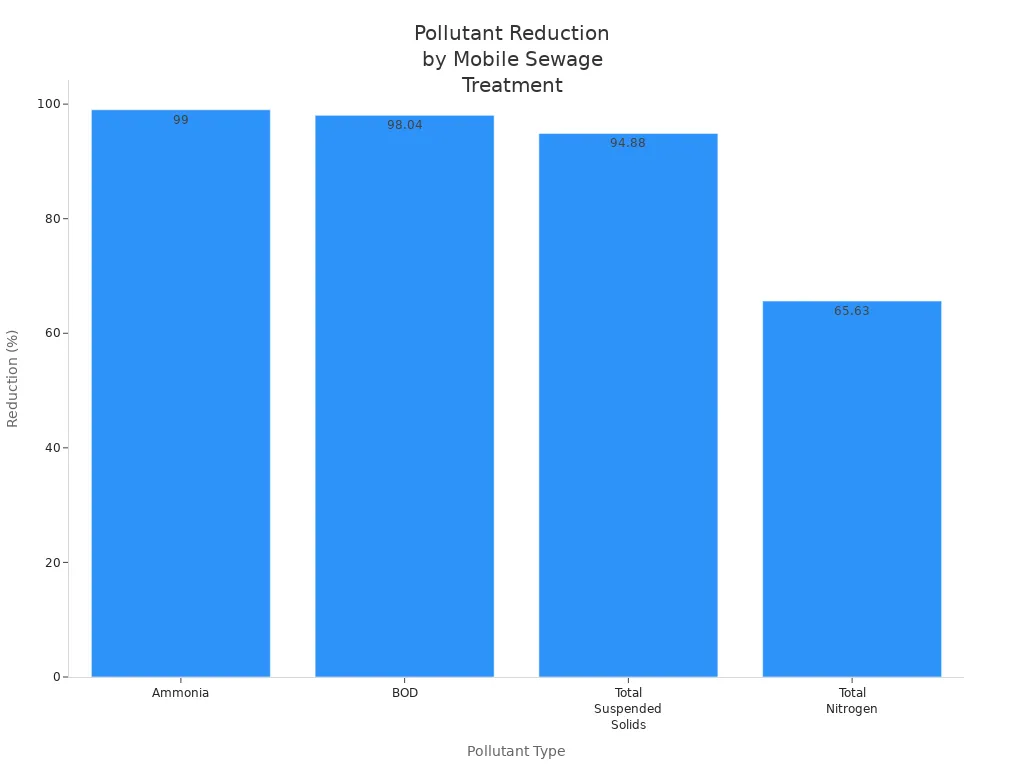
You can save money by using chemicals more efficiently. Automated systems help you use only what you need. You can analyze data to find ways to cut energy and chemical use. This reduces waste and lowers costs. Quality feed pumps and accurate sensors make dosing more precise. You spend less on chemicals and labor. You also avoid mistakes that can happen with manual dosing.
Tip: Using automation for chemical dosing helps you run your mobile sewage treatment plant more efficiently and protects your budget.
You should start by looking at what your facility needs most. Make a checklist of your main goals. Do you want to save water, lower costs, or meet new rules? Write down your biggest challenges. You can use a simple table to help you decide what to focus on first:
| Priority Area | Current Status | Improvement Needed | Importance (High/Medium/Low) |
|---|---|---|---|
| Water Quality | Good | Yes | High |
| Energy Use | Average | Yes | Medium |
| Compliance | Needs Work | Yes | High |
This table helps you see where to start. Pick the most important areas and look for new solutions that fit your needs.
You can add new tools to your mobile sewage treatment plant step by step. Test one system at a time. For example, try using smart sensors before adding full automation. Watch how each change works. Ask your team for feedback. If something does not work well, adjust your plan. This way, you avoid big problems and learn what works best for your site.
Tip: Start small and build up. This helps you manage costs and reduce risks.
You need to help your team learn new skills. Set up short training sessions. Use easy guides and hands-on practice. Show your staff how new systems make their jobs easier. Answer questions and listen to concerns. When your team feels ready, they will use new technology with confidence.
You can also reward staff who learn quickly or help others. This builds a positive attitude toward change.
You improve sustainability and compliance when you adopt the latest trends in mobile sewage treatment plant technology. New tools like blockchain, smart contracts, and machine learning help you meet rules and lower costs. See how these innovations support your goals:
| Technology | Benefit |
|---|---|
| Blockchain Technology | Enhances transparency and traceability in carbon credit transactions, improving compliance. |
| Smart Contracts | Automates transactions related to carbon credits, reducing costs and facilitating new business models. |
| Monitoring, Reporting, and Verification (MRV) | Provides real-time data on emissions, ensuring regulatory compliance and enabling emissions reduction strategies. |
| Machine Learning | Optimizes processes by analyzing complex datasets, leading to improved treatment efficacy and reduced operational costs. |
You stay competitive when you use these advances.
A mobile sewage treatment plant is a system you can move to different sites. You use it to treat wastewater quickly and efficiently.
Smart sensors give you real-time data. You spot problems early and keep your plant running smoothly. You save money and protect the environment.
Yes, you can. You choose modules and features that fit your needs. This helps you meet local rules and treat specific types of wastewater.
Innovative Materials Transforming Heat Exchanger Availability Today
Best Precoating Solutions for Filtration Systems This Year
Ways to Reduce Environmental Impact Using Plate Heat Exchangers
Advancements in Heat Exchanger Manufacturing Boost Industrial Efficiency
Understanding the Advantages of Commercial Heat Exchangers This Year

We provide you with comprehensive foreign trade solutions to help enterprises achieve global development
Designed for high-traffic public areas, the Mejec ...
Mejec Scavenger Household Sewage Treatment Plant (...
Upgrade your commercial hydration station with our...
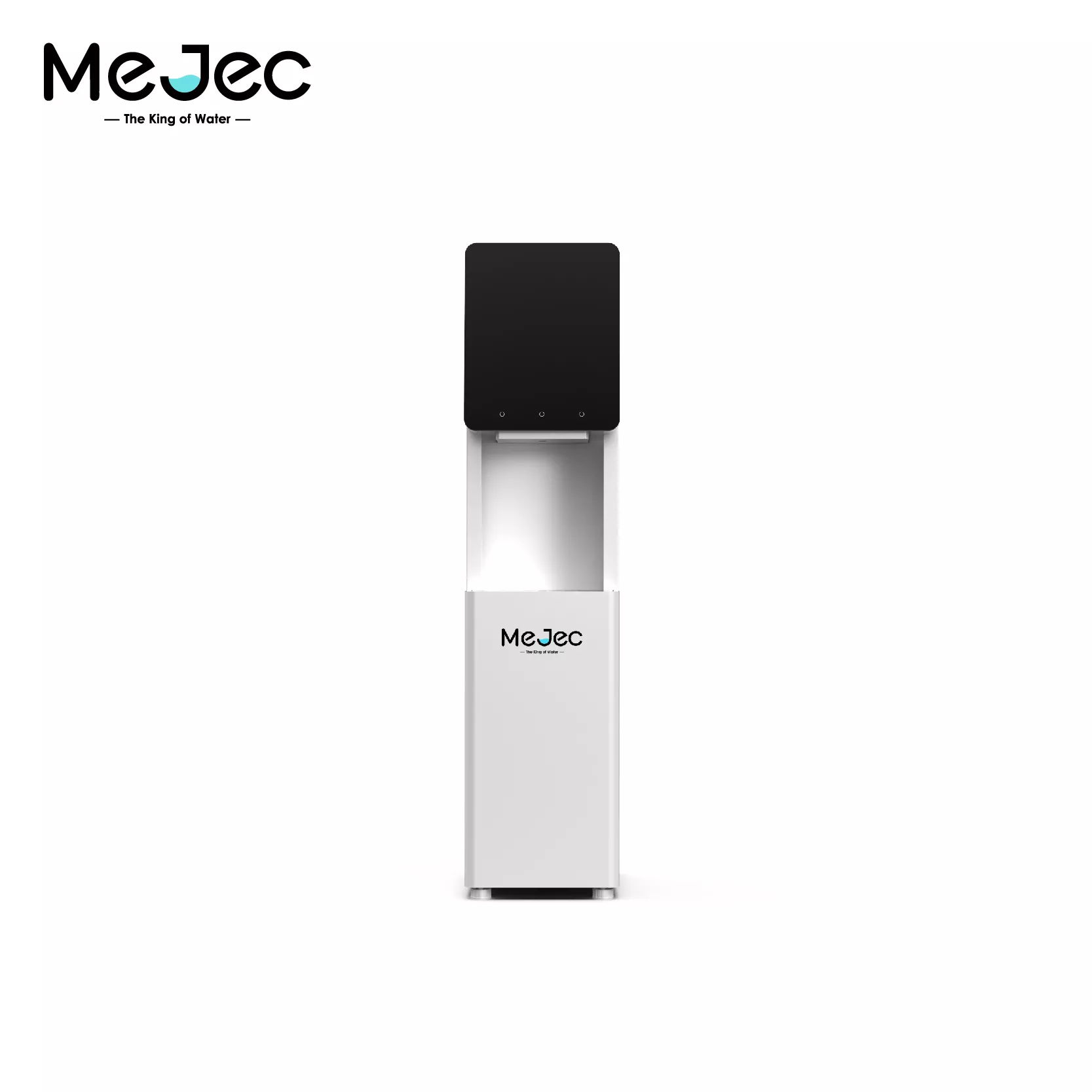
The Mejec commercial drinking machine features a l...
Select the most popular foreign trade service products to meet your diverse needs
Select the most popular foreign trade service products to meet your diverse needs




User Comments
Service Experience Sharing from Real Customers
James Wilson
Construction Site ManagerThis mobile sewage treatment plant was a game-changer for our remote construction project. Easy to deploy, efficient operation, and met all environmental compliance standards. Highly recommended for temporary sites.
Sarah Chen
Environmental EngineerAs an environmental consultant, I've specified several units. The system is robust, modular, and effectively handles variable loads. Minor learning curve for operation, but excellent performance and customer support.
Michael Rodriguez
Event Operations DirectorWe used this for a large, multi-day music festival. It handled the peak sewage load flawlessly, was odor-free, and the quick setup/teardown saved us crucial time. A reliable solution for large-scale temporary events.
Elena Petrova
Disaster Relief CoordinatorIn emergency response, reliability is everything. This mobile plant provided essential sanitation for a displaced community after flooding. It was operational within hours of arrival and ran continuously without issue. A vital piece of equipment.